![[GAMESCOM 2026] Clive Barker’s Hellraiser: Revival Preview – Ready to Open the Box](https://www.indie-games.eu/wp-content/uploads/2026/09/Clive-Barkers-Hellraiser-Revival-08-30-26-1-1024x576.jpg)
[GAMESCOM 2026] Clive Barker’s Hellraiser: Revival Preview – Ready to Open the Box
Hellraiser: Revival preserves the franchise’s sex, gore and psychological horror while delivering approachable survival-horror gameplay.


If you enjoy independent indie game coverage, consider supporting Indie-Games.eu on Patreon. It helps keep the site independent.
Set in the year AD 2900, Nova Antarctica paints a bleak but intriguing vision of Earth’s future. Humanity has been nearly wiped out by viruses, famine, extreme climate and endless wars, leaving the planet a hollow, polluted shell of its former self. Just as hope seems lost, a mysterious signal is broadcast to every nation on Earth, originating from the South Pole and promising the existence of abundant resources.
Into this despair steps the protagonist, a small child tasked with carrying humanity’s last chance for survival into the most hostile place left on the planet: Antarctica. The premise is immediately interesting, mixing post-apocalyptic sci-fi with a quiet, almost melancholic sense of wonder, and it sets strong expectations for a survival journey driven by mystery and atmosphere.

The core gameplay revolves around traversing Antarctica with the help of an ancient map, managing stamina, and surviving a constant barrage of environmental threats. Blizzards can sweep in violently, throwing debris through the air and forcing you to hide behind makeshift cover. Sub-zero temperatures drain stamina at an alarming rate, while radiation zones and deadly viruses add further pressure, requiring careful use of hazmat equipment and disinfection devices. On paper, this layered survival design sounds tense and engaging, and there are moments where the harshness of the environment genuinely comes through. Unfortunately, these systems rarely work together smoothly in practice.
Survival is meant to be supported by an in-depth crafting and building system built around remnants of lost technology. You gather materials like stone, wood, and scrap, scan discovered items to unlock new crafting options, and build tools or structures on the spot to adapt to sudden danger. In reality, this system is undermined by some of the most frustrating menus and controls I have encountered in a game.
Accessing the inventory alone requires multiple button presses just to enter and exit, and building anything bizarrely demands that you craft it once in the inventory and then again in the world. Using items is even worse, forcing you through several layers of circular menus with sub-menus on top of that. When a blizzard or radiation storm can drain your life in seconds, this interface makes quick reactions nearly impossible and turns tension into pure irritation.
The game also struggles badly with direction and pacing. Beyond the vague instruction to head toward the South Pole, there is little guidance on what you should actually be doing. You constantly collect items without any clear explanation of what they are or what you should prioritize, aside from the obvious need to upgrade your backpack and stamina. Adding to the frustration, storms can destroy items you have built, leaving you stranded and sometimes forcing a complete restart. This feels particularly punishing when the world itself is littered with similar objects, yet you are required to carefully craft fragile versions of them to survive.

Several design decisions also strain immersion and balance. Protecting yourself from deadly blizzards by building a concrete highway divider feels unintentionally absurd, especially when it somehow blocks extreme cold. Toxicity has no meaningful counterplay beyond injecting your backpack with excessive energy stimulants, and weather events feel so random and frequent that survival often comes down to luck rather than planning. Visually, there is also a strange disconnect: your character is the size of a toddler, while story elements and cutscenes depict normally proportioned humans, making the narrative feel oddly inconsistent.
I really tried to like this game. I genuinely wanted to finish it, but the checkpoint system is extremely punishing. After making significant progress, dying once can undo everything. That’s exactly what happened to me in Chapter 3: I reached a certain point, died, and was then forced to restart from the very beginning. No thanks. Sure, you can ride a wolf, rescue other animals, which subtly ease the loneliness of the Antarctic wasteland and you’re able to discover interesting holograms depicting past events.
Unfortunately, the execution is extremely rough. The game suffers from awkward camera angles, animation glitches, and sluggish controls. Even the cutscenes sometimes fail to engage you, often leaving you wondering what you just watched. That said, it’s clear there’s real heart behind the project, it just doesn’t quite come together as a solid experience. Base building, which should feel like a turning point in the second area and arguably should have been available from the start, ends up feeling expensive and pointless, offering little real protection before the elements wipe you out once again.
Another element worth mentioning is the game’s structure and long-term progression. Nova Antarctica is divided into distinct stages rather than a seamless open world, and while death can be punishing, it does not always erase everything. Finally, the map design deserves a brief mention. Rather than clearly tracking your position, the map focuses on landmarks, forcing you to navigate by memory and observation instead of precise markers.

In the end, this game feels like a fascinating mess. There is a strong concept, a lovely atmosphere, and flashes of something genuinely special buried under layers of poor usability and punishing design. I wanted to recommend it wholeheartedly, but after being unable to push myself to keep playing, I can only offer a cautious suggestion. With several well-thought-out patches addressing controls, balance, checkpoints, and clarity, this could become a memorable survival experience. Right now, it’s a journey that asks far too much patience from the player.
Review copy provided by the publisher
Hellraiser: Revival preserves the franchise’s sex, gore and psychological horror while delivering approachable survival-horror gameplay.

Swan Song creates a peaceful and forgiving puzzle space without removing the challenge that makes solving a difficult puzzle rewarding.
Mortal Shell II starts brilliantly but grows repetitive and exhausting, while remaining a rewarding and ambitious Soulslike sequel.
![[GAMESCOM 2026] Terranigma Preview – A Lost SNES Classic Returns in 2027](https://www.indie-games.eu/wp-content/uploads/2026/08/Terranigma-1-1024x576.jpg)
After more than three decades of limited availability, Terranigma is returning in 2027. We played its enhanced re-release at Gamescom…
Reading another person’s mind is often presented as a desirable superpower, but Sister Other Paranoia immediately understands why it could…
Forsaken Realms: Vahrin’s Call is exactly the kind of ambitious, slightly clumsy fantasy RPG that used to be far more…
![[Early Access] 2nd EVE – Sci-Fi Action RPG That Lacks a Sense of Stakes](https://www.indie-games.eu/wp-content/uploads/2026/08/2ND-EVE-1024x576.jpg)
2nd Eve is a space-set action RPG in which we strive to save humanity.
![[PREVIEW] Dreamcards – Strategic Exploration of Consciousness](https://www.indie-games.eu/wp-content/uploads/2026/08/Dreamcards_20260810_233631_0000-1024x576.jpg)
Dreamcards is a roguelike deckbuilder centered around dreams and nightmares.
![[Early Access] OFFBEAT – Incredibly Fun Way to Start a Music Career](https://www.indie-games.eu/wp-content/uploads/2026/08/Offbeat_20260808_201446_0000-1024x576.jpg)
In OFFBEAT, we play the role of a jobbing composer who is launching their music career.
HellSlave II retains the original’s oppressive atmosphere, morally grey world and striking art while adding a larger world, randomized loot…
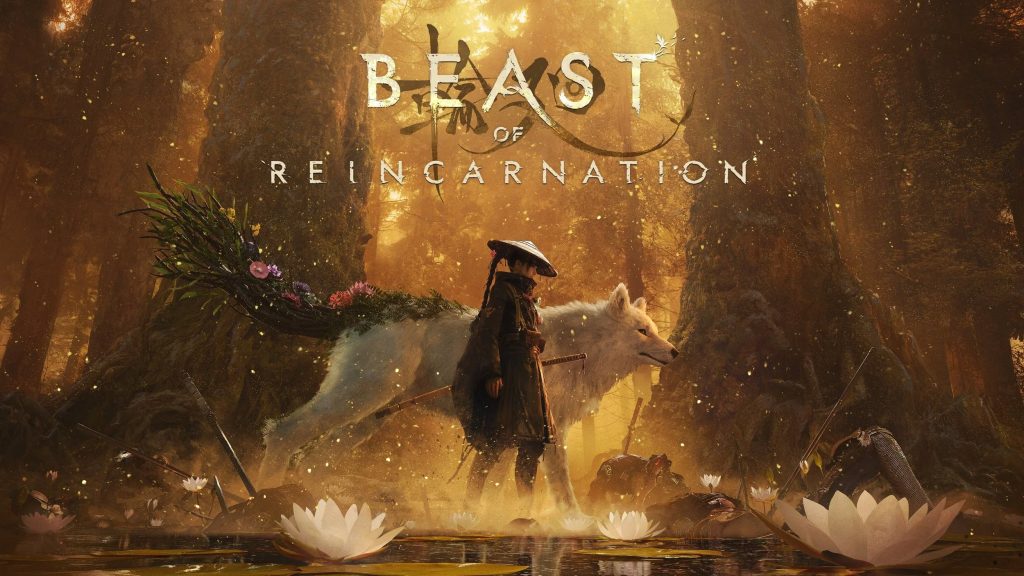
Beast of Reincarnation is an ambitious but uneven action RPG elevated by satisfying parry combat, beautiful art direction and the…

K-pop Idol Stories: Road to Debut captures the pressure of building idol group, but its management systems never explore that…
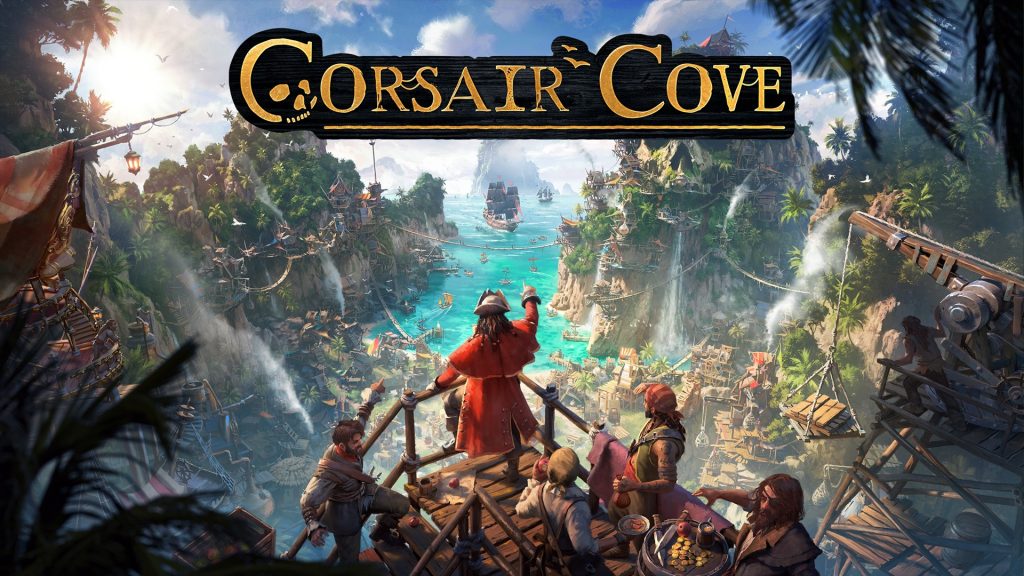
Hooded Horse keeps finding strategy games that know their audience, and Corsair Cove extends its impressive run of excellent city-builders.
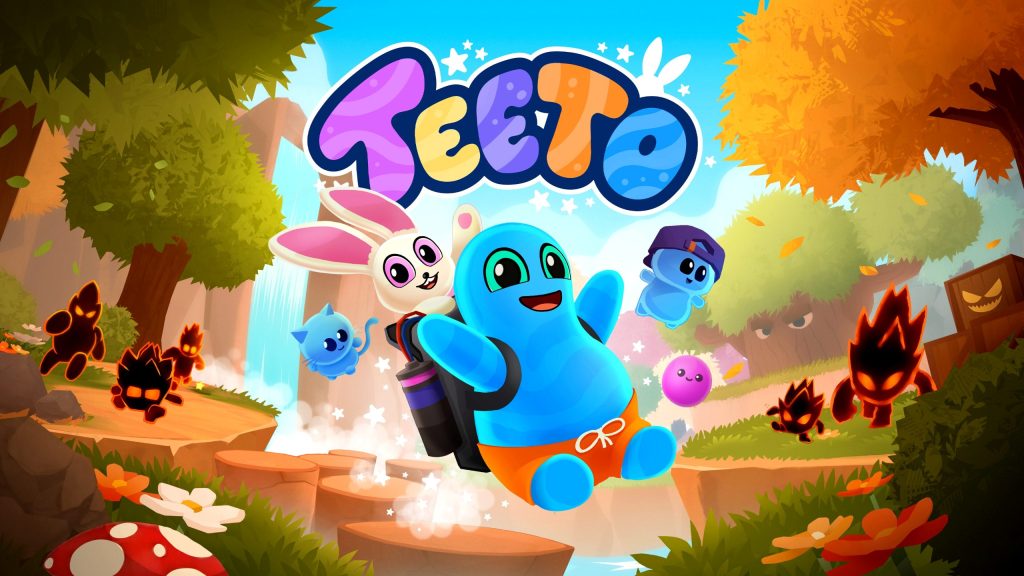
Teeto is a warm, cozy, creative and highly enjoyable 3D platformer that understands why classic collectathons remain so appealing.
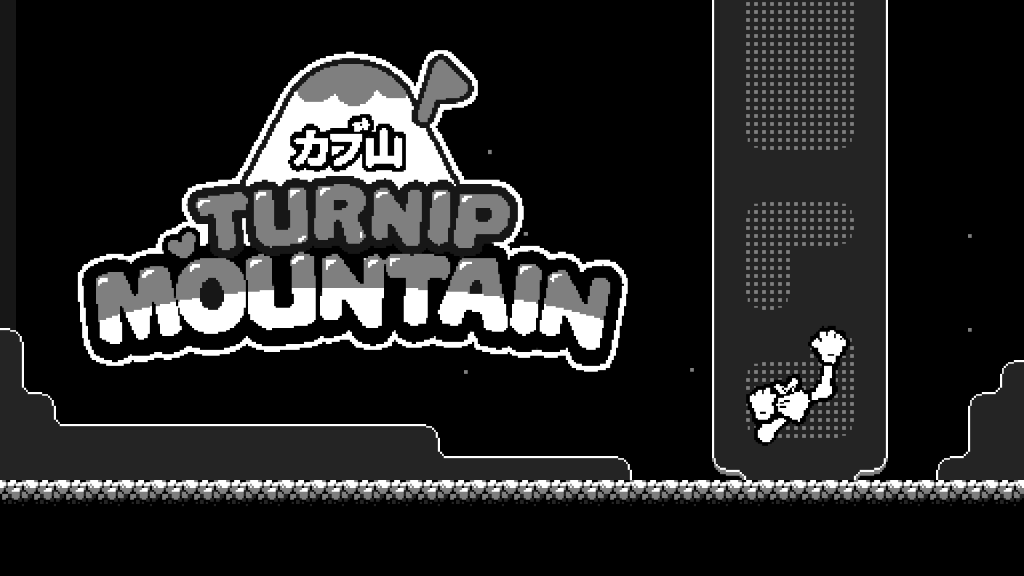
Turnip Mountain stands out for its combination of a unique control system and a minimalist approach.
Dystopicon is an imaginative and memorable narrative experiment with sharp social commentary, engaging world-building and several wonderfully absurd scenarios.
Maneki Mania is an incremental game centered around petting a lucky cat.
XeGrader Plus delivers colorful retro shooting, but basic mechanics, a short campaign and paid retro modes make its €20 price…
It has been roughly two and a half years since Palworld first entered Early Access, and quite a lot has…
![[EARLY ACCESS] The Last Caretaker – Survival Game I Cannot Stop Playing](https://www.indie-games.eu/wp-content/uploads/2026/07/The-last-Caretaker-Key-Art-1024x587.jpg)
The Last Caretaker is a compelling survival crafter with a flooded world and mobile base, but weak combat and performance…
