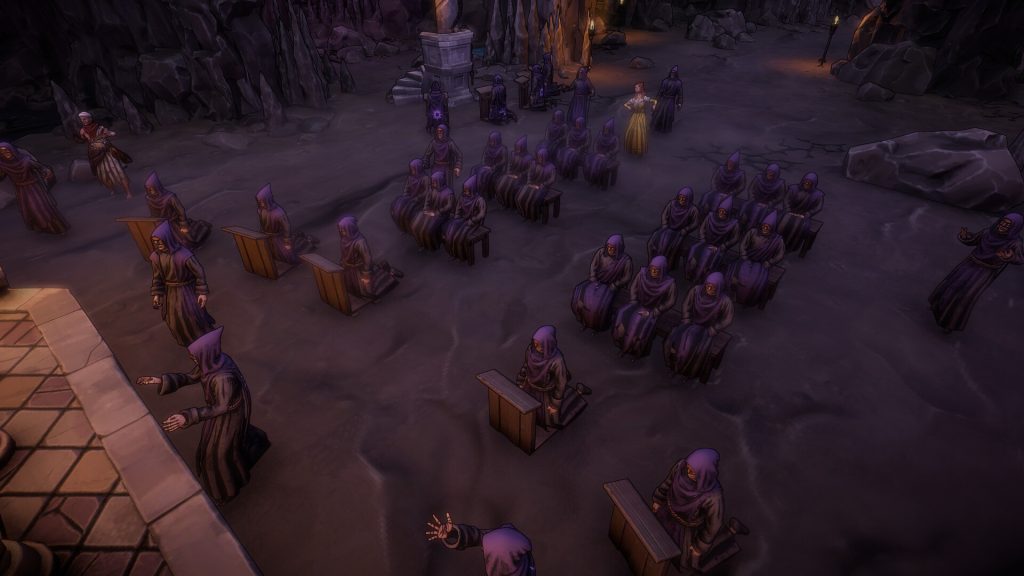
The Lunacy Lets You Build a Secret Cult Beneath Inquisition-Era Spain
Above the Desk, the studio behind Above the Snow, has announced The Lunacy: That Game About a Cult, a dark-comedy…

![[OPINION] The Memory Giants Face Price-Fixing Lawsuit And Gamers Have Every Right To Be Angry](https://www.indie-games.eu/wp-content/uploads/2026/06/Industry-News-AI-Prices.jpg)
If you enjoy independent indie game coverage, consider supporting Indie-Games.eu on Patreon. It helps keep the site independent.
I think everyone is getting tired of hearing how RAM is expensive because AI is booming. SSD prices are climbing because demand is outpacing supply. Consoles, laptops and gaming PCs cost more because memory manufacturers simply can’t produce enough chips to satisfy everyone. It all sounded believable. Now, a new class action lawsuit is asking an uncomfortable question: what if that’s not the whole story?
Samsung, SK Hynix and Micron, the three companies that collectively control almost the entire global memory market, have been accused of deliberately limiting the supply of DDR3 and DDR4 memory while shifting production toward high-margin HBM memory designed for AI data centers. According to the lawsuit, this wasn’t simply a response to market conditions. It was a coordinated effort to keep consumer memory scarce and prices artificially high.
It’s important to be clear here. These are allegations, not proven facts. The companies haven’t been found liable, and the legal process has only just begun. But even so, the accusations deserve attention, especially because they don’t exist in a vacuum. What immediately caught my attention wasn’t just the lawsuit itself. It was the history behind it.

This isn’t the first time Samsung and SK Hynix have faced accusations of manipulating the memory market. Back in 2005, both companies pleaded guilty to DRAM price-fixing in the United States, paying hundreds of millions of dollars in fines. Micron avoided prosecution by cooperating with investigators. More than a decade later, Chinese regulators also investigated similar allegations involving the same three manufacturers during another period of rapidly rising RAM prices.
That history doesn’t automatically mean today’s accusations are true, but it certainly makes them harder to dismiss. As gamers, we’ve spent months hearing that skyrocketing hardware prices are simply an unfortunate consequence of AI. We’ve watched Xbox, PlayStation and Nintendo increase console prices. PC builders have seen RAM and SSD upgrades become noticeably more expensive. Valve has openly admitted that hardware costs forced it to price its upcoming Steam Machine higher than originally planned while also limiting supply.
If the lawsuit ultimately proves that part of those price increases were driven by deliberate supply restrictions rather than unavoidable shortages, then consumers haven’t just been unlucky. They’ve been paying more because they had no other choice. That’s perhaps the biggest problem here. Normally, when prices rise dramatically, competitors step in to increase production and capture market share.
That’s how markets are supposed to work. But memory manufacturing isn’t like making keyboards or graphics cards. Building advanced semiconductor fabrication plants costs billions of dollars and takes years before they become operational. There are simply too few companies capable of competing at this level. When three manufacturers control almost the entire market, consumers don’t have meaningful alternatives.

Even if the allegations turn out to be false, the situation exposes another uncomfortable reality. The semiconductor industry has become so concentrated that any disruption, whether caused by AI demand, genuine shortages or corporate strategy, immediately affects almost every device we use. That’s not healthy for the industry.
Gaming has always benefited from competition. Console makers compete against each other. GPU manufacturers compete for performance. Game stores compete for customers. Competition keeps prices in check and gives consumers options. Memory doesn’t work that way anymore.
I’m not here to declare Samsung, SK Hynix or Micron guilty before the courts have examined the evidence. That’s exactly what the legal system is for. But I do think gamers should pay close attention to this case because the outcome could explain a lot about why hardware has become so expensive over the past few years.
If these companies simply responded to overwhelming AI demand, then the industry has a serious supply problem that will take years to solve. If, however, they intentionally restricted supply while consumers paid record prices, then that’s an entirely different conversation. Either way, one thing is becoming increasingly clear. The people paying the bill are still the gamers.
Above the Desk, the studio behind Above the Snow, has announced The Lunacy: That Game About a Cult, a dark-comedy…

Gladio Mori leaves Steam Early Access and launches for PC, PlayStation 5 and Xbox Series X|S in September 2026, with…

Kitaria Fables 2 will hold a closed Steam beta from September 7th to 21st, 2026, offering selected players roughly 60…

Midsummer Madness launches for PC, Nintendo Switch and Switch 2 in November 2026, following an exclusive one-day gamescom demo in…

Rizz Dungeon: Skeleton Key to My Heart has been delayed to 2027, giving Snoozy Kazoo time to add more Monster…
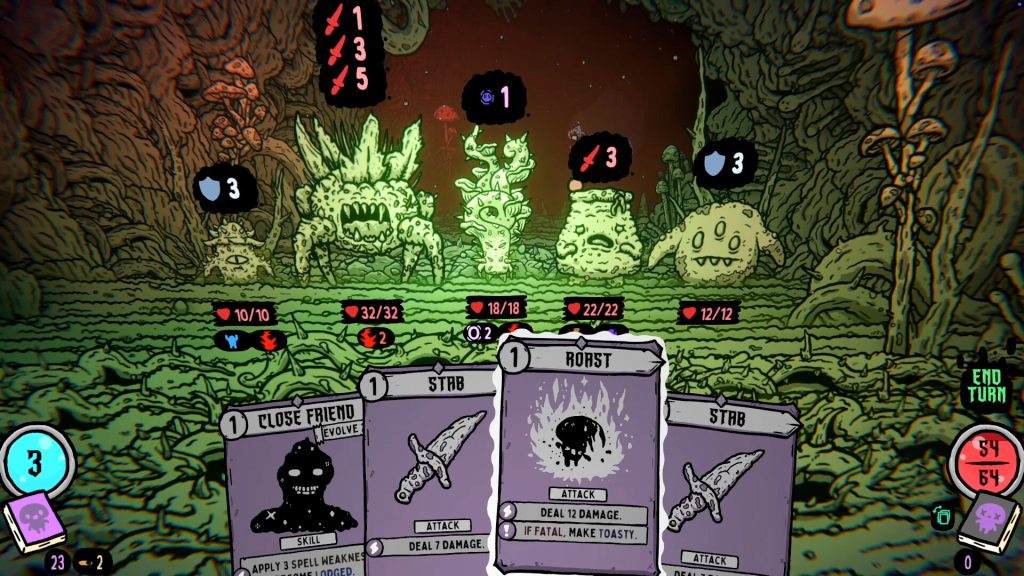
Shroom and Gloom enters Steam Early Access in September 2026, combining first-person dungeon crawling with separate exploration and combat decks.
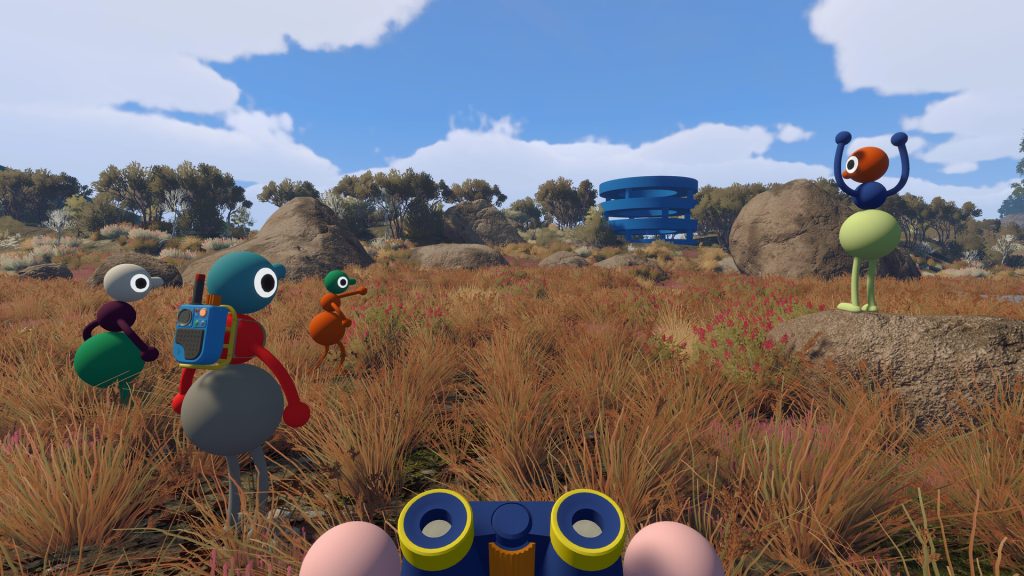
Big Walk sold more than one million copies in six days, strengthening the case for complete co-op-only games built around…

If you regularly visit Indie-Games.eu or follow the YouTube channel, you have probably noticed that things have become unusually quiet.
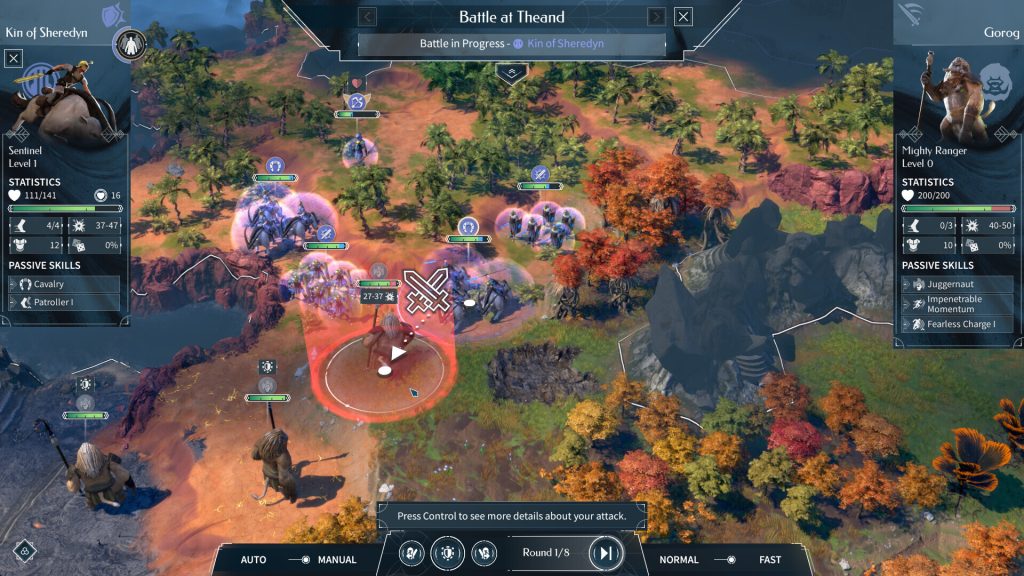
Endless Legend 2 leaves Early Access in September as version 1.0 rolls out, bringing console versions to PlayStation 5 and…
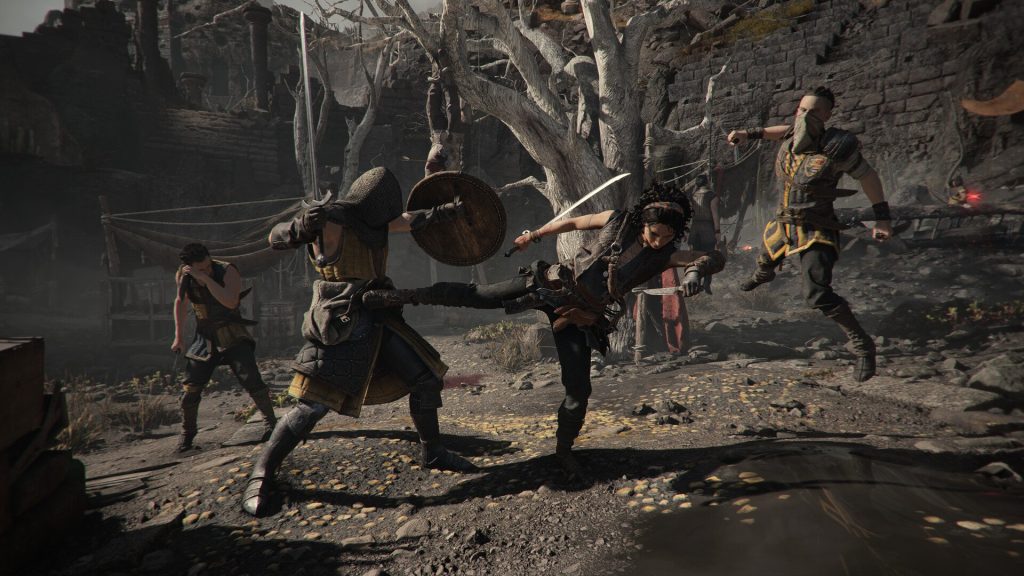
A new Resonance: A Plague Tale Legacy featurette shows how Sophia can use light to navigate dangerous environments and overcome…
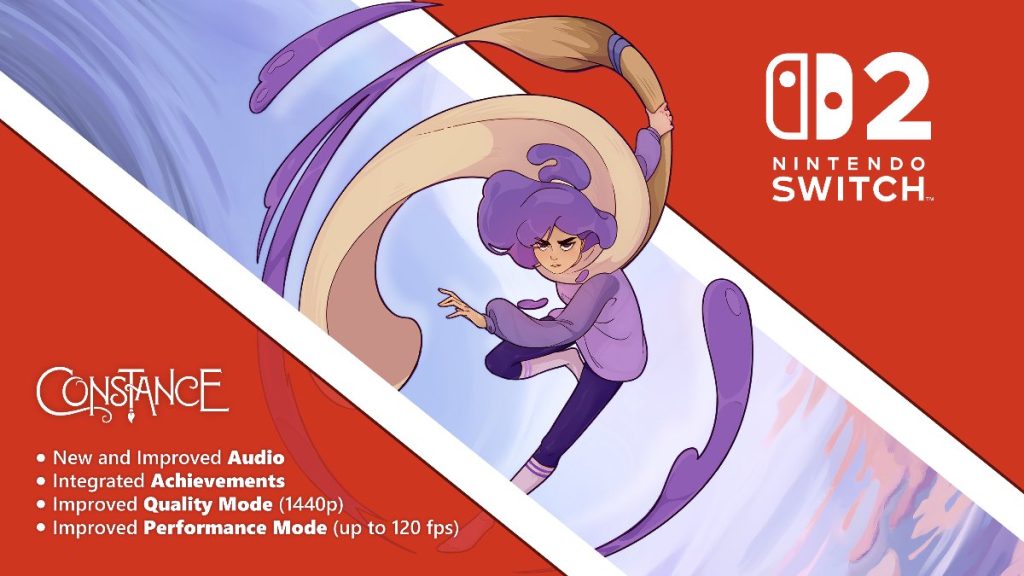
The nonlinear world contains six biomes, each representing a different part of the protagonist’s psyche and history.
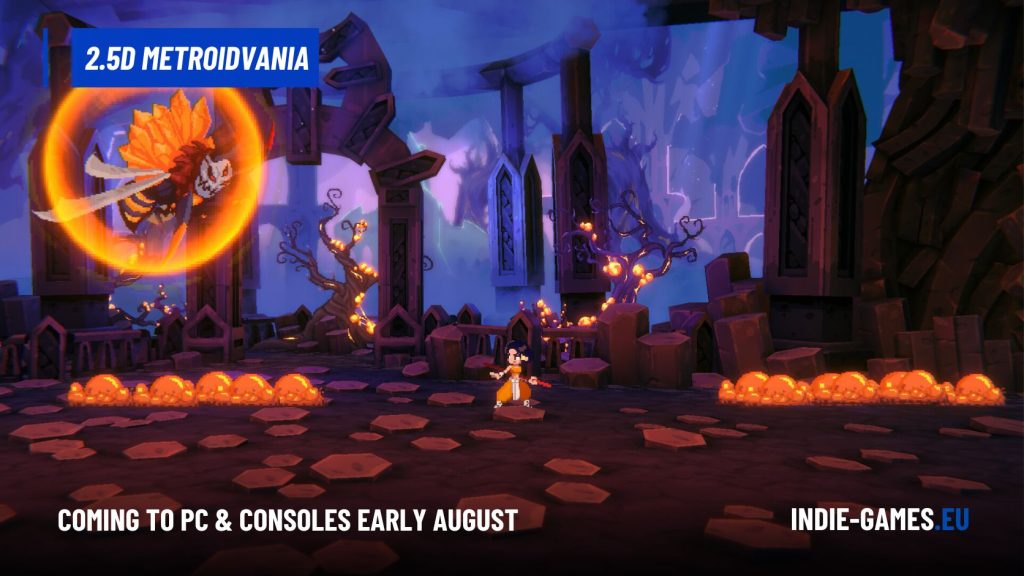
Akatori launches early August on PC and PlayStation and Xbox, featuring 2.5D Metroidvania action, parkour and staff-based combat.
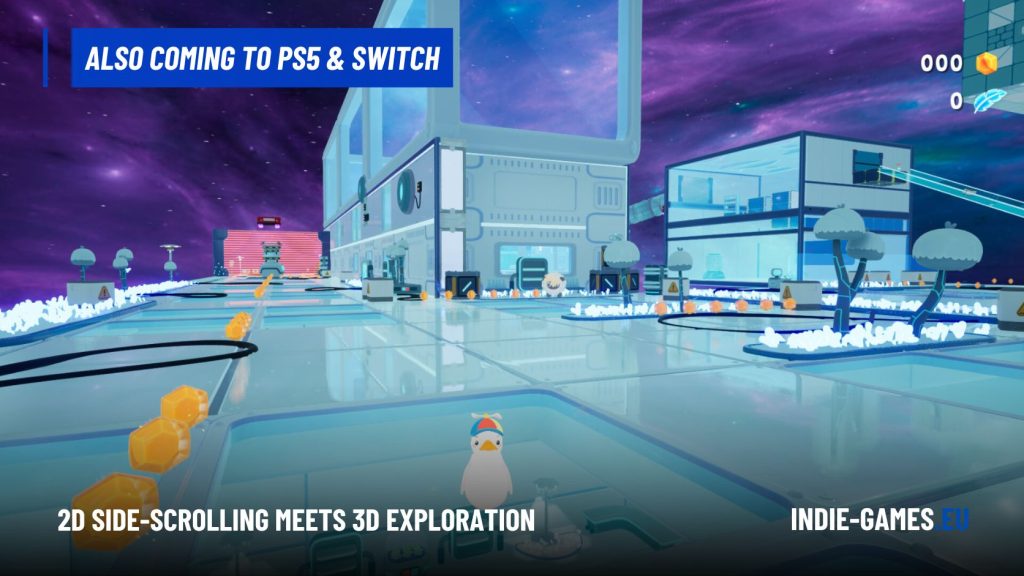
Dodo Duckie! launches on PC and Xbox today, with PS5 and Switch versions arriving later in 2026, featuring unique 2D…
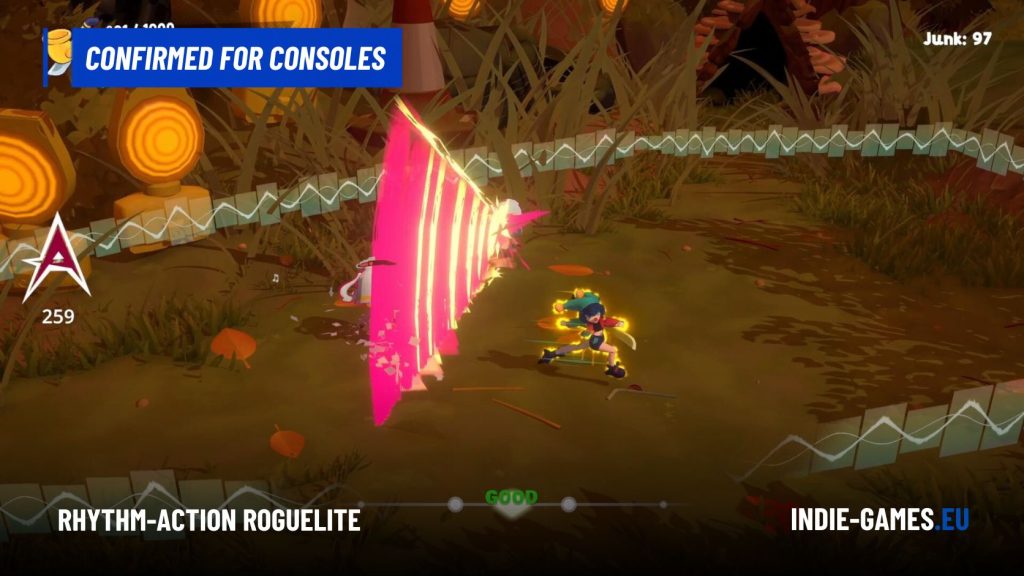
Alpha Nomos launches on PlayStation 5, Xbox Series and PC in 2026, featuring rhythm-based roguelite combat, live-recorded weapons and a…

Sniper Dan launches in September for PlayStation 5, Xbox, Switch and PC, blending hidden object gameplay, puzzles and family-friendly sniper…
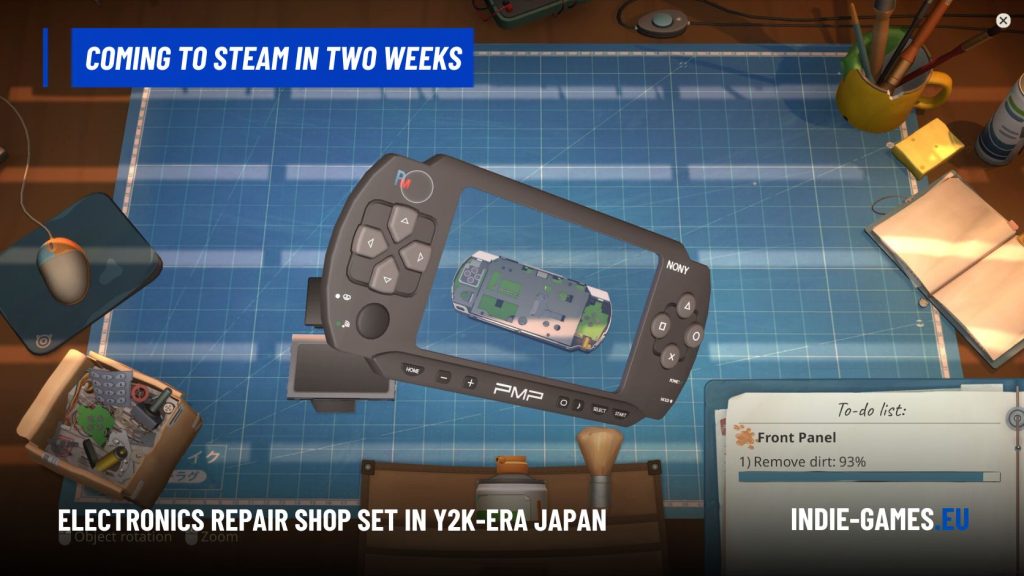
In ReStory, you will repair a wide range of early-2000s technology, including mobile phones, handheld gaming systems, digital pets, music…
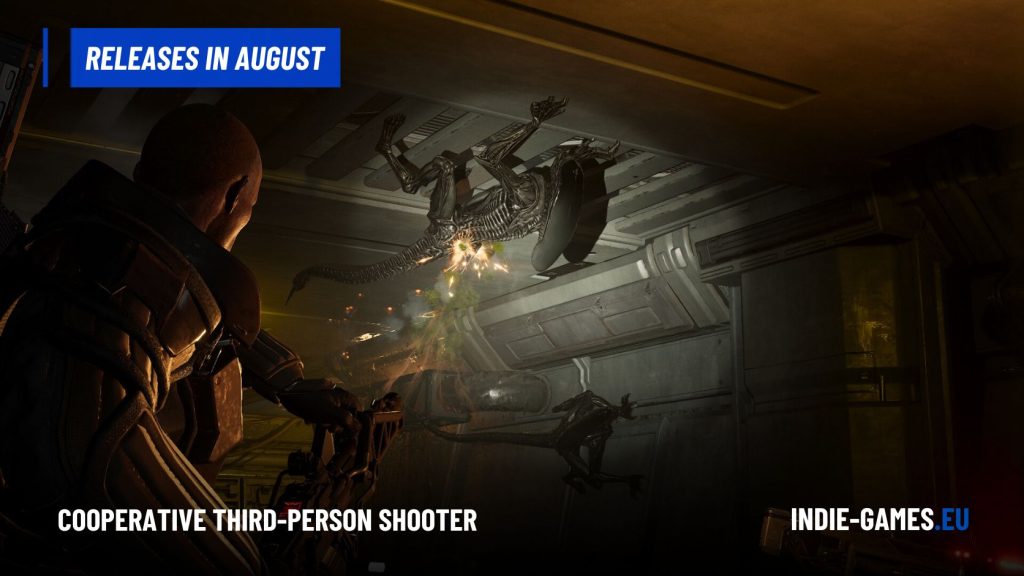
Aliens: Fireteam Elite 2 expands its fireteams to four players, who take control of Colonial Marines deployed across hostile locations…
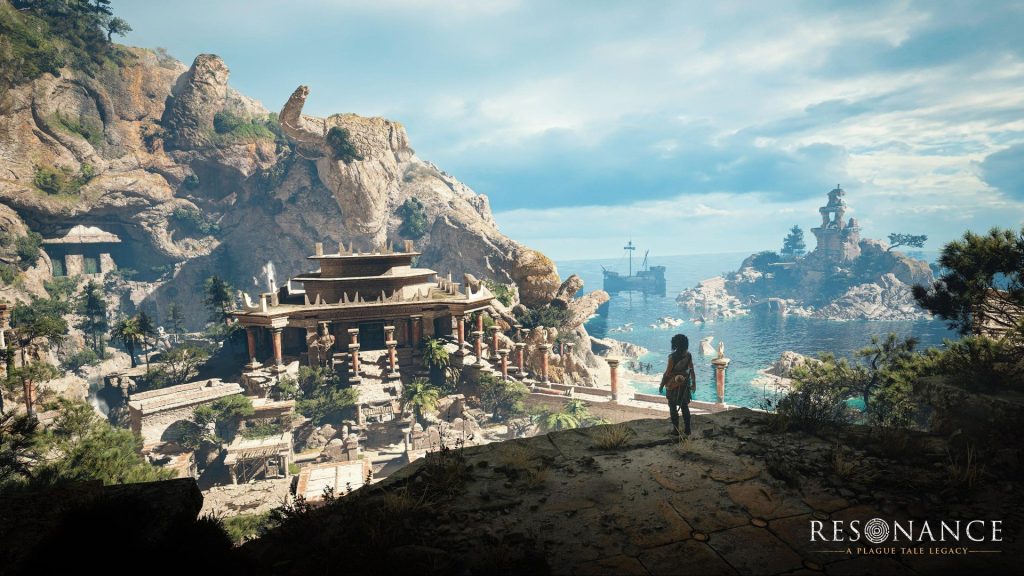
Asobo Studio has released a short scenic clip for Resonance: A Plague Tale Legacy, showcasing its Mediterranean-inspired locations.
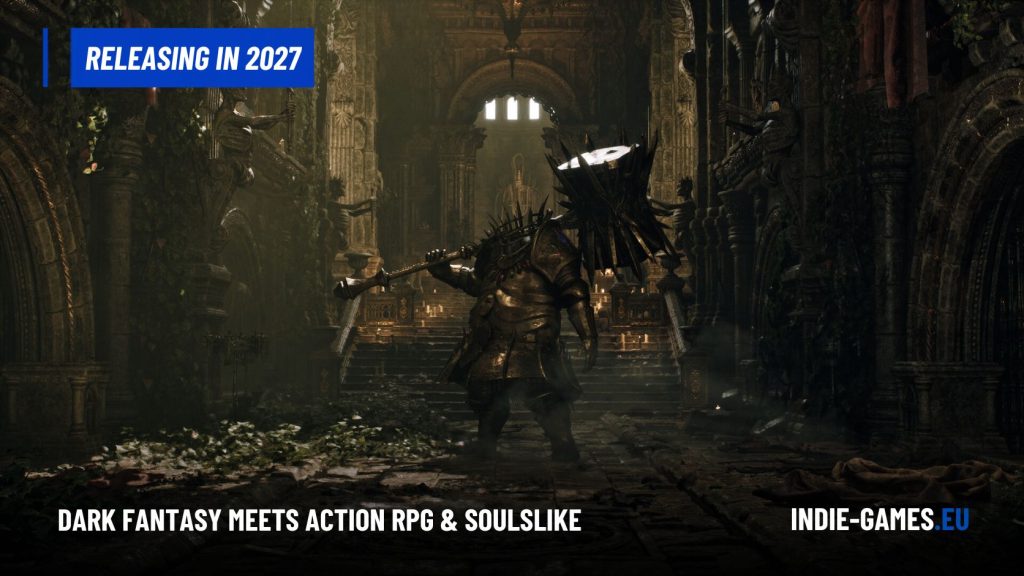
Turkish solo developer Celal Sahin has announced Godless Dawn, a dark fantasy action RPG targeting a Q1 2027 release on…
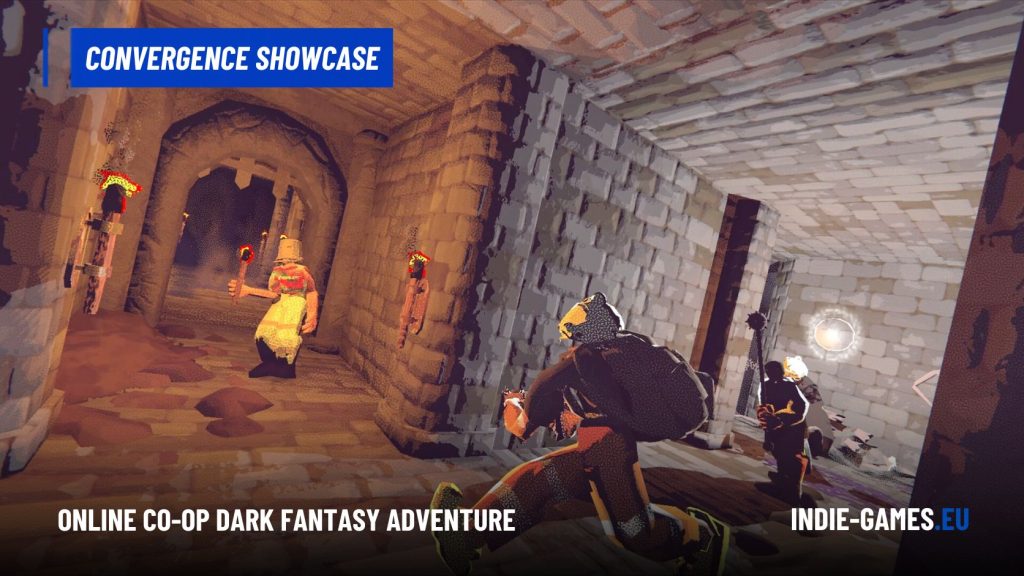
Vision Quench, an online co-op dark fantasy adventure from developer WizMUD Games and Pocketpair Publishing, is targeting an early 2027…
