
![[OPINION] There’s really no point in buying games on launch day anymore](https://www.indie-games.eu/wp-content/uploads/2025/12/video-games-1557358_1920.jpg)
If you enjoy independent indie game coverage, consider supporting Indie-Games.eu on Patreon. It helps keep the site independent.
While scrolling through the Steam Winter Sale, I realized something: there are so many games I want to buy and play, yet most of them will probably just sit in my backlog. Tomb Raider is extremely cheap, the older Baldur’s Gate games are absolutely worth picking up now, and even Assassin’s Creed, whether you like the series or not, is discounted that you can buy several entries for the price of something like Clair Obscur: Expedition 33. Then I look at newer releases, games launching at €50 or more, and it makes me question one thing: is that price really worth it?
We’re entering an era where games, consoles, and especially PC parts are getting more expensive, even older hardware doesn’t seem to get much cheaper over time. We’ve all seen the data from SteamDB: most players don’t buy new games. Instead, they spend their time and money on older ones. Only a small percentage of highly dedicated players consistently jump into new releases, and then occasionally a big hit like P.E.A.K., Clair Obscur, or ARC Raiders comes along and suddenly everyone piles in.
A big part of this is the fear of missing out (FOMO), which has become extremely prevalent in the gaming industry. It can be negative, pushing us to spend money on something we later regret or never touch again, even though the same game might be 40% cheaper just six months later during a major sale. But it can also be positive: sometimes you buy a game, fall in love with it, and keep coming back to it for years, making the price feel completely justified because you finally found your kind of game.

That said, this isn’t entirely what I mean when I say “there’s no point in buying games on launch day.” I play a lot of indie games every year, and I’ve noticed that even many of those, arguably the majority, launch in a broken state. Gameplay is often generic, around 50 games release every single day, and a large portion of them are AI slop or simply unremarkable. Yet on social media, I constantly see posts like “this game hit 10k wishlists” or “that one reached 20k wishlists.”
At this point, wishlists mean very little in terms of actual sales. They’re mostly a tool for publishers to see interest and for Steam’s algorithm to decide which games to push. Not every wishlist turns into a purchase. I personally have over 300 games on my wishlist, mostly early access titles or games that haven’t released yet. That doesn’t mean I’ll buy or review all of them. I like to wait and see how a game develops, how reviews evolve, whether it gains positive or negative traction, and how well the developers communicate with their audience.
When I was a kid, like most people, it was always hard to convince my parents to buy games, because in their eyes, it was never worth it. So, naturally, piracy became the alternative. I do feel guilty about that now, especially knowing I pirated almost every Paradox game like Crusader Kings II, Europa Universalis IV, and others. But Paradox games also come with a huge problem – DLC overload.
When you see that you need to spend €150 or more just to get everything in one bundle, who’s actually going to do that? If you didn’t buy the content gradually over time, is it even worth it? As I got older, those games became cheaper, and I eventually bought all the Crusader Kings II DLCs about five years ago. I then spent another thousand hours playing it because I knew it was my type of game, something I could sink endless time into.

New releases don’t really feel like that anymore. Sure, many people pirate games just to see if they’ll like them, and while no one should encourage piracy, it’s also inevitable. Do I really want to spend €40 on a game I might not enjoy? Steam refunds exist, but two hours is barely enough time to know whether a game truly clicks with you.
In 2025, we’ve had a massive number of great releases: Hades II, Silksong, Clair Obscur: Expedition 33 and then at the end of the year you constantly see lists like “Top 12 Indie Games of 2025.” Then you look at those lists and ask yourself: did I actually enjoy all of these? Personally, I played most of them, and many just weren’t my cup of tea. Silksong, for example, even after spending over 50 hours with it, just didn’t work for me. The soulslike elements, the platforming, it was too frustrating for me. Was it a bad game? Absolutely not. It was incredibly well-made and fully deserved awards like Best Indie Game of the Year.
So here are my questions to you: do you buy games at launch? How much time do you actually spend with them? Do you complete them fully, or do you move on to the next big thing? What does gamer mean today?
This year has been especially strange. “Friendslop” games have been everywhere, cheap multiplayer titles you know you’ll get hundreds of hours out of with friends. They often cost under €10 and deliver more long-term fun than most full-priced releases. Even small-scope games like Slots & Daggers or Balatro are incredibly affordable and endlessly enjoyable, no matter how much time or money you put into them.

And honestly, that makes it even harder to justify buying larger, more expensive games on day one. With everything becoming more costly, games often launching in a rough state, and some, especially AAA titles, taking years to be properly fixed, buying at launch just doesn’t feel worth it anymore. You already know there will be drama, backlash, and something broken at release.
The smarter option is to wait for major sales and pick games up over time, one by one, once they’re actually finished and cheaper. It’s frustrating to admit, but the gaming industry has gotten worse in many ways. Sure, not every PlayStation 2 or Xbox era game was a masterpiece, but those games were complete. No DLCs, no day-one patches, no endless updates, you put the disc in, and you played. Especially today, we’re all suckers for nostalgia.
In the end, this isn’t about being anti-new games or refusing to support developers. It’s about value, patience, and knowing what kind of player you are. For most of us, buying games on launch day has become a gamble: higher prices, unfinished releases, and the pressure to move on before a game even has time to breathe.
Waiting doesn’t make you less of a gamer, if anything, it means you’re more intentional about what you play and why. Maybe the industry hasn’t completely lost its way, but it’s clear that the smartest move now isn’t chasing the next big release – it’s choosing games that respect your time, your money, and your enjoyment, whether that’s on day one or three years later during a winter sale.
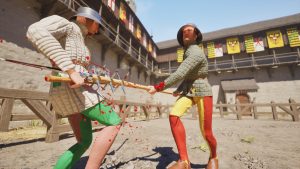
Half Sword currently holds a “Mixed” rating on Steam, with only around 42 percent of reviews marked as positive from…
The Dispatch censorship saga stands as a reminder that in today’s multiplatform landscape, clear communication can be just as important…
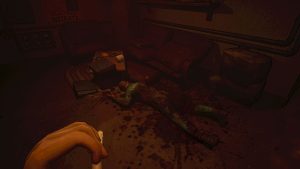
Rather than relying on frequent jump scares or combat, MOLE focuses on slow-burning tension and psychological unease.
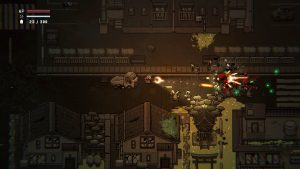
In a market saturated with procedurally generated shooters and roguelike hybrids, Terrible Life Expectancy stands out by making progression feel…
Today’s edition spans everything from handcrafted stop-motion horror and cozy puzzle cats to ambitious RPG projects
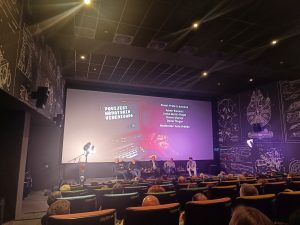
The exhibition was organized by the Video Game History Museum in Zagreb and represents the first systematic and chronological overview…
![[OPINION] Xbox Hardware Slips as Microsoft’s Earnings Expose a Growing Problem](https://www.indie-games.eu/wp-content/uploads/2026/01/Xbox-300x169.jpg)
Xbox gaming revenue fell 9 percent year over year. Hardware sales collapsed by 32 percent, while content and services dropped…

Another packed day in the indie and gaming world brings a wave of demos, release dates, major updates, industry shifts,…

Sezon relacji z różnych imprez rozpoczynamy koncertem Anime Symphony Kameralnie.
We are kicking off the 2026 season of events with Anime Symphony concert.

We’ve gathered today’s most important stories into one easy-to-read roundup.

Twin Sails Interactive has announced a new publishing partnership with Brazilian developer Orbit Studio.

Indie Fan Fest is a curated digital showcase focused on unreleased indie games.

Everplay’s new CEO, Mikkel Weidder, said he is confident about the group’s future.

You travel alongside a mysterious girl who has completely lost her memory, and the core of the experience revolves around…

Each run will be different thanks to roguelite mechanics, while additional depth comes from soulslike elements such as parrying.

Welcome to Daily Indie News Roundup #8, your one-stop destination for everything happening across the indie gaming world and beyond.
![[OPINION] How Nintendo Turned Switch 2 Upgrades Into a Money Trap](https://www.indie-games.eu/wp-content/uploads/2026/01/Nintendo-Switch-2-Upgrades-300x174.jpg)
Before the massive success of the Switch, the company offered options that respected different budgets.

Green Man Gaming has kicked off a massive New Year Sale, offering discounts of up to 90% on a huge…
Today’s roundup covers a wide range of stories shaping the future of independent games.
Half Sword currently holds a “Mixed” rating on Steam, with only around 42 percent of reviews marked as positive from…
The Dispatch censorship saga stands as a reminder that in today’s multiplatform landscape, clear communication can be just as important…
Rather than relying on frequent jump scares or combat, MOLE focuses on slow-burning tension and psychological unease.
In a market saturated with procedurally generated shooters and roguelike hybrids, Terrible Life Expectancy stands out by making progression feel…
Today’s edition spans everything from handcrafted stop-motion horror and cozy puzzle cats to ambitious RPG projects
The exhibition was organized by the Video Game History Museum in Zagreb and represents the first systematic and chronological overview…
Xbox gaming revenue fell 9 percent year over year. Hardware sales collapsed by 32 percent, while content and services dropped…
Another packed day in the indie and gaming world brings a wave of demos, release dates, major updates, industry shifts,…
Sezon relacji z różnych imprez rozpoczynamy koncertem Anime Symphony Kameralnie.
We are kicking off the 2026 season of events with Anime Symphony concert.
We’ve gathered today’s most important stories into one easy-to-read roundup.
Twin Sails Interactive has announced a new publishing partnership with Brazilian developer Orbit Studio.
Indie Fan Fest is a curated digital showcase focused on unreleased indie games.
Everplay’s new CEO, Mikkel Weidder, said he is confident about the group’s future.
You travel alongside a mysterious girl who has completely lost her memory, and the core of the experience revolves around…
Each run will be different thanks to roguelite mechanics, while additional depth comes from soulslike elements such as parrying.
Welcome to Daily Indie News Roundup #8, your one-stop destination for everything happening across the indie gaming world and beyond.
Before the massive success of the Switch, the company offered options that respected different budgets.
Green Man Gaming has kicked off a massive New Year Sale, offering discounts of up to 90% on a huge…
Today’s roundup covers a wide range of stories shaping the future of independent games.
