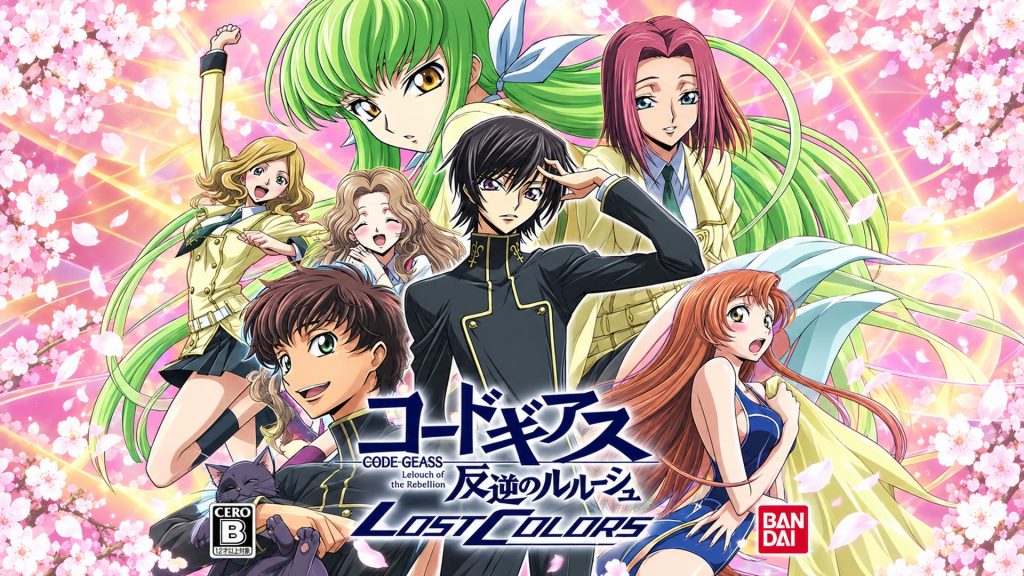
A Japan-Only Code Geass PS2 Game Finally Has a Complete English Patch
Code Geass: Lost Colors now has a complete fan-made English patch for PS2, including the platform-exclusive Blue Moon route.


If you enjoy independent indie game coverage, consider supporting Indie-Games.eu on Patreon. It helps keep the site independent.
On December 20, 1987, Japanese gaming history changed with the release of Phantasy Star on the Sega Mark III. Now, 38 years later, the game is remembered not just as an important Sega title, but as a major turning point for console role-playing games. When it later arrived in North America on the Sega Master System in 1988, it became the first RPG released for a home console in the region, reaching players almost two years before the original Final Fantasy made its Western debut.
What set Phantasy Star apart was its bold mix of science fiction and fantasy at a time when most RPGs stuck to medieval settings. Players explored the Algol Star System while following the story of Alis Landale, a rare female lead for the era, on her quest to defeat the tyrant King Lassic. The game pushed 8-bit hardware to its limits with first-person 3D dungeons that felt far ahead of their time. Features like a full party system, animated enemies, and battery-backed saves made the adventure feel larger and deeper than most console games of the late 1980s.
The experience of playing Phantasy Star differed between Japan and the West. In Japan, the game launched with a gold-labeled cartridge and anime-style artwork that matched its sci-fi tone. Japanese systems also supported FM sound through special hardware, giving the game a richer and more detailed soundtrack.
The Western version used different box art with a more classic fantasy look and lacked FM audio support, relying on simpler sound hardware. Early English versions also struggled with limited text space, which sometimes made the story harder to follow. To help, Sega included printed maps and story booklets in the box, giving players important context outside the game itself.
For players today, the Sega Ages version on Nintendo Switch is considered the best way to experience the game. Created by emulation experts M2, this release restores the FM soundtrack for all regions and adds helpful modern features. Auto-mapping makes the complex dungeons easier to navigate, while a special mode reduces the heavy grinding typical of early RPGs. Whether played on original hardware or through modern updates, Phantasy Star remains an example of Sega’s ambition and a classic that truly took console RPGs into space.
Code Geass: Lost Colors now has a complete fan-made English patch for PS2, including the platform-exclusive Blue Moon route.
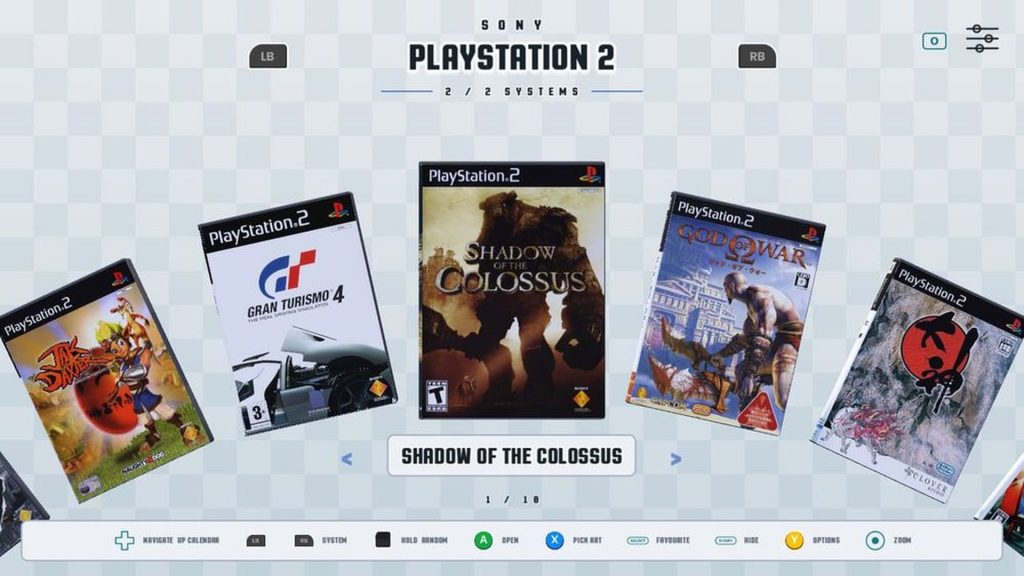
DigiBitPlay presents digital game libraries through interactive 3D boxes, discs, cartridges, consoles and scanned manuals.
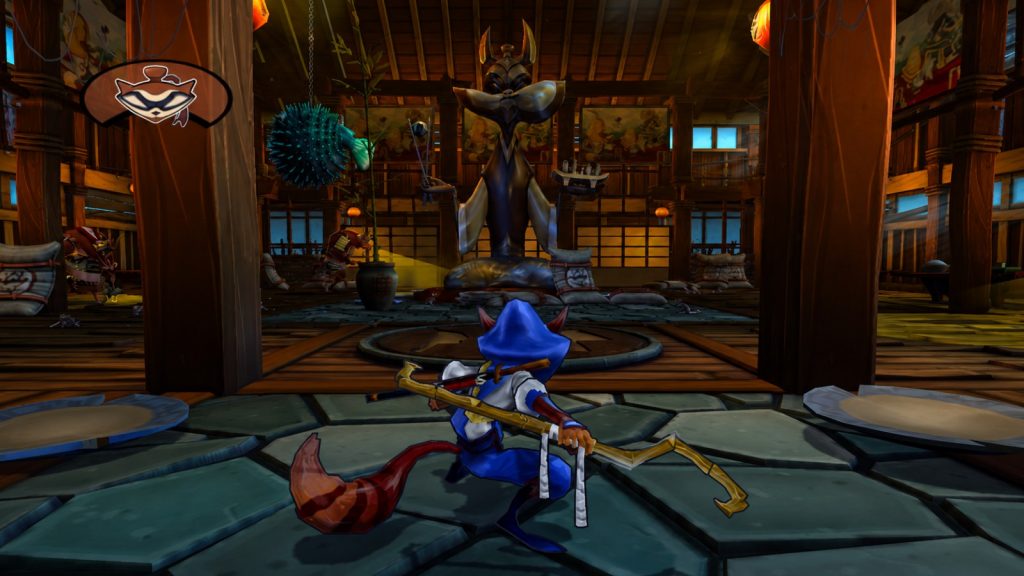
Project Cane shows new Sly Cooper PC footage, but the unofficial native port still needs menus, audio, saving, controls and…
Donkey Kong 64 now runs natively on Windows, Linux and macOS with widescreen, uncapped frame rates, modern controls and optional…
PCSX2 2.8.0 delivers major performance and graphics improvements alongside EyeToy support, interface upgrades and bundled FFmpeg.
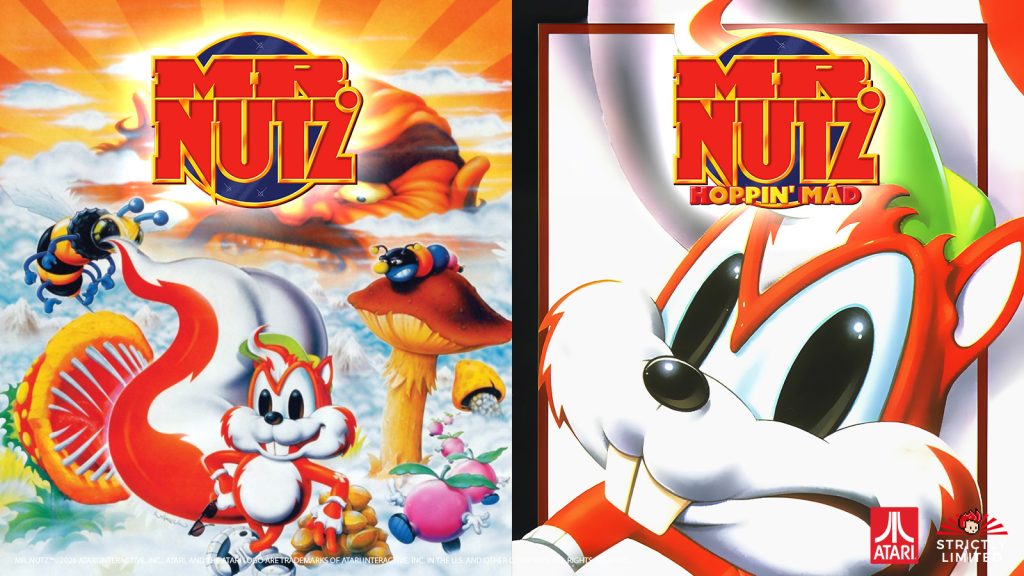
Mr. Nutz and the previously unreleased Mega Drive sequel Hoppin' Mad are receiving new physical cartridges from Strictly Limited Games…
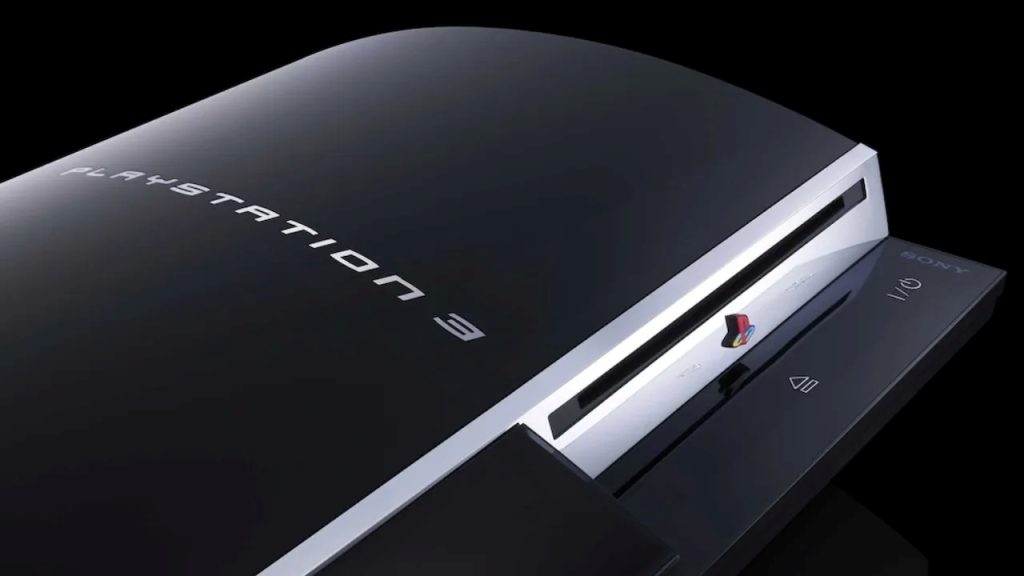
Sony will close the PlayStation 3 Store in July 2027, while RPCS3 fully supports 75% of the console's library, highlighting…
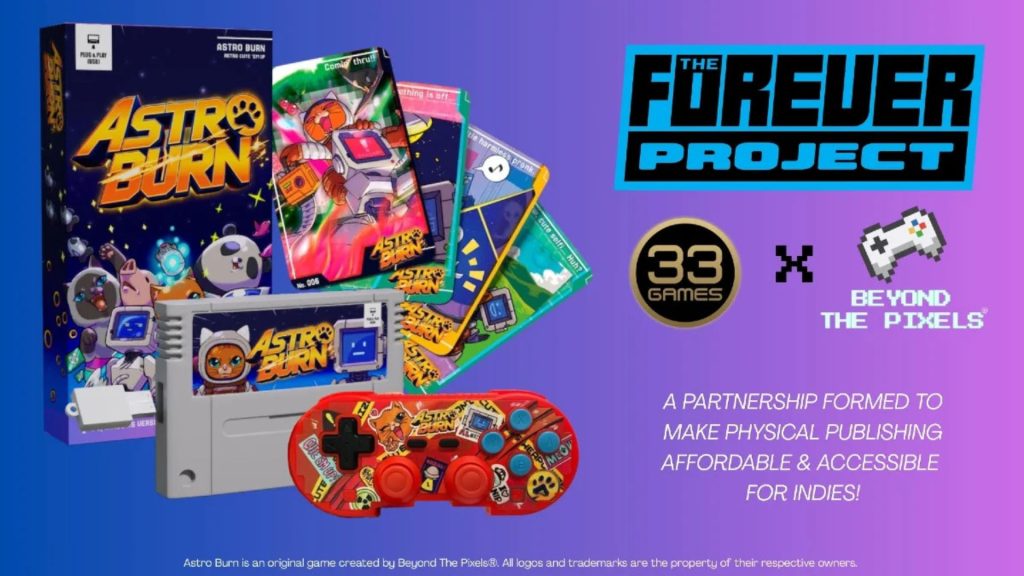
The Forever Project aims to make physical game releases more affordable for indie developers through a partnership between 33 Games…
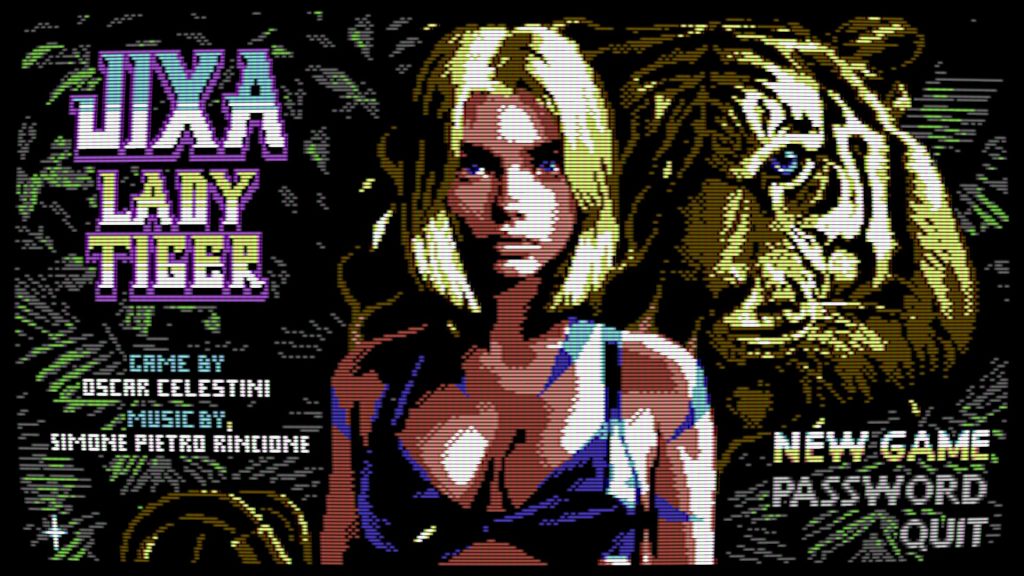
Indie developer Oscar Celestini is expanding his retro-inspired platformer with Jixa Lady Tiger Plus, an enhanced edition that significantly builds…
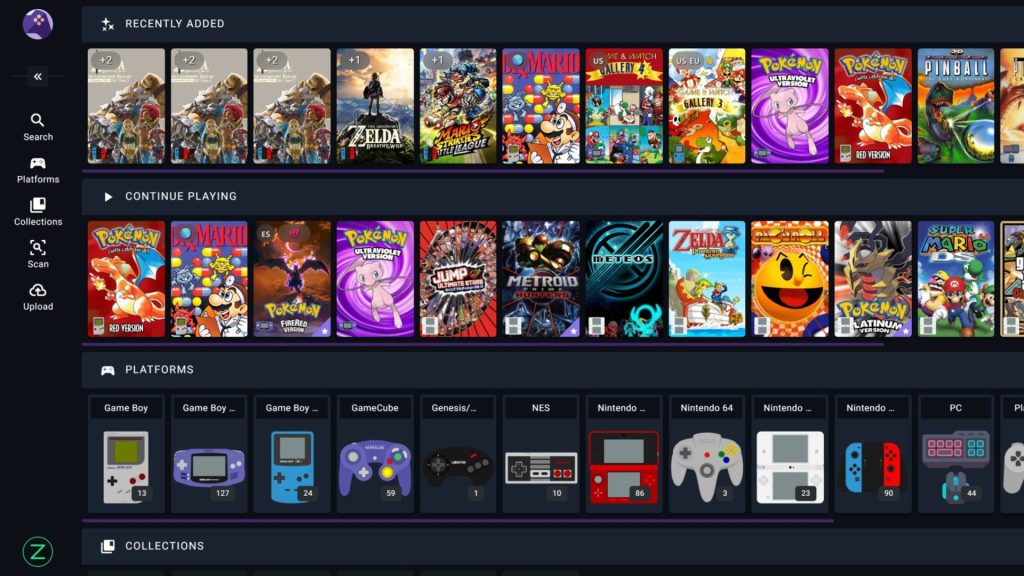
RomM is a free, open-source, self-hosted platform that organizes ROM libraries, fetches metadata, and supports browser-based emulation.
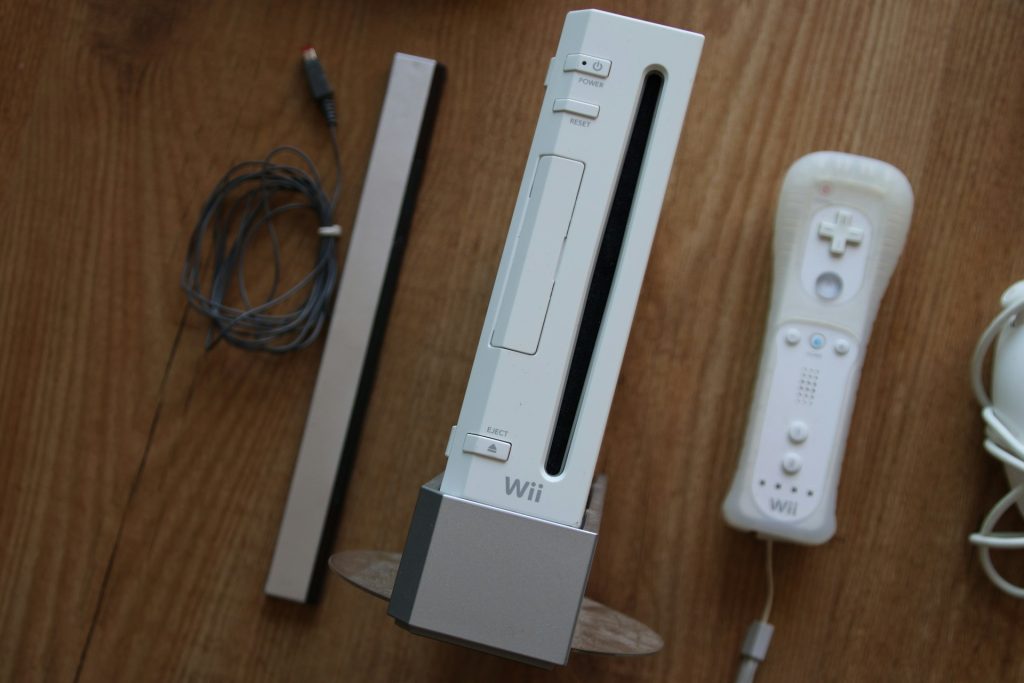
The developers behind Wii64 have released Beta 1.4, marking the Nintendo 64 emulator's first major update in more than five…
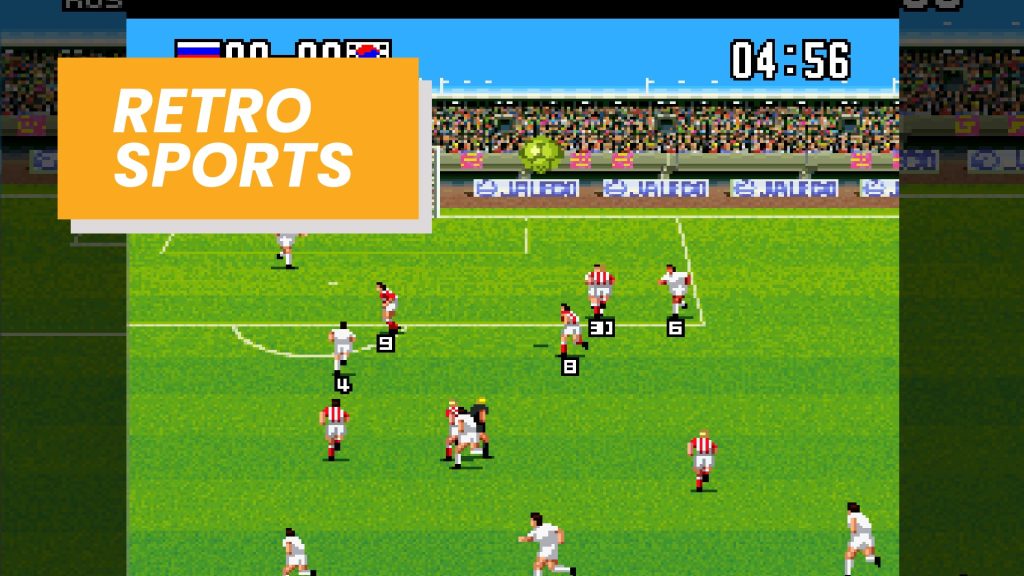
Rock It Games has brought Jaleco Sports: Bases Loaded II and Goal! Two to PC after successful Nintendo Switch and…
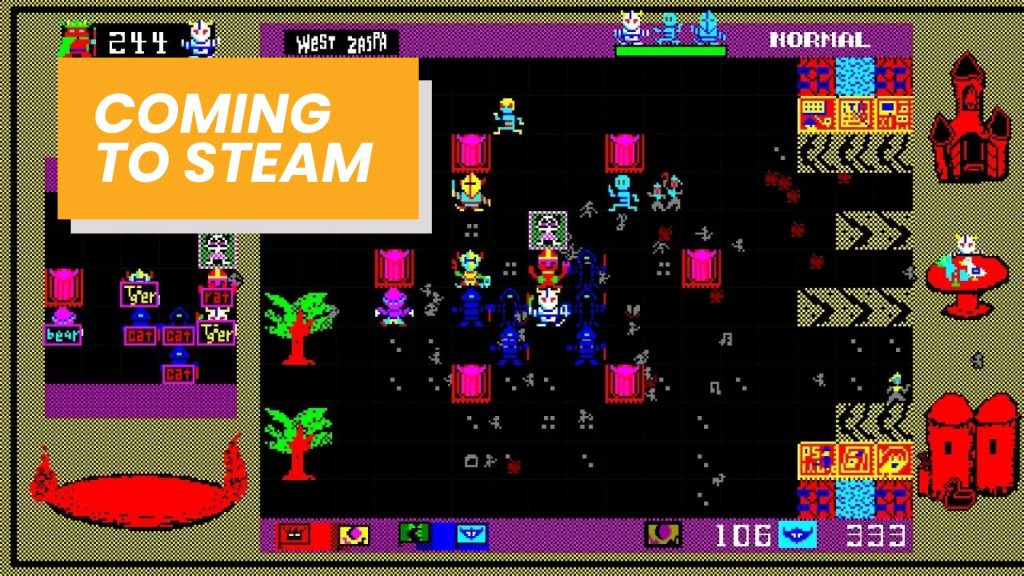
Developer Pygmy Studio has announced that Bokosuka Wars II will launch on PC via Steam in 2026, bringing the tactical…
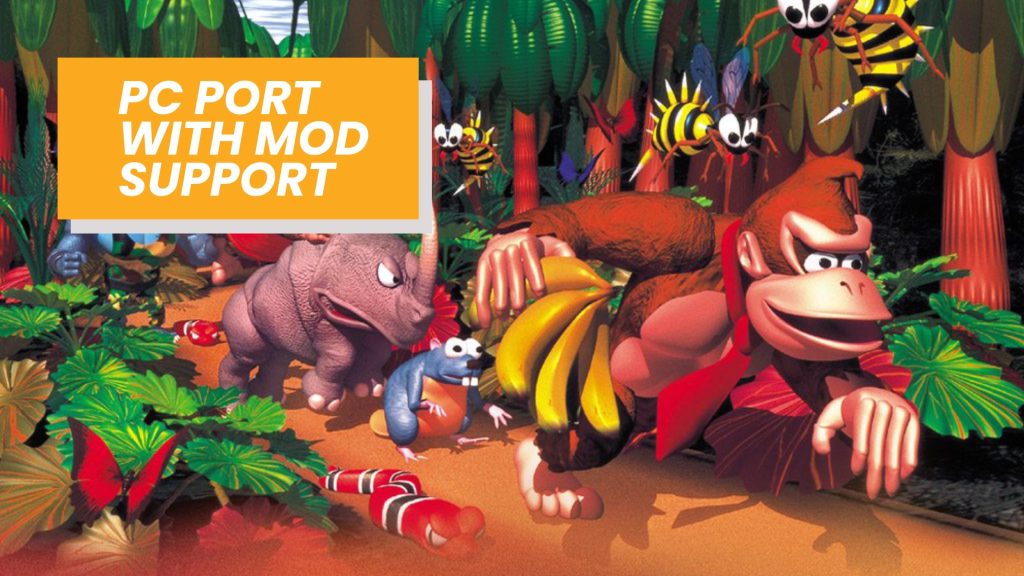
An unofficial native PC port of Donkey Kong 64 is in development, bringing rare's Nintendo 64 classic to modern hardware…
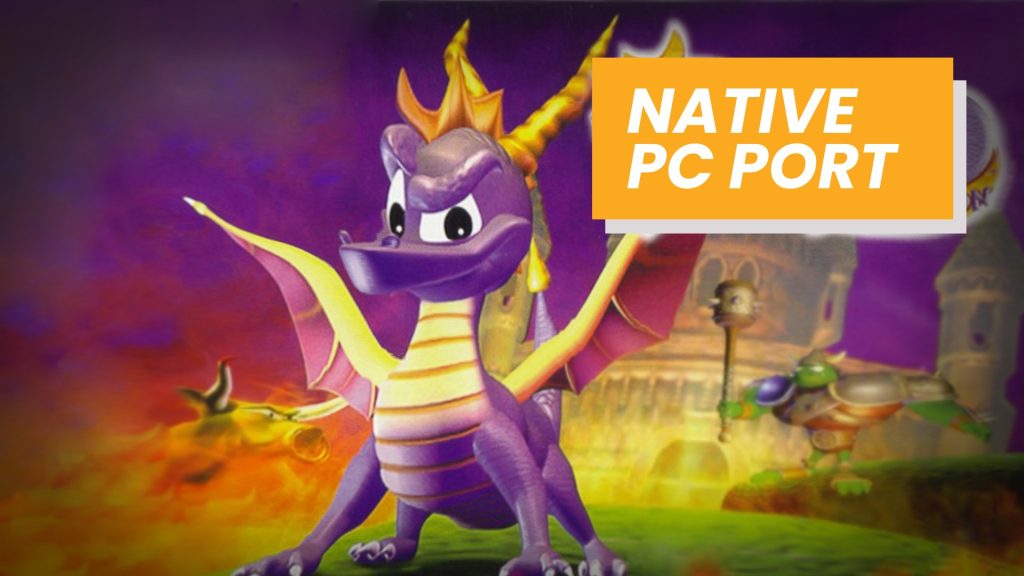
A fan-made native PC port of the original Spyro the Dragon is officially in development, bringing the 1998 PlayStation classic…
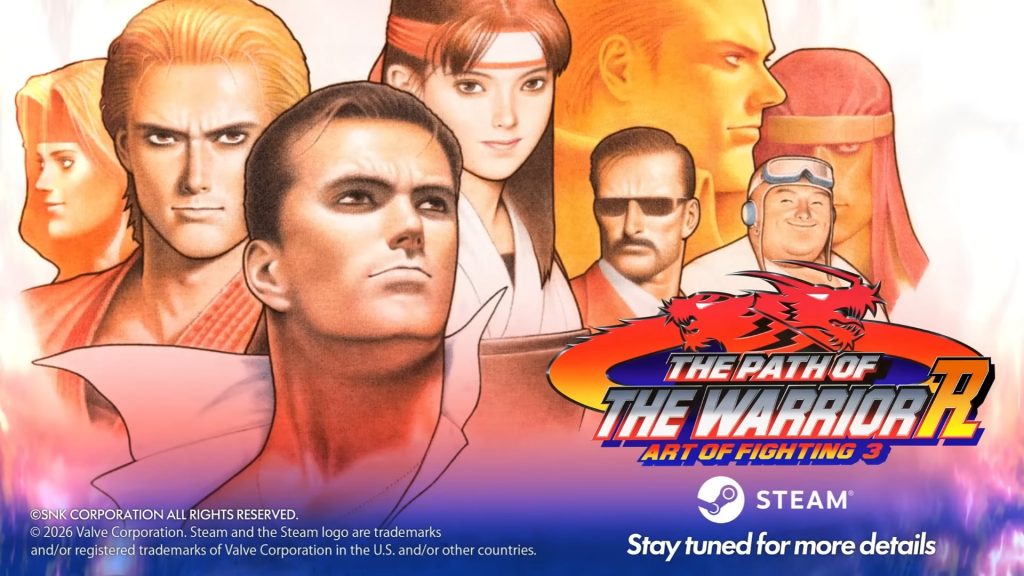
SNK has officially announced The Path of the Warrior: Art of Fighting 3 R, a modernized version of the 1996…
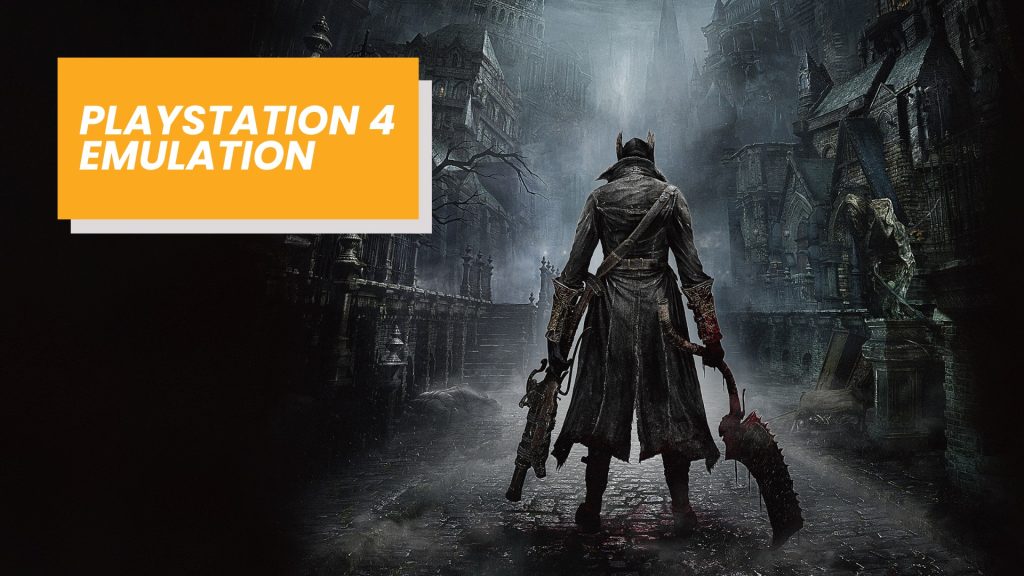
The developers behind ShadPS4 have introduced a major new feature that moves PlayStation 4 emulation closer to a complete experience.
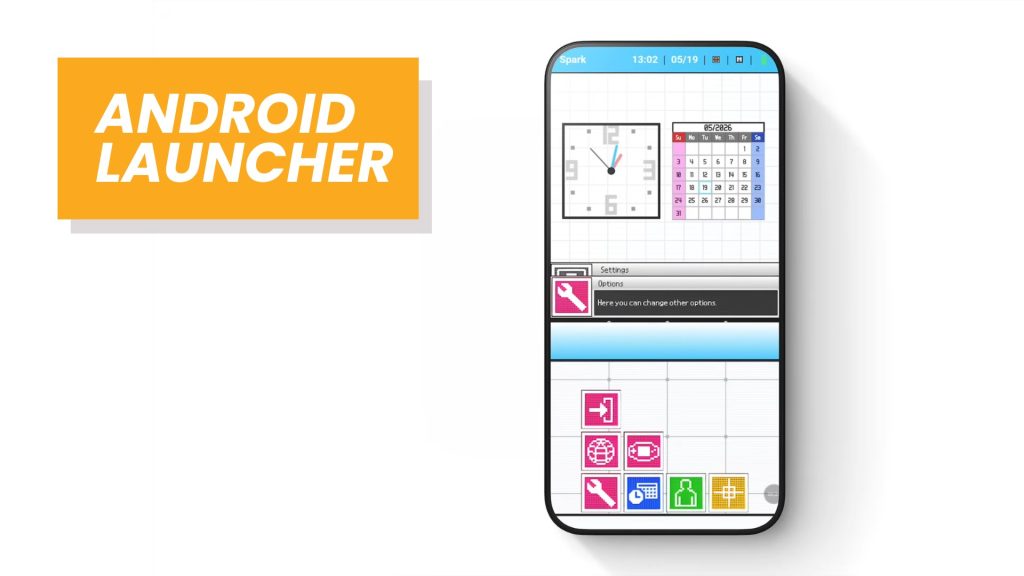
DS & DSi Launcher brings the classic Nintendo DS and DSi interface to Android, giving retro fans a nostalgic way…
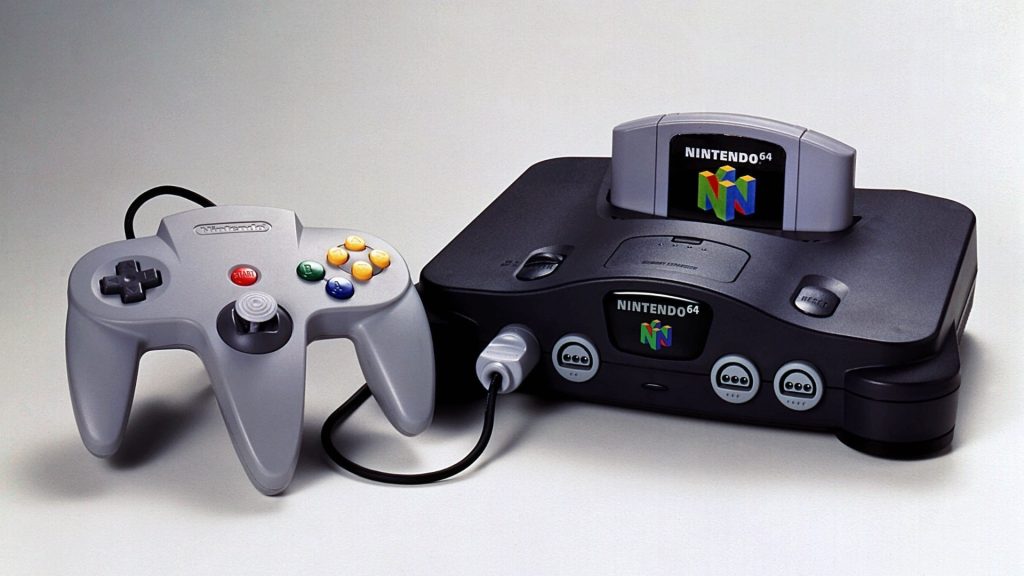
Today marks 30 years since the launch of the Nintendo 64 in Japan, and for many, that's enough to trigger…
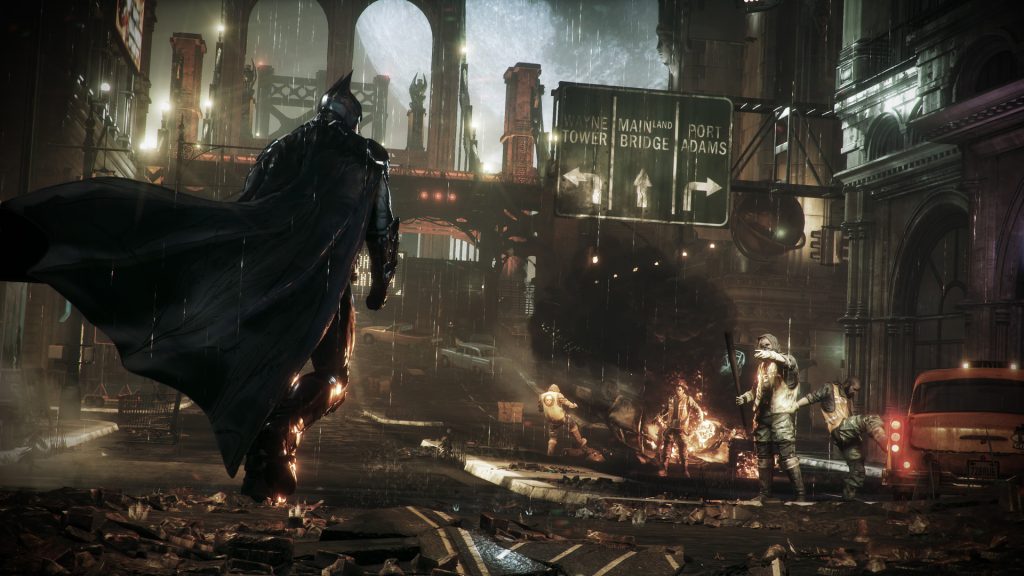
It's hard to believe, but Batman: Arkham Knight is officially 11 years old today. This title was Rocksteady's final chapter…
