Sister Other Paranoia – Everyone Has Something Ugly to Hide
Reading another person’s mind is often presented as a desirable superpower, but Sister Other Paranoia immediately understands why it could…

![[Preview] Copycat](https://www.indie-games.eu/wp-content/uploads/2024/02/Copycat.jpg)
If you enjoy independent indie game coverage, consider supporting Indie-Games.eu on Patreon. It helps keep the site independent.
A small indie studio from Australia, composed of just three developers: Samantha, Kostia, and Kiwi, recently released a demo version of their upcoming narrative game Copycat. While it might look like any other cat game at first glance, Copycat offers more than expected. In the hour we spent playing this demo, we were impressed by the game’s look, aesthetic, and story, even though the actual gameplay elements were disappointing.
Speaking of the story, Copycat explores the special bond between people and their pets in its first chapter, guiding us through the complex emotions of humans. We follow Dawn, a shelter cat who would rather be in the wild (hence the various images of Africa) than be adopted again. However, when she meets Olive, a lonely elderly woman grieving the loss of her own pet, Dawn changes her mind.
Through their togetherness, Dawn and Olive become close friends, helping each other heal and find a new beginning. However, when Olive falls ill, an unknown cat takes Dawn’s place, forcing her to leave home. Thus, as players, we will try to help Dawn as she wanders the city to find her way home. It is precisely the first chapter that clues us in as to why this other cat “returned.”
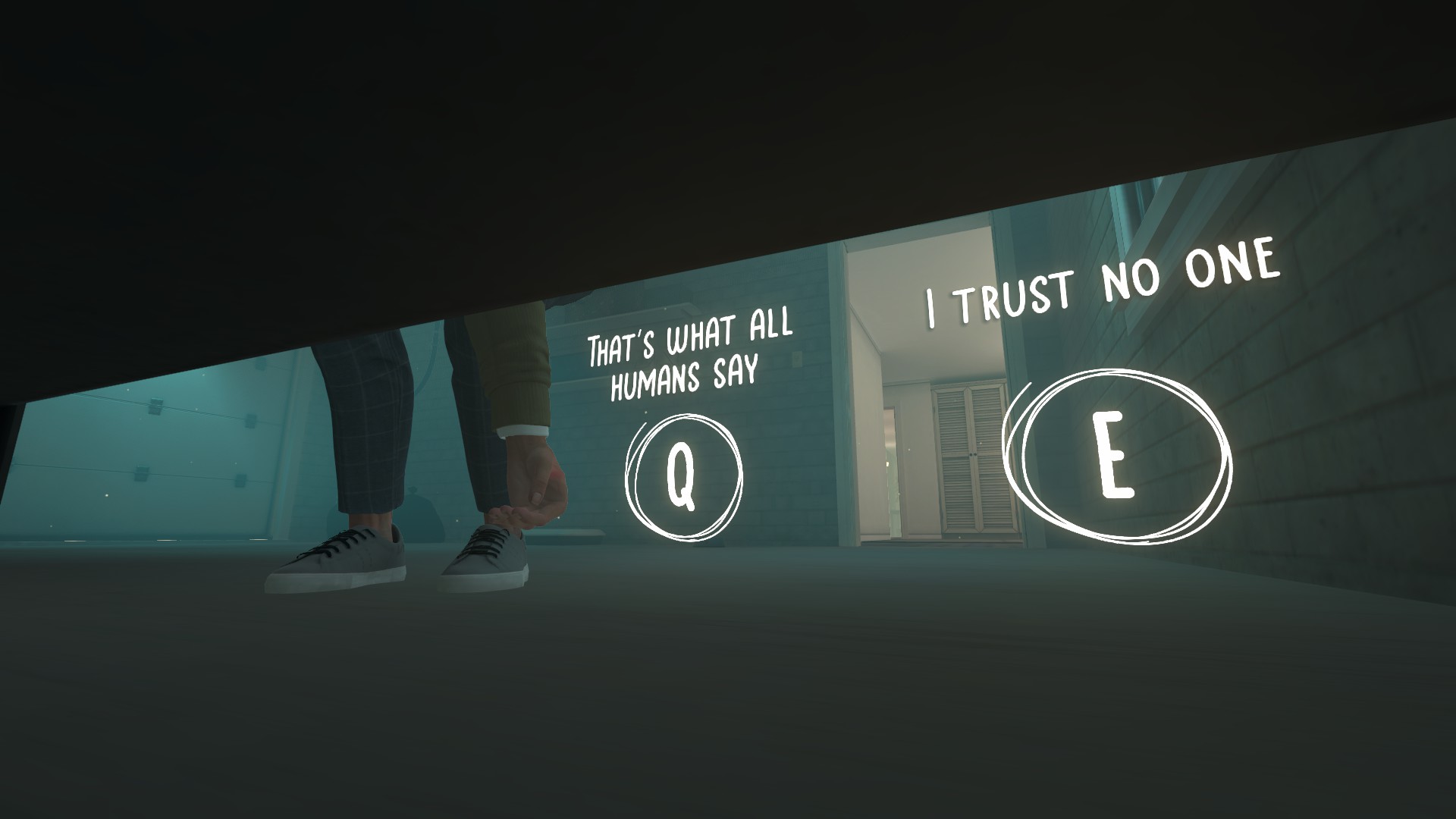


The game made me wonder how fragile we humans are, because it perfectly portrays an elderly woman close to death. You’ll be further shocked by how lonely she is, as her family is no longer by her side, and she has to take care of herself. This also opens up the question of care homes. Furthermore, Copycat best conveys emotions through voice acting, rather than through the characters’ appearance and movements. I won’t lie, but I really don’t like how Olive looks graphically. It just lacks some spark, some detail that would draw me closer to her. Of course, this is a matter of personal impression.
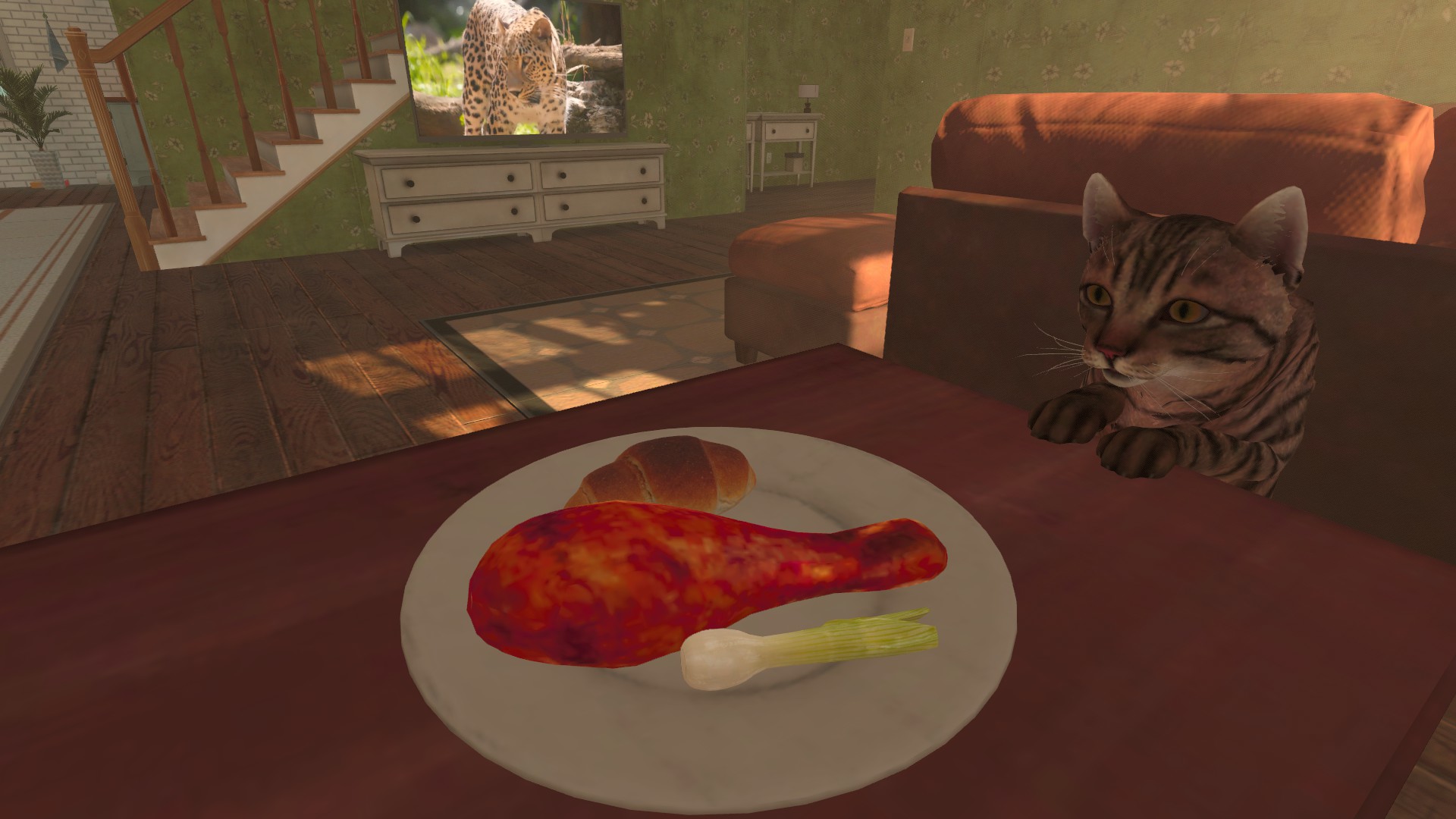
What particularly impressed me is the option to choose our cat’s appearance. While it’s not possible to customize it in detail, we choose from pre-designed models. This choice carries a special significance because it not only affects the appearance of our cat, which remains unchanged throughout the act, but also provides insight into the unique nature and behavior of each cat.
Upon arriving at Olive’s house, the initial scenario remains the same; Dawn refuses to open up to the old woman, despite Olive’s good intentions to make her feel welcome. Many choices, especially at the beginning, are limited by Dawn’s grumpy character, so don’t expect opposite options, but similar ones, with slightly different actions and consequences.
I enjoyed the gameplay from the first-person perspective more than the third-person perspective, mainly because in first-person, we can better immerse ourselves in the whole story. But it is the third-person perspective that allows us to truly experience a cat’s life: we’ll explore the house, steal food from Olive, break household items, hide from her, etc. The gameplay has its difficulties, surrounding the camera movement, the cat’s strange way of moving, and its interesting jumping, sometimes the game won’t even register that you want to jump onto a ledge, or it will jump straight into a wall.

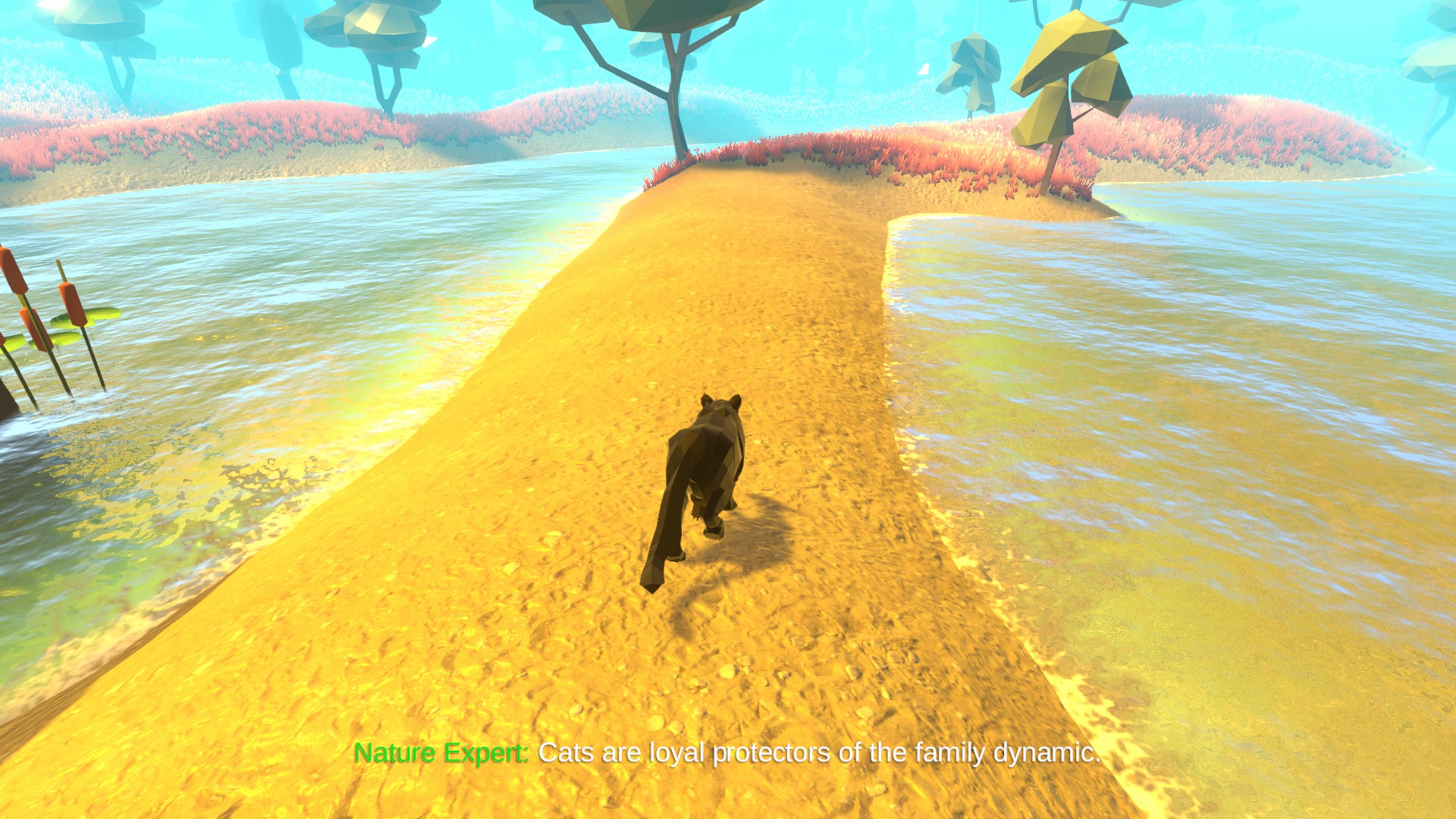
Dawn’s true goal is clear: to escape, abandon her current life, and return to the free existence of a stray cat. Every day, Dawn carefully plans and executes her escape. She is resolutely unwilling to stay with this old woman, which is why she is initially hostile. Dawn yearns for independent progression, like a wild cat in Africa, contrasting with humans who need company.
However, this relationship dynamic changes gradually, not instantly, where a certain awareness is instilled in Dawn, turning distrust into trust. Dawn begins to notice and understand her owner’s needs, sympathizing with Olive and recognizing what she has been through.
A key theme of this game is the exploration of the dualism between dream and reality. Dawn often imagines herself as a predator, and as players, we experience her feline desires and fantasies. This further enriches the narrative and creates a connection between wild and domestic cats. Spoonful of Wonder has shown excellent work on the artistic and technical aspects of the title, revealing numerous strengths of this game. But that is mostly all you get; besides the impressive narrative, the gameplay simply does not stand out.
Of course, we won’t rush to judgment, as this is just the first chapter introducing us to the basic game mechanics. I look forward to the idea of what this game can offer us in the future. It’s clear that the developers are facing limited resources, but that doesn’t prevent them from creating an impressive narrative adventure where the soundtrack, aesthetics, graphics, and atmosphere blend perfectly with one another. As I mentioned earlier, the voice acting holds the reins of the game, and the shift between an ordinary cat and its wild, predatory instinct is particularly intriguing.
Copycat will be available sometime this year for PC via Steam, Mac, PlayStation 4, PlayStation 5, Xbox X/S, and Nintendo Switch.
Reading another person’s mind is often presented as a desirable superpower, but Sister Other Paranoia immediately understands why it could…
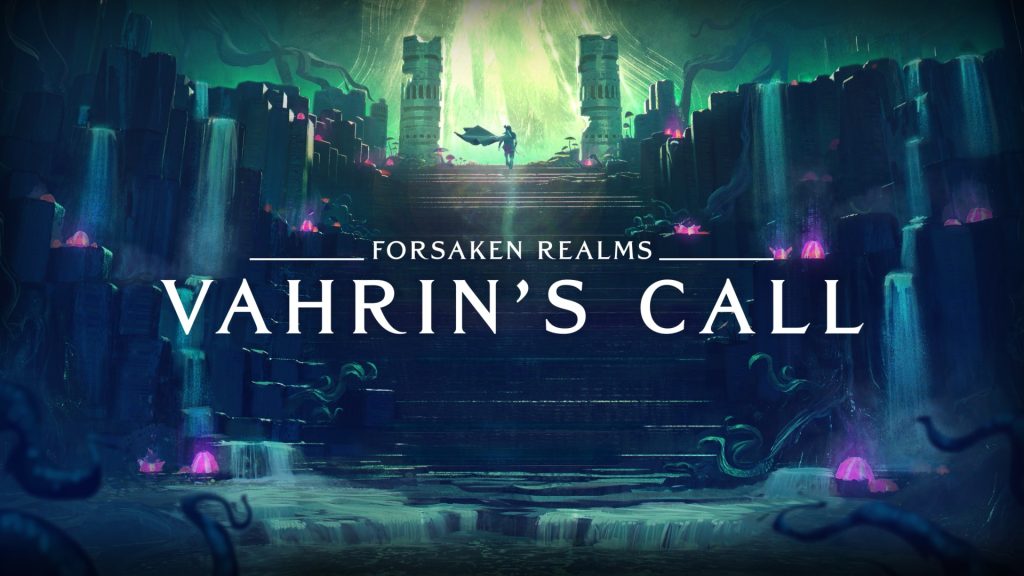
Forsaken Realms: Vahrin’s Call is exactly the kind of ambitious, slightly clumsy fantasy RPG that used to be far more…
![[Early Access] 2nd EVE – Sci-Fi Action RPG That Lacks a Sense of Stakes](https://www.indie-games.eu/wp-content/uploads/2026/08/2ND-EVE-1024x576.jpg)
2nd Eve is a space-set action RPG in which we strive to save humanity.
![[PREVIEW] Dreamcards – Strategic Exploration of Consciousness](https://www.indie-games.eu/wp-content/uploads/2026/08/Dreamcards_20260810_233631_0000-1024x576.jpg)
Dreamcards is a roguelike deckbuilder centered around dreams and nightmares.
![[Early Access] OFFBEAT – Incredibly Fun Way to Start a Music Career](https://www.indie-games.eu/wp-content/uploads/2026/08/Offbeat_20260808_201446_0000-1024x576.jpg)
In OFFBEAT, we play the role of a jobbing composer who is launching their music career.
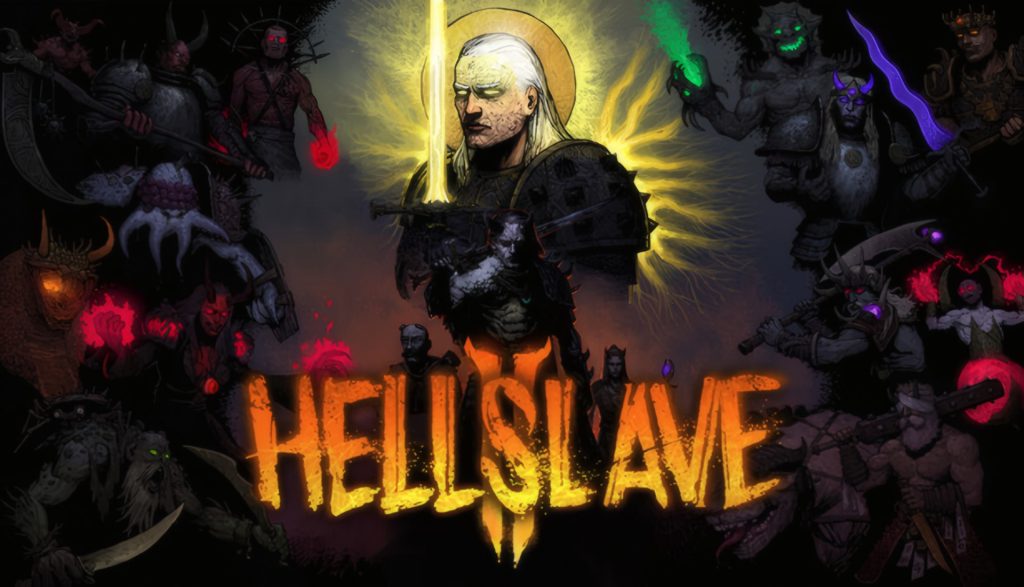
HellSlave II retains the original’s oppressive atmosphere, morally grey world and striking art while adding a larger world, randomized loot…
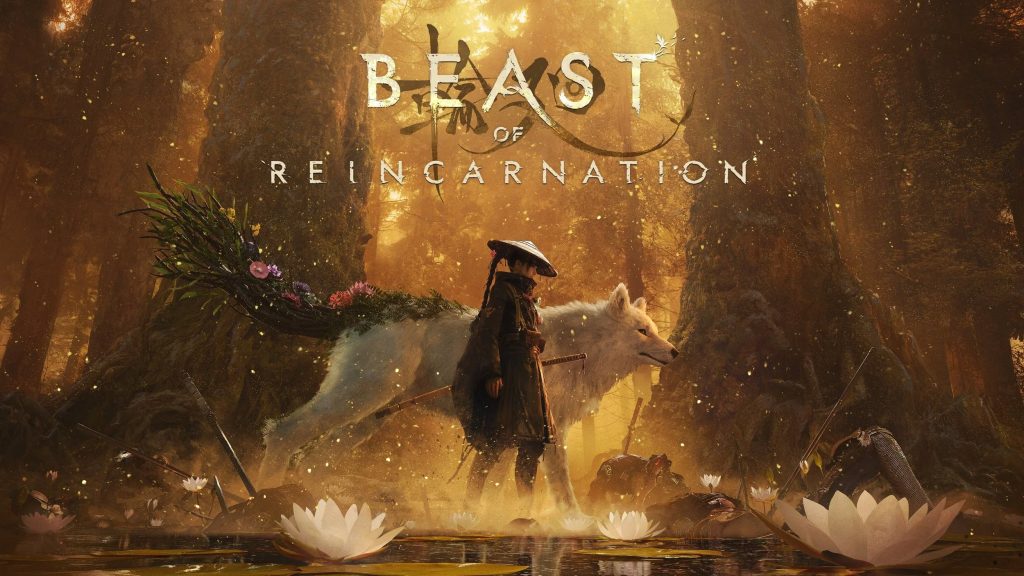
Beast of Reincarnation is an ambitious but uneven action RPG elevated by satisfying parry combat, beautiful art direction and the…

K-pop Idol Stories: Road to Debut captures the pressure of building idol group, but its management systems never explore that…
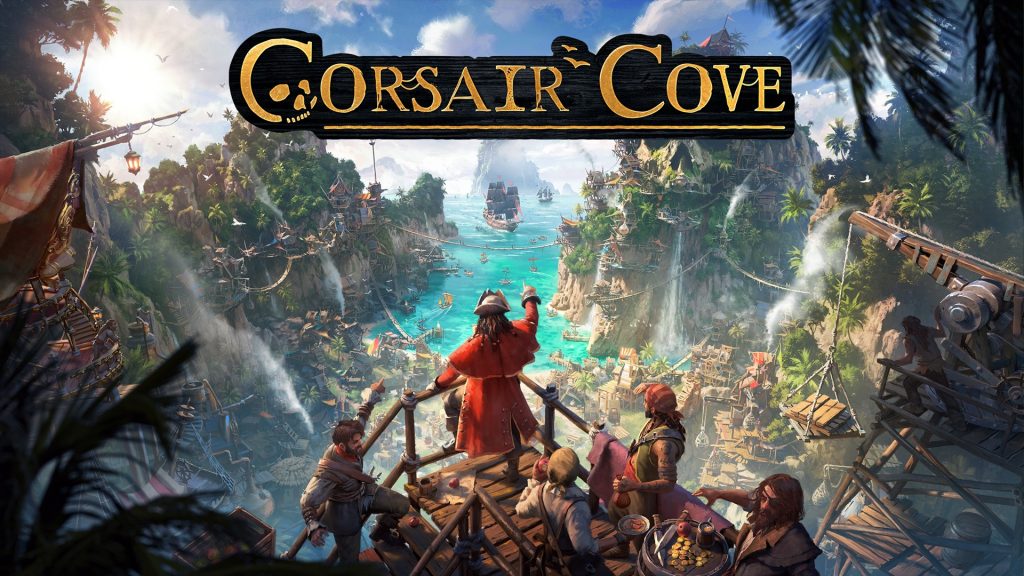
Hooded Horse keeps finding strategy games that know their audience, and Corsair Cove extends its impressive run of excellent city-builders.
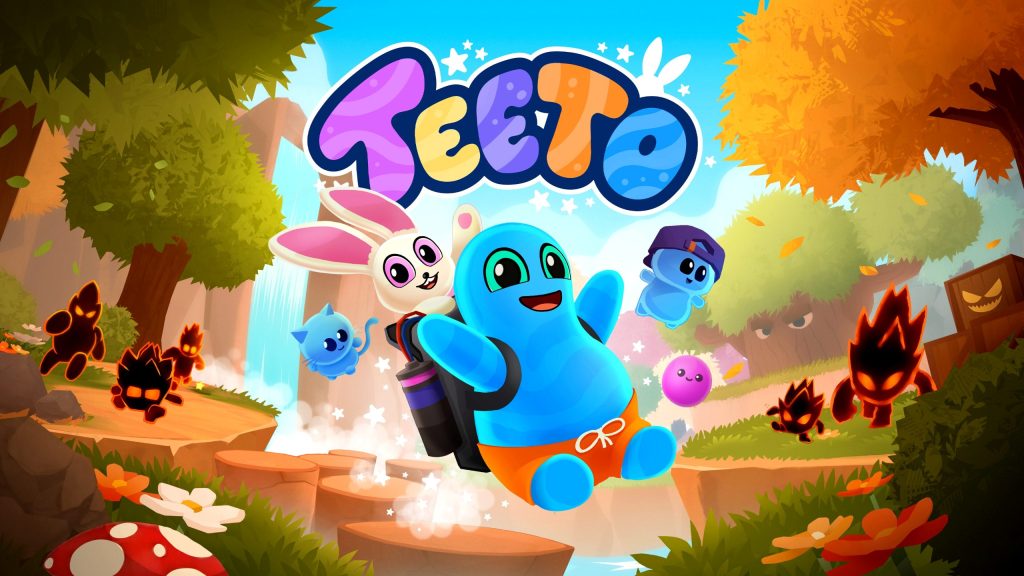
Teeto is a warm, cozy, creative and highly enjoyable 3D platformer that understands why classic collectathons remain so appealing.
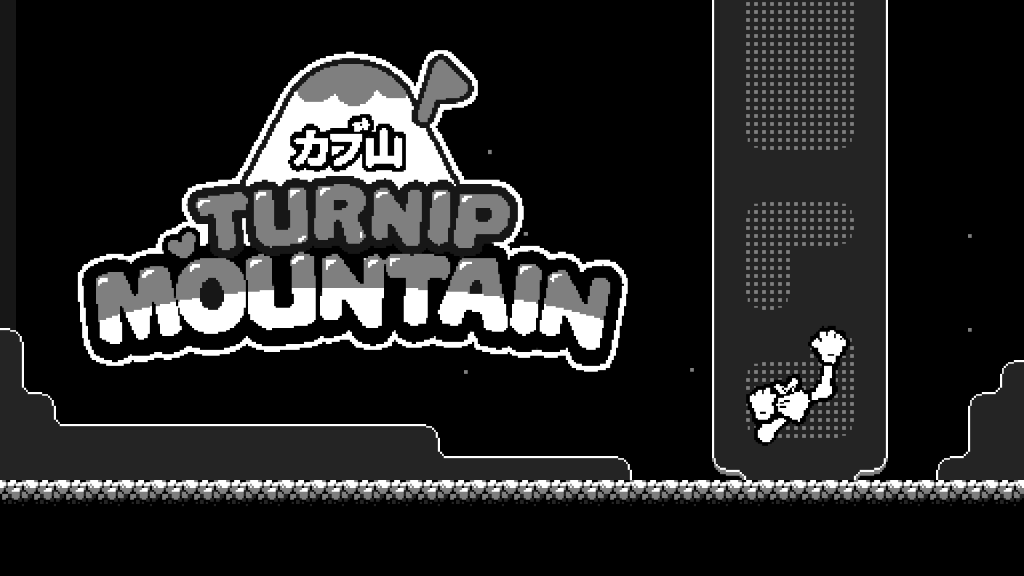
Turnip Mountain stands out for its combination of a unique control system and a minimalist approach.
Dystopicon is an imaginative and memorable narrative experiment with sharp social commentary, engaging world-building and several wonderfully absurd scenarios.
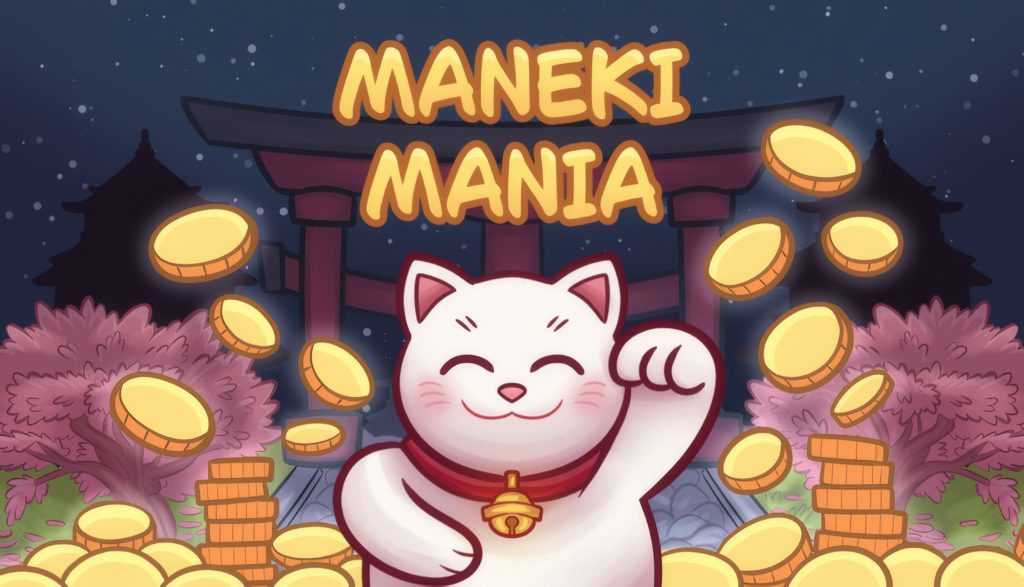
Maneki Mania is an incremental game centered around petting a lucky cat.
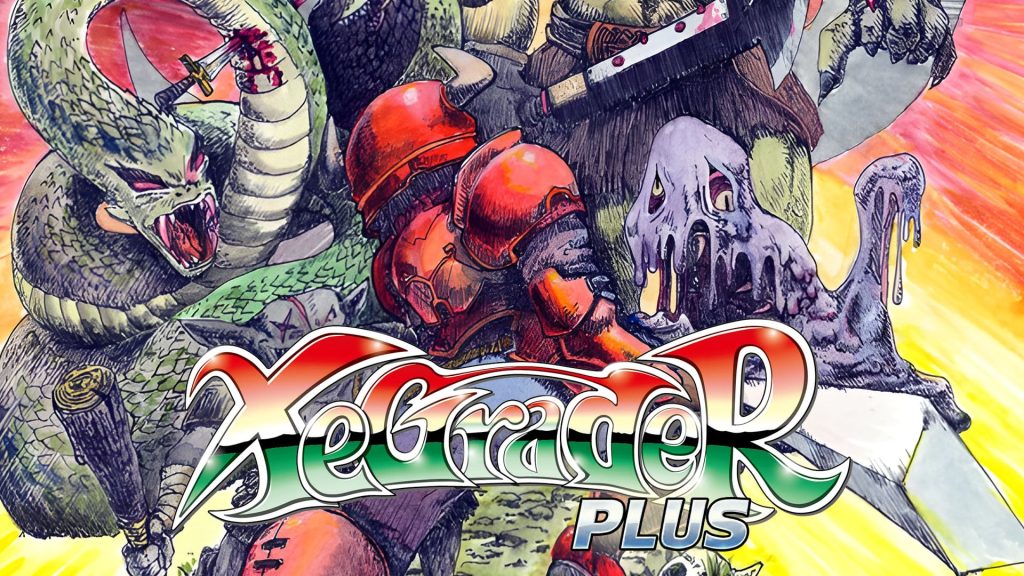
XeGrader Plus delivers colorful retro shooting, but basic mechanics, a short campaign and paid retro modes make its €20 price…
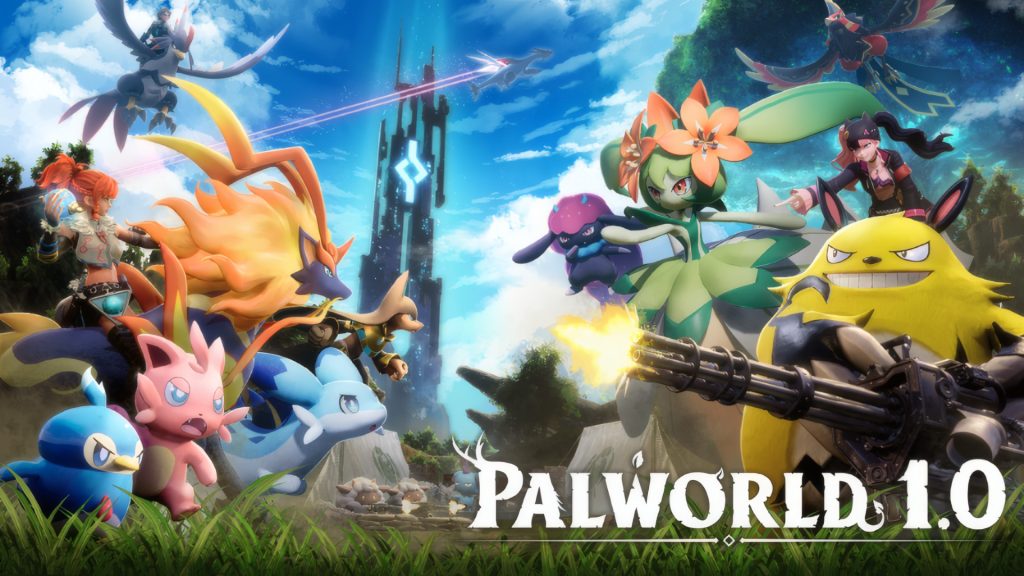
It has been roughly two and a half years since Palworld first entered Early Access, and quite a lot has…
![[EARLY ACCESS] The Last Caretaker – Survival Game I Cannot Stop Playing](https://www.indie-games.eu/wp-content/uploads/2026/07/The-last-Caretaker-Key-Art-1024x587.jpg)
The Last Caretaker is a compelling survival crafter with a flooded world and mobile base, but weak combat and performance…
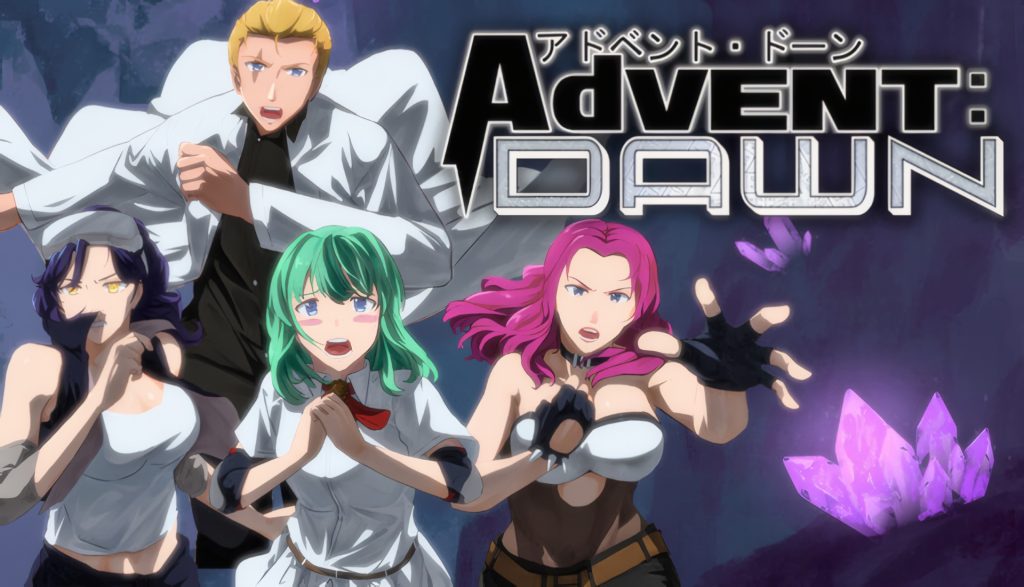
Advent: Dawn is an intriguing science-fiction visual novel elevated by a likable cast and one of the most convenient flowchart…
![[EARLY ACCESS] Hell Maiden – Beautiful but Uneven Journey Through Hell](https://www.indie-games.eu/wp-content/uploads/2025/06/HMD_screenshot_019-1024x576.jpg)
Bullet heaven and rougelite game Hell Maiden lands between a polished Early Access release and a promising game that still…
![[PREVIEW] Dark Queen of Samobor – Promising Croatian Adventure Still in Need of Polish](https://www.indie-games.eu/wp-content/uploads/2026/07/Dark-Queen-of-Samobor-1024x587.jpg)
Dark Queen of Samobor is a promising 2.5D side-scrolling action-adventure that combines Croatian folklore with combat, puzzles and cinematic platforming.
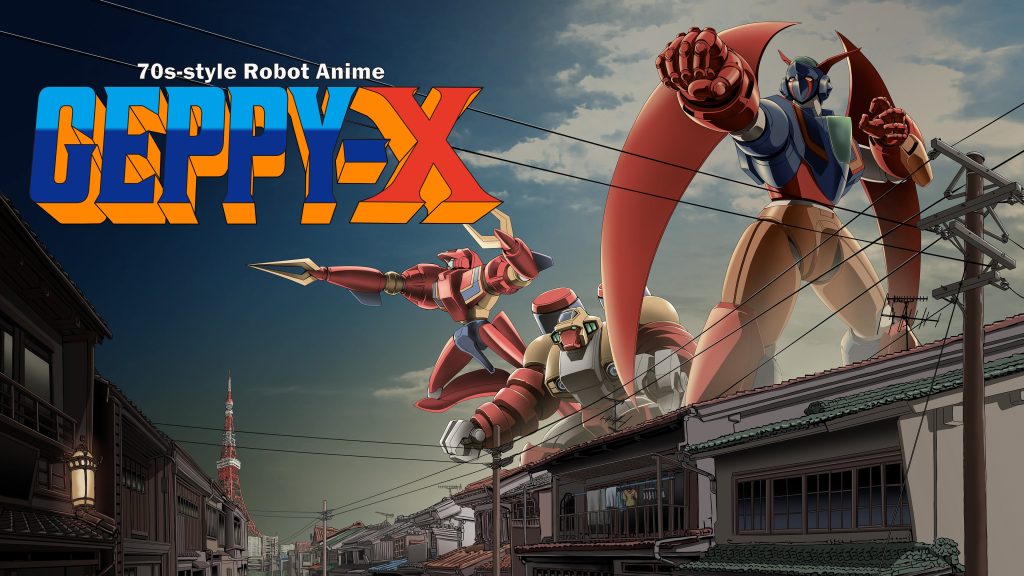
70s-style Robot Anime Geppy-X offers incredible animation, music and mecha nostalgia, but its average shooting make the €39 price difficult…
