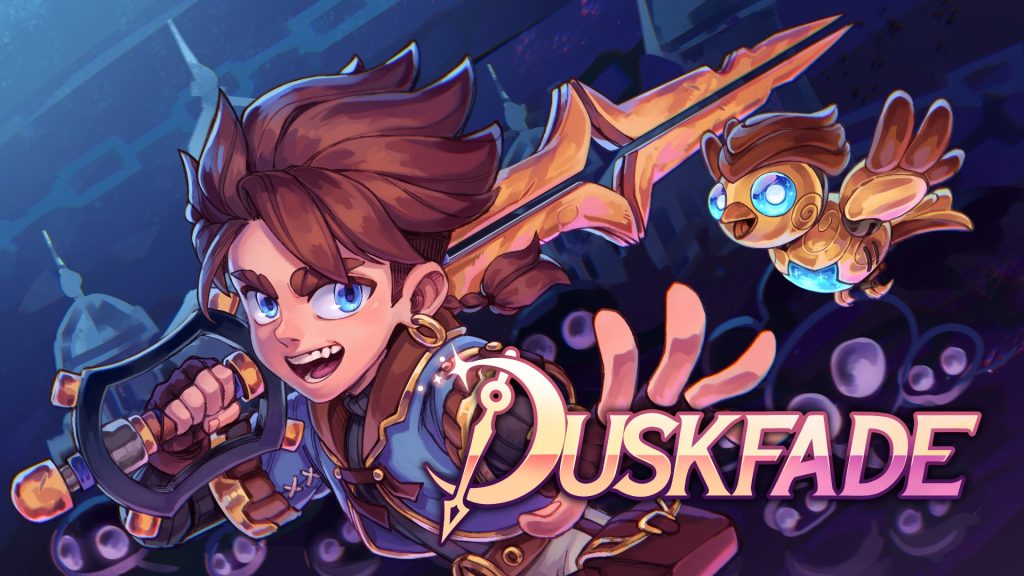
Duskfade – The PS2 Era Returns With All Its Strengths and Weaknesses
Duskfade is worth considering for players who miss colourful PS2-style action-platformers and can tolerate basic combat, floaty movement and backtracking.

![[PREVIEW] Dreamcards – Strategic Exploration of Consciousness](https://www.indie-games.eu/wp-content/uploads/2026/08/Dreamcards_20260810_233631_0000.jpg)
If you enjoy independent indie game coverage, consider supporting Indie-Games.eu on Patreon. It helps keep the site independent.
Personally, I’ve come across at least three different card games centered around the theme of dreams and nightmares. In these cases, however, luck and the decisions made by the other participants played a major role in determining the winner. Dreamcards, on the other hand, is a video game that, as the name suggests, is also based on the fairly common concept of combining dreams with a deck of cards, but this time everything depends on the strategy you adopt when selecting cards to play, building your deck, and reacting to events as they unfold.
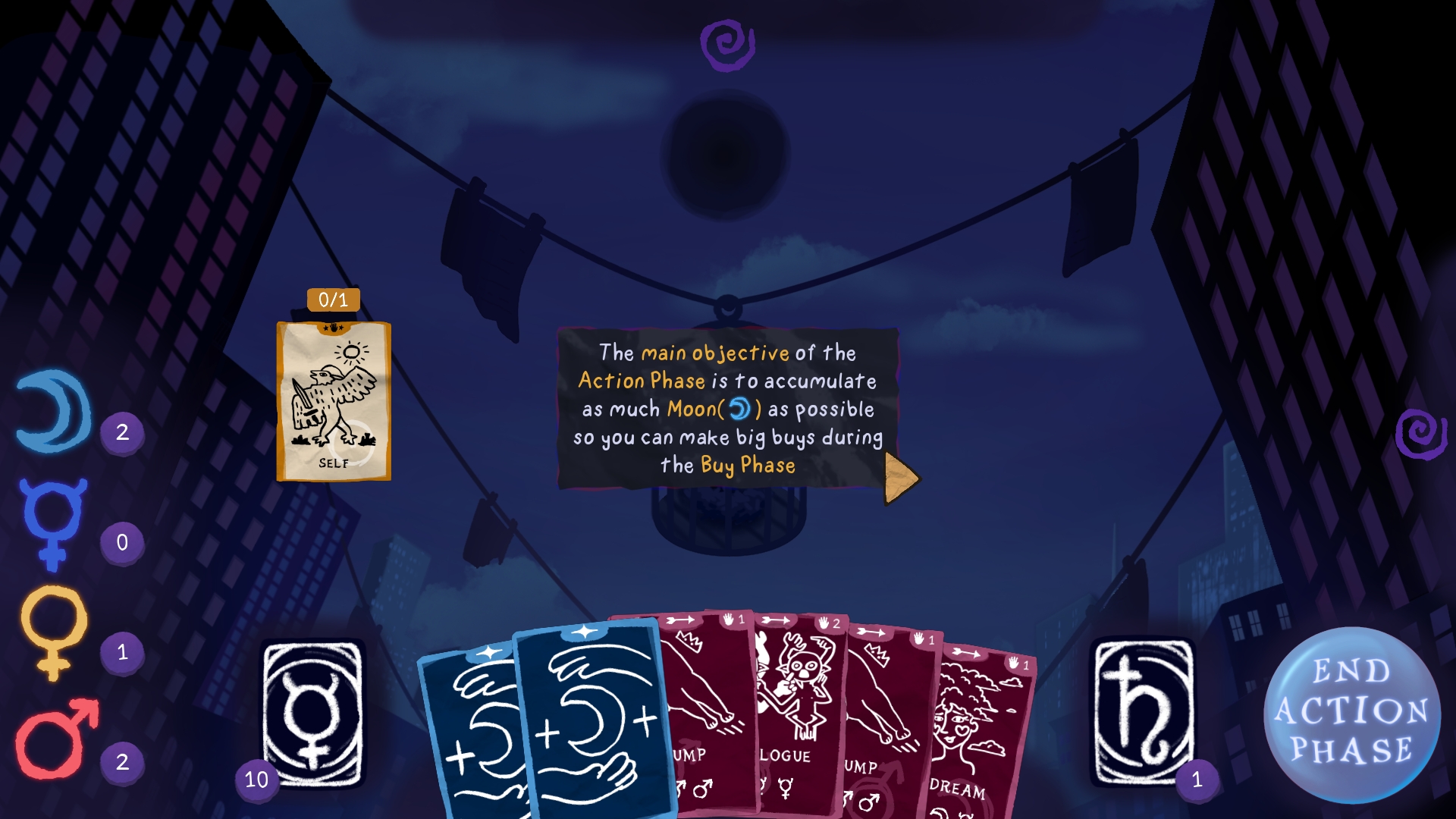
Dreamcards is a roguelike deckbuilder in which we battle nightmarish monsters using cards to get closer to uncovering a great mystery. The gameplay consists of two parts: the day, during which we select and combine strategies in the form of cards, which we will then use during the night match. The card battle against the monster itself also has its own segments, including an action phase where you play cards and accumulate imagination points, which can be exchanged for new cards during the buy phase.
As you can see from this brief summary, there’s a lot of information to take in right from the start, which might cause a bit of confusion. The tutorial explains the most important elements in a fairly clear and simple way, and tips on card effects, how to play them, and the meaning of the various imagination points are available to the player throughout the game, which helps you get into the rhythm and figure things out fairly quickly.
My only reservation about the introductory instructions was that they focus almost exclusively on nighttime gameplay, whereas we make key decisions as early as the daytime deck-building phase – something we don’t really have a chance to know at first, and it would be worth mentioning at least briefly.
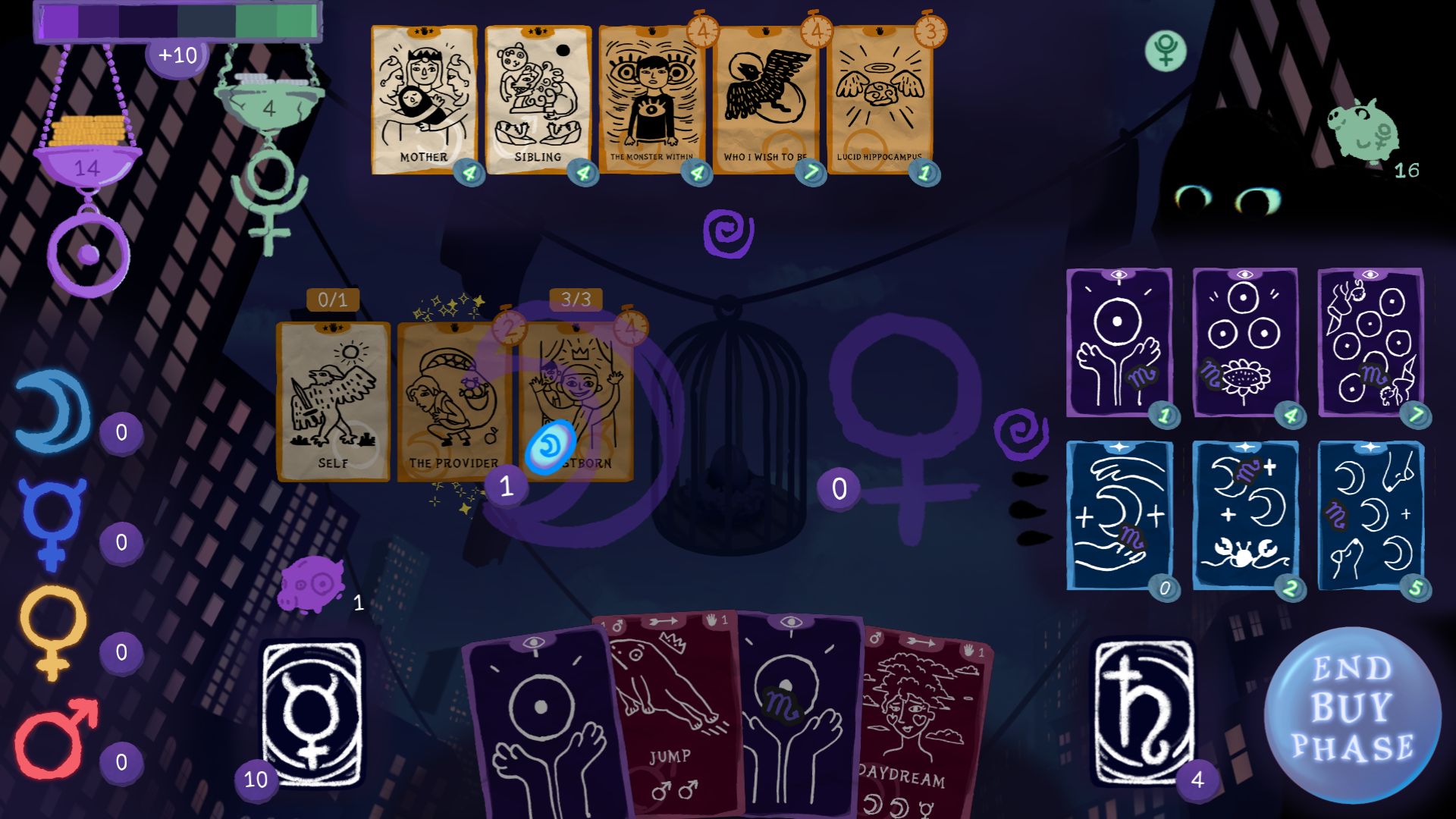


Once we get into the right flow, the possibilities for tactics and forward planning are truly vast: there are character cards, archetypes, strategies, and points that we can mix and match however we want. There are just as many things to keep in mind, since some cards have effects that last for a limited number of turns, actions that modify one type of point can affect others, and even the act of buying cards must be carefully considered so as not to clog up your deck.
So what matters isn’t just combining beneficial effects in the here and now, but also keeping track of turns (both your own and the monster’s, which grows stronger over time and may even add its own cards to yours), managing your deck, and taking risks by trying out new cards.
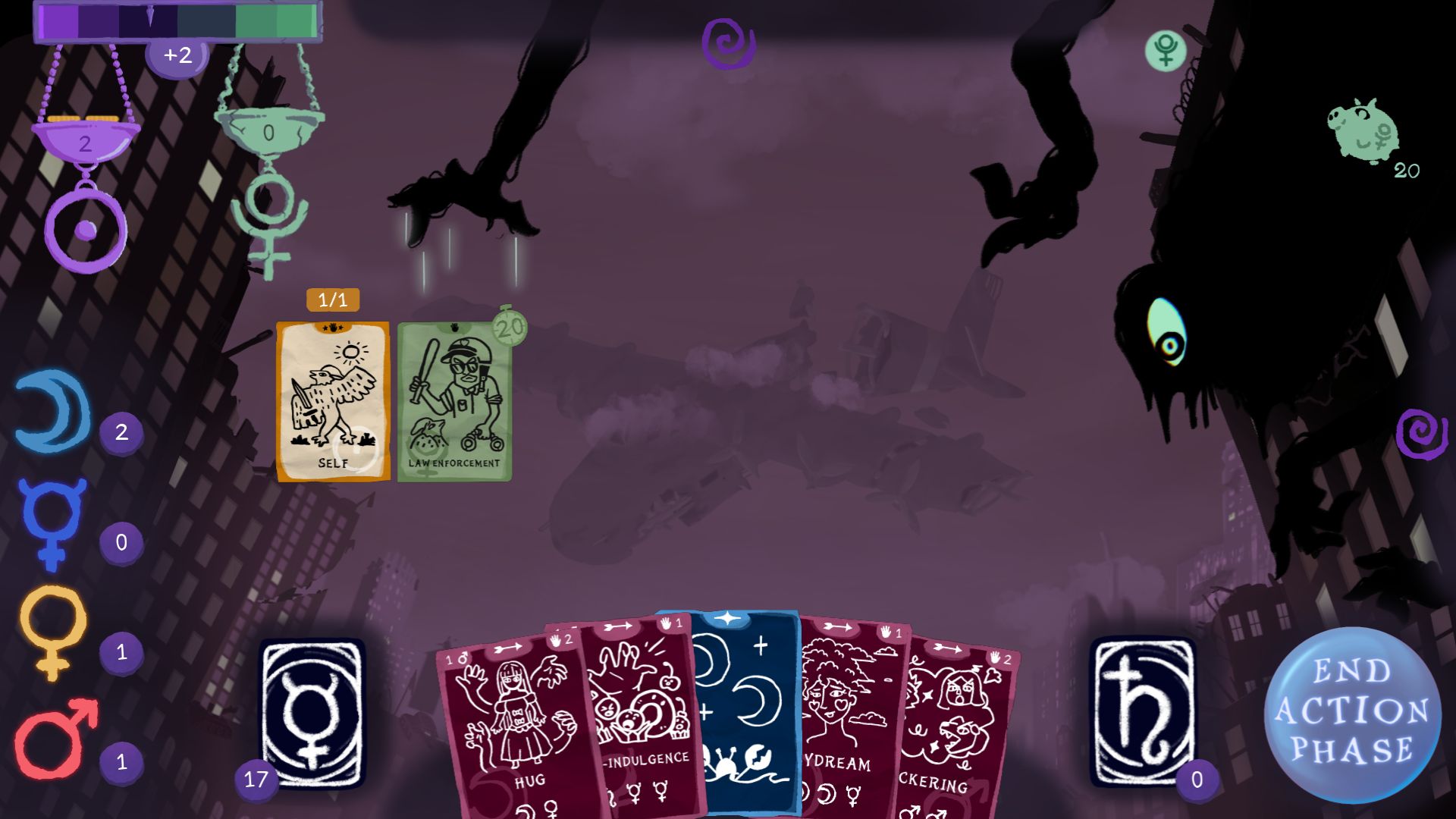
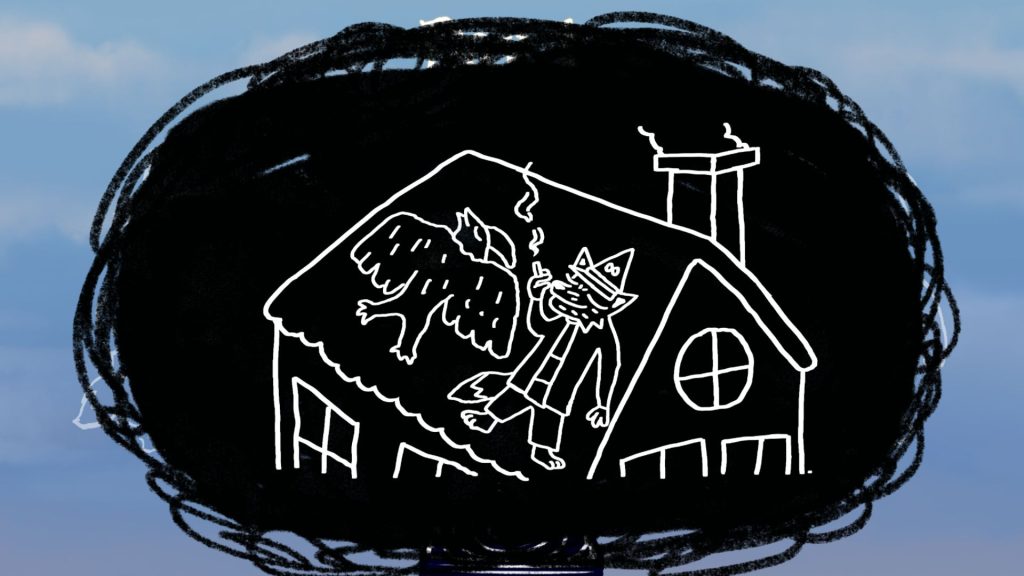
Our goal every night is to earn 10 sun points to achieve a lucid dream and win, while the monster adds points that counterbalance ours and bring us closer to a nightmare. This is also where the game’s roguelike nature comes into play, because to defeat the monster, we must beat it over seven consecutive nights, each one more difficult than the last.
However, if we fail even once, we have to start all over again. Each time, however, something new awaits us: whether it’s the chance to choose a card we haven’t played before, receive stickers that boost card effects, or get a piggy bank that comes in handy in a pinch.
In Dreamcards, every decision matters – and that goes for our actions outside of match as well. As mentioned earlier, during the day we select cards that represent actions and characters from our everyday lives, which we then use during the night to create our unique narrative.
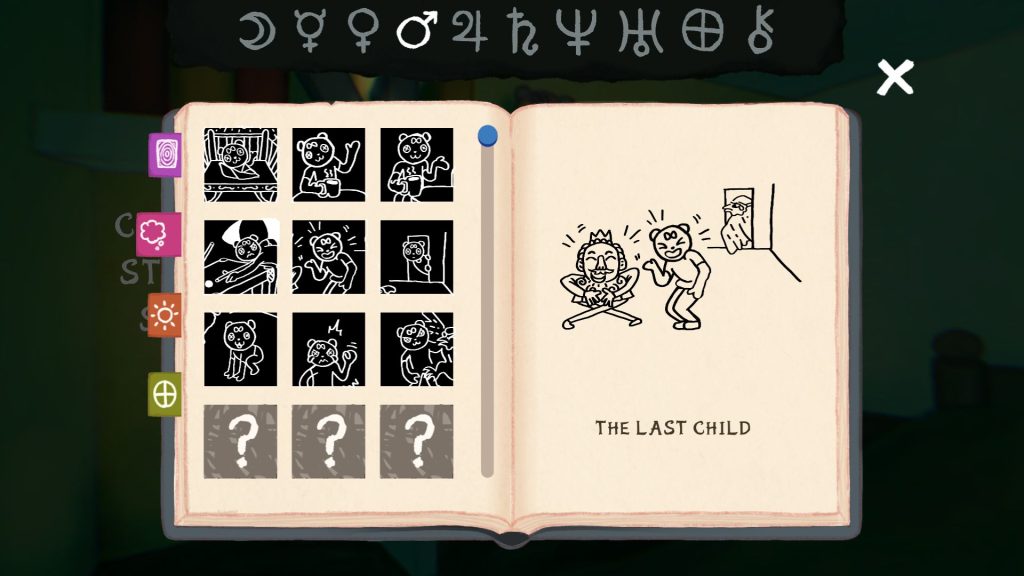
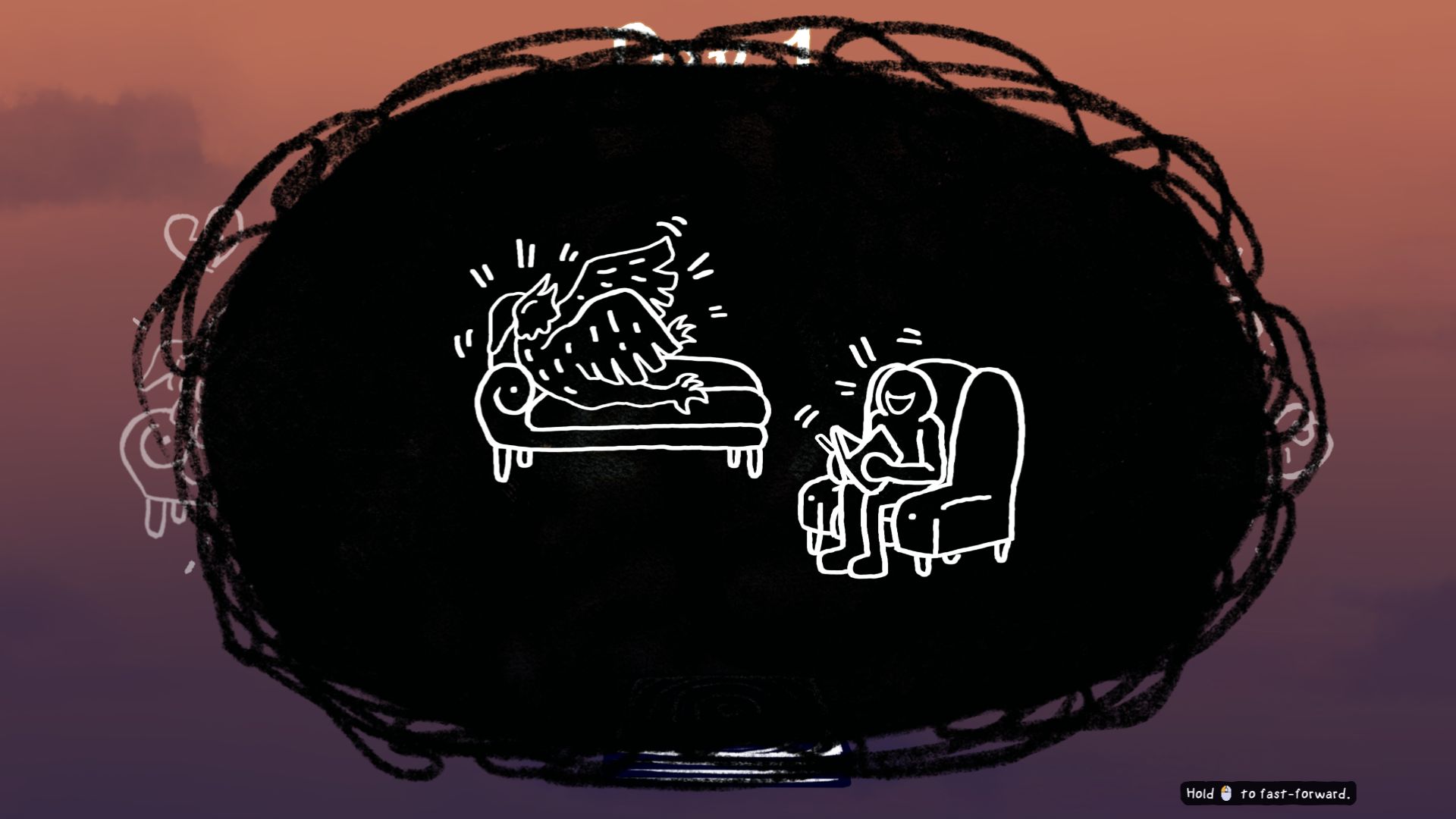
The game further emphasizes these experiences through visuals and sound: during the day, each card is associated with a dark memory depicted as black-and-white hand-drawn illustrations, while at night, placing any of the archetype cards in place of the original one, The Self, changes the music to an arrangement associated with the character depicted on that card.
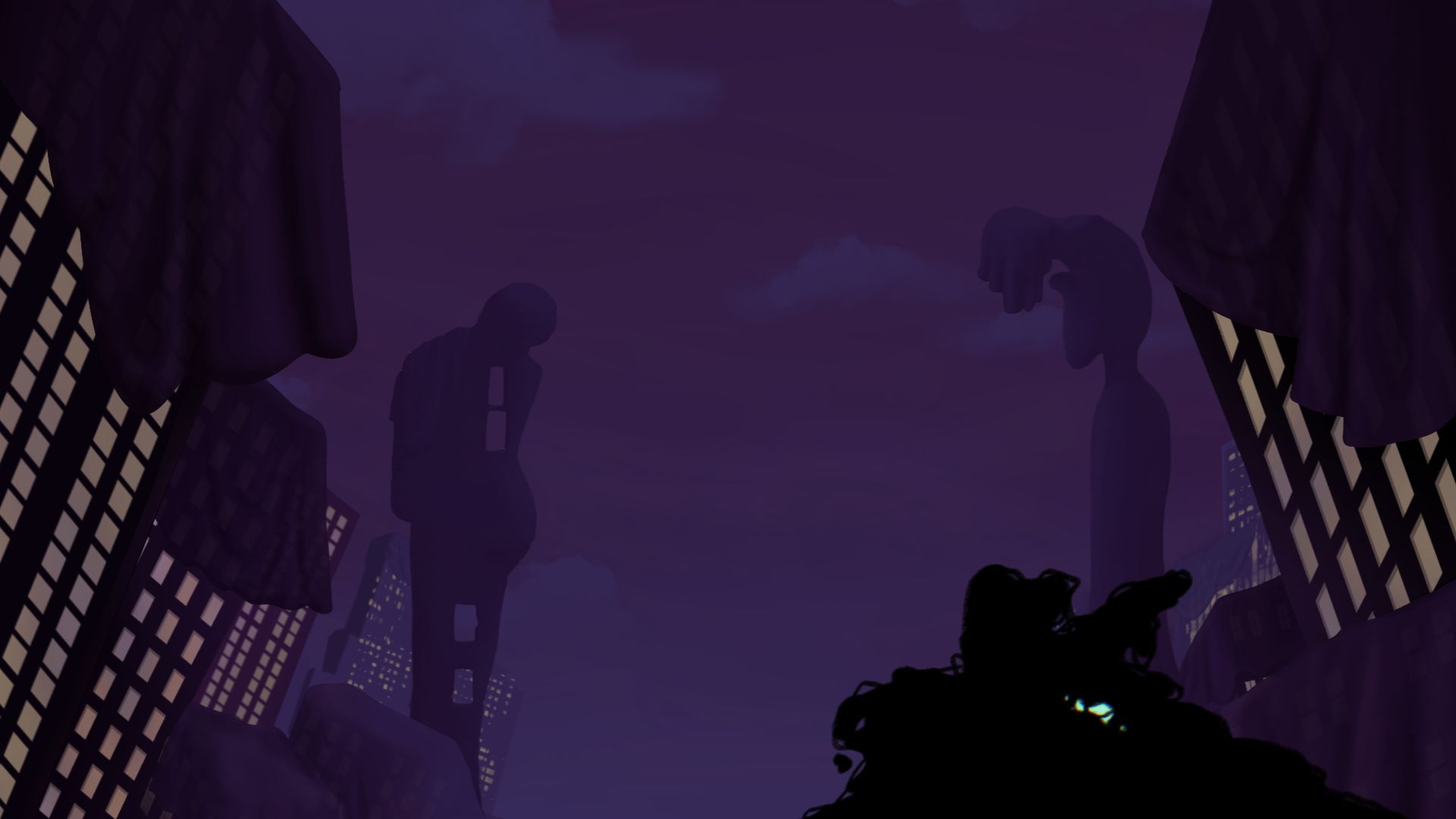
This allows us to piece together our character’s backstory and fits nicely into the game’s overall atmosphere, which includes references to psychological concepts such as the id, the ego, and daydreaming.
Given its wide range of tactical possibilities – and, consequently, its high replay value – Dreamcards stands out as an interesting choice for fans of card games and turn-based strategy games.
While it requires a thorough understanding of how the gameplay works and the significance of its various elements, mastering it provides immense satisfaction and allows you to immerse yourself in the game for hours on end.
Since the full version will be released on August 19, we’ll then have the opportunity to explore the full range of possibilities in the world of dreams and discover what else the human subconscious has in store.
Duskfade is worth considering for players who miss colourful PS2-style action-platformers and can tolerate basic combat, floaty movement and backtracking.
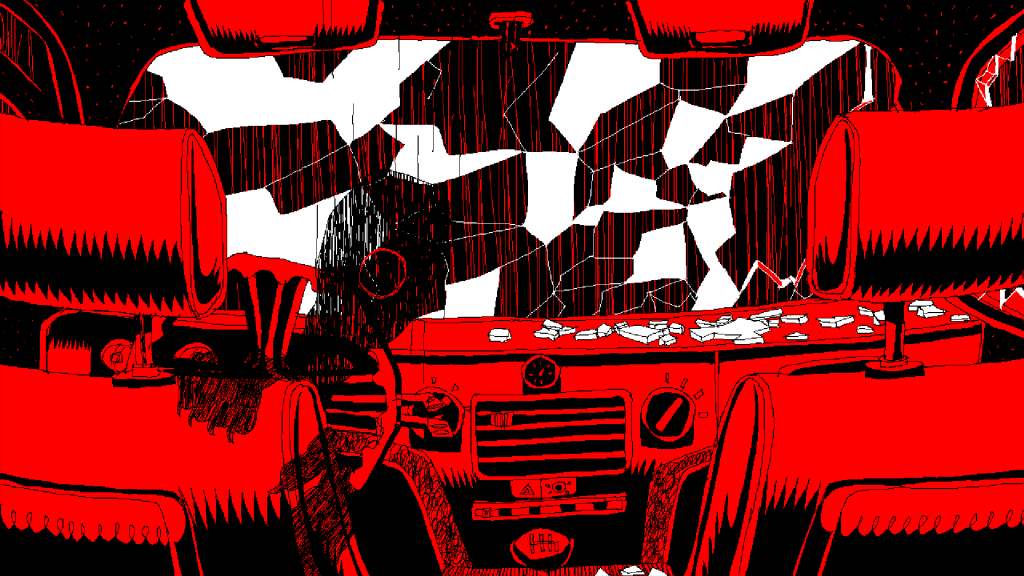
Man I Just Wanna Go Home is a noir crime story with visuals from MS Paint and life-or-death choices.
![[GAMESCOM 2026] Vikings Dynasty Preview – Expands the Dynasty Formula](https://www.indie-games.eu/wp-content/uploads/2026/09/Viking-Dynasty-09-21-26-2-1024x576.jpg)
After showing me Prospera at Gamescom 2026, Toplitz Productions' Mathias Oertel moved to a very different kind of settlement builder.…
![[GAMESCOM 2026] Prospera Preview – Production, Prosperity and Victorian Industry](https://www.indie-games.eu/wp-content/uploads/2026/09/Prospera-09-21-26-5-1024x576.jpg)
At Gamescom 2026, I met with Toplitz Productions' Mathias Oertel for a guided presentation of two upcoming games. One of…
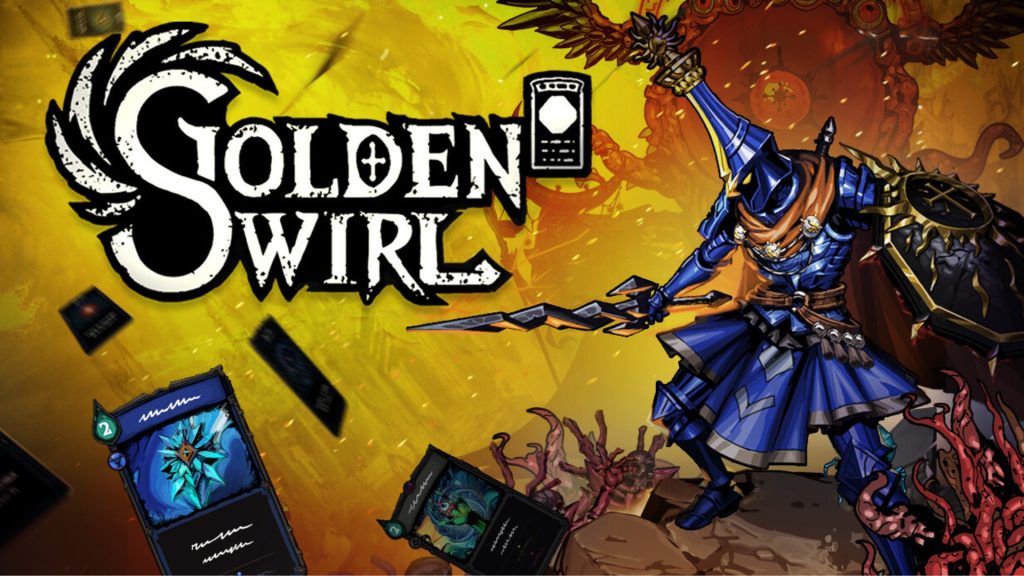
Golden Swirl inventive card combat carries the experience, but repetitive rooms, weak upgrades and excessive dialogue hold it back.
![[GAMESCOM 2026] Wilderdark Preview – Ambitious Dinosaur Horror Game That Still Has Plenty to Prove](https://www.indie-games.eu/wp-content/uploads/2026/09/Wilderdark-1024x576.jpg)
Dinosaur survival horror game Wilderdark has one of those premises that immediately makes you wonder why more games have not…
![[PREVIEW] Tiny Metal 2 – Strategy Game That Wants You to Learn From Every Mistake](https://www.indie-games.eu/wp-content/uploads/2026/09/Tiny-Metal-2-1024x576.jpg)
I rarely enjoy discovering that my opening strategy was completely wrong, but Tiny Metal 2 made that process one of…
![[PREVIEW] Remothered: Red Nun’s Legacy – Ambitious Survival Horror That Needs More Polish](https://www.indie-games.eu/wp-content/uploads/2026/09/Remothered-Red-Nuns-Legacy-4-1024x576.jpg)
Remothered: Red Nun’s Legacy has a gripping atmosphere and promising survival tools, but its repetitive hiding and rough visuals need…
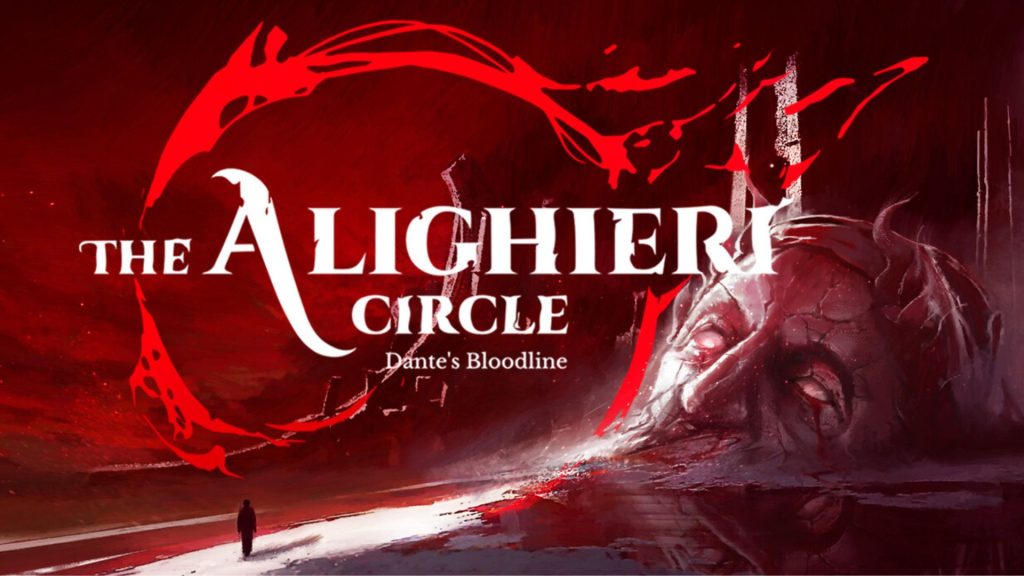
The Alighieri Circle: Dante’s Bloodline is difficult to recommend beyond players who are especially interested in Dante or enjoy solving…
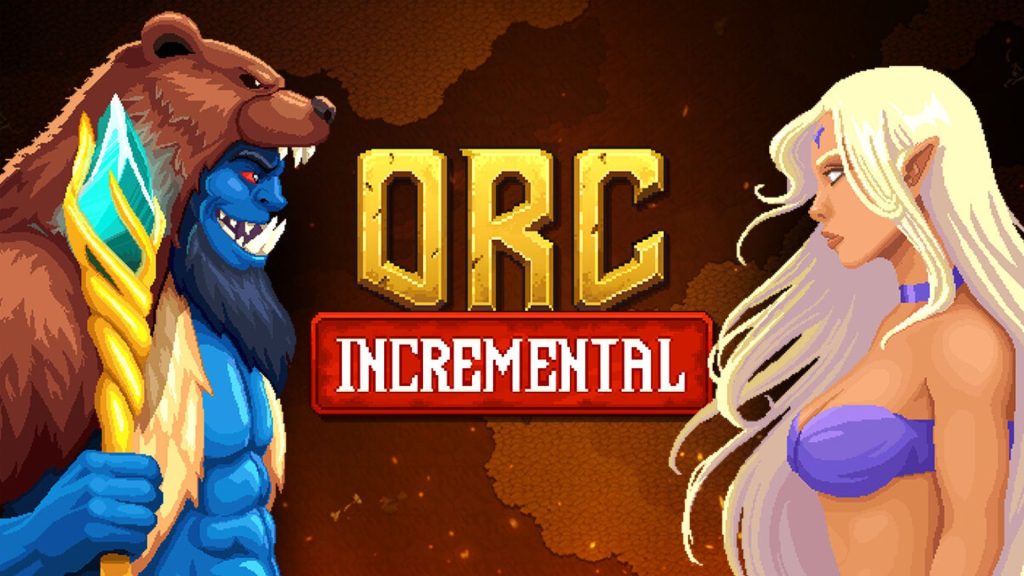
Orc Incremental offers satisfying progression, entertaining totem combinations and enough content to justify its affordable price.
![[GAMESCOM 2026] Chronoscript: The Endless End Preview – Beautiful Pages Hide Deliberate Combat](https://www.indie-games.eu/wp-content/uploads/2026/09/Chronoscript-The-Endless-End-1-1024x576.jpg)
Chronoscript: The Endless End stands out from other Metroidvanias by blending 2D manuscript worlds with exploration inside a 3D manor.
![[GAMESCOM 2026] MegaGum Preview – Combat Hits Hard in This Sticky Platforming Adventure](https://www.indie-games.eu/wp-content/uploads/2026/09/MegaGum-09-09-26-5-1024x576.jpg)
MegaGum combines hard-hitting combat, varied weapons and Gum-powered platforming in a promising Gamescom 2026 demo.
![[GAMESCOM 2026] Delphinium Preview – Cozy Routine Mixed With Enjoyable Minigames](https://www.indie-games.eu/wp-content/uploads/2026/03/Delphinium--1024x665.jpg)
Delphinium mixes cozy farming, exploration and relationships with enjoyable fishing, cooking and forging minigames in its Gamescom 2026 demo.
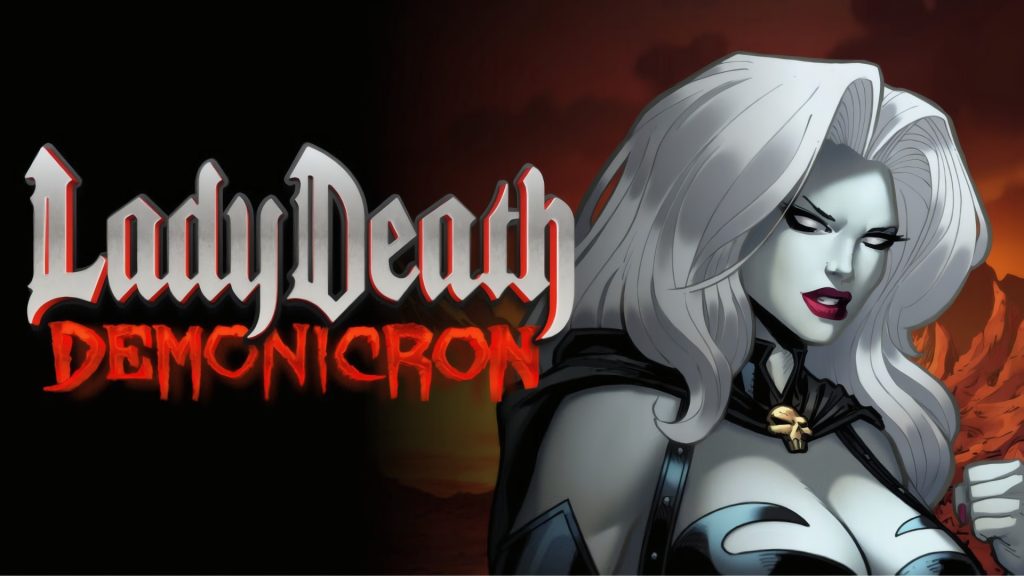
Lady Death: Demonicron looks the part, but underneath its excellent comic-book exterior is a clunky and painfully short brawler.
![[GAMESCOM 2026] Tomb Raider: Legacy of Atlantis Preview – Expands the Original Without Losing Its Identity](https://www.indie-games.eu/wp-content/uploads/2026/09/tomb-raider-legacy-of-atlantis-06-02-26-1-1024x576.jpg)
Tomb Raider: Legacy of Atlantis brings Lara back to her roots, but its Gamescom 2026 showing proved this is far…
![[GAMESCOM 2026] Clive Barker’s Hellraiser: Revival Preview – Ready to Open the Box](https://www.indie-games.eu/wp-content/uploads/2026/09/Clive-Barkers-Hellraiser-Revival-08-30-26-1-1024x576.jpg)
Hellraiser: Revival preserves the franchise’s sex, gore and psychological horror while delivering approachable survival-horror gameplay.

Swan Song creates a peaceful and forgiving puzzle space without removing the challenge that makes solving a difficult puzzle rewarding.
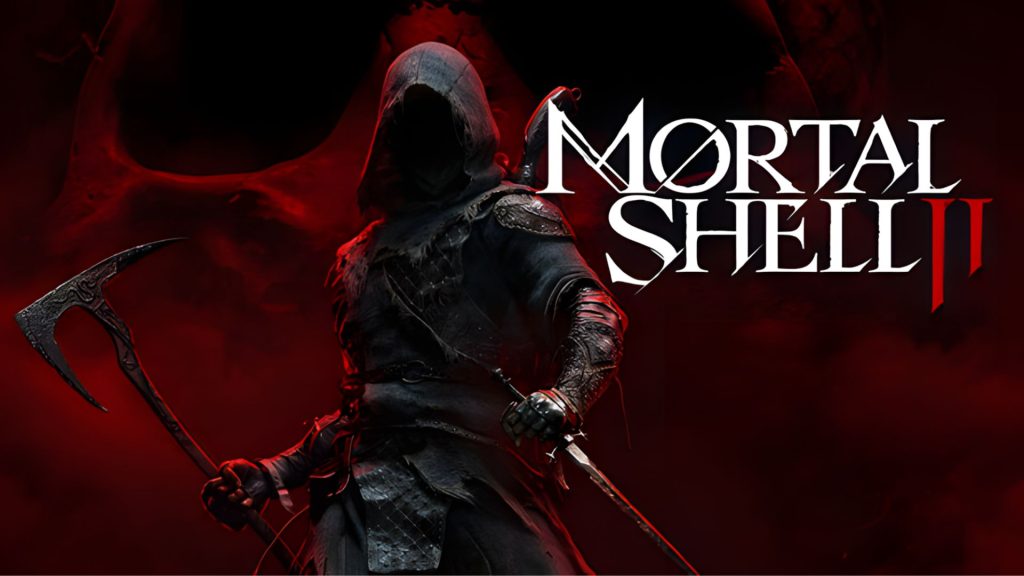
Mortal Shell II starts brilliantly but grows repetitive and exhausting, while remaining a rewarding and ambitious Soulslike sequel.
![[GAMESCOM 2026] Terranigma Preview – A Lost SNES Classic Returns in 2027](https://www.indie-games.eu/wp-content/uploads/2026/08/Terranigma-1-1024x576.jpg)
After more than three decades of limited availability, Terranigma is returning in 2027. We played its enhanced re-release at Gamescom…
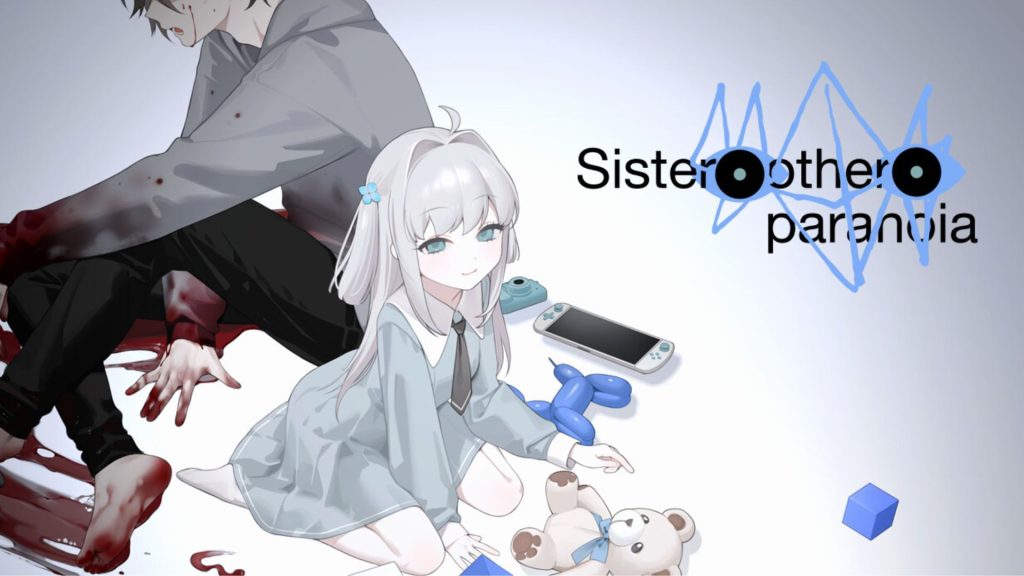
Reading another person’s mind is often presented as a desirable superpower, but Sister Other Paranoia immediately understands why it could…
