![[GAMESCOM 2026] Clive Barker’s Hellraiser: Revival Preview – Ready to Open the Box](https://www.indie-games.eu/wp-content/uploads/2026/09/Clive-Barkers-Hellraiser-Revival-08-30-26-1-1024x576.jpg)
[GAMESCOM 2026] Clive Barker’s Hellraiser: Revival Preview – Ready to Open the Box
Hellraiser: Revival preserves the franchise’s sex, gore and psychological horror while delivering approachable survival-horror gameplay.

![[PREVIEW] RAEV: Kingdom on the Distant Shores is shaping up to be an incredible city-builder](https://www.indie-games.eu/wp-content/uploads/2025/09/e9011949b47dc88b762e3594018d9d88b2fc6d19.jpg)
If you enjoy independent indie game coverage, consider supporting Indie-Games.eu on Patreon. It helps keep the site independent.
I’m a huge fan of the city-builder genre, with incredible games like Manor Lords, Against the Storm, and Foundation shaping what we love about it. So when I stumbled upon RAEV: Kingdom on the Distant Shores at Gamescom, I was immediately intrigued. This game combines the familiar city-building mechanics with 4X strategy, allowing you to not only build your kingdom but also conquer a massive map, a unique twist that reminds me of KAISERPUNK.
“The game starts with a small group of citizens around a bonfire, and your goal is to grow your settlement into a kingdom that can explore an entire continent. There are different modes to suit your play style”, developer told us. In fact, if you prefer a more peaceful experience, a dedicated mode removes attacks, but still allows you to start a war if you choose. For those who want a real challenge, the Epic Mode is designed to test your skills. The standard mode, however, is the intended experience, offering a balanced mix of both building and conflict.
RAEV also features six different climates. Three will be playable now in the demo that is coming soon, while the other three will be available in early access. These climates aren’t just for looks; they affect gameplay. For example, the tundra is a harsh environment that makes survival difficult, while the savanna has very little food and water but is rich in minerals. The temperate climate is gentle, with an abundance of basic materials. Terrain is also procedurally generated to match the climate, so a forest will have lots of fields and mountains, while the savanna is mostly flat.
“There are a few reasons we chose foxes. We’re huge fans of Studio Ghibli and their work, which was a big stylistic influence. We felt that generic human characters have been done a lot, so we wanted to try something different with anthropomorphic animals. Foxes are clever, so they seemed like a good fit. We should also point out that it’s not just foxes in the game: foxes are the playable characters, but there are other species like bunnies, muskrats, crows, and otters that also exist in the world.”
RAVINE Games
You have full control over your kingdom’s name, crest, and city names. Interestingly, you can’t customize your citizens as they are meant to be their own individuals, and you are their king, not a god. You can give them a few dispositions that will influence their behavior. The game has a narrative, but you have the option to skip the dialogue on future playthroughs.
A key feature of RAEV is the individuality of its citizens, who each have their own traits and preferences. A citizen’s performance is directly tied to whether they like the job you’ve assigned them. The game’s complexity builds slowly, but after a few hours, your small settlement can grow into a powerful kingdom with multiple cities, allowing you to control a large portion of the continent by the endgame.
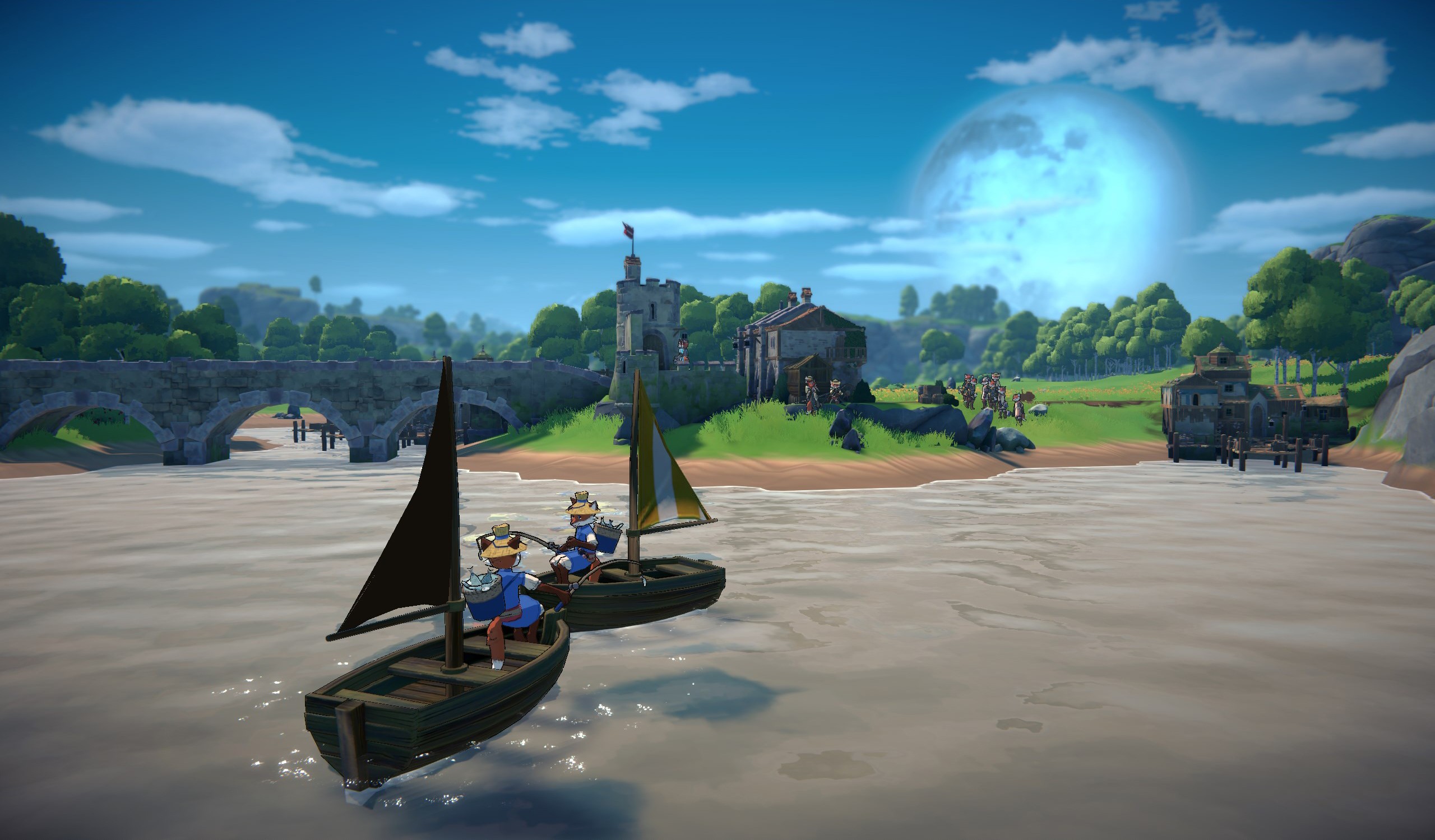
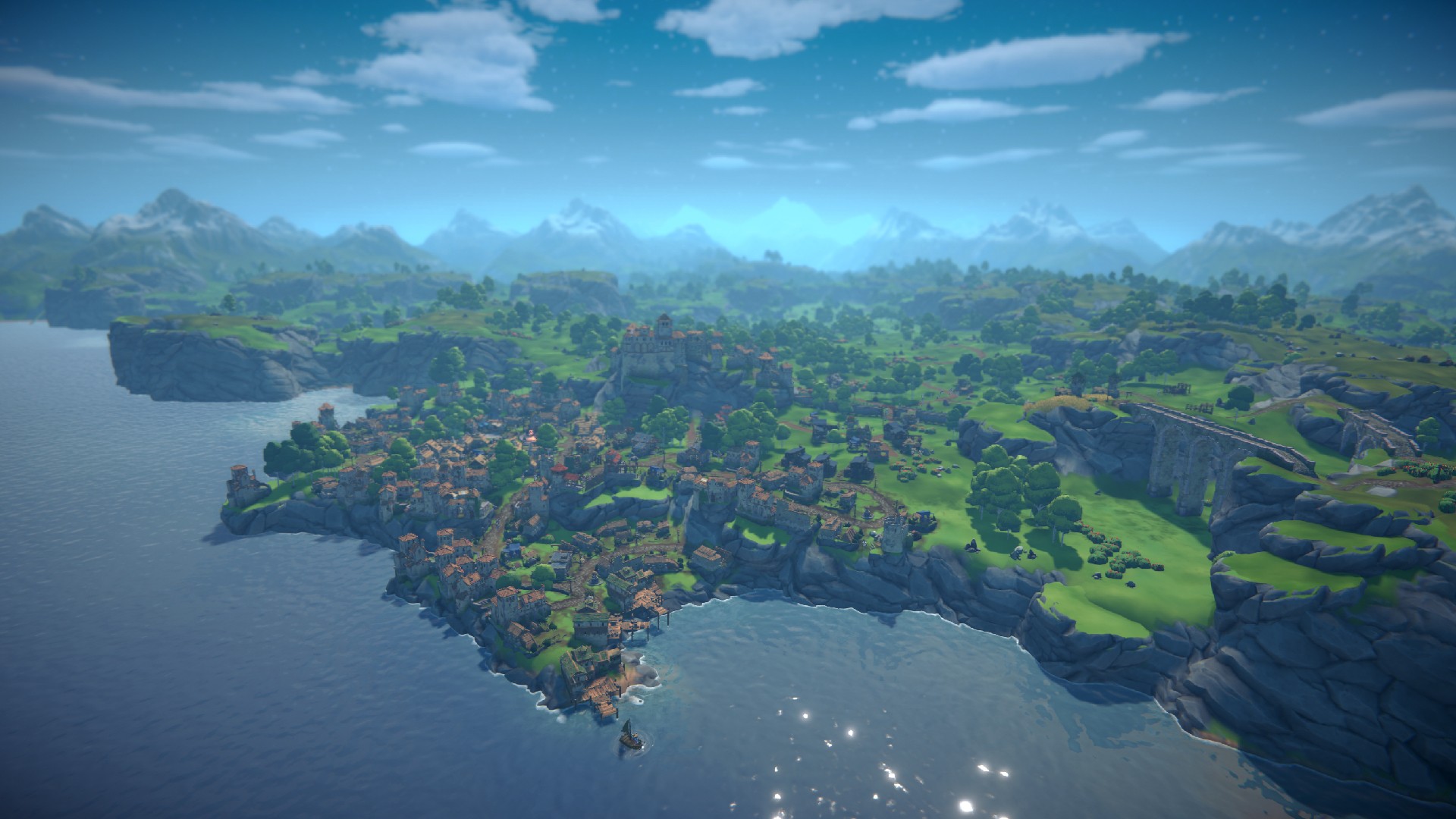
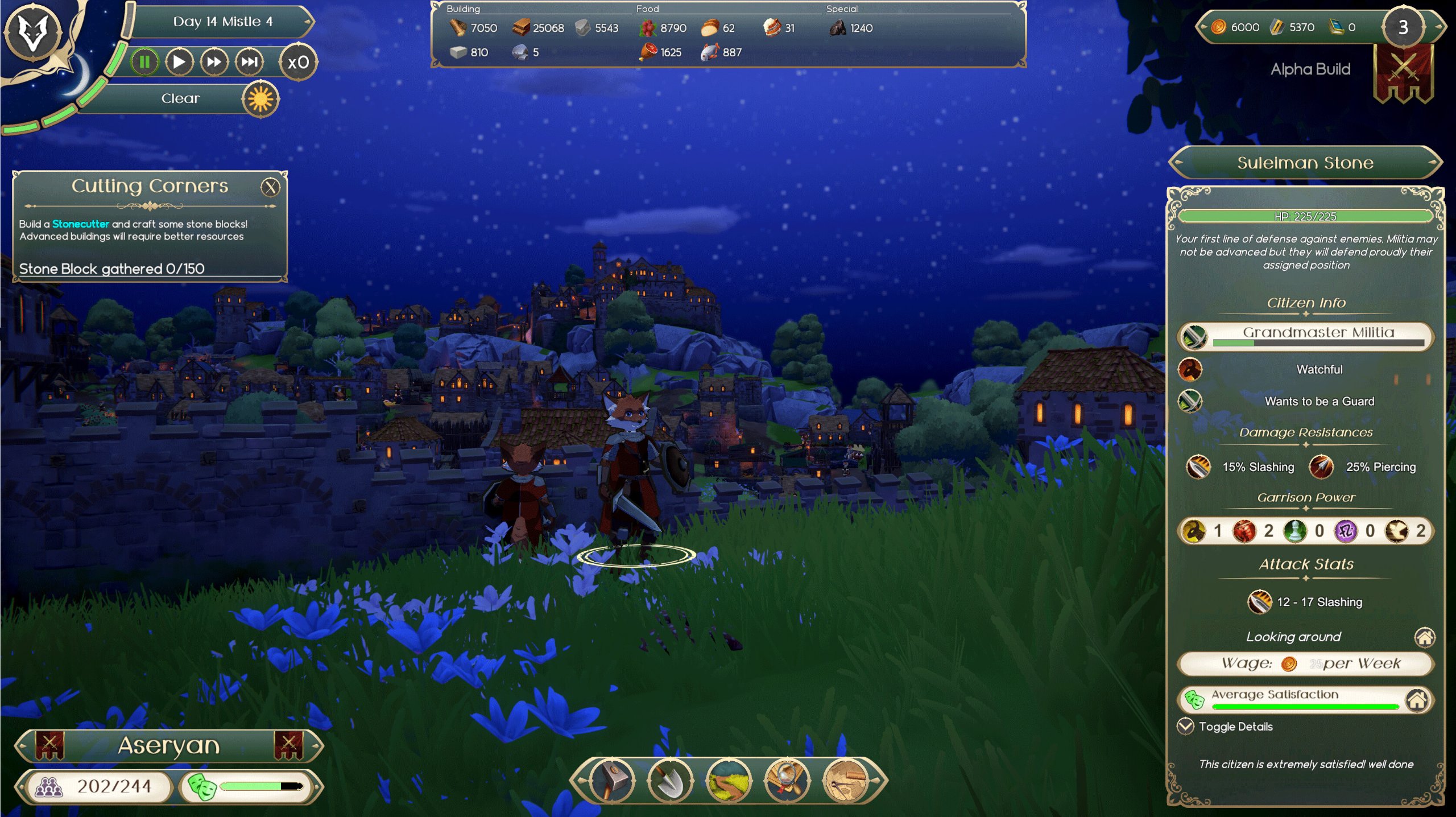
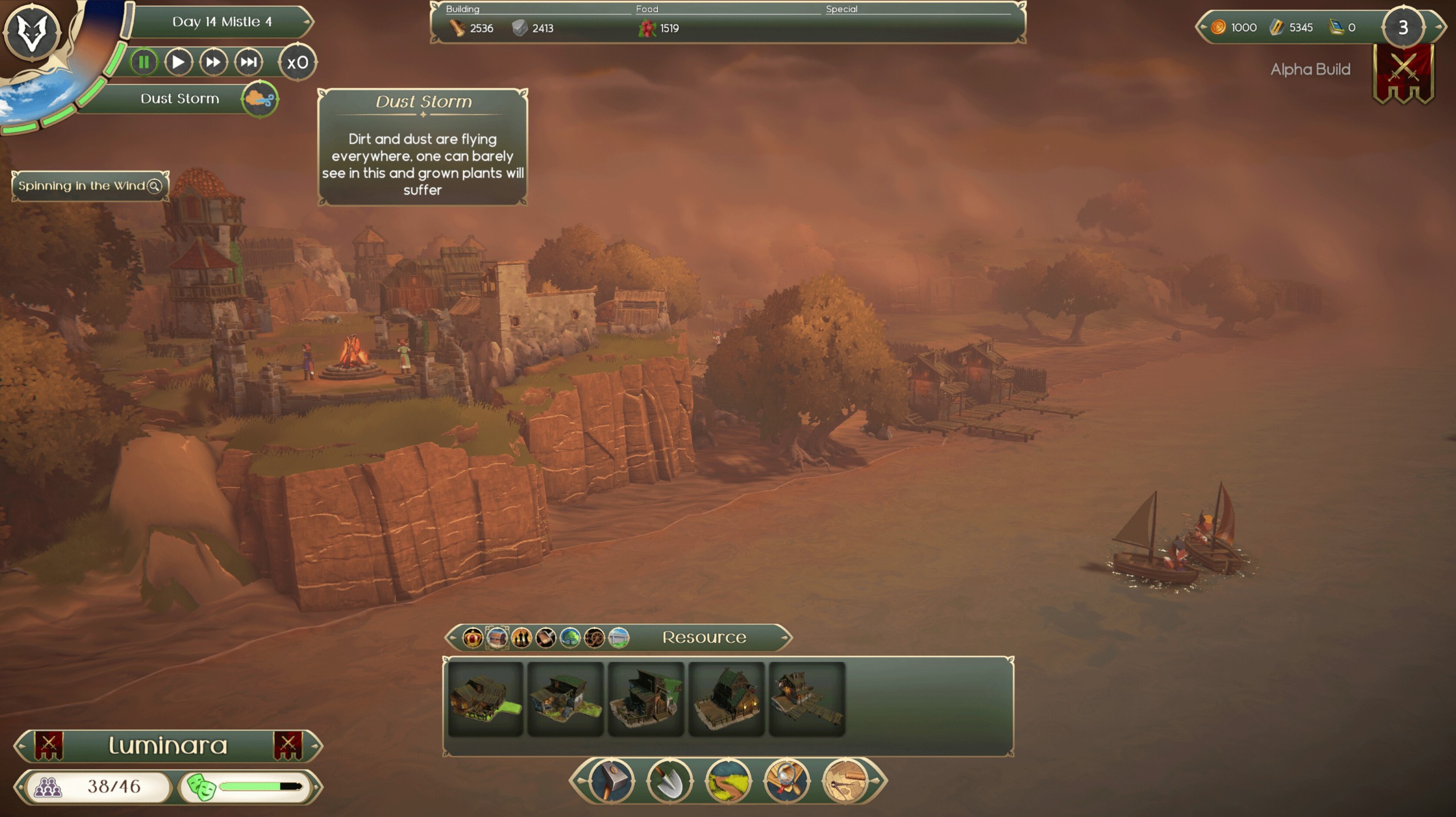
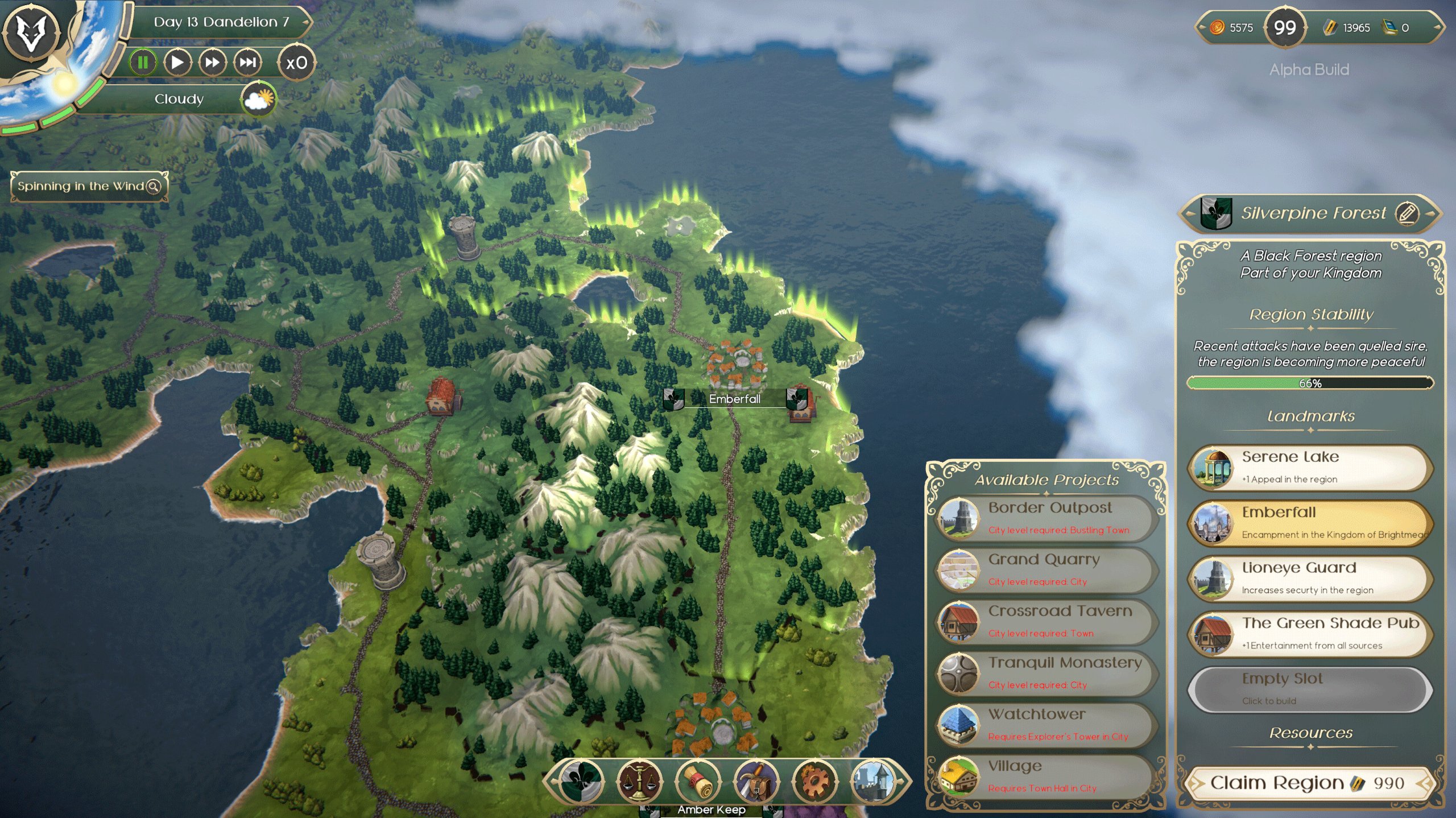
At a certain point in the game, you’ll unlock the Explorer’s Tower. Imagine Frospunk 2, where your explorers go out and discover a world map. You can claim other regions and create new cities, all of which are simulated in real time. This means you can start building something in one city, go to another, and come back to find that the buildings have been completed.
The world map is quite large with 500 regions. Even with only six climates, every region is unique in its combination of resources. This means you’ll need to establish trade routes with convoys to bring resources from one city to another, especially as your kingdom’s needs grow. You can also build an escort to defend your convoys, or you can secure a region to prevent enemies from spawning there.
“In the current build, we just have simple, aggressive units. In early access, there will be other kingdoms on the world map, but you won’t be able to interact with them much. We plan to expand the enemy AI and the governance system between early access and the 1.0 release.”
RAVINE Games
Additionally, you’ll encounter landmarks like dungeons and volcanoes, which have unique effects on the surrounding area. For example, a volcano might make a tundra warmer, but it also creates the risk of rain, ash, and fire. You’ll need to be strategic about how you use them. These landmarks can spawn dangerous creatures that will invade your city, so you’ll need to defend it with towers and your own troops.

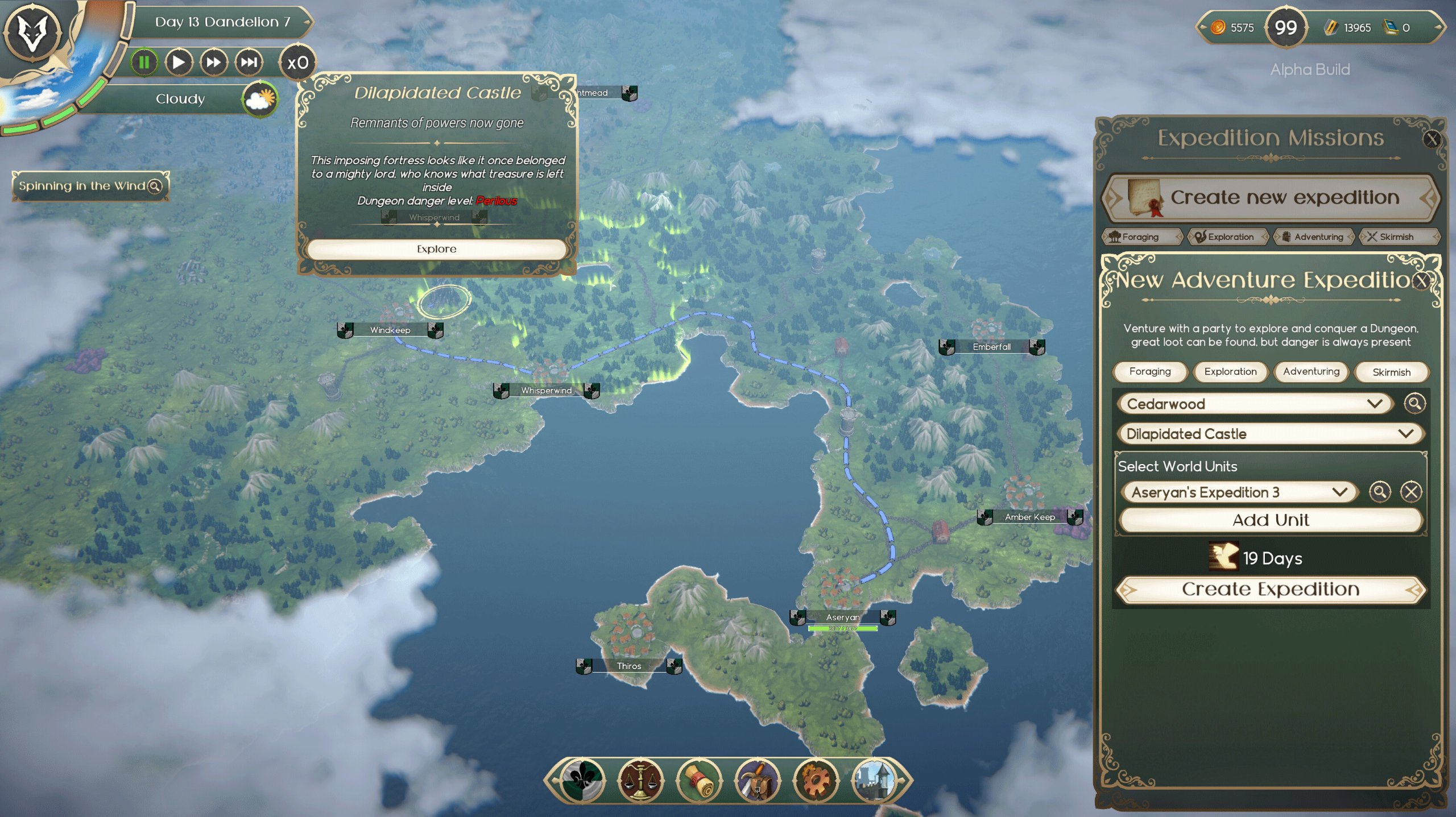
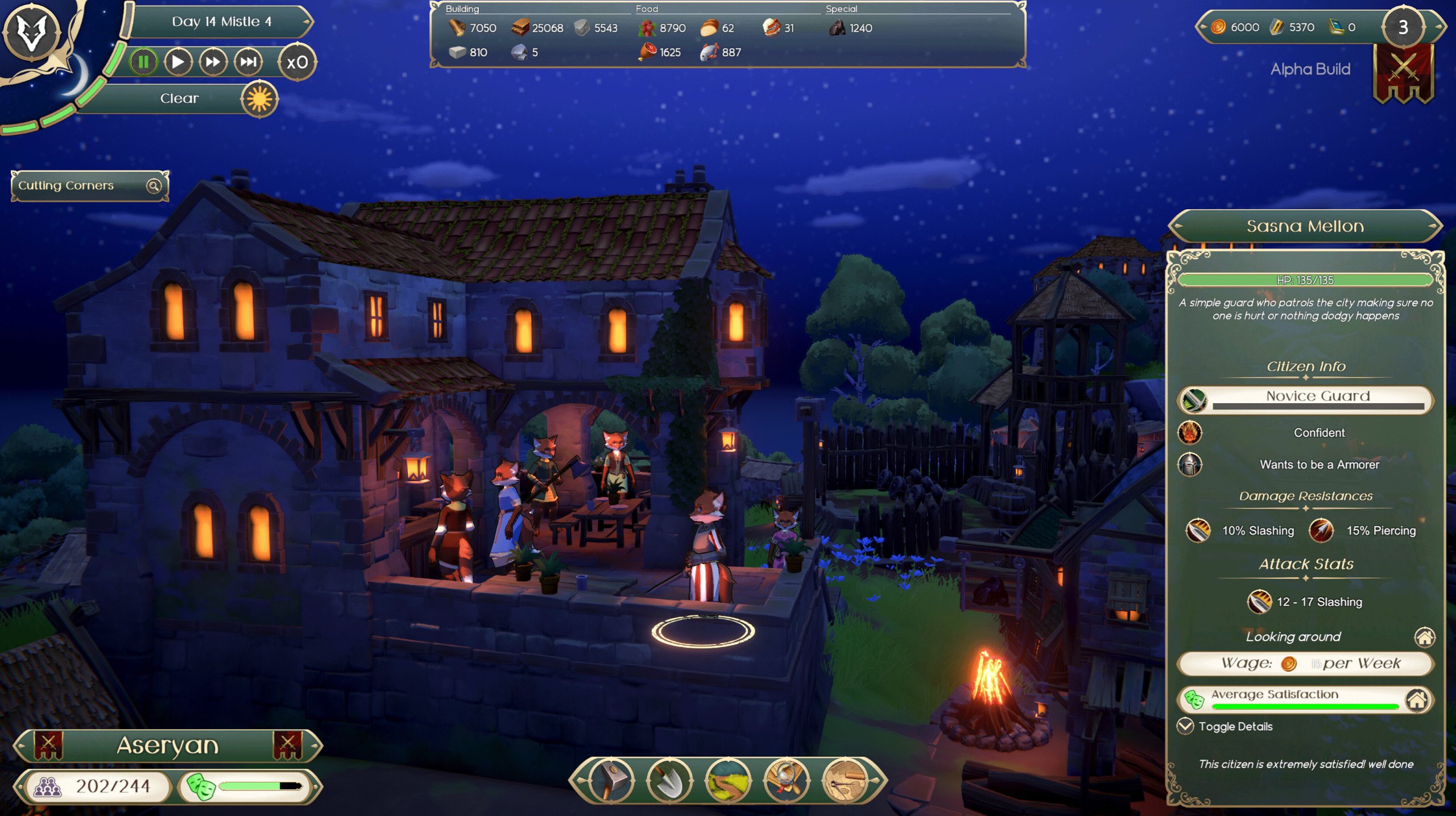
An endgame city can have between 500 and 1,000 people. RAVINE Games assured us that the game is highly optimized and won’t lag, as they built the terrain from scratch using a custom engine. As your city grows and becomes more complex, features like the Council will help manage it. The Council allows you to automate basic tasks when you have multiple cities, which helps keep things from getting overwhelming.
Perhaps the most impressive feature is the real-time combat, where you can adjust the speed. The game simulates every piece of a city’s defenses, from walls to towers, and all attacks are highly detailed. You can even travel between your cities, and they will continue to be simulated in the background. The developers have also designed the game to balance both micromanagement and macromanagement, so you won’t be overwhelmed by both at once.
What we saw in the demo was impressive: over 60 unique building types, more than 20 unit types, and three distinct biomes as mentioned before. The game feels massive, with every element intentionally added for a purpose, not just dropped in at random. While a demo is expected later this year, the full game will be released on PC via Steam in 2026. It looks like we have a lot to look forward to.
Hellraiser: Revival preserves the franchise’s sex, gore and psychological horror while delivering approachable survival-horror gameplay.

Swan Song creates a peaceful and forgiving puzzle space without removing the challenge that makes solving a difficult puzzle rewarding.
Mortal Shell II starts brilliantly but grows repetitive and exhausting, while remaining a rewarding and ambitious Soulslike sequel.
![[GAMESCOM 2026] Terranigma Preview – A Lost SNES Classic Returns in 2027](https://www.indie-games.eu/wp-content/uploads/2026/08/Terranigma-1-1024x576.jpg)
After more than three decades of limited availability, Terranigma is returning in 2027. We played its enhanced re-release at Gamescom…

Reading another person’s mind is often presented as a desirable superpower, but Sister Other Paranoia immediately understands why it could…
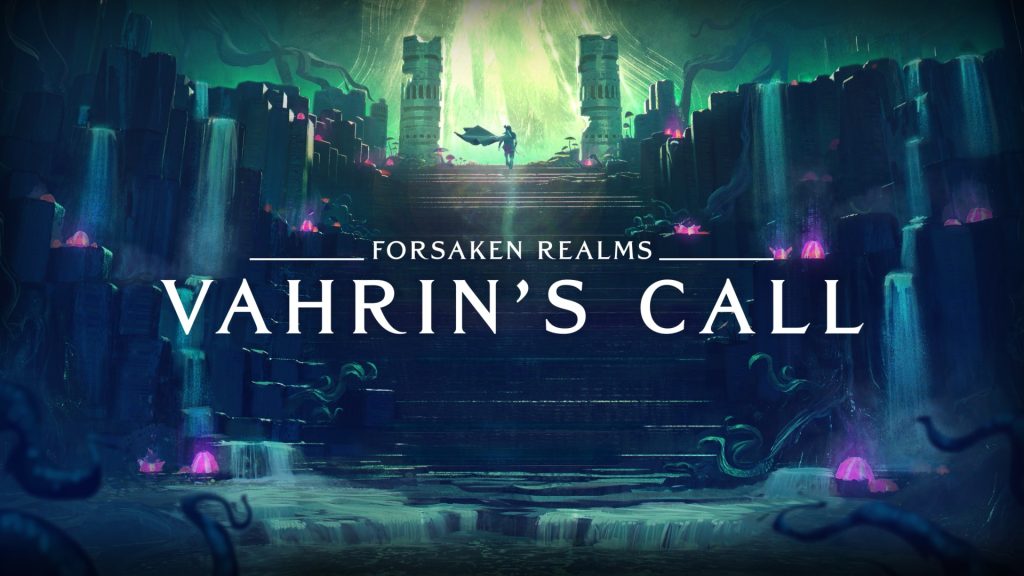
Forsaken Realms: Vahrin’s Call is exactly the kind of ambitious, slightly clumsy fantasy RPG that used to be far more…
![[Early Access] 2nd EVE – Sci-Fi Action RPG That Lacks a Sense of Stakes](https://www.indie-games.eu/wp-content/uploads/2026/08/2ND-EVE-1024x576.jpg)
2nd Eve is a space-set action RPG in which we strive to save humanity.
![[PREVIEW] Dreamcards – Strategic Exploration of Consciousness](https://www.indie-games.eu/wp-content/uploads/2026/08/Dreamcards_20260810_233631_0000-1024x576.jpg)
Dreamcards is a roguelike deckbuilder centered around dreams and nightmares.
![[Early Access] OFFBEAT – Incredibly Fun Way to Start a Music Career](https://www.indie-games.eu/wp-content/uploads/2026/08/Offbeat_20260808_201446_0000-1024x576.jpg)
In OFFBEAT, we play the role of a jobbing composer who is launching their music career.
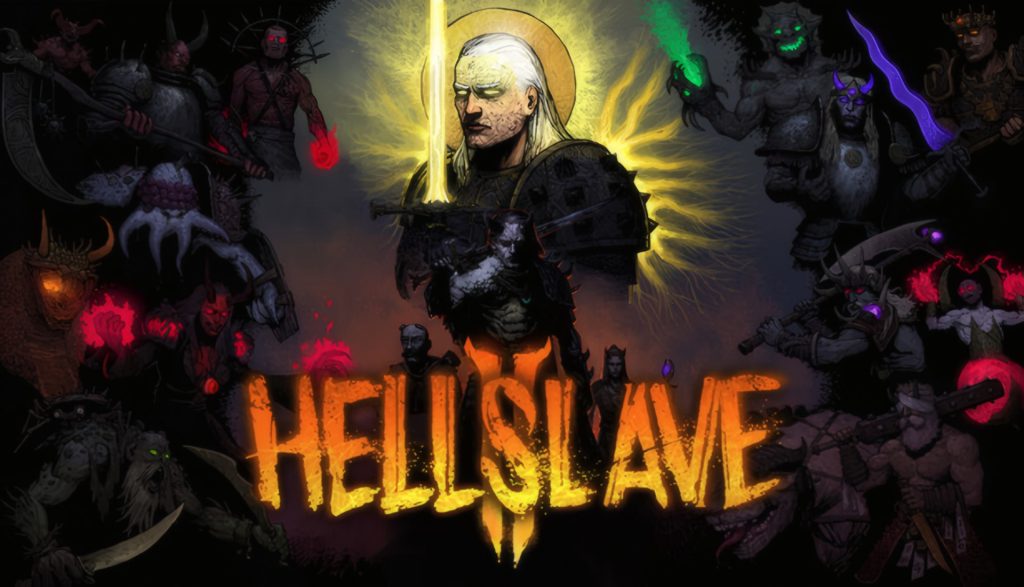
HellSlave II retains the original’s oppressive atmosphere, morally grey world and striking art while adding a larger world, randomized loot…
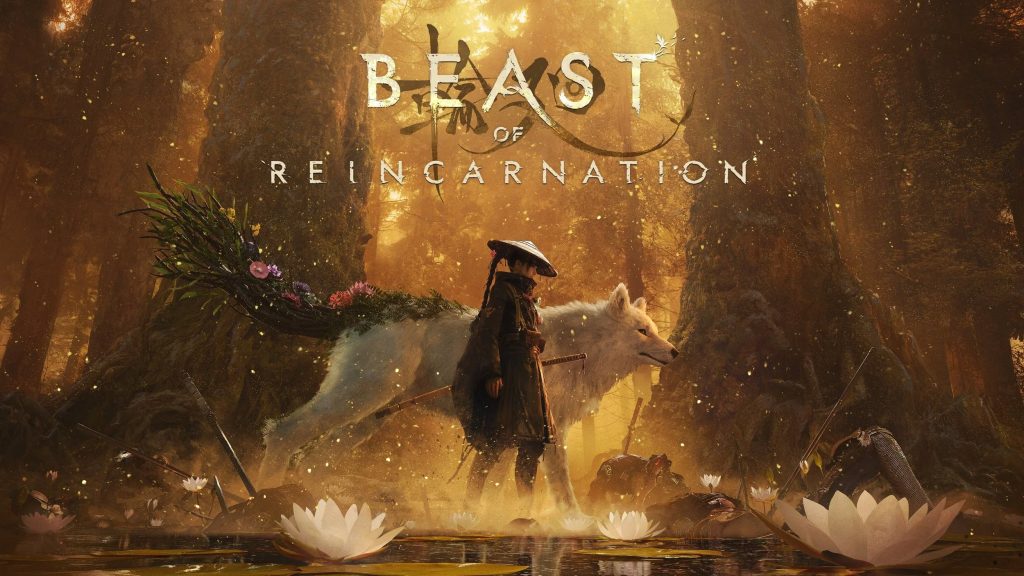
Beast of Reincarnation is an ambitious but uneven action RPG elevated by satisfying parry combat, beautiful art direction and the…

K-pop Idol Stories: Road to Debut captures the pressure of building idol group, but its management systems never explore that…
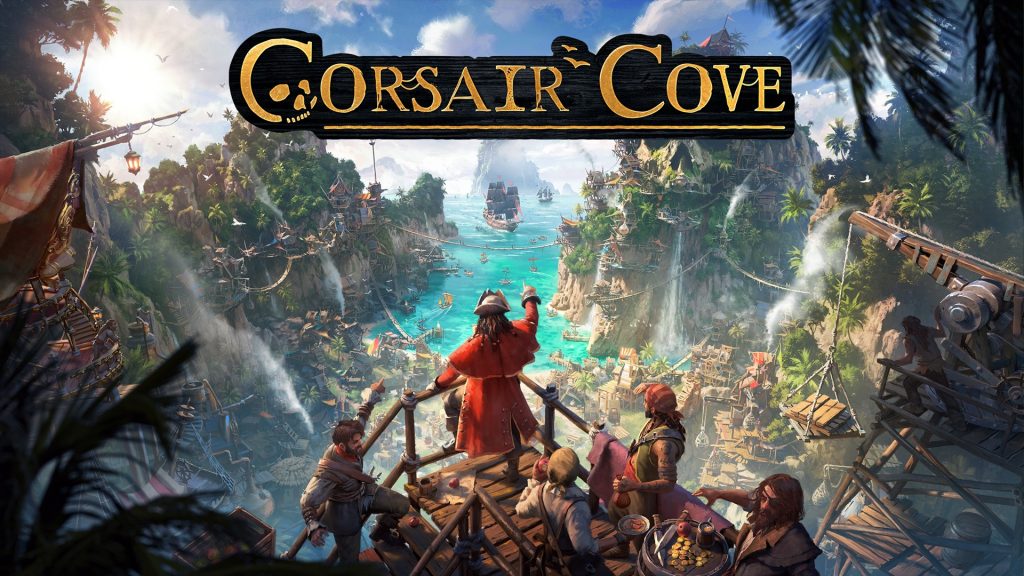
Hooded Horse keeps finding strategy games that know their audience, and Corsair Cove extends its impressive run of excellent city-builders.
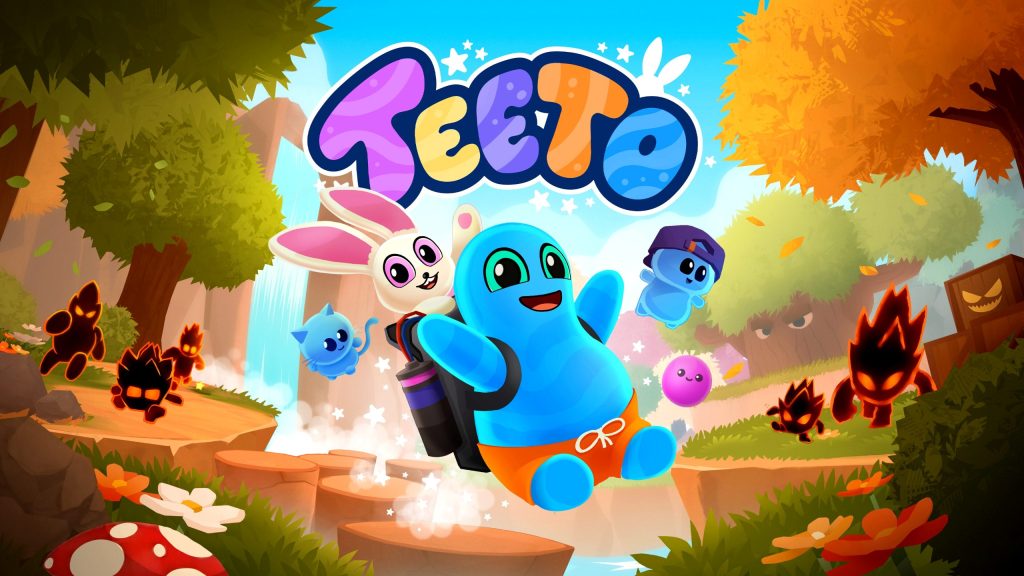
Teeto is a warm, cozy, creative and highly enjoyable 3D platformer that understands why classic collectathons remain so appealing.
Turnip Mountain stands out for its combination of a unique control system and a minimalist approach.
Dystopicon is an imaginative and memorable narrative experiment with sharp social commentary, engaging world-building and several wonderfully absurd scenarios.

Maneki Mania is an incremental game centered around petting a lucky cat.
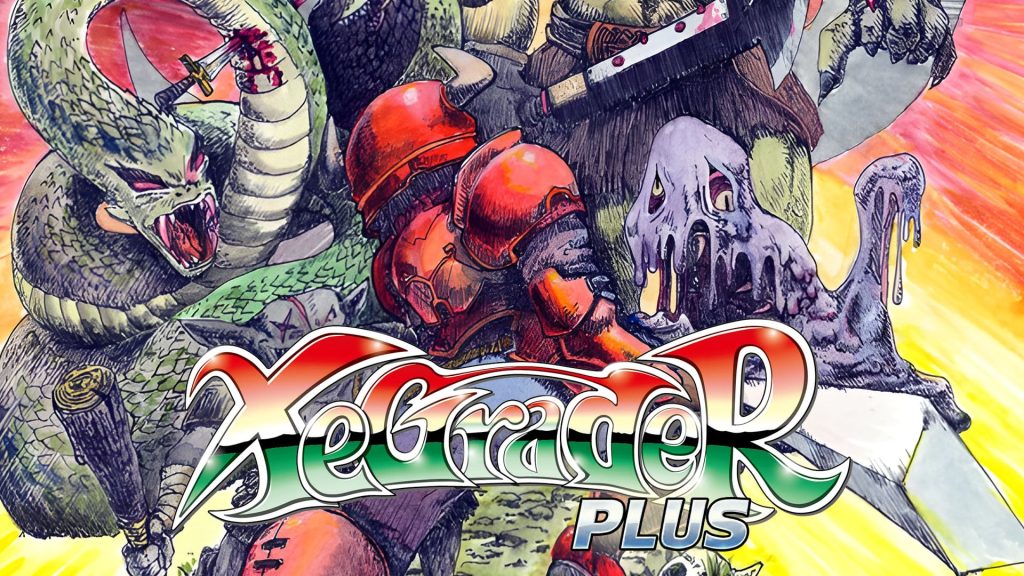
XeGrader Plus delivers colorful retro shooting, but basic mechanics, a short campaign and paid retro modes make its €20 price…
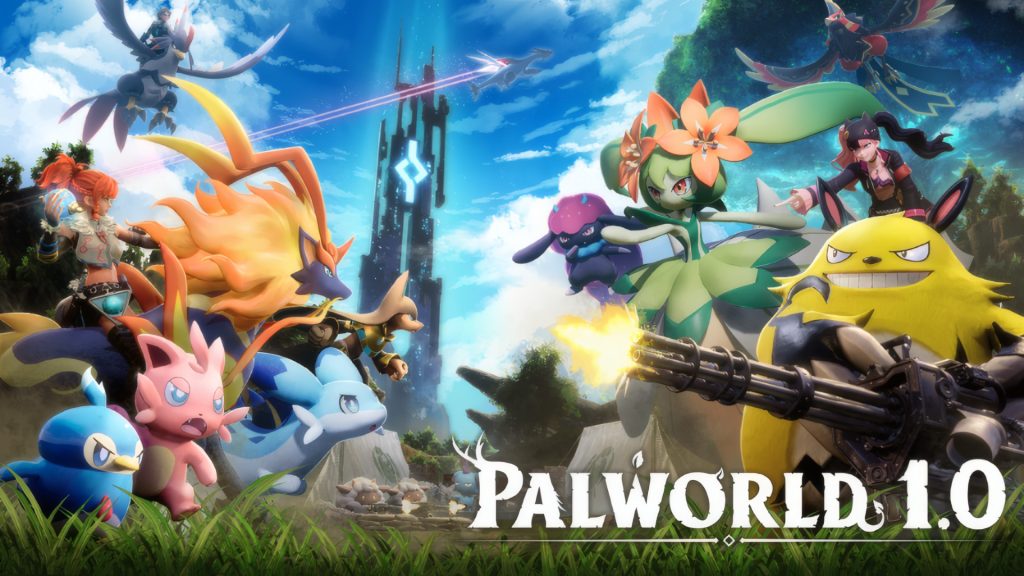
It has been roughly two and a half years since Palworld first entered Early Access, and quite a lot has…
![[EARLY ACCESS] The Last Caretaker – Survival Game I Cannot Stop Playing](https://www.indie-games.eu/wp-content/uploads/2026/07/The-last-Caretaker-Key-Art-1024x587.jpg)
The Last Caretaker is a compelling survival crafter with a flooded world and mobile base, but weak combat and performance…
