![[GAMESCOM 2026] Clive Barker’s Hellraiser: Revival Preview – Ready to Open the Box](https://www.indie-games.eu/wp-content/uploads/2026/09/Clive-Barkers-Hellraiser-Revival-08-30-26-1-1024x576.jpg)
[GAMESCOM 2026] Clive Barker’s Hellraiser: Revival Preview – Ready to Open the Box
Hellraiser: Revival preserves the franchise’s sex, gore and psychological horror while delivering approachable survival-horror gameplay.

![[PREVIEW] Super Alloy Crush – Arcade Chaos at Its Finest](https://www.indie-games.eu/wp-content/uploads/2026/02/Super-Alloy-Crush.jpg)
If you enjoy independent indie game coverage, consider supporting Indie-Games.eu on Patreon. It helps keep the site independent.
“Fighting action game featuring side-scrolling and roguelike combat” — that’s how the developers describe Super Alloy Crush, and honestly, it’s a phrase that could make any arcade fan curious. Fast-paced, chaotic combat, two playable characters with co-op support, challenging boss fights, and a wide range of enemy types, it immediately screams potential. On top of that, the title offers three distinct game modes, each designed to keep you hooked.
It’s also worth noting that this is the Alloy Mushroom’s upgraded project, perhaps even their best work yet. As a follow-up to Super Alloy Ranger, it clearly builds on the foundation laid by its predecessor. Visually, Super Alloy Crush looks fantastic. The colorful pixel art fits the game’s energetic tone perfectly, and the anime-inspired characters are bursting with personality. From the detailed enemy sprites to the boss designs, everything looks great.
After spending time with the demo, however, I found myself wondering what the game truly wants to be. At its core, it’s an arcade-style action title with combo chains, directional attacks, special meters to manage, and powerful ultimate abilities. Yet it sometimes feels like it throws too many ideas at the player at once. It pulls from multiple genres and mechanics, but in doing so, risks lacking a clearly defined identity, as if it’s trying to be everything at the same time.
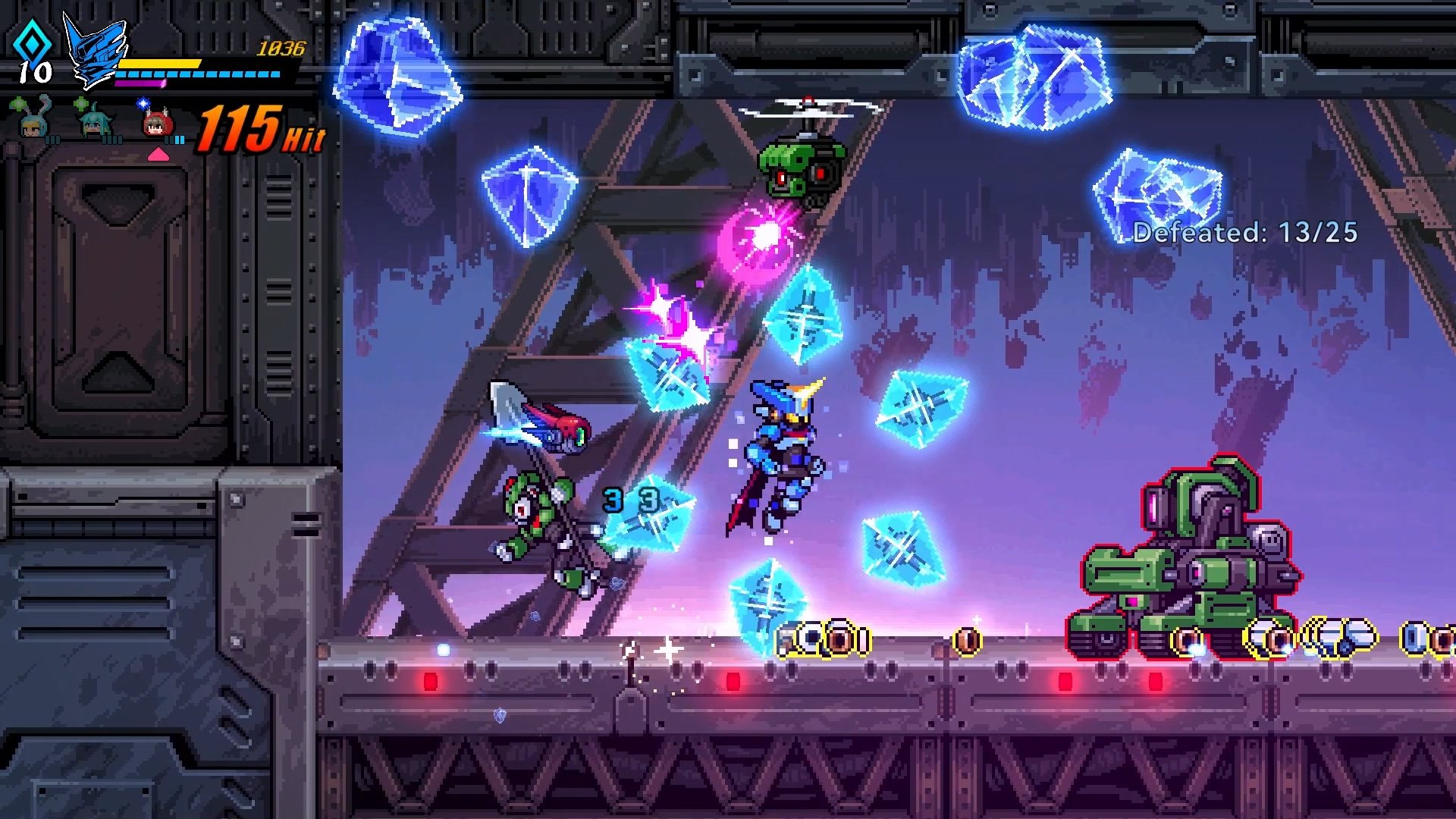
The combat is undeniably fun. While it can be played on keyboard, I found it far more comfortable with a controller. My biggest gripe is how sensitive the controls can feel, even a slight trigger press can cause unintended actions like crouching, which occasionally disrupted my flow. Still, the freedom within combat is impressive. You can launch enemies into the air and continue juggling them before they hit the ground, creating satisfying aerial combos.
Staying true to its arcade roots, enemies enter stun states when hit, though this doesn’t apply universally. There’s no traditional dodge mechanic; instead, survival depends on jumping over projectiles, destroying them, or dashing at the right moment before a boss unleashes an attack. It’s not an easy game, but it rarely feels unfair, difficulty comes from enemy numbers and patterns rather than punishing design. One of the game’s greatest strengths is its movement system. Dashes, jump-cancels, and directional attacks allow for expressive playstyles.
As mentioned, there are three game modes. Story Mode takes you across various planets through hand-crafted levels filled with hidden rooms and steady progression. It’s well designed, though it lacks some of the unpredictability found in Battle Rush Mode. The latter embraces roguelike elements, offering multiple waves of enemies, shifting objectives, and run-based upgrades. Each playthrough feels different thanks to the wide array of enhancements, some beneficial, others carrying trade-offs. It’s a mode built for replayability. There’s also an Ultimate Challenge mode, though the demo didn’t showcase it in detail.
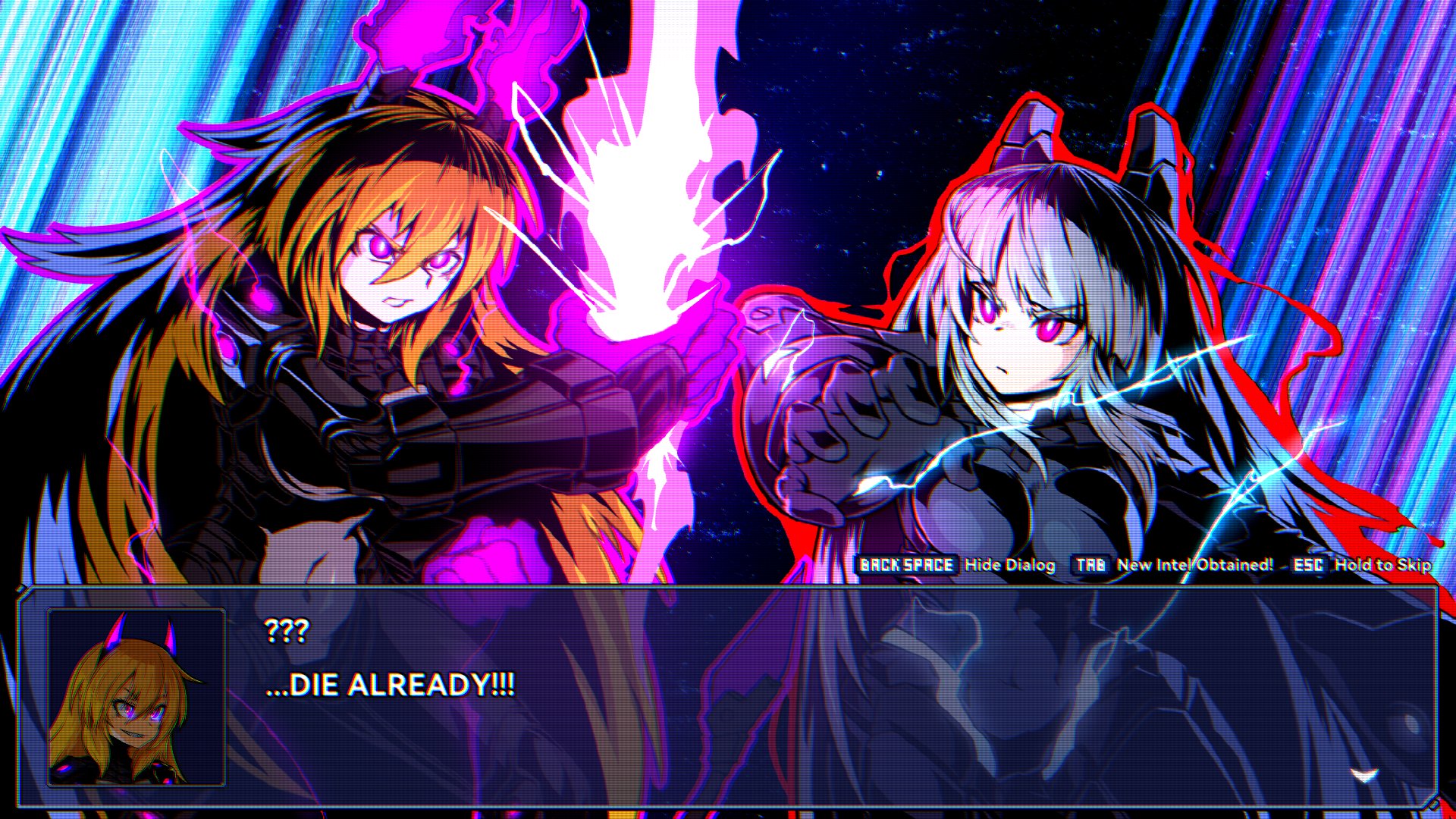
The two protagonists further diversify the experience. Muu is a close-combat robot fighter wielding energy claws, excelling at agile movement and aerial combos. Kelly, on the other hand, is an enhanced human specializing in firearms and tactical martial arts, a more technical, high-skill character capable of controlling the battlefield. Both feel distinct, and the inclusion of co-op significantly adds to the game’s appeal.
Enemy variety is another highlight. From basic units to machines and towering robotic threats, encounters remain engaging. Difficulty spikes do occur, especially when large enemy groups swarm the screen, but frequent checkpoints and revival mechanics ensure frustration rarely outweighs fun. Boss fights follow a classic formula: massive health bars, layered attack patterns, and escalating intensity, becoming increasingly enjoyable as you learn their mechanics.
In the end, I’m genuinely excited to see what the full release has to offer. The demo provided a strong preview of the experience, though I do worry slightly about the game losing its identity by blending so many genres. Still, it doesn’t burden itself with excessive narrative weight or bloated systems. Instead, it focuses on delivering responsive combat and giving players room to master its mechanics. For fans of arcade-inspired action with modern design sensibilities, this looks poised to be a high-energy experience that truly shines in the hands of skilled players.
Hellraiser: Revival preserves the franchise’s sex, gore and psychological horror while delivering approachable survival-horror gameplay.

Swan Song creates a peaceful and forgiving puzzle space without removing the challenge that makes solving a difficult puzzle rewarding.
Mortal Shell II starts brilliantly but grows repetitive and exhausting, while remaining a rewarding and ambitious Soulslike sequel.
![[GAMESCOM 2026] Terranigma Preview – A Lost SNES Classic Returns in 2027](https://www.indie-games.eu/wp-content/uploads/2026/08/Terranigma-1-1024x576.jpg)
After more than three decades of limited availability, Terranigma is returning in 2027. We played its enhanced re-release at Gamescom…

Reading another person’s mind is often presented as a desirable superpower, but Sister Other Paranoia immediately understands why it could…
Forsaken Realms: Vahrin’s Call is exactly the kind of ambitious, slightly clumsy fantasy RPG that used to be far more…
![[Early Access] 2nd EVE – Sci-Fi Action RPG That Lacks a Sense of Stakes](https://www.indie-games.eu/wp-content/uploads/2026/08/2ND-EVE-1024x576.jpg)
2nd Eve is a space-set action RPG in which we strive to save humanity.
![[PREVIEW] Dreamcards – Strategic Exploration of Consciousness](https://www.indie-games.eu/wp-content/uploads/2026/08/Dreamcards_20260810_233631_0000-1024x576.jpg)
Dreamcards is a roguelike deckbuilder centered around dreams and nightmares.
![[Early Access] OFFBEAT – Incredibly Fun Way to Start a Music Career](https://www.indie-games.eu/wp-content/uploads/2026/08/Offbeat_20260808_201446_0000-1024x576.jpg)
In OFFBEAT, we play the role of a jobbing composer who is launching their music career.
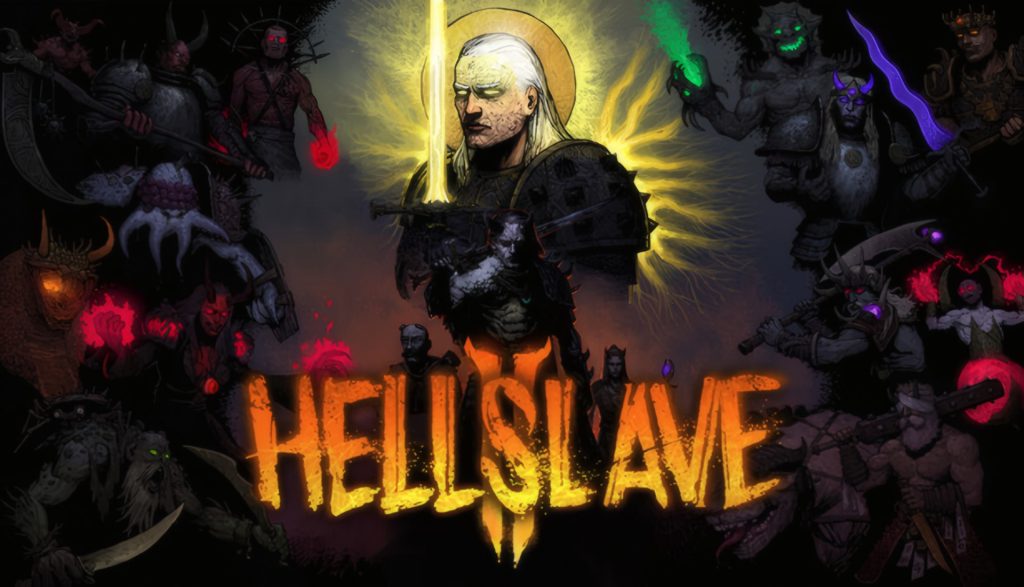
HellSlave II retains the original’s oppressive atmosphere, morally grey world and striking art while adding a larger world, randomized loot…
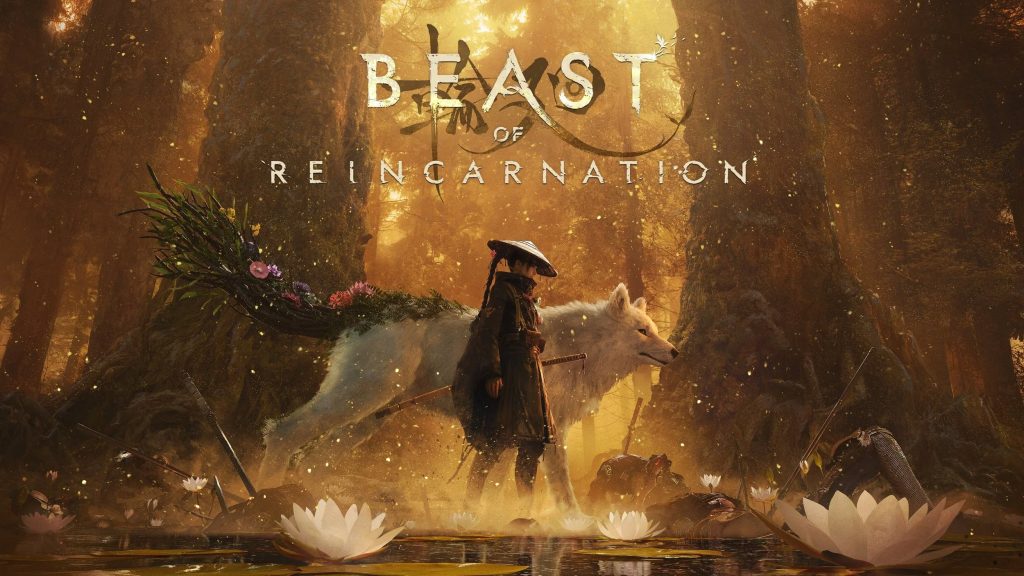
Beast of Reincarnation is an ambitious but uneven action RPG elevated by satisfying parry combat, beautiful art direction and the…

K-pop Idol Stories: Road to Debut captures the pressure of building idol group, but its management systems never explore that…
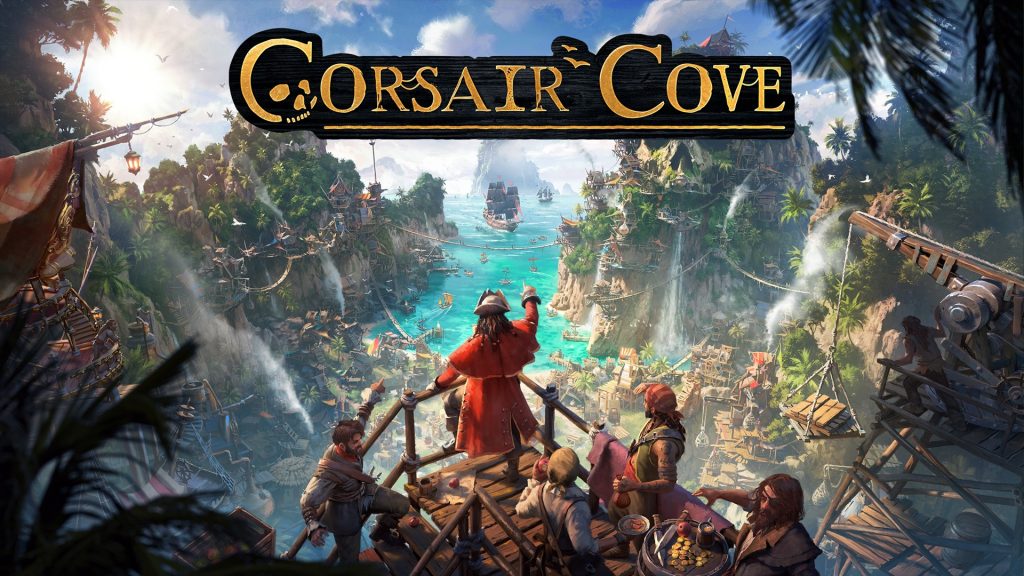
Hooded Horse keeps finding strategy games that know their audience, and Corsair Cove extends its impressive run of excellent city-builders.
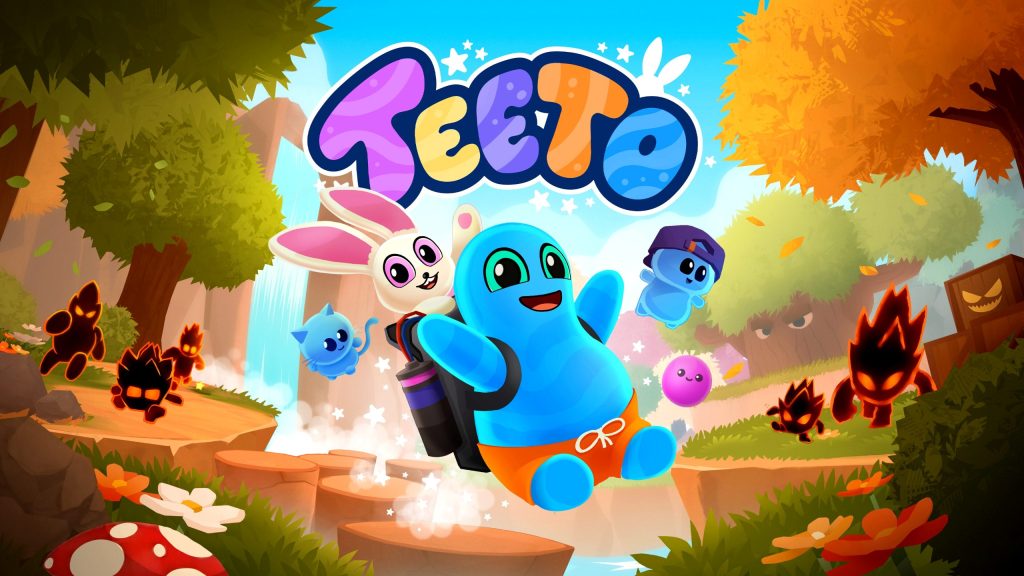
Teeto is a warm, cozy, creative and highly enjoyable 3D platformer that understands why classic collectathons remain so appealing.
Turnip Mountain stands out for its combination of a unique control system and a minimalist approach.
Dystopicon is an imaginative and memorable narrative experiment with sharp social commentary, engaging world-building and several wonderfully absurd scenarios.
Maneki Mania is an incremental game centered around petting a lucky cat.
XeGrader Plus delivers colorful retro shooting, but basic mechanics, a short campaign and paid retro modes make its €20 price…
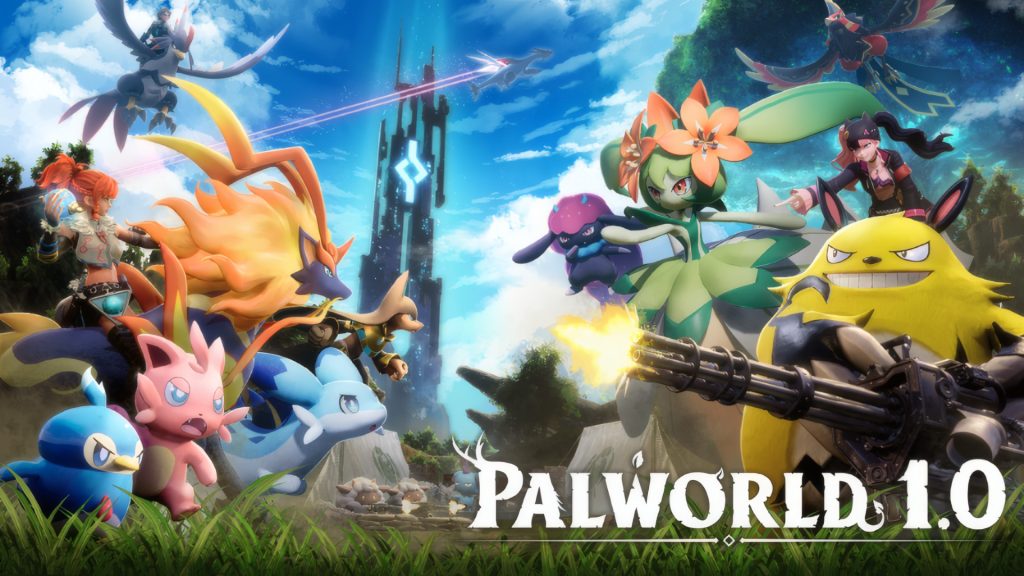
It has been roughly two and a half years since Palworld first entered Early Access, and quite a lot has…
![[EARLY ACCESS] The Last Caretaker – Survival Game I Cannot Stop Playing](https://www.indie-games.eu/wp-content/uploads/2026/07/The-last-Caretaker-Key-Art-1024x587.jpg)
The Last Caretaker is a compelling survival crafter with a flooded world and mobile base, but weak combat and performance…
