![[GAMESCOM 2026] Tomb Raider: Legacy of Atlantis Preview – Expands the Original Without Losing Its Identity](https://www.indie-games.eu/wp-content/uploads/2026/09/tomb-raider-legacy-of-atlantis-06-02-26-1-1024x576.jpg)
[GAMESCOM 2026] Tomb Raider: Legacy of Atlantis Preview – Expands the Original Without Losing Its Identity
Tomb Raider: Legacy of Atlantis brings Lara back to her roots, but its Gamescom 2026 showing proved this is far…

![[UPDATED] Rise of the Village Hero – Early Access](https://www.indie-games.eu/wp-content/uploads/2024/06/Rise-of-the-Village-Hero.jpg)
If you enjoy independent indie game coverage, consider supporting Indie-Games.eu on Patreon. It helps keep the site independent.
In my initial review, I was quite critical of Rise of the Village Hero. There were several aspects of the game I didn’t like. However, the solo developer behind the project has continuously worked on improvements and took the feedback seriously. After several major monthly updates, the game has undergone significant changes, progression is now smoother, it’s easier to find better weapons and items, and many new quests have been added, extending the overall gameplay experience.
One of the most striking changes is the improved leveling system. The amount of XP you gain has been adjusted to provide more balanced progression, and enemies are now better balanced—they will no longer defeat you easily at the beginning of the game. It’s also worth highlighting the increased variety of equipment and weapons. The map now contains more resources, and enemies frequently drop better loot than before, greatly improving the sense of progression. Additionally, more trading locations have been introduced for easier buying and selling of collected items.
Rise of the Village Hero demonstrates how Early Access should be used. The UI is now more intuitive and detailed, contributing to a better understanding of the game’s mechanics. Overall, the game feels richer and more content-packed. Still, I believe that combat options could be further refined. It would be useful to let players choose between manually attacking enemies and automatic attacks targeting the nearest foes.
For those unsure of what to expect, the developer has released a demo on Steam, which we definitely recommend trying. If you’re an RPG fan, you might find exactly what you’re looking for and decide to support the title.
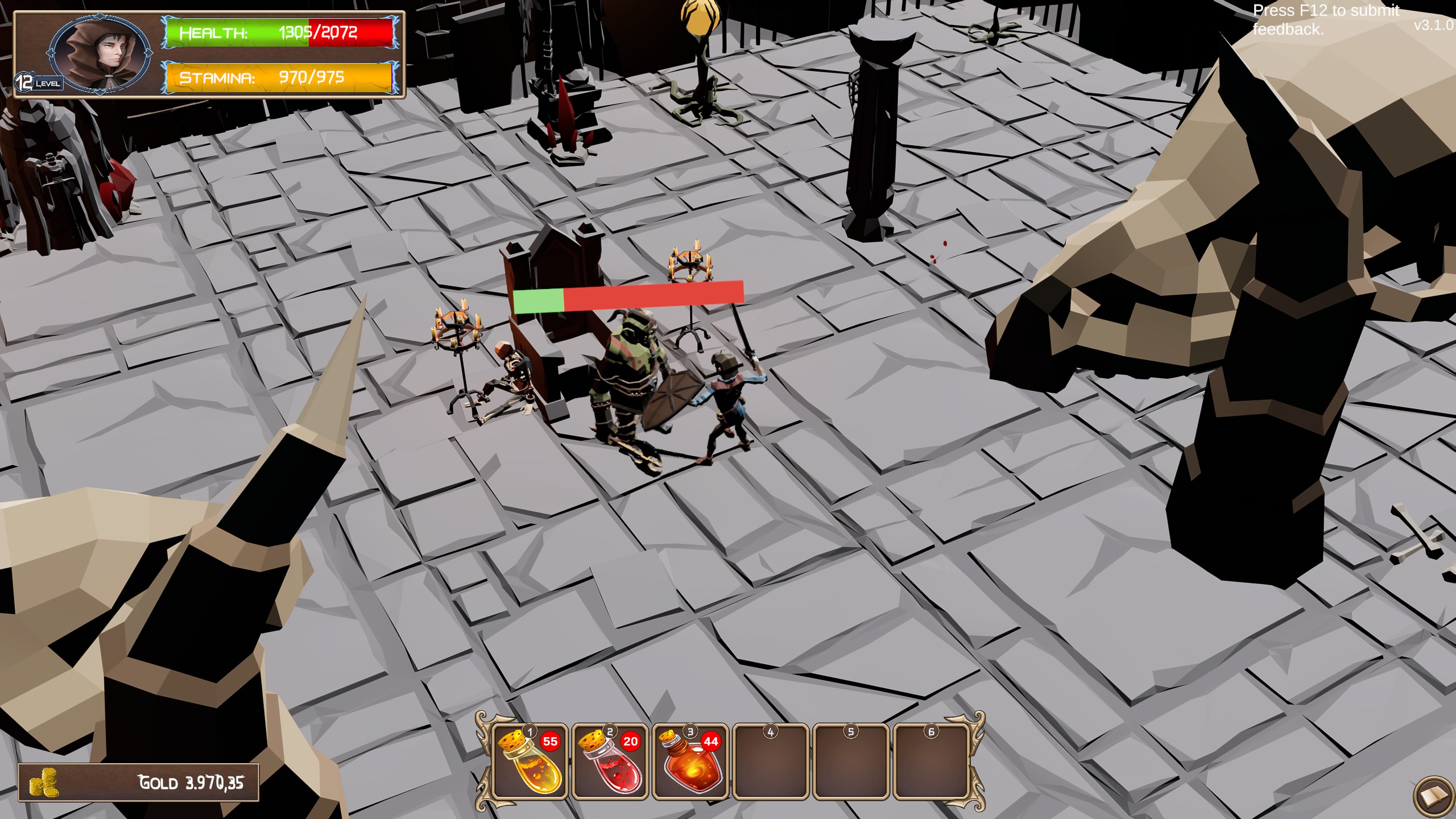
I’ll first highlight some gameplay aspects that I consider lacking. The main character does not automatically attack nearby enemies, making constant clicking tiring. Using ranged weapons feels clunky and has minimal impact on combat, while melee combat is reduced to basic mechanics like simple swings and stabs. The game relies too heavily on potion spamming instead of strategic use of abilities. On top of that, skill descriptions are unclear; the only thing I understood is that strength and agility allow you to use certain types of weapons. When using potions, your character interrupts their current action, which often leads to repeated movements.
On the positive side, enemies drop loot at a reasonable rate, allowing you to sell and buy items from traders, including weapons, armor, and potions. However, inventory space is limited, and shops offer little high-quality equipment. After two chapters, I had over 6,000 gold but nothing meaningful to spend it on. Enemy loot is often better than what traders sell. As someone who enjoys collecting and looting, I personally appreciated this mechanic. Still, it would be nice if equipping new armor visually changed your character’s appearance, adding more depth to the experience.
The healing system relies almost entirely on potions, which are often not effective enough. Small and medium potions rarely keep your health at a safe level. Most of the time during a chapter, I found myself at around 50% health, because the game lacks health regeneration, unlike stamina regeneration, which becomes very prominent after level five and renders stamina potions almost useless. Additionally, the game offers no other defensive options, no dodging, magic, or jumping, meaning you mostly watch your character attack without much interaction.
In terms of difficulty, the game fails to provide a real challenge. Bosses are surprisingly easy to defeat, while most enemies die after three hits, making them feel more like training dummies than real threats. Overall, the game is quite easy. Level progression works in a standard way, but the UI does not show how much experience is required for the next level. Although the game features classic RPG stats, their impact is neither clearly displayed nor noticeable during gameplay.
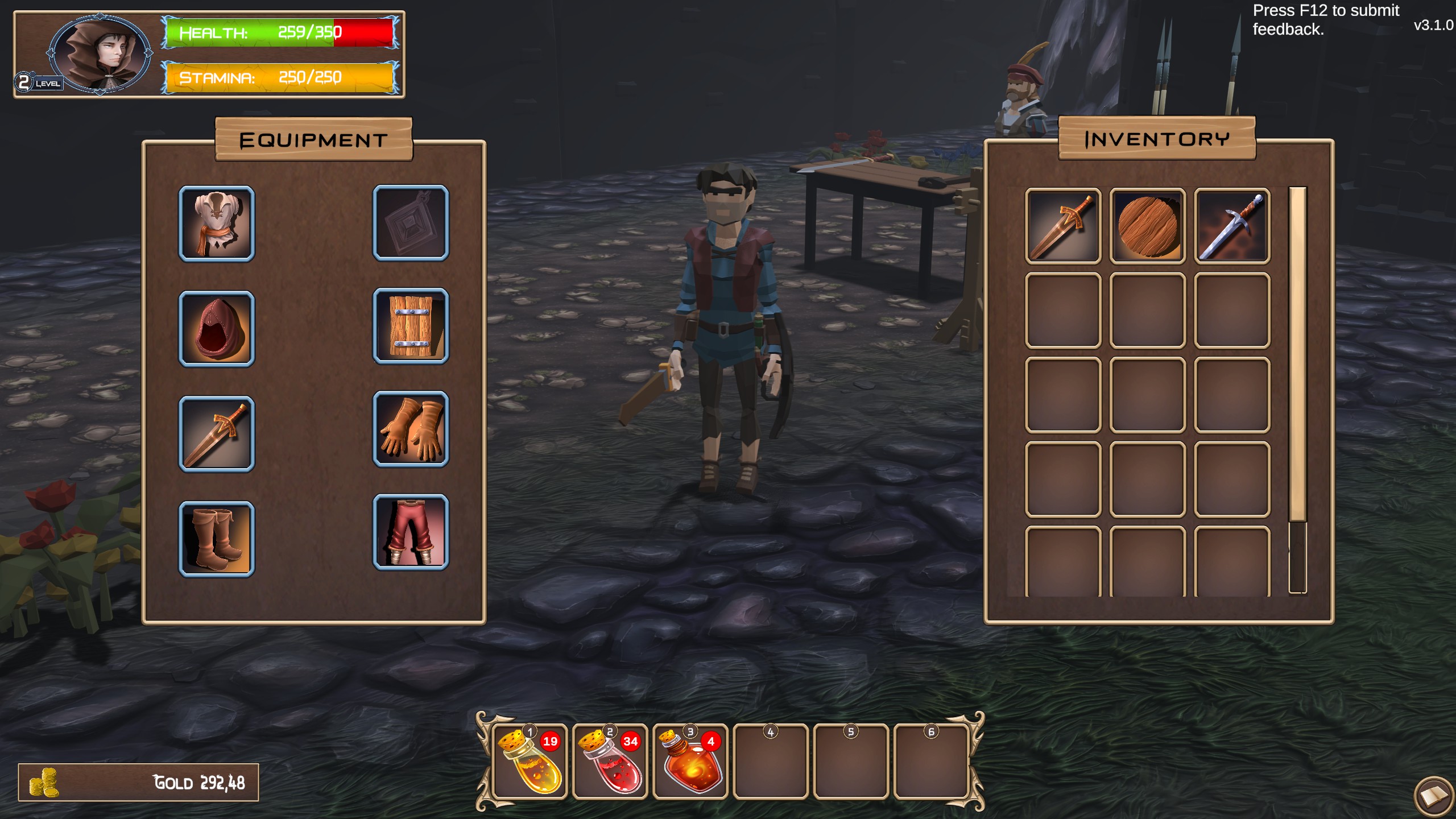
I can overlook the graphics because visual perfection isn’t everything. However, the game uses commonly seen Synty Polygon assets. While some may find this choice off-putting, it doesn’t significantly diminish the overall quality. There are some nice assets here and there, but level design is rather weak. Environments feel empty, with more trees than actual buildings, and you move from one massive wall to the next. Some areas are much darker than others, and the world lacks detail.
Additionally, every enemy has the same voice, regardless of whether they are male or female, making them feel generic and not adding anything new to combat. Archers and mages do not pose a real threat. Visually, the game is acceptable, but the sound design is weak. For instance, you hear the sound of rain, but there is no visual animation, and birds chirp in a dark, moody environment, creating a mismatch. Also, each time you travel from one area to another, there is an obvious shift in the game’s atmosphere.
The story varied in quality, sometimes good, sometimes not. It was unclear whether it was meant to be humorous. For example, a goblin suddenly wants to help you read shamanic writings, and some orcs attack you while others do not, until the dialogue continues. This inconsistency made much of the dialogue feel pointless. I didn’t feel like I was playing in Romania; I felt like I was stuck in a Robin Hood movie where the protagonist can’t say NO to anyone and tries to help everyone.
The quest bar was excellent, easily accessible and detailed, making things more convenient. However, dialogue didn’t help as much. The same text would repeat constantly, making it hard to tell whether a quest was properly completed or not. Additionally, items should be more noticeable because they were difficult to spot.
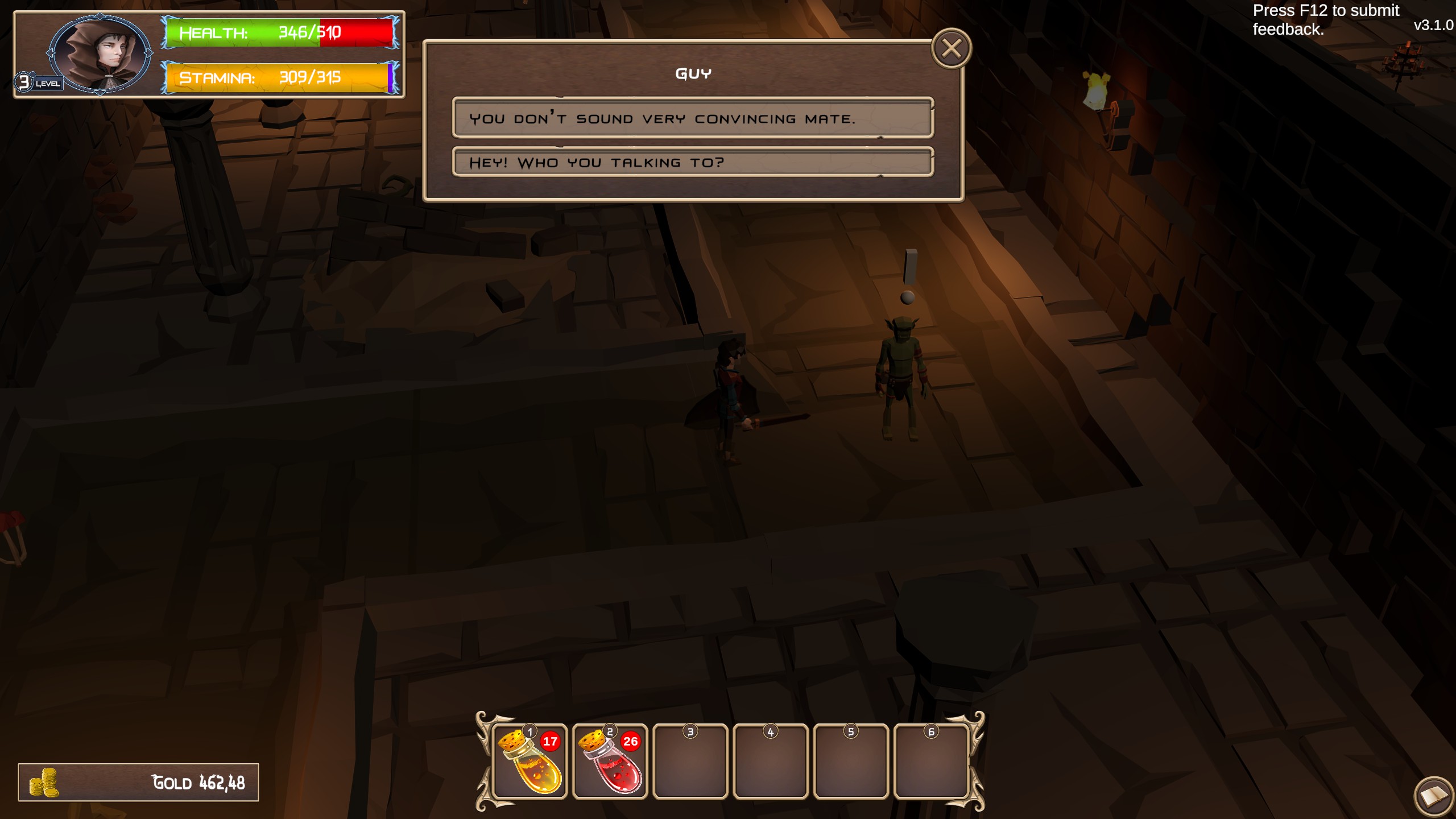
The game also felt rather empty. Yes, there are people, NPCs you can talk to, and interesting things to see, but the world felt too wide and sparse to feel truly alive. There are witches, dwarves, humans, and orcs, but I need something more captivating to spark a sense of wonder and curiosity about what I might encounter next. Moreover, I would prefer a larger damage indicator because the camera can zoom out quite far. It would also be great if navigating through doors were easier. Your character often struggles to find the best path to enter unless you stand very close to the entrance. You must click precisely on the ground to move through the doorway without getting stuck.
Knowing that this is an Early Access game and that the developer actively listens to feedback to improve it, I can see that this title will become more polished as it approaches full release. As mentioned, this is not meant as a complaint, but constructive feedback for the developer to consider improvements and fixes. The game is undoubtedly playable, but the small issues make it more frustrating than it should be.
I don’t mind if the graphics aren’t perfect, but if the gameplay doesn’t impress me after three hours, it’s unlikely that others will continue playing. I always believe that if the gameplay is good enough, the rest doesn’t matter as much. Perhaps I missed a few things here and there, and I will continue to update my review as new updates and content are released.
Review copy provided by the publisher
Tomb Raider: Legacy of Atlantis brings Lara back to her roots, but its Gamescom 2026 showing proved this is far…
![[GAMESCOM 2026] Clive Barker’s Hellraiser: Revival Preview – Ready to Open the Box](https://www.indie-games.eu/wp-content/uploads/2026/09/Clive-Barkers-Hellraiser-Revival-08-30-26-1-1024x576.jpg)
Hellraiser: Revival preserves the franchise’s sex, gore and psychological horror while delivering approachable survival-horror gameplay.

Swan Song creates a peaceful and forgiving puzzle space without removing the challenge that makes solving a difficult puzzle rewarding.
Mortal Shell II starts brilliantly but grows repetitive and exhausting, while remaining a rewarding and ambitious Soulslike sequel.
![[GAMESCOM 2026] Terranigma Preview – A Lost SNES Classic Returns in 2027](https://www.indie-games.eu/wp-content/uploads/2026/08/Terranigma-1-1024x576.jpg)
After more than three decades of limited availability, Terranigma is returning in 2027. We played its enhanced re-release at Gamescom…
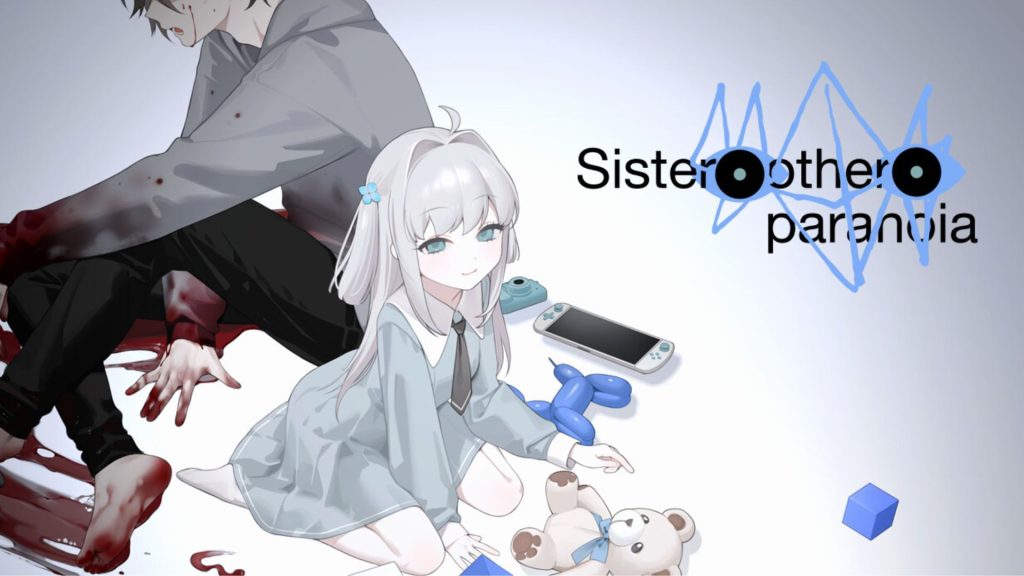
Reading another person’s mind is often presented as a desirable superpower, but Sister Other Paranoia immediately understands why it could…
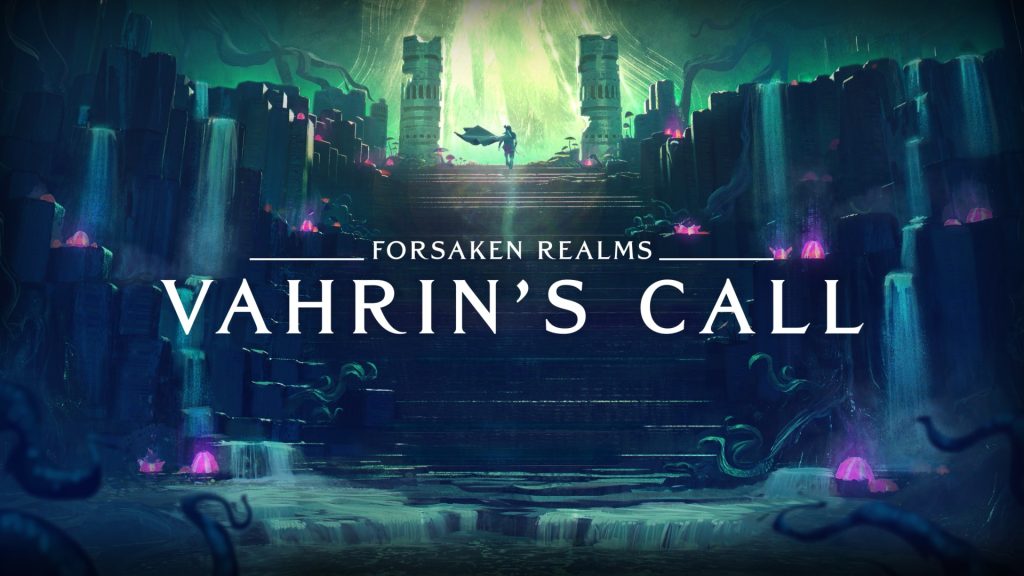
Forsaken Realms: Vahrin’s Call is exactly the kind of ambitious, slightly clumsy fantasy RPG that used to be far more…
![[Early Access] 2nd EVE – Sci-Fi Action RPG That Lacks a Sense of Stakes](https://www.indie-games.eu/wp-content/uploads/2026/08/2ND-EVE-1024x576.jpg)
2nd Eve is a space-set action RPG in which we strive to save humanity.
![[PREVIEW] Dreamcards – Strategic Exploration of Consciousness](https://www.indie-games.eu/wp-content/uploads/2026/08/Dreamcards_20260810_233631_0000-1024x576.jpg)
Dreamcards is a roguelike deckbuilder centered around dreams and nightmares.
![[Early Access] OFFBEAT – Incredibly Fun Way to Start a Music Career](https://www.indie-games.eu/wp-content/uploads/2026/08/Offbeat_20260808_201446_0000-1024x576.jpg)
In OFFBEAT, we play the role of a jobbing composer who is launching their music career.
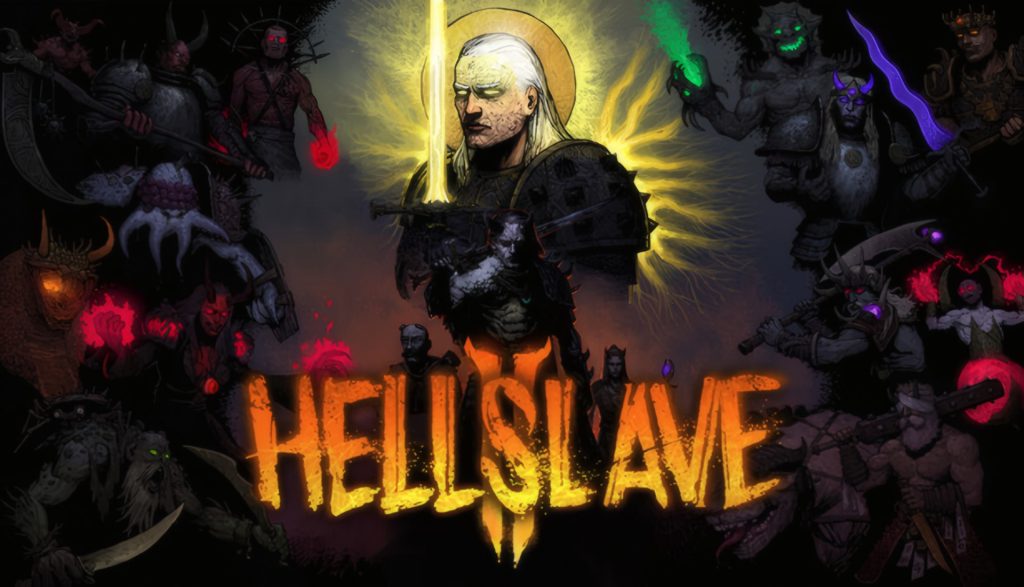
HellSlave II retains the original’s oppressive atmosphere, morally grey world and striking art while adding a larger world, randomized loot…
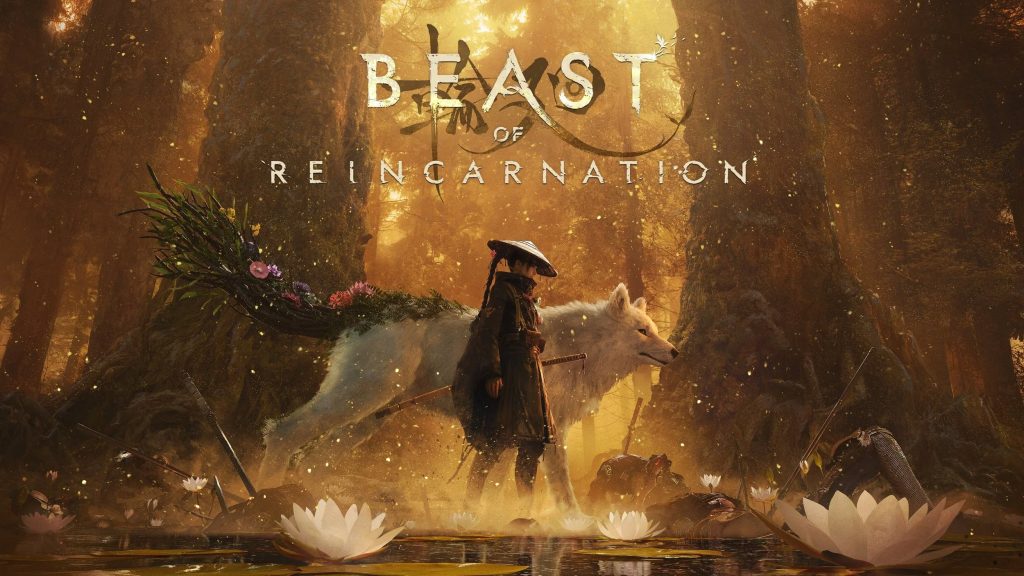
Beast of Reincarnation is an ambitious but uneven action RPG elevated by satisfying parry combat, beautiful art direction and the…

K-pop Idol Stories: Road to Debut captures the pressure of building idol group, but its management systems never explore that…
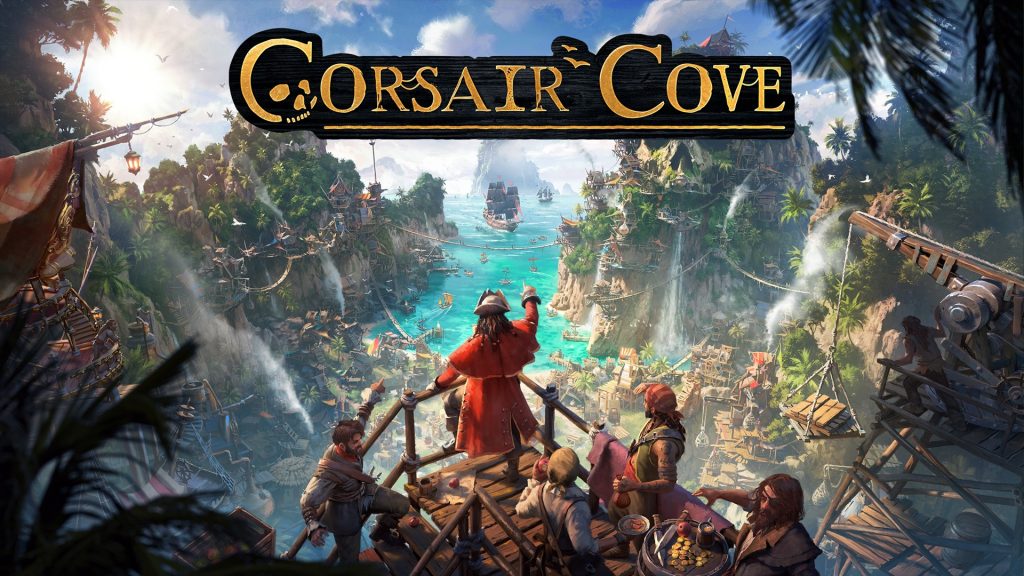
Hooded Horse keeps finding strategy games that know their audience, and Corsair Cove extends its impressive run of excellent city-builders.
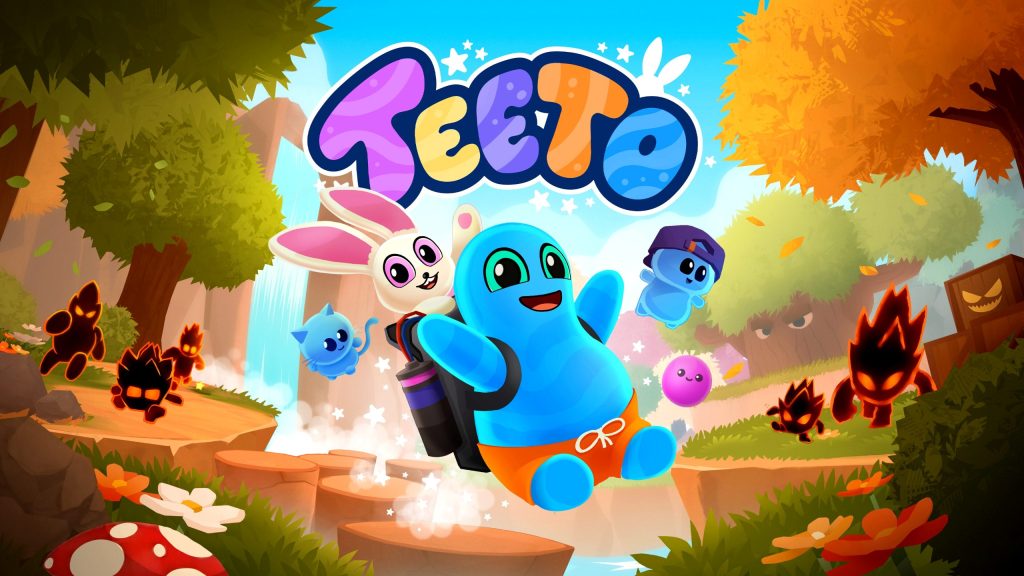
Teeto is a warm, cozy, creative and highly enjoyable 3D platformer that understands why classic collectathons remain so appealing.
Turnip Mountain stands out for its combination of a unique control system and a minimalist approach.
Dystopicon is an imaginative and memorable narrative experiment with sharp social commentary, engaging world-building and several wonderfully absurd scenarios.
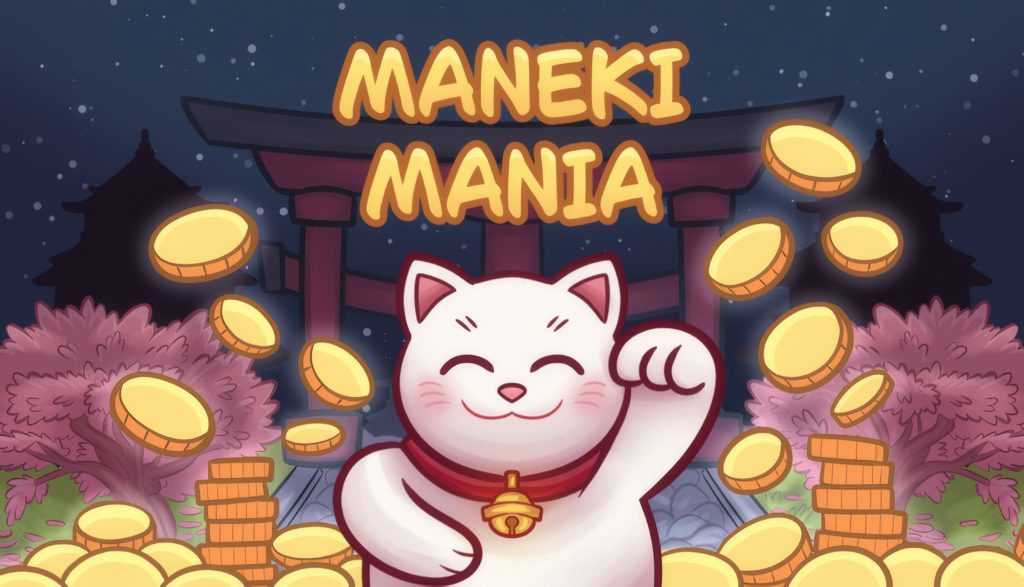
Maneki Mania is an incremental game centered around petting a lucky cat.
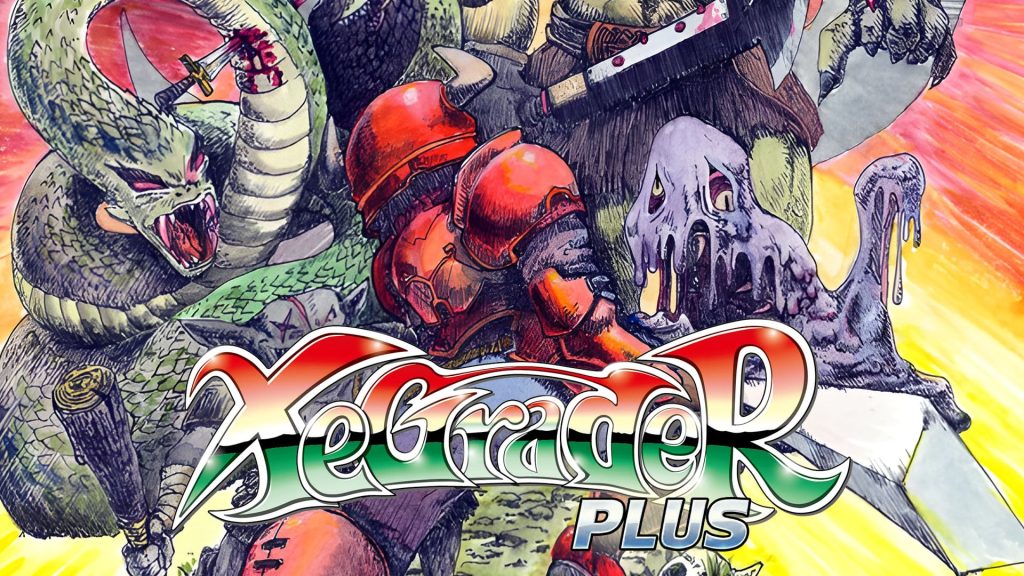
XeGrader Plus delivers colorful retro shooting, but basic mechanics, a short campaign and paid retro modes make its €20 price…
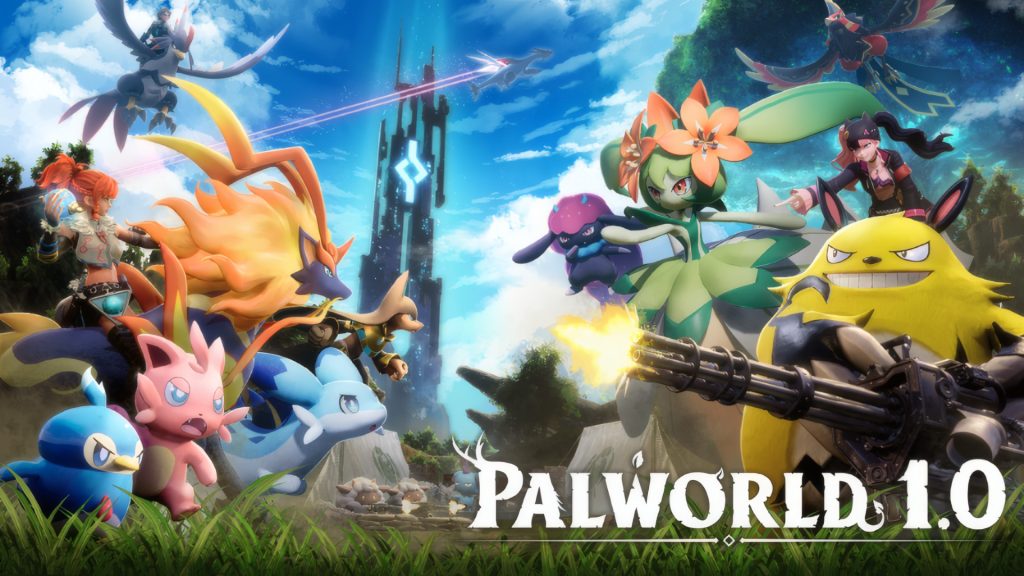
It has been roughly two and a half years since Palworld first entered Early Access, and quite a lot has…
