![[GAMESCOM 2026] Clive Barker’s Hellraiser: Revival Preview – Ready to Open the Box](https://www.indie-games.eu/wp-content/uploads/2026/09/Clive-Barkers-Hellraiser-Revival-08-30-26-1-1024x576.jpg)
[GAMESCOM 2026] Clive Barker’s Hellraiser: Revival Preview – Ready to Open the Box
Hellraiser: Revival preserves the franchise’s sex, gore and psychological horror while delivering approachable survival-horror gameplay.


If you enjoy independent indie game coverage, consider supporting Indie-Games.eu on Patreon. It helps keep the site independent.
Romeo Is a Dead Man feels exactly like the kind of project only Grasshopper Manufacture would attempt. It is loud, messy, stylish, confusing, occasionally brilliant, and frequently frustrating. For longtime fans of Suda51’s work, this will all sound familiar. The studio has always embraced excess and experimentation, and this game continues that tradition. At the same time, Romeo Is a Dead Man also highlights many of the limits of that approach, delivering a memorable experience that doesn’t always come together as cleanly as it should.
The story is intentionally chaotic, but still easy to summarize. Romeo Stargazer is a small-town sheriff’s deputy who is killed by a mysterious creature, only to be brought back to life by his time-traveling grandfather using a grotesque life-support system. This resurrection fractures space-time, forcing Romeo, now labeled “Dead Man”, into service with the FBI’s Space-Time Police. His mission is to hunt down criminals scattered across different timelines, including multiple versions of Juliet, the woman he loved and lost.
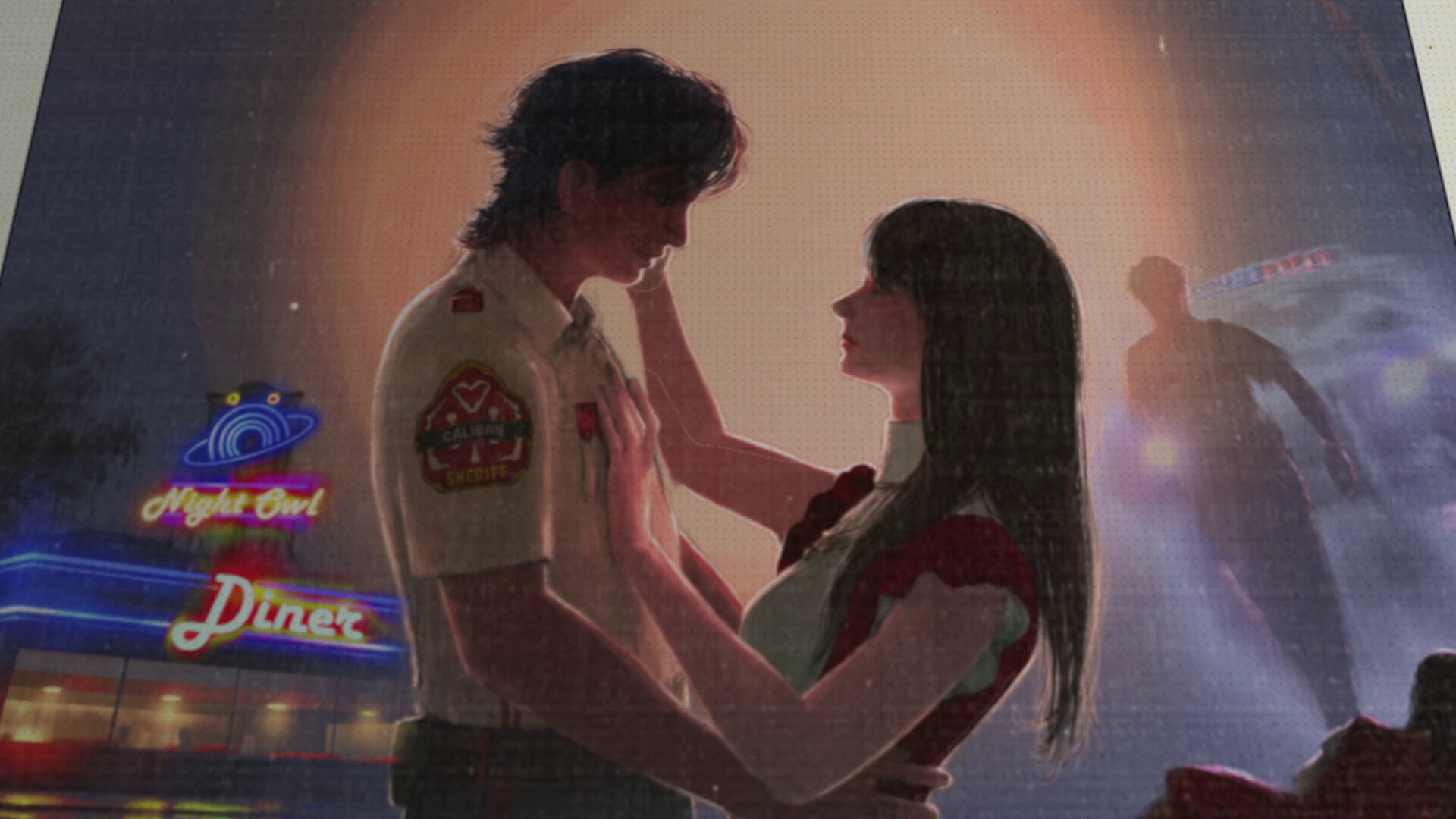
The narrative leans heavily into absurdity, frequently interrupting itself with jokes, recaps of unseen events, and characters who struggle to take the story seriously. This self-awareness works in the game’s favor at times, especially when the humor lands. There are genuinely funny moments, and the game often feels confident in its own strangeness. However, the story struggles to maintain a strong emotional core. While the central romance is meant to anchor the experience, it never fully develops, and the rapid shifts in tone make it difficult for the narrative to feel cohesive.
Visually and stylistically, Romeo Is a Dead Man is far more confident. The game constantly shifts between presentation styles, blending 3D action, 2D sprites, comic panels, pixel art, and occasional experimental sequences. Cutscenes may appear as motion comics, retro interfaces, or surreal montages. This mixed-media approach gives the game a handcrafted quality that feels genuinely creative. Even when the environments themselves look dated, the surrounding presentation adds personality.
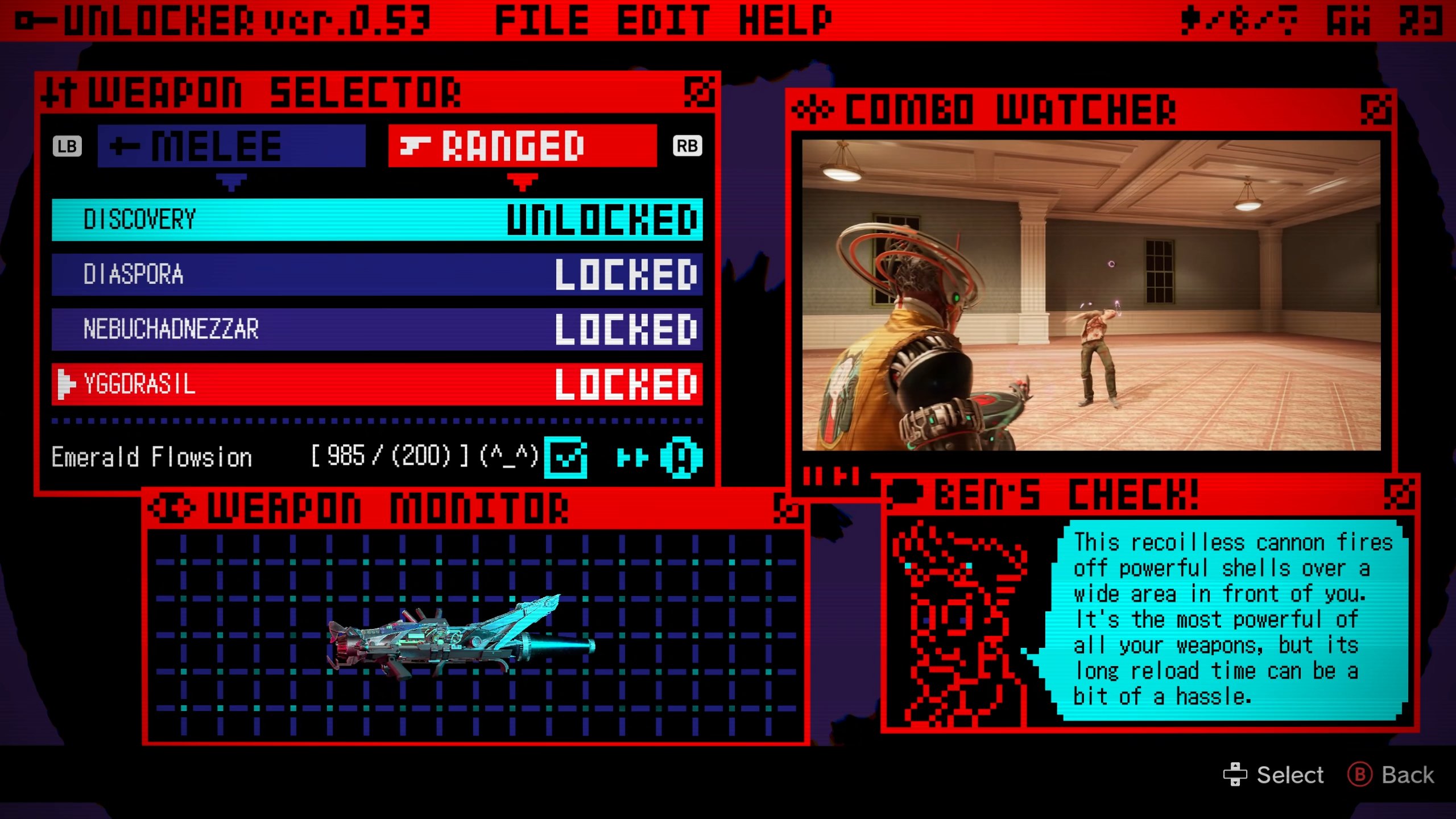
From a gameplay perspective, Romeo Is a Dead Man is a third-person action game built around managing large enemy groups. Romeo has access to both melee weapons and firearms, switching between four of each throughout the game. Melee combat is straightforward but limited, relying heavily on basic attacks and dodging. There are no deeper mechanics like parrying, blocking, or advanced combos, which can make extended fights feel repetitive. Encounters often take place in tight arenas packed with enemies, and while this can create moments of stylish chaos, it can also feel overwhelming and imprecise.
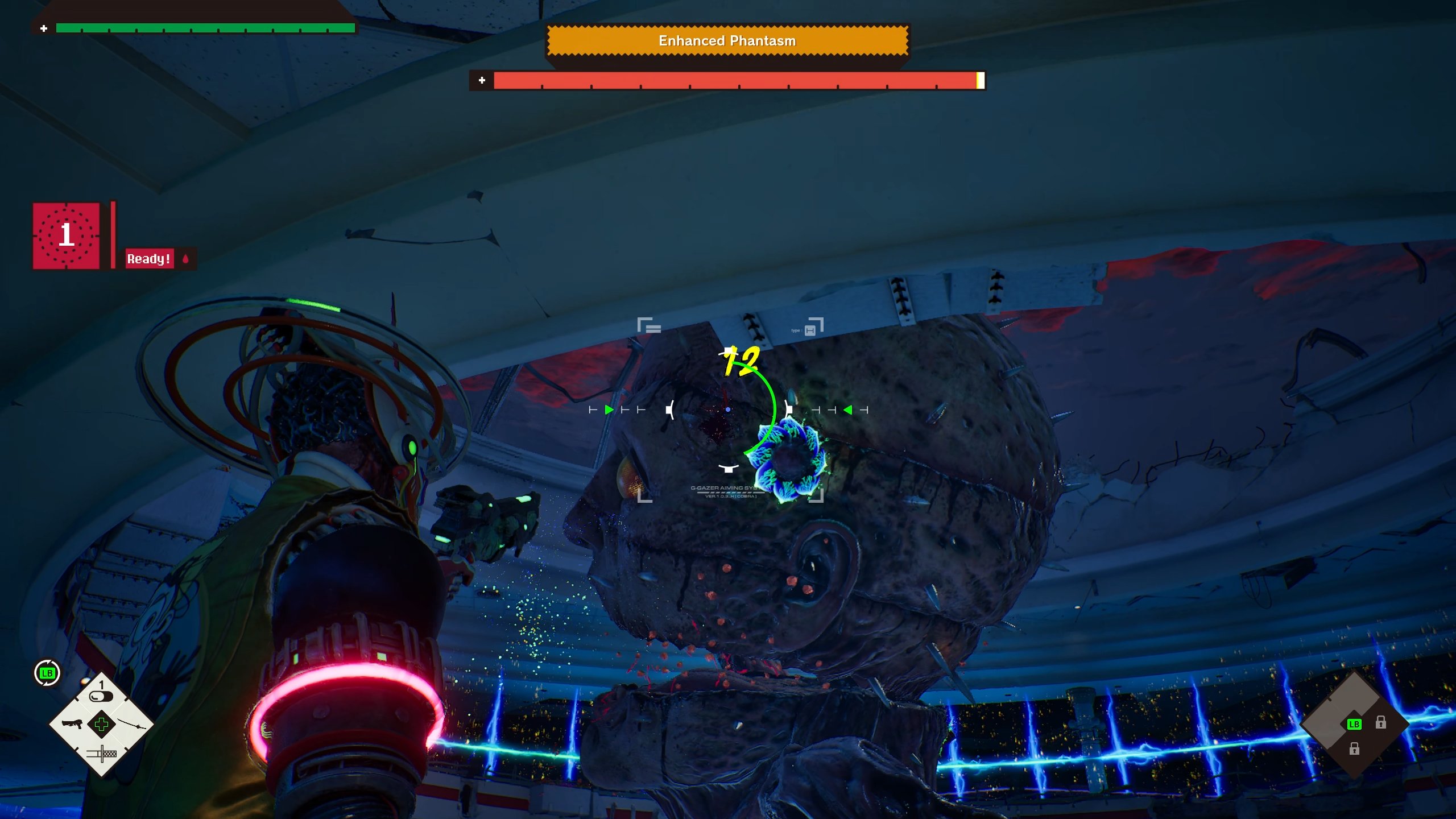
Gunplay plays a crucial role, as many enemies expose weak points that can only be damaged with firearms. This forces you to constantly switch between combat styles, adding variety but also frustration. Reload times are slow, weapon balance is uneven, and the overall responsiveness sometimes struggles to keep up with the game’s demands. Performance issues, including frame drops during busy scenes, further impact combat consistency.
Special attacks, known as Bloody Summer abilities, add some variety. By collecting blood from enemies, Romeo can unleash powerful attacks that also restore health. When the system works, it feels satisfying and reinforces the game’s risk-reward philosophy. Unfortunately, it can be unreliable. Activations occasionally fail, attacks miss despite clear positioning, and the health recovery rarely feels proportional to the effort required to build the meter.
The most interesting addition to the combat system is the Bastards. These are summonable zombie allies grown from seeds collected during missions. Each Bastard provides a different effect, such as dealing damage, healing, debuffing enemies, or creating new weak points. You can fuse them together to create stronger versions, giving you some control over your support abilities. While the game does not explain this system particularly well, investing in it significantly improves combat, especially on higher difficulties.
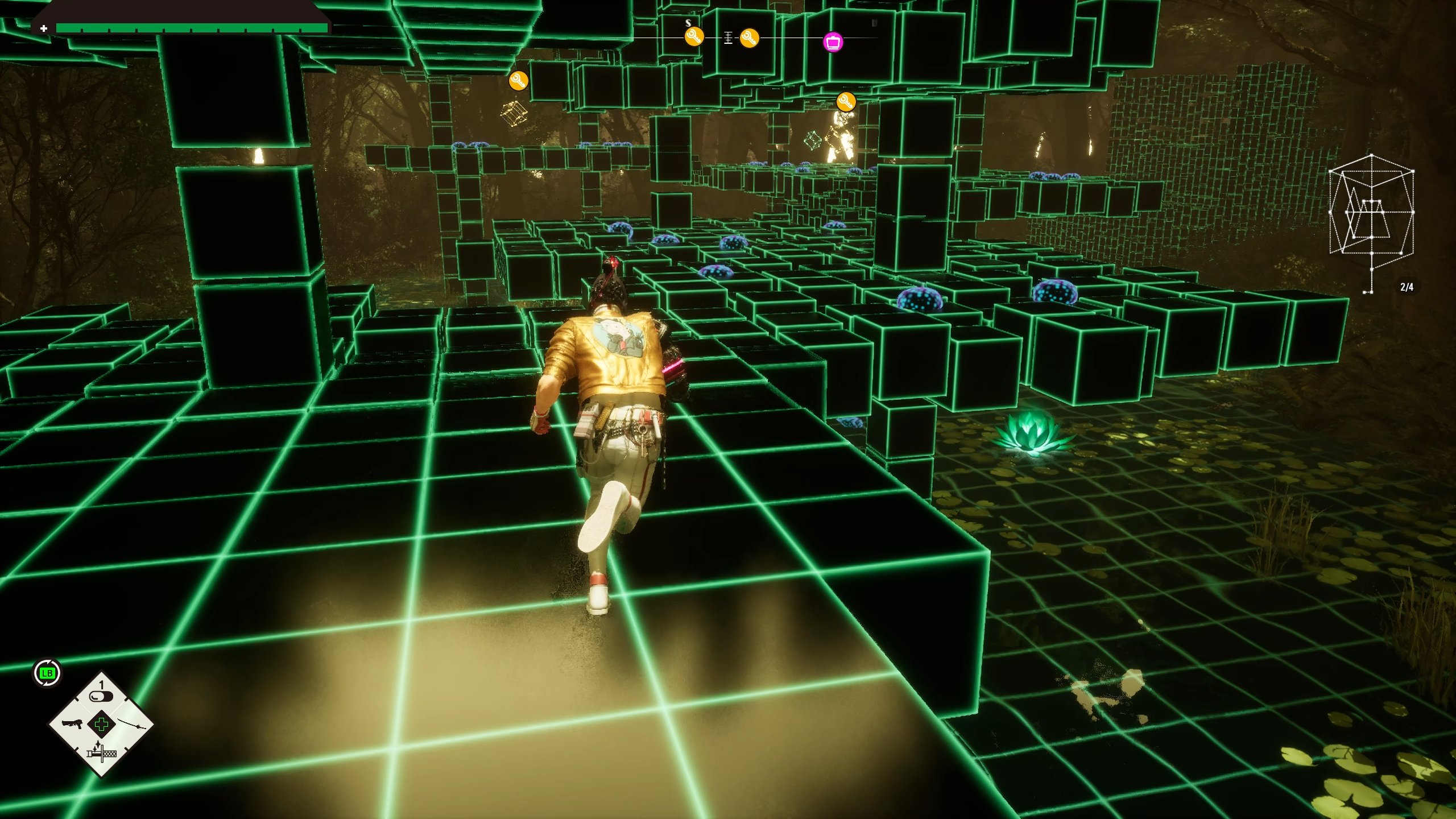
Level design is serviceable but uninspired. Each chapter introduces a strong thematic concept: shopping malls, cult facilities, asylums, yet most areas play out as linear corridors filled with enemy encounters. Environmental storytelling is minimal, and level mechanics rarely evolve beyond combat. Subspace sections attempt to introduce puzzle-solving and exploration, but they quickly become repetitive and visually flat.
Boss fights are somewhat more engaging. Facing a single powerful enemy gives the combat more focus, and learning attack patterns can be rewarding. On higher difficulties, these encounters become lengthy tests of endurance and resource management. Still, most bosses rely on familiar designs and strategies, often encouraging you to keep you distance and rely on guns.
Between missions, The Last Night serves as a hub and is one of the game’s strongest features. Presented in pixel art, it houses shops, minigames, upgrade systems, and social spaces. Cooking curry with Romeo’s mother, tending the Bastard garden, answering bizarre quiz questions, and navigating a Pac-Man-style upgrade maze all contribute to a sense of place. These activities are tactile and personal, reinforcing the feeling that you are living inside this strange universe.
In the end, Romeo Is a Dead Man is defined by contradiction. It is imaginative yet unfocused, stylish yet technically rough, ambitious yet sometimes careless. Its combat lacks depth, its levels lack personality, and its story often feels incomplete. At the same time, its audiovisual presentation, creative hub design, strange humor, and willingness to take risks make it stand out in a crowded industry.
For fans of Grasshopper Manufacture, this is likely to be a rewarding experience despite its flaws. It captures the studio’s “punk” ethos: refusing to play it safe, even when that means stumbling. For newcomers, it may feel overwhelming, inconsistent, or simply frustrating.
Romeo Is a Dead Man is not a polished masterpiece, nor is it a failure. It is a flawed, passionate work that occasionally reaches something special. It may not always be fun, and it may not always make sense, but it is difficult to forget. In an era where many games aim for broad appeal and predictable formulas, that alone gives it a certain value, even when it doesn’t fully succeed.
Review copy provided by the publisher
Hellraiser: Revival preserves the franchise’s sex, gore and psychological horror while delivering approachable survival-horror gameplay.

Swan Song creates a peaceful and forgiving puzzle space without removing the challenge that makes solving a difficult puzzle rewarding.
Mortal Shell II starts brilliantly but grows repetitive and exhausting, while remaining a rewarding and ambitious Soulslike sequel.
![[GAMESCOM 2026] Terranigma Preview – A Lost SNES Classic Returns in 2027](https://www.indie-games.eu/wp-content/uploads/2026/08/Terranigma-1-1024x576.jpg)
After more than three decades of limited availability, Terranigma is returning in 2027. We played its enhanced re-release at Gamescom…

Reading another person’s mind is often presented as a desirable superpower, but Sister Other Paranoia immediately understands why it could…
Forsaken Realms: Vahrin’s Call is exactly the kind of ambitious, slightly clumsy fantasy RPG that used to be far more…
![[Early Access] 2nd EVE – Sci-Fi Action RPG That Lacks a Sense of Stakes](https://www.indie-games.eu/wp-content/uploads/2026/08/2ND-EVE-1024x576.jpg)
2nd Eve is a space-set action RPG in which we strive to save humanity.
![[PREVIEW] Dreamcards – Strategic Exploration of Consciousness](https://www.indie-games.eu/wp-content/uploads/2026/08/Dreamcards_20260810_233631_0000-1024x576.jpg)
Dreamcards is a roguelike deckbuilder centered around dreams and nightmares.
![[Early Access] OFFBEAT – Incredibly Fun Way to Start a Music Career](https://www.indie-games.eu/wp-content/uploads/2026/08/Offbeat_20260808_201446_0000-1024x576.jpg)
In OFFBEAT, we play the role of a jobbing composer who is launching their music career.
HellSlave II retains the original’s oppressive atmosphere, morally grey world and striking art while adding a larger world, randomized loot…
Beast of Reincarnation is an ambitious but uneven action RPG elevated by satisfying parry combat, beautiful art direction and the…

K-pop Idol Stories: Road to Debut captures the pressure of building idol group, but its management systems never explore that…
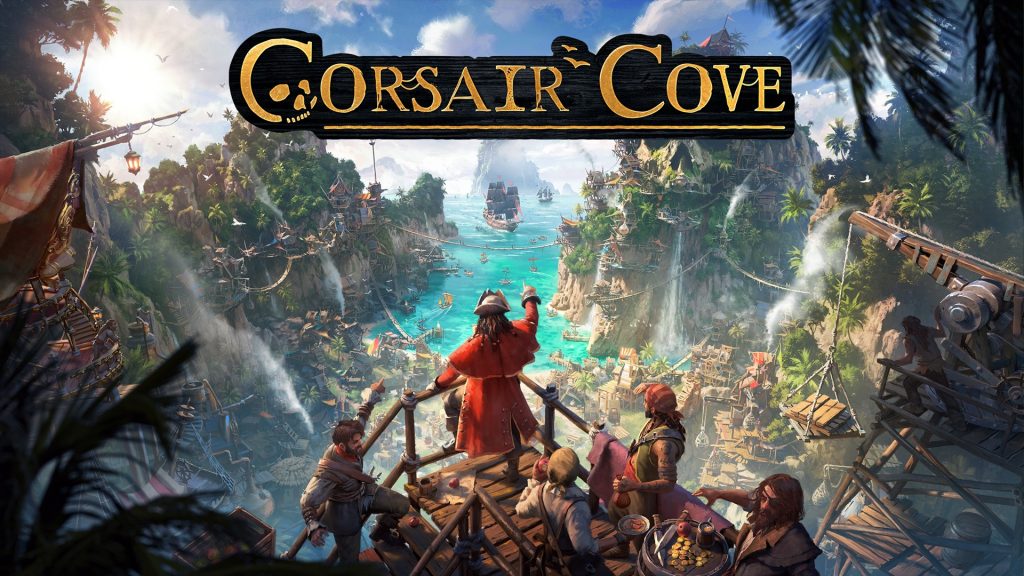
Hooded Horse keeps finding strategy games that know their audience, and Corsair Cove extends its impressive run of excellent city-builders.
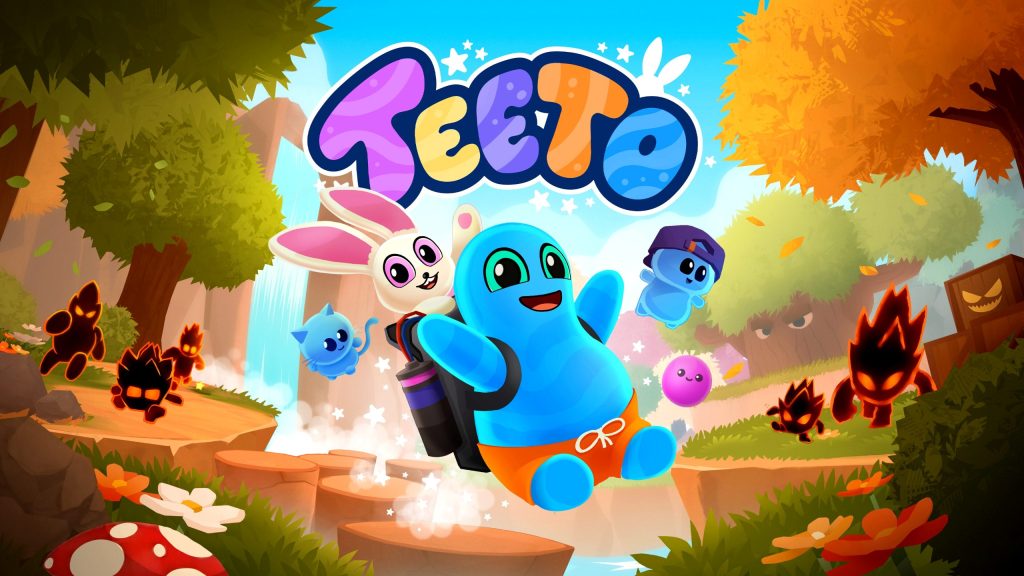
Teeto is a warm, cozy, creative and highly enjoyable 3D platformer that understands why classic collectathons remain so appealing.
Turnip Mountain stands out for its combination of a unique control system and a minimalist approach.
Dystopicon is an imaginative and memorable narrative experiment with sharp social commentary, engaging world-building and several wonderfully absurd scenarios.
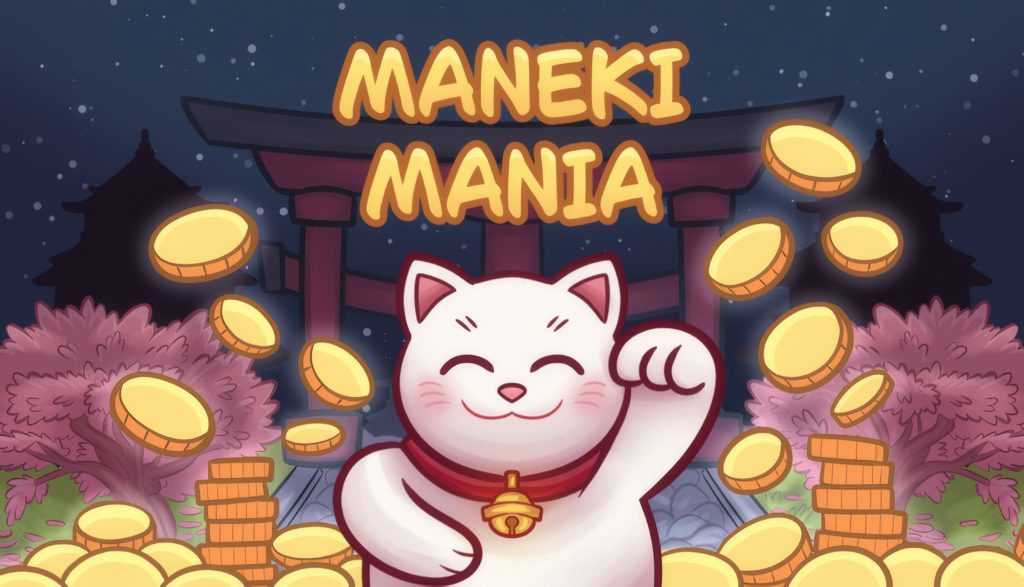
Maneki Mania is an incremental game centered around petting a lucky cat.
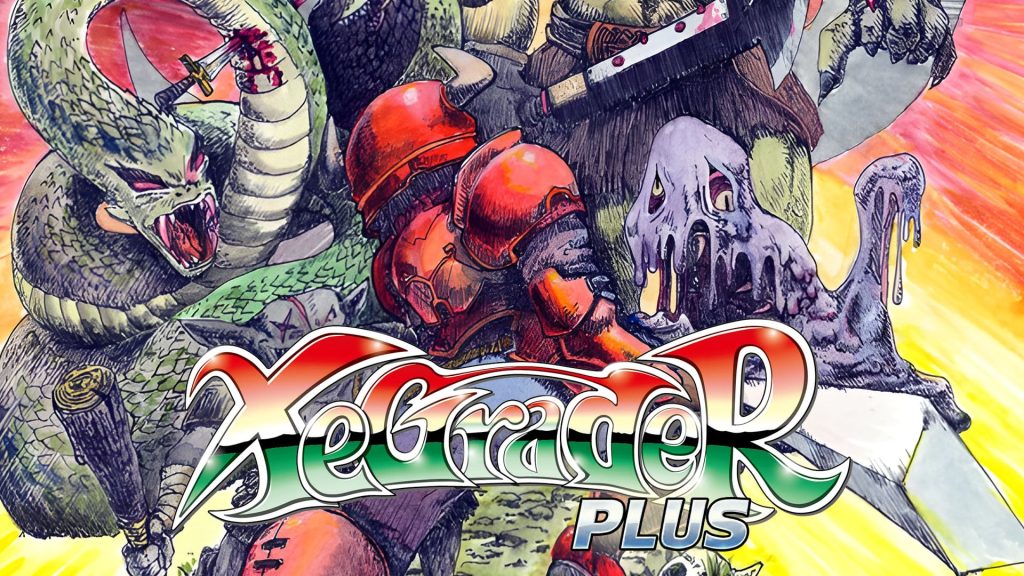
XeGrader Plus delivers colorful retro shooting, but basic mechanics, a short campaign and paid retro modes make its €20 price…
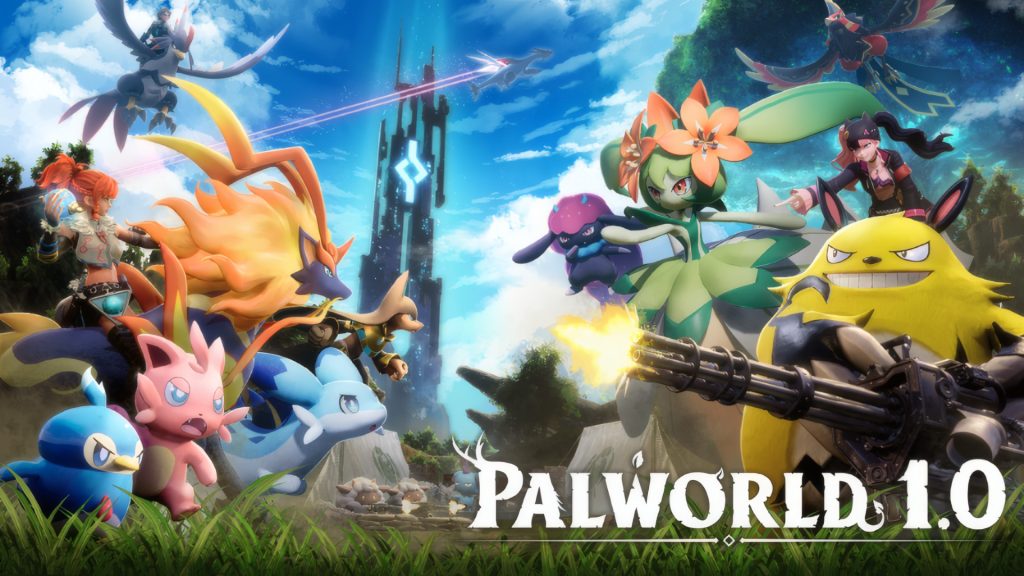
It has been roughly two and a half years since Palworld first entered Early Access, and quite a lot has…
![[EARLY ACCESS] The Last Caretaker – Survival Game I Cannot Stop Playing](https://www.indie-games.eu/wp-content/uploads/2026/07/The-last-Caretaker-Key-Art-1024x587.jpg)
The Last Caretaker is a compelling survival crafter with a flooded world and mobile base, but weak combat and performance…
