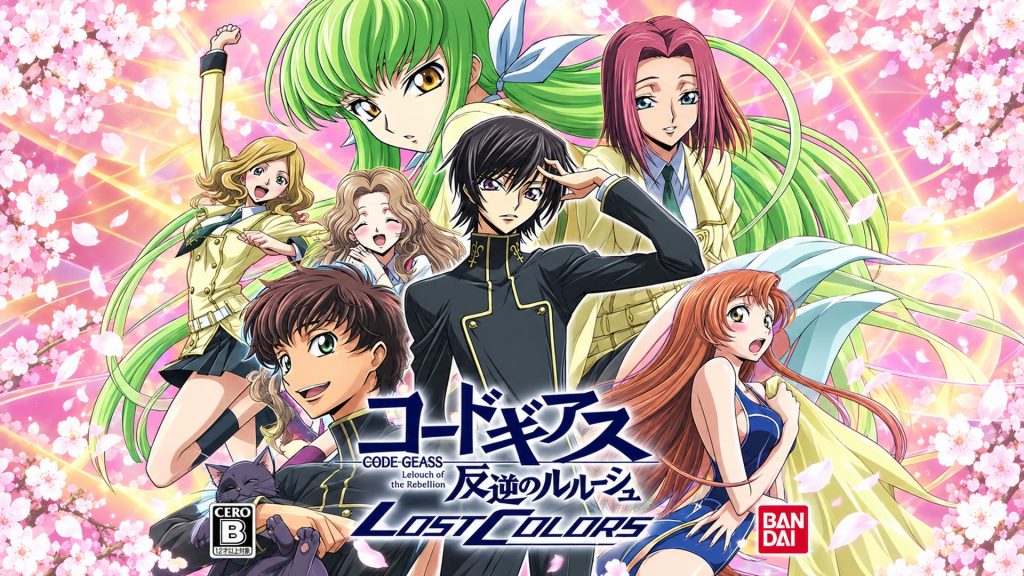
A Japan-Only Code Geass PS2 Game Finally Has a Complete English Patch
Code Geass: Lost Colors now has a complete fan-made English patch for PS2, including the platform-exclusive Blue Moon route.

If you enjoy independent indie game coverage, consider supporting Indie-Games.eu on Patreon. It helps keep the site independent.
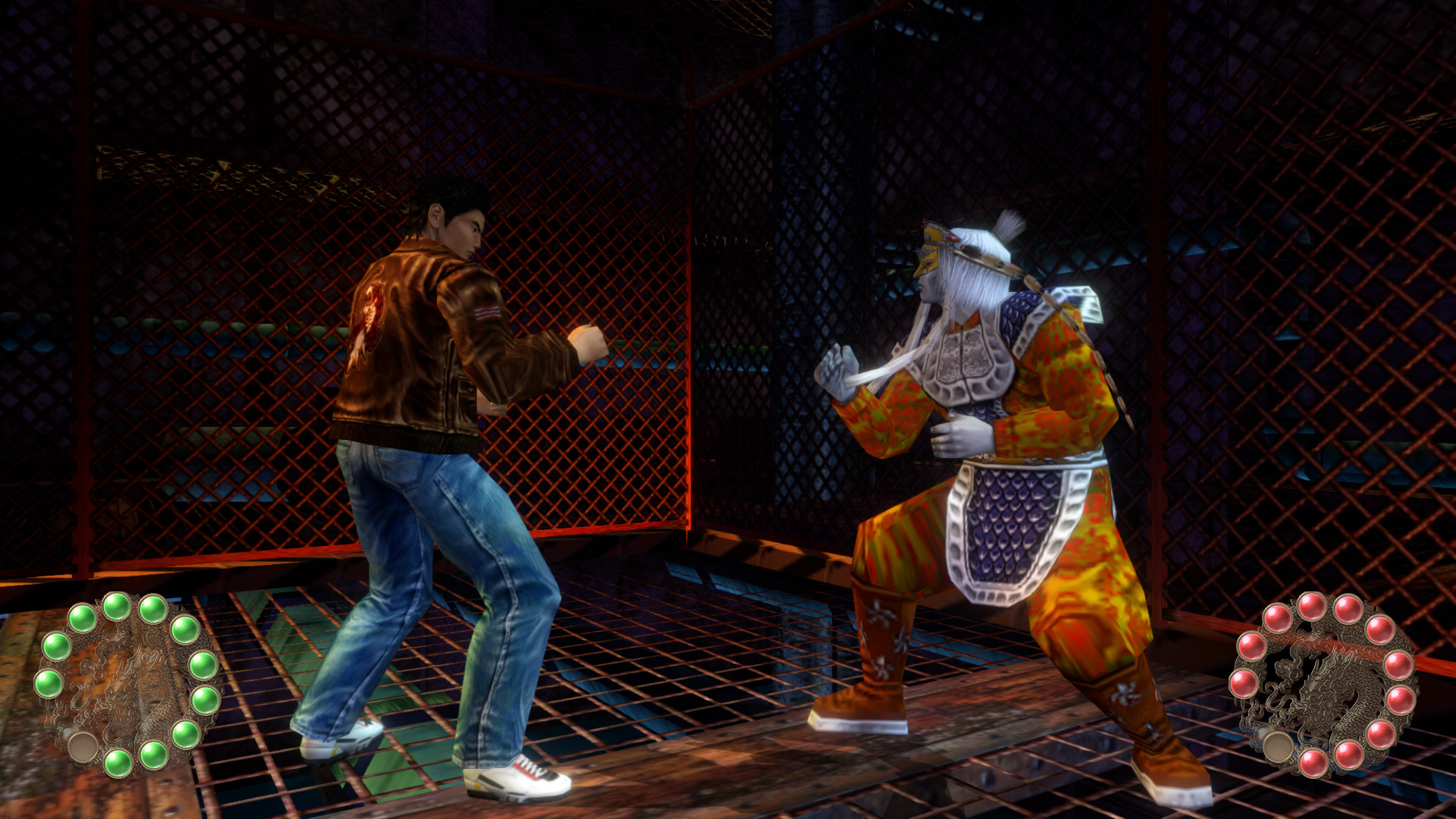
Twenty-five years ago today, in 2000, Shenmue arrived in Europe for the Sega Dreamcast, bringing with it a level of ambition and detail that few games had ever attempted. Directed by Yu Suzuki, it was one of the most expensive and advanced titles of its time, blending open-world exploration, real-time events, and cinematic storytelling into something completely new for the era.
At the heart of Shenmue is the story of Ryo Hazuki, a young martial artist searching for answers after witnessing his father’s murder. Rather than rushing players through the plot, the game invites them to live in its world, moving at its own slow, realistic pace. Streets fill with characters who follow daily routines, shops open and close at set hours, and weather changes according to the in-game calendar.
The town of Yokosuka became one of the Dreamcast’s standout achievements. Players could walk through its neighborhoods, talk to residents, play arcade games, and take on small jobs to earn money. The world felt alive in a way that was rare in 2000, long before open-world games became common. The game also introduced quick-time events during key action scenes, a system that would become widely used across the industry for years to come.
Beyond its technical leap, what made Shenmue memorable was its atmosphere. It mixed quiet moments, like feeding a stray kitten or watching the sun set over the harbor, with dramatic confrontations and martial arts battles.
While the Dreamcast itself did not survive for long, Shenmue left a lasting mark. It inspired countless modern games that focus on open worlds, immersive detail, and character-driven storytelling. Its influence can be seen in everything from narrative adventures to major AAA open-world titles.
Code Geass: Lost Colors now has a complete fan-made English patch for PS2, including the platform-exclusive Blue Moon route.
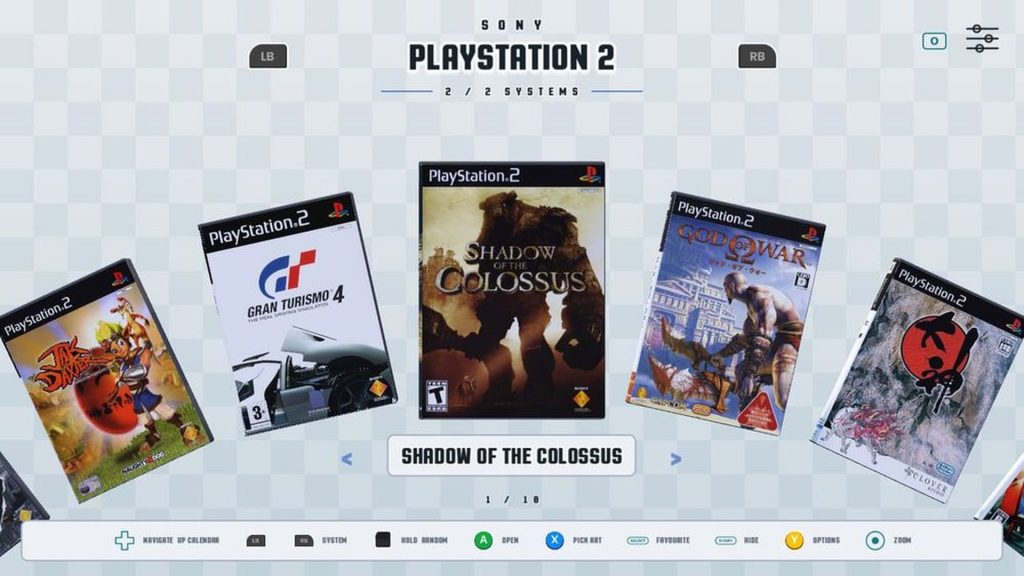
DigiBitPlay presents digital game libraries through interactive 3D boxes, discs, cartridges, consoles and scanned manuals.
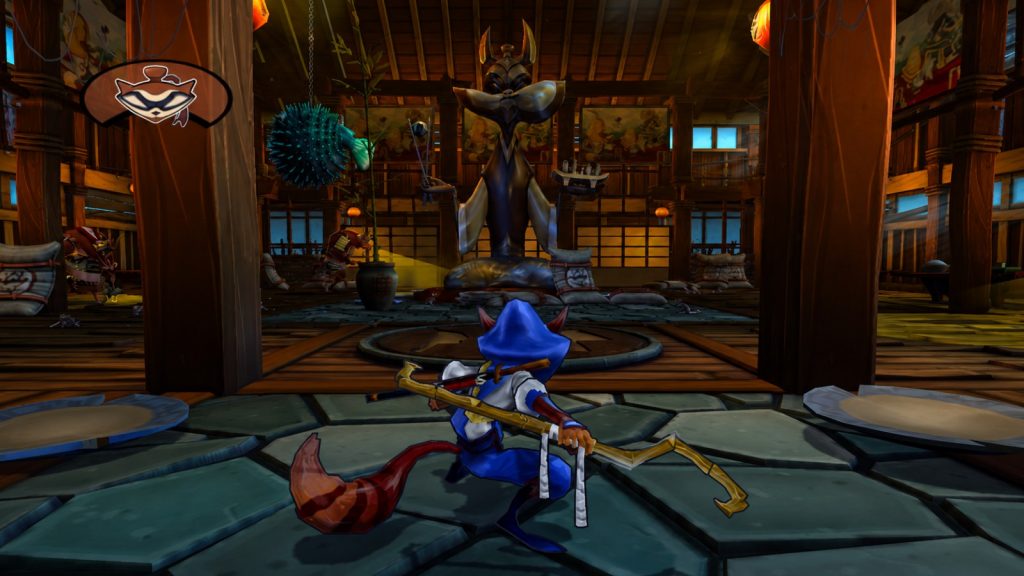
Project Cane shows new Sly Cooper PC footage, but the unofficial native port still needs menus, audio, saving, controls and…
Donkey Kong 64 now runs natively on Windows, Linux and macOS with widescreen, uncapped frame rates, modern controls and optional…
PCSX2 2.8.0 delivers major performance and graphics improvements alongside EyeToy support, interface upgrades and bundled FFmpeg.
Mr. Nutz and the previously unreleased Mega Drive sequel Hoppin' Mad are receiving new physical cartridges from Strictly Limited Games…
Sony will close the PlayStation 3 Store in July 2027, while RPCS3 fully supports 75% of the console's library, highlighting…
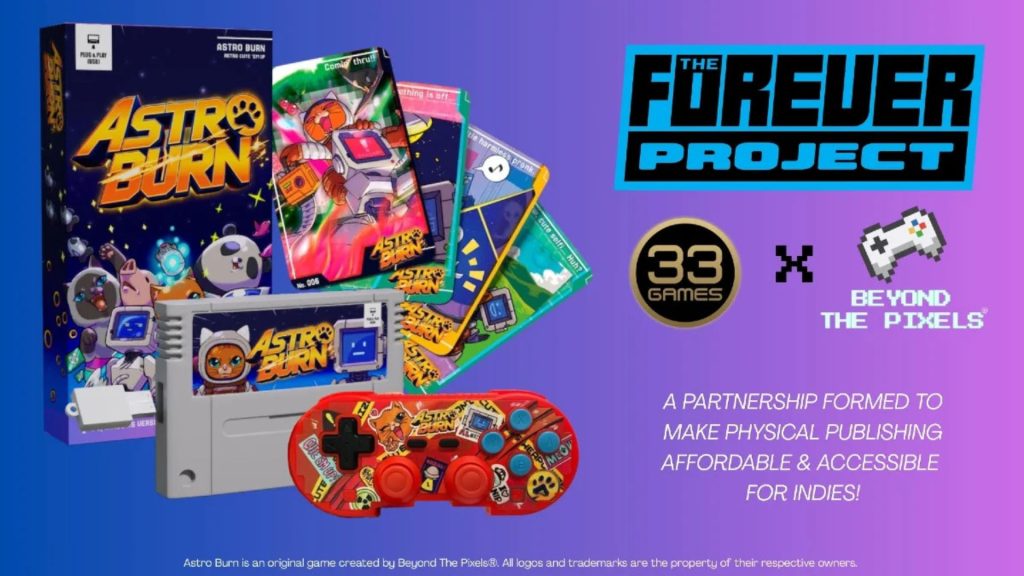
The Forever Project aims to make physical game releases more affordable for indie developers through a partnership between 33 Games…
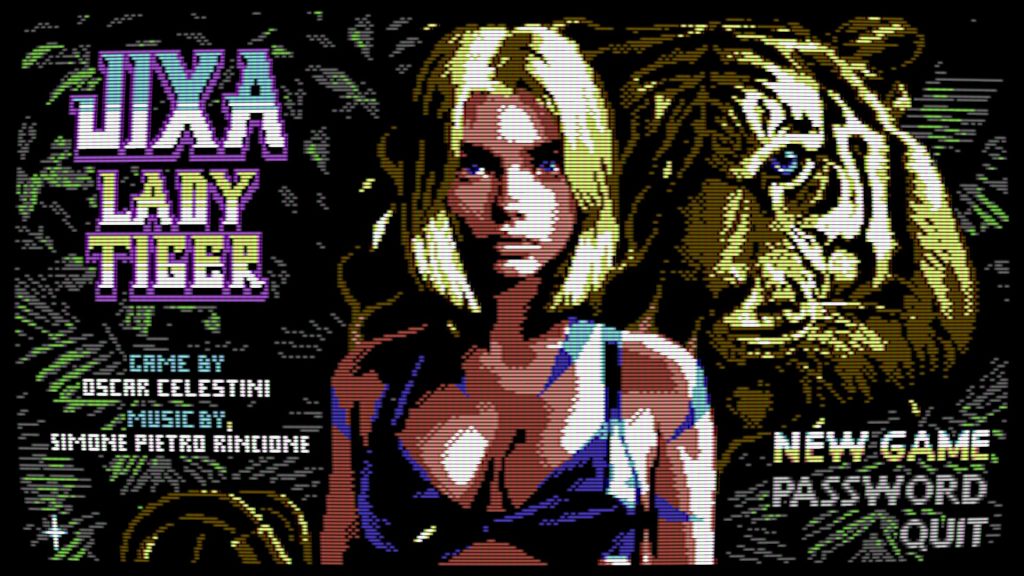
Indie developer Oscar Celestini is expanding his retro-inspired platformer with Jixa Lady Tiger Plus, an enhanced edition that significantly builds…
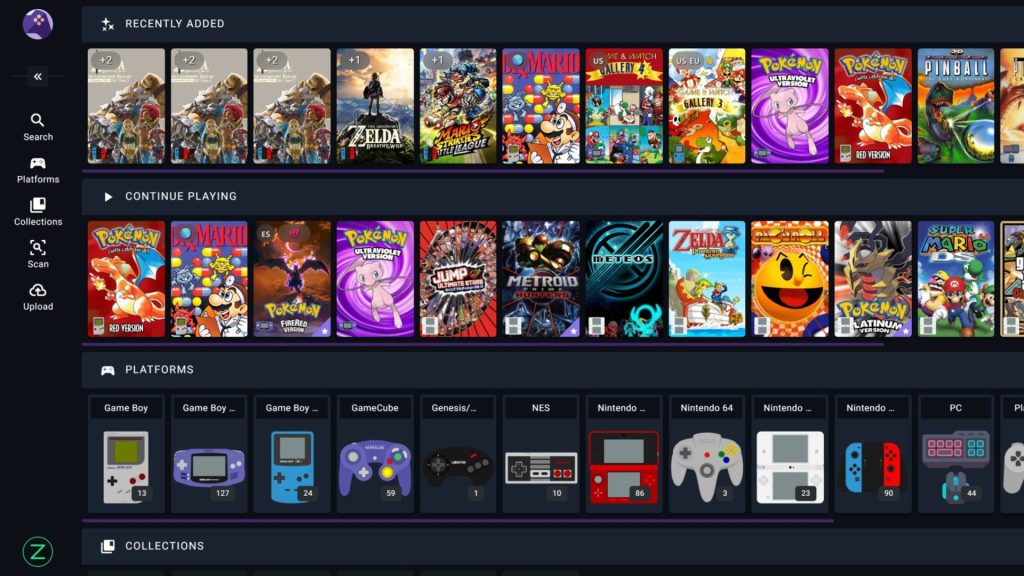
RomM is a free, open-source, self-hosted platform that organizes ROM libraries, fetches metadata, and supports browser-based emulation.
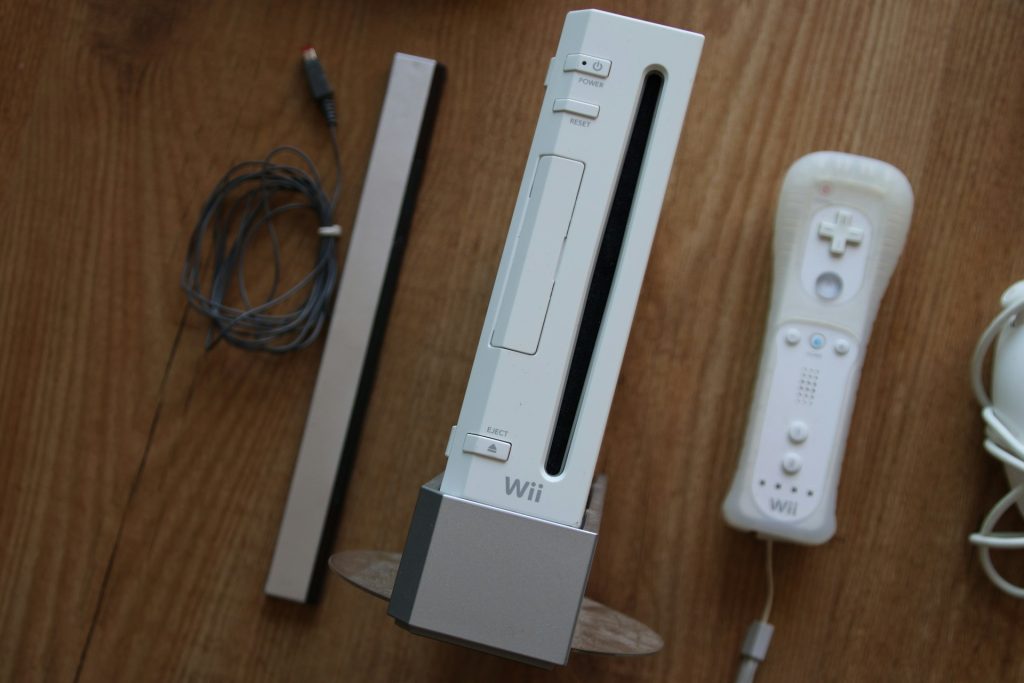
The developers behind Wii64 have released Beta 1.4, marking the Nintendo 64 emulator's first major update in more than five…
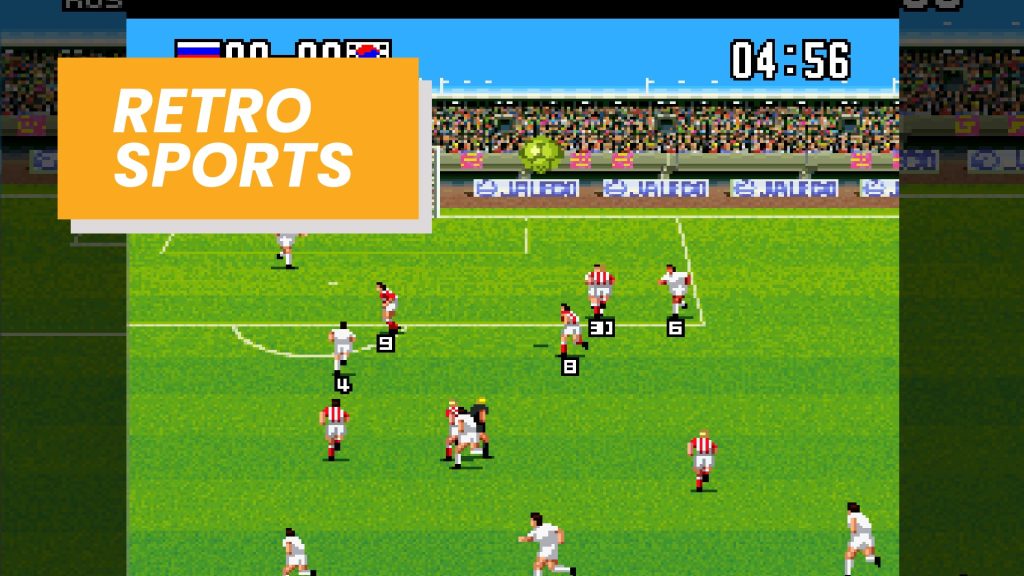
Rock It Games has brought Jaleco Sports: Bases Loaded II and Goal! Two to PC after successful Nintendo Switch and…
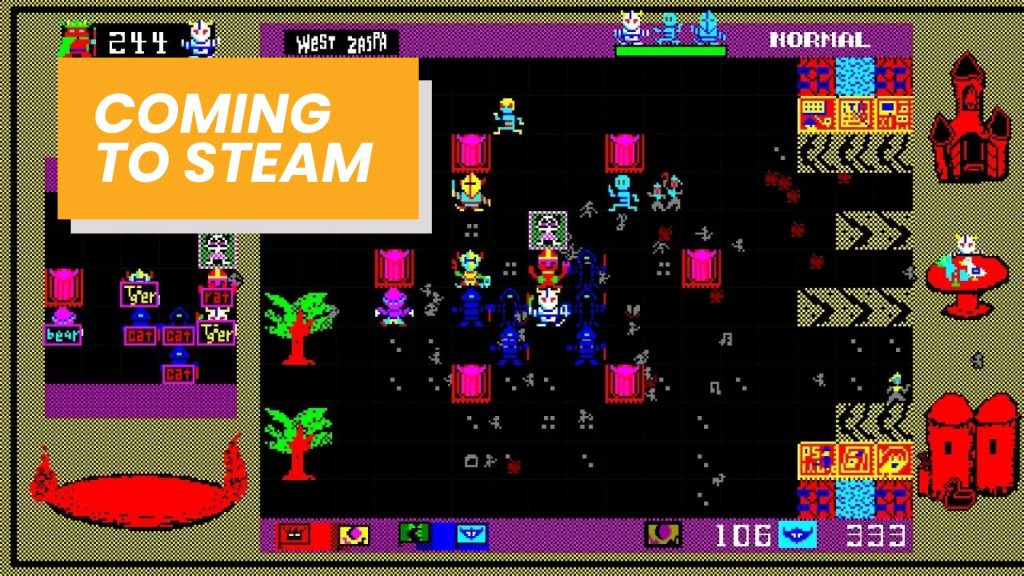
Developer Pygmy Studio has announced that Bokosuka Wars II will launch on PC via Steam in 2026, bringing the tactical…
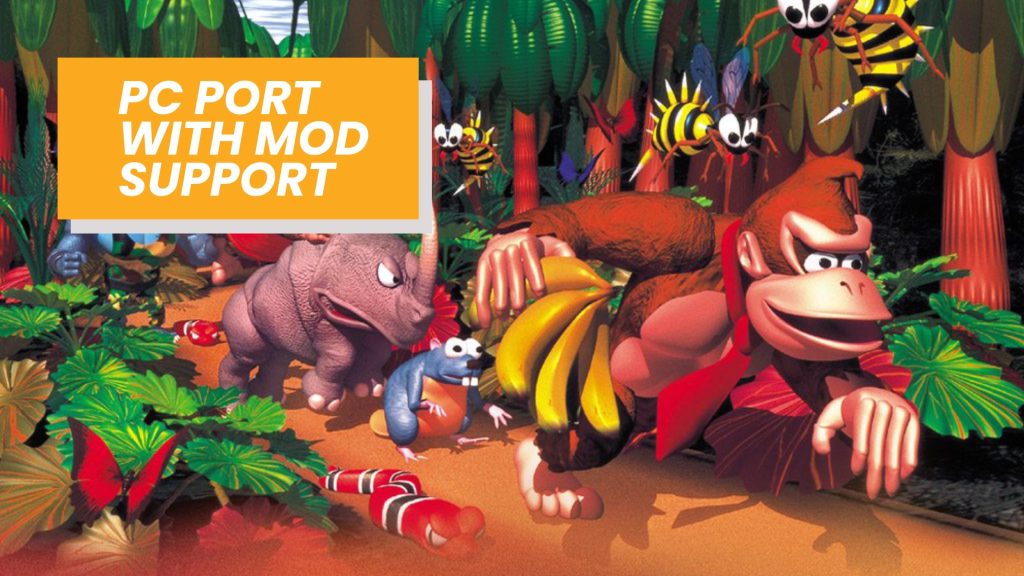
An unofficial native PC port of Donkey Kong 64 is in development, bringing rare's Nintendo 64 classic to modern hardware…
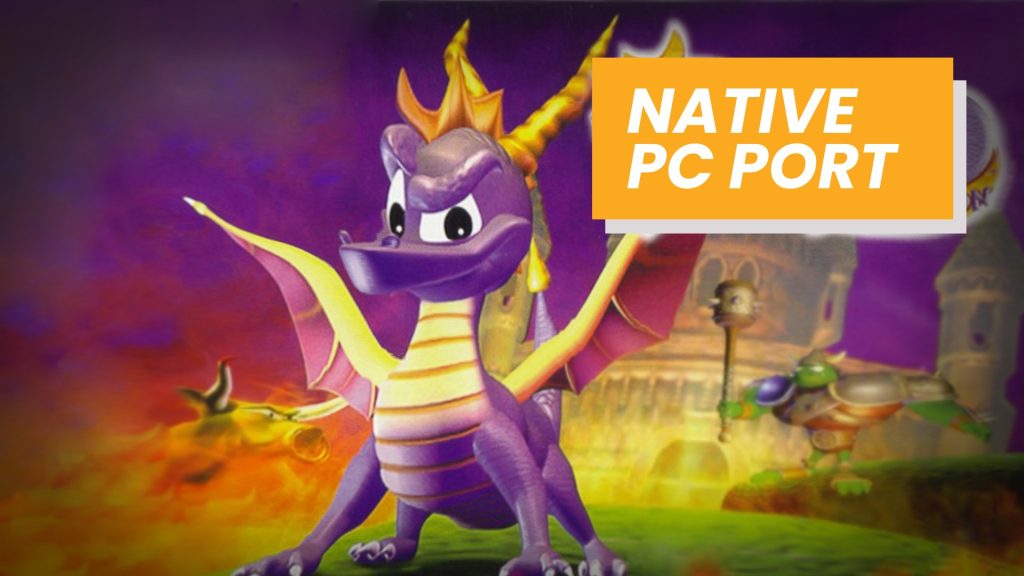
A fan-made native PC port of the original Spyro the Dragon is officially in development, bringing the 1998 PlayStation classic…
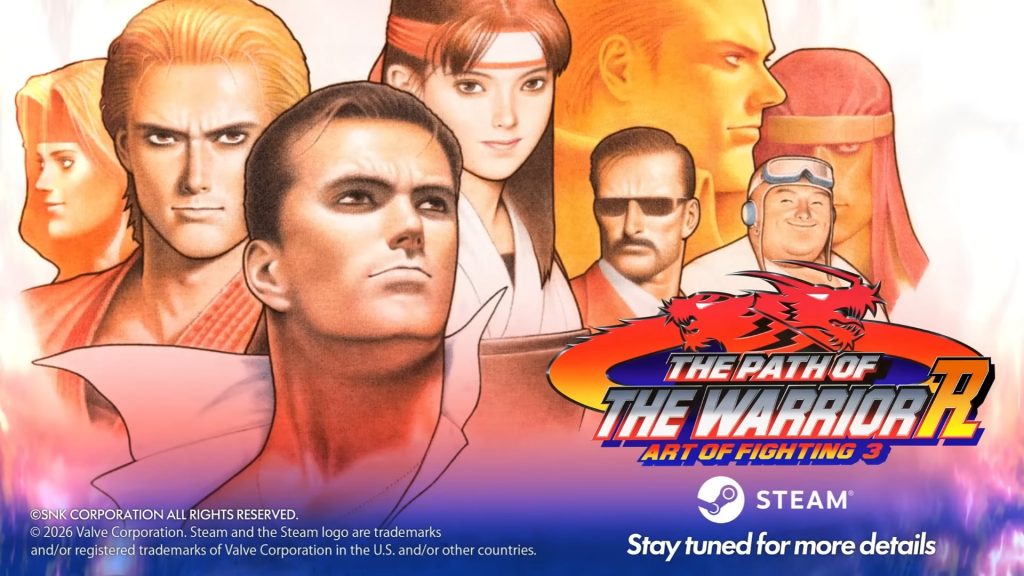
SNK has officially announced The Path of the Warrior: Art of Fighting 3 R, a modernized version of the 1996…
The developers behind ShadPS4 have introduced a major new feature that moves PlayStation 4 emulation closer to a complete experience.
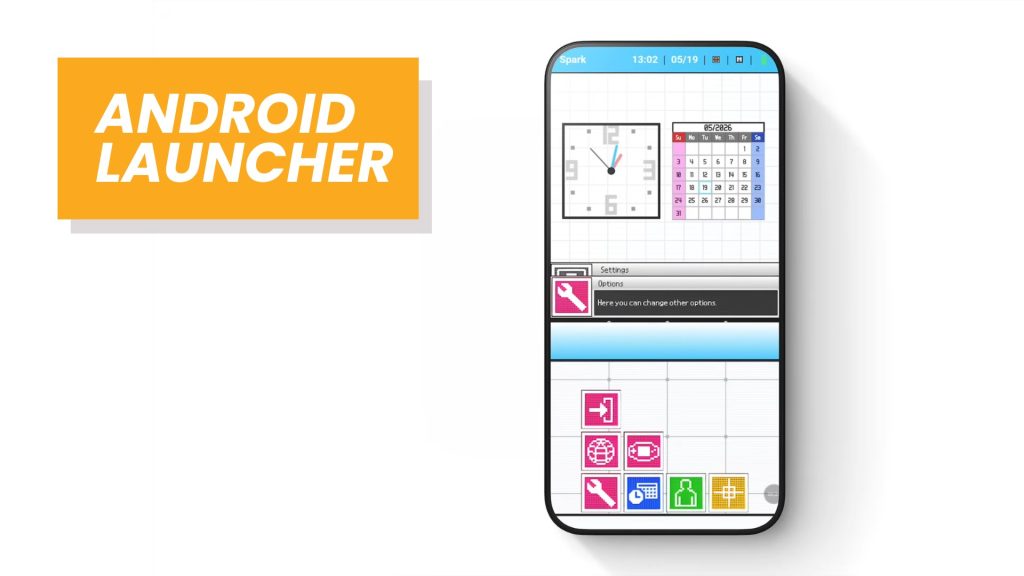
DS & DSi Launcher brings the classic Nintendo DS and DSi interface to Android, giving retro fans a nostalgic way…
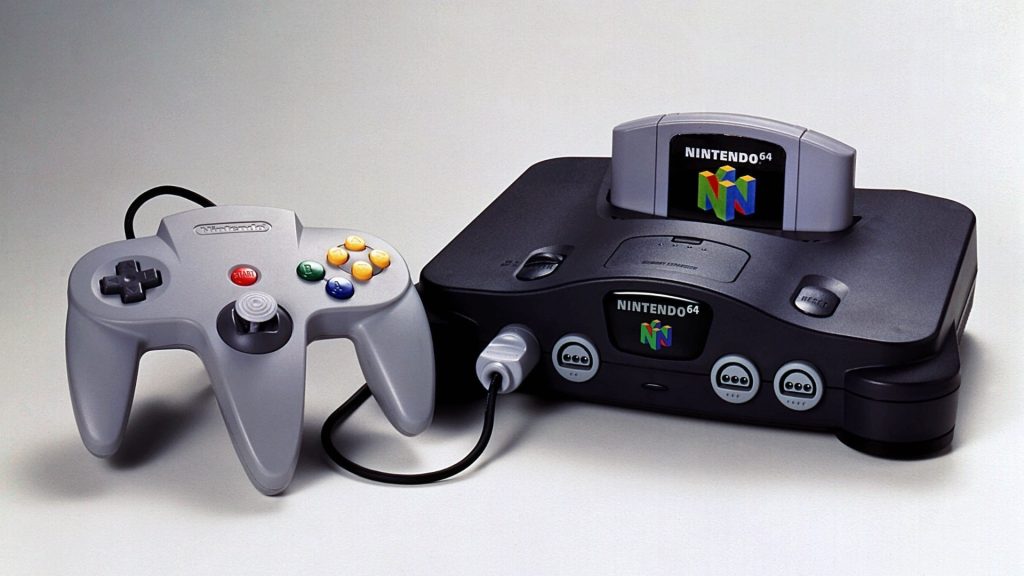
Today marks 30 years since the launch of the Nintendo 64 in Japan, and for many, that's enough to trigger…
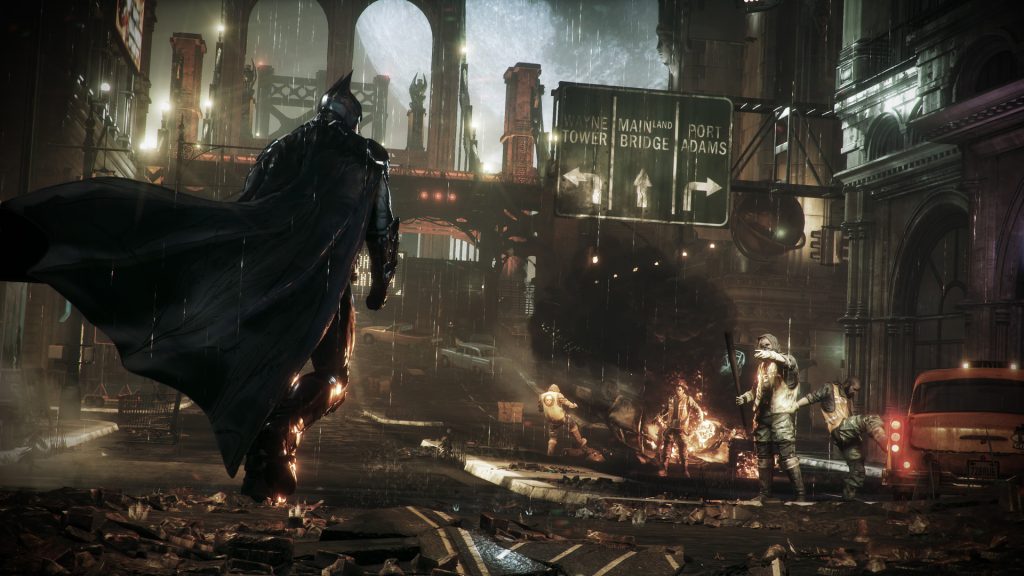
It's hard to believe, but Batman: Arkham Knight is officially 11 years old today. This title was Rocksteady's final chapter…
