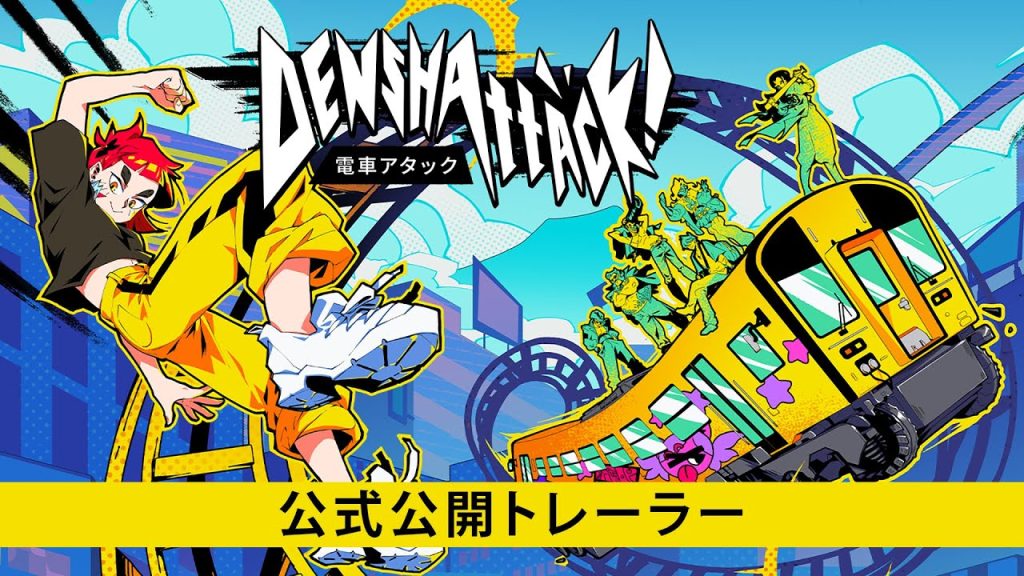
Denshattack! – Tony Hawk Meets Jet Set Radio on High-Speed Trains
Denshattack! blends Tony Hawk, Jet Set Radio, and Japanese train culture into one of the year's most creative and unforgettable…


If you enjoy independent indie game coverage, consider supporting Indie-Games.eu on Patreon. It helps keep the site independent.
Slay the Alice is a short visual novel that offers a playful yet slightly dark take on a Wonderland-inspired setting, presented through pixel art and simple mouse-based gameplay. It’s a proper choose-your-own-adventure-style visual novel that emphasizes narrative exploration over complex mechanics. You guide Alice through a surreal “land of plants” after she chases a green rabbit, loosely inspired by Alice’s Adventures in Wonderland. The core objective is to navigate a single map, make choices, collect flowers, and reach one of several endings, with a playtime of approximately 30 minutes per run.
The gameplay is deliberately minimalist. You advance through a grid-like map by selecting paths, each triggering short, randomized story events. These events range from quirky encounters with talking plants to eerie moments hinting at darker undertones, such as graphic depictions or unsettling dialogue. Choices you make, whether to engage with a character, pick up an item, or react to an event, slightly influence the narrative and determine which of the four main endings (plus one bonus ending) you’ll reach.
For example, deciding to “throw and run” in one event might lead to a different outcome than staying to investigate. The simplicity ensures accessibility, but the lack of deeper mechanics like puzzles, battles, or inventory management makes it feel more like an interactive story than a traditional game. With over 10 random events, each playthrough offers some variety, as you’re unlikely to encounter the same sequence twice.
Events include collecting acorns, meeting a flower-seller, or facing a “Boisterous Alice” scenario, each tied to achievements that encourage replaying to unlock all stories. The game’s event list and playback function let you revisit past choices, which is a thoughtful touch for completionists. However, the short length and limited event pool mean you’ll exhaust most content after a few runs. The multiple endings encourage replaying, but their differences are subtle, often hinging on minor choices like how many flowers or acorns you’ve collected, which can feel underwhelming.


The absence of action or deduction elements aligns with its cozy yet creepy aesthetic, but despite this, horror elements are mild, leaning more toward dark atmosphere than outright scares. This balance keeps the tone approachable but risks feeling shallow for fans of deeper psychological horror. As mentioned, in the end, your main tasks are to gather flowers and reach the map’s end, with side objectives like collecting 30 acorns or unlocking specific events for achievements. Sadly, there’s not a lot of side or back tracking which would have been great additions to the game.
The game tracks your progress clearly, and unlocking the bonus ending (available after seeing all four main endings) adds a small reward for dedicated players. However, there’s no overarching narrative arc beyond Alice’s vague quest for a happy ending”. The lack of voiced dialogue or a dynamic soundtrack to punctuate key moments further flattens the emotional stakes.
Slay the Alice uses a retro pixel-art style, which is both its main charm and a source of debate. The visuals aim for a storybook-like charm, with over 10 hand-crafted pixel animations bringing Alice, the green rabbit, and various plants to life. The aesthetic is cute yet eerie, reminiscent of early 2000s indie games or classic Japanese visual novels.


Animations are also minimal but effective, such as Alice’s skip as she moves or the rabbit’s twitchy hops. The map screen is a simple grid with pastel greens and browns, evoking a forest-like setting, but it’s sparse, with little environmental detail to enhance immersion. However, sometimes it feels unpolished, with inconsistent sprite sizes or choppy transitions during certain events. Unlike Slay the Princess, which uses stark monochrome for atmosphere, Slay the Alice doesn’t fully lean into its creepy potential visually. Animations, though charming, are sparse, repeating the same few sequences throughout the game.
To conclude, Slay the Alice is a bite-sized visual novel that delivers a charming, if fleeting, adventure through a plant-filled, Wonderland-esque world. Its gameplay is simple and accessible, ideal for those seeking a quick, low-commitment experience, but it lacks the depth or interactivity to stand out in the crowded visual novel genre. The pixel-art graphics are cute and nostalgic but fall short of modern standards due to limited variety and polish. It’s worth a try, especially at its budget price point. For those craving richer narratives or mechanics, you might want to look elsewhere.
| Pros | Cons |
|---|---|
| Fast and simple gameplay. | Not much content. |
| Charming pixel art style. | Repetitive visuals. |
| Great replayability. | Lacks real horror or scares. |
| Creepy atmosphere with random events. | Shallow mechanics. |
Review copy provided by the publisher
Denshattack! blends Tony Hawk, Jet Set Radio, and Japanese train culture into one of the year's most creative and unforgettable…
If you're looking for a game that takes an incredibly simple idea and somehow turns it into something addictive, KAZ…
Cat Mail Co. charms with cozy visuals and satisfying mail sorting, but its full release doesn't quite live up to…
Forensics: Crime Scene Detective follows Aerosoft's familiar formula: an interesting simulation with decent visuals, weak optimization, and repetitive gameplay.

Foxy The First Steps is an excellent precision platformer that understands exactly what makes the genre enjoyable.

Tokyo Valkyries blends visual novel, roguelite deck-building, and fan service into a surprisingly enjoyable mix, despite few standout elements.
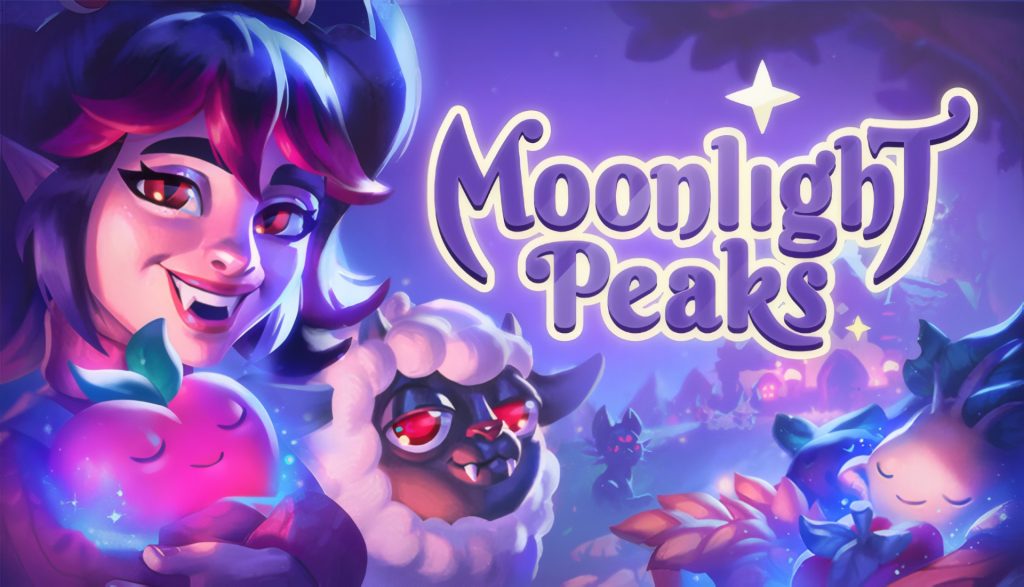
Moonlight Peaks refreshes the cozy farming formula with a more unique supernatural and magical approach while keeping the familiar mechanics…
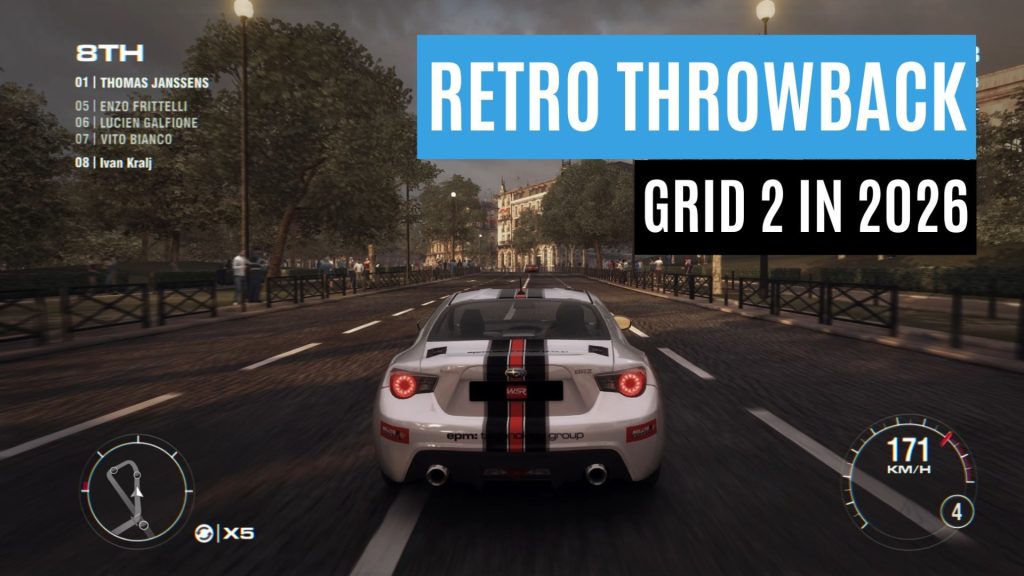
The first thing that stands out about GRID 2 in 2026 has nothing to do with its handling, graphics, or…
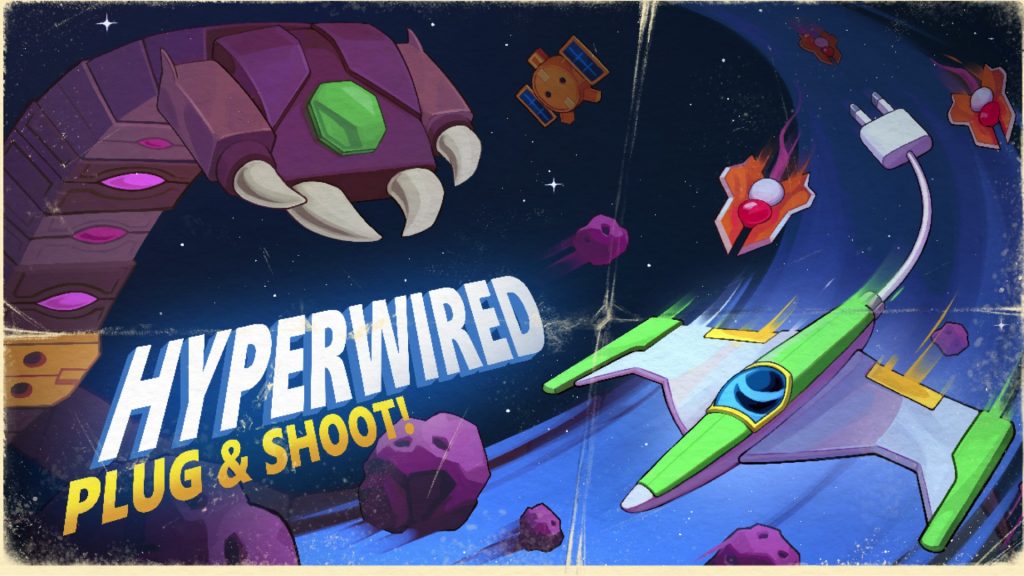
HYPERWIRED is a top-down roguelike where your ship drags a giant plug, powering sockets to complete objectives and progress through…
![[PREVIEW] 70s-style Robot Anime Geppy-X – This Game Pretends It’s a Real 1970s Anime](https://www.indie-games.eu/wp-content/uploads/2026/06/70s-Style-Robot-Anime-Geppy-X-Preview-1024x576.jpg)
As I continue my Steam Next Fest journey, I stumbled upon a game I honestly wasn't expecting to enjoy as…
![[PREVIEW] Edge of Memories – One of My Biggest Steam Next Fest Disappointments](https://www.indie-games.eu/wp-content/uploads/2026/06/Edge-of-Memories-Preview-1024x576.jpg)
Right now, Edge of Memories feels like a game with good ideas that hasn't yet figured out how to turn…
![[PREVIEW] Penguin Colony – Lovecraftian Horror Meets Antarctic Exploration](https://www.indie-games.eu/wp-content/uploads/2026/06/Penguin-Colony-5-1024x576.jpg)
It is surprisingly difficult to explain Penguin Colony, yet incredibly easy to become fascinated by.
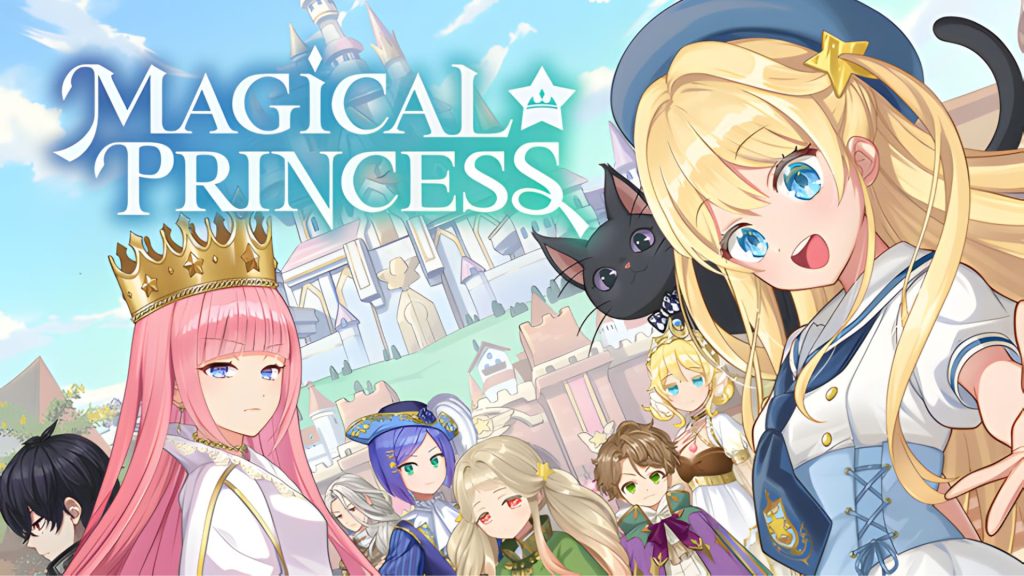
Magical Princess is one of those games that immediately reminded me of the classic Princess Maker series, but it does…
![[PREVIEW] Mortal Shell II – Difficult, Fair, and Surprisingly Polished](https://www.indie-games.eu/wp-content/uploads/2026/06/Mortal-Shell-II-1-1-1024x576.jpg)
Mortal Shell II has opened its beta to everyone, and I have to admit, this is exactly how you showcase…
![[PREVIEW] 1666: Amsterdam – Fails to Capture the Promise of Its Reveal](https://www.indie-games.eu/wp-content/uploads/2026/06/1666-amsterdam-1024x576.jpg)
Having just recently been revealed during Summer Game Fest, 1666: Amsterdam has already received a playable prologue on Steam.
![[EARLY ACCESS] Far Far West – Co-Op Shooter I Didn’t Expect to Love This Much](https://www.indie-games.eu/wp-content/uploads/2026/04/Far-Far-West-1024x576.jpg)
There is a reason why Far Far West is currently sitting at overwhelmingly positive reviews on Steam and has already…
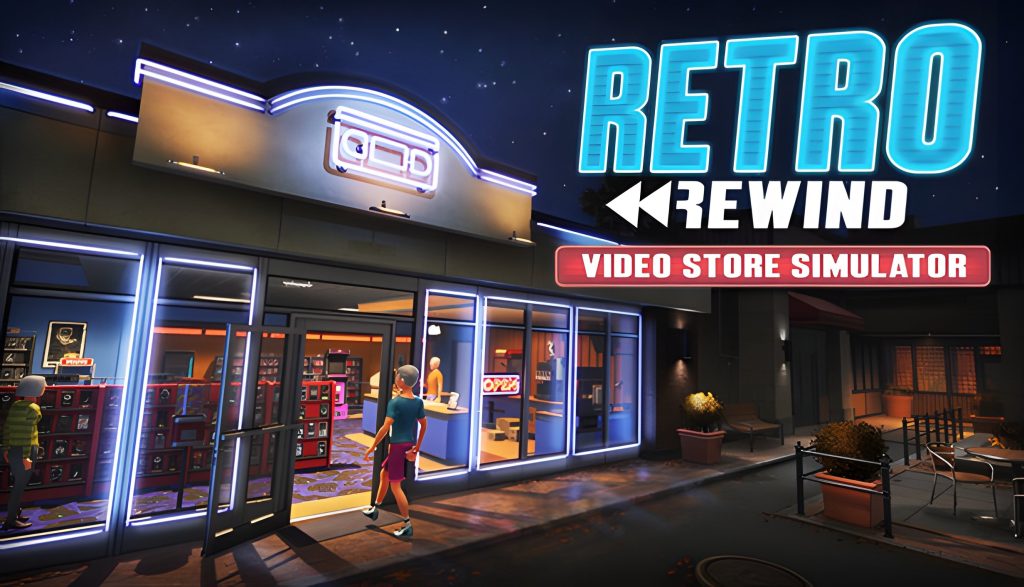
Retro Rewind - Video Store Simulator latest update that adds repair stations, street sign and more to the game, could…
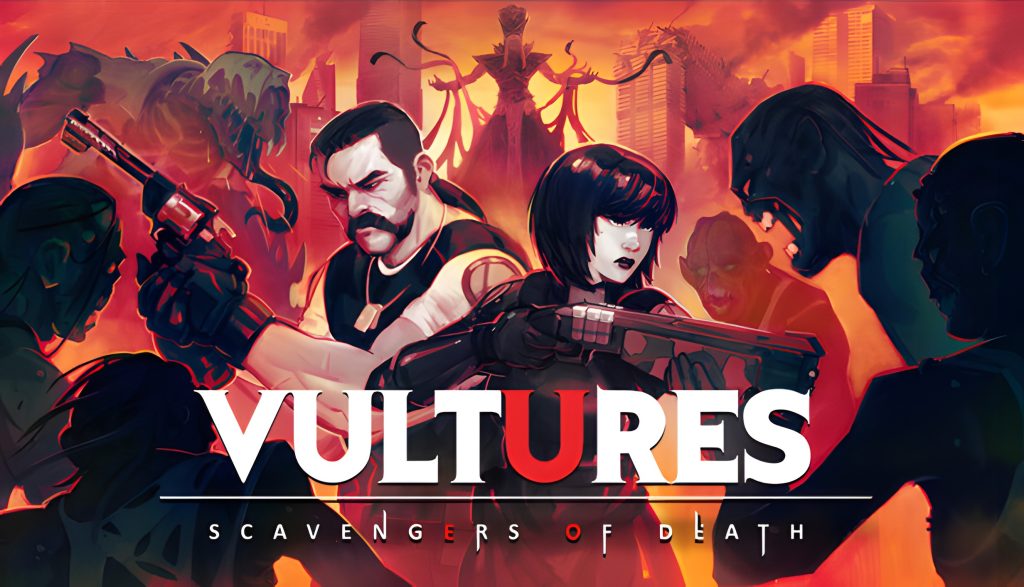
Vultures: Scavengers of Death is a turn-based tactical strategy game heavily inspired by classic survival horror.
![[Early Access] No Stone Unturned – A Fowl Play](https://www.indie-games.eu/wp-content/uploads/2026/05/Unturned-1-1024x576.jpg)
In No Stone Unturned, we play as Detective Cox, a squirrel with amnesia who investigates a murder of a chicken…

Outbound is a mediocre, shallow cozy game with a beautiful presentation and strong concept, but one that fails to deliver…
