![[GAMESCOM 2026] Vikings Dynasty Preview – Expands the Dynasty Formula](https://www.indie-games.eu/wp-content/uploads/2026/09/Viking-Dynasty-09-21-26-2-1024x576.jpg)
[GAMESCOM 2026] Vikings Dynasty Preview – Expands the Dynasty Formula
After showing me Prospera at Gamescom 2026, Toplitz Productions' Mathias Oertel moved to a very different kind of settlement builder.…

If you enjoy independent indie game coverage, consider supporting Indie-Games.eu on Patreon. It helps keep the site independent.
Solasta II, the upcoming sequel to Solasta: Crown of the Magister, is shaping up to be a polished and exciting contribution to the turn-based RPG genre. Developed by Tactical Adventures, the game builds on the strengths of its predecessor while addressing some of its weaknesses. With improved graphics and a faithful adaptation of the Dungeons & Dragons 5th Edition rules, Solasta II promises to deliver a more immersive and engaging experience. After playing the demo during the Steam Next Fest, I am optimistic about what is to come, although there are still some areas that require refinement.
The story of Solasta II is set in the Celtic-inspired village of Tor Wen, where a conflict of cultures and ideologies unfolds against the backdrop of a looming dragon threat. Although the main plot was not fully revealed in the demo, the setting itself is intriguing. The game introduces a more vibrant and dynamic world compared to the first installment, with NPCs who seem more realistic and an environment that invites exploration.
The dialogue options, skill checks, and branching outcomes remain major strengths, offering the freedom to shape your own adventure in true D&D style. If you enjoyed Baldur’s Gate III, you will likely find Solasta II equally appealing. Although the demo does not fully showcase the depth of decisions and choices that will be available, it hints at an interesting system. For example, in the demo, you can either persuade the kobolds to release a prisoner or fight them, and this choice clearly affects the story’s progression.
The demo allowed me to lead a pre-made party of four adventurers—a Fighter-Cleric, a Rogue, a Sorcerer, and a Paladin—through a series of combat scenarios and narrative moments. Interactions with the locals and exploration of the surroundings hint at a deeper and more engaging story than the first game, which was often criticized for weaker narrative execution. However, the character design did not impress me. The characters seem stiff, their facial expressions lack depth, and the story occasionally feels a bit jumpy. I hope the full version will allow for greater character customization.


The combat mechanics are thoughtful and tactical, requiring careful planning and positioning. The demo showcased diverse scenarios, from chaotic skirmishes with multiple enemies to strategic, calculated encounters. Each class felt unique and viable: the Sorcerer excelled at crowd control, while the Rogue was at a disadvantage in open combat but flourished in stealth situations. While there is nothing revolutionary here, combat choices truly matter. The turn-based system allows for strategic planning, and the inclusion of dice rolls, party synergy, and multiple tactical options adds depth to the gameplay itself. You will need to utilize every available means, as the game is challenging to play and even harder to master.
However, newcomers might find the game difficult. Since there is no proper tutorial, the game assumes you are familiar with the Dungeons & Dragons rules, which can lead to initial difficulties. On the other hand, exploration is an area where the game truly shines. You can open chests, explore every corner of the map, gather resources, and manage inventory with ease. Each character has unique stats, and understanding how to optimize their abilities and weapon usage is crucial. It is also satisfying to pick up everything that enemies drop, but you will need to be careful to ensure your party members don’t fall in combat.
One of the most noticeable improvements in Solasta II is the visual components. The game features more detailed character models and beautifully crafted environments. The Celtic-inspired village of Tor Wen, the beaches, and the ancient ruins all feel vibrant and worth exploring. The slightly stylized art style gives the game a unique look, reminiscent of intricately crafted dioramas. The voice acting is also significantly improved compared to the first game, with more realistic and emotional performances.


My biggest complaint about the game is the camera angle. You can choose to control the character directly or simply move by clicking on the map. Direct control felt overly tedious, especially in tight cave corners where the camera would often get stuck. On the other hand, moving around the map without direct control was much smoother, provided a better view of the world, and made it easier to avoid some unpleasant surprises.
The stealth mechanic in the game is interesting, as you can enter stealth mode at any time. While you cannot directly assassinate enemies, ambushes are a viable option and give you a full turn’s advantage for effective strategy planning. Additionally, the inventory system is easy to use, allowing you to transfer items between characters easily, with changes reflected in real-time. You can also access and manage the inventory during combat.
For fans of turn-based RPGs and D&D enthusiasts, Solasta II is a highly anticipated title that promises to deliver a polished and satisfying experience. If Tactical Adventures manages to address the minor flaws and build upon the strengths shown in the demo, Solasta II could become a standout title in the genre. Keep an eye out for its Early Access release in 2025.
After showing me Prospera at Gamescom 2026, Toplitz Productions' Mathias Oertel moved to a very different kind of settlement builder.…
![[GAMESCOM 2026] Prospera Preview – Production, Prosperity and Victorian Industry](https://www.indie-games.eu/wp-content/uploads/2026/09/Prospera-09-21-26-5-1024x576.jpg)
At Gamescom 2026, I met with Toplitz Productions' Mathias Oertel for a guided presentation of two upcoming games. One of…
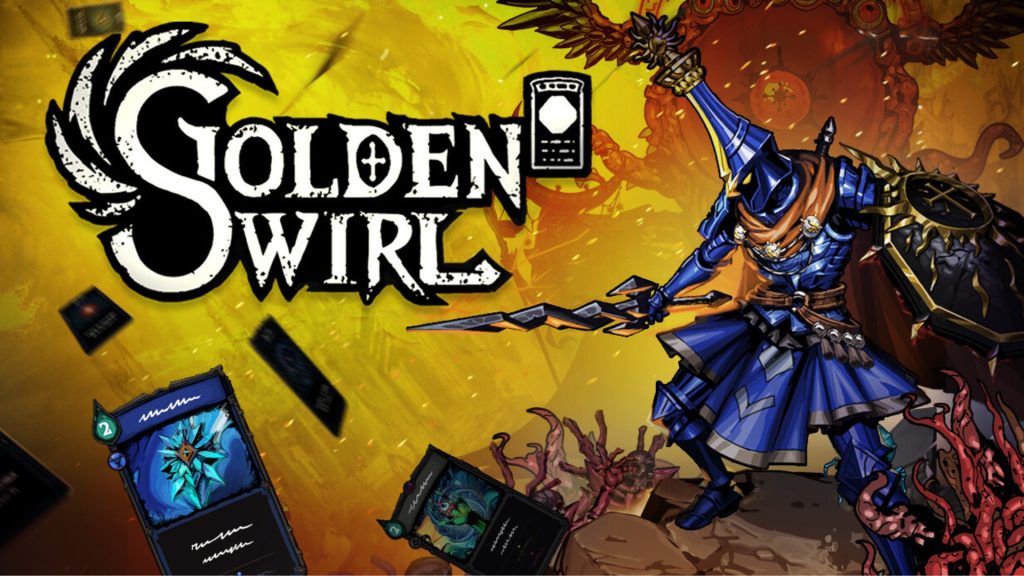
Golden Swirl inventive card combat carries the experience, but repetitive rooms, weak upgrades and excessive dialogue hold it back.
![[GAMESCOM 2026] Wilderdark Preview – Ambitious Dinosaur Horror Game That Still Has Plenty to Prove](https://www.indie-games.eu/wp-content/uploads/2026/09/Wilderdark-1024x576.jpg)
Dinosaur survival horror game Wilderdark has one of those premises that immediately makes you wonder why more games have not…
![[PREVIEW] Tiny Metal 2 – Strategy Game That Wants You to Learn From Every Mistake](https://www.indie-games.eu/wp-content/uploads/2026/09/Tiny-Metal-2-1024x576.jpg)
I rarely enjoy discovering that my opening strategy was completely wrong, but Tiny Metal 2 made that process one of…
![[PREVIEW] Remothered: Red Nun’s Legacy – Ambitious Survival Horror That Needs More Polish](https://www.indie-games.eu/wp-content/uploads/2026/09/Remothered-Red-Nuns-Legacy-4-1024x576.jpg)
Remothered: Red Nun’s Legacy has a gripping atmosphere and promising survival tools, but its repetitive hiding and rough visuals need…
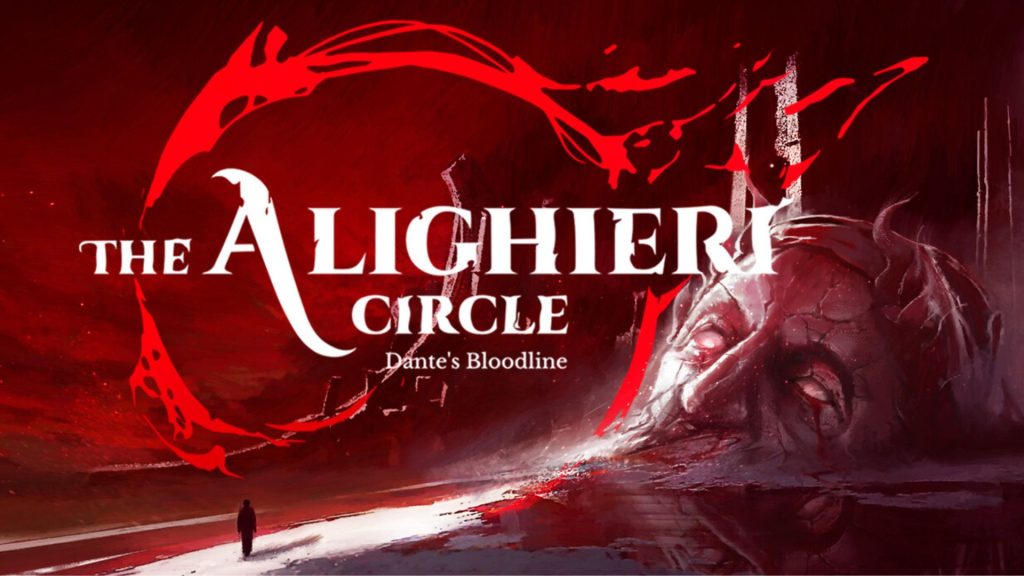
The Alighieri Circle: Dante’s Bloodline is difficult to recommend beyond players who are especially interested in Dante or enjoy solving…
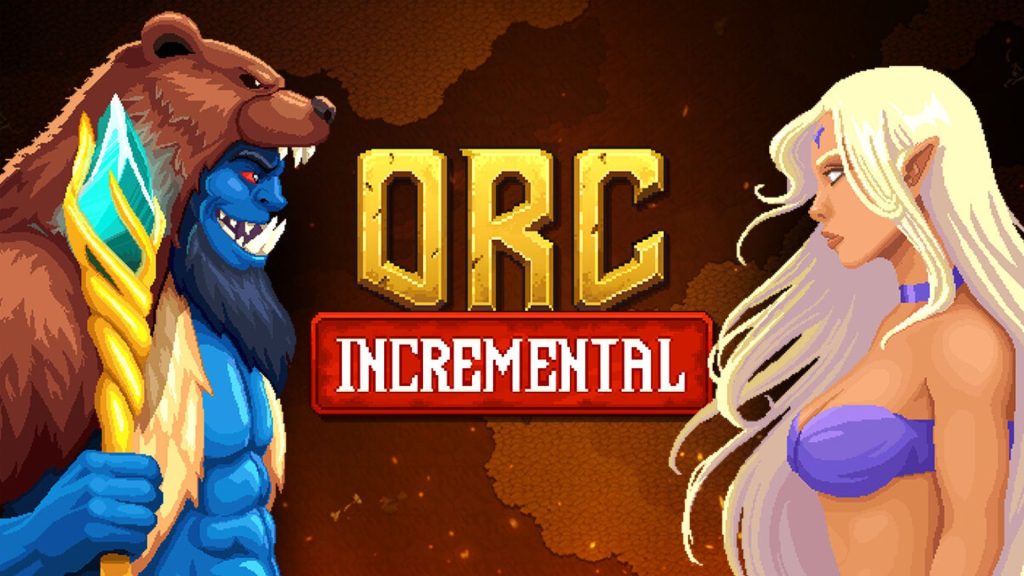
Orc Incremental offers satisfying progression, entertaining totem combinations and enough content to justify its affordable price.
![[GAMESCOM 2026] Chronoscript: The Endless End Preview – Beautiful Pages Hide Deliberate Combat](https://www.indie-games.eu/wp-content/uploads/2026/09/Chronoscript-The-Endless-End-1-1024x576.jpg)
Chronoscript: The Endless End stands out from other Metroidvanias by blending 2D manuscript worlds with exploration inside a 3D manor.
![[GAMESCOM 2026] MegaGum Preview – Combat Hits Hard in This Sticky Platforming Adventure](https://www.indie-games.eu/wp-content/uploads/2026/09/MegaGum-09-09-26-5-1024x576.jpg)
MegaGum combines hard-hitting combat, varied weapons and Gum-powered platforming in a promising Gamescom 2026 demo.
![[GAMESCOM 2026] Delphinium Preview – Cozy Routine Mixed With Enjoyable Minigames](https://www.indie-games.eu/wp-content/uploads/2026/03/Delphinium--1024x665.jpg)
Delphinium mixes cozy farming, exploration and relationships with enjoyable fishing, cooking and forging minigames in its Gamescom 2026 demo.
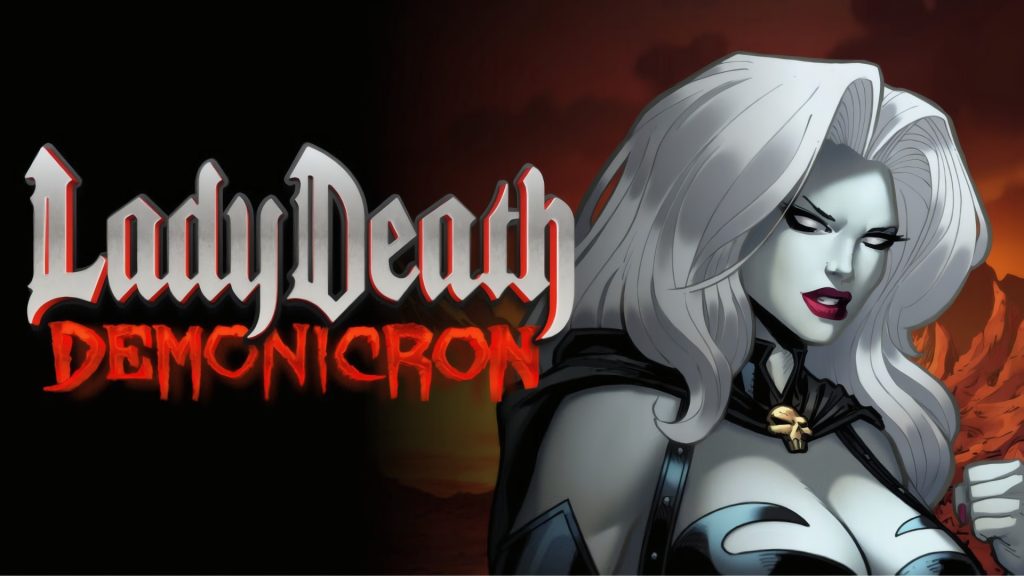
Lady Death: Demonicron looks the part, but underneath its excellent comic-book exterior is a clunky and painfully short brawler.
![[GAMESCOM 2026] Tomb Raider: Legacy of Atlantis Preview – Expands the Original Without Losing Its Identity](https://www.indie-games.eu/wp-content/uploads/2026/09/tomb-raider-legacy-of-atlantis-06-02-26-1-1024x576.jpg)
Tomb Raider: Legacy of Atlantis brings Lara back to her roots, but its Gamescom 2026 showing proved this is far…
![[GAMESCOM 2026] Clive Barker’s Hellraiser: Revival Preview – Ready to Open the Box](https://www.indie-games.eu/wp-content/uploads/2026/09/Clive-Barkers-Hellraiser-Revival-08-30-26-1-1024x576.jpg)
Hellraiser: Revival preserves the franchise’s sex, gore and psychological horror while delivering approachable survival-horror gameplay.

Swan Song creates a peaceful and forgiving puzzle space without removing the challenge that makes solving a difficult puzzle rewarding.
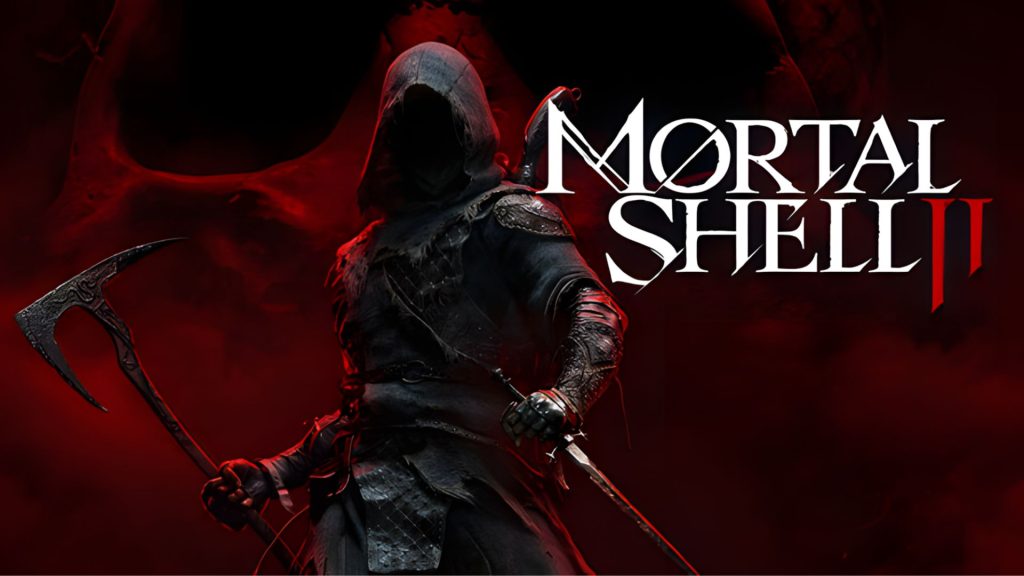
Mortal Shell II starts brilliantly but grows repetitive and exhausting, while remaining a rewarding and ambitious Soulslike sequel.
![[GAMESCOM 2026] Terranigma Preview – A Lost SNES Classic Returns in 2027](https://www.indie-games.eu/wp-content/uploads/2026/08/Terranigma-1-1024x576.jpg)
After more than three decades of limited availability, Terranigma is returning in 2027. We played its enhanced re-release at Gamescom…
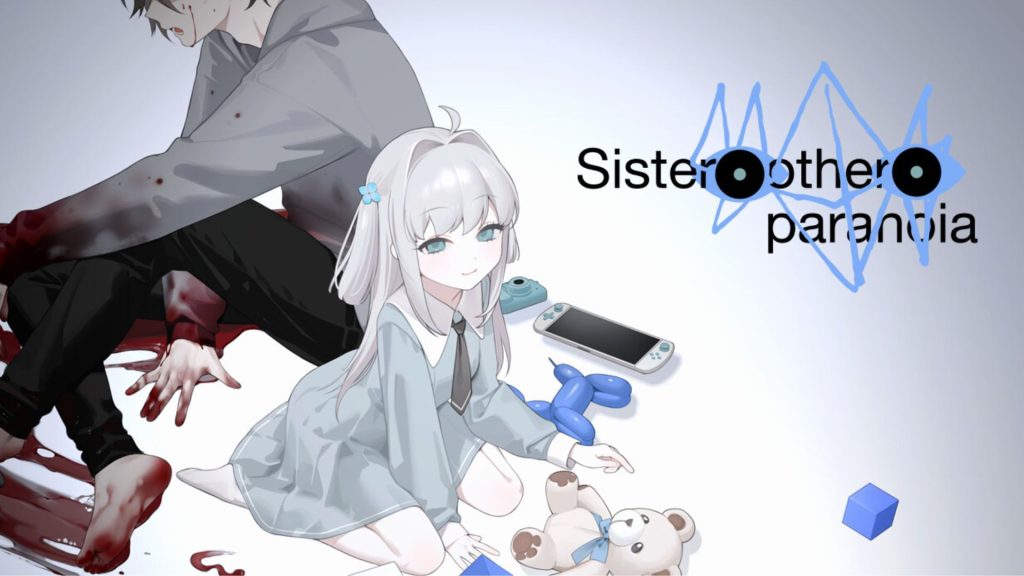
Reading another person’s mind is often presented as a desirable superpower, but Sister Other Paranoia immediately understands why it could…
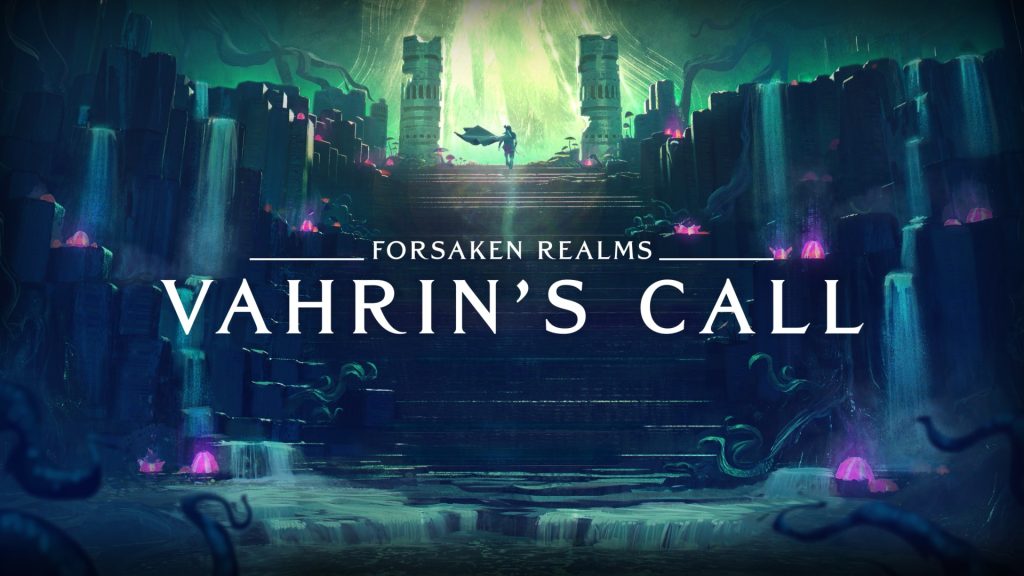
Forsaken Realms: Vahrin’s Call is exactly the kind of ambitious, slightly clumsy fantasy RPG that used to be far more…
![[Early Access] 2nd EVE – Sci-Fi Action RPG That Lacks a Sense of Stakes](https://www.indie-games.eu/wp-content/uploads/2026/08/2ND-EVE-1024x576.jpg)
2nd Eve is a space-set action RPG in which we strive to save humanity.
