
Denshattack! – Tony Hawk Meets Jet Set Radio on High-Speed Trains
Denshattack! blends Tony Hawk, Jet Set Radio, and Japanese train culture into one of the year's most creative and unforgettable…


If you enjoy independent indie game coverage, consider supporting Indie-Games.eu on Patreon. It helps keep the site independent.
If you enjoyed games like Satisfactory, Factorio, Space Engineers, heck, even Subnautica, you’re going to feel right at home with StarRupture. What definitely surprised me is just how massive the world is: how open it feels, how beautiful everything looks, and how seamlessly it’s all connected. Add multiple biomes to explore, plenty of systems to build and automate, and, cherry on top, the ability to experience all of this with friends.
StarRupture comes from the developers behind Green Hell, a survival game set in the Amazon jungle and now we finally get to see what they’ve been working on for the past six years. They’ve clearly learned a lot from Green Hell when it comes to open-world design, but here they move in a completely new direction, embracing a sci-fi universe with a much heavier focus on automation and exploration.
I’m personally not a big fan of games that revolve around heavy automation and cluttering the map with endless machines, but StarRupture handles this surprisingly well. Systems are kept simple and easy to understand, and as you progress, you unlock more complex processes that never feel overwhelming. Instead of confusing you, each new layer just builds naturally on what you’ve already learned.
Resources like titanium, wolfram, helium, sulfur, and many others are scattered across the world, and your main goal is to build bases, automate production, and explore. Eventually, you’ll unlock new recipes for more advanced materials like glass and beams, and yes, it does require a fair amount of grinding. The game is undeniably grindy, but there’s always something to do, especially when you step away from your base.
That’s largely because exploration is incredibly important here. Survival mechanics are fairly simple, you mainly need to eat and drink, without worrying about sleep, but exploration drives progression. You’ll be searching abandoned facilities and observatories to find blueprints for new recipes, which serves as the main motivator to keep moving forward.
On top of that, you’ll need to hunt for food and meteorites to extract their “hearts,” along with various other valuable resources. This process remains engaging thanks to frequent combat encounters. Enemies aren’t particularly challenging on their own, but they can become dangerous in larger groups, and the deeper you explore, the more enemy variety you encounter.

The game also does a solid job of gradually introducing new weapons, including rifles, shotguns, and even sniper rifles. Later on, you gain access to defensive towers and controllable machine guns, which add another layer to base defense. My personal favorite aspect of the game is the map beacon system. Activating these beacons requires you to defend them against waves of enemies, which afterwards allow you clear the fog of war.
Beyond combat, you’ll come across scattered robot and human corpses, crashed drones, and strange, mysterious structures that immediately pique your curiosity. However, the biggest highlight StarRupture has to offer is the exploding star itself. Yes, in this solar system, the sun your planet orbits periodically erupts, forcing you to seek shelter inside your base. If you don’t, you’ll die and drop your items, which you’ll have to recover from your corpse.
It’s a fantastic mechanic. The entire environment is temporarily reduced to ash, and afterward you can watch the land slowly regenerate and heal. It’s a brilliant idea that I really hope gets expanded further. Right now, it works as a powerful event that forces you to react quickly and plan ahead.
Even if you’re usually not a fan of games in this genre, there’s something about StarRupture that instantly pulls you in. That said, it can definitely become repetitive and, at times, quite boring and that’s largely due to several major flaws I hope the developers address.

The first issue is traveling. There’s no fast-travel system, no vehicles, no flying cars, rovers, or anything similar to help you move across the map more efficiently. This becomes extremely frustrating, especially once you’ve ventured far from your main base, as returning can take a significant amount of time. The second major problem is the very barebones technology system.
While its simplicity is intentional, you send specific materials and products into space to earn technology points, it feels shallow. The tech tree only goes up to level 11, and roughly half of the available upgrades feel either underwhelming or outright useless. By the time you reach level 5, you’ve essentially cleared the early game, and the mid-game then drags on far too long. Gaining technology points becomes a slow grind, and progression can stall completely if you don’t explore and find blueprints, which are mandatory to move forward.
You can somewhat counter this by building multiple bases and heavily automating production, but this system is far more balanced in multiplayer. While StarRupture is absolutely playable in singleplayer, everything takes significantly longer. With three other friends, progress becomes much faster. Imagine two players focusing on exploration and blueprint hunting, while the other two handle base building and automation to optimize input and output across multiple locations.
The XP and leveling system itself doesn’t feel particularly impactful either. You do level up over time by doing various things, but in most cases this only allows you to equip card-like biomechanical bonuses, things like increased health, faster weapon switching, or minor passive buffs. These upgrades don’t significantly change gameplay and mostly feel like they exist for the sake of having a leveling system at all.

Despite these flaws, which I’m sure the developers will address, I didn’t run into any actual bugs during my time with the game. There were a few unoptimized areas where the FPS dropped noticeably, but for the most part, performance was surprisingly smooth, even with multiple machines running at once. That’s especially impressive given just how massive the game world is. I also firmly believe this is a game that truly shines in multiplayer rather than singleplayer; there’s simply so much to manage that everything becomes more enjoyable and efficient with a well-coordinated team.
In the end, after spending more than 30 hours with the game, and still not seeing everything it has to offer, I can confidently say this is a very good title that managed to captivate someone who doesn’t usually gravitate toward this genre. Building, automation, exploration, and gunfights are all thoughtfully crafted and well implemented, to the point where you’ll easily lose track of time. This is the kind of game you can sink 100+ hours into before feeling truly satisfied.
Review copy provided by the publisher
Denshattack! blends Tony Hawk, Jet Set Radio, and Japanese train culture into one of the year's most creative and unforgettable…
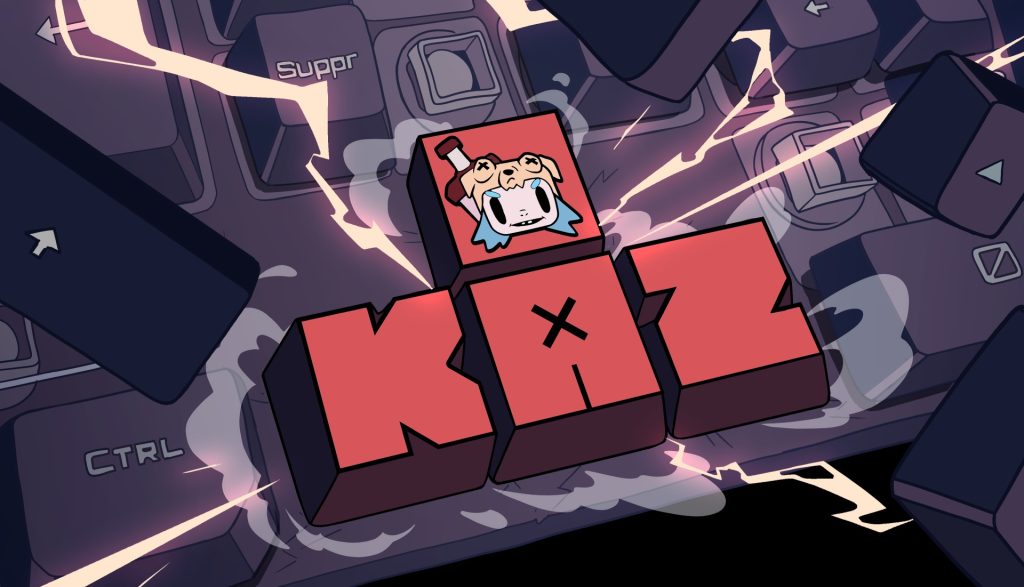
If you're looking for a game that takes an incredibly simple idea and somehow turns it into something addictive, KAZ…

Cat Mail Co. charms with cozy visuals and satisfying mail sorting, but its full release doesn't quite live up to…

Forensics: Crime Scene Detective follows Aerosoft's familiar formula: an interesting simulation with decent visuals, weak optimization, and repetitive gameplay.

Foxy The First Steps is an excellent precision platformer that understands exactly what makes the genre enjoyable.

Tokyo Valkyries blends visual novel, roguelite deck-building, and fan service into a surprisingly enjoyable mix, despite few standout elements.

Moonlight Peaks refreshes the cozy farming formula with a more unique supernatural and magical approach while keeping the familiar mechanics…

The first thing that stands out about GRID 2 in 2026 has nothing to do with its handling, graphics, or…
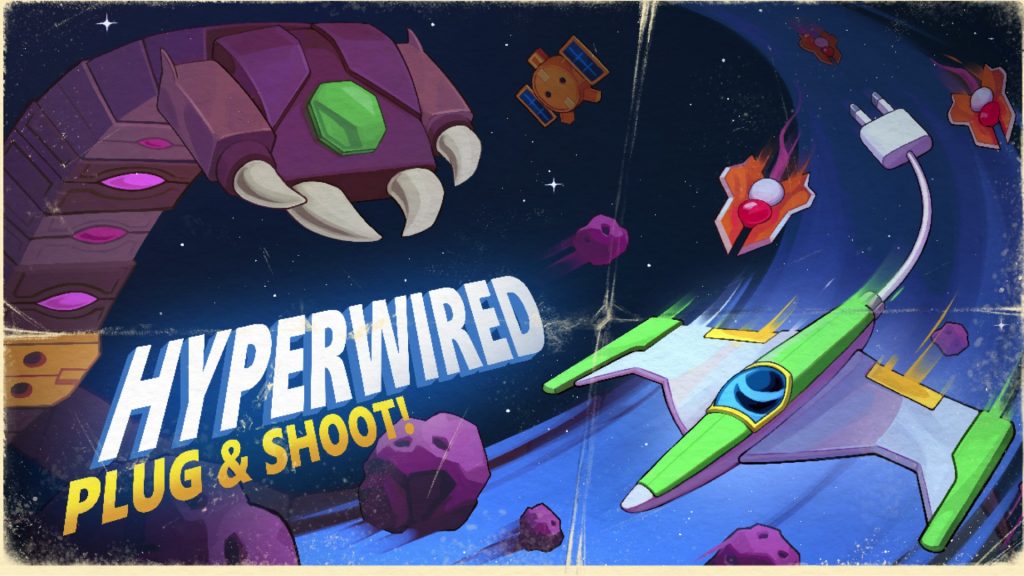
HYPERWIRED is a top-down roguelike where your ship drags a giant plug, powering sockets to complete objectives and progress through…
![[PREVIEW] 70s-style Robot Anime Geppy-X – This Game Pretends It’s a Real 1970s Anime](https://www.indie-games.eu/wp-content/uploads/2026/06/70s-Style-Robot-Anime-Geppy-X-Preview-1024x576.jpg)
As I continue my Steam Next Fest journey, I stumbled upon a game I honestly wasn't expecting to enjoy as…
![[PREVIEW] Edge of Memories – One of My Biggest Steam Next Fest Disappointments](https://www.indie-games.eu/wp-content/uploads/2026/06/Edge-of-Memories-Preview-1024x576.jpg)
Right now, Edge of Memories feels like a game with good ideas that hasn't yet figured out how to turn…
![[PREVIEW] Penguin Colony – Lovecraftian Horror Meets Antarctic Exploration](https://www.indie-games.eu/wp-content/uploads/2026/06/Penguin-Colony-5-1024x576.jpg)
It is surprisingly difficult to explain Penguin Colony, yet incredibly easy to become fascinated by.

Magical Princess is one of those games that immediately reminded me of the classic Princess Maker series, but it does…
![[PREVIEW] Mortal Shell II – Difficult, Fair, and Surprisingly Polished](https://www.indie-games.eu/wp-content/uploads/2026/06/Mortal-Shell-II-1-1-1024x576.jpg)
Mortal Shell II has opened its beta to everyone, and I have to admit, this is exactly how you showcase…
![[PREVIEW] 1666: Amsterdam – Fails to Capture the Promise of Its Reveal](https://www.indie-games.eu/wp-content/uploads/2026/06/1666-amsterdam-1024x576.jpg)
Having just recently been revealed during Summer Game Fest, 1666: Amsterdam has already received a playable prologue on Steam.
![[EARLY ACCESS] Far Far West – Co-Op Shooter I Didn’t Expect to Love This Much](https://www.indie-games.eu/wp-content/uploads/2026/04/Far-Far-West-1024x576.jpg)
There is a reason why Far Far West is currently sitting at overwhelmingly positive reviews on Steam and has already…
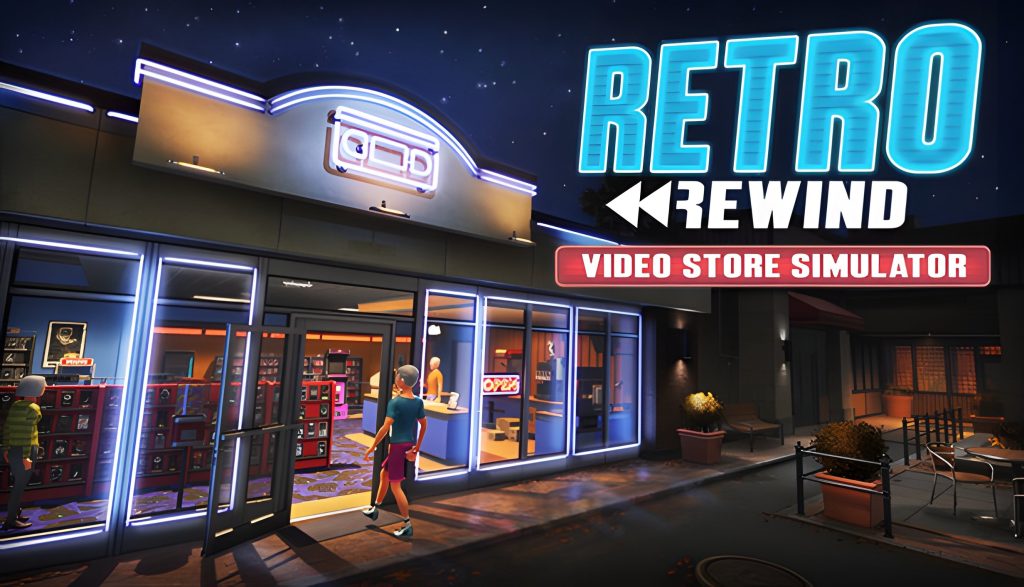
Retro Rewind - Video Store Simulator latest update that adds repair stations, street sign and more to the game, could…
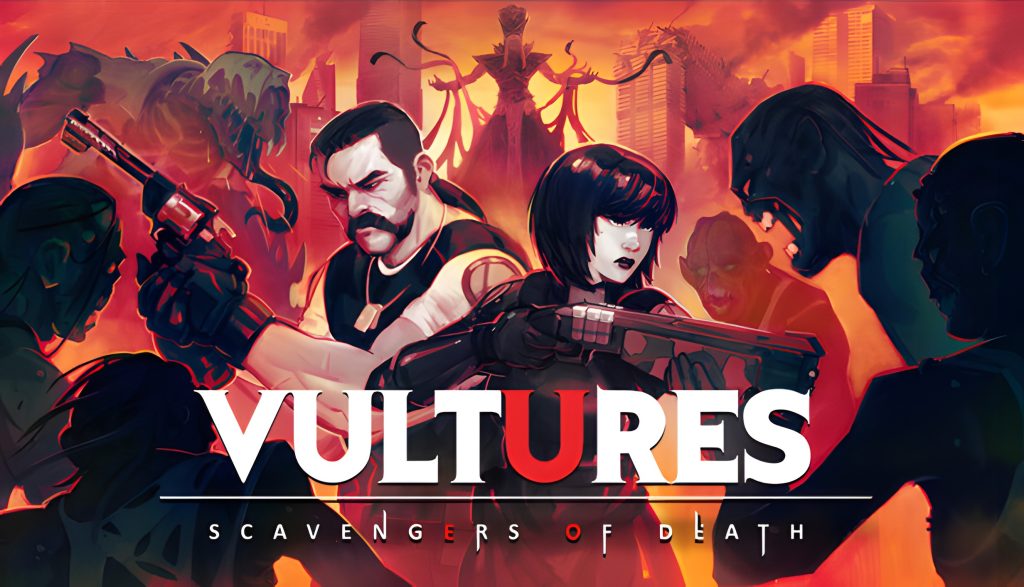
Vultures: Scavengers of Death is a turn-based tactical strategy game heavily inspired by classic survival horror.
![[Early Access] No Stone Unturned – A Fowl Play](https://www.indie-games.eu/wp-content/uploads/2026/05/Unturned-1-1024x576.jpg)
In No Stone Unturned, we play as Detective Cox, a squirrel with amnesia who investigates a murder of a chicken…
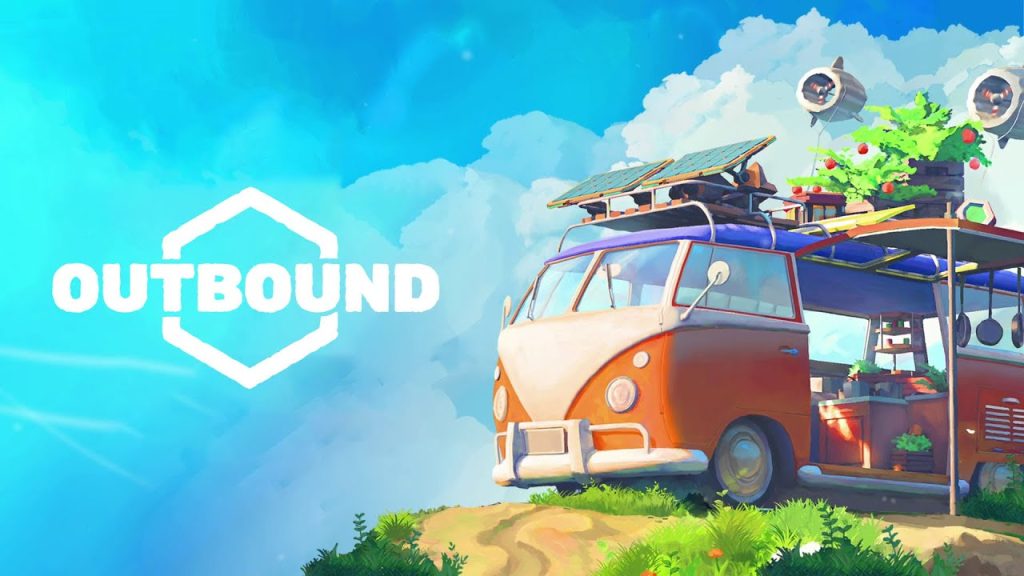
Outbound is a mediocre, shallow cozy game with a beautiful presentation and strong concept, but one that fails to deliver…
