
Police Simulator Brings K-9 Patrols and Cross-Play to PC and Consoles in 2027
Police Simulator introduces K-9 patrols, more than 50 callouts and full cross-play when it launches for PC and consoles in…


If you enjoy independent indie game coverage, consider supporting Indie-Games.eu on Patreon. It helps keep the site independent.
Released into Early Access on Steam on February 11, 2026, Starsand Island invites players to build farms, raise animals, fish in waters, explore mysterious islands, and befriend villagers in a sun-soaked paradise. On the surface, the launch appeared promising. The game quickly earned a “Very Positive” rating from nearly 200 user reviews on Steam, with many praising its relaxing atmosphere and anime-inspired charm. But within hours, attention shifted from gameplay to something far more suspicious.
The controversy began when farming sim YouTuber Josh, posted screenshots highlighting a wave of unusually similar positive Steam reviews that appeared within roughly 30 minutes of launch. Many of these accounts shared similar characteristics.
They were low-level Steam profiles, typically between Level 2 and Level 8, with minimal playtime in Starsand Island and no unlocked achievements despite enthusiastic praise. Several had nearly identical recent game histories and used vague, awkwardly phrased compliments such as “The game is very simple, yet it is complex. Beautiful game.”
As players dug deeper, they noticed additional red flags. Some accounts appeared linked to a group called “Archi’s SC Farm.” Others featured mismatched avatars, rapid account creation patterns, and reviews written in unrelated languages. Community threads on Steam began tallying suspicious activity, with some users estimating that hundreds of potentially fake reviews had appeared within the first 24 hours.
Seed Sparkle Lab responded quickly, denying any involvement and describing the reviews as an “intentional attack” by an unknown external party. According to the developers, some of the suspicious accounts had refunded the game shortly after posting reviews. They stated that the matter had been flagged to Valve and urged players to allow them to focus on development rather than speculation. While the influx of suspicious reviews appears to have slowed, many questionable entries remain visible, complicating genuine feedback.
Compounding the situation were several pre-launch and day-one issues that intensified community skepticism. Kickstarter backers reported delays in receiving keys after launch. Some art assets prompted speculation about undisclosed AI usage. The game also shipped with anti-cheat software active even in single-player and offline modes, monitoring running processes and hardware data. For a cozy farming simulator, this raised immediate privacy concerns.
The End User License Agreement further fueled backlash. Early versions referenced the sale of “virtual goods” for real money, seemingly contradicting previous assurances that the game would not feature microtransactions. It also included broad language regarding data collection and sharing for legal and anti-cheat purposes. Meanwhile, Discord moderation issues, locked pricing discussions, and reports of toxic behavior within community channels added to the perception of disorder.
To their credit, Seed Sparkle Lab moved swiftly to address some of these concerns. They revised EULA clauses considered unreasonable, reiterated that there would be no in-game purchases, and confirmed that mod support through Steam Workshop would arrive after full release. The team also promised stability fixes for launch bugs such as black screens, clipping issues, and stiff controls. In an effort to rebuild goodwill, they gifted all players a free cosmetic “Thank-You Pack” that included a yellow swimsuit and pink frog pajamas.
Police Simulator introduces K-9 patrols, more than 50 callouts and full cross-play when it launches for PC and consoles in…
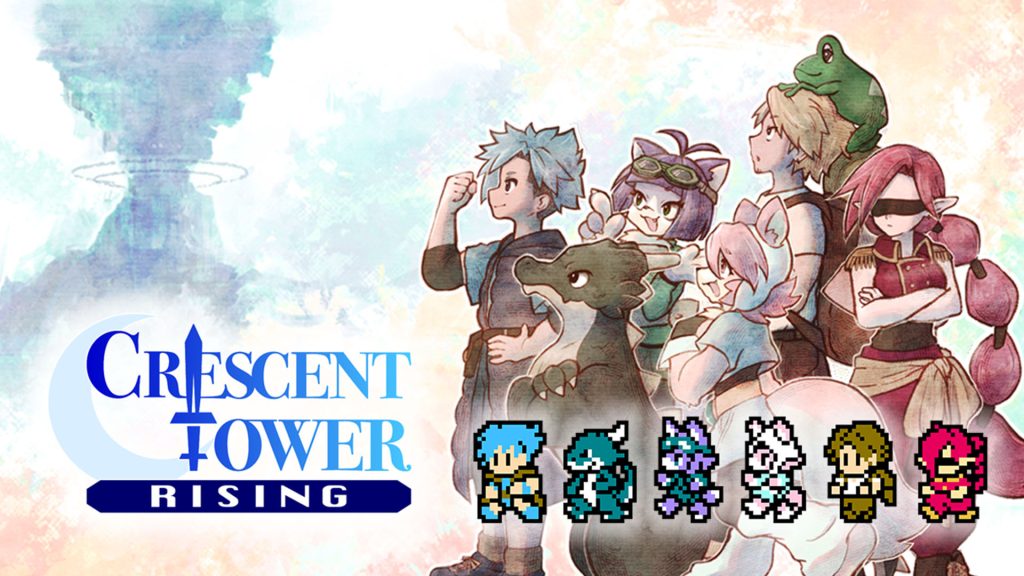
Crescent Tower: RISING brings five connected stories, 14 classes and a new Skill Blocks system to PC through Steam.
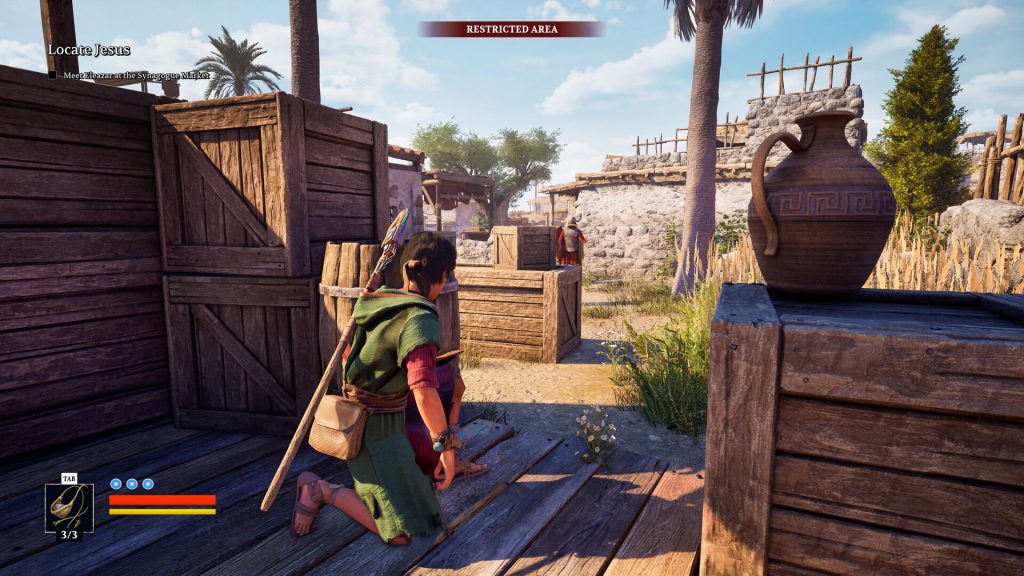
Gate Zero's first combat trailer sends Max into the time-corrupted EON World ahead of its spring 2027 launch.

Screamer’s August 31st update buffs several characters, changes its first-boot behaviour and addresses leaderboard cheating.

Cloudgazer turns cloud watching into a relaxing hidden-object game when it launches for Steam, iOS and Android on September 3rd,…

Tachyon Flow is a coming-soon PC runner built around skill-based momentum, freeform routes and expressive third-person parkour.

The Journey Home now has a free Steam demo, introducing its age-shifting puzzles, surreal world and emotional side-scrolling adventure.
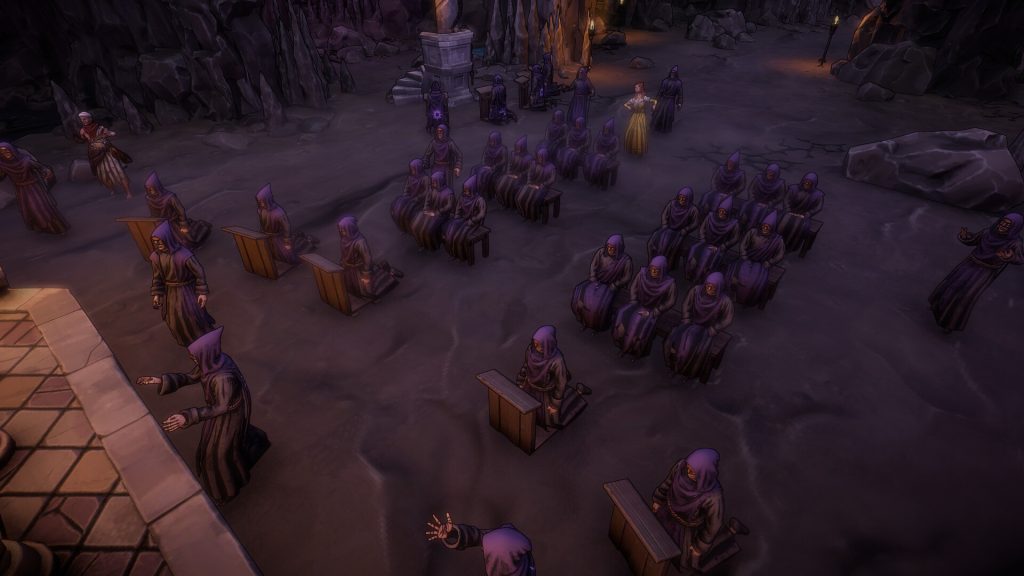
Above the Desk, the studio behind Above the Snow, has announced The Lunacy: That Game About a Cult, a dark-comedy…
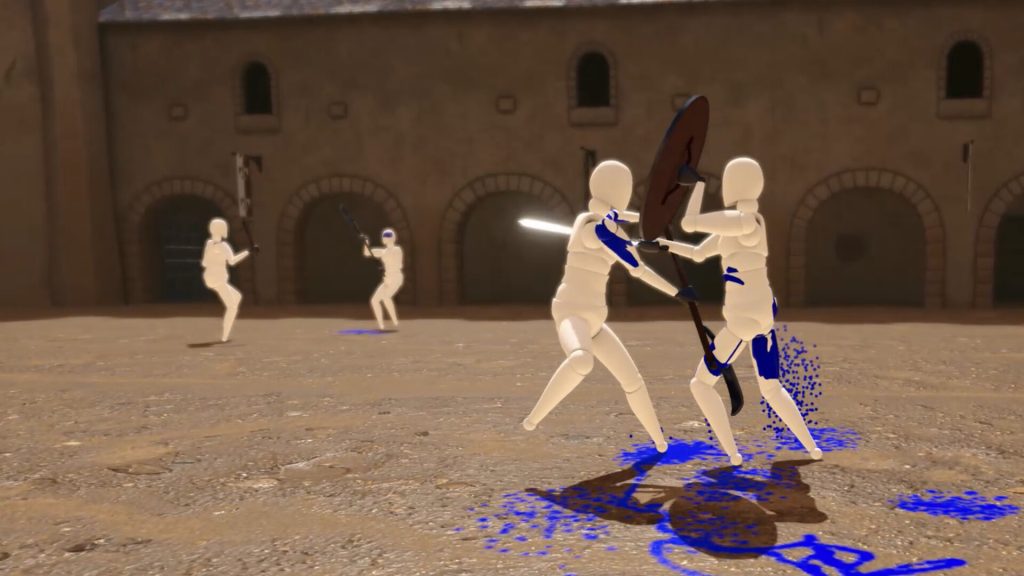
Gladio Mori leaves Steam Early Access and launches for PC, PlayStation 5 and Xbox Series X|S in September 2026, with…
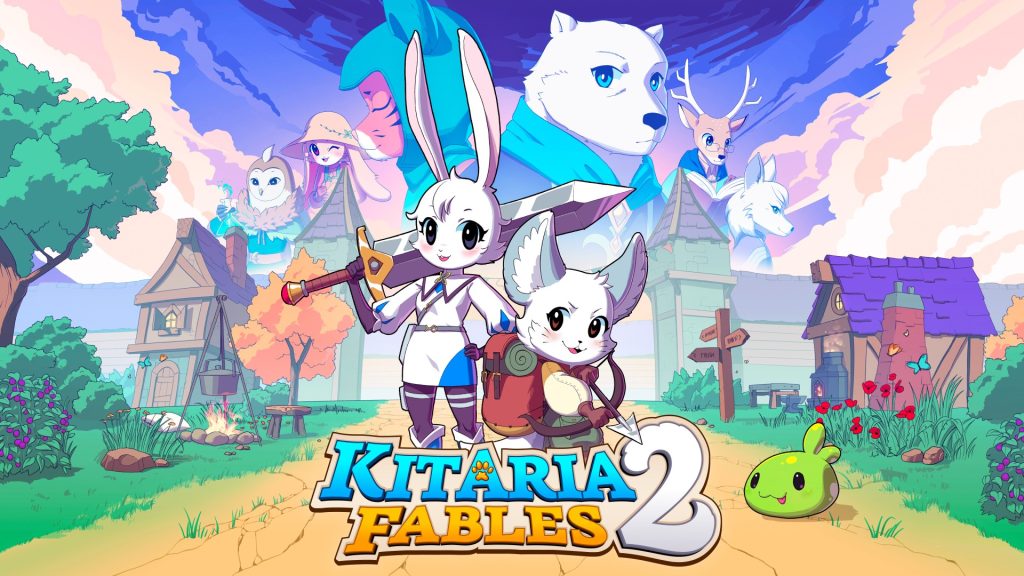
Kitaria Fables 2 will hold a closed Steam beta from September 7th to 21st, 2026, offering selected players roughly 60…

Midsummer Madness launches for PC, Nintendo Switch and Switch 2 in November 2026, following an exclusive one-day gamescom demo in…
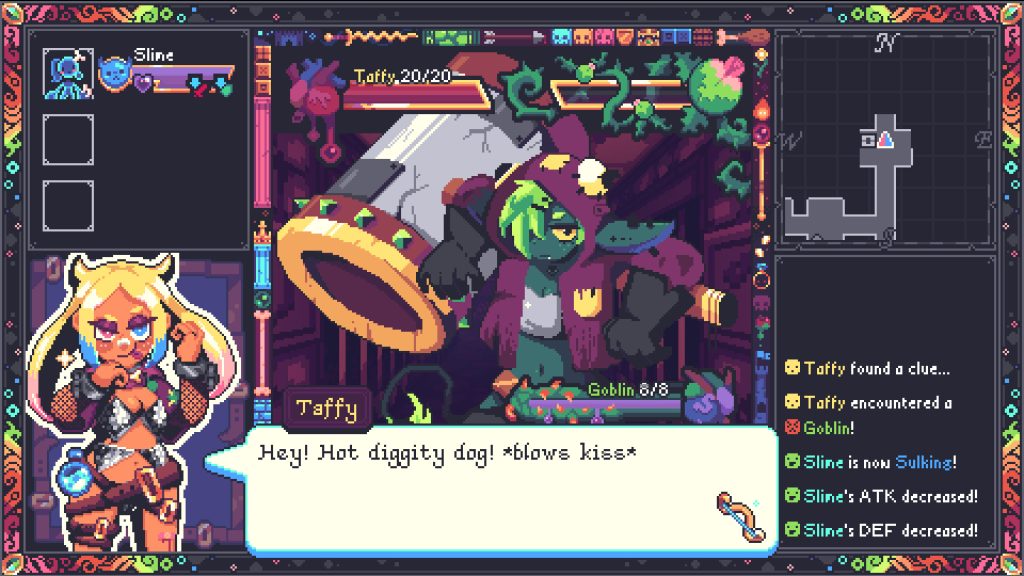
Rizz Dungeon: Skeleton Key to My Heart has been delayed to 2027, giving Snoozy Kazoo time to add more Monster…
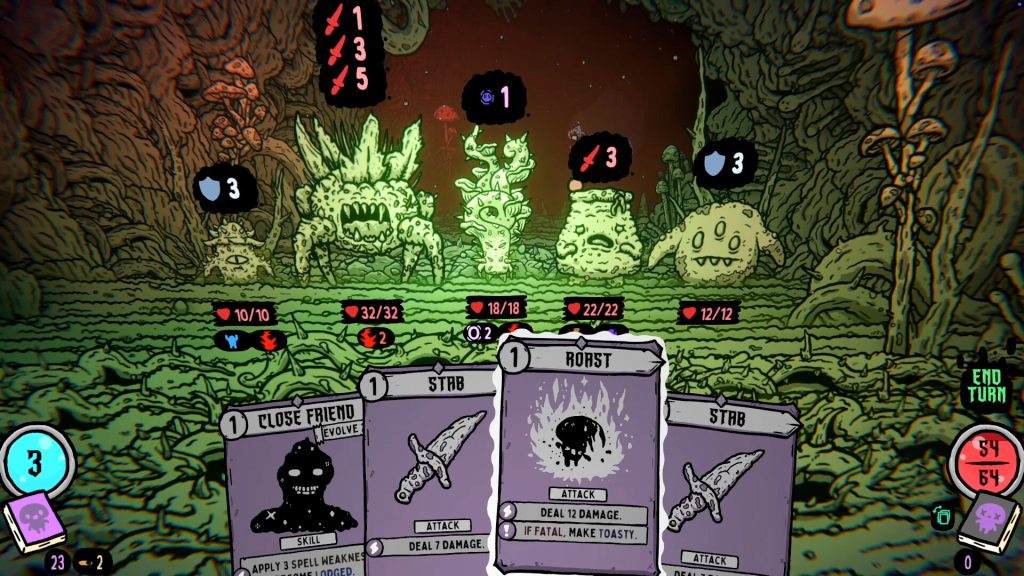
Shroom and Gloom enters Steam Early Access in September 2026, combining first-person dungeon crawling with separate exploration and combat decks.
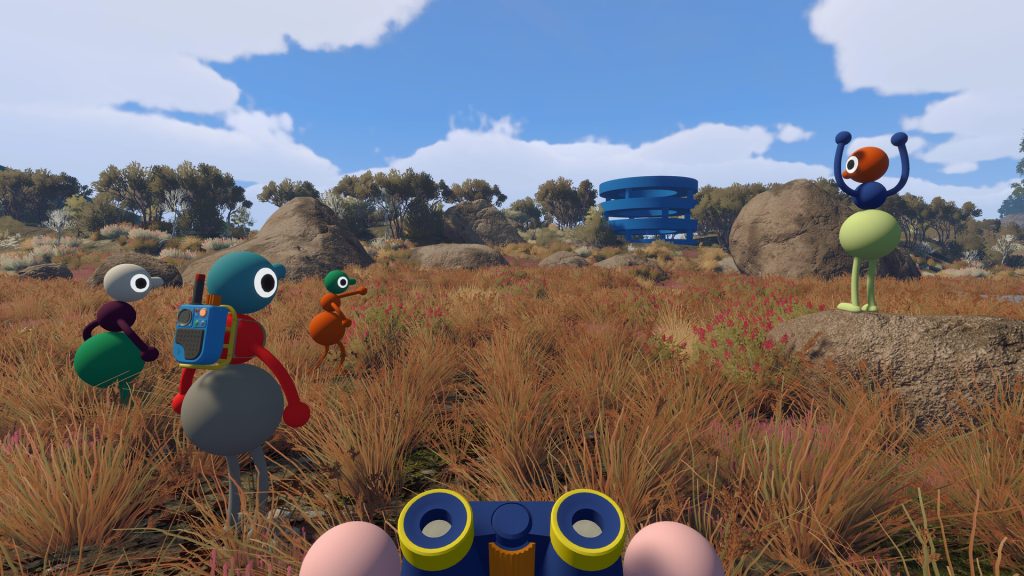
Big Walk sold more than one million copies in six days, strengthening the case for complete co-op-only games built around…

If you regularly visit Indie-Games.eu or follow the YouTube channel, you have probably noticed that things have become unusually quiet.
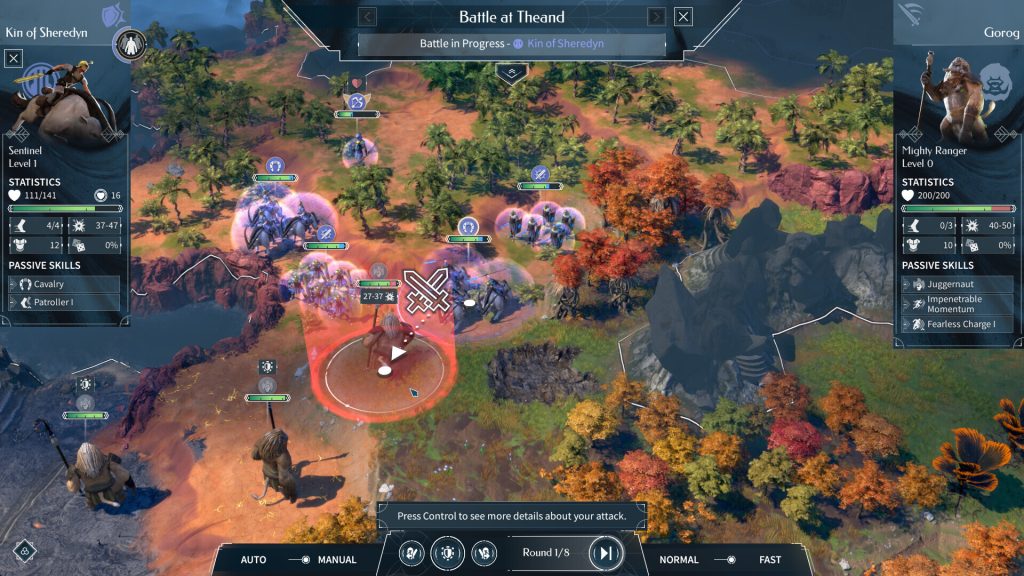
Endless Legend 2 leaves Early Access in September as version 1.0 rolls out, bringing console versions to PlayStation 5 and…
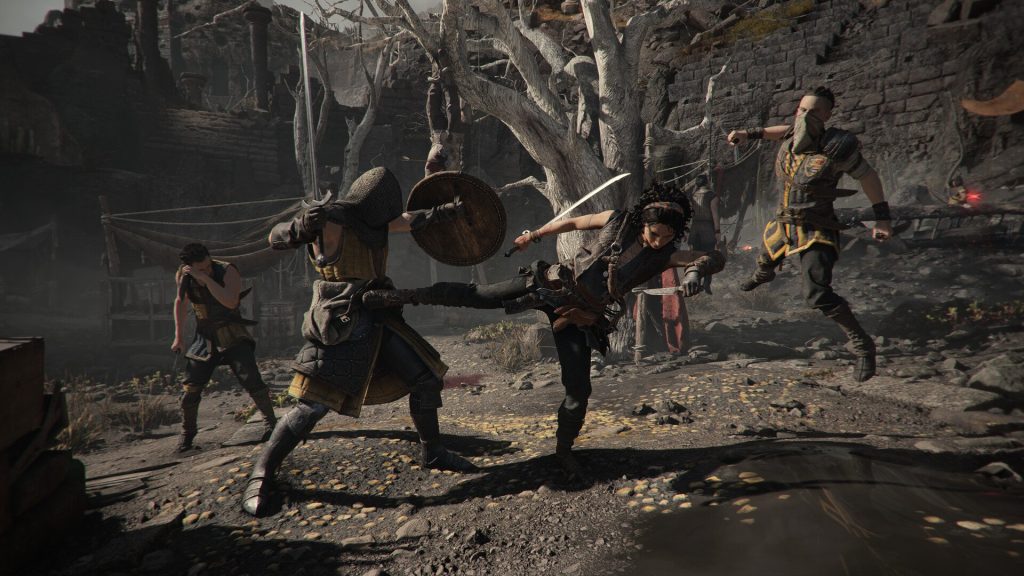
A new Resonance: A Plague Tale Legacy featurette shows how Sophia can use light to navigate dangerous environments and overcome…
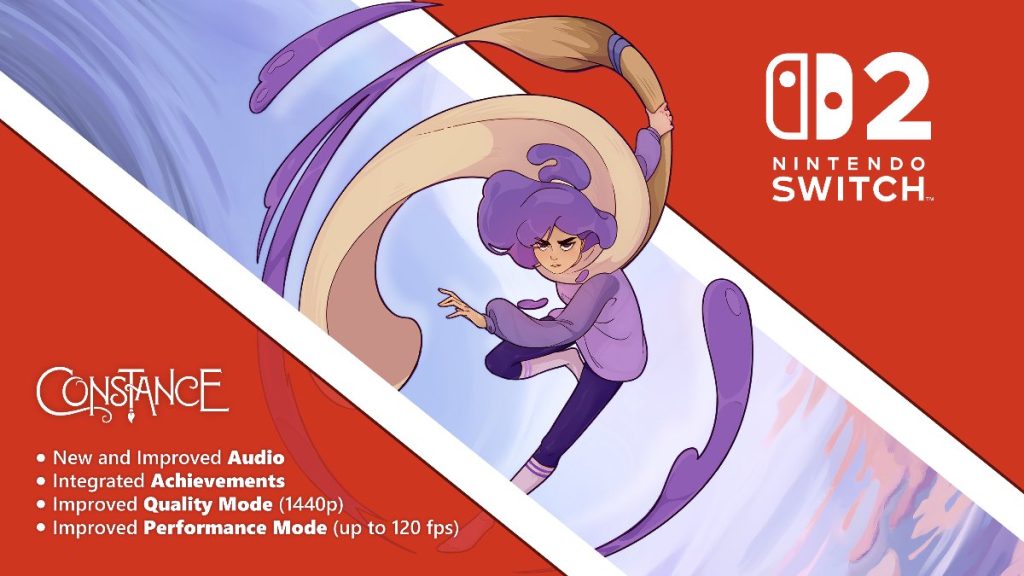
The nonlinear world contains six biomes, each representing a different part of the protagonist’s psyche and history.
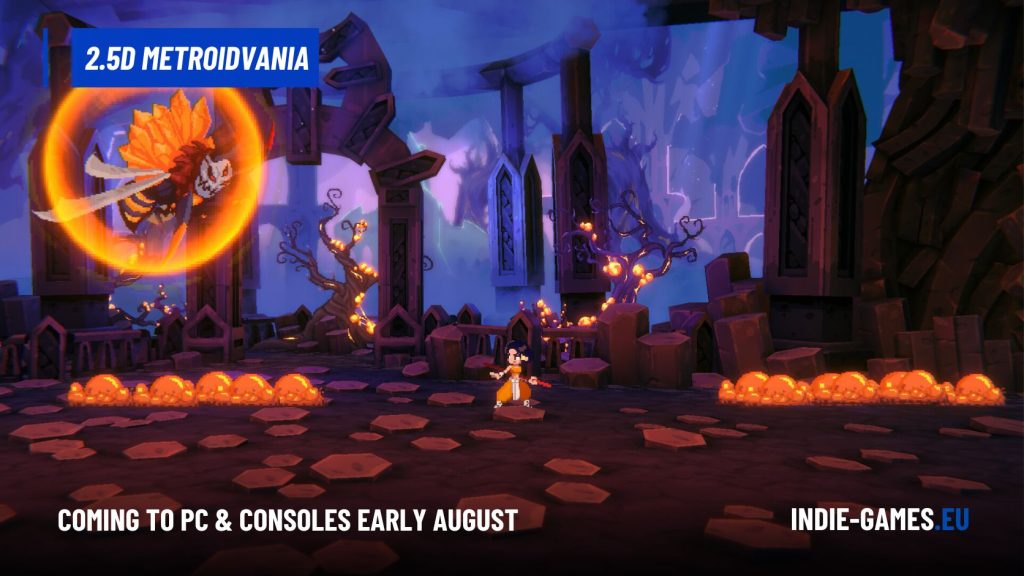
Akatori launches early August on PC and PlayStation and Xbox, featuring 2.5D Metroidvania action, parkour and staff-based combat.

Dodo Duckie! launches on PC and Xbox today, with PS5 and Switch versions arriving later in 2026, featuring unique 2D…
