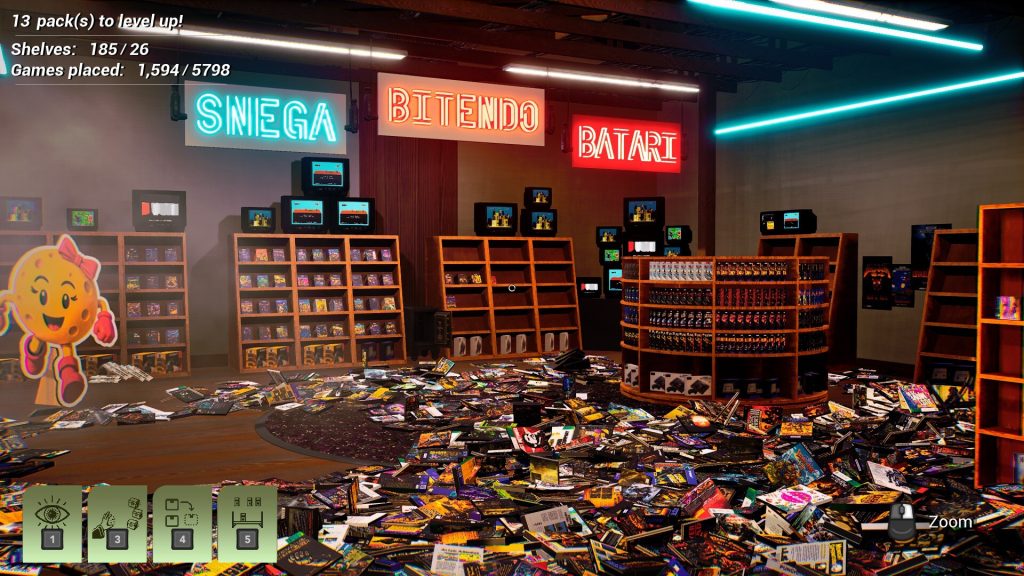
A Cat Scattered 5,798 Games Across This Cozy Supermarket Simulator
MY CAT SCATTERED GAMES asks players to organize 5,798 games and consoles before rescuing a cat trapped inside a claw…

If you enjoy independent indie game coverage, consider supporting Indie-Games.eu on Patreon. It helps keep the site independent.
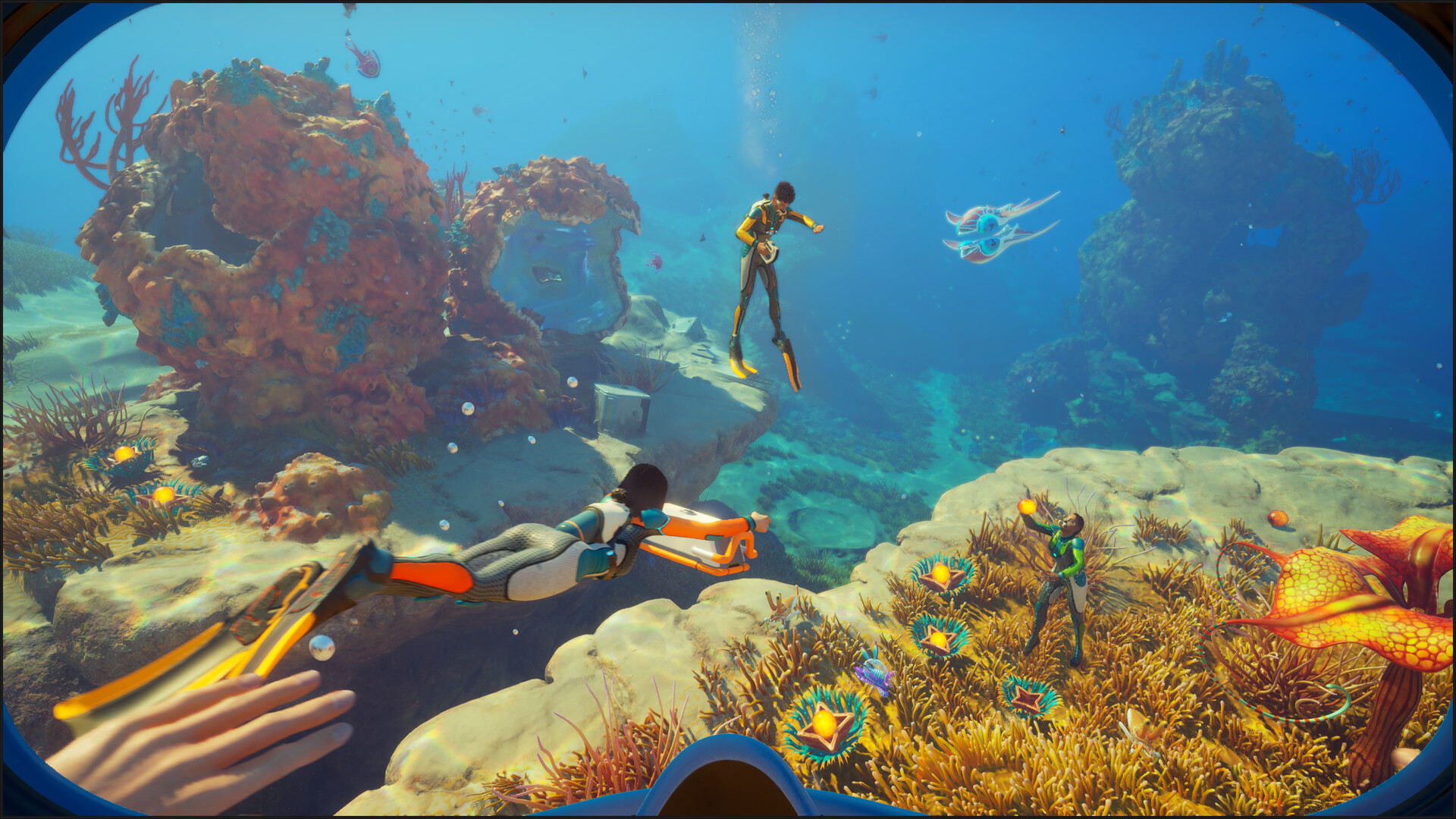
Subnautica 2 has quickly become one of the biggest PC launches of 2026. The long-awaited underwater survival sequel sold more than two million copies shortly after entering early access and peaked at over 460,000 concurrent players on Steam. But despite the strong launch, the conversation around the game shifted almost immediately away from gameplay and toward something most players normally ignore entirely: the EULA.
After launching the game, players were met with a lengthy End User License Agreement, and people who actually sat down to read it started sharing screenshots and discussions online. Before long, social media, Reddit threads, and Steam reviews were filled with debates about digital ownership, consumer rights, and how much control publishers should have over products people already paid for.
The biggest issue players seem to have is the wording around ownership itself. Like many modern digital games, Subnautica 2 technically grants users a revocable license rather than permanent ownership. While that practice is fairly common across the industry, critics argue the agreement here goes much further than expected, especially in how broadly the publisher can potentially restrict or revoke access.
Other controversial sections mention extensive data collection, limitations on liability, arbitration requirements in California, and restrictions involving external tools, VPN usage, exploits, or behavior considered damaging to the company’s reputation. Some players also took issue with clauses involving streaming, screenshots, mods, and user-created content tied to the game’s intellectual property.
A lot of the backlash seems to come less from any single clause and more from the overall tone and scope of the agreement. For many players, it became one of those rare moments where people actually stopped and realized how little ownership they truly have over digital purchases.
At the same time, others defended the situation, arguing that most of these terms are already standard practice and that the controversy mainly exposed how rarely players read EULAs in the first place. Still, because Unknown Worlds Entertainment built such a strong reputation over the years as a beloved indie studio, the reaction felt especially intense compared to what larger publishers might normally receive.
The situation also arrives during an already complicated period behind the scenes. Prior legal disputes involving Krafton and Unknown Worlds Entertainment reportedly revolved around major financial payout clauses tied to the game’s success. Following a court ruling that favored the developers, leadership was reinstated, and players noticed that Krafton was no longer listed as publisher on some storefronts.
To its credit, Unknown Worlds Entertainment has acknowledged community feedback and stated that it is reviewing concerns surrounding the EULA. Whether that leads to meaningful revisions remains to be seen, but for now, the controversy clearly hasn’t slowed the game down commercially.
MY CAT SCATTERED GAMES asks players to organize 5,798 games and consoles before rescuing a cat trapped inside a claw…
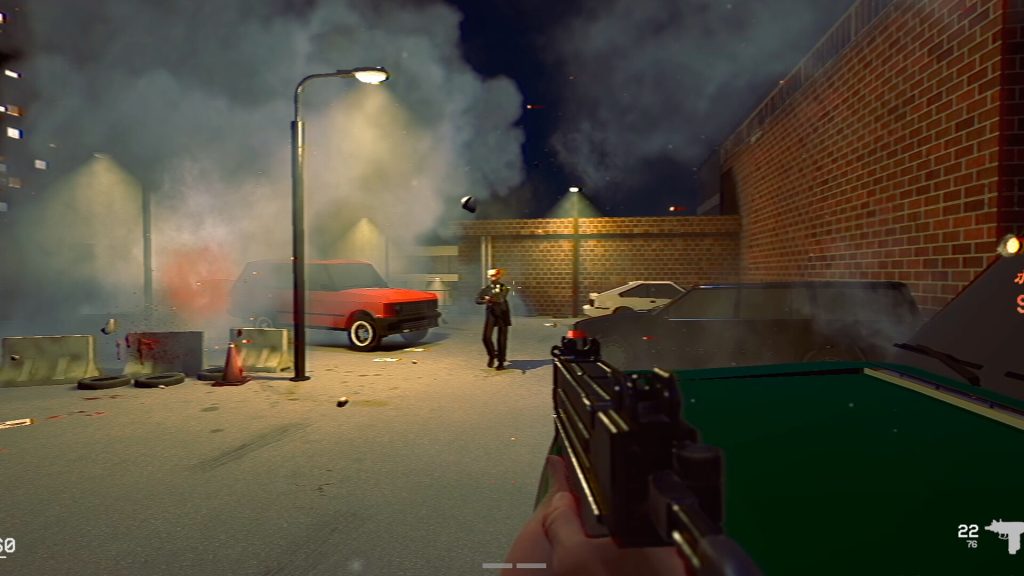
Retro corridor shooter Cop Bastard has partnered with Retrovibe for an October release, accompanied by a faster and more polished…
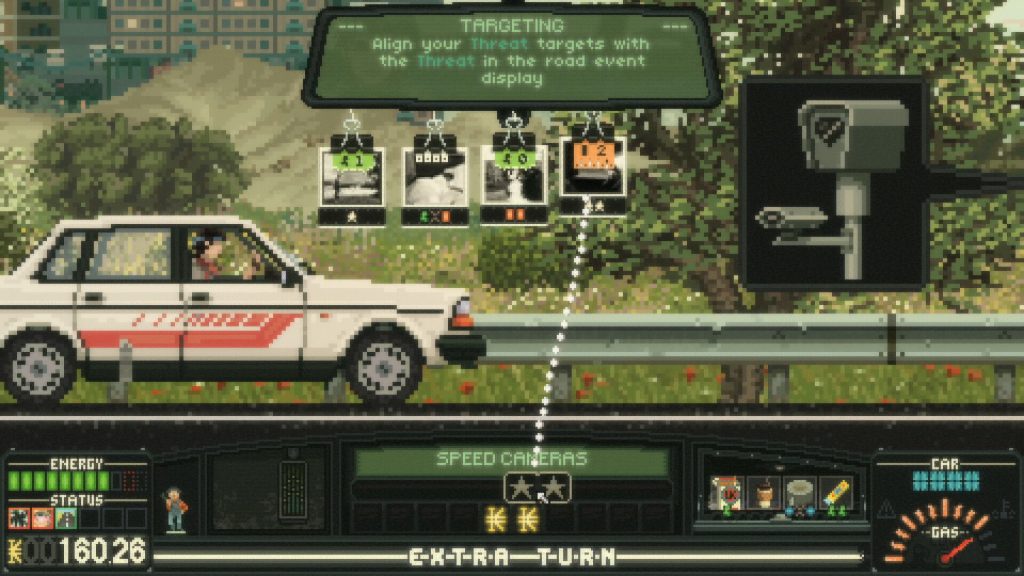
Keep Driving launches on Switch, PS5 and Xbox Series X|S on September 28 as its PC edition receives official Steam…
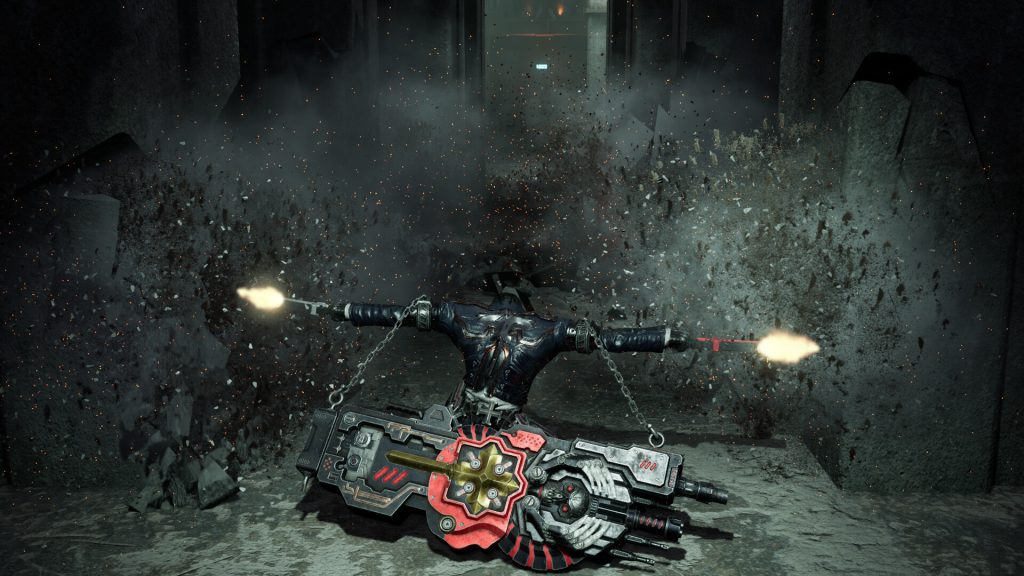
Gungrave G.O.R.E: Blood Heat shows its rebuilt combat, including parries, close-range attacks and faster 360-degree movement.
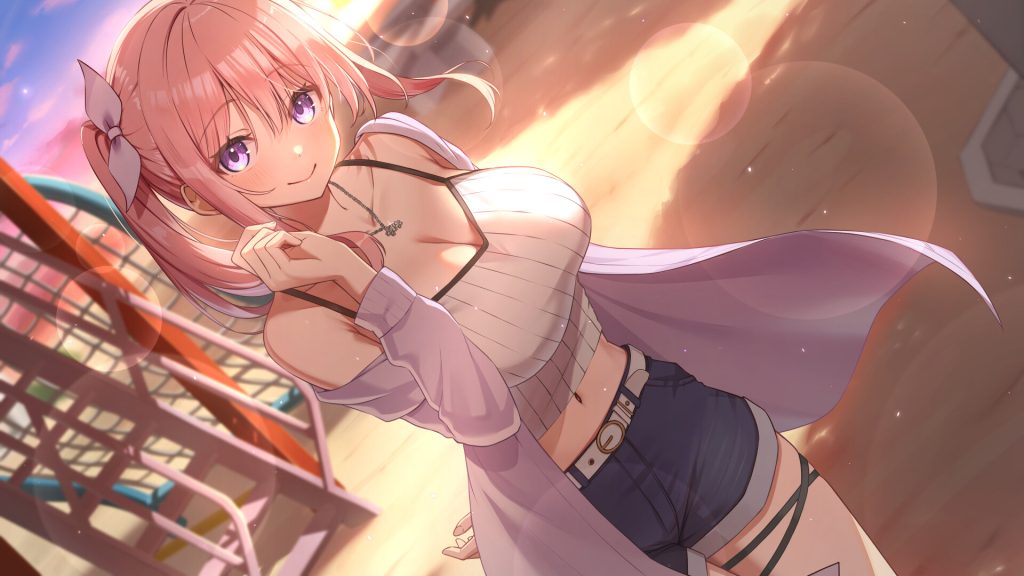
Sugar Lies follows a young man who hates dishonesty and a girl living behind a perfect persona when it launches…
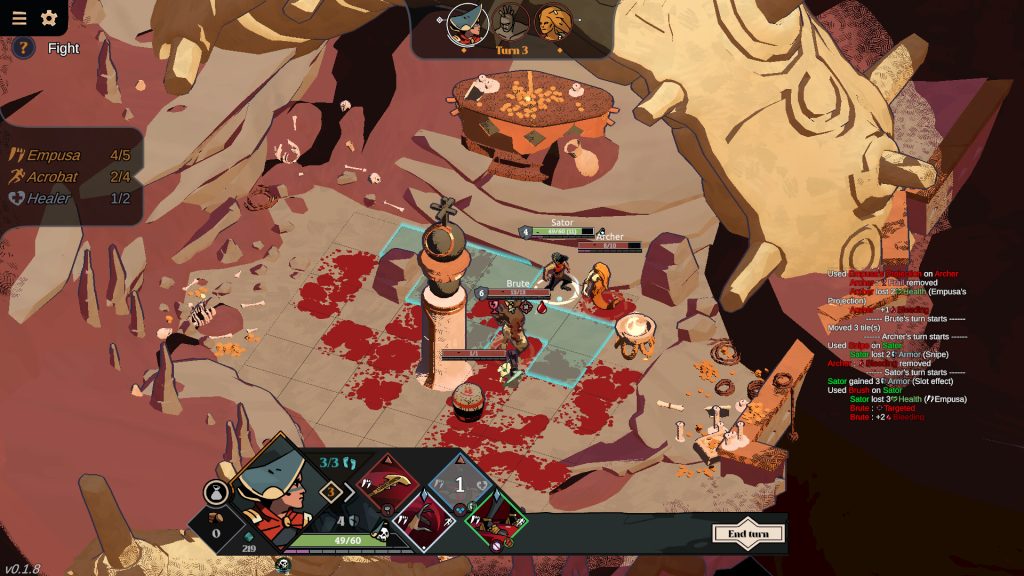
Deified leaves Steam Early Access on September 21 with its narrative ending, final boss floor, balance improvements and hidden content.
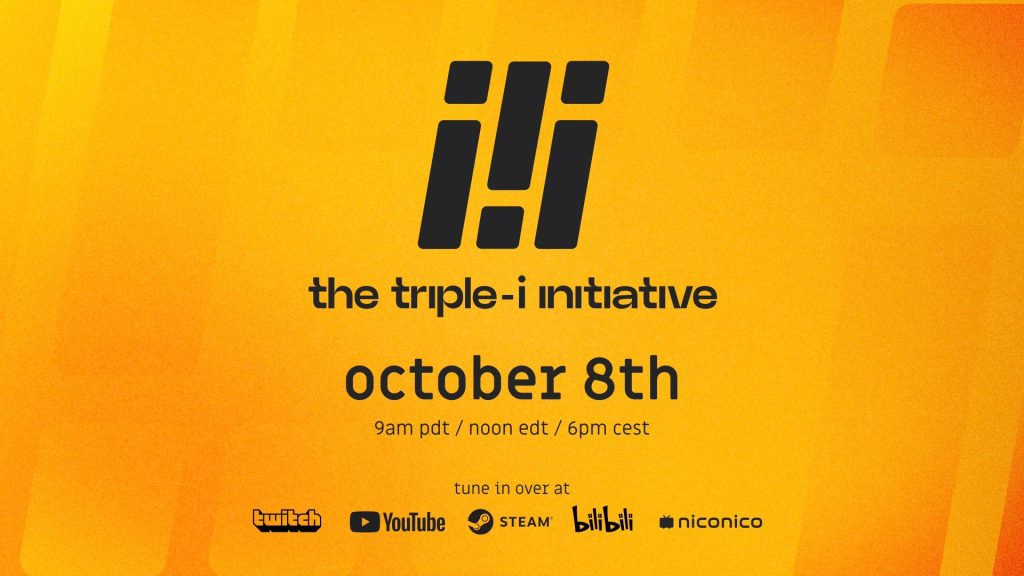
Triple-i Initiative returns October 8 with 40 games, eight world premieres and 45 minutes of trailers, release dates and reveals.
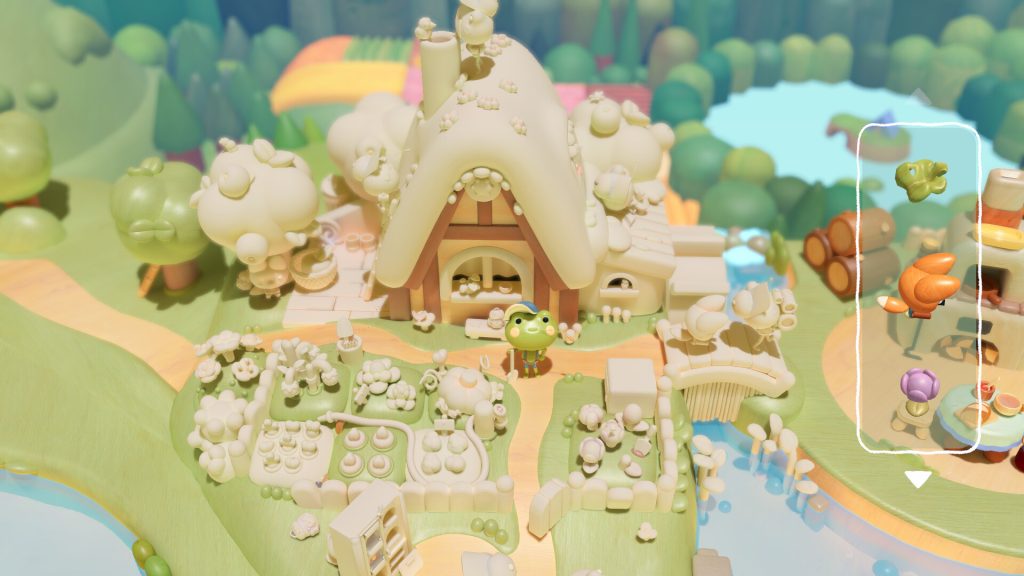
Woodo launches September 16, inviting players to rebuild childhood memories through cozy, handcrafted wooden dioramas.
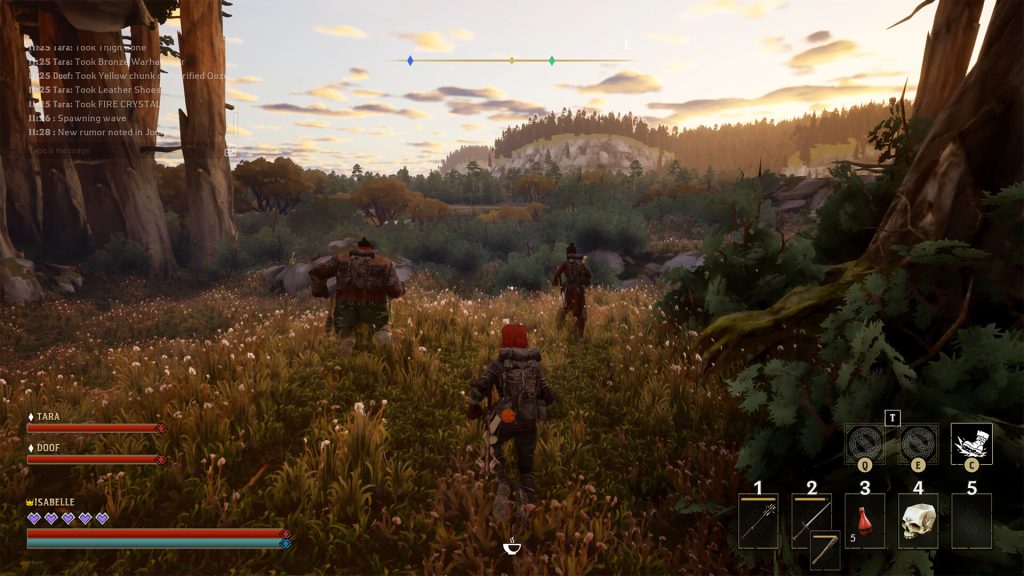
Curve Games signs Wyldheart in one of its biggest recent investments after the co-op RPG surpasses 375,000 Steam wishlists.
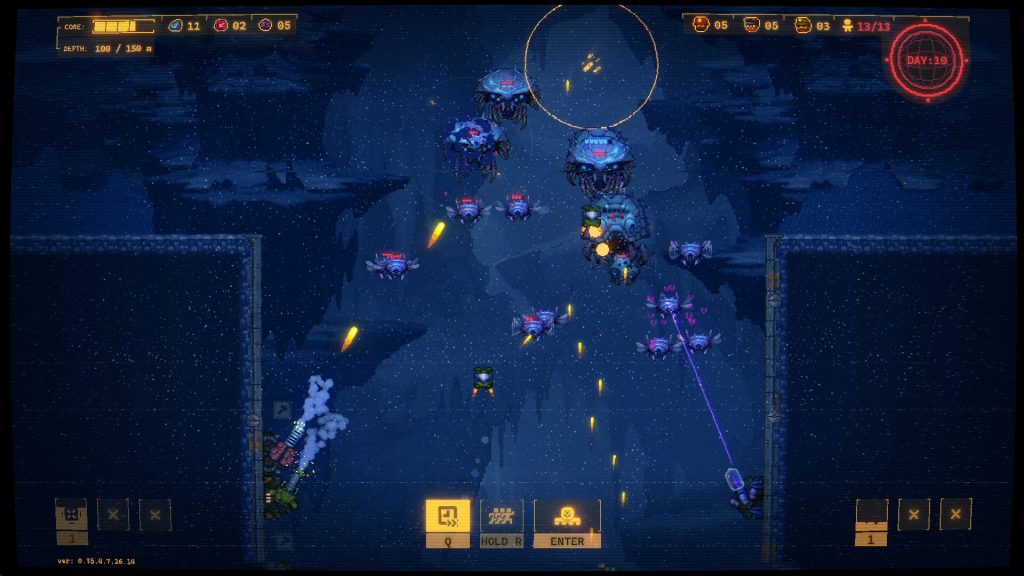
Drill Core’s free Anniversary Update adds Relaxed Mode, new bounties, specialists, platform skins and several quality-of-life improvements.
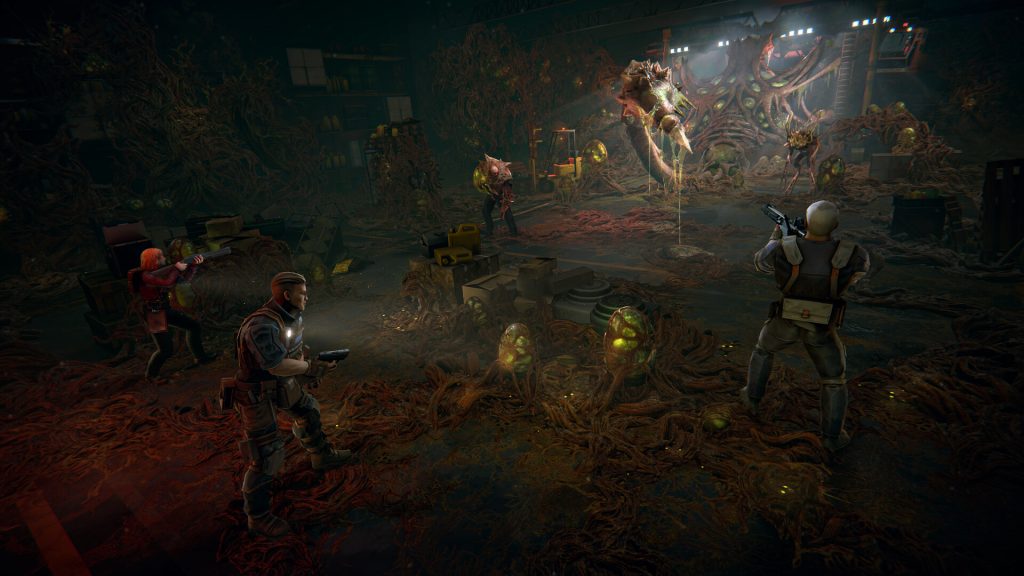
Critical Shift’s free two-hour demo combines real-time exploration with tactical combat inside a compromised Antarctic facility.
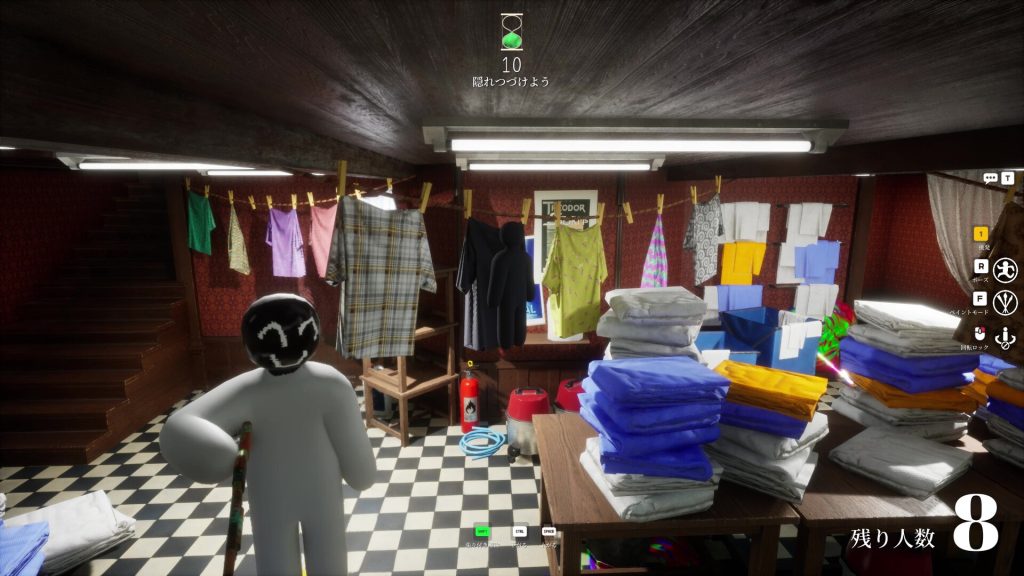
Meccha Chameleon brings its paint-based multiplayer hide-and-seek matches to Nintendo Switch 2 with a temporary $4.79 launch price.
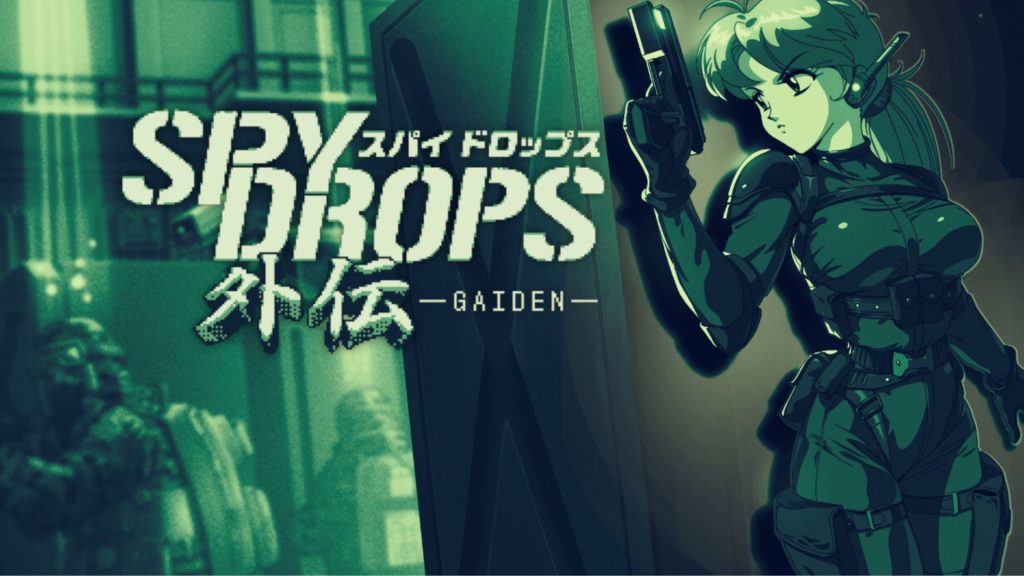
Spy Drops Gaiden brings Game Boy-style stealth, eight covert missions and intel extraction to Steam on October 12 for €4.99.
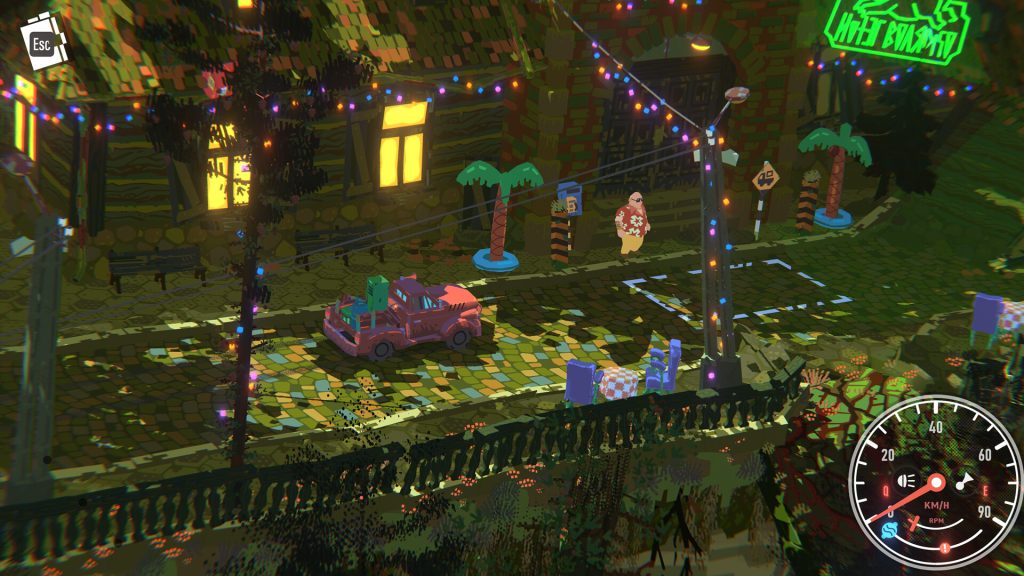
Truckful launches October 9 on Steam and Android, combining physics-based deliveries with vehicle upgrades and a mystery inside an ancient…
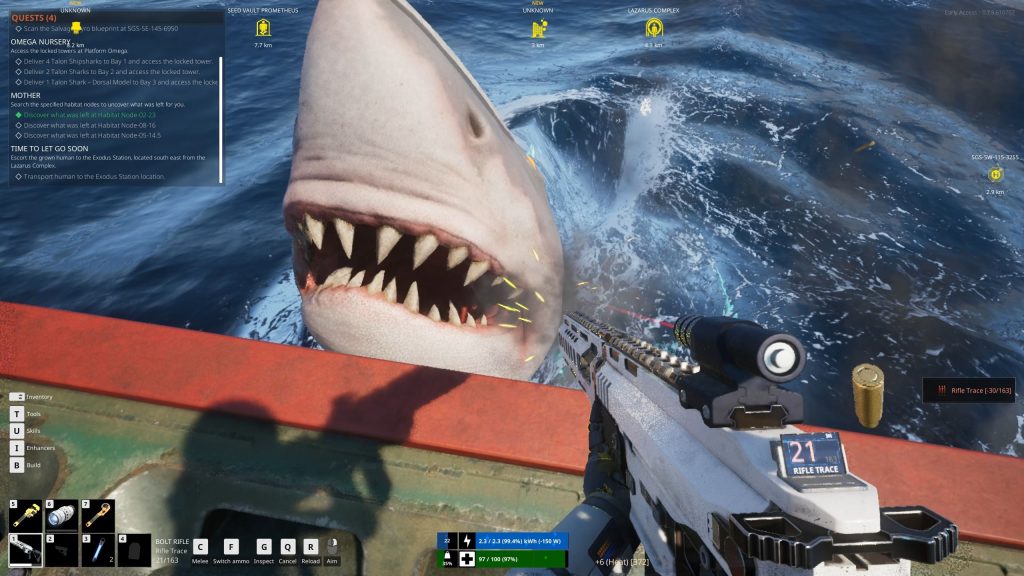
The Last Caretaker reaches version 1.0 in spring 2027 and joins Xbox Game Pass on day one after selling over…
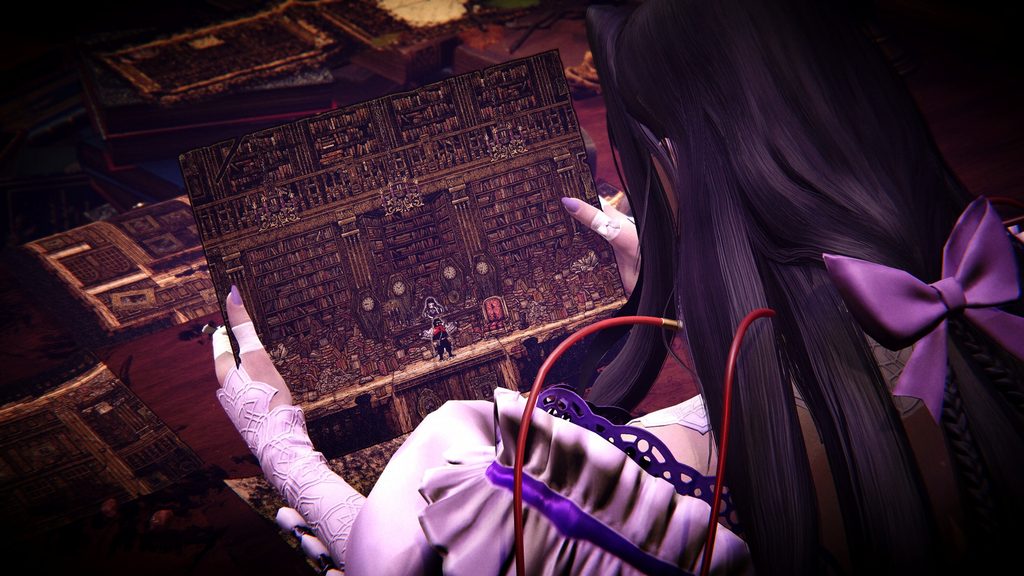
Chronoscript: The Endless End moves to early summer 2027 as DeskWorks! improves combat responsiveness, menus and visual readability.
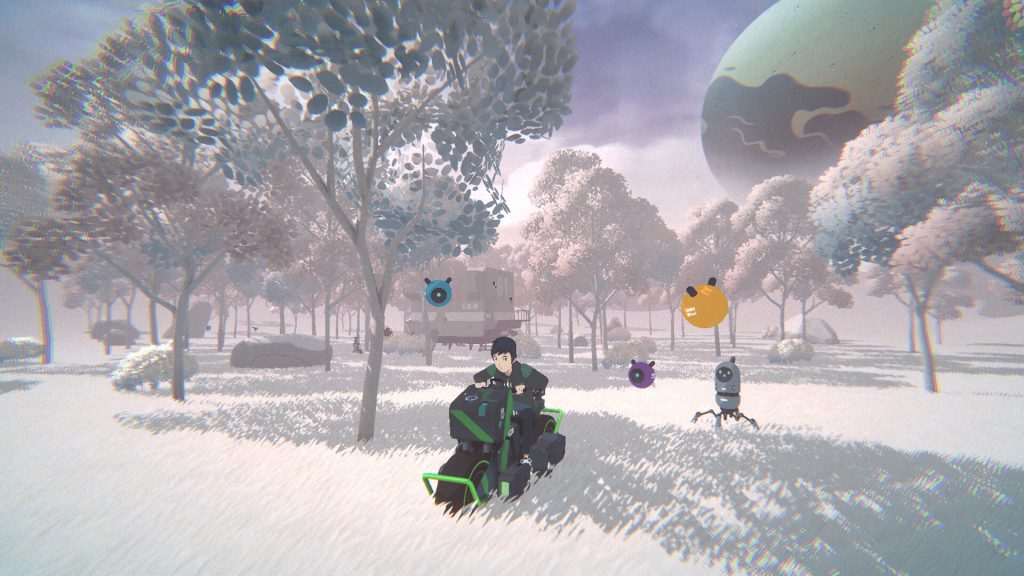
HEIMA is a parallel-world puzzle adventure from former Terra Battle developers, coming to PC in 2028 with SHIFT and HOLD…
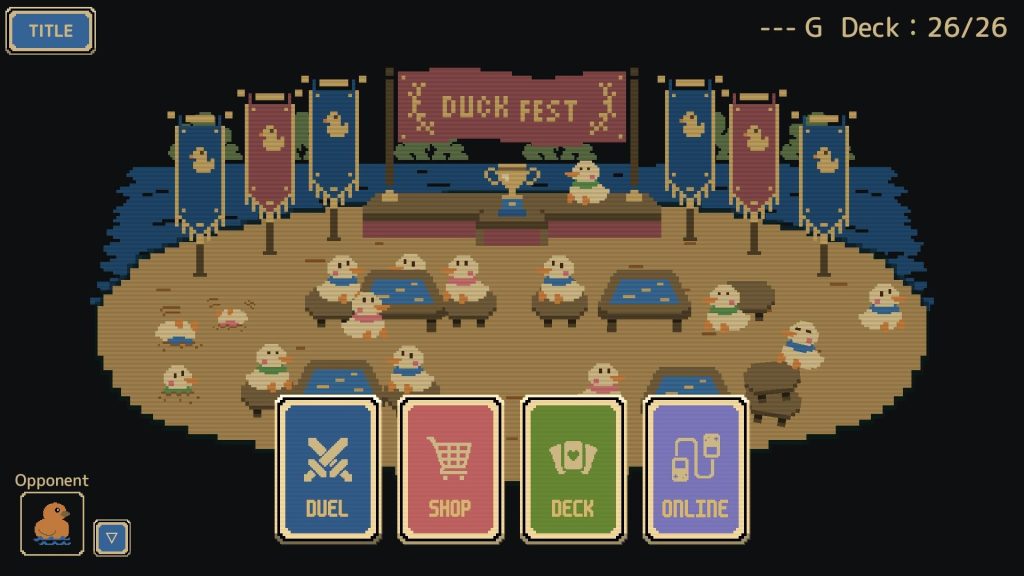
Duck Fest combines deck building and 1v1 battles with collectible cards that players can trade through the Steam Community Market.
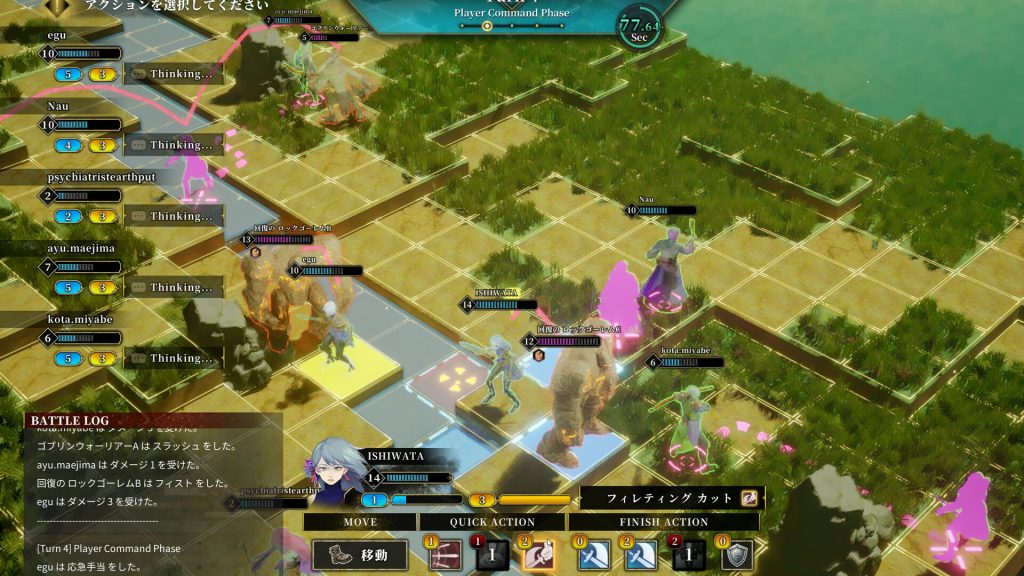
Tactful Tactics is a 1–6-player cooperative RPG where everyone plans and executes their actions simultaneously.
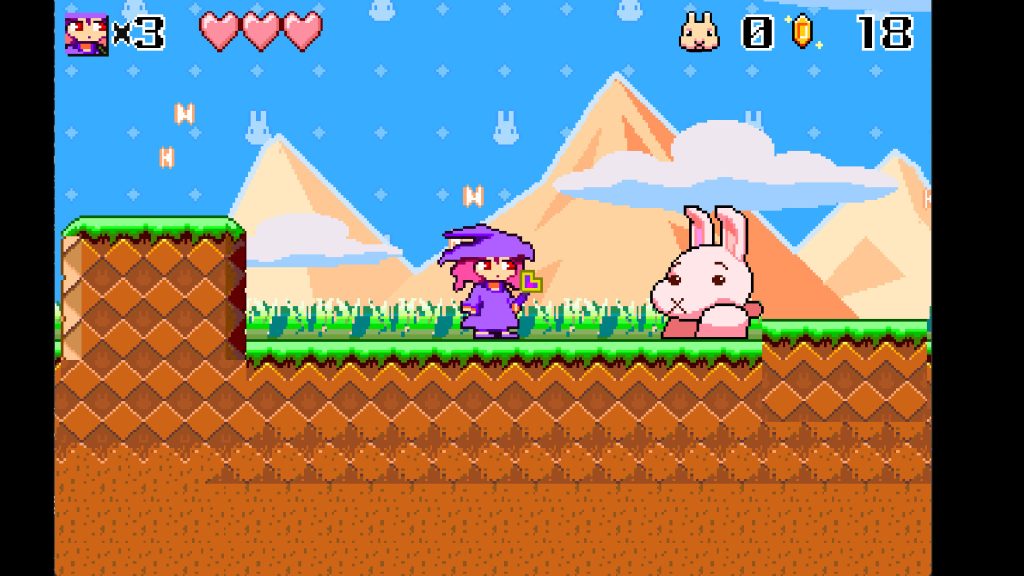
SakuSaku Witch is a retro-inspired 2D platformer about magic, bunny monsters and a suspicious toy company, coming to Steam in…
