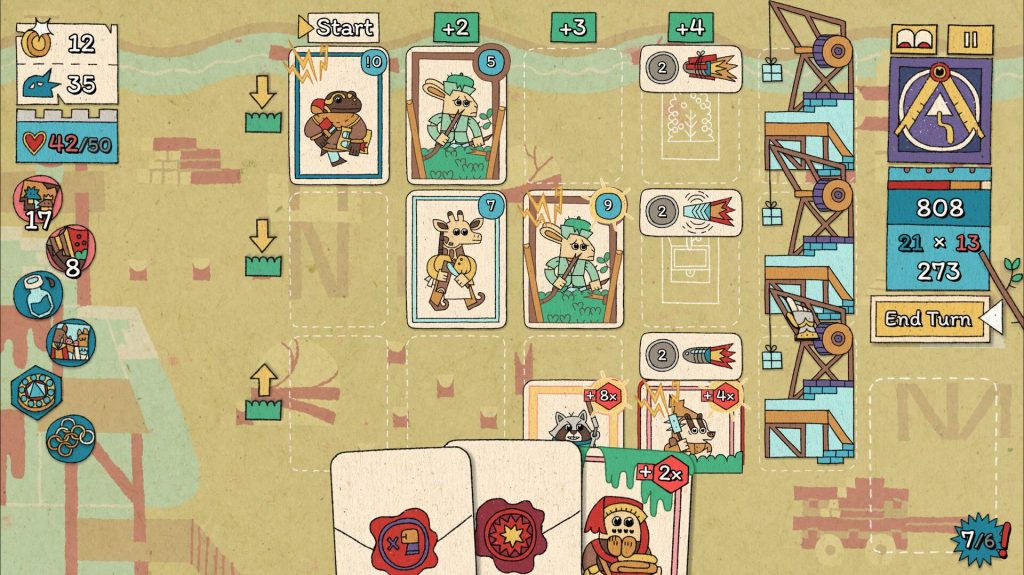
The Royal Writ Comes to Consoles and Game Pass Next Week
The Royal Writ will launch for PlayStation 5, Xbox Series X|S and Nintendo Switch on September 10th, alongside Xbox Game…

If you enjoy independent indie game coverage, consider supporting Indie-Games.eu on Patreon. It helps keep the site independent.
Steam has always been the biggest platform for PC gaming, but the numbers coming out of 2025 and 2026 are honestly staggering. According to data from SteamDB, a total of 21,489 games launched on Steam during 2025 alone. To put that into perspective, that’s an average of nearly 59 new games every single day.
The trend hasn’t slowed down either. By mid-May 2026, Steam had already added another 8,886 titles, pushing the platform’s lifetime catalog beyond 131,000 games. That’s a number that would have seemed unimaginable just a decade ago.
What’s particularly interesting is how quickly this growth happened. Back in the late 2000s, annual Steam releases were measured in the hundreds or low thousands. The landscape changed dramatically with the rise of accessible development tools like Unity, Unreal Engine, and Godot. Combined with Steam Direct lowering publishing barriers, suddenly small teams, solo developers, and hobbyists could release games to a global audience with far less difficulty than ever before.
In many ways, that’s a good thing. More games mean more creativity, more niche genres, and more opportunities for developers who might never have found a publisher in the past. Some of the most beloved indie hits of the last decade emerged precisely because platforms like Steam became more accessible.
The downside is that discoverability has become one of the biggest challenges in modern gaming. With tens of thousands of games launching every year, simply getting noticed is often harder than actually making the game. Many releases receive only a handful of reviews, while others disappear almost entirely without generating meaningful sales or attention.
Players have noticed the change too. Browse Steam’s new releases section on any given day and you’ll find everything from ambitious indie projects to asset flips, AI-generated experiments, shovelware, and countless clones of existing genres. The sheer volume can make it difficult to separate genuinely interesting games from low-effort releases.
This has sparked ongoing debates about whether Steam should be doing more curation. Some users want stricter approval standards, while others argue that open access is one of the platform’s greatest strengths. After all, tighter restrictions could make it harder for small developers to break into the industry in the first place.
For indie creators, the reality is becoming increasingly competitive. Launching a great game is no longer enough on its own. Marketing, community building, wishlists, content creators, and social media visibility now play a huge role in determining whether a project succeeds or vanishes beneath the flood of daily releases.
The Royal Writ will launch for PlayStation 5, Xbox Series X|S and Nintendo Switch on September 10th, alongside Xbox Game…
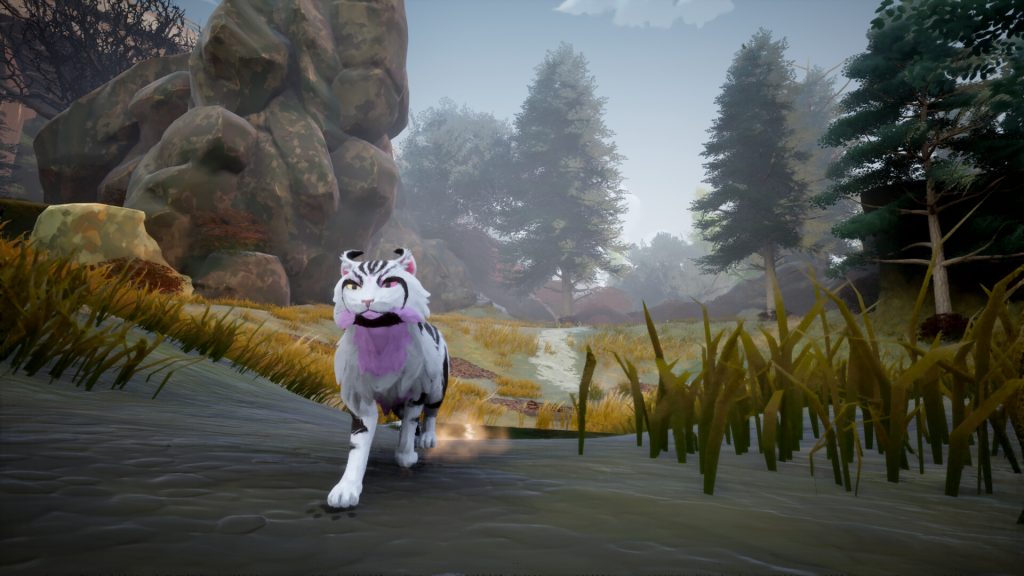
Warrior Cats: Clans of the Forest launches on October 23rd, 2026 for PC, PlayStation 5, Xbox Series X|S and both…
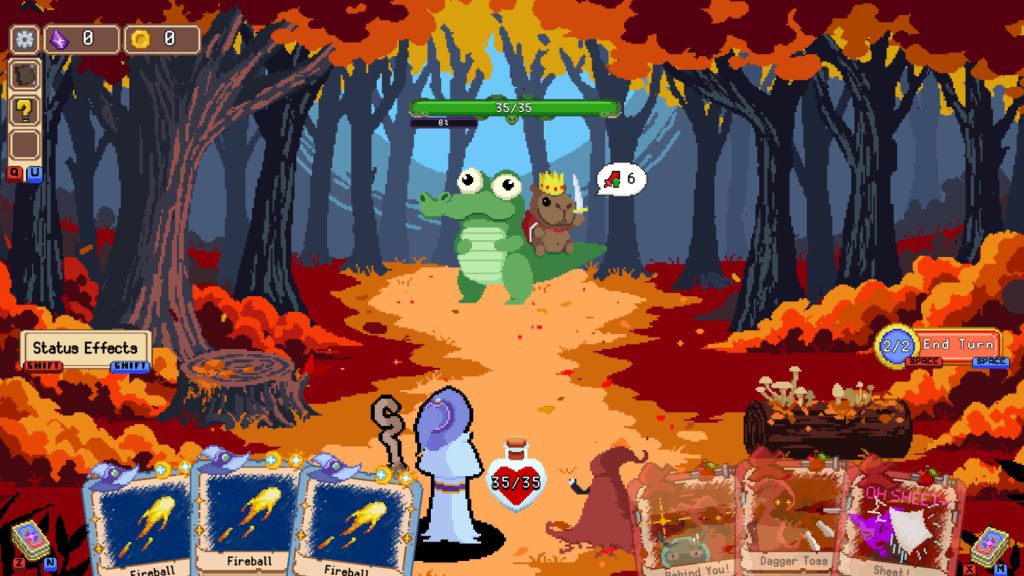
Duo Quest’s free Steam demo now supports online co-op ahead of the relationship-driven roguelite deckbuilder’s September 16th launch.
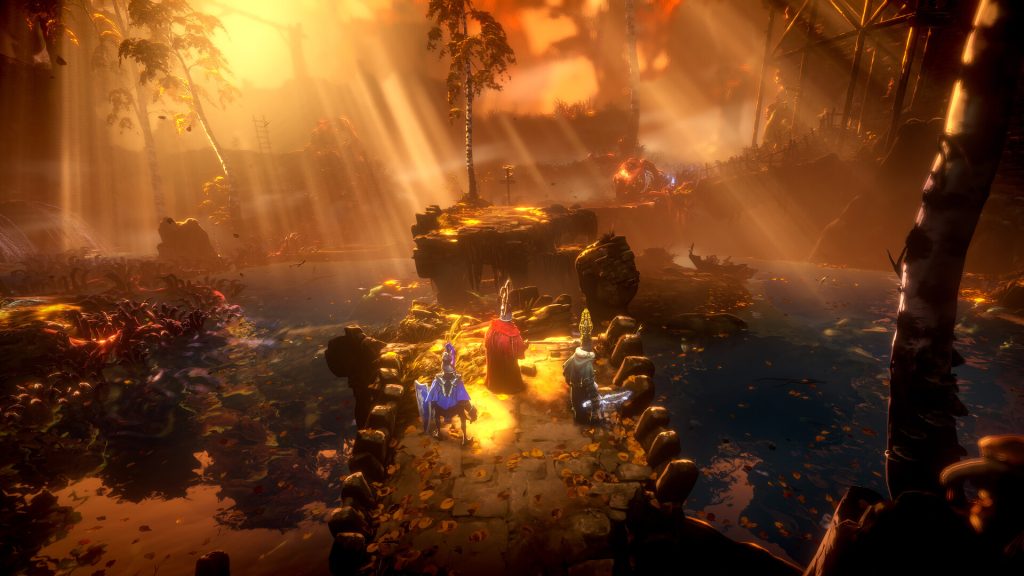
No Rest for the Wicked’s 1.0 release has been delayed to March 2027 on PC and PlayStation 5, with an…
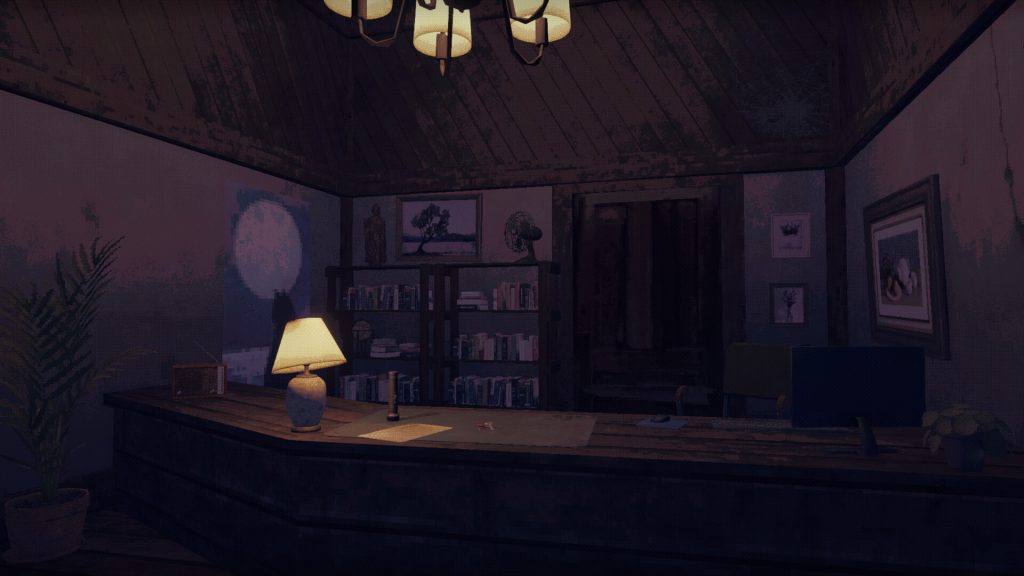
Springs, Eternal, the lo-fi narrative adventure from Fullbright and Serenity Forge, will launch for PC through Steam in November 2026.
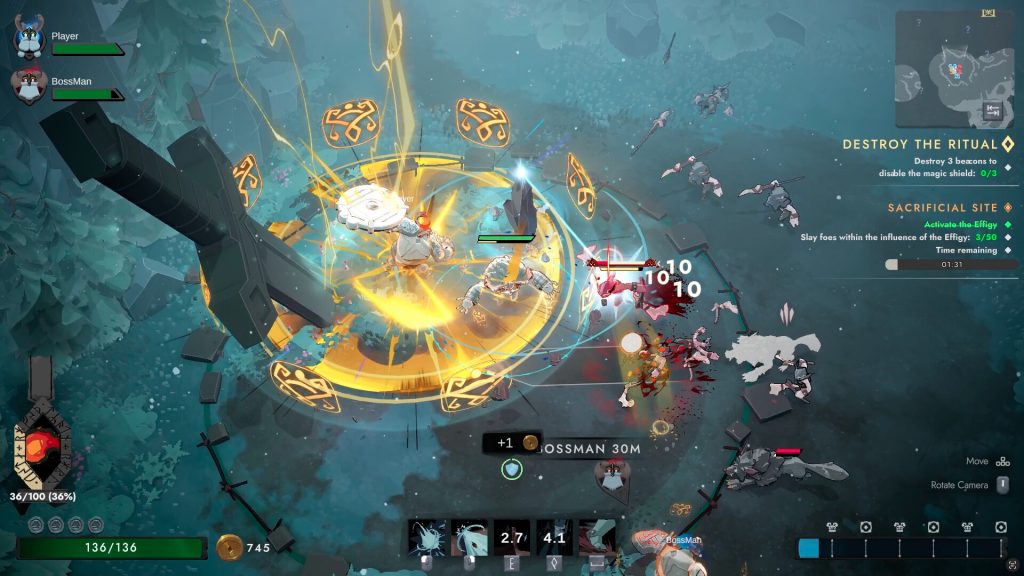
Chosen by Odin combines one-to-three-player co-op action, Norse mythology and shared dice-powered builds across dangerous roguelite expeditions.
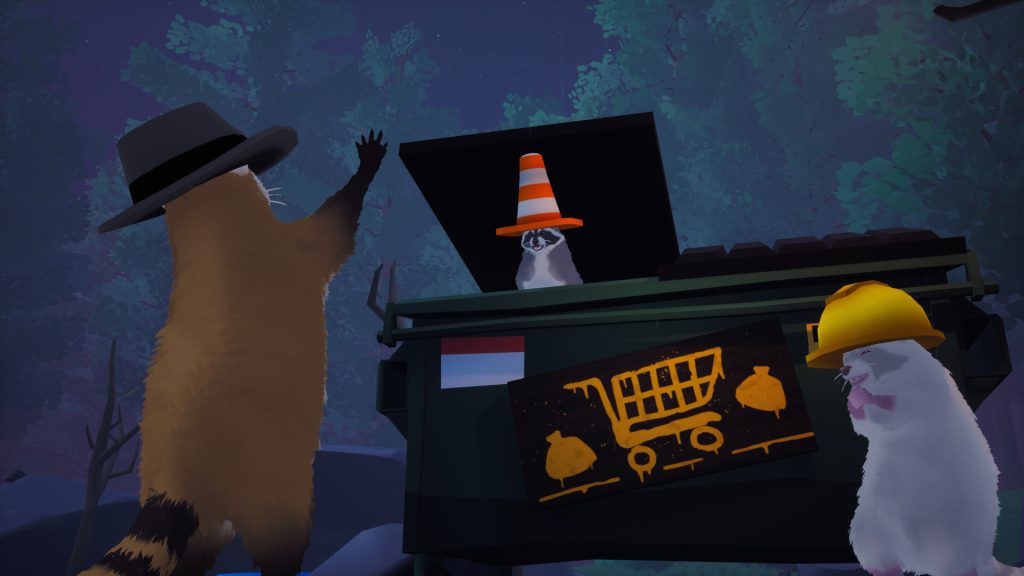
Dumpster Gang brings one-to-four-player raccoon chaos to PC in December 2026, with co-op missions, a customisable hideout and day-one PC…
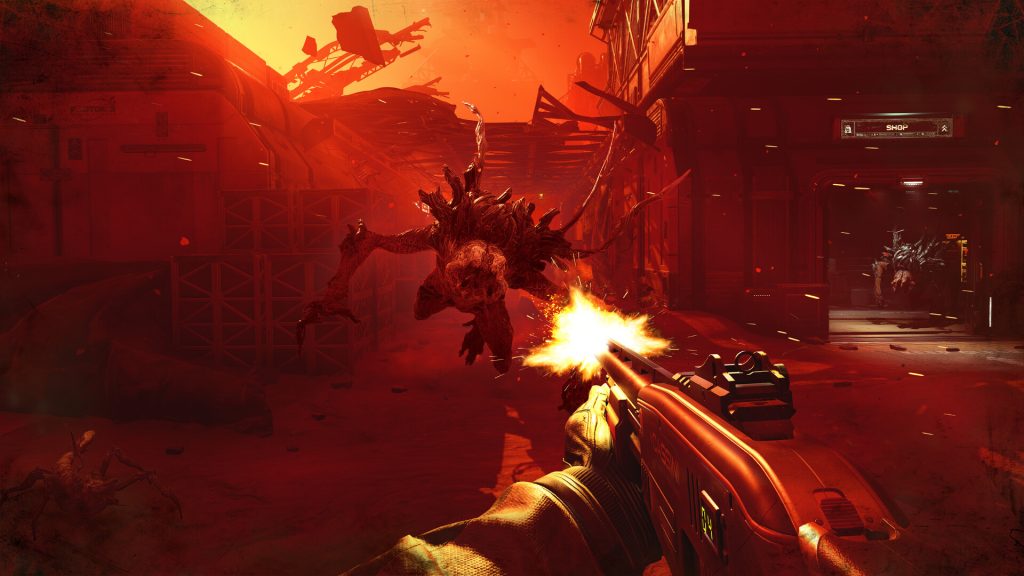
Alien Deathstorm launches in spring 2027 for PC, PlayStation 5 and Xbox Series X|S, with day-one Game Pass access and…

BUZZ or DIE turns prisoners’ darkest secrets into viral videos in a deadly game show visual novel coming to Steam…
![[GAMESCOM 2026] Chronicles: Medieval Looks Far More Ambitious Than a Simple Mount & Blade Rival](https://www.indie-games.eu/wp-content/uploads/2026/09/Chronicles-Medieval-10-1024x640.jpg)
Chronicles: Medieval was one of the most ambitious games I saw at Gamescom 2026. Raw Power Games is not merely…
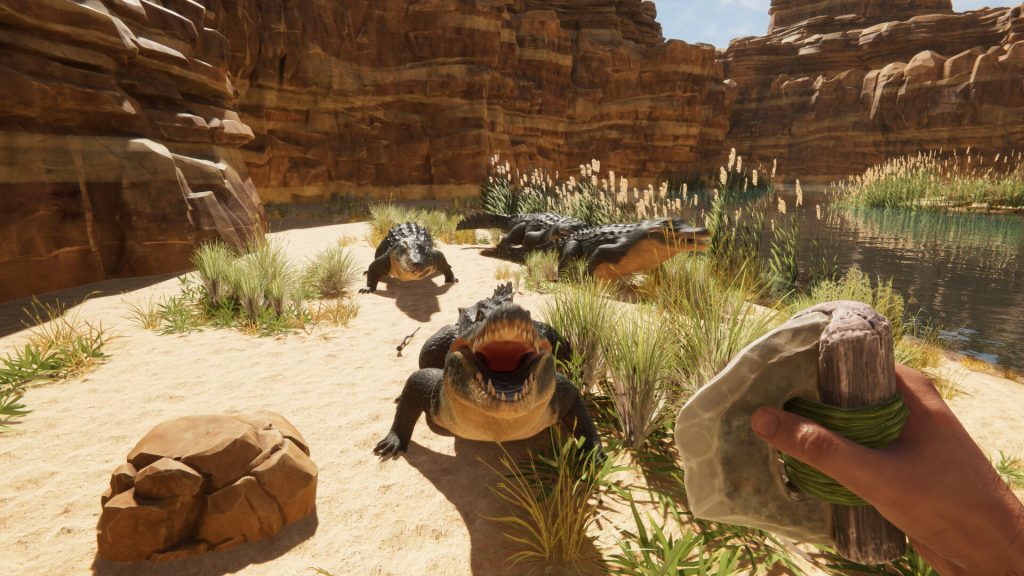
Stranded Deep 2 leaves the Pacific for an endless desert river world with mobile bases, dynamic terrain and co-op in…
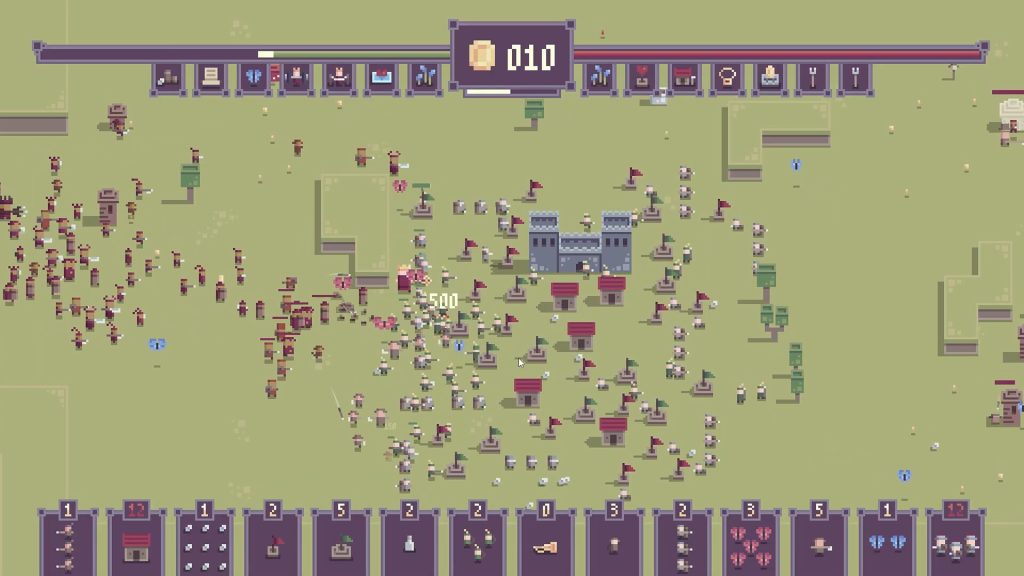
Kinghold’s Steam demo introduces its 20-second wave cycle, directly controlled king, autonomous armies and card-based battlefield strategy.
The Wind’s Path receives a DRM-free physical PC edition from We The Indies, preserving the fast top-down platformer on disc.
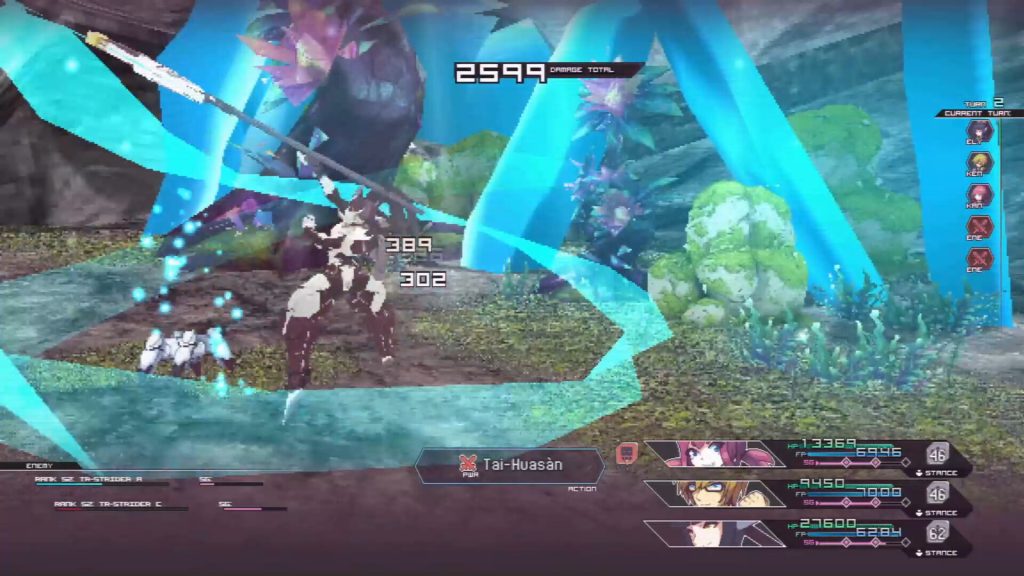
Lie of Caelum: Spirit launches a $34,000 Kickstarter for its retro-styled mecha JRPG, with Motoi Sakuraba attached as a guest…
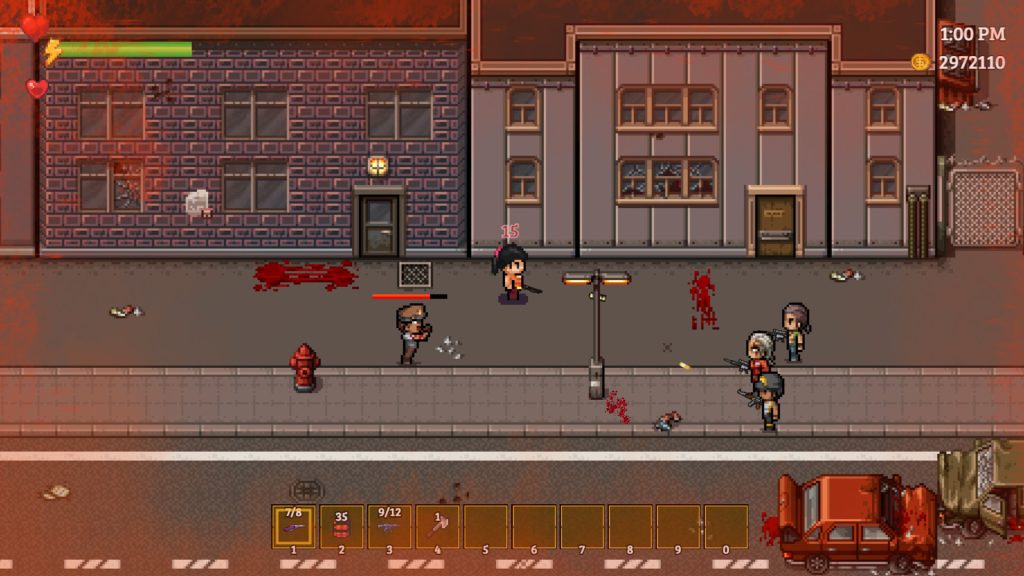
Ashfield Hollow launches a roughly ten-hour Steam demo covering 50 in-game days, with transferable saves and extensive sandbox settings.
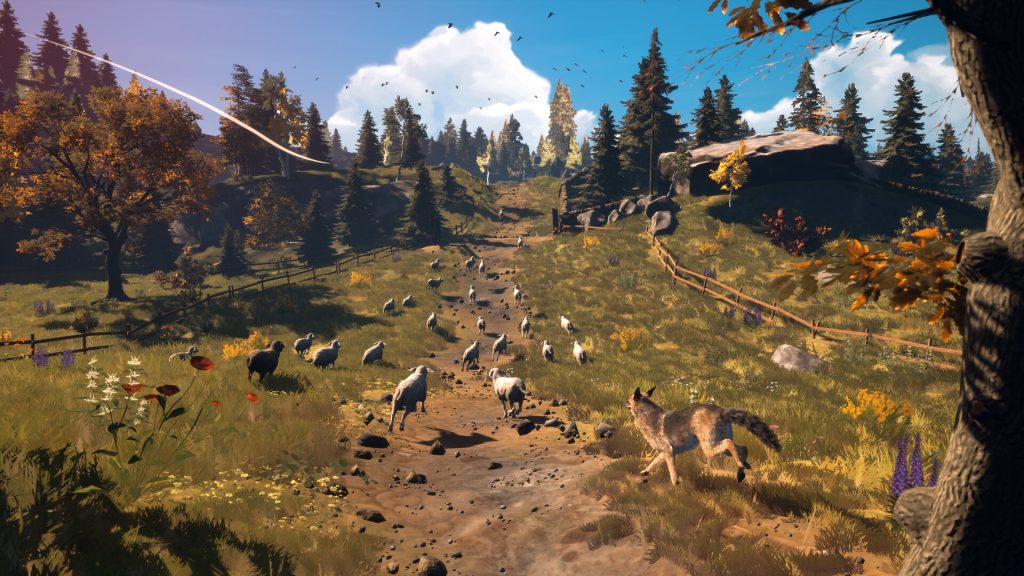
Hubert launches for PC through Steam in October 2026, placing players in the paws of a shepherd dog protecting his…
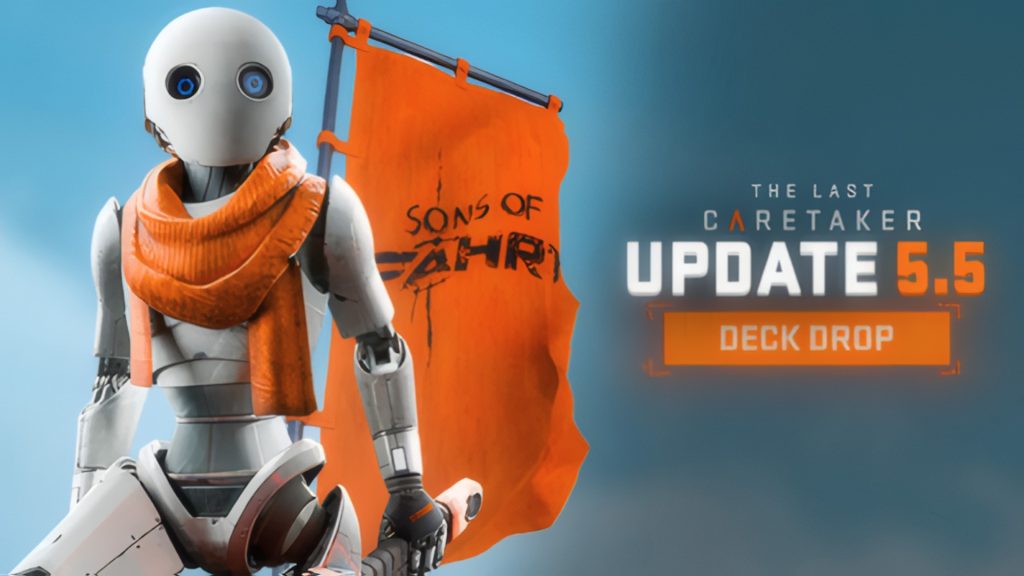
The Last Caretaker Update 5.5: Deck Drop adds 11 storage modules, new questlines, locations and extensive technical improvements.
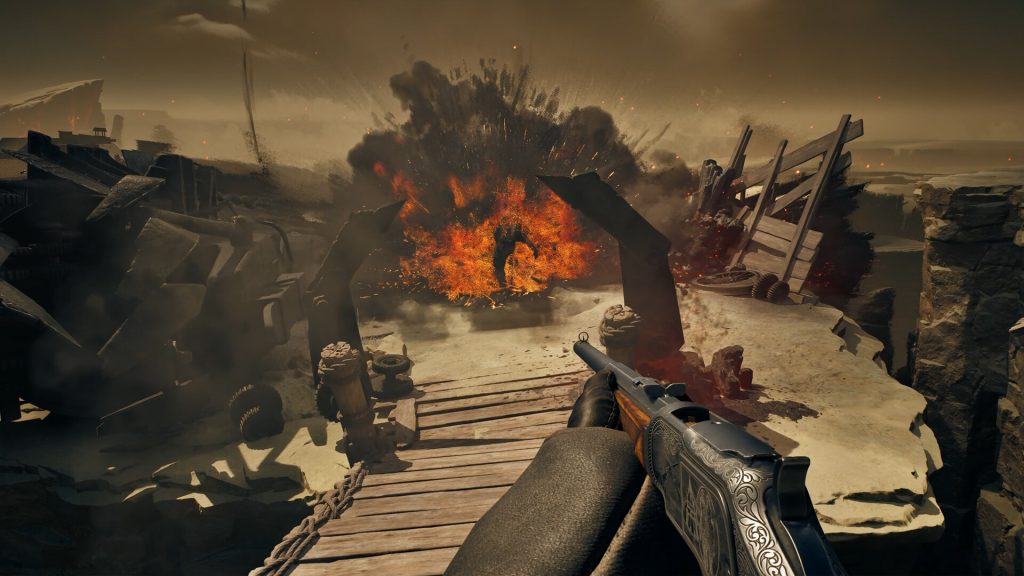
Guns of Eschaton targets a 2026 launch with deliberate Soulslike gunplay, cooperative progression and an occult Western setting.
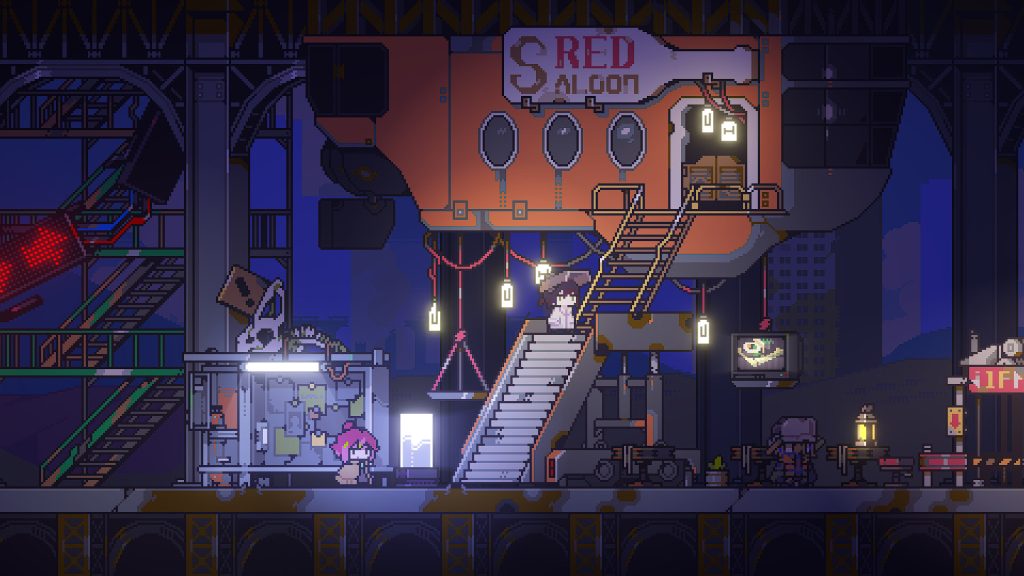
Doloc Town surpasses 180,000 lifetime sales after selling more than 80,000 copies during the first two weeks following its Version…
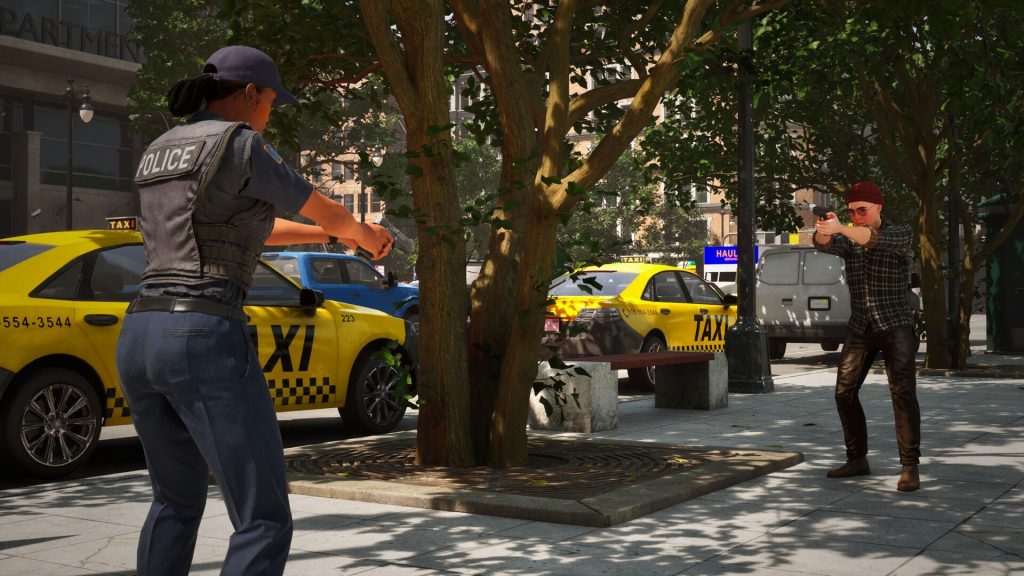
Police Simulator introduces K-9 patrols, more than 50 callouts and full cross-play when it launches for PC and consoles in…
