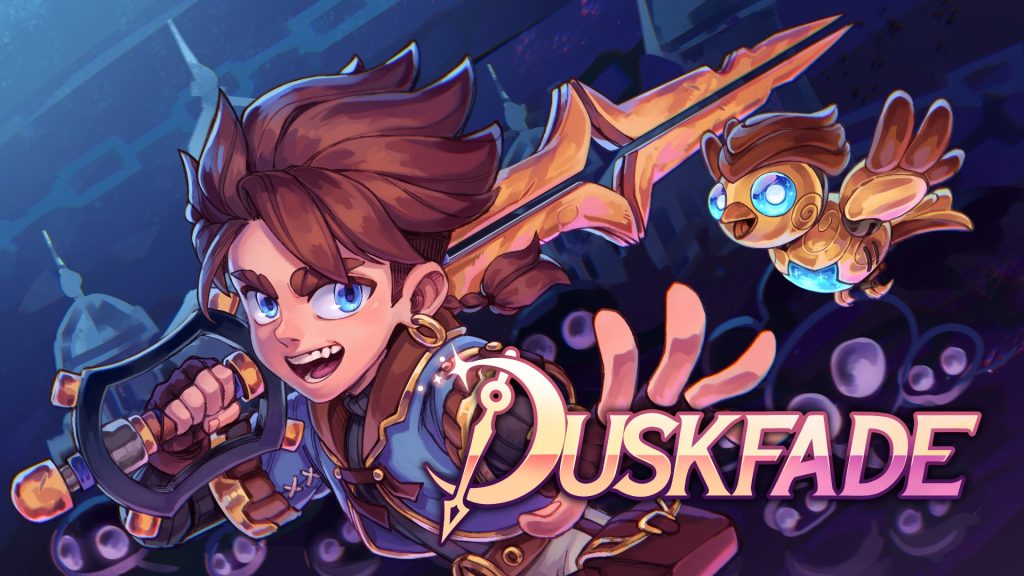
Duskfade – The PS2 Era Returns With All Its Strengths and Weaknesses
Duskfade is worth considering for players who miss colourful PS2-style action-platformers and can tolerate basic combat, floaty movement and backtracking.

If you enjoy independent indie game coverage, consider supporting Indie-Games.eu on Patreon. It helps keep the site independent.
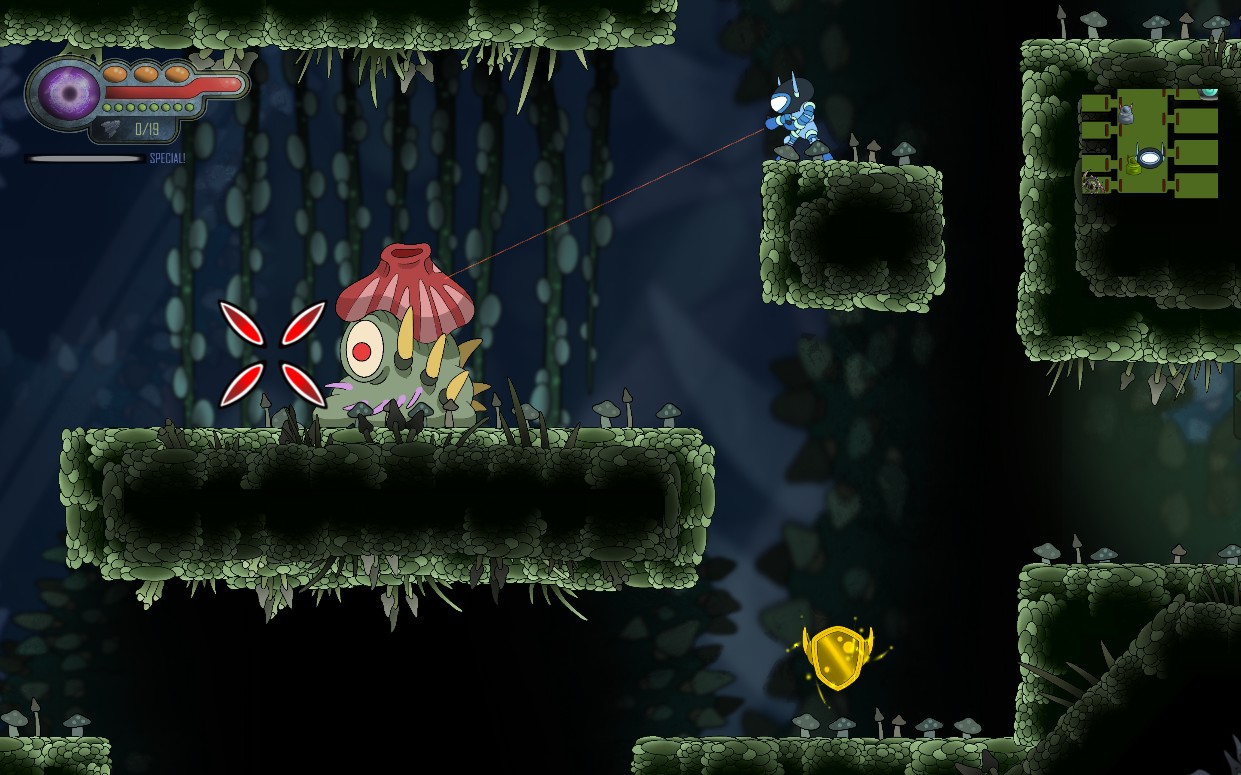
Several Metroidvania games are coming out at the end of January, including Somber Echoes and ReSetna, which might appeal to fans of the genre. However, before them, there’s another title that might catch your attention — Super Roboy. While it may not have spectacular graphics or complicated mechanics, this Metroidvania offers a likeable protagonist, an interesting story, and fun gameplay. With its large world full of collectibles, simple platforming elements, and fast-paced action, the game manages to strike a good balance between exploration and progression.
The story in Super Roboy is simple but surprisingly layered. The contrast between Roboy’s childlike innocence and the story’s darker themes creates an intriguing dynamic. Roboy also has a guide who assists him throughout the adventure, with occasional humorous dialogues between them. Main quests are clearly marked, while side missions encourage exploration and the discovery of hidden areas on the map. Additionally, the game features cutscenes and comic-style explanations that provide better insight into its world.

Super Roboy delivers everything you’d expect from a classic Metroidvania game. Roboy can run, jump, shoot, and slide, while additional abilities are unlocked as you progress. Later, you gain access to two types of special shots, along with the ability to use a melee attack. For example, there’s a charge attack that lets you focus on a specific enemy, activating an explosive attack when fully charged. As you advance, Roboy also receives elemental upgrades for his weapon, like fire, which changes the effects of explosions. These elemental abilities are crucial for solving the puzzles scattered across the various zones of the game.
A key aspect of the game is the ability to level up. There are three areas you can upgrade, with each subsequent level costing more essence. The first is Aim, which improves the speed of targeting enemies and increases the charge speed of special shots. The second is Vitality, which increases Roboy’s total health points, while the third is Strength, which increases the overall power of his weapons and abilities.
As for abilities, Roboy learns them directly from his enemies. In most cases, these abilities act as passive bonuses rather than active skills (you can use several at once). Essentially, they are the same moves that enemies use against you. Some abilities require you to defeat only one enemy, such as a boss, while others require multiple defeats of different enemy types. Once you explore and find the corresponding colored crystal, you can immediately purchase the new skill.


My favorite part of the game is the diversity of the biomes you can explore, each with a unique theme and distinct atmosphere. The game offers a significant amount of content, with approximately 10–12 hours of gameplay, and a multitude of enemies inhabiting these areas. The entire world is interconnected, with clear indicators if certain enemies or areas are too difficult for your current level, encouraging you to return later when you’ve progressed further.
If you choose not to explore, you might miss some of the game’s interesting aspects. For instance, you can find items to expand your health bar, discover crystals to unlock new areas, and utilize the teleportation mechanic for fast travel between biomes. Regarding the platforming elements, the mechanics are quite simple, involving basic jumping and trap evasion. However, the level design often looks similar between biomes, with differences mainly in the background and atmosphere.
The map system is particularly well-designed. It features a huge interconnected room layout, and within each biome, you can find a compass or map upgrades that reveal everything in that area. This greatly speeds up gameplay by removing the guesswork, making navigation much more pleasant and easier.
On the other hand, the boss fights are truly good. They showcase creative designs, diverse attack patterns, and rewarding challenges. The inclusion of optional bosses adds replayability and extra excitement for those who like to explore everything to the end. In fact, defeating bosses is required to advance in the game. However, they are not overly difficult to defeat, as they attack the same way every time, which makes them predictable and might not suit everyone’s taste.

Does this game have any major flaws? Not really, but there are a few minor annoyances worth mentioning. First, you can’t just hold down the button to fire quickly; you have to constantly press it, which can be tiring. I played with a controller because the keyboard controls felt a bit too complicated at the start, and I didn’t feel like learning them.
The second thing is the game’s extensive achievement list. While finishing the game from start to end is satisfying, even if you find and do everything, you’ll be left with about 20–30 achievements. They are clearly designed for speedrunners and players who are willing to face the hardest mode or complete the game without saving. Unfortunately, there’s no New Game Plus mode where you could carry over your skills and play at a higher difficulty.
Super Roboy is an excellent Metroidvania game that offers plenty of content for all types of players. The game is designed to be fast and efficient, meaning it won’t waste your time. You simply need to explore and travel as much as possible to unlock everything the game has to offer. On normal difficulty, the game is quite lenient, and the enemies aren’t too demanding. All in all, this is a solid choice, and you won’t regret adding it to your collection.
| Pros | Cons |
|---|---|
| Varied and beautiful biomes. | Room design could be more dynamic. |
| World exploration is rewarding. | Shooting can stutter at times. |
| Excellent boss fights. | |
| Simple platforming elements. |
Review copy provided by the publisher
Duskfade is worth considering for players who miss colourful PS2-style action-platformers and can tolerate basic combat, floaty movement and backtracking.

Man I Just Wanna Go Home is a noir crime story with visuals from MS Paint and life-or-death choices.
![[GAMESCOM 2026] Vikings Dynasty Preview – Expands the Dynasty Formula](https://www.indie-games.eu/wp-content/uploads/2026/09/Viking-Dynasty-09-21-26-2-1024x576.jpg)
After showing me Prospera at Gamescom 2026, Toplitz Productions' Mathias Oertel moved to a very different kind of settlement builder.…
![[GAMESCOM 2026] Prospera Preview – Production, Prosperity and Victorian Industry](https://www.indie-games.eu/wp-content/uploads/2026/09/Prospera-09-21-26-5-1024x576.jpg)
At Gamescom 2026, I met with Toplitz Productions' Mathias Oertel for a guided presentation of two upcoming games. One of…
Golden Swirl inventive card combat carries the experience, but repetitive rooms, weak upgrades and excessive dialogue hold it back.
![[GAMESCOM 2026] Wilderdark Preview – Ambitious Dinosaur Horror Game That Still Has Plenty to Prove](https://www.indie-games.eu/wp-content/uploads/2026/09/Wilderdark-1024x576.jpg)
Dinosaur survival horror game Wilderdark has one of those premises that immediately makes you wonder why more games have not…
![[PREVIEW] Tiny Metal 2 – Strategy Game That Wants You to Learn From Every Mistake](https://www.indie-games.eu/wp-content/uploads/2026/09/Tiny-Metal-2-1024x576.jpg)
I rarely enjoy discovering that my opening strategy was completely wrong, but Tiny Metal 2 made that process one of…
![[PREVIEW] Remothered: Red Nun’s Legacy – Ambitious Survival Horror That Needs More Polish](https://www.indie-games.eu/wp-content/uploads/2026/09/Remothered-Red-Nuns-Legacy-4-1024x576.jpg)
Remothered: Red Nun’s Legacy has a gripping atmosphere and promising survival tools, but its repetitive hiding and rough visuals need…
The Alighieri Circle: Dante’s Bloodline is difficult to recommend beyond players who are especially interested in Dante or enjoy solving…
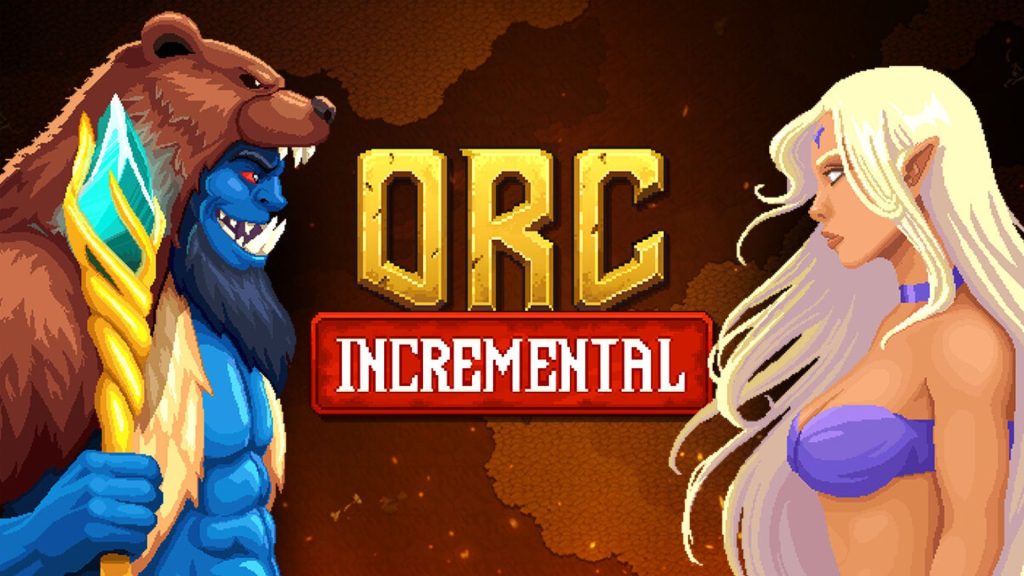
Orc Incremental offers satisfying progression, entertaining totem combinations and enough content to justify its affordable price.
![[GAMESCOM 2026] Chronoscript: The Endless End Preview – Beautiful Pages Hide Deliberate Combat](https://www.indie-games.eu/wp-content/uploads/2026/09/Chronoscript-The-Endless-End-1-1024x576.jpg)
Chronoscript: The Endless End stands out from other Metroidvanias by blending 2D manuscript worlds with exploration inside a 3D manor.
![[GAMESCOM 2026] MegaGum Preview – Combat Hits Hard in This Sticky Platforming Adventure](https://www.indie-games.eu/wp-content/uploads/2026/09/MegaGum-09-09-26-5-1024x576.jpg)
MegaGum combines hard-hitting combat, varied weapons and Gum-powered platforming in a promising Gamescom 2026 demo.
![[GAMESCOM 2026] Delphinium Preview – Cozy Routine Mixed With Enjoyable Minigames](https://www.indie-games.eu/wp-content/uploads/2026/03/Delphinium--1024x665.jpg)
Delphinium mixes cozy farming, exploration and relationships with enjoyable fishing, cooking and forging minigames in its Gamescom 2026 demo.
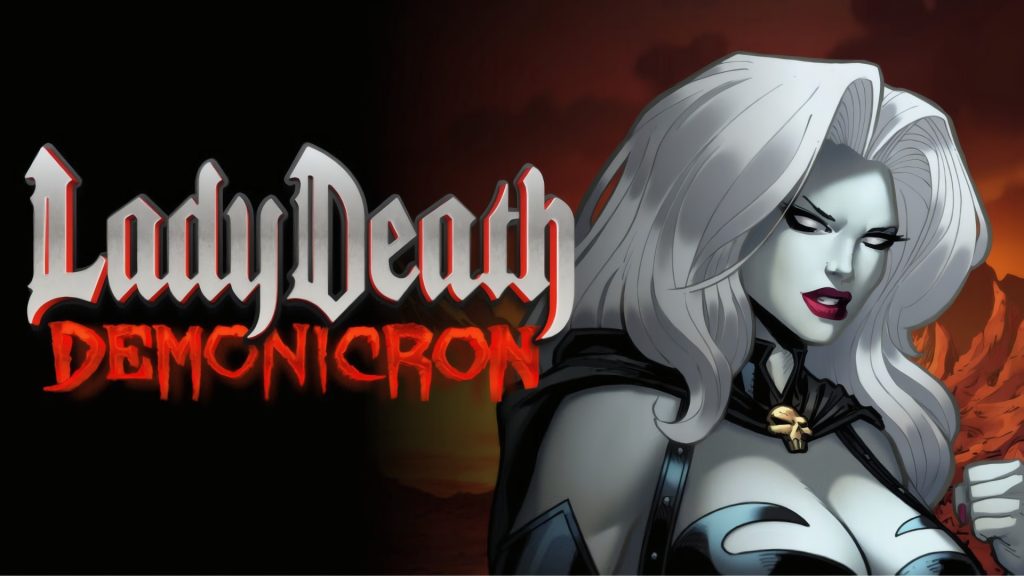
Lady Death: Demonicron looks the part, but underneath its excellent comic-book exterior is a clunky and painfully short brawler.
![[GAMESCOM 2026] Tomb Raider: Legacy of Atlantis Preview – Expands the Original Without Losing Its Identity](https://www.indie-games.eu/wp-content/uploads/2026/09/tomb-raider-legacy-of-atlantis-06-02-26-1-1024x576.jpg)
Tomb Raider: Legacy of Atlantis brings Lara back to her roots, but its Gamescom 2026 showing proved this is far…
![[GAMESCOM 2026] Clive Barker’s Hellraiser: Revival Preview – Ready to Open the Box](https://www.indie-games.eu/wp-content/uploads/2026/09/Clive-Barkers-Hellraiser-Revival-08-30-26-1-1024x576.jpg)
Hellraiser: Revival preserves the franchise’s sex, gore and psychological horror while delivering approachable survival-horror gameplay.

Swan Song creates a peaceful and forgiving puzzle space without removing the challenge that makes solving a difficult puzzle rewarding.
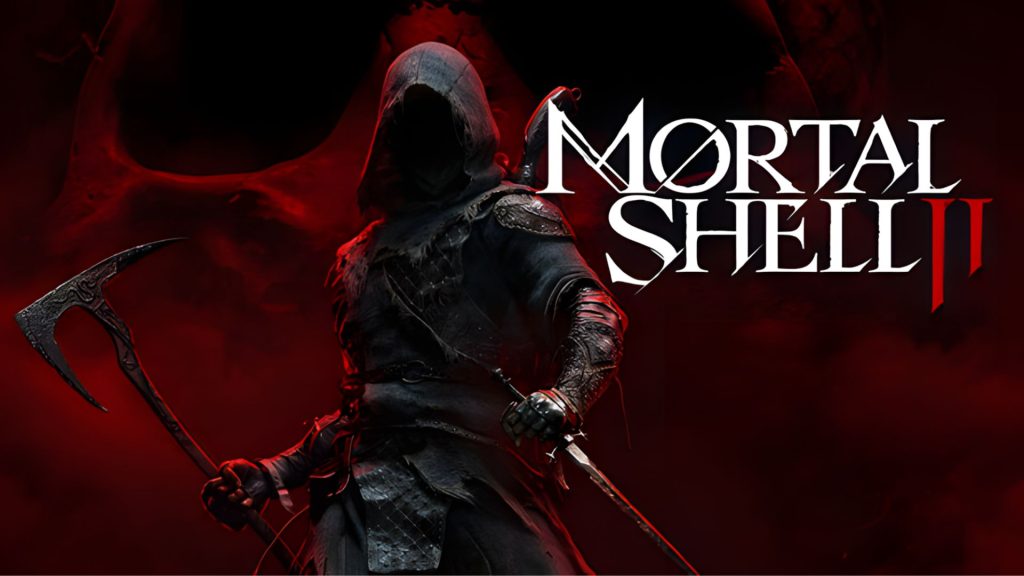
Mortal Shell II starts brilliantly but grows repetitive and exhausting, while remaining a rewarding and ambitious Soulslike sequel.
![[GAMESCOM 2026] Terranigma Preview – A Lost SNES Classic Returns in 2027](https://www.indie-games.eu/wp-content/uploads/2026/08/Terranigma-1-1024x576.jpg)
After more than three decades of limited availability, Terranigma is returning in 2027. We played its enhanced re-release at Gamescom…
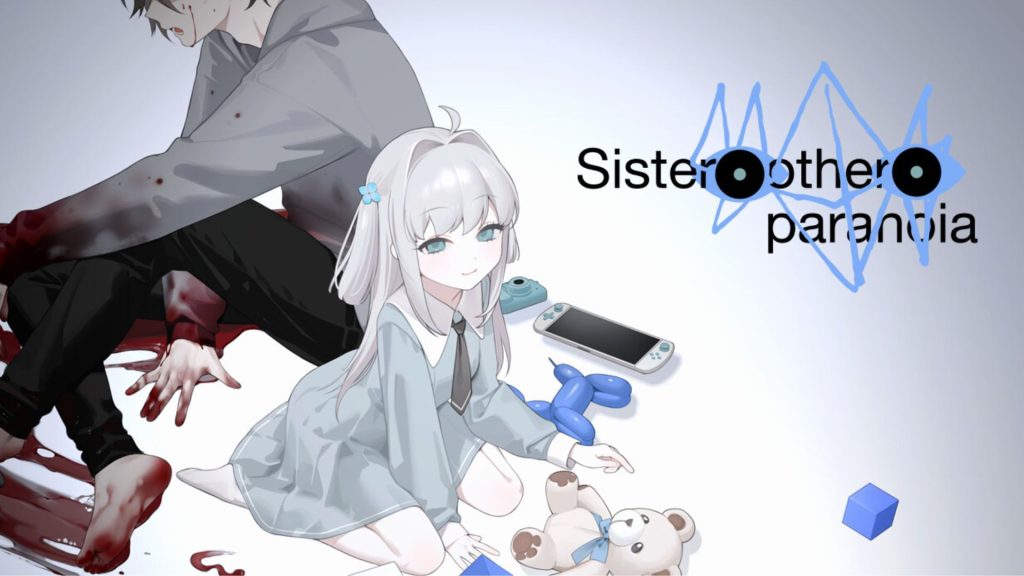
Reading another person’s mind is often presented as a desirable superpower, but Sister Other Paranoia immediately understands why it could…
