![[GAMESCOM 2026] Terranigma Preview – A Lost SNES Classic Returns in 2027](https://www.indie-games.eu/wp-content/uploads/2026/08/Terranigma-1-1024x576.jpg)
[GAMESCOM 2026] Terranigma Preview – A Lost SNES Classic Returns in 2027
After more than three decades of limited availability, Terranigma is returning in 2027. We played its enhanced re-release at Gamescom…

If you enjoy independent indie game coverage, consider supporting Indie-Games.eu on Patreon. It helps keep the site independent.
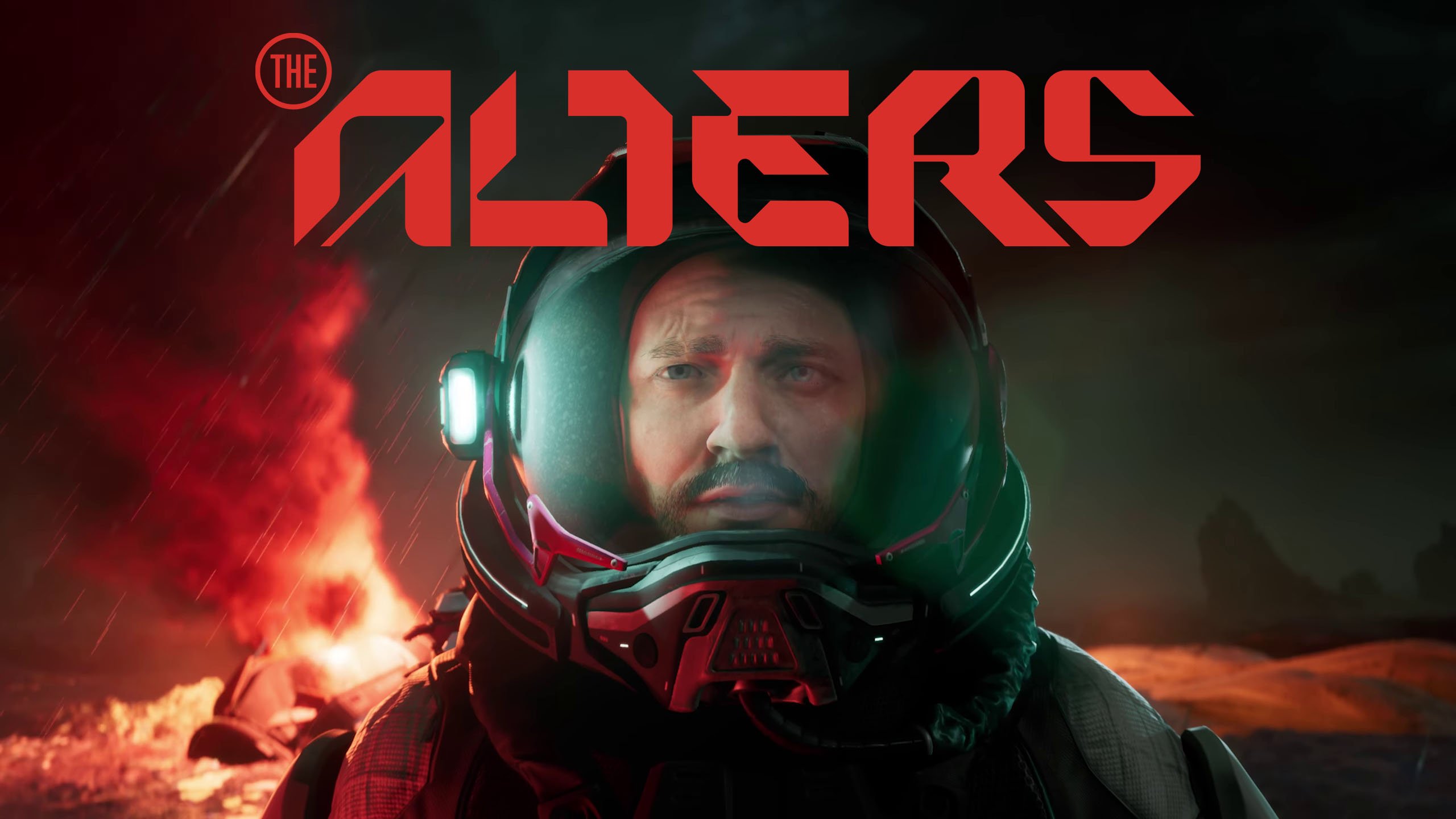
Along with sci-fi films, video games have finally begun to explore the themes of clones, or rather, your other selves. From the kitchen of 11 bit studios comes a truly unusual game, The Alters, which opts for a realistic yet varied combination of elements to make the gameplay loop meaningful. This combination includes survival, base building, resource management, exploration, and interpersonal relationships, all supported by a compelling narrative with a dash of adventure.
The fundamental premise is to move with a mobile base while fleeing a deadly sun, which creates a constant sense of urgency. At the same time, you try to get to know and calm your Alters, who add the necessary emotional depth to otherwise mechanical tasks.
Once you start playing, you will simply get lost in this world. This could be due to the extraordinary graphics (by the way, the game was postponed several times), the abundance of content awaiting you, a love for survival on harsh planets, or the fact that it’s a more open-ended game that doesn’t hold your hand. It simply gives you tasks and leaves the method of solving them up to you.
Moreover, you could say you’re “role-playing” here while the story constantly pushes you forward. The narrative unfolds through several interconnected layers, from uncovering the mysteries of the planet and the element Rapidium, to deciphering the motivations and plans of various side characters, and finally, discovering more about yourself through your relationships with your Alters.

As you might expect, since the base is moved periodically, your survival is also crucial, which means gathering resources on the planet. Initially, you’ll gather metals, fuel, rare materials, and food on your own, but eventually, you’ll be able to grow certain things. It’s important to locate deposits, build mining facilities, and connect them to your base via transport pylons, which creates interesting environmental puzzles.
You can then assign all these tasks to your Alters, and each one comes with their own set of skills. For example, they can quickly craft tools, build rooms, research new technologies, but they can also argue and influence each other.
However, a problem arises right here. The modular design of the base allows for rearranging rooms, but this can become very disorienting as the base grows. Key rooms, like the communications center, are difficult to locate without remembering the layout, especially when there are a million things on the screen, and you are never sure what the ideal floor plan for the base is.
In addition, there is a lot of micromanagement. It’s not that simple; you have to initiate certain processes for tasks to be repeated. Also, the constant lack of resources and the ticking clock create high-pressure scenarios, especially during magnetic storms that halt exploration and damage the base, or until you figure out how to fight anomalies similar to those in Stalker.

Clones like Jan the Technician, Jan the Scientist, Jan the Miner, or Jan the Botanist aren’t just mere workers; they are fully developed characters with unique backstories, skills, and emotional needs. The personality of each Alter stems from a key life choice, for example, standing up to an abusive father, which directly impacts their work ethic, mood, and interactions with each other. You’ll even see mood bubbles pop up, immediately letting you know if you’ve chosen a good dialogue option. Also, instead of good communication, you can even mock or argue with them.
You can control their mood through conversations, gifts, or activities like beer pong, which unlocks new dialogue options or reduces the possibility of a revolt. Neglecting their needs leads to conflicts, affecting productivity and survival. On the other hand, the “branching screen” is a particularly impressive feature because it actually visualizes key decision points where different personalities diverge for the Alters, as well as the defining moments in each Alter’s life that shaped them. It’s fascinating how each character has their own story you can explore in detail, even though they are the same person.
Of course, the story won’t just be about the Alters; it will also be about the people who brought you to this unknown planet. You’ll be able to communicate with characters from Earth, dive deeper into the whole story, understand why you’re the only survivor from your crew, and how crucial the metal Rapidium actually is. There will be plenty of intrigue and humor, but you’ll also be able to ask rhetorical questions of yourself.

Exploration is done from a third-person perspective, with Jan navigating alien landscapes using tools like a climbing hook or a type of gun to fight anomalies of radioactive clusters that inflict radiation damage. These encounters are simplified, requiring you to aim a torch-like weapon at the anomalies until they dissipate, serving more as environmental obstacles than complex combat.
Movement involves light platforming, such as descending cliffs, but Jan’s controls are occasionally clunky. It’s not clear to me why his movement isn’t more fluid, or at least why we don’t get the feeling that we’re on a planet with different gravity or no oxygen. There’s a lot of clumsy turning and getting stuck. Invisible walls also prevent falling but limit jumping and actually reduce the freedom of exploration.
Although the exploration is visually impressive, the planet can seem empty, depending on your perspective, with repetitive ores and shapes. While there isn’t much diversity in terms of biomes, what is available is aesthetically very appealing. The Alters has no real combat; it’s all about management and survival and your skill at it.
What personally captivated me were the technologies and the ability to craft various items. It’s not just one thing you have to craft; everything is interconnected. Do you want a device that destroys obstacles? You have to gather resources. Do you want to mine metal faster? You have to research that technology, and so on through various levels of technology.
The technology trees are well-designed and make sense, offering a ton without distracting from the core of the experience: unraveling mysteries and building relationships with the Alters. The refinery system and the gradual unlocking of new prototypes and blueprints are also interesting, so things don’t always feel the same.

Considering the game was made in Unreal Engine 5, it’s strange that it runs smoothly at all, but there are still moments where the optimization isn’t top-notch. For example, there’s a brief stutter when entering the base or unlocking a new area of the planet. The game obviously runs well on high-end machines, but it’s hard to say how it performs on other platforms. There were no major issues, and it’s impressive how well everything is made, given that the entire world is huge. Perhaps this is also due to the fact that the planet is quite empty, so such optimization is not surprising.
In addition to everything mentioned, it’s worth praising the voice acting of Alex Jordan, who gave a superb performance for all the versions of Jan, convincingly bringing each iteration to life with distinct personalities and attitudes. Portraying a dozen variations of the same character is no easy feat, but he succeeded.
On the other hand, the character models for Jan and his Alters are expressive, with subtle differences in appearance (hair, posture) and animations that reflect their personalities. However, some scenes use static storyboards with voice narration, and this somewhat spoils the overall impression of the game, making it seem low-budget compared to the in-game visuals.

To wrap things up, I’d like to highlight a few key points. The survival elements in the game don’t feel like a “grind” because time is sped up during resource extraction, so it all comes down to efficient time and team management. If you’re expecting a classic survival sandbox game, this isn’t it. The game is primarily driven by a strong narrative, and you will constantly have goals to achieve, with a certain amount of freedom in how you approach them. At the same time, it’s not just a simple journey from one end of the planet to the other, as you need to be well-prepared for all upcoming threats.
You have nothing to lose; in fact, you can even play it on Game Pass, so you don’t have to hesitate about whether it’s worth it. After about 20 to 30 hours of gameplay, you will realize how special The Alters is and how, after the weaker impressions of Frostpunk 2, 11 bit studios can truly create something commendable when they want to and when they have the freedom to experiment.
Review copy provided by the publisher
After more than three decades of limited availability, Terranigma is returning in 2027. We played its enhanced re-release at Gamescom…
Reading another person’s mind is often presented as a desirable superpower, but Sister Other Paranoia immediately understands why it could…
Forsaken Realms: Vahrin’s Call is exactly the kind of ambitious, slightly clumsy fantasy RPG that used to be far more…
![[Early Access] 2nd EVE – Sci-Fi Action RPG That Lacks a Sense of Stakes](https://www.indie-games.eu/wp-content/uploads/2026/08/2ND-EVE-1024x576.jpg)
2nd Eve is a space-set action RPG in which we strive to save humanity.
![[PREVIEW] Dreamcards – Strategic Exploration of Consciousness](https://www.indie-games.eu/wp-content/uploads/2026/08/Dreamcards_20260810_233631_0000-1024x576.jpg)
Dreamcards is a roguelike deckbuilder centered around dreams and nightmares.
![[Early Access] OFFBEAT – Incredibly Fun Way to Start a Music Career](https://www.indie-games.eu/wp-content/uploads/2026/08/Offbeat_20260808_201446_0000-1024x576.jpg)
In OFFBEAT, we play the role of a jobbing composer who is launching their music career.
HellSlave II retains the original’s oppressive atmosphere, morally grey world and striking art while adding a larger world, randomized loot…
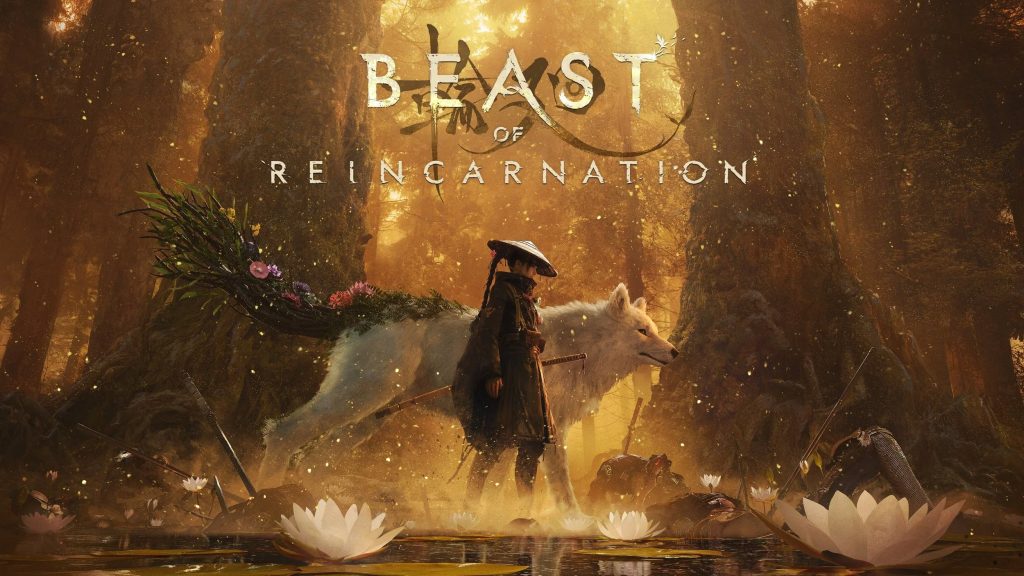
Beast of Reincarnation is an ambitious but uneven action RPG elevated by satisfying parry combat, beautiful art direction and the…

K-pop Idol Stories: Road to Debut captures the pressure of building idol group, but its management systems never explore that…
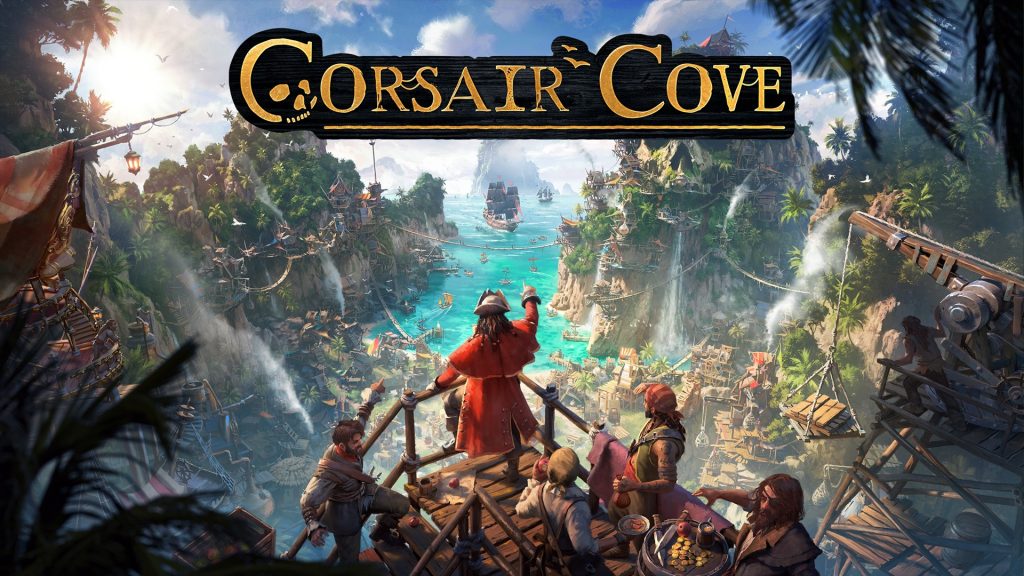
Hooded Horse keeps finding strategy games that know their audience, and Corsair Cove extends its impressive run of excellent city-builders.
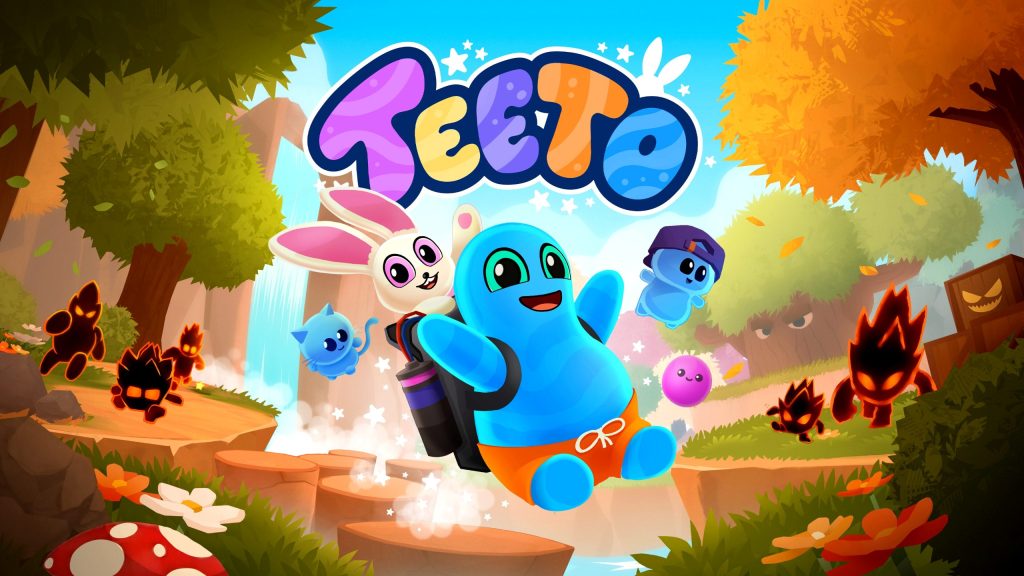
Teeto is a warm, cozy, creative and highly enjoyable 3D platformer that understands why classic collectathons remain so appealing.
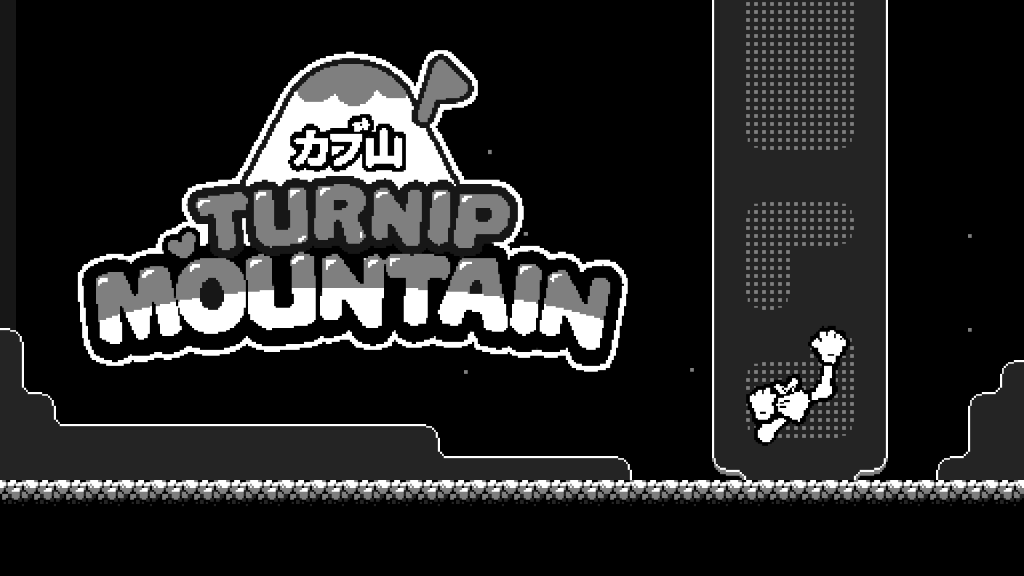
Turnip Mountain stands out for its combination of a unique control system and a minimalist approach.
Dystopicon is an imaginative and memorable narrative experiment with sharp social commentary, engaging world-building and several wonderfully absurd scenarios.
Maneki Mania is an incremental game centered around petting a lucky cat.
XeGrader Plus delivers colorful retro shooting, but basic mechanics, a short campaign and paid retro modes make its €20 price…
It has been roughly two and a half years since Palworld first entered Early Access, and quite a lot has…
![[EARLY ACCESS] The Last Caretaker – Survival Game I Cannot Stop Playing](https://www.indie-games.eu/wp-content/uploads/2026/07/The-last-Caretaker-Key-Art-1024x587.jpg)
The Last Caretaker is a compelling survival crafter with a flooded world and mobile base, but weak combat and performance…
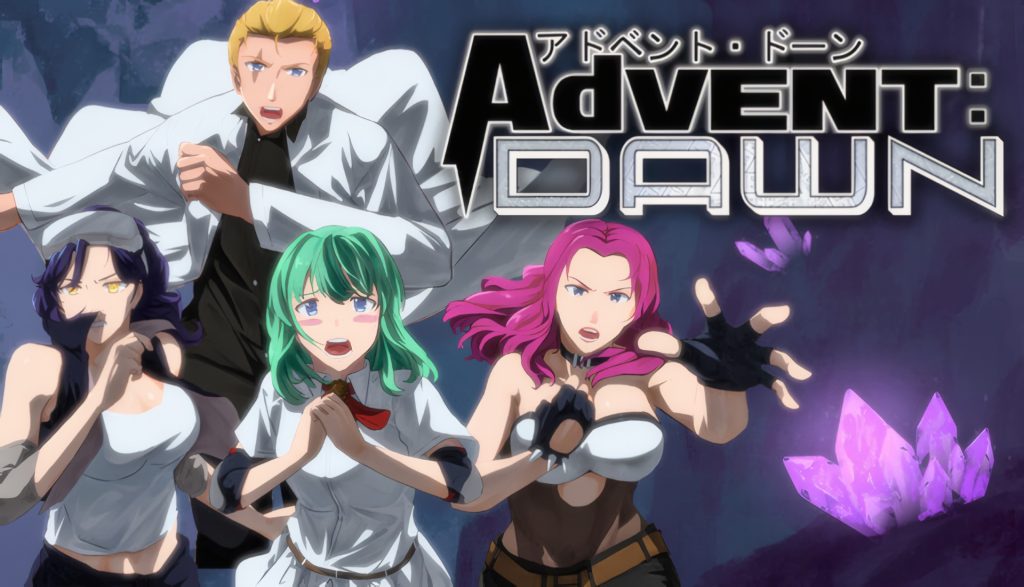
Advent: Dawn is an intriguing science-fiction visual novel elevated by a likable cast and one of the most convenient flowchart…
![[EARLY ACCESS] Hell Maiden – Beautiful but Uneven Journey Through Hell](https://www.indie-games.eu/wp-content/uploads/2025/06/HMD_screenshot_019-1024x576.jpg)
Bullet heaven and rougelite game Hell Maiden lands between a polished Early Access release and a promising game that still…
![[PREVIEW] Dark Queen of Samobor – Promising Croatian Adventure Still in Need of Polish](https://www.indie-games.eu/wp-content/uploads/2026/07/Dark-Queen-of-Samobor-1024x587.jpg)
Dark Queen of Samobor is a promising 2.5D side-scrolling action-adventure that combines Croatian folklore with combat, puzzles and cinematic platforming.
