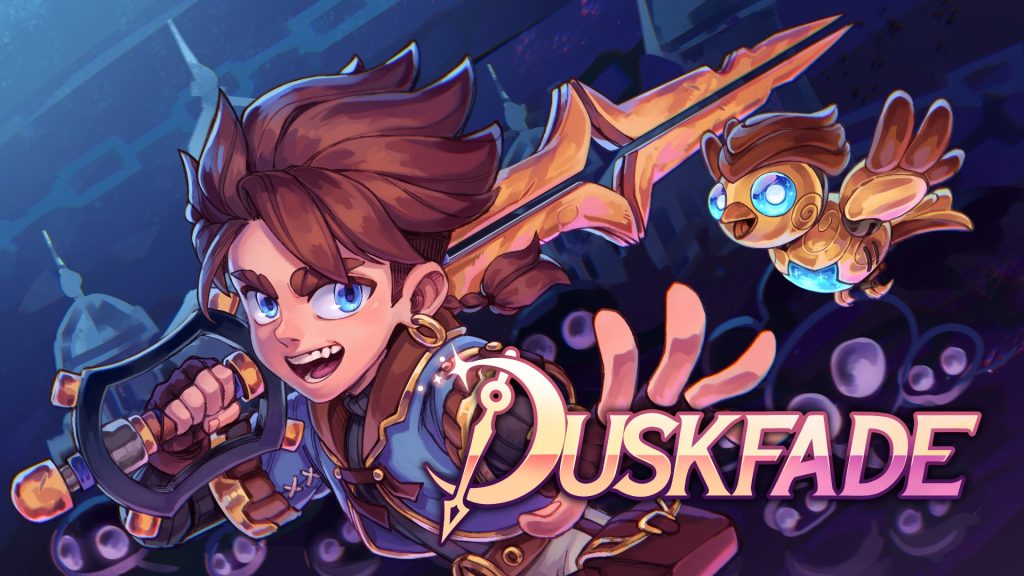
Duskfade – The PS2 Era Returns With All Its Strengths and Weaknesses
Duskfade is worth considering for players who miss colourful PS2-style action-platformers and can tolerate basic combat, floaty movement and backtracking.


If you enjoy independent indie game coverage, consider supporting Indie-Games.eu on Patreon. It helps keep the site independent.
The Lies We Tell Ourselves is an episodic, first-person adventure with psychological and horror elements, focusing on story, atmosphere, and introspective themes. The first episode, released in January, introduces us to Vincent Arno, a man whose life falls apart on his 27th birthday when he confronts a mysterious presence and his own past. The game combines exploration, puzzles, and a surreal narrative, but the story, while intriguing, doesn’t quite manage to fully draw you into its world.

The story is definitely the strongest aspect of the game, although it is also the most controversial. Thematically, it explores self-discovery, moral ambiguity, and the fragility of perception. Vincent’s journey is a surreal odyssey through his own mind, shaped by past decisions and suppressed truths. The narrative is introspective and thought-provoking, with the game using subtle details that allow for your own interpretation of the story. However, it is difficult to follow; Vincent’s internal monologues and fragmented memories often make it hard to grasp what is actually happening.
At times, the storytelling can feel too slow and pretentious, with overly long animations and dialogues that disrupt the game’s pace. While some may dislike the transition animations, I personally find them an intriguing addition. They contribute to the eerie atmosphere, allow for a brief pause, and simultaneously showcase impressive, almost cinematic visuals and animations.
The game tries intensely to hold your attention through the narrative, and the voice acting is solid. Vincent’s voice particularly stands out, while the other characters are mostly average. Yet, despite these efforts, only a few moments in the story are truly intriguing. For example, the mother’s story about her life struggles is a powerful part of the game, but many other segments remain lukewarm or confusing. The best example of narrative awkwardness is the preparation for the final boss fight. There is no combat throughout the entire game, and then you suddenly face a boss, which feels completely unnatural and out of sync with the rest of the experience.

The gameplay combines exploration, puzzle-solving, and mild horror elements. You spend most of your time solving diverse puzzles, which range from intelligently designed to frustratingly obscure. Many rely on collecting items and interacting with the environment. While some are innovative, others are unnecessarily vague, leaving you stuck without clear guidance. The lack of more concrete clues can make progress more tedious than rewarding.
Don’t get me wrong, the game does offer clues, either through text that requires interpretation or through Vincent’s occasional voice cues about what needs to be done. However, the room full of pictures was my biggest challenge; it required controlling the brain through changing images and sounds, which was initially confusing and laborious. Yet, after enough time and effort, the solution made sense. In most cases, the puzzles are quickly solvable, but some will seriously challenge you.
The horror elements are minimal and rely more on occasional jump scares than on sustained tension. This isn’t necessarily a bad thing, as not everyone enjoys intense horror games. The atmosphere is dark and eerie, but it’s further enhanced by the excellent sound design and music, which contribute to the suspense and depth of the story, just like the mild horror elements.
The concluding part of the episode introduces a confusing boss fight, which, as mentioned earlier, feels completely out of sync with the rest of the game. The combat consists of repetitive phases, where you must solve the same puzzle while dodging attacks each time. Due to the slow animations, this part of the game significantly detracts from the experience. Also, I was hoping for a bit more action or some unexpected moments that would pleasantly surprise me, especially considering that a worm appears in the game, digging tunnels and popping out to scare you.

I won’t delve too deeply into whether some visuals are AI-generated or whether the game uses AI art at all, as the developer hasn’t provided official confirmation. While Steam requires developers to disclose the use of AI-generated content, the lack of a clear tag suggests that either there are no AI elements, or at least not enough to be noticeable. Does this impact the game’s authenticity? Not really.
Visually, the game is undoubtedly impressive. The incredible amount of detail and subtle clues, from children’s toys to talking sculptures, bring Vincent’s memories to life in an engaging way. These small, thoughtful elements are skillfully woven into the story, making the overall experience even better. It’s clear the developer handled these aspects excellently, adding both depth and charm to the game.
The Lies We Tell Ourselves is an ambitious title with great potential, but the execution falls short in a few key areas. The introspective story and atmospheric design are undeniably its strongest aspects, but they are slightly marred by the slow pacing and frustrating puzzles. The final combat encounter is particularly confusing, feeling unnatural and poorly designed. However, this is only the first episode, and future episodes have the opportunity to significantly improve the gameplay and correct the shortcomings.
| Pros | Cons |
|---|---|
| A thought-provoking story. | Somewhat slow gameplay pace. |
| Atmospheric design. | Confusing boss fight. |
| Interesting puzzles. | Some puzzles can be frustrating. |
| Unique blend of genres. | The story can be confusing at times. |
Review copy provided by the publisher
Duskfade is worth considering for players who miss colourful PS2-style action-platformers and can tolerate basic combat, floaty movement and backtracking.
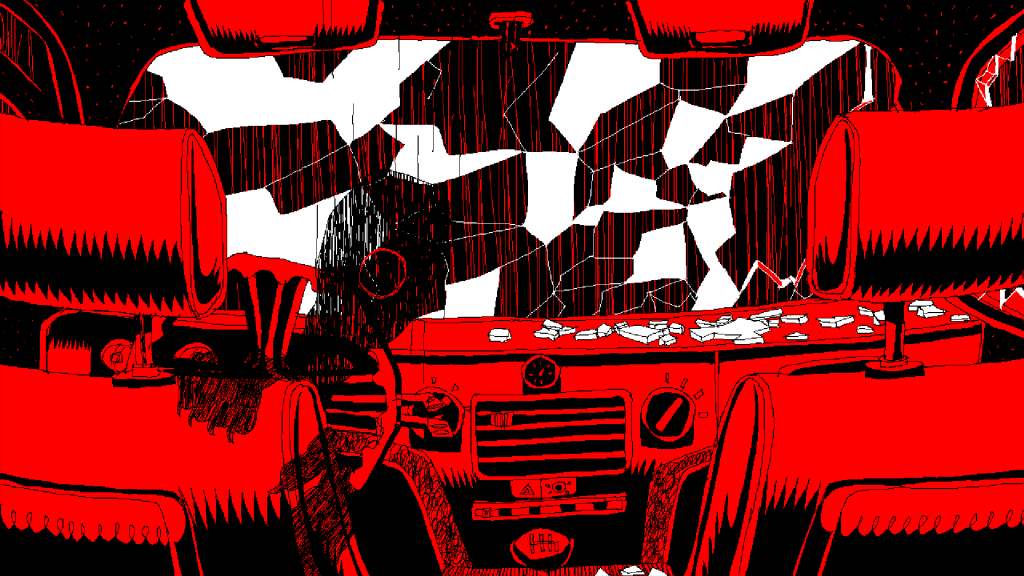
Man I Just Wanna Go Home is a noir crime story with visuals from MS Paint and life-or-death choices.
![[GAMESCOM 2026] Vikings Dynasty Preview – Expands the Dynasty Formula](https://www.indie-games.eu/wp-content/uploads/2026/09/Viking-Dynasty-09-21-26-2-1024x576.jpg)
After showing me Prospera at Gamescom 2026, Toplitz Productions' Mathias Oertel moved to a very different kind of settlement builder.…
![[GAMESCOM 2026] Prospera Preview – Production, Prosperity and Victorian Industry](https://www.indie-games.eu/wp-content/uploads/2026/09/Prospera-09-21-26-5-1024x576.jpg)
At Gamescom 2026, I met with Toplitz Productions' Mathias Oertel for a guided presentation of two upcoming games. One of…
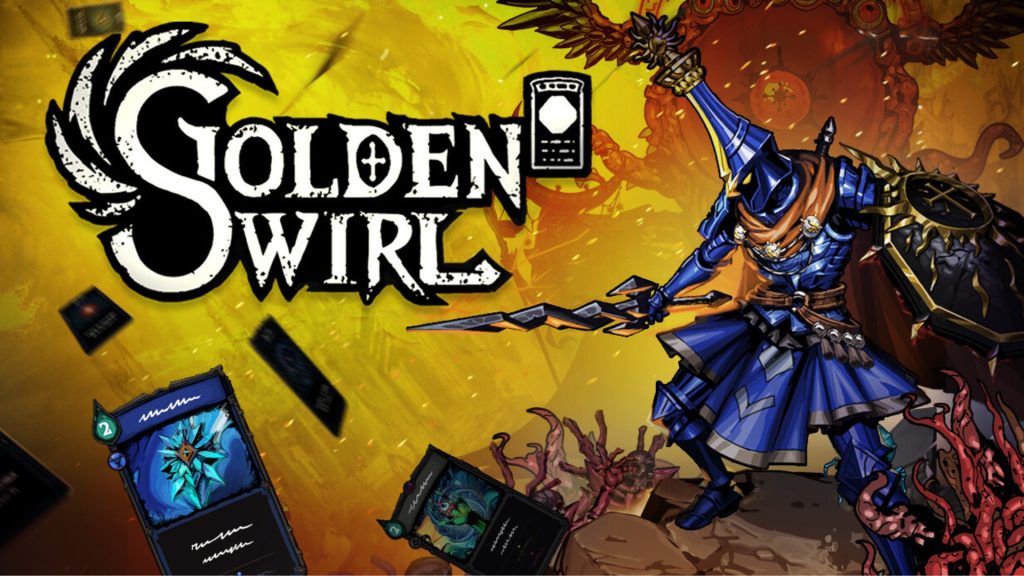
Golden Swirl inventive card combat carries the experience, but repetitive rooms, weak upgrades and excessive dialogue hold it back.
![[GAMESCOM 2026] Wilderdark Preview – Ambitious Dinosaur Horror Game That Still Has Plenty to Prove](https://www.indie-games.eu/wp-content/uploads/2026/09/Wilderdark-1024x576.jpg)
Dinosaur survival horror game Wilderdark has one of those premises that immediately makes you wonder why more games have not…
![[PREVIEW] Tiny Metal 2 – Strategy Game That Wants You to Learn From Every Mistake](https://www.indie-games.eu/wp-content/uploads/2026/09/Tiny-Metal-2-1024x576.jpg)
I rarely enjoy discovering that my opening strategy was completely wrong, but Tiny Metal 2 made that process one of…
![[PREVIEW] Remothered: Red Nun’s Legacy – Ambitious Survival Horror That Needs More Polish](https://www.indie-games.eu/wp-content/uploads/2026/09/Remothered-Red-Nuns-Legacy-4-1024x576.jpg)
Remothered: Red Nun’s Legacy has a gripping atmosphere and promising survival tools, but its repetitive hiding and rough visuals need…
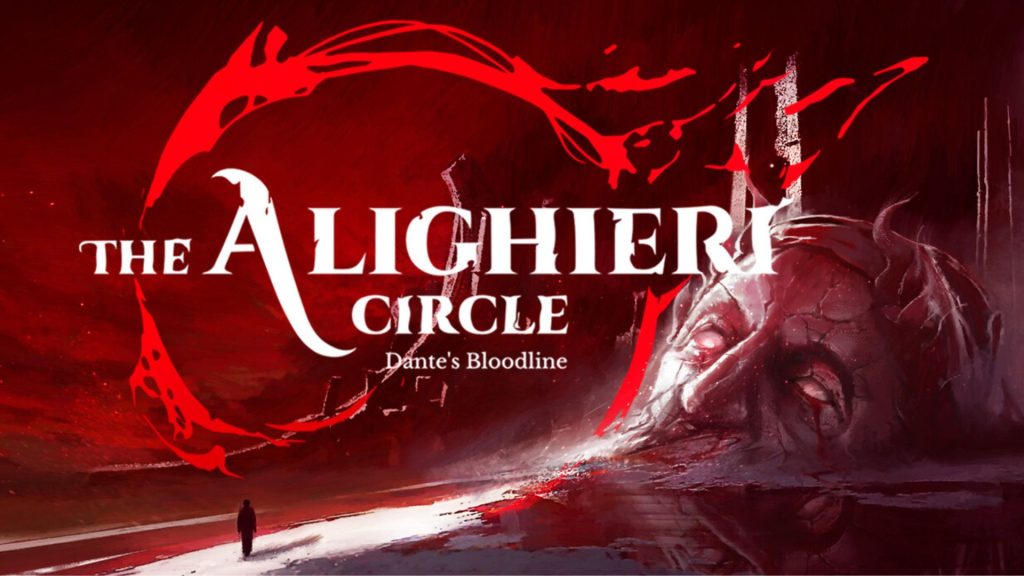
The Alighieri Circle: Dante’s Bloodline is difficult to recommend beyond players who are especially interested in Dante or enjoy solving…
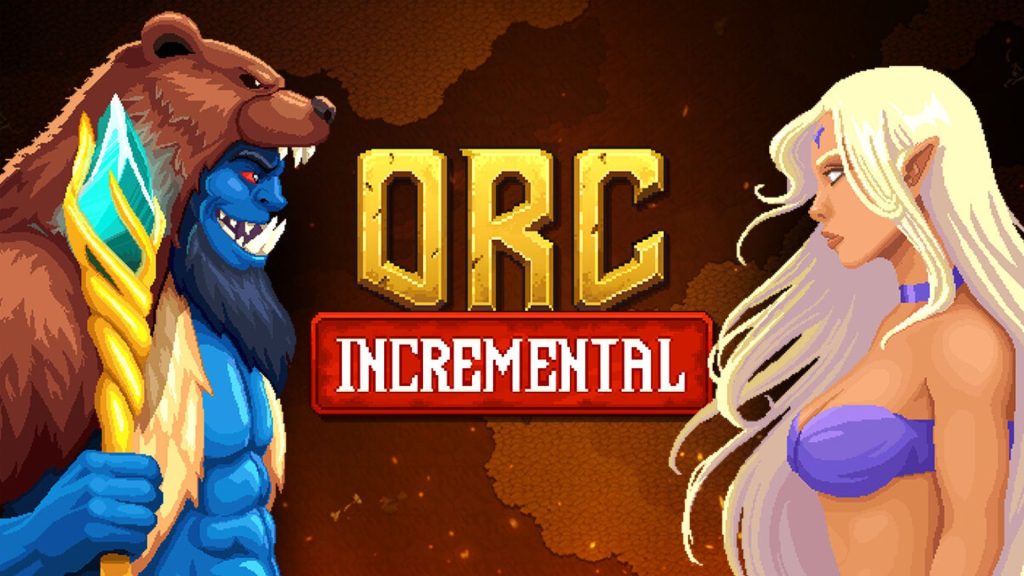
Orc Incremental offers satisfying progression, entertaining totem combinations and enough content to justify its affordable price.
![[GAMESCOM 2026] Chronoscript: The Endless End Preview – Beautiful Pages Hide Deliberate Combat](https://www.indie-games.eu/wp-content/uploads/2026/09/Chronoscript-The-Endless-End-1-1024x576.jpg)
Chronoscript: The Endless End stands out from other Metroidvanias by blending 2D manuscript worlds with exploration inside a 3D manor.
![[GAMESCOM 2026] MegaGum Preview – Combat Hits Hard in This Sticky Platforming Adventure](https://www.indie-games.eu/wp-content/uploads/2026/09/MegaGum-09-09-26-5-1024x576.jpg)
MegaGum combines hard-hitting combat, varied weapons and Gum-powered platforming in a promising Gamescom 2026 demo.
![[GAMESCOM 2026] Delphinium Preview – Cozy Routine Mixed With Enjoyable Minigames](https://www.indie-games.eu/wp-content/uploads/2026/03/Delphinium--1024x665.jpg)
Delphinium mixes cozy farming, exploration and relationships with enjoyable fishing, cooking and forging minigames in its Gamescom 2026 demo.
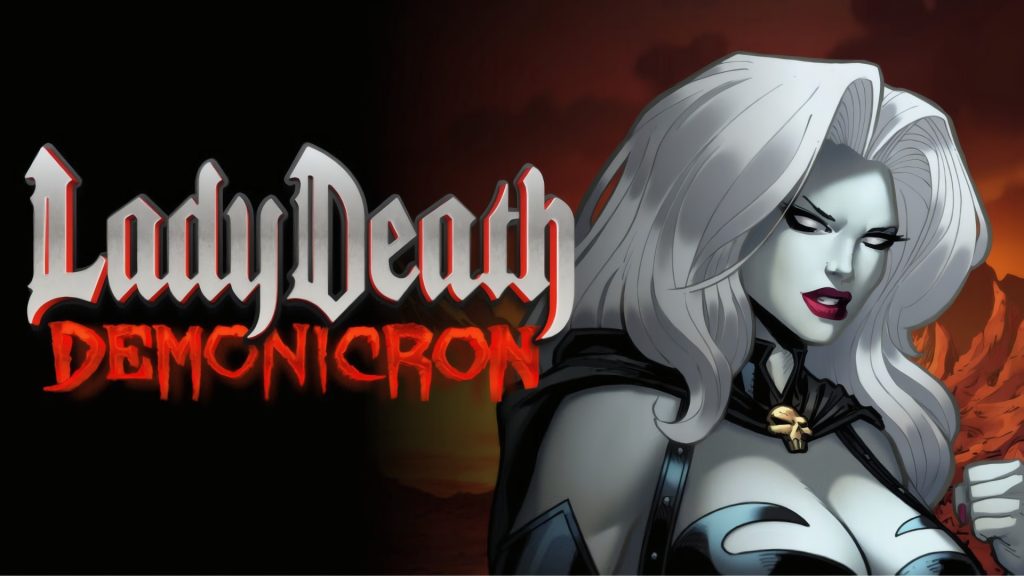
Lady Death: Demonicron looks the part, but underneath its excellent comic-book exterior is a clunky and painfully short brawler.
![[GAMESCOM 2026] Tomb Raider: Legacy of Atlantis Preview – Expands the Original Without Losing Its Identity](https://www.indie-games.eu/wp-content/uploads/2026/09/tomb-raider-legacy-of-atlantis-06-02-26-1-1024x576.jpg)
Tomb Raider: Legacy of Atlantis brings Lara back to her roots, but its Gamescom 2026 showing proved this is far…
![[GAMESCOM 2026] Clive Barker’s Hellraiser: Revival Preview – Ready to Open the Box](https://www.indie-games.eu/wp-content/uploads/2026/09/Clive-Barkers-Hellraiser-Revival-08-30-26-1-1024x576.jpg)
Hellraiser: Revival preserves the franchise’s sex, gore and psychological horror while delivering approachable survival-horror gameplay.

Swan Song creates a peaceful and forgiving puzzle space without removing the challenge that makes solving a difficult puzzle rewarding.
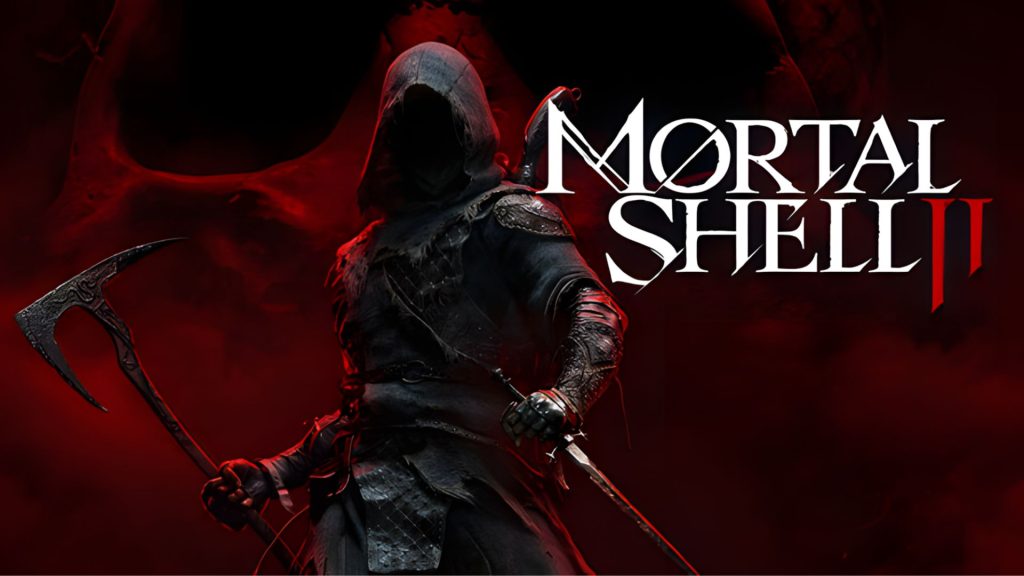
Mortal Shell II starts brilliantly but grows repetitive and exhausting, while remaining a rewarding and ambitious Soulslike sequel.
![[GAMESCOM 2026] Terranigma Preview – A Lost SNES Classic Returns in 2027](https://www.indie-games.eu/wp-content/uploads/2026/08/Terranigma-1-1024x576.jpg)
After more than three decades of limited availability, Terranigma is returning in 2027. We played its enhanced re-release at Gamescom…
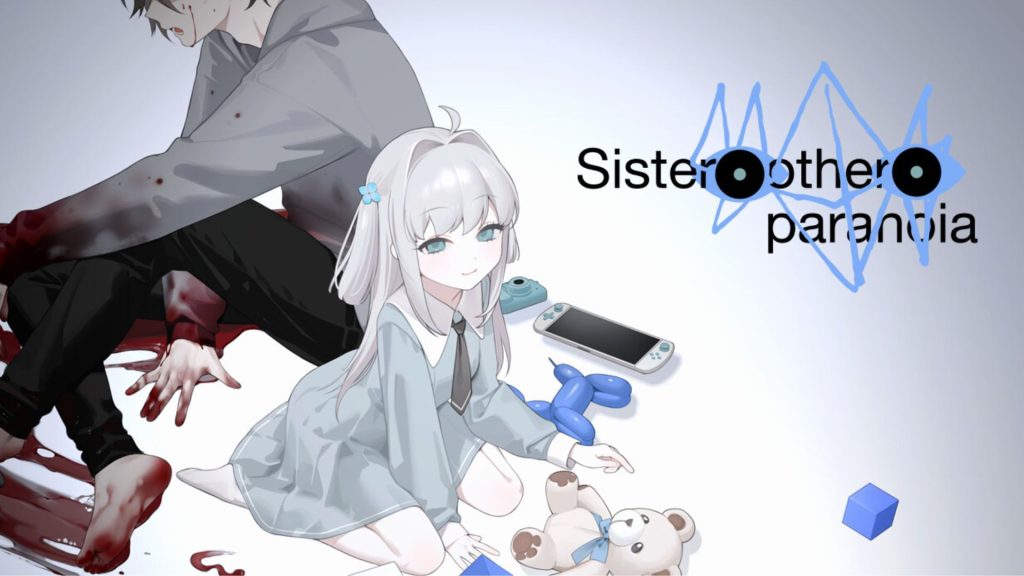
Reading another person’s mind is often presented as a desirable superpower, but Sister Other Paranoia immediately understands why it could…
