![[GAMESCOM 2026] Clive Barker’s Hellraiser: Revival Preview – Ready to Open the Box](https://www.indie-games.eu/wp-content/uploads/2026/09/Clive-Barkers-Hellraiser-Revival-08-30-26-1-1024x576.jpg)
[GAMESCOM 2026] Clive Barker’s Hellraiser: Revival Preview – Ready to Open the Box
Hellraiser: Revival preserves the franchise’s sex, gore and psychological horror while delivering approachable survival-horror gameplay.

If you enjoy independent indie game coverage, consider supporting Indie-Games.eu on Patreon. It helps keep the site independent.
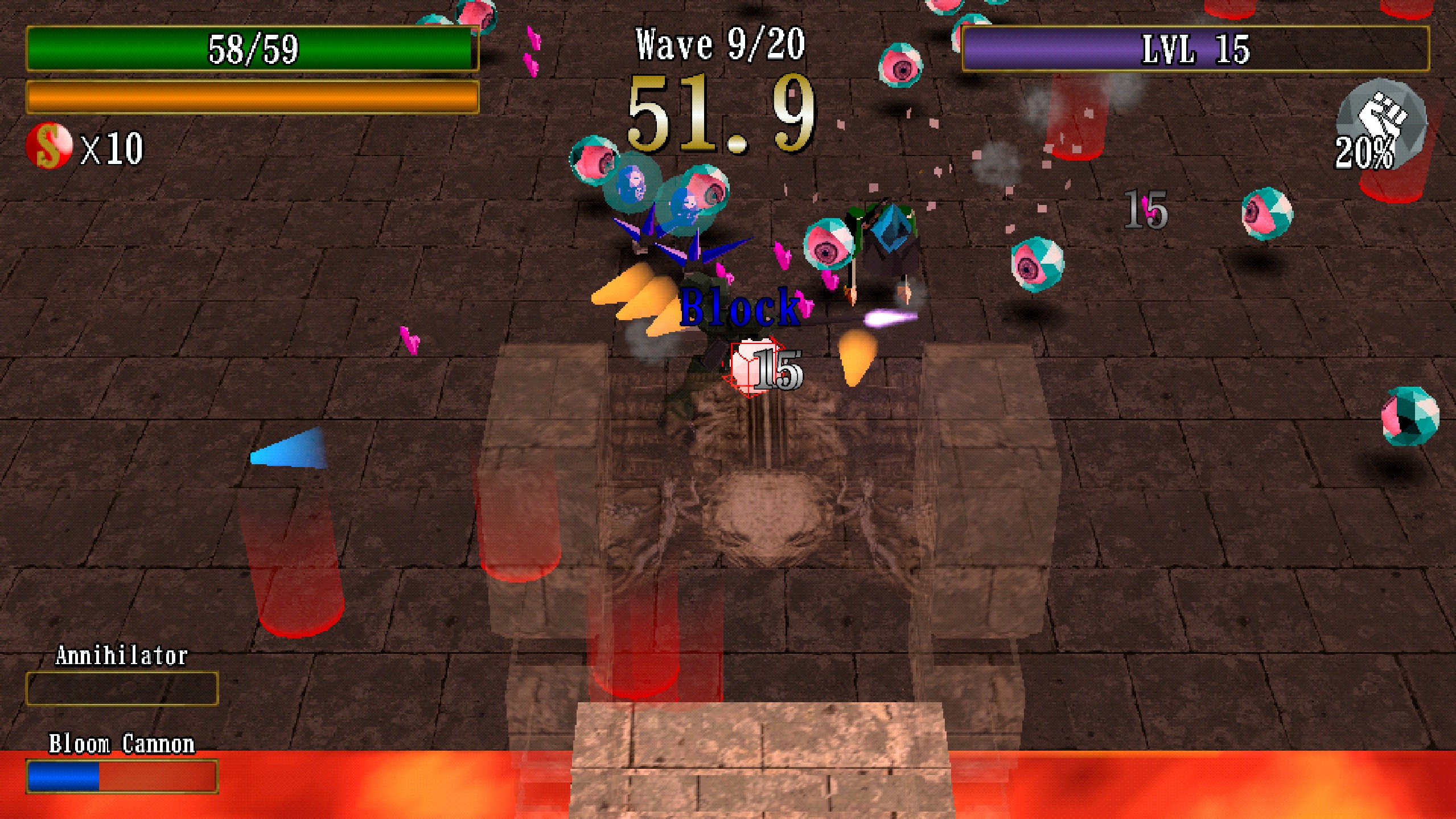
This review is part of a special series where I’m revisiting (almost) every game released in January 2026 and today I’m returning to Vital Shell, a game that, when I first covered it, I called a hidden gem. What’s truly remarkable is that this top-down roguelike arena shooter was a passion project from a solo developer who used the game as a learning platform. The developer has already teased a future co-op mode and, even after a break, has ideas for his next project.
I still firmly believe that Vital Shell is a proper hidden gem, proof that a simple, cheap game can thrive when it has a solid structure and a vision. The retro PlayStation 1-inspired art style perfectly complements its top-down shooter action, with each 20-minute run packed with fast-paced combat and progression. After every level, you unlock new mechs, each with unique abilities and upgrades, creating a simple yet endlessly rewarding loop. It’s straightforward and easy to grasp, proving that great ideas don’t need a massive budget, just a dedicated vision and a solid foundation.
Another thing I want to spotlight is Vital Shell’s core gameplay loop, which, while simple, is incredibly effective. The game revolves around wave-based arenas where enemies keep coming in, gradually becoming stronger (just like you) and more numerous as you progress. The gameplay is pure, frantic arcade action filled with constant shooting and dodging. At the end of each map, you face a unique boss encounter and defeating them unlocks a new mech shell to play with.
There are five mech shells in total, for example, one has a sword and shield for more defense, another uses pistols, and one wields a reaper. Each shell has its own special ability, adding variety and strategy to every run. While the game doesn’t rely on procedural generation, the roguelike structure shines through wealth of upgrades, such as weapon enhancements through gem effects, which grant bonuses like faster attack speed, lifesteal, and critical hits among others.
Beyond that, you have these special looking abilities that improve your damage, speed, or critical chances as you progress. For example, one can alter your critical chance if you keep damaging opponents, another can give you more attack speed if you don’t get hit. The pace never lets up, every moment is about action, and the game makes sure you’re always moving, never wasting time.
A key part of what keeps you hooked in Vital Shell is the devotion system, which evolves as you progress. Each time you clear a level or die, you gain devotion points, unlocking new gem systems tied to different colors, like purple for attack, green for health, red for speed, each with multiple tiers. As you unlock higher-tier gems, their effects stack so every run feels like a new power trip.

Beyond everything mentioned so far, there’s an arcade mode with weekly challenges, offering unique starting conditions for each shell, and an arena mode where you battle endless waves of enemies. While the art style is definitely minimal, it’s easy to let the simple, old-school PS1-inspired visuals fade into the background. The focus is squarely on gameplay, and that’s where the magic happens.
In conclusion, Vital Shell stands as a testament to how a simple, well-structured indie game can truly win over many players. With its low price, nostalgic PS1 visuals, and simple roguelike progression, it delivers a fun and rewarding replayability. If you love roguelikes, top-down combat, and a game that lets you lose yourself for hours without overcomplication, Vital Shell is a must-play. I’m so glad I revisited it, and I know it’ll stick with me as one of January’s biggest surprises.
Review based on copy I purchased
Hellraiser: Revival preserves the franchise’s sex, gore and psychological horror while delivering approachable survival-horror gameplay.

Swan Song creates a peaceful and forgiving puzzle space without removing the challenge that makes solving a difficult puzzle rewarding.
Mortal Shell II starts brilliantly but grows repetitive and exhausting, while remaining a rewarding and ambitious Soulslike sequel.
![[GAMESCOM 2026] Terranigma Preview – A Lost SNES Classic Returns in 2027](https://www.indie-games.eu/wp-content/uploads/2026/08/Terranigma-1-1024x576.jpg)
After more than three decades of limited availability, Terranigma is returning in 2027. We played its enhanced re-release at Gamescom…

Reading another person’s mind is often presented as a desirable superpower, but Sister Other Paranoia immediately understands why it could…
Forsaken Realms: Vahrin’s Call is exactly the kind of ambitious, slightly clumsy fantasy RPG that used to be far more…
![[Early Access] 2nd EVE – Sci-Fi Action RPG That Lacks a Sense of Stakes](https://www.indie-games.eu/wp-content/uploads/2026/08/2ND-EVE-1024x576.jpg)
2nd Eve is a space-set action RPG in which we strive to save humanity.
![[PREVIEW] Dreamcards – Strategic Exploration of Consciousness](https://www.indie-games.eu/wp-content/uploads/2026/08/Dreamcards_20260810_233631_0000-1024x576.jpg)
Dreamcards is a roguelike deckbuilder centered around dreams and nightmares.
![[Early Access] OFFBEAT – Incredibly Fun Way to Start a Music Career](https://www.indie-games.eu/wp-content/uploads/2026/08/Offbeat_20260808_201446_0000-1024x576.jpg)
In OFFBEAT, we play the role of a jobbing composer who is launching their music career.
HellSlave II retains the original’s oppressive atmosphere, morally grey world and striking art while adding a larger world, randomized loot…
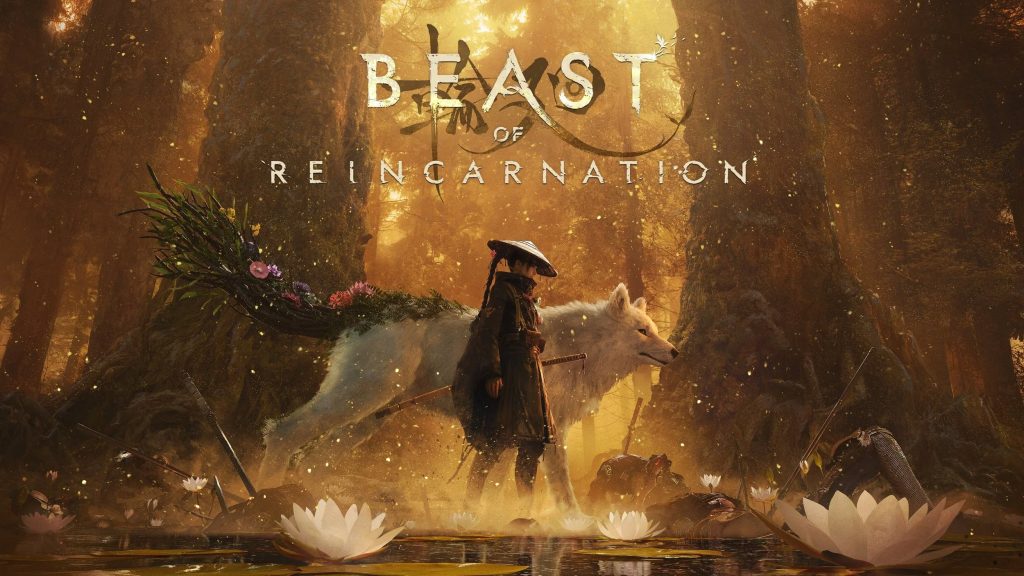
Beast of Reincarnation is an ambitious but uneven action RPG elevated by satisfying parry combat, beautiful art direction and the…

K-pop Idol Stories: Road to Debut captures the pressure of building idol group, but its management systems never explore that…
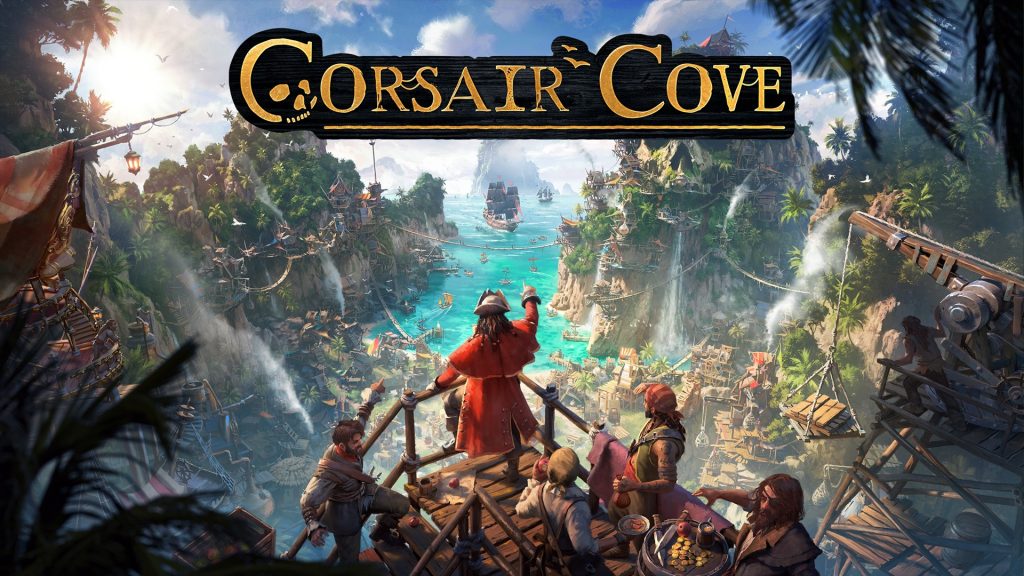
Hooded Horse keeps finding strategy games that know their audience, and Corsair Cove extends its impressive run of excellent city-builders.
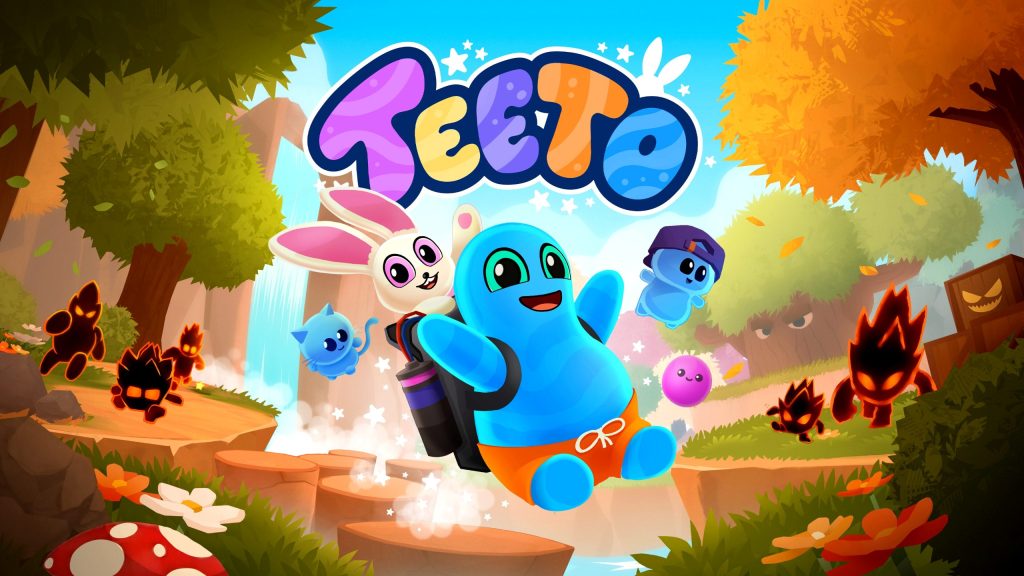
Teeto is a warm, cozy, creative and highly enjoyable 3D platformer that understands why classic collectathons remain so appealing.

Turnip Mountain stands out for its combination of a unique control system and a minimalist approach.
Dystopicon is an imaginative and memorable narrative experiment with sharp social commentary, engaging world-building and several wonderfully absurd scenarios.

Maneki Mania is an incremental game centered around petting a lucky cat.
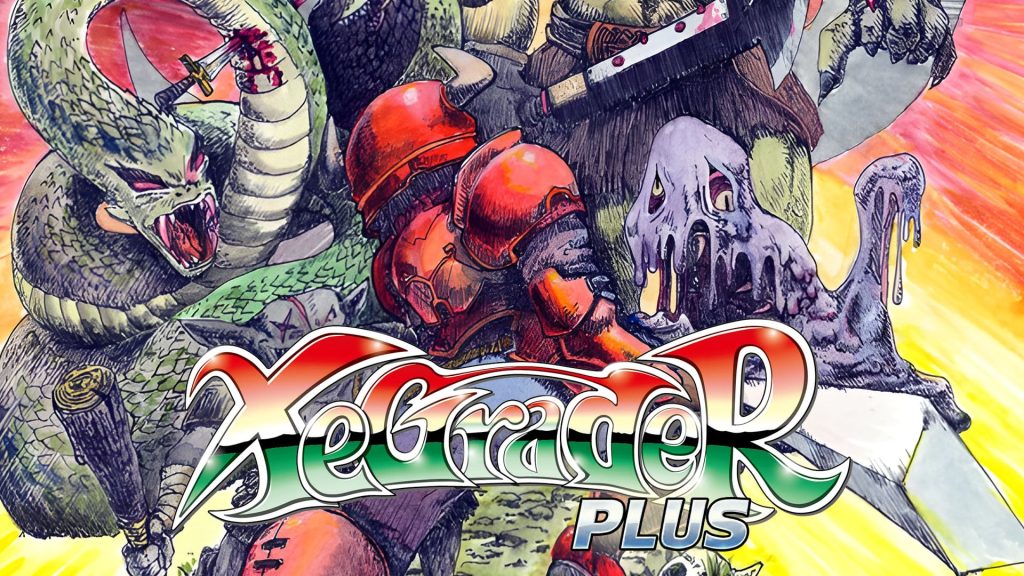
XeGrader Plus delivers colorful retro shooting, but basic mechanics, a short campaign and paid retro modes make its €20 price…
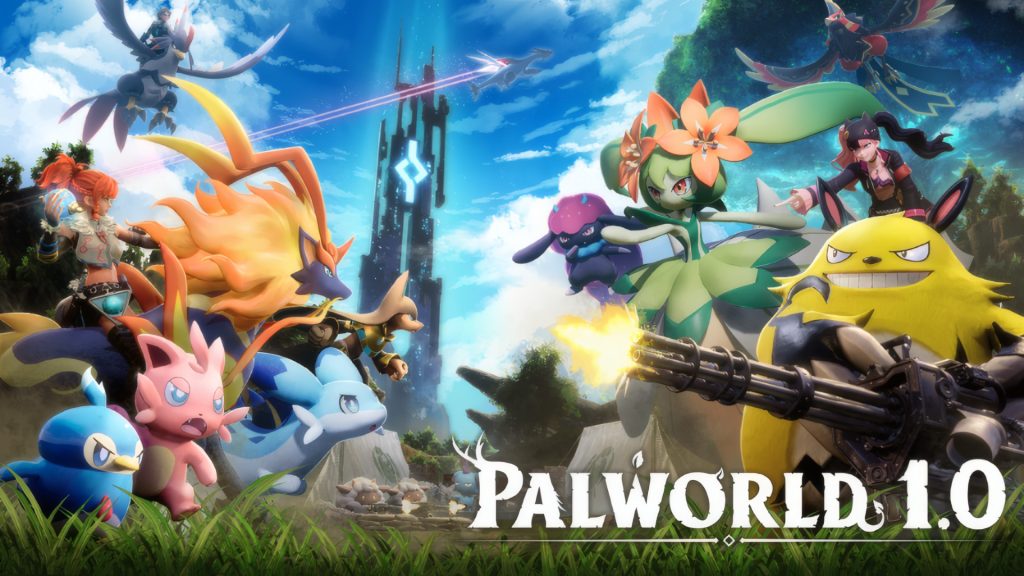
It has been roughly two and a half years since Palworld first entered Early Access, and quite a lot has…
![[EARLY ACCESS] The Last Caretaker – Survival Game I Cannot Stop Playing](https://www.indie-games.eu/wp-content/uploads/2026/07/The-last-Caretaker-Key-Art-1024x587.jpg)
The Last Caretaker is a compelling survival crafter with a flooded world and mobile base, but weak combat and performance…
