![[GAMESCOM 2026] Terranigma Preview – A Lost SNES Classic Returns in 2027](https://www.indie-games.eu/wp-content/uploads/2026/08/Terranigma-1-1024x576.jpg)
[GAMESCOM 2026] Terranigma Preview – A Lost SNES Classic Returns in 2027
After more than three decades of limited availability, Terranigma is returning in 2027. We played its enhanced re-release at Gamescom…

![[PREVIEW] We’re Back in Roman Times with Pompeii: The Legacy, Which Got a New Demo for Steam Next Fest](https://www.indie-games.eu/wp-content/uploads/2025/06/Pompeii-naslovna.jpg)
If you enjoy independent indie game coverage, consider supporting Indie-Games.eu on Patreon. It helps keep the site independent.
We last played Pompeii: The Legacy back in March, when the official playtest was open. Since then, Željko Kos, the developer behind this game, has been working diligently to present his demo version to us at Steam Next Fest next week. Although it’s practically the same prototype, with some modifications, the demo brought even more content – not a lot, but just enough to return to the Roman era of this game.


First off, this is an excellent city-builder game, brought to us by a genre veteran. So, it’s no surprise that the gameplay is smooth, simple, and fluid. There’s not much need for overthinking how to do something or where to place things; the game explains everything in a nutshell, and it’s easy to get to the end of the demo.
What’s immediately noticeable is that the graphics have been significantly improved. Not just the graphics, but also the colors, lighting, and overall details. The game looks more beautiful in general, the people in the game have their own charisma, and the environment is more vibrant with various flowers, palm trees, and other foliage. There’s also an entire section of buildings where you can see the destroyed city of Pompeii next to the volcano.
The technology has also been expanded; you can now grow wheat, build an iron mine, and use bricks. At the same time, Pompeii: The Legacy is more balanced. I got the feeling that some buildings are cheaper and easier to construct. However, what I did notice is that transportation in the game is quite slow, or too many buildings depend on each other, despite the fact that you can upgrade roads and speed up the flow through technology.
Buildings will be scattered across the map: something has to be closer to the water, a quarry must be built on a mountain, and it’s not entirely clear how much food you gather through hunting and mushroom collection. While it takes time to get to something, the production process is faster, and this is very noticeable compared to the playtest.


As soon as you start the demo, it’s clear that the final game will feature campaign, sandbox, and creative modes, promising hours upon hours of gameplay. We also got a bunch of new options for customizing our crest and can choose from several different families, each with its own unique benefits. The demo does a great job of showing us what to expect.
However, some of the most important parts remain largely untouched, the function of families through diplomacy and the world map. It’s not yet clear how all of that will work. While the city-builder mechanics are solid, we’ll have to wait a bit for all the other features.
The demo may not show the full splendor of the game, but the massive theater and forum hint at how large the final buildings will eventually be. It will be interesting to see what kind of architecture we can build, given that the game aims for historical authenticity. What remains to be seen are the mid- and late-game sections.
But based on what Željko showed us in his studio in Zagreb—that there won’t be any lag and that the game will run many things at once without a problem – we have reason to remain optimistic. For now, Pompeii: The Legacy remains one of the most impressive Croatian games, and we hope that everything expected later this year will be truly spectacular.
After more than three decades of limited availability, Terranigma is returning in 2027. We played its enhanced re-release at Gamescom…

Reading another person’s mind is often presented as a desirable superpower, but Sister Other Paranoia immediately understands why it could…
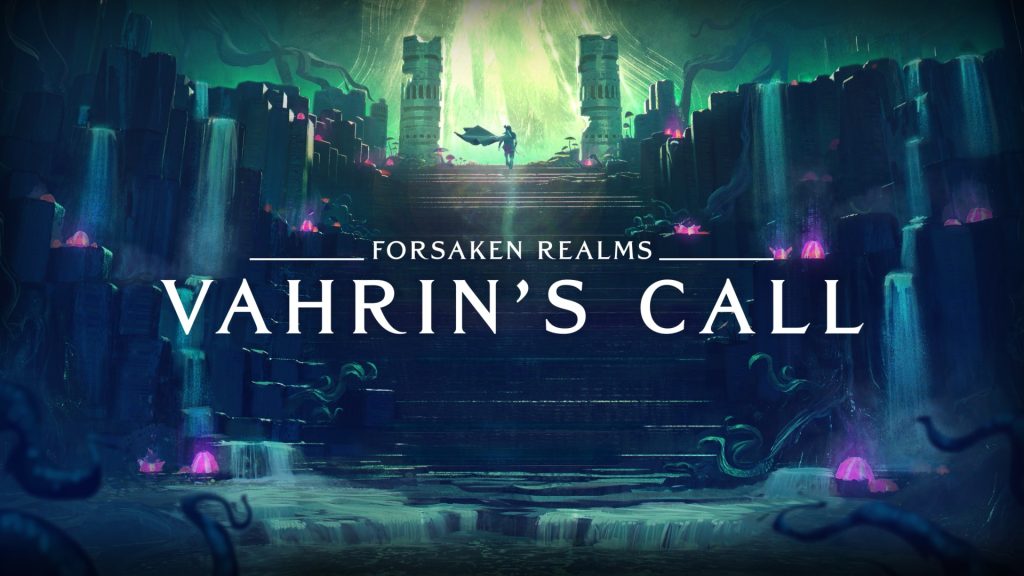
Forsaken Realms: Vahrin’s Call is exactly the kind of ambitious, slightly clumsy fantasy RPG that used to be far more…
![[Early Access] 2nd EVE – Sci-Fi Action RPG That Lacks a Sense of Stakes](https://www.indie-games.eu/wp-content/uploads/2026/08/2ND-EVE-1024x576.jpg)
2nd Eve is a space-set action RPG in which we strive to save humanity.
![[PREVIEW] Dreamcards – Strategic Exploration of Consciousness](https://www.indie-games.eu/wp-content/uploads/2026/08/Dreamcards_20260810_233631_0000-1024x576.jpg)
Dreamcards is a roguelike deckbuilder centered around dreams and nightmares.
![[Early Access] OFFBEAT – Incredibly Fun Way to Start a Music Career](https://www.indie-games.eu/wp-content/uploads/2026/08/Offbeat_20260808_201446_0000-1024x576.jpg)
In OFFBEAT, we play the role of a jobbing composer who is launching their music career.
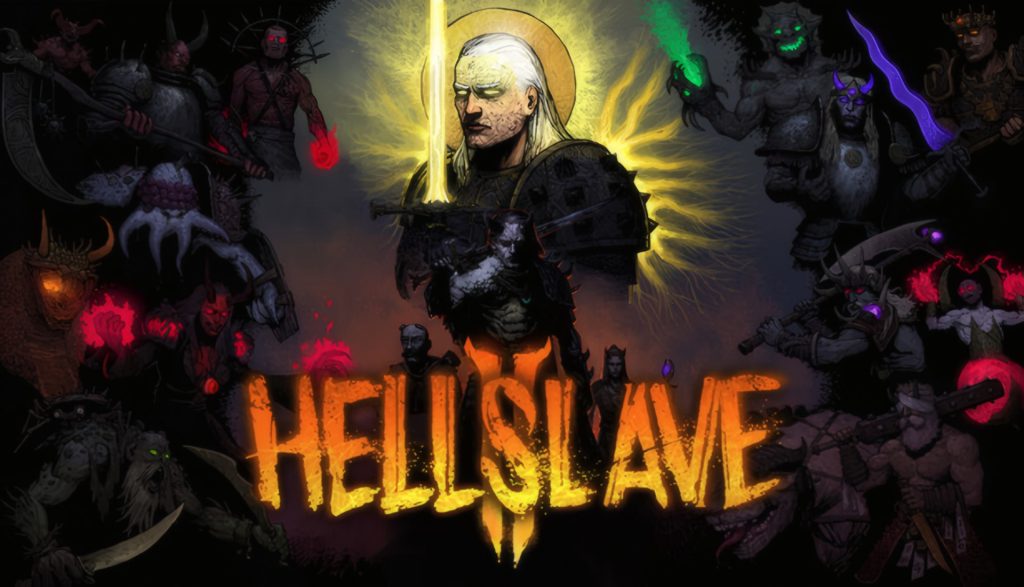
HellSlave II retains the original’s oppressive atmosphere, morally grey world and striking art while adding a larger world, randomized loot…
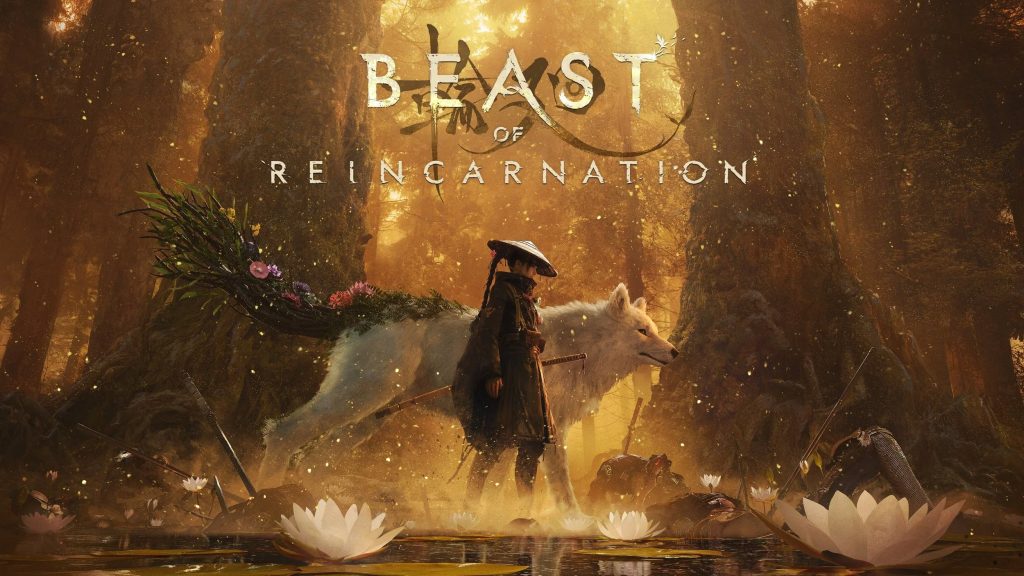
Beast of Reincarnation is an ambitious but uneven action RPG elevated by satisfying parry combat, beautiful art direction and the…

K-pop Idol Stories: Road to Debut captures the pressure of building idol group, but its management systems never explore that…
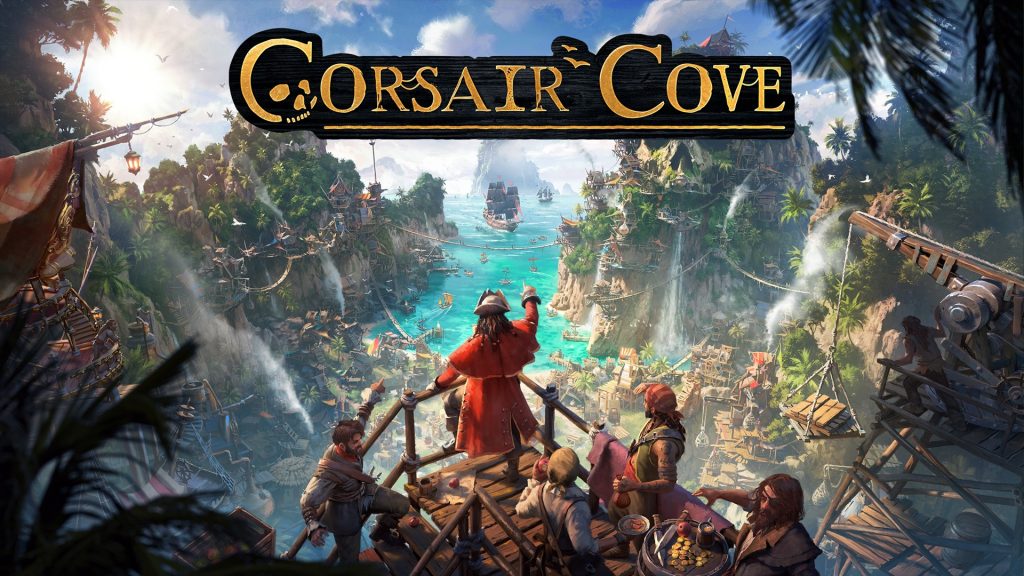
Hooded Horse keeps finding strategy games that know their audience, and Corsair Cove extends its impressive run of excellent city-builders.
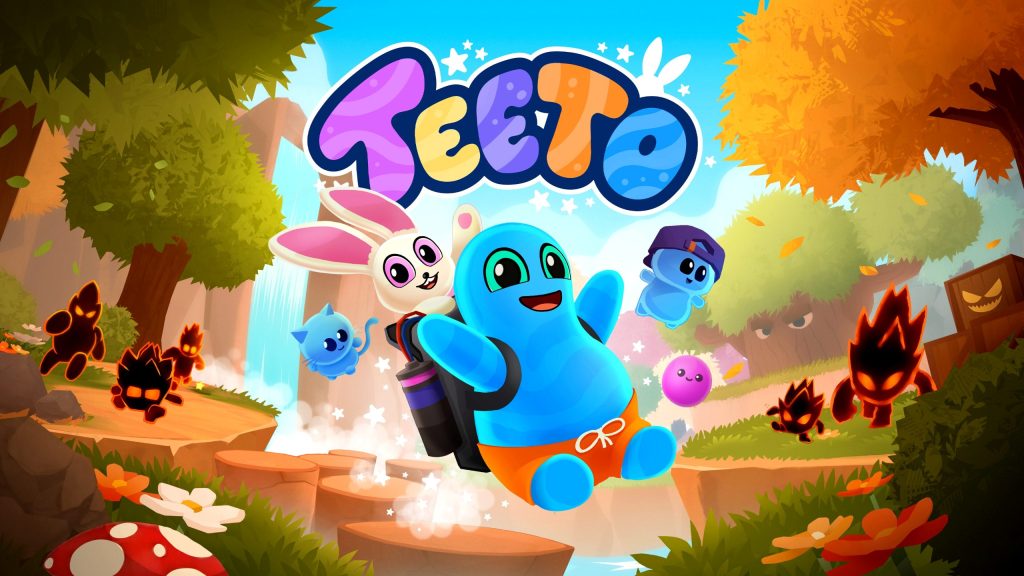
Teeto is a warm, cozy, creative and highly enjoyable 3D platformer that understands why classic collectathons remain so appealing.
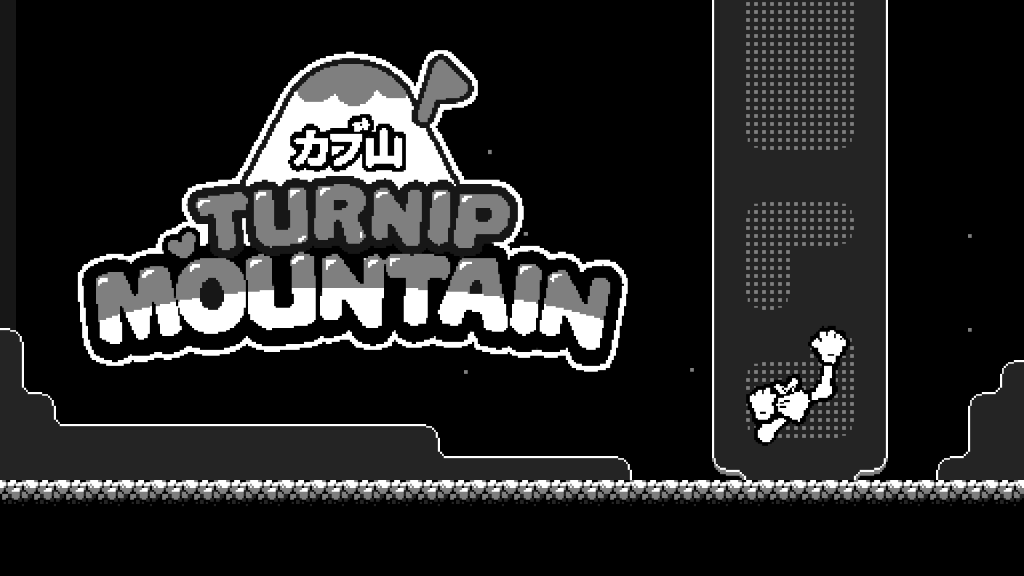
Turnip Mountain stands out for its combination of a unique control system and a minimalist approach.
Dystopicon is an imaginative and memorable narrative experiment with sharp social commentary, engaging world-building and several wonderfully absurd scenarios.

Maneki Mania is an incremental game centered around petting a lucky cat.
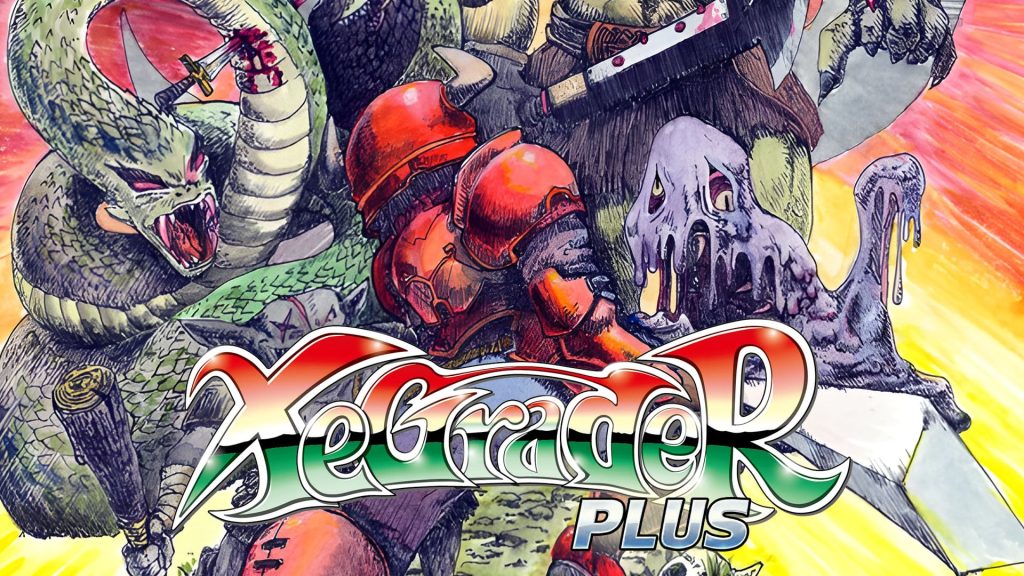
XeGrader Plus delivers colorful retro shooting, but basic mechanics, a short campaign and paid retro modes make its €20 price…
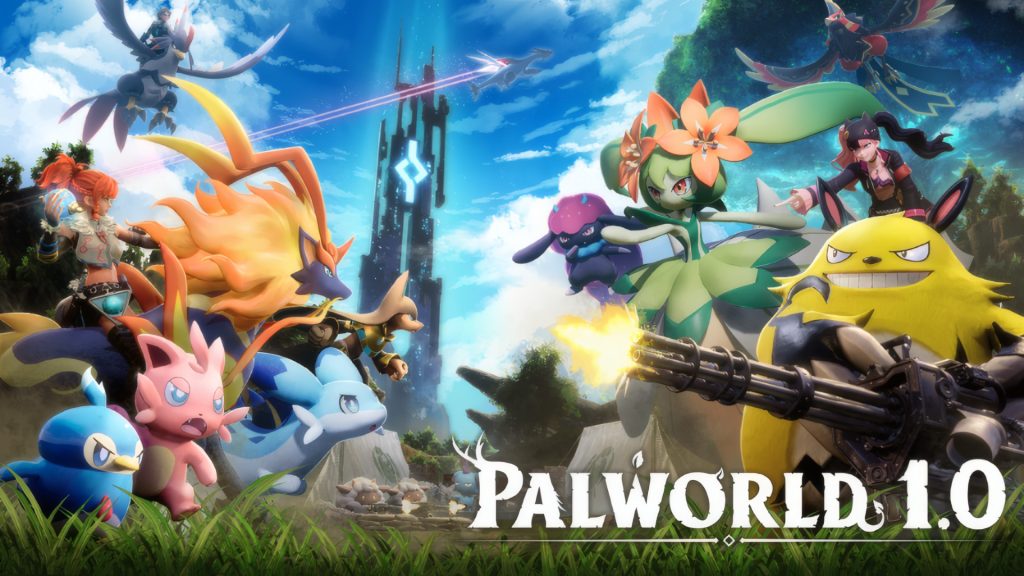
It has been roughly two and a half years since Palworld first entered Early Access, and quite a lot has…
![[EARLY ACCESS] The Last Caretaker – Survival Game I Cannot Stop Playing](https://www.indie-games.eu/wp-content/uploads/2026/07/The-last-Caretaker-Key-Art-1024x587.jpg)
The Last Caretaker is a compelling survival crafter with a flooded world and mobile base, but weak combat and performance…

Advent: Dawn is an intriguing science-fiction visual novel elevated by a likable cast and one of the most convenient flowchart…
![[EARLY ACCESS] Hell Maiden – Beautiful but Uneven Journey Through Hell](https://www.indie-games.eu/wp-content/uploads/2025/06/HMD_screenshot_019-1024x576.jpg)
Bullet heaven and rougelite game Hell Maiden lands between a polished Early Access release and a promising game that still…
![[PREVIEW] Dark Queen of Samobor – Promising Croatian Adventure Still in Need of Polish](https://www.indie-games.eu/wp-content/uploads/2026/07/Dark-Queen-of-Samobor-1024x587.jpg)
Dark Queen of Samobor is a promising 2.5D side-scrolling action-adventure that combines Croatian folklore with combat, puzzles and cinematic platforming.
