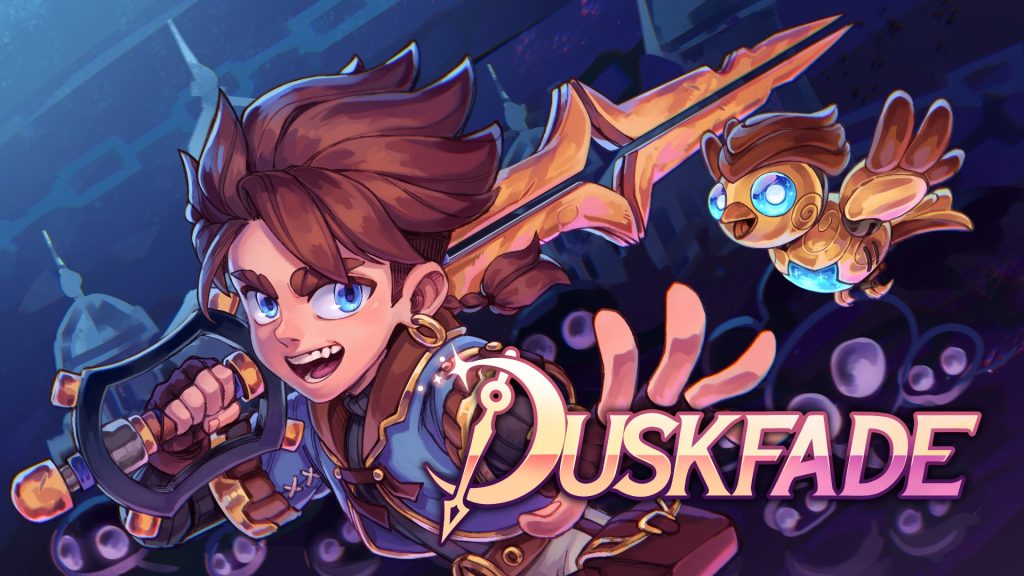
Duskfade – The PS2 Era Returns With All Its Strengths and Weaknesses
Duskfade is worth considering for players who miss colourful PS2-style action-platformers and can tolerate basic combat, floaty movement and backtracking.

![[PREVIEW] Tempest Tower – A Promising Tower Defense Game](https://www.indie-games.eu/wp-content/uploads/2025/02/Tempest-Tower.jpg)
If you enjoy independent indie game coverage, consider supporting Indie-Games.eu on Patreon. It helps keep the site independent.
Two years ago, I had the opportunity to play Bish Bash Bots, a cooperative tower defense game where, in addition to building various cannons to destroy enemies, you could use different skills to push and hit them. Tempest Tower takes this concept and expands it in a unique way, combining classic base-building with combat led by you yourself, which forces you to explore the map and strategically use it to your advantage.

During the Build Phase, you plan and construct your defensive systems. You can set up cannons, traps, and various other devices to defend against the incoming Creeper enemies. The game offers a wide variety of tools, from lethal cannons to trampolines that allow you to jump around the map. You can even jump on the heads of enemies, but be careful; your HP bar decreases with every encounter, and if it reaches zero, you return to the base. This phase relies entirely on strategy and creativity as you experiment with different setups to build the most effective defense.
When the Creepers attack, the game switches to the Action Phase. Here, you take direct control of your character, fighting enemies, activating traps, and repairing defensive systems. However, my biggest complaint is how tedious this phase can become, especially since your defensive towers barely damage the enemies. They require electricity to operate, which is generated by wind turbines that only work when the wind is blowing. You can use a cleaning brush to push enemies and generate wind, but the game limits the places where you can set up these defensive systems, which adds an extra layer of challenge.
Another key mechanic is collecting souls from large plants located near your defensive systems. These plants are randomly distributed across the map, so it’s always a good idea to build towers near them, as they collect enemy souls. When you collect enough souls, you can use them to gain the points needed to build additional defensive systems and progress in the game. The map also constantly changes and expands, forcing you to be in constant motion instead of staying in one place.

You can also use dangerous environmental elements, such as explosive barrels or traps, to your advantage. For example, the demo effectively shows how to use bombs scattered across the map to eliminate multiple enemies at once. Additionally, teleporters are strategically placed to facilitate map navigation.
However, my biggest issue lies with the enemies. As mentioned earlier, they are extremely durable and take too long to attack to defeat them. Some enemies even block your towers by releasing a sticky substance. There are also slime walls that block your path, forcing you to clean them to move more freely. Even when you jump on enemies, like Super Mario, eliminating them takes too long, which can be frustrating and slow down the pace of the game.
Here is why the game is designed this way: it focuses on short sessions instead of long ones. Your main tower must be powered by the enemies’ souls, and once it’s sufficiently charged, you must activate it to destroy the remaining enemies. This mechanic discourages long sessions because the enemies are numerous and durable, which can detract from the fun. Still, I understand the intent behind this design; it forces you to experiment and adapt instead of relying on a single strategy.

Visually, Tempest Tower is vibrant and full of color, with a cartoon art style that perfectly matches its whimsical tone. The world of Trip Space exudes personality, with unique flora and creative contraptions that make every level visually interesting. The Creepers are excellently designed, with various enemy types that keep the combat fresh and dynamic. The animations are smooth, and the action is easy to follow, even during chaotic battles.
I look forward to seeing what the game will offer in the final version. So far, everything looks promising; the only question is whether the full version will deliver a polished and satisfying experience. Given that Half Past Yellow, the development team behind this game, has had its ups and downs but is now delivering another interesting title, I remain optimistic about this project.
Duskfade is worth considering for players who miss colourful PS2-style action-platformers and can tolerate basic combat, floaty movement and backtracking.

Man I Just Wanna Go Home is a noir crime story with visuals from MS Paint and life-or-death choices.
![[GAMESCOM 2026] Vikings Dynasty Preview – Expands the Dynasty Formula](https://www.indie-games.eu/wp-content/uploads/2026/09/Viking-Dynasty-09-21-26-2-1024x576.jpg)
After showing me Prospera at Gamescom 2026, Toplitz Productions' Mathias Oertel moved to a very different kind of settlement builder.…
![[GAMESCOM 2026] Prospera Preview – Production, Prosperity and Victorian Industry](https://www.indie-games.eu/wp-content/uploads/2026/09/Prospera-09-21-26-5-1024x576.jpg)
At Gamescom 2026, I met with Toplitz Productions' Mathias Oertel for a guided presentation of two upcoming games. One of…
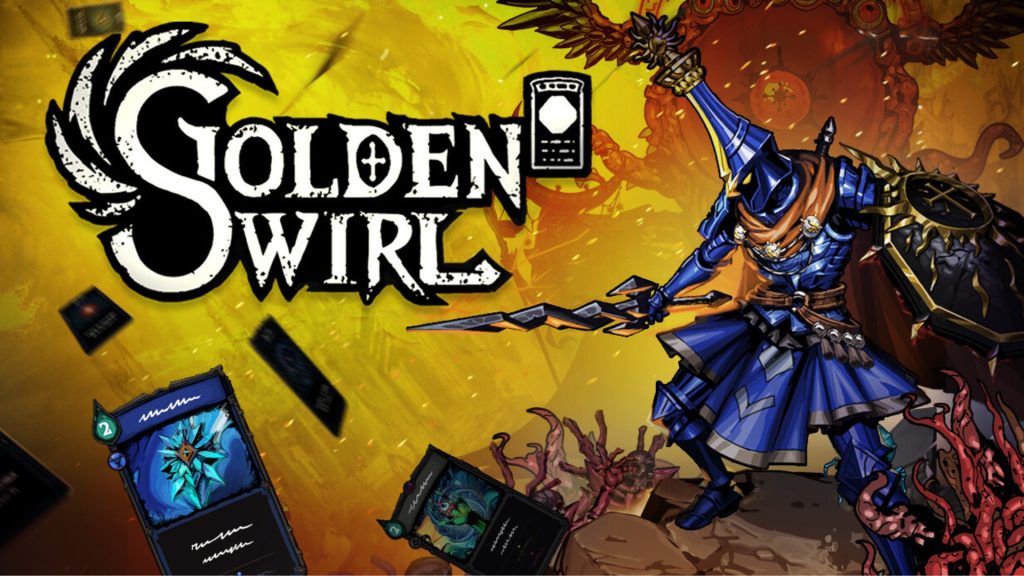
Golden Swirl inventive card combat carries the experience, but repetitive rooms, weak upgrades and excessive dialogue hold it back.
![[GAMESCOM 2026] Wilderdark Preview – Ambitious Dinosaur Horror Game That Still Has Plenty to Prove](https://www.indie-games.eu/wp-content/uploads/2026/09/Wilderdark-1024x576.jpg)
Dinosaur survival horror game Wilderdark has one of those premises that immediately makes you wonder why more games have not…
![[PREVIEW] Tiny Metal 2 – Strategy Game That Wants You to Learn From Every Mistake](https://www.indie-games.eu/wp-content/uploads/2026/09/Tiny-Metal-2-1024x576.jpg)
I rarely enjoy discovering that my opening strategy was completely wrong, but Tiny Metal 2 made that process one of…
![[PREVIEW] Remothered: Red Nun’s Legacy – Ambitious Survival Horror That Needs More Polish](https://www.indie-games.eu/wp-content/uploads/2026/09/Remothered-Red-Nuns-Legacy-4-1024x576.jpg)
Remothered: Red Nun’s Legacy has a gripping atmosphere and promising survival tools, but its repetitive hiding and rough visuals need…
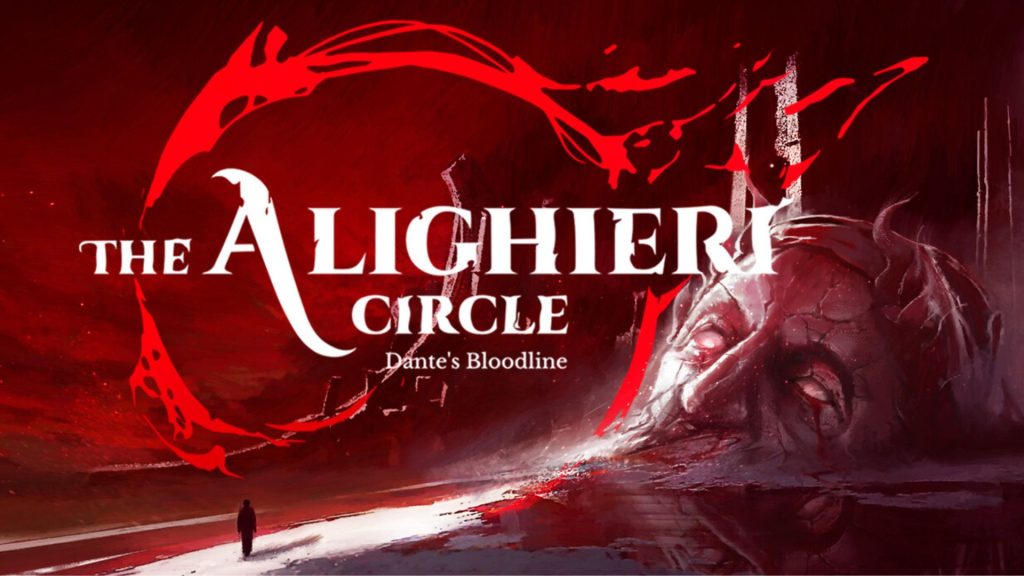
The Alighieri Circle: Dante’s Bloodline is difficult to recommend beyond players who are especially interested in Dante or enjoy solving…
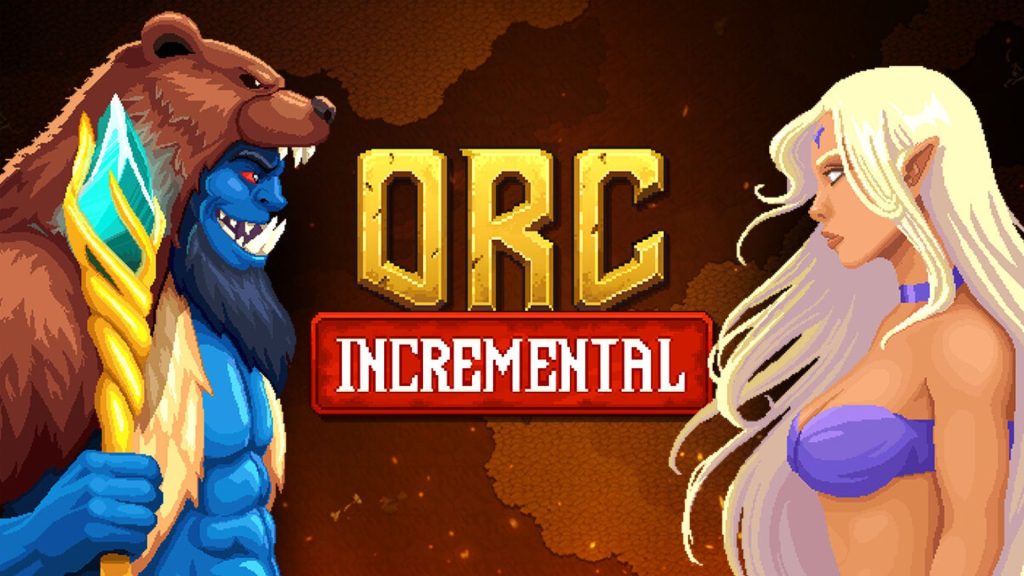
Orc Incremental offers satisfying progression, entertaining totem combinations and enough content to justify its affordable price.
![[GAMESCOM 2026] Chronoscript: The Endless End Preview – Beautiful Pages Hide Deliberate Combat](https://www.indie-games.eu/wp-content/uploads/2026/09/Chronoscript-The-Endless-End-1-1024x576.jpg)
Chronoscript: The Endless End stands out from other Metroidvanias by blending 2D manuscript worlds with exploration inside a 3D manor.
![[GAMESCOM 2026] MegaGum Preview – Combat Hits Hard in This Sticky Platforming Adventure](https://www.indie-games.eu/wp-content/uploads/2026/09/MegaGum-09-09-26-5-1024x576.jpg)
MegaGum combines hard-hitting combat, varied weapons and Gum-powered platforming in a promising Gamescom 2026 demo.
![[GAMESCOM 2026] Delphinium Preview – Cozy Routine Mixed With Enjoyable Minigames](https://www.indie-games.eu/wp-content/uploads/2026/03/Delphinium--1024x665.jpg)
Delphinium mixes cozy farming, exploration and relationships with enjoyable fishing, cooking and forging minigames in its Gamescom 2026 demo.
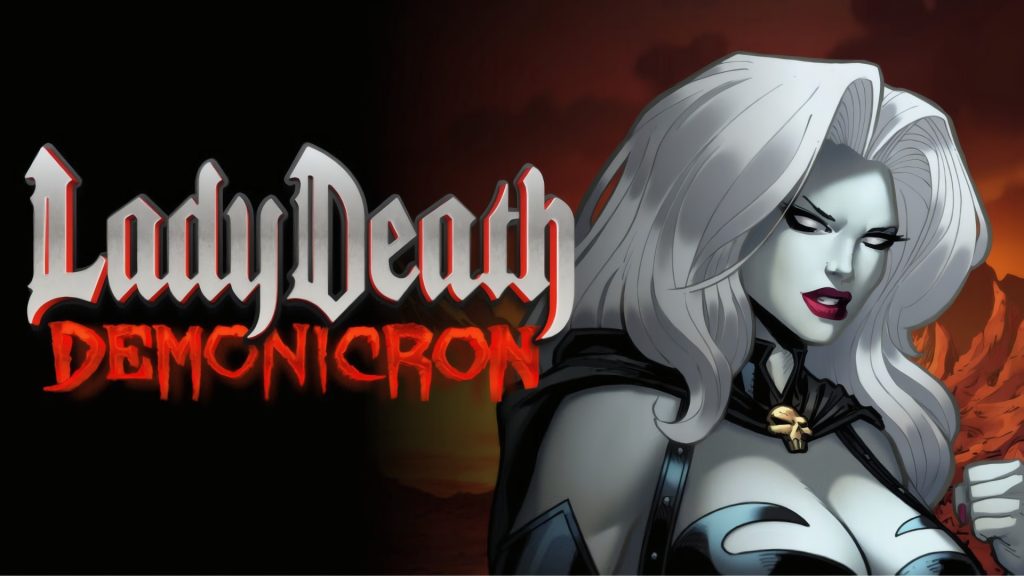
Lady Death: Demonicron looks the part, but underneath its excellent comic-book exterior is a clunky and painfully short brawler.
![[GAMESCOM 2026] Tomb Raider: Legacy of Atlantis Preview – Expands the Original Without Losing Its Identity](https://www.indie-games.eu/wp-content/uploads/2026/09/tomb-raider-legacy-of-atlantis-06-02-26-1-1024x576.jpg)
Tomb Raider: Legacy of Atlantis brings Lara back to her roots, but its Gamescom 2026 showing proved this is far…
![[GAMESCOM 2026] Clive Barker’s Hellraiser: Revival Preview – Ready to Open the Box](https://www.indie-games.eu/wp-content/uploads/2026/09/Clive-Barkers-Hellraiser-Revival-08-30-26-1-1024x576.jpg)
Hellraiser: Revival preserves the franchise’s sex, gore and psychological horror while delivering approachable survival-horror gameplay.

Swan Song creates a peaceful and forgiving puzzle space without removing the challenge that makes solving a difficult puzzle rewarding.
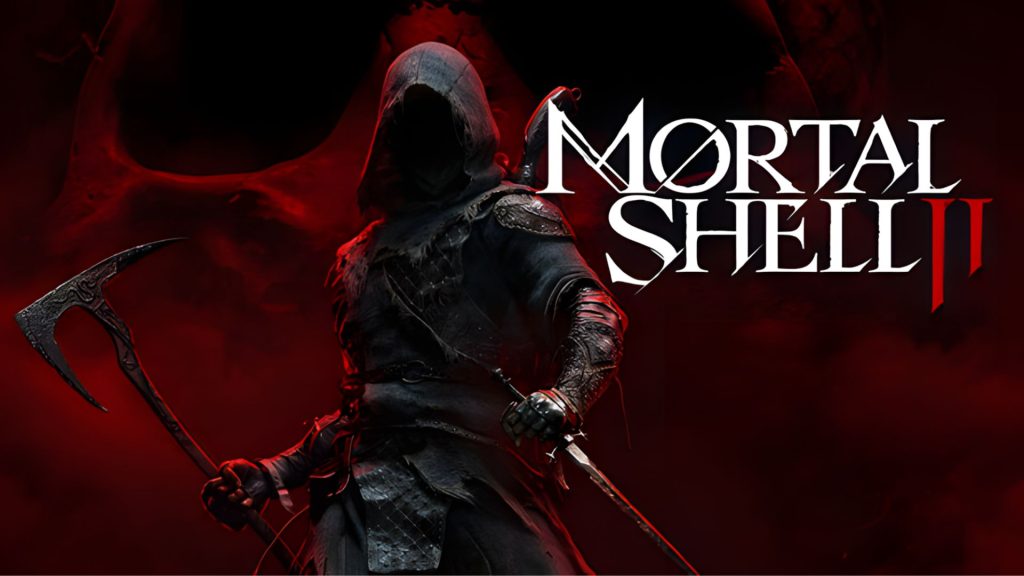
Mortal Shell II starts brilliantly but grows repetitive and exhausting, while remaining a rewarding and ambitious Soulslike sequel.
![[GAMESCOM 2026] Terranigma Preview – A Lost SNES Classic Returns in 2027](https://www.indie-games.eu/wp-content/uploads/2026/08/Terranigma-1-1024x576.jpg)
After more than three decades of limited availability, Terranigma is returning in 2027. We played its enhanced re-release at Gamescom…

Reading another person’s mind is often presented as a desirable superpower, but Sister Other Paranoia immediately understands why it could…
