![[PREVIEW] Tiny Metal 2 – Strategy Game That Wants You to Learn From Every Mistake](https://www.indie-games.eu/wp-content/uploads/2026/09/Tiny-Metal-2-1024x576.jpg)
[PREVIEW] Tiny Metal 2 – Strategy Game That Wants You to Learn From Every Mistake
I rarely enjoy discovering that my opening strategy was completely wrong, but Tiny Metal 2 made that process one of…


If you enjoy independent indie game coverage, consider supporting Indie-Games.eu on Patreon. It helps keep the site independent.
Wuchang: Fallen Feathers is a new Soulslike action RPG set in a dark fantasy version of the late Chinese Ming Dynasty. You play as Bai Wuchang, a pirate suffering from amnesia and a mysterious illness called “The Feathering,” which slowly turns people into monsters. The narrative part of the game is told in a typical Soulslike manner, with information slowly trickled through environmental storytelling, item descriptions, and scarce cutscenes. Our protagonist soon realizes that in her search for a cure, she will have to defeat various bosses and enemies, while upgrading her skills and utilizing magic.
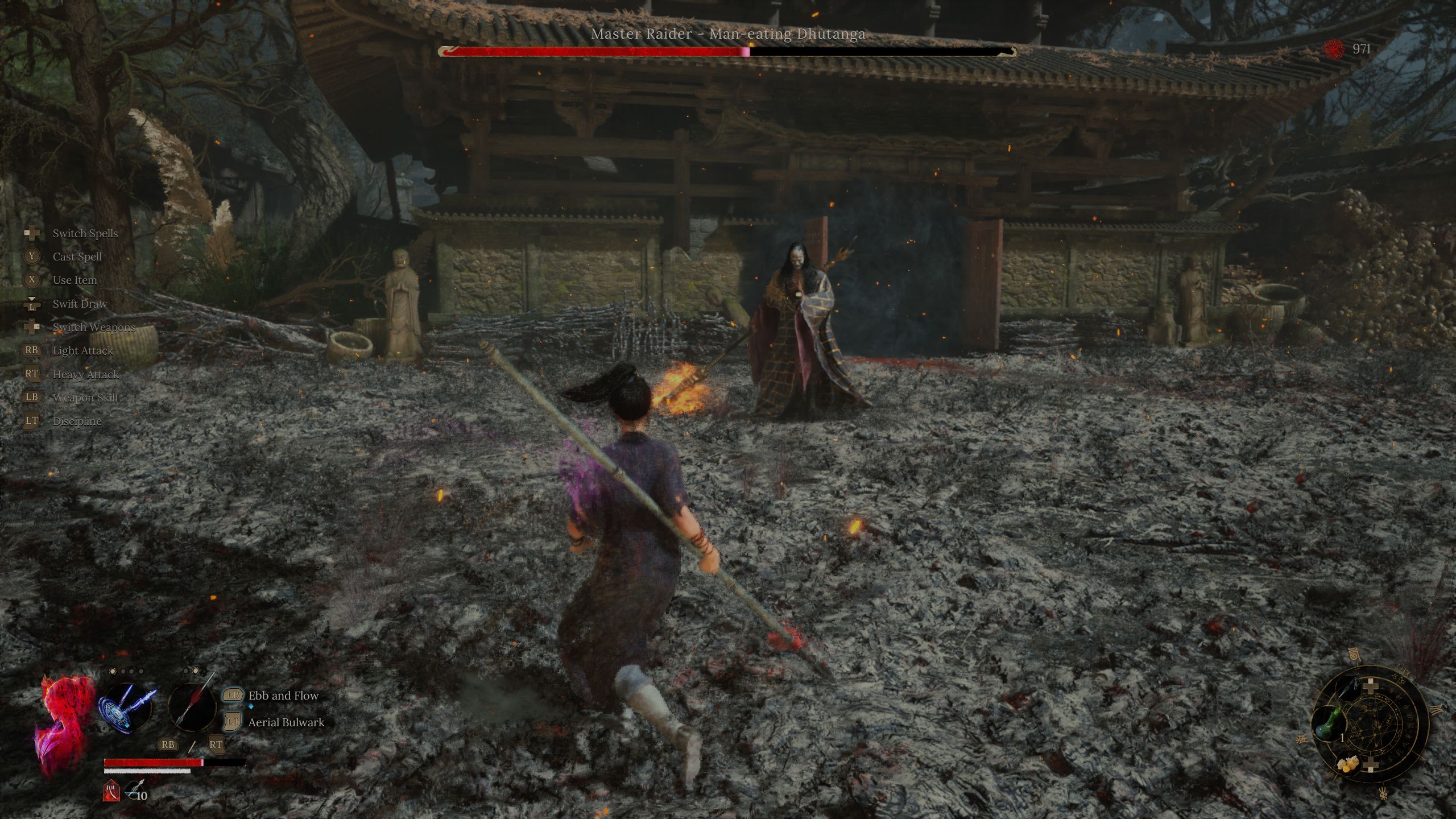
Without a doubt, Wuchang looks gorgeous. The game is brimming with colors and dark areas, various monstrosities, beautiful buildings, and a truly expansive, interconnected world that seamlessly flows from one place to another. For example, there are special shortcuts that connect one area to another, opening up more paths.
There are also plenty of NPCs and characters you’ll meet along the way to buy various items and gain a better understanding of the world’s state. A good thing is that you can teleport between various points. There are also various shortcuts to quickly reach bosses, as well as hidden chests and items to discover, making exploration extremely useful in this game.
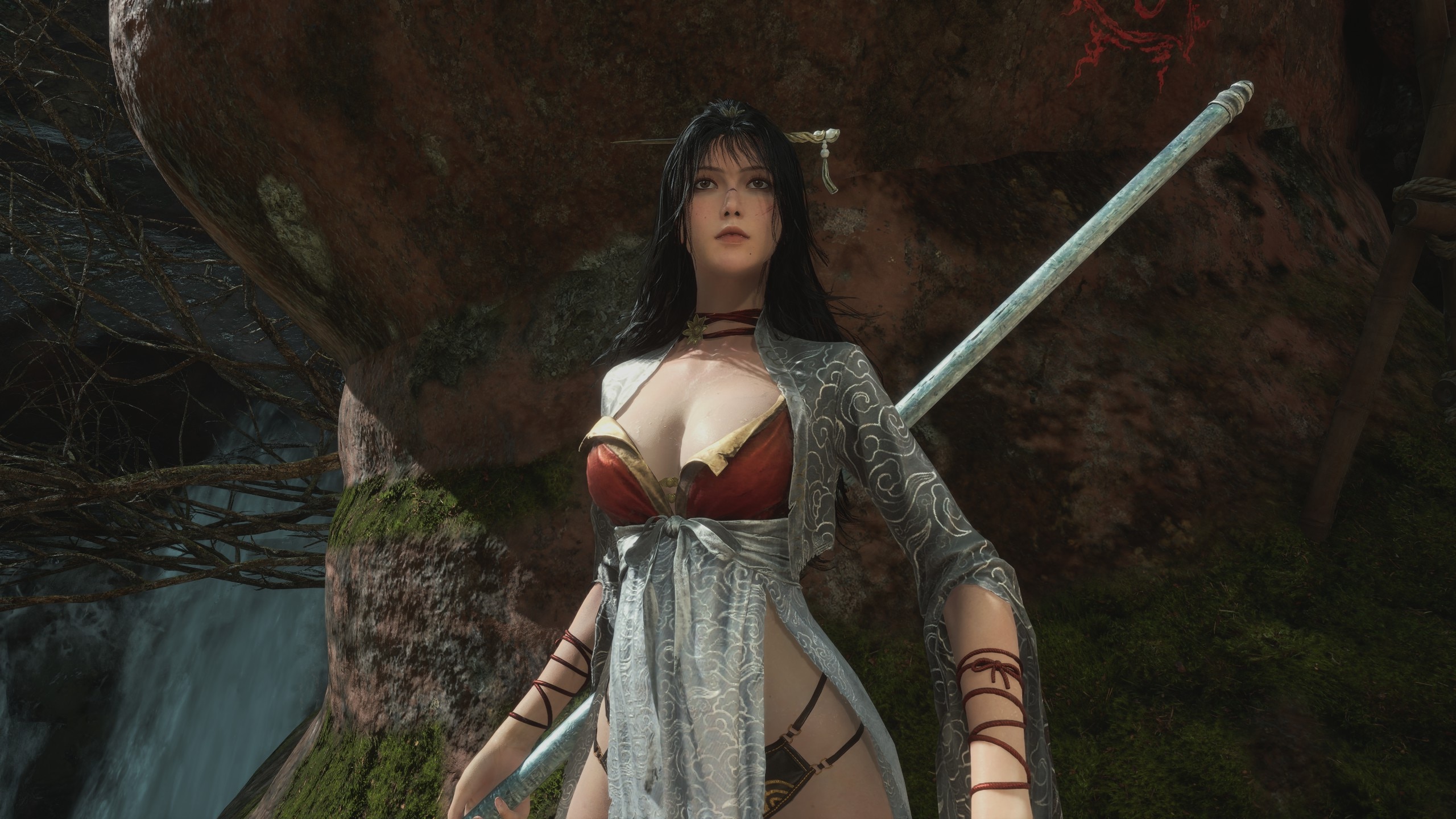
“What’s already obvious and widely known is that Wuchang, as a protagonist, is quite attractive.”
However, until the game was recently patched, it had its technical and graphical difficulties. The visuals, unfortunately, are still not perfectly smooth; the overall texture quality is insufficient, leading to occasional stutters due to poor optimization. Combat isn’t always responsive and precise due to delayed animations; once you swing your sword, you have to wait for the animation to finish before you can roll or block an attack. Still, bosses have their own stutters, giving you a bit more time to react at certain moments.
What’s already obvious and widely known is that Wuchang, as a protagonist, is quite attractive. This approach has simply become normal for games from Asia, but it’s not overly forced. You collect various armors and costumes as you play, so ultimately, her appearance isn’t that important since you’ll mostly focus on the gameplay itself, not on what she’s wearing. Each costume provides different bonuses and penalties, so it’s not always wise, for example, to choose a costume that gives you negative effects, like increased fire damage, if you’re already in an area where fire is dominant.
Now that we’ve covered some generic aspects, let’s move on to combat. WUCHANG: Fallen Feathers offers fast-paced and challenging combat. The game provides five different weapon types, each acting as a sort of class with unique playstyles. This allows for significant variety in character builds and encourages experimentation, which is truly emphasized in this game.
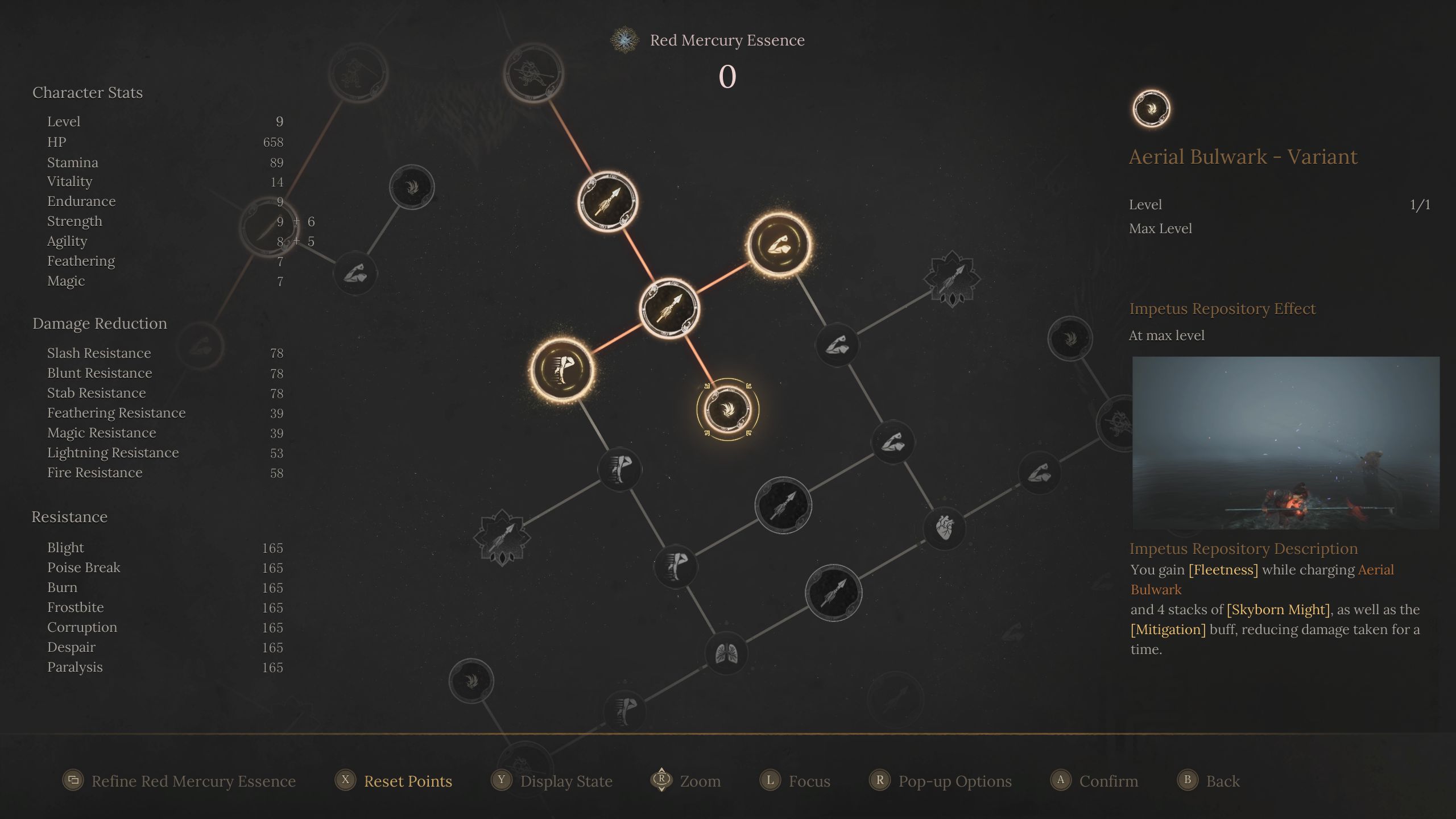
The “Impetus Repository skill tree,” reminiscent of Final Fantasy X’s Sphere Grid, offers deep customization and progression where each branch on that tree has its benefits, and you need to know from the start what you want to upgrade. There’s also a New Game+ mode, so you can experiment with different moves and spells.
“Combat isn’t perfect and has its difficulties that won’t appeal to everyone.”
However, combat isn’t perfect and has its difficulties that won’t appeal to everyone. First, I’d point out that some bosses are truly, truly too difficult. Many attacks are hard to read because, as I mentioned, there’s a delay with certain attacks, and they also have moves that you simply cannot avoid because rolling or dodging must be perfect. If you die in Wuchang during a boss battle, you’ll often have to traverse a long and tedious path back to the arena, which is genuinely frustrating.
Additionally, there are extreme variations in difficulty, where the first boss is easy, but then suddenly the third boss is so difficult that you can’t defeat them right away; you have to upgrade a bit to return and try again. Also, the healing animation is very slow, one of the slowest in the genre. Unlike many Soulslike games where blocking and parrying are fundamental universal mechanics, in Wuchang, these abilities are often tied to specific weapon types and require unlocking in the skill tree. Personally, I think The First Berserker: Khazan has perfect blocking and parrying mechanics, which Wuchang simply doesn’t measure up to, as dodging is the primary mechanic here.
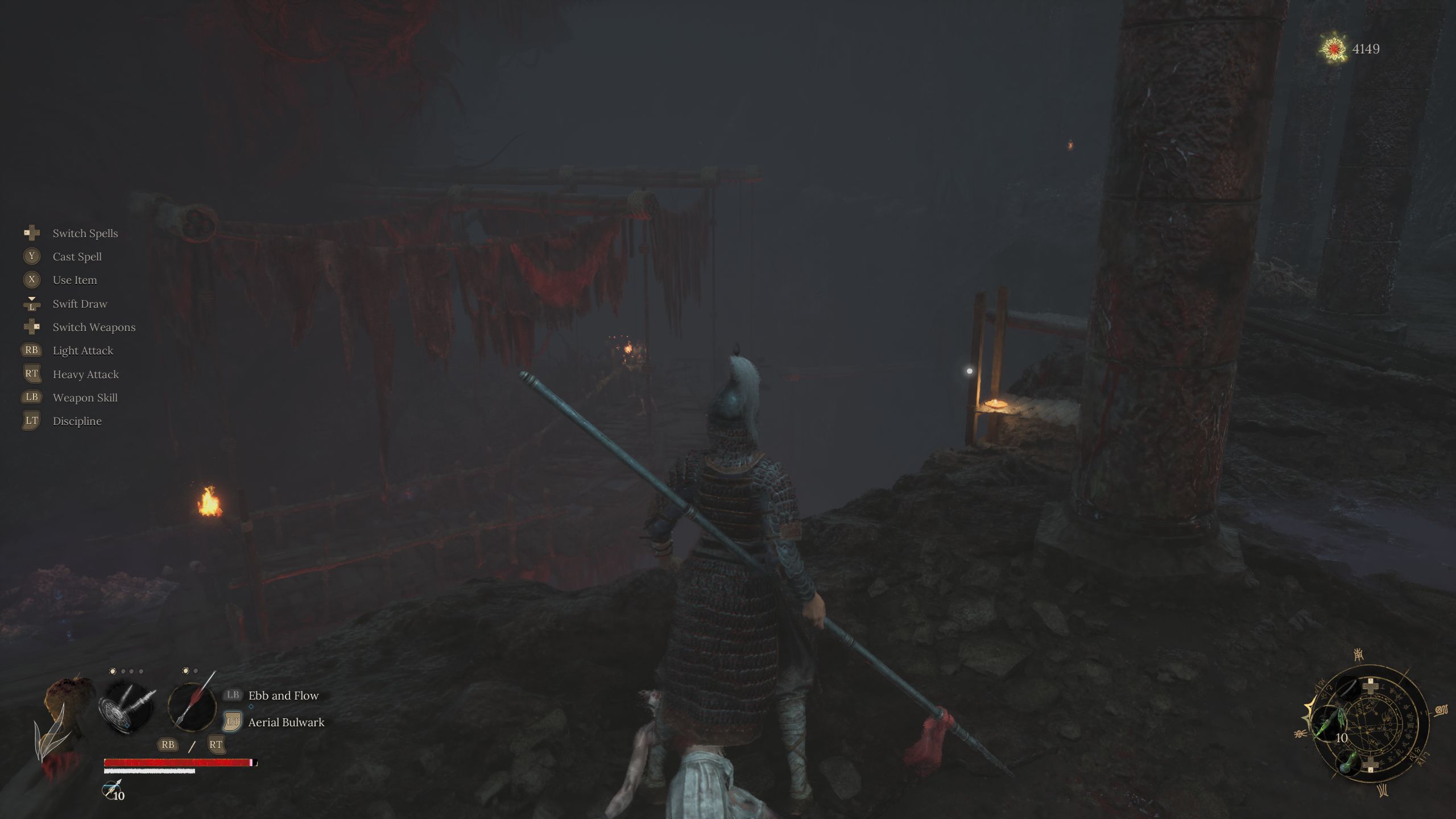
One of the very frustrating things in the game are the frequent, cheap ambushes or enemies charging from unexpected angles, which is more irritating than challenging. In other words, there are too many of these instances throughout the game, completely losing their meaning. For example, just after you’ve defeated two enemies that jumped out at you, another pair will jump out a minute later just to let you know there’s no rest. However, the combat is fluid, memorable, and fun, bringing some interesting mechanics like the Madness system or Skyborn Might.
Every time Bai Wuchang dies, a portion of the Madness meter fills, pushing you closer to a dangerous state. Higher Madness levels can provide advantages or unlock specific abilities, allowing you to “embrace your inner monster” for power, but a demon also appears to fight you and takes all your monetary resources. There’s also Skyborn Might, obtained by perfect dodging. It’s used for powerful special attacks and for casting magic.
“Combat is fluid, memorable, and fun, bringing some interesting mechanics.”
These spells primarily scale with the “Feathering” statistic and are often focused on elemental damage or status effects like corruption and plague. Since the in-game world is very expansive, I think the developers should have at least included a map. Sometimes you’ll find yourself completely lost, with no idea where to go, because the compass doesn’t help much, even though it gives you a direction to the next checkpoint.
The world is so large that you simply don’t have a sense of where you are, whether you’ve missed a hidden area, or if you really need to travel back and forth to explore something extra. Another thing worth noting is that for some reason, you can’t pause the game at all, as if you’re in an MMO title where enemies still move if you happen to need to do something.
Essentially, when we look at the whole picture, Wuchang is a truly fun and solid game. Although it has its pros and cons, it’s still a title you’ll enjoy playing, whether because it’s very challenging, because of the beautiful world, or perhaps because of the protagonist herself—it doesn’t really matter.
However, the bad reviews on Steam are justified, and something like that should be avoided. Personally, I didn’t have as many problems with graphics and optimization, but it’s definitely noticeable. While it doesn’t bring anything revolutionary to the Soulslike genre, it does offer something of quality and proves that Asian studios can create something that everyone will play. Additionally, Wuchang has different endings, so you’ll always have a reason to return after your first playthrough.
Unfortunately, this title has very frustrating elements that could have been avoided. Combat is quite inconsistent, sometimes good, sometimes not, and boss battles, while fun, have huge difficulty spikes. However, it’s worth trying, and you won’t feel like you’ve wasted your time on this game.
| Pros | Cons |
|---|---|
| Beautiful and expansive world. | Technical and graphical difficulties. |
| Fast and challenging combat. | Extreme boss difficulty variations. |
| Weapon and playstyle variety. | Too many “cheap ambushes”. |
| Fun and solid experience. | Lack of a map. |
Review copy provided by the publisher
I rarely enjoy discovering that my opening strategy was completely wrong, but Tiny Metal 2 made that process one of…
![[PREVIEW] Remothered: Red Nun’s Legacy – Ambitious Survival Horror That Needs More Polish](https://www.indie-games.eu/wp-content/uploads/2026/09/Remothered-Red-Nuns-Legacy-4-1024x576.jpg)
Remothered: Red Nun’s Legacy has a gripping atmosphere and promising survival tools, but its repetitive hiding and rough visuals need…
The Alighieri Circle: Dante’s Bloodline is difficult to recommend beyond players who are especially interested in Dante or enjoy solving…
Orc Incremental offers satisfying progression, entertaining totem combinations and enough content to justify its affordable price.
![[GAMESCOM 2026] Chronoscript: The Endless End Preview – Beautiful Pages Hide Deliberate Combat](https://www.indie-games.eu/wp-content/uploads/2026/09/Chronoscript-The-Endless-End-1-1024x576.jpg)
Chronoscript: The Endless End stands out from other Metroidvanias by blending 2D manuscript worlds with exploration inside a 3D manor.
![[GAMESCOM 2026] MegaGum Preview – Combat Hits Hard in This Sticky Platforming Adventure](https://www.indie-games.eu/wp-content/uploads/2026/09/MegaGum-09-09-26-5-1024x576.jpg)
MegaGum combines hard-hitting combat, varied weapons and Gum-powered platforming in a promising Gamescom 2026 demo.
![[GAMESCOM 2026] Delphinium Preview – Cozy Routine Mixed With Enjoyable Minigames](https://www.indie-games.eu/wp-content/uploads/2026/03/Delphinium--1024x665.jpg)
Delphinium mixes cozy farming, exploration and relationships with enjoyable fishing, cooking and forging minigames in its Gamescom 2026 demo.
Lady Death: Demonicron looks the part, but underneath its excellent comic-book exterior is a clunky and painfully short brawler.
![[GAMESCOM 2026] Tomb Raider: Legacy of Atlantis Preview – Expands the Original Without Losing Its Identity](https://www.indie-games.eu/wp-content/uploads/2026/09/tomb-raider-legacy-of-atlantis-06-02-26-1-1024x576.jpg)
Tomb Raider: Legacy of Atlantis brings Lara back to her roots, but its Gamescom 2026 showing proved this is far…
![[GAMESCOM 2026] Clive Barker’s Hellraiser: Revival Preview – Ready to Open the Box](https://www.indie-games.eu/wp-content/uploads/2026/09/Clive-Barkers-Hellraiser-Revival-08-30-26-1-1024x576.jpg)
Hellraiser: Revival preserves the franchise’s sex, gore and psychological horror while delivering approachable survival-horror gameplay.

Swan Song creates a peaceful and forgiving puzzle space without removing the challenge that makes solving a difficult puzzle rewarding.
Mortal Shell II starts brilliantly but grows repetitive and exhausting, while remaining a rewarding and ambitious Soulslike sequel.
![[GAMESCOM 2026] Terranigma Preview – A Lost SNES Classic Returns in 2027](https://www.indie-games.eu/wp-content/uploads/2026/08/Terranigma-1-1024x576.jpg)
After more than three decades of limited availability, Terranigma is returning in 2027. We played its enhanced re-release at Gamescom…
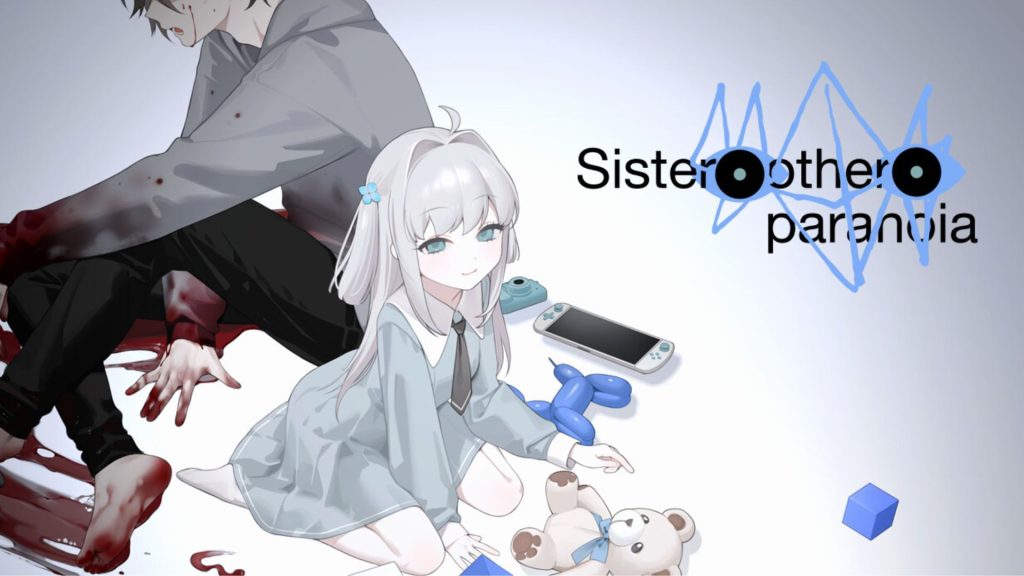
Reading another person’s mind is often presented as a desirable superpower, but Sister Other Paranoia immediately understands why it could…
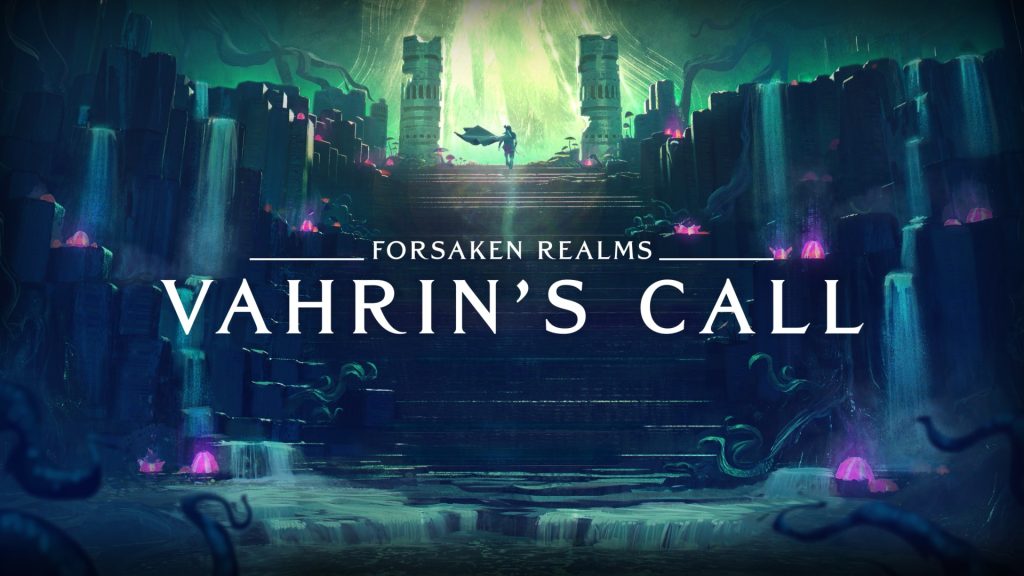
Forsaken Realms: Vahrin’s Call is exactly the kind of ambitious, slightly clumsy fantasy RPG that used to be far more…
![[Early Access] 2nd EVE – Sci-Fi Action RPG That Lacks a Sense of Stakes](https://www.indie-games.eu/wp-content/uploads/2026/08/2ND-EVE-1024x576.jpg)
2nd Eve is a space-set action RPG in which we strive to save humanity.
![[PREVIEW] Dreamcards – Strategic Exploration of Consciousness](https://www.indie-games.eu/wp-content/uploads/2026/08/Dreamcards_20260810_233631_0000-1024x576.jpg)
Dreamcards is a roguelike deckbuilder centered around dreams and nightmares.
![[Early Access] OFFBEAT – Incredibly Fun Way to Start a Music Career](https://www.indie-games.eu/wp-content/uploads/2026/08/Offbeat_20260808_201446_0000-1024x576.jpg)
In OFFBEAT, we play the role of a jobbing composer who is launching their music career.
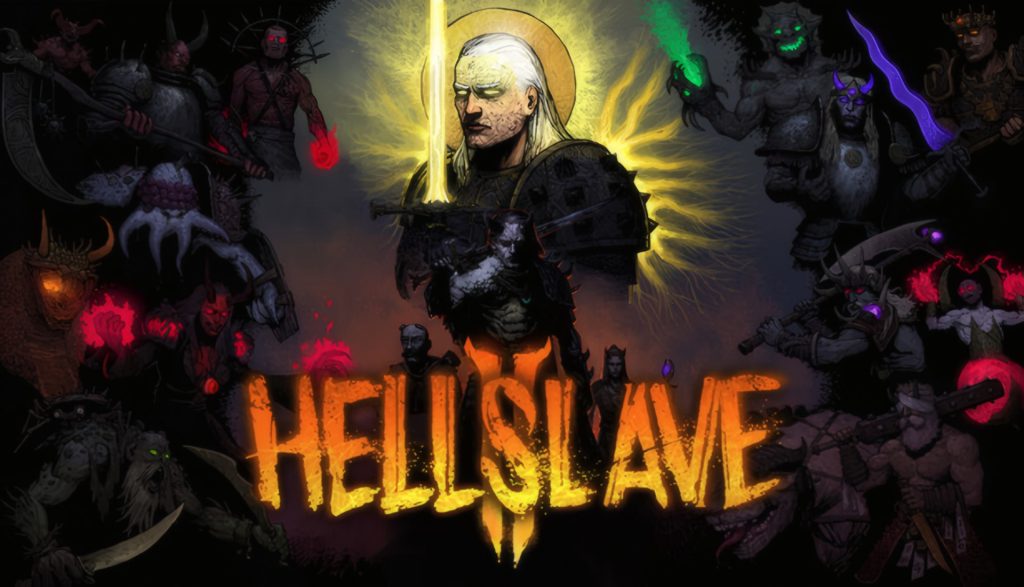
HellSlave II retains the original’s oppressive atmosphere, morally grey world and striking art while adding a larger world, randomized loot…
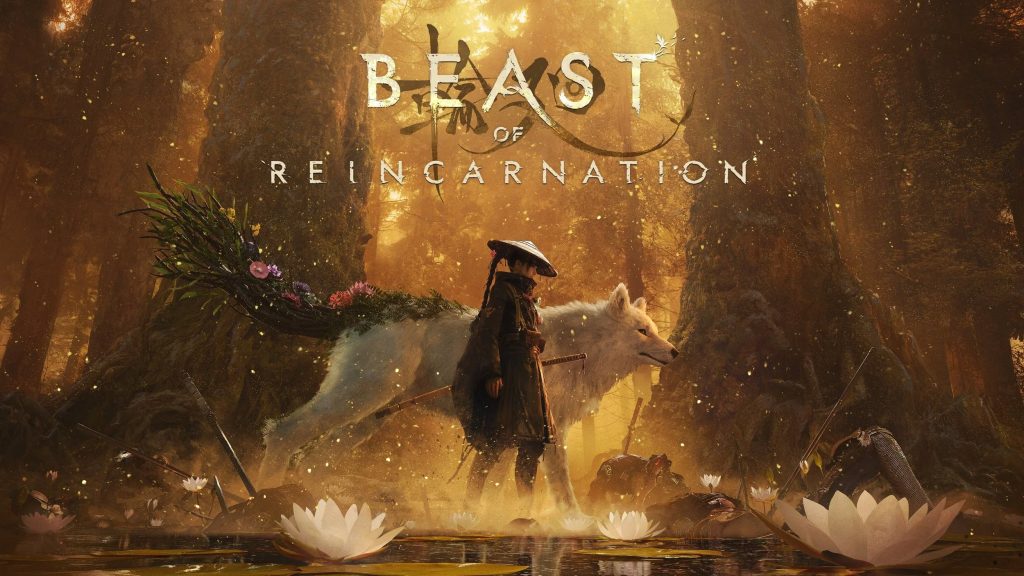
Beast of Reincarnation is an ambitious but uneven action RPG elevated by satisfying parry combat, beautiful art direction and the…
