Fire Emblem Awakening Retro Review – Unfulfilled Potential
Awakening is worth playing if you enjoy developing characters, experimenting with tactical partnerships, and shaping an army over a massive…


If you enjoy independent indie game coverage, consider supporting Indie-Games.eu on Patreon. It helps keep the site independent.
Philna Fantasy is my biggest surprise of this year (so far). Not only does it deliver an excellent action RPG gameplay loop, but it’s also incredibly addictive and genuinely fun to play. You’ll easily spend hours leveling up your character and uncovering everything the game has to offer. It’s not hard to sink 20 hours or more into the experience, especially thanks to the sheer number of dungeons available to explore, which will keep you busy for a long time. That said, despite the impressive amount of content, the game isn’t without its flaws.
The story is fairly simple to grasp at first. You follow an otherworldly protagonist who finds themselves stranded on the continent of Votland, a land slowly being consumed by a mysterious force known as the Void. From there, you step in as the “hero,” choosing between four distinct classes. What initially feels like a traditional fantasy setup gradually reveals deeper layers through environmental storytelling, side quests, and NPC interactions. While the narrative is decent and easy to follow early on, it becomes increasingly scattered the longer you play. At times, you may even forget why you’re there in the first place, and that’s partly because there isn’t much of a personal motivation. You’re transported without memories and suddenly cast as a hero, leaning heavily into familiar isekai tropes.
That said, one of the game’s strongest aspects is how alive and inhabited its world feels. Towns, dungeons, and wilderness areas are filled with characters who have their own concerns and histories, many of which subtly connect to the broader conflict. Side quests rarely feel like filler, often expanding the lore or showing how the Void affects everyday life. There’s a lot to take in: numerous characters, stories, and ideas to absorb, but Philna Fantasy ultimately delivers a richly crafted and genuinely impressive world.
Its pixel-art style takes you back to classic 16-bit RPGs, but it looks better than ever with modern lighting, smooth movement, and very clear visuals. The characters show lots of emotion, the magic looks bright and exciting without being too busy, and you’ll explore many different kinds of places so it never feels repetitive. Whether you’re in green open lands or dark dungeons, the game keeps the same polished look.
Before we talk about the combat, you should know that exploration is a big part of this game. There are over 9 detailed worlds to explore. These act like dungeons or overworld areas, packed with hidden secrets, chests, puzzles, enemies, and bosses. Each world ends with a boss battle and follows the main story. You can tell these areas are carefully designed because puzzles are often important. Some are simple, like moving barrels or columns to jump on. Others require more thinking to unlock hidden doors for example. Moving forward often depends on finding new abilities or equipment in these worlds. You can also reset a world after visiting it, which means enemies will drop new, random items each time.
Even though the puzzles are interesting, they can become a bit frustrating as you keep playing. The worlds and puzzles grow more complex, and you might end up spending a lot of time stuck on one, not always, but it will happen sometimes. This isn’t necessarily bad, but it does break up the flow of gameplay. One moment you’re fighting mini-bosses, and the next you might spend 30 minutes solving an environmental puzzle. The good news is you are rewarded hefty in each world, and the crafting system (which I’ll discuss later) will definitely help you out.
The game offers multiple playable classes such as Berserker, Ranger, Chrono Mage and Assassin, each with a unique combat style and skill tree. On my first playthrough, I chose the Ranger, a well-rounded class with versatile skills and useful passives. Since I haven’t tried the other classes, I can’t say which is the best, but experimentation seems important as there’s no single “correct” build to follow. Also, upgrading your gear regularly as you progress to higher-tier options is essential for staying effective in combat.
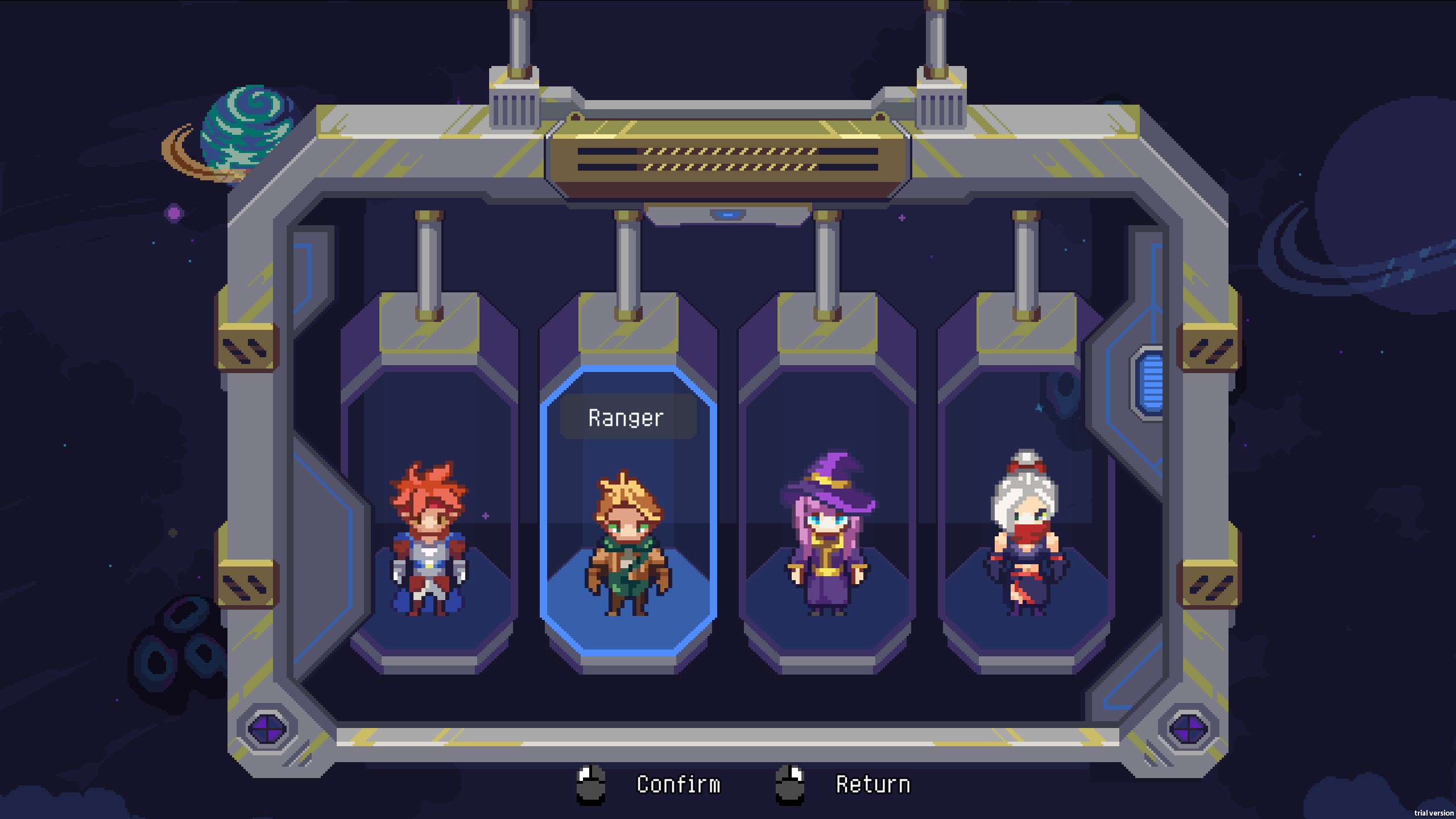
Philna Fantasy offers fast, responsive real-time hack-and-slash combat where stats matter just as much as positioning. While there is a fair amount of button-mashing, what I really appreciate is that the game doesn’t rely on mana potions or strict mana management. Instead, abilities recharge over time as your mana bar refills naturally. Dodging, timing your attacks, and managing cooldowns are essential, and if you’re not careful, you can definitely get punished. Thankfully, the combat rarely feels frustrating, which is important, but it’s not without its downsides.
One of the main issues is the scaling, which can feel off at times. Once you hit certain levels, some weapons suddenly become nearly useless, and if you don’t upgrade to the next tier, the game can become noticeably harder. On the positive side, the variety of enemies is impressive, ranging from slimes and skeletons to aggressive monkeys and humans guards and more. However, mini-bosses, stronger versions of regular enemies, can be quite annoying, especially when multiple spawn in the same area. Not because they’re particularly difficult to defeat, but because they have big health pools and irritating abilities.
To balance things out, the game features an extensive crafting and forging system. You can create a wide range of items, from potions and weapons to new armor and scrolls that enhance your gear. There’s also a gem socketing system that allows you to further customize your equipment. Companion pets add another layer of depth, offering special bonuses and even their own equipment options. On top of that, magical cards, earned by defeating the same enemy types repeatedly, unlock powerful bonuses that can stack if you collect duplicates.
Weapon upgrading and enhancement are also solid systems, letting you increase damage, defense, or health. However, I was slightly disappointed that these upgrades can’t fully replace the need to move on to higher-tier gear, as progression still heavily depends on tier scaling. That said, the game does a great job of clearly distinguishing between its early, mid, and late-game phases, making progression feel structured and intentional.
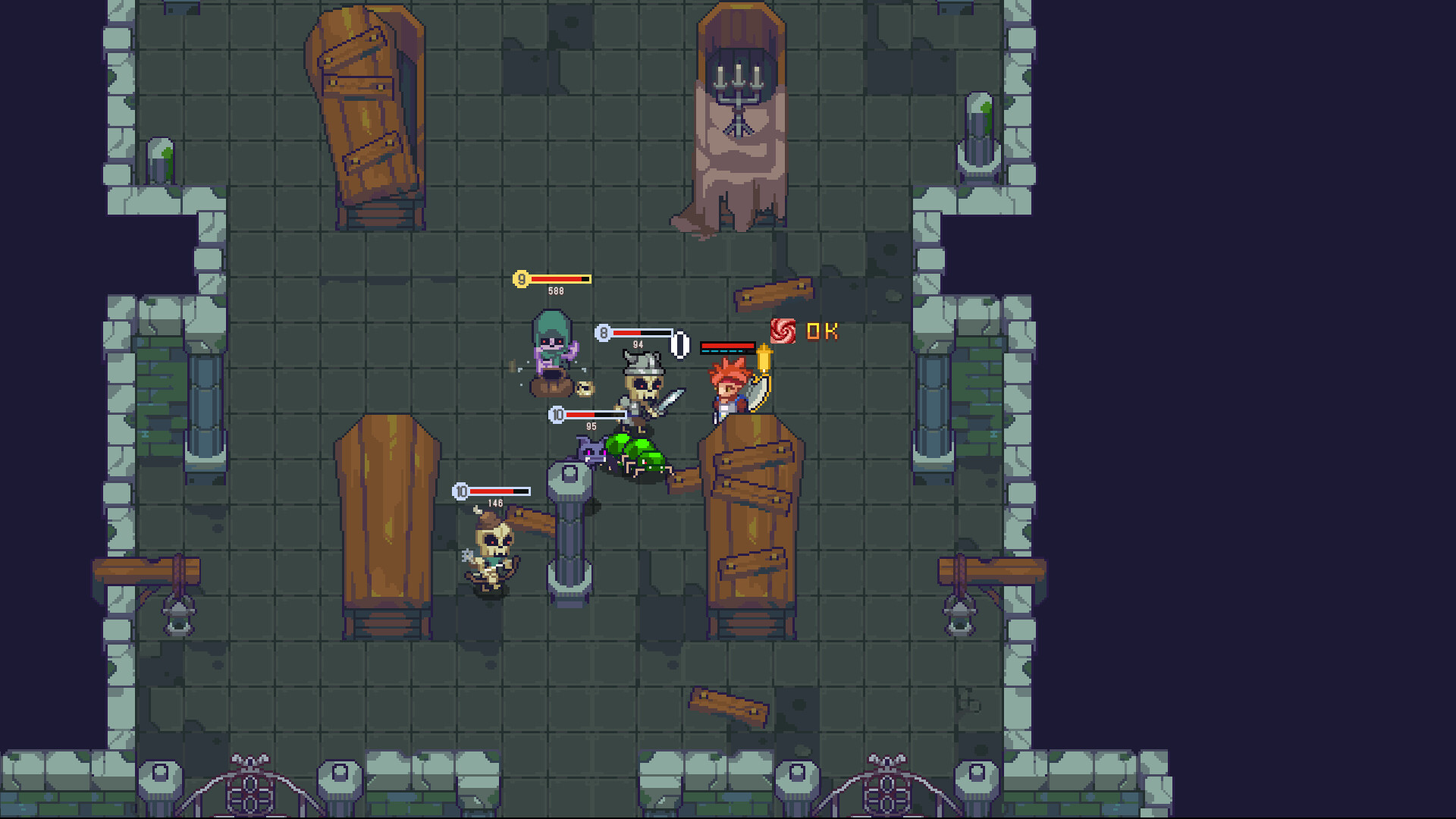
Bosses usually come with massive health bars and multiple attack patterns that you gradually learn as you fight them. Another great aspect of the game is the variety of side quests, ranging from simple tasks like helping someone rebuild something to being sent back to defeat bosses again for extra rewards. Almost everything you do in the game feels genuinely rewarding.
As mentioned before, the world feels incredibly alive, with NPCs that play surprisingly important roles throughout the experience. Without spoiling anything, even the main hub area has a lot to offer: a hotel where you can rest and heal, a museum where you can place old relics to earn rewards, and even a “gacha”-style system for pets that lets you unlock companions of all shapes and sizes. Everything in Philna Fantasy serves a purpose, and you’ll constantly find yourself returning to these systems. There are no empty or pointless mechanics here, everything feels useful and well thought out.
Philna Fantasy clearly understands what makes a good RPG and plays confidently to its strengths. Content is its biggest highlight, and the game also encourages multiple playthroughs thanks to its multiple endings and the freedom to experiment with different classes and builds. Even better, your progression carries over, allowing you to share upgrades and unlocks across runs. The one major disappointment, however, is the lack of multiplayer or even a basic co-op mode.
Overall, the game features strong design and delivers a thoroughly enjoyable experience. Even if you’re not usually a fan of RPGs, Philna Fantasy remains approachable and easy to understand. While its systems aren’t overly deep, the game never overwhelms you and only holds your hand at the very beginning, leaving the rest for you to figure out on your own. You’ll never feel like your time was wasted with this one.
Review copy provided by the publisher
Awakening is worth playing if you enjoy developing characters, experimenting with tactical partnerships, and shaping an army over a massive…
Duskfade is worth considering for players who miss colourful PS2-style action-platformers and can tolerate basic combat, floaty movement and backtracking.

Man I Just Wanna Go Home is a noir crime story with visuals from MS Paint and life-or-death choices.
![[GAMESCOM 2026] Vikings Dynasty Preview – Expands the Dynasty Formula](https://www.indie-games.eu/wp-content/uploads/2026/09/Viking-Dynasty-09-21-26-2-1024x576.jpg)
After showing me Prospera at Gamescom 2026, Toplitz Productions' Mathias Oertel moved to a very different kind of settlement builder.…
![[GAMESCOM 2026] Prospera Preview – Production, Prosperity and Victorian Industry](https://www.indie-games.eu/wp-content/uploads/2026/09/Prospera-09-21-26-5-1024x576.jpg)
At Gamescom 2026, I met with Toplitz Productions' Mathias Oertel for a guided presentation of two upcoming games. One of…
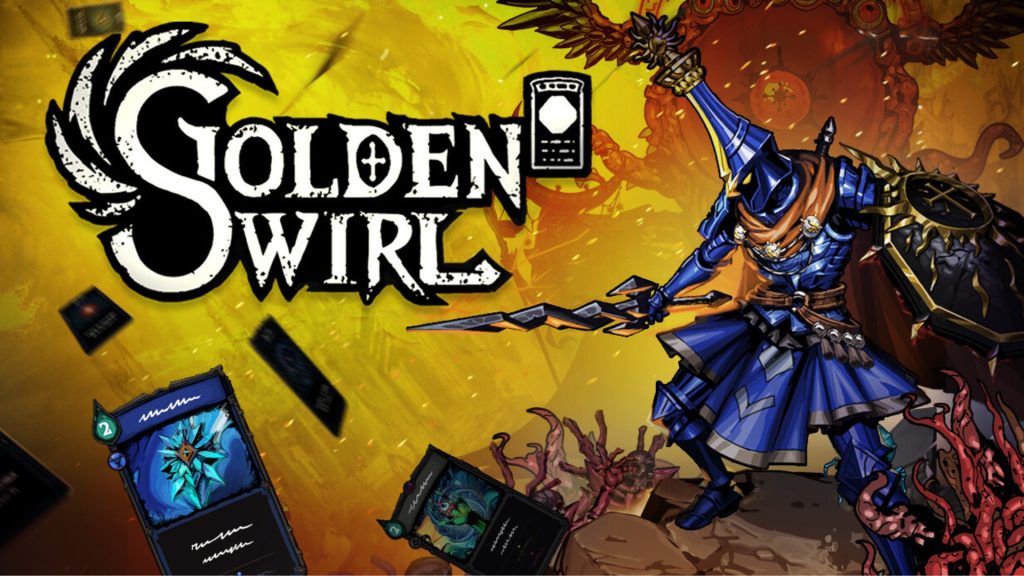
Golden Swirl inventive card combat carries the experience, but repetitive rooms, weak upgrades and excessive dialogue hold it back.
![[GAMESCOM 2026] Wilderdark Preview – Ambitious Dinosaur Horror Game That Still Has Plenty to Prove](https://www.indie-games.eu/wp-content/uploads/2026/09/Wilderdark-1024x576.jpg)
Dinosaur survival horror game Wilderdark has one of those premises that immediately makes you wonder why more games have not…
![[PREVIEW] Tiny Metal 2 – Strategy Game That Wants You to Learn From Every Mistake](https://www.indie-games.eu/wp-content/uploads/2026/09/Tiny-Metal-2-1024x576.jpg)
I rarely enjoy discovering that my opening strategy was completely wrong, but Tiny Metal 2 made that process one of…
![[PREVIEW] Remothered: Red Nun’s Legacy – Ambitious Survival Horror That Needs More Polish](https://www.indie-games.eu/wp-content/uploads/2026/09/Remothered-Red-Nuns-Legacy-4-1024x576.jpg)
Remothered: Red Nun’s Legacy has a gripping atmosphere and promising survival tools, but its repetitive hiding and rough visuals need…
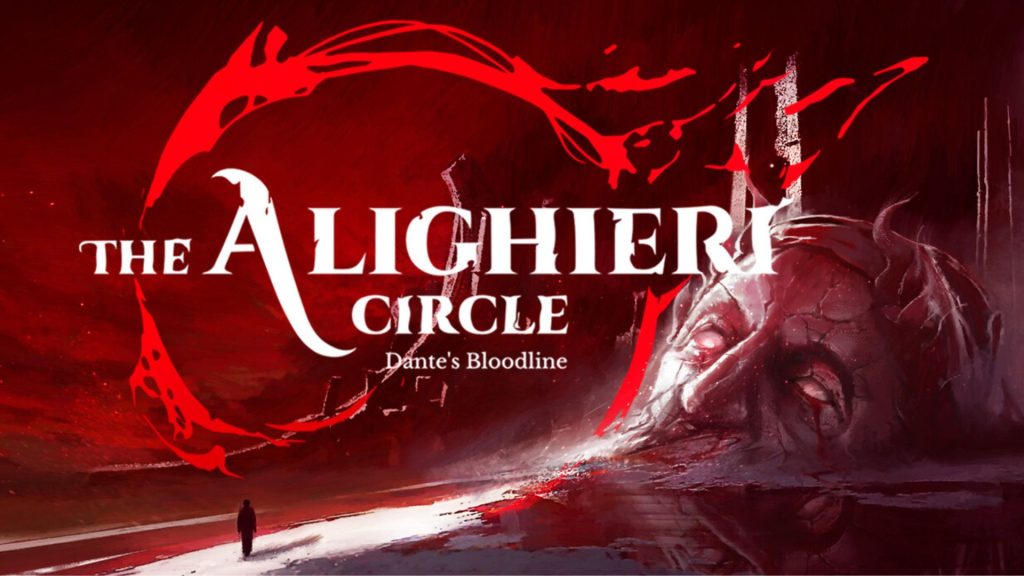
The Alighieri Circle: Dante’s Bloodline is difficult to recommend beyond players who are especially interested in Dante or enjoy solving…
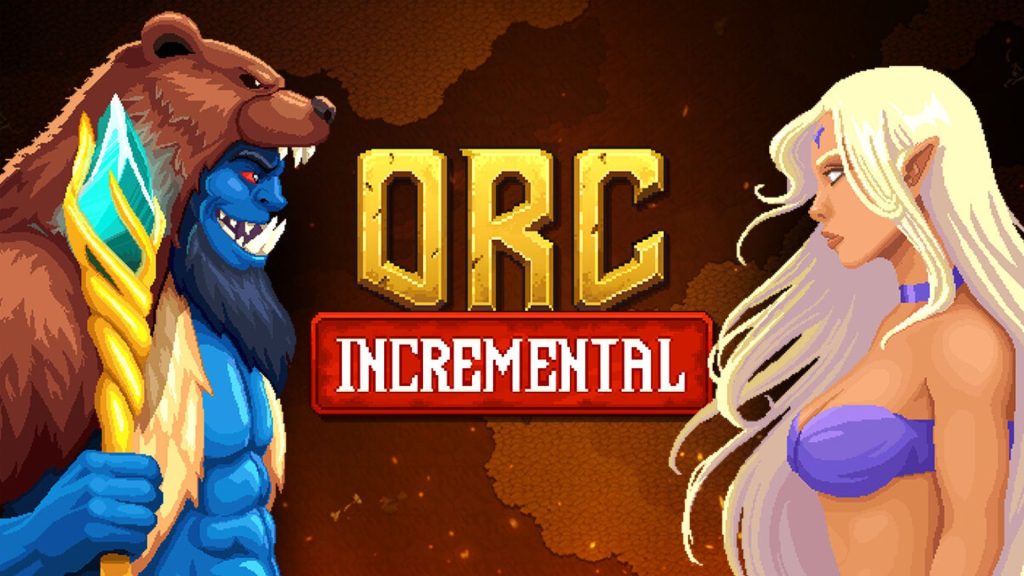
Orc Incremental offers satisfying progression, entertaining totem combinations and enough content to justify its affordable price.
![[GAMESCOM 2026] Chronoscript: The Endless End Preview – Beautiful Pages Hide Deliberate Combat](https://www.indie-games.eu/wp-content/uploads/2026/09/Chronoscript-The-Endless-End-1-1024x576.jpg)
Chronoscript: The Endless End stands out from other Metroidvanias by blending 2D manuscript worlds with exploration inside a 3D manor.
![[GAMESCOM 2026] MegaGum Preview – Combat Hits Hard in This Sticky Platforming Adventure](https://www.indie-games.eu/wp-content/uploads/2026/09/MegaGum-09-09-26-5-1024x576.jpg)
MegaGum combines hard-hitting combat, varied weapons and Gum-powered platforming in a promising Gamescom 2026 demo.
![[GAMESCOM 2026] Delphinium Preview – Cozy Routine Mixed With Enjoyable Minigames](https://www.indie-games.eu/wp-content/uploads/2026/03/Delphinium--1024x665.jpg)
Delphinium mixes cozy farming, exploration and relationships with enjoyable fishing, cooking and forging minigames in its Gamescom 2026 demo.
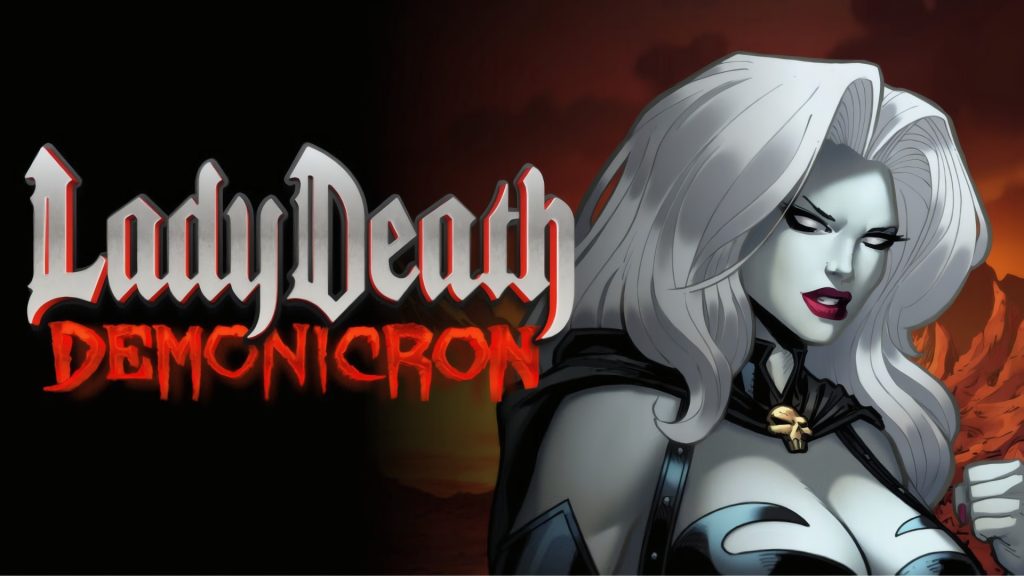
Lady Death: Demonicron looks the part, but underneath its excellent comic-book exterior is a clunky and painfully short brawler.
![[GAMESCOM 2026] Tomb Raider: Legacy of Atlantis Preview – Expands the Original Without Losing Its Identity](https://www.indie-games.eu/wp-content/uploads/2026/09/tomb-raider-legacy-of-atlantis-06-02-26-1-1024x576.jpg)
Tomb Raider: Legacy of Atlantis brings Lara back to her roots, but its Gamescom 2026 showing proved this is far…
![[GAMESCOM 2026] Clive Barker’s Hellraiser: Revival Preview – Ready to Open the Box](https://www.indie-games.eu/wp-content/uploads/2026/09/Clive-Barkers-Hellraiser-Revival-08-30-26-1-1024x576.jpg)
Hellraiser: Revival preserves the franchise’s sex, gore and psychological horror while delivering approachable survival-horror gameplay.

Swan Song creates a peaceful and forgiving puzzle space without removing the challenge that makes solving a difficult puzzle rewarding.
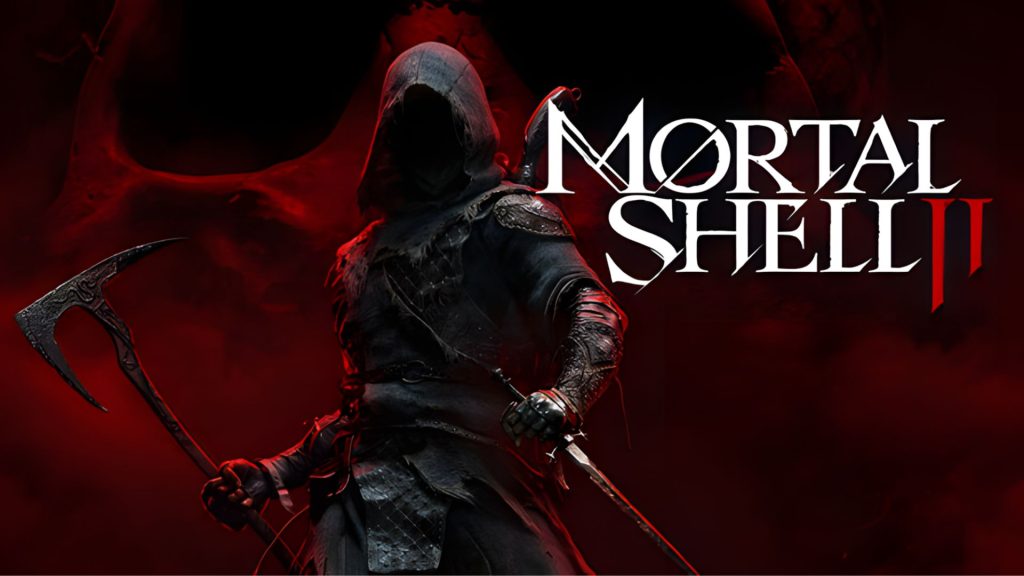
Mortal Shell II starts brilliantly but grows repetitive and exhausting, while remaining a rewarding and ambitious Soulslike sequel.
![[GAMESCOM 2026] Terranigma Preview – A Lost SNES Classic Returns in 2027](https://www.indie-games.eu/wp-content/uploads/2026/08/Terranigma-1-1024x576.jpg)
After more than three decades of limited availability, Terranigma is returning in 2027. We played its enhanced re-release at Gamescom…
