
A Japan-Only Code Geass PS2 Game Finally Has a Complete English Patch
Code Geass: Lost Colors now has a complete fan-made English patch for PS2, including the platform-exclusive Blue Moon route.


If you enjoy independent indie game coverage, consider supporting Indie-Games.eu on Patreon. It helps keep the site independent.
More than a decade after the PlayStation 3 era peaked, one of gaming’s most complex consoles is closer than ever to being fully preserved on modern hardware. RPCS3, the leading open-source PlayStation 3 emulator, has announced a breakthrough that significantly narrows the gap toward full compatibility with the PS3’s extensive library.
In its latest update, the RPCS3 team confirmed that every SingStar title has been upgraded from “Intro” status to “Ingame,” thanks to the successful implementation of USB microphone support. While karaoke games may not be the first titles players associate with technical milestones, the change represents a meaningful leap in peripheral emulation. Prior to this update, SingStar entries would boot but fail to progress beyond menus due to missing microphone functionality. Now, they reach actual gameplay, even if minor issues still prevent some from achieving the emulator’s highest “Playable” rating.
The improvement reduces the number of games stuck in Intro status from 101 to just 62. In RPCS3’s compatibility system, “Intro” indicates that a game launches and displays video output but crashes or stalls before meaningful gameplay begins. Moving titles into the Ingame category means they now function beyond menus and can be experienced in a substantive way.
What remains is a more difficult challenge. Of the 62 titles still categorized as Intro, 46 rely heavily on the PlayStation Move motion controller. Accurately emulating motion-based input presents complex technical hurdles, particularly when precision tracking is required. Move support now represents one of the final major obstacles standing between RPCS3 and near-universal boot compatibility.
This milestone builds on rapid progress made throughout 2026. RPCS3 has already surpassed 70 percent of its roughly 3,600 tested PlayStation 3 titles achieving “Playable” status. In practical terms, that means the majority of the console’s catalog can now run from start to finish with only minor graphical or performance issues. For comparison, Sony’s own backward compatibility efforts on PlayStation 5 cover only select PS3 titles, making RPCS3’s library coverage notably broader.
The technical achievement is particularly impressive given the PlayStation 3’s notoriously complex Cell processor architecture. Reverse-engineering the system and optimizing it for modern CPUs has taken years of community-driven development. The results have allowed countless exclusives and hard-to-access titles to remain playable long after original hardware production ceased.
Players continue to request performance improvements for demanding titles such as God of War III, which runs Ingame but still exhibits graphical issues in certain scenarios. Others hope for smoother performance in the Uncharted trilogy and ongoing improvements for Metal Gear Solid 4, a game long considered one of the most technically challenging PS3 titles to emulate.
Beyond single-player preservation, RPCS3 also supports online play for many titles through RPCN, its community-driven network service. This feature allows classic multiplayer experiences to function again, extending the life of games whose official servers have long since shut down.
Code Geass: Lost Colors now has a complete fan-made English patch for PS2, including the platform-exclusive Blue Moon route.
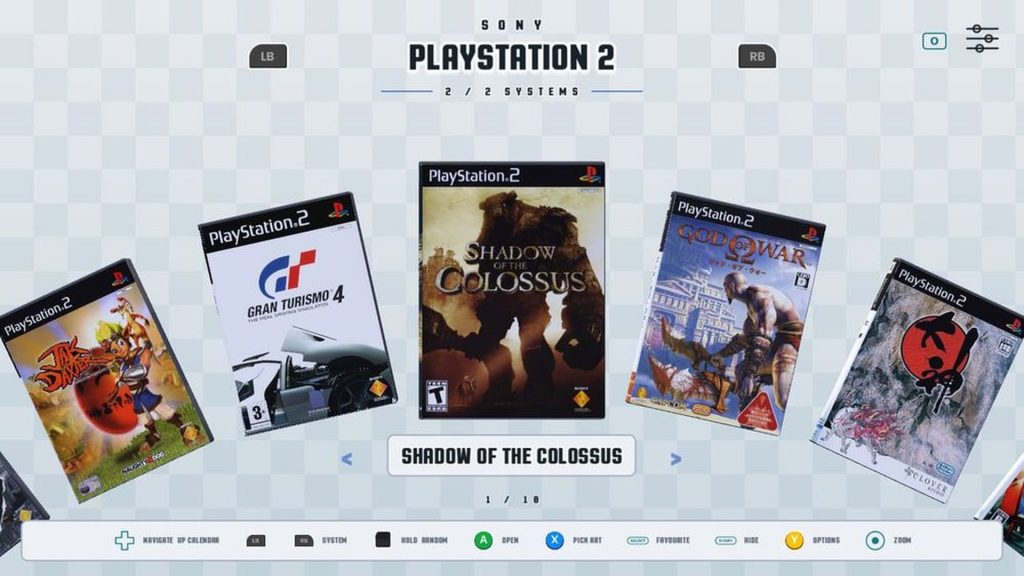
DigiBitPlay presents digital game libraries through interactive 3D boxes, discs, cartridges, consoles and scanned manuals.
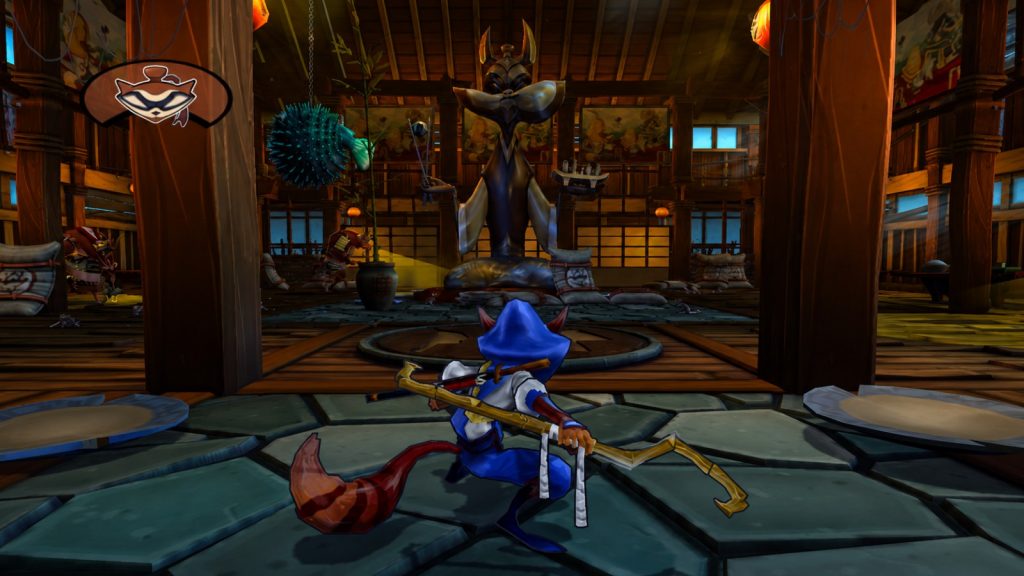
Project Cane shows new Sly Cooper PC footage, but the unofficial native port still needs menus, audio, saving, controls and…
Donkey Kong 64 now runs natively on Windows, Linux and macOS with widescreen, uncapped frame rates, modern controls and optional…
PCSX2 2.8.0 delivers major performance and graphics improvements alongside EyeToy support, interface upgrades and bundled FFmpeg.
Mr. Nutz and the previously unreleased Mega Drive sequel Hoppin' Mad are receiving new physical cartridges from Strictly Limited Games…
Sony will close the PlayStation 3 Store in July 2027, while RPCS3 fully supports 75% of the console's library, highlighting…
The Forever Project aims to make physical game releases more affordable for indie developers through a partnership between 33 Games…

Indie developer Oscar Celestini is expanding his retro-inspired platformer with Jixa Lady Tiger Plus, an enhanced edition that significantly builds…
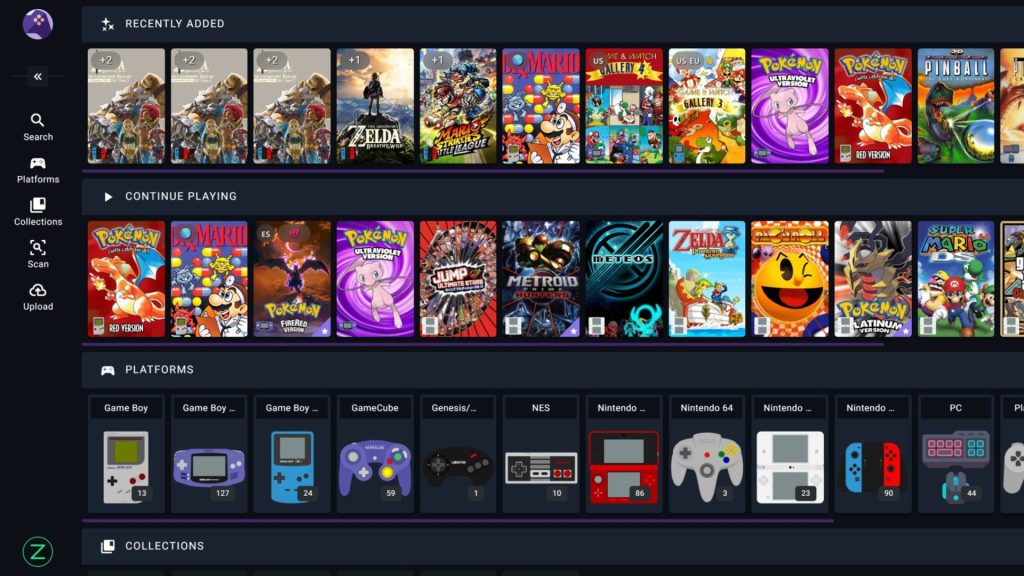
RomM is a free, open-source, self-hosted platform that organizes ROM libraries, fetches metadata, and supports browser-based emulation.
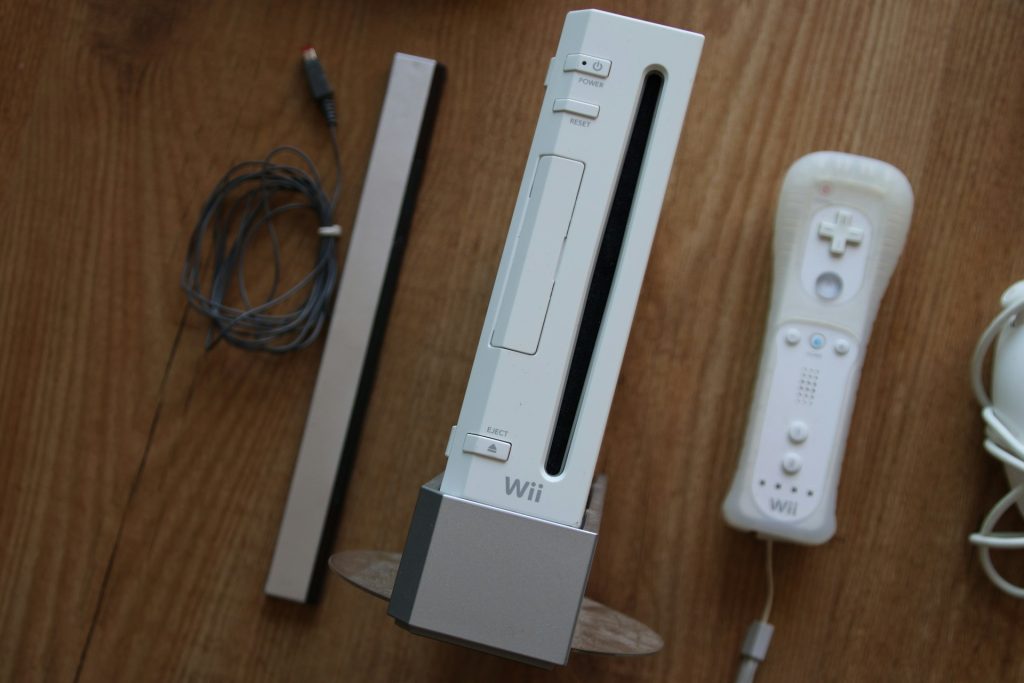
The developers behind Wii64 have released Beta 1.4, marking the Nintendo 64 emulator's first major update in more than five…
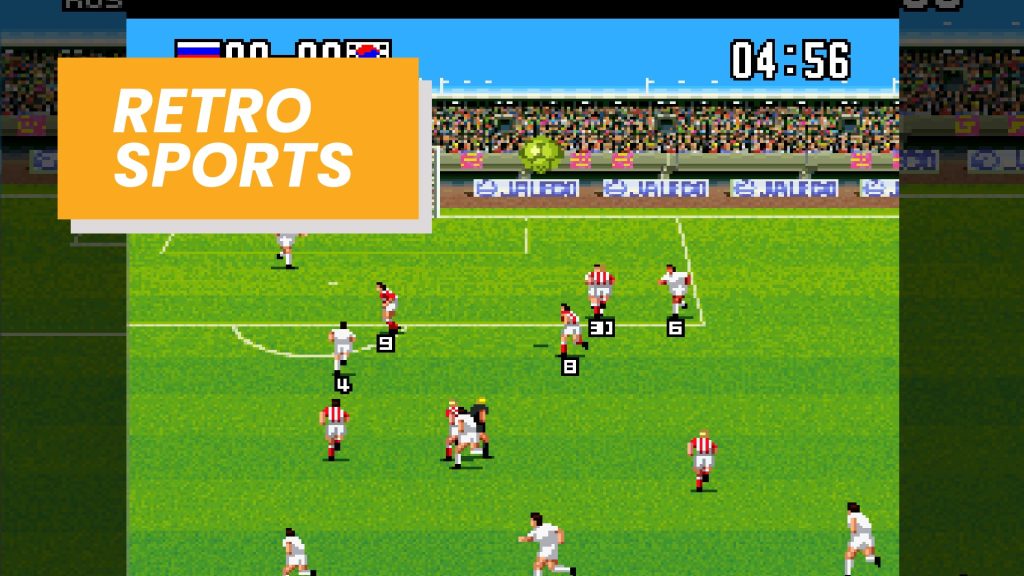
Rock It Games has brought Jaleco Sports: Bases Loaded II and Goal! Two to PC after successful Nintendo Switch and…
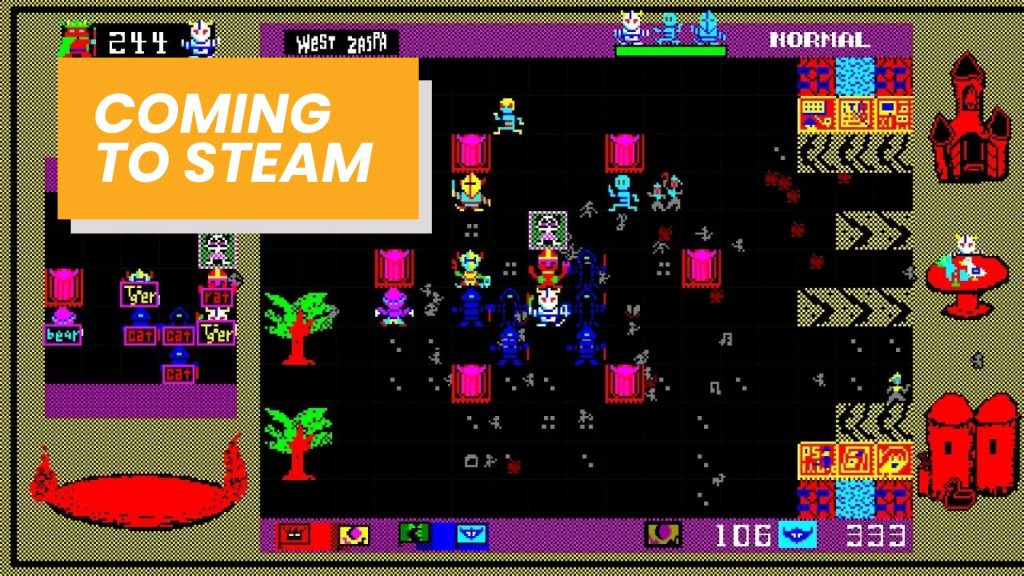
Developer Pygmy Studio has announced that Bokosuka Wars II will launch on PC via Steam in 2026, bringing the tactical…
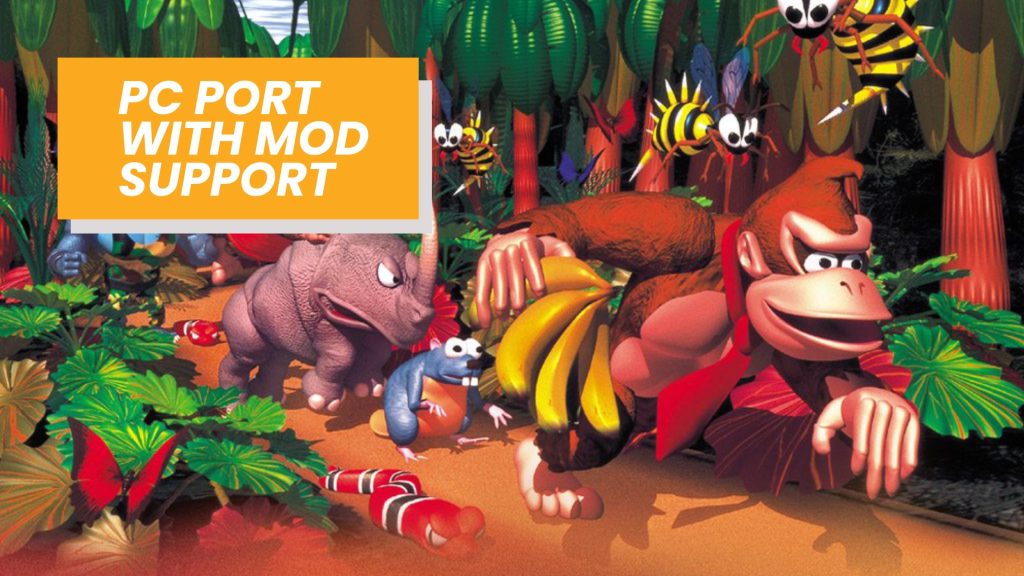
An unofficial native PC port of Donkey Kong 64 is in development, bringing rare's Nintendo 64 classic to modern hardware…
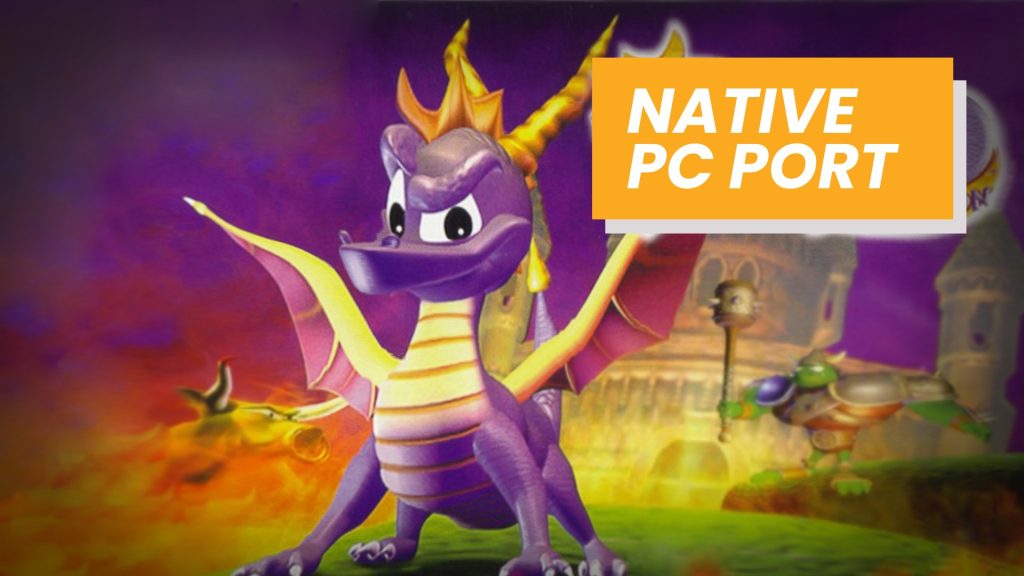
A fan-made native PC port of the original Spyro the Dragon is officially in development, bringing the 1998 PlayStation classic…
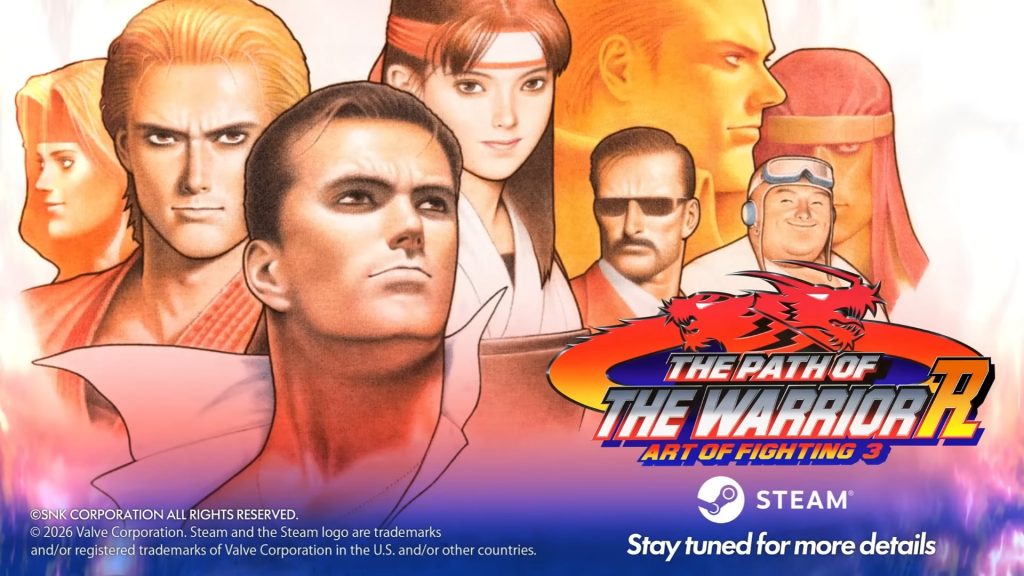
SNK has officially announced The Path of the Warrior: Art of Fighting 3 R, a modernized version of the 1996…
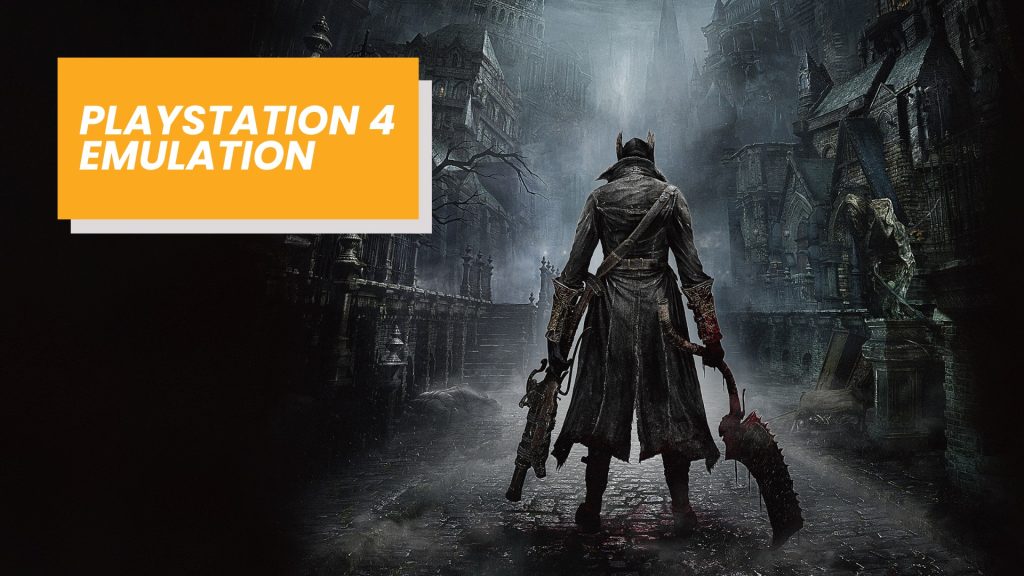
The developers behind ShadPS4 have introduced a major new feature that moves PlayStation 4 emulation closer to a complete experience.
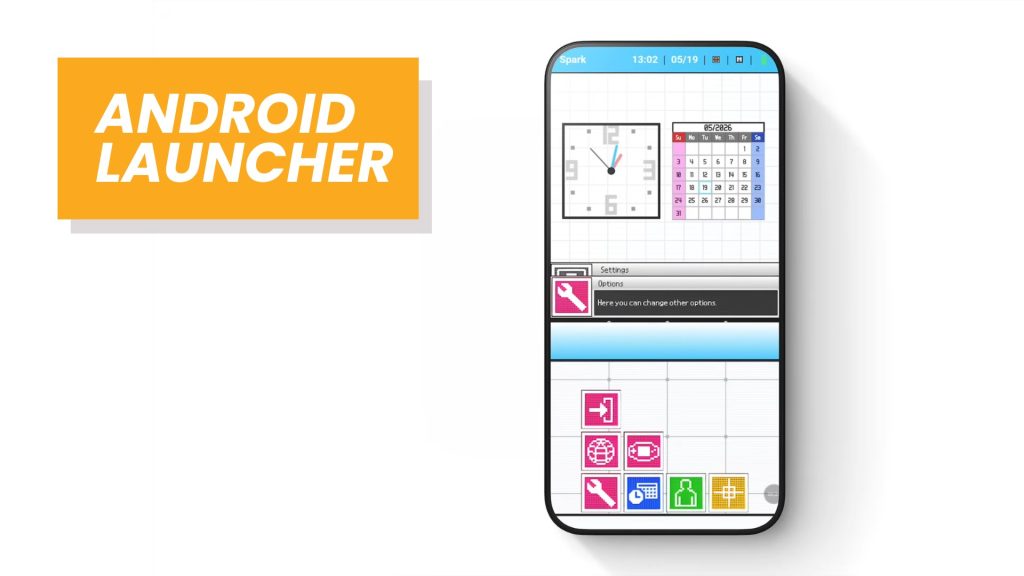
DS & DSi Launcher brings the classic Nintendo DS and DSi interface to Android, giving retro fans a nostalgic way…
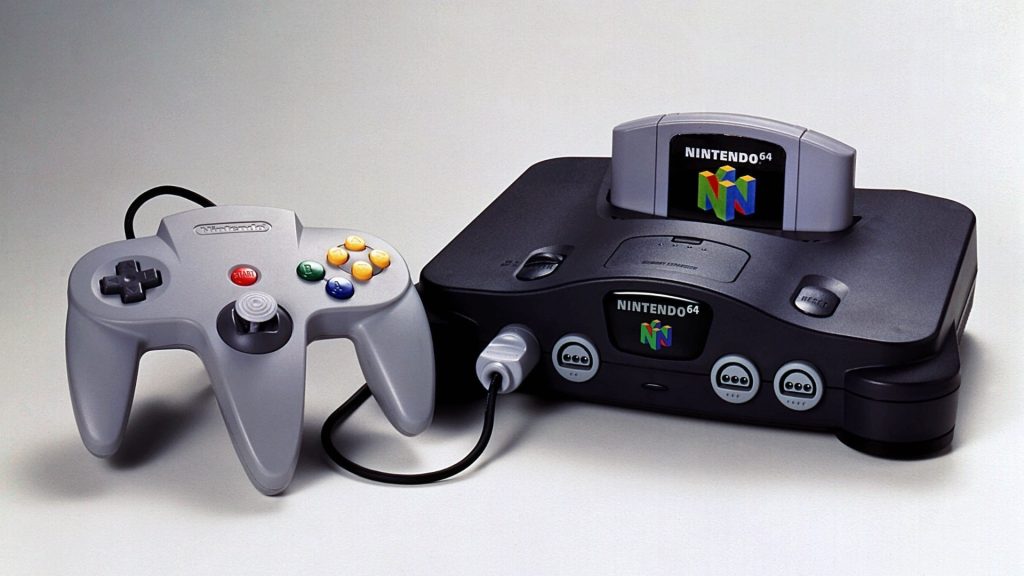
Today marks 30 years since the launch of the Nintendo 64 in Japan, and for many, that's enough to trigger…
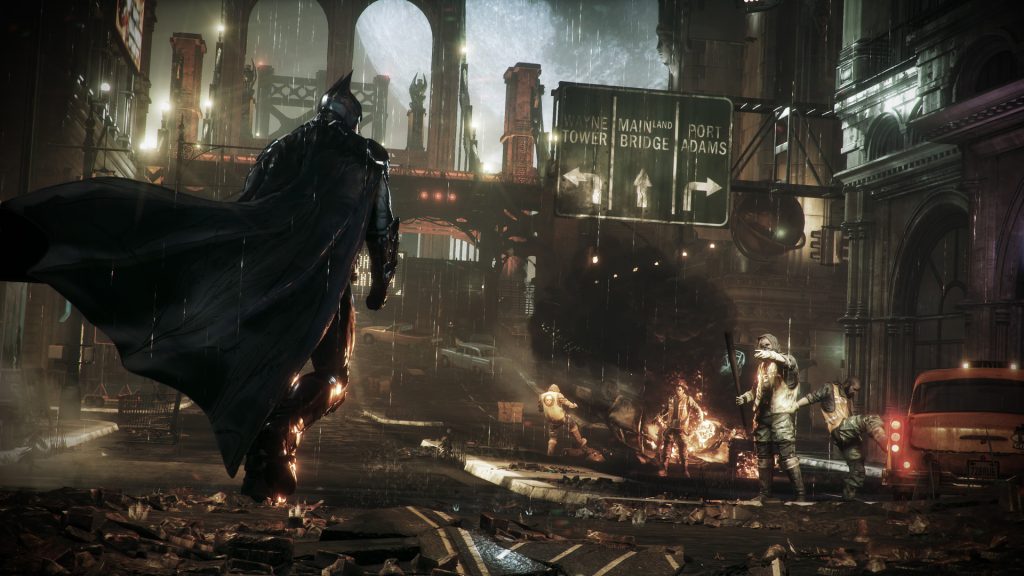
It's hard to believe, but Batman: Arkham Knight is officially 11 years old today. This title was Rocksteady's final chapter…
