![[GAMESCOM 2026] Prospera Preview – Production, Prosperity and Victorian Industry](https://www.indie-games.eu/wp-content/uploads/2026/09/Prospera-09-21-26-5-1024x576.jpg)
[GAMESCOM 2026] Prospera Preview – Production, Prosperity and Victorian Industry
At Gamescom 2026, I met with Toplitz Productions' Mathias Oertel for a guided presentation of two upcoming games. One of…

![[GAMESCOM 2026] Vikings Dynasty Preview – Expands the Dynasty Formula](https://www.indie-games.eu/wp-content/uploads/2026/09/Viking-Dynasty-09-21-26-2.jpg)
If you enjoy independent indie game coverage, consider supporting Indie-Games.eu on Patreon. It helps keep the site independent.
After showing me Prospera at Gamescom 2026, Toplitz Productions’ Mathias Oertel moved to a very different kind of settlement builder. Vikings Dynasty keeps several ideas that made Medieval Dynasty successful, including survival, construction, village management and raising a family, but developer Digital Daredevils is not simply moving the same game to Scandinavia.
I did not play Vikings Dynasty during the presentation, so this is not a hands-on preview or an assessment of how its combat, sailing or construction feels. What Oertel showed instead was the wider structure behind the game.
I got a detailed look at handcrafted archipelago designed around exploration, a more important role for family and belief, skilled villagers who can abandon you, and a dynamic system that responds to whether you become a helpful community builder or an aggressive explorer.
The demand for a Viking setting came directly from players. Oertel explained that after Medieval Dynasty launched, Toplitz repeatedly asked its community which historical period it wanted to see next. Vikings were comfortably the most popular answer.
That community connection explains why Vikings Dynasty retains what Oertel called the franchise’s “Dynasty DNA.” Players still gather resources, construct and expand a settlement, assign villagers to different jobs and eventually raise a family. Family is intended to have even greater importance because of its place within Viking social structures, while the long-term objective remains the creation of a dynasty capable of continuing the player’s legacy.
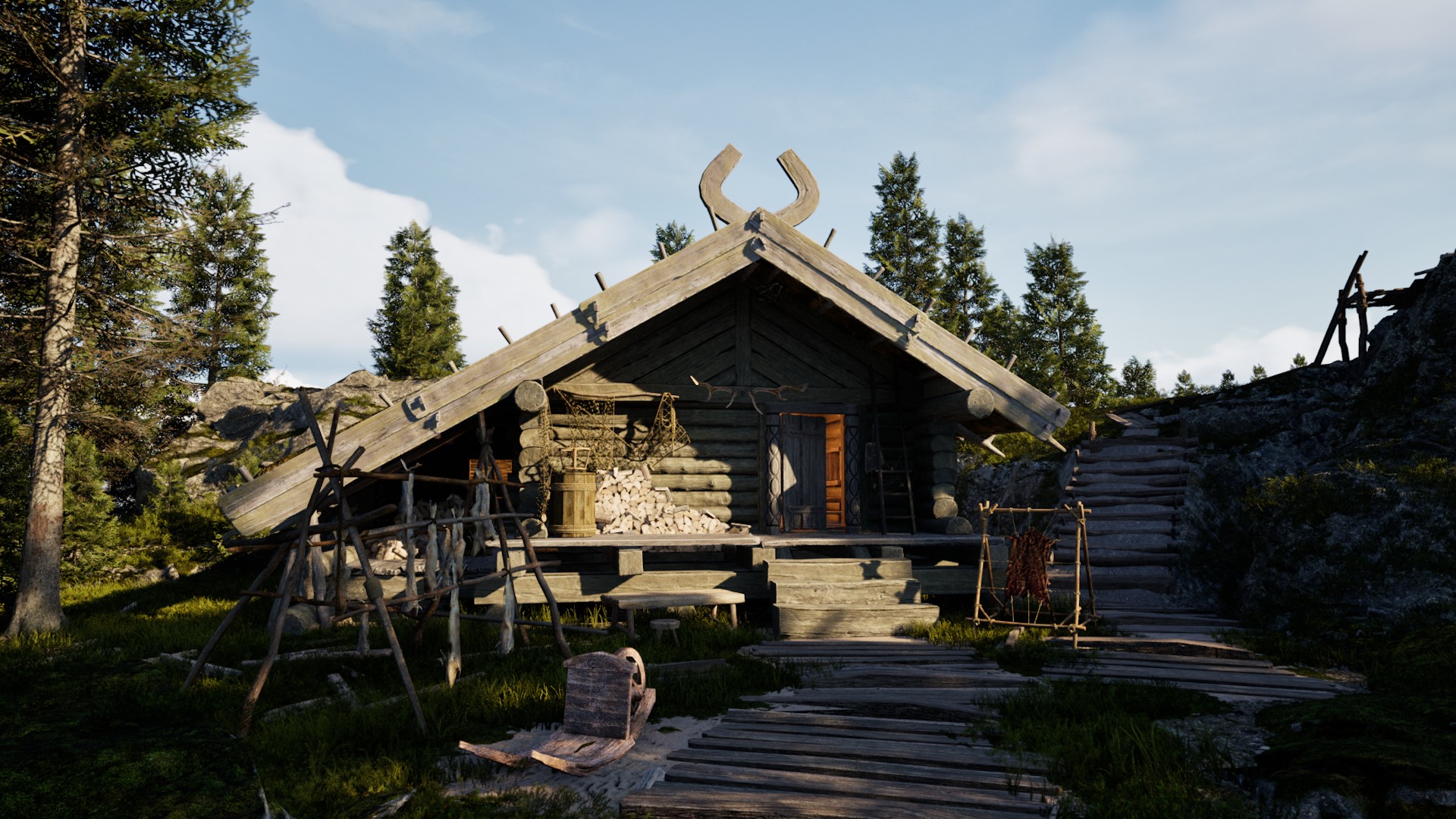
However, Digital Daredevils is aiming for a world grounded in Viking culture instead of the exaggerated fantasy associated with some modern portrayals. Oertel was careful not to call it a completely historically accurate recreation, but its villages, clothing and social systems are meant to feel believable. Houses can be upgraded over time, while new blueprints and knowledge allow the construction of more advanced buildings such as manor houses.
Norse mythology still has an important presence because separating belief from Viking life would make little sense. Odin, Thor, Freyja and other familiar gods will be referenced, although the story will concentrate more heavily on lesser-known figures.
Runes can strengthen equipment, temples and totems form part of the settlements, and offerings may reward the player with skill points or other blessings. Oertel described this supernatural layer as something people of the period would have considered magic, rather than a system of spectacular fantasy spells.
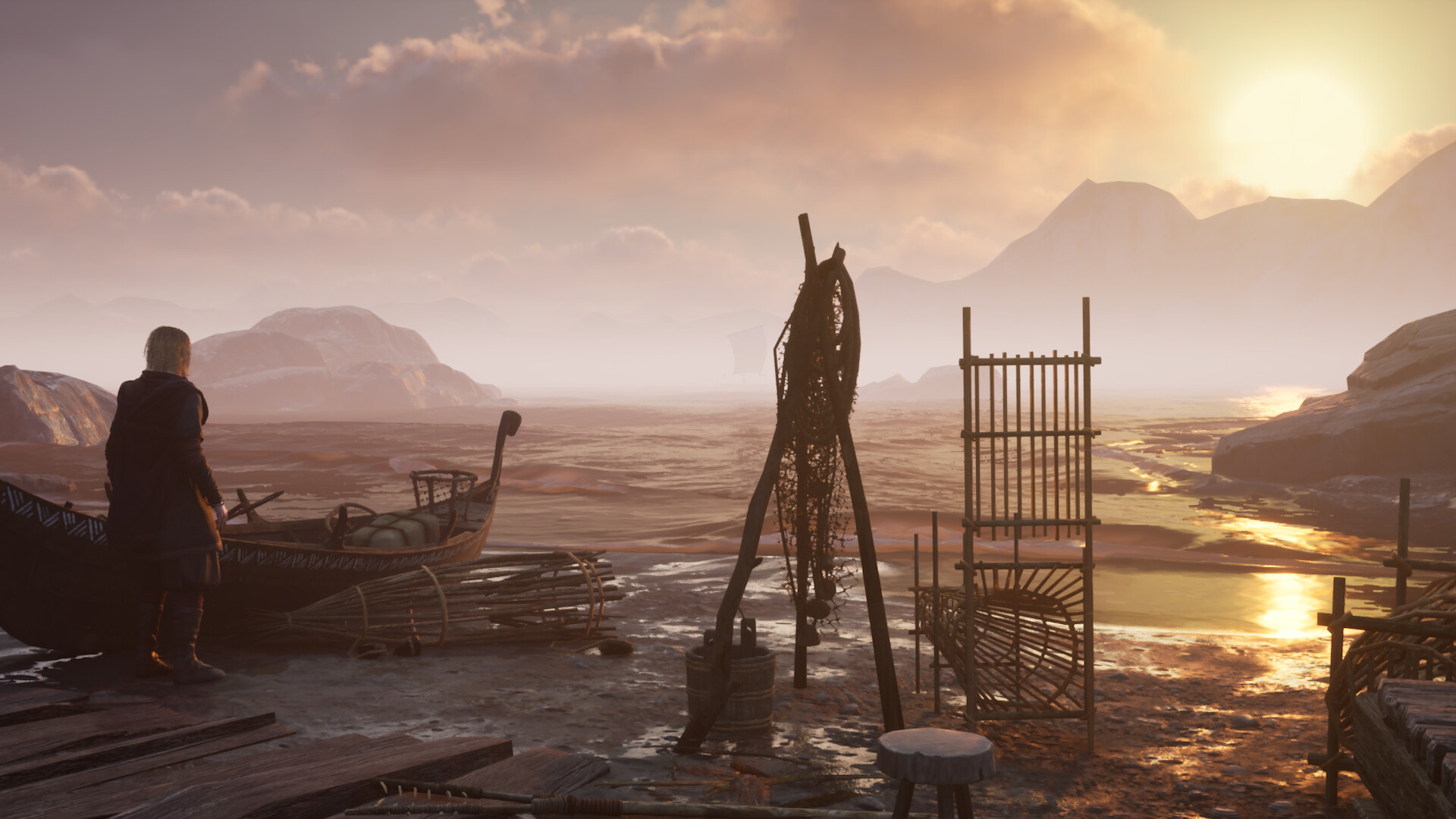
Players enter the world as the grandson or granddaughter of a renowned shipbuilder. Their first raid ends in disaster when a thunderstorm sinks the ship and leaves them close to death. The gods intervene and place the survivor on the Steineyjar archipelago, beginning a personal story about their heritage and the secrets of their past.
A völva, or seer, becomes closely connected to that journey. Through her rituals and connection to the other side, she helps the protagonist understand why the gods saved them. Exploration can uncover runic bones and other ritual objects that can be returned to her, allowing the narrative and mythology to grow out of activities performed across the world.
This story exists alongside the more familiar work of survival and settlement building. Players must eat, drink, gather supplies and create a home before becoming a Jarl responsible for an entire community. Towns such as Kaldaborg provide missions and opportunities to convince new people to join the settlement. Noticeboards also offer repeatable, procedurally selected tasks that can reward money, resources, clothing and additional blueprints.
Villagers are more than interchangeable workers. Their abilities improve as they practise their professions, meaning a settlement can eventually produce experienced specialists such as master blacksmiths. Neglecting their needs, personal wishes or quests can cause them to leave. Losing a worker who was close to mastering an important trade would therefore be far more damaging than replacing an ordinary production unit.
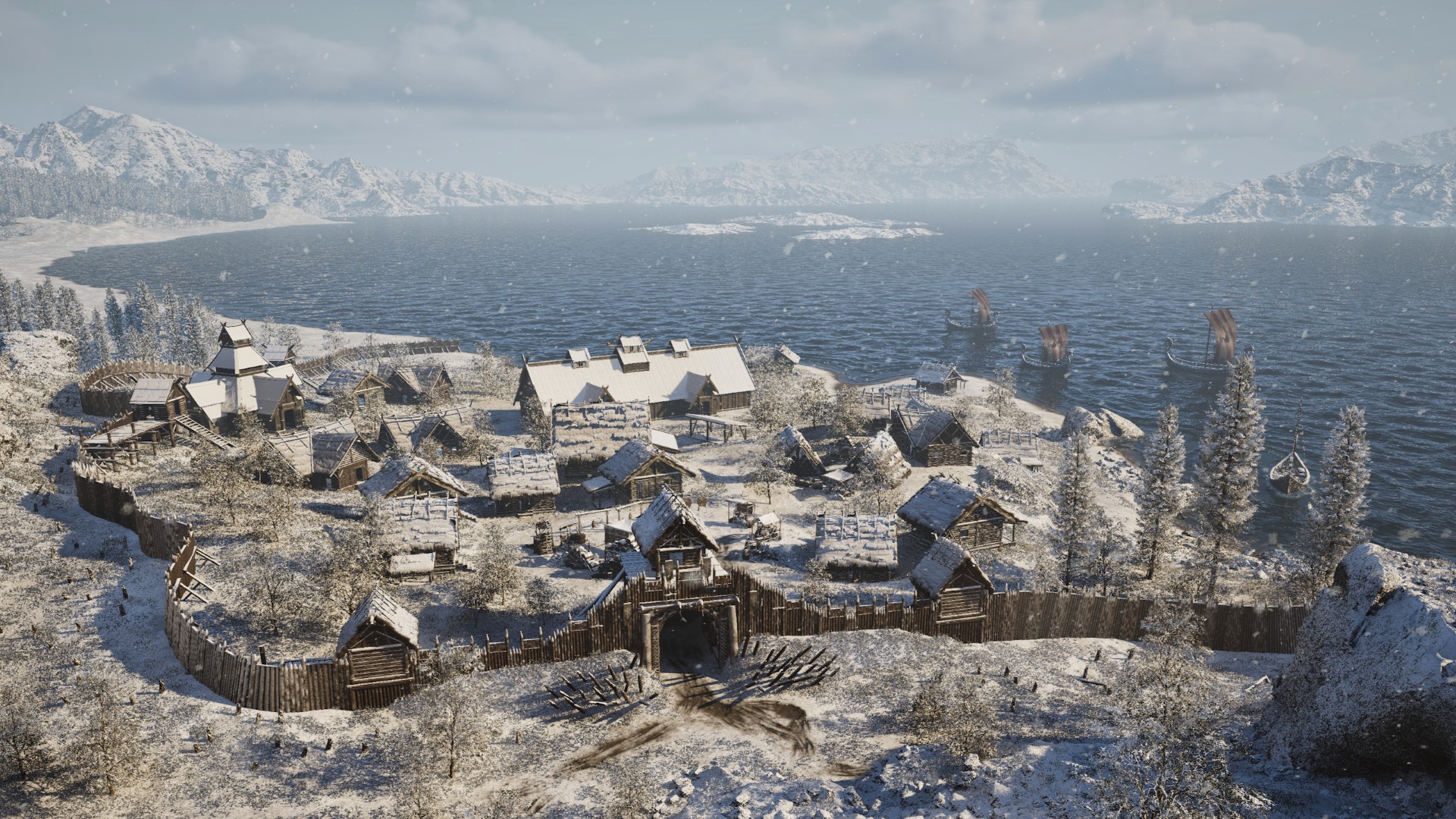
The biggest mechanical departure from previous Dynasty games is seafaring. Vikings Dynasty takes place across a handcrafted archipelago containing multiple islands, fjords, caves and underwater locations. Some regions can only be reached safely with a proper longship, although Oertel joked that the game will not stop particularly stubborn players from attempting the journey in a rowing boat.
You can construct different vessels, ranging from fishing and cargo boats to longships and the legendary drakkar. Other islands contain rare resources and communities that can be approached for conversation, recruitment or trade.
Swimming and diving are also new to the franchise, with stamina determining how far a character can travel through the water. Sunken treasure and ritual items give you a reason to explore beneath its surface rather than treating the sea only as a path between islands.
Oertel also described four-player co-op as a planned feature. The ambition is to make sailing cooperative in a way that gives each player a useful role aboard the ship, drawing a loose comparison with Sea of Thieves. This becomes particularly interesting when considering the battles and raids intended later in development, although the current Steam page still lists only single-player support.
Perhaps the most interesting idea shown during the presentation was the Hugr system. It tracks the player’s behaviour along two broad extremes represented by the wolf and the deer. Focusing on construction, helping villagers and supporting the settlement moves the character toward the deer, while exploration, raids and aggressive actions pull them toward the wolf.
This is not presented as a BioWare-style morality bar that awards obvious positive or negative points. The calculations happen in the background and remain in constant motion. Vikings Dynasty then adapts experience gains, dialogue, available responses and missions to suit the player’s current approach. A wolf-aligned Jarl may receive opportunities that never appear while following the deer path, but changing direction later remains possible.
It is an intelligent way to accommodate two audiences. Some Dynasty players want a peaceful settlement where they can build, manage workers and care for a family. Others hear “Vikings” and understandably expect exploration, combat and raids. Instead of forcing one group into the other’s preferred playstyle, the Hugr system is intended to recognise both.
Raids will not be available when the game first enters Early Access. Oertel confirmed they are planned for later, but their exact structure, scale and connection to the Hugr system have not been finalised. Bandits are also expected to threaten settlements, creating another design problem for players who prefer the peaceful deer path.
Vikings Dynasty is in development for PC and can be wishlisted on Steam. Oertel said during the Gamescom presentation that the team was targeting Early Access in 2027.
At Gamescom 2026, I met with Toplitz Productions' Mathias Oertel for a guided presentation of two upcoming games. One of…
Golden Swirl inventive card combat carries the experience, but repetitive rooms, weak upgrades and excessive dialogue hold it back.
![[GAMESCOM 2026] Wilderdark Preview – Ambitious Dinosaur Horror Game That Still Has Plenty to Prove](https://www.indie-games.eu/wp-content/uploads/2026/09/Wilderdark-1024x576.jpg)
Dinosaur survival horror game Wilderdark has one of those premises that immediately makes you wonder why more games have not…
![[PREVIEW] Tiny Metal 2 – Strategy Game That Wants You to Learn From Every Mistake](https://www.indie-games.eu/wp-content/uploads/2026/09/Tiny-Metal-2-1024x576.jpg)
I rarely enjoy discovering that my opening strategy was completely wrong, but Tiny Metal 2 made that process one of…
![[PREVIEW] Remothered: Red Nun’s Legacy – Ambitious Survival Horror That Needs More Polish](https://www.indie-games.eu/wp-content/uploads/2026/09/Remothered-Red-Nuns-Legacy-4-1024x576.jpg)
Remothered: Red Nun’s Legacy has a gripping atmosphere and promising survival tools, but its repetitive hiding and rough visuals need…
The Alighieri Circle: Dante’s Bloodline is difficult to recommend beyond players who are especially interested in Dante or enjoy solving…
Orc Incremental offers satisfying progression, entertaining totem combinations and enough content to justify its affordable price.
![[GAMESCOM 2026] Chronoscript: The Endless End Preview – Beautiful Pages Hide Deliberate Combat](https://www.indie-games.eu/wp-content/uploads/2026/09/Chronoscript-The-Endless-End-1-1024x576.jpg)
Chronoscript: The Endless End stands out from other Metroidvanias by blending 2D manuscript worlds with exploration inside a 3D manor.
![[GAMESCOM 2026] MegaGum Preview – Combat Hits Hard in This Sticky Platforming Adventure](https://www.indie-games.eu/wp-content/uploads/2026/09/MegaGum-09-09-26-5-1024x576.jpg)
MegaGum combines hard-hitting combat, varied weapons and Gum-powered platforming in a promising Gamescom 2026 demo.
![[GAMESCOM 2026] Delphinium Preview – Cozy Routine Mixed With Enjoyable Minigames](https://www.indie-games.eu/wp-content/uploads/2026/03/Delphinium--1024x665.jpg)
Delphinium mixes cozy farming, exploration and relationships with enjoyable fishing, cooking and forging minigames in its Gamescom 2026 demo.
Lady Death: Demonicron looks the part, but underneath its excellent comic-book exterior is a clunky and painfully short brawler.
![[GAMESCOM 2026] Tomb Raider: Legacy of Atlantis Preview – Expands the Original Without Losing Its Identity](https://www.indie-games.eu/wp-content/uploads/2026/09/tomb-raider-legacy-of-atlantis-06-02-26-1-1024x576.jpg)
Tomb Raider: Legacy of Atlantis brings Lara back to her roots, but its Gamescom 2026 showing proved this is far…
![[GAMESCOM 2026] Clive Barker’s Hellraiser: Revival Preview – Ready to Open the Box](https://www.indie-games.eu/wp-content/uploads/2026/09/Clive-Barkers-Hellraiser-Revival-08-30-26-1-1024x576.jpg)
Hellraiser: Revival preserves the franchise’s sex, gore and psychological horror while delivering approachable survival-horror gameplay.

Swan Song creates a peaceful and forgiving puzzle space without removing the challenge that makes solving a difficult puzzle rewarding.
Mortal Shell II starts brilliantly but grows repetitive and exhausting, while remaining a rewarding and ambitious Soulslike sequel.
![[GAMESCOM 2026] Terranigma Preview – A Lost SNES Classic Returns in 2027](https://www.indie-games.eu/wp-content/uploads/2026/08/Terranigma-1-1024x576.jpg)
After more than three decades of limited availability, Terranigma is returning in 2027. We played its enhanced re-release at Gamescom…
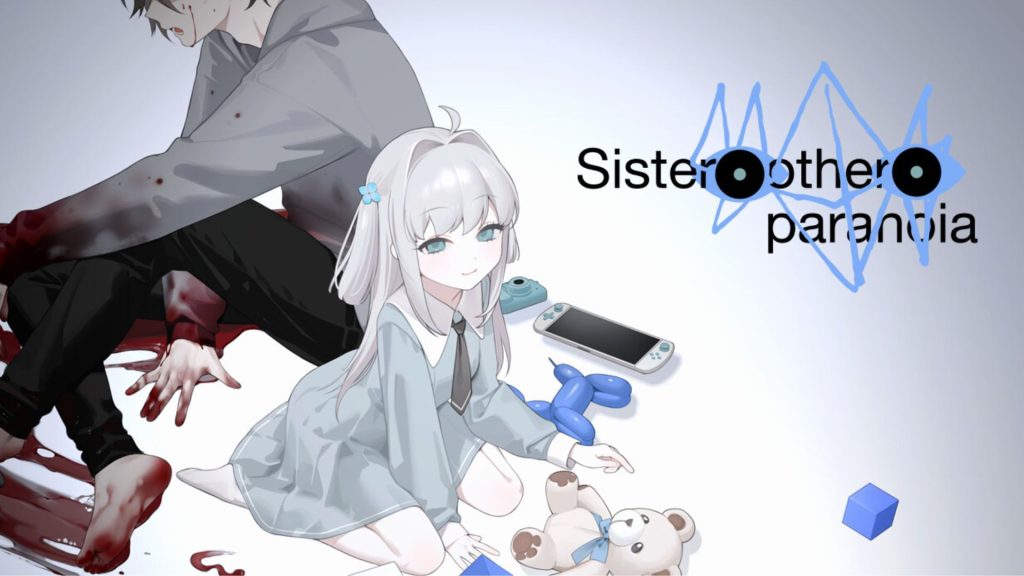
Reading another person’s mind is often presented as a desirable superpower, but Sister Other Paranoia immediately understands why it could…
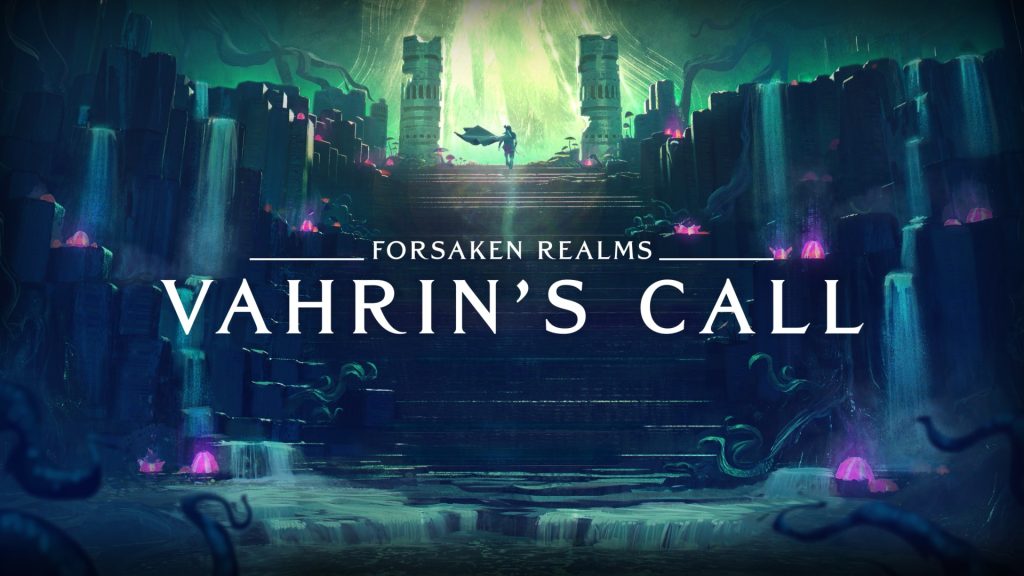
Forsaken Realms: Vahrin’s Call is exactly the kind of ambitious, slightly clumsy fantasy RPG that used to be far more…
![[Early Access] 2nd EVE – Sci-Fi Action RPG That Lacks a Sense of Stakes](https://www.indie-games.eu/wp-content/uploads/2026/08/2ND-EVE-1024x576.jpg)
2nd Eve is a space-set action RPG in which we strive to save humanity.
![[PREVIEW] Dreamcards – Strategic Exploration of Consciousness](https://www.indie-games.eu/wp-content/uploads/2026/08/Dreamcards_20260810_233631_0000-1024x576.jpg)
Dreamcards is a roguelike deckbuilder centered around dreams and nightmares.
