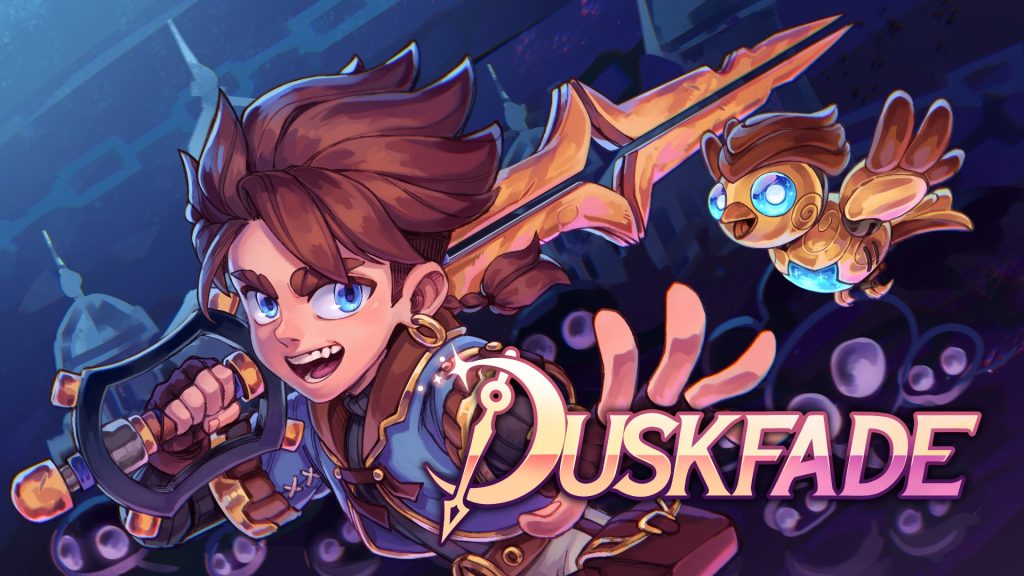
Duskfade – The PS2 Era Returns With All Its Strengths and Weaknesses
Duskfade is worth considering for players who miss colourful PS2-style action-platformers and can tolerate basic combat, floaty movement and backtracking.

If you enjoy independent indie game coverage, consider supporting Indie-Games.eu on Patreon. It helps keep the site independent.
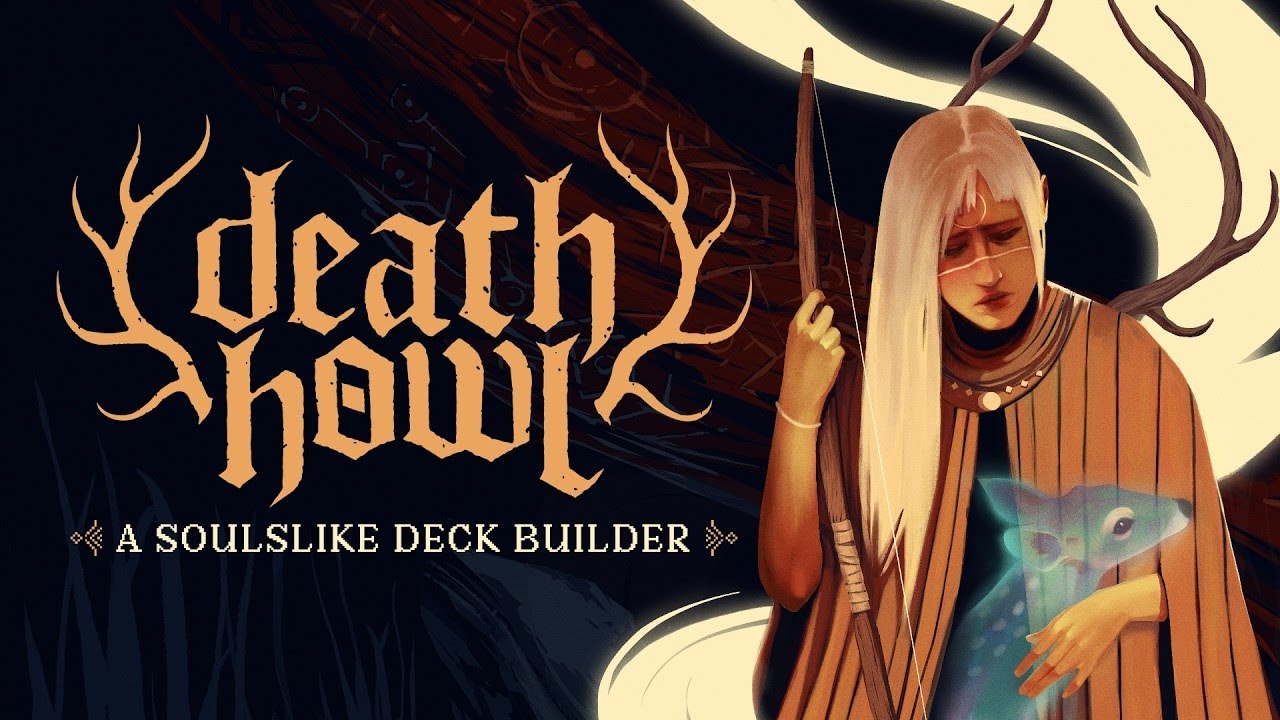
Death Howl is a dark, tactical, card-based and story-driven game where you guide a grieving mother named Ro through a dangerous spirit world. After losing her child, Ro enters this world in the hope of bringing them back. The world she travels through is quiet, dangerous, and filled with spirits that react to her presence. The game mixes deck-building, grid-based combat, and a soulslike sense of risk, all tied together by Ro’s emotional journey. Each new region introduces different enemies, new cards, and new challenges, making every part of the world feel unpredictable.
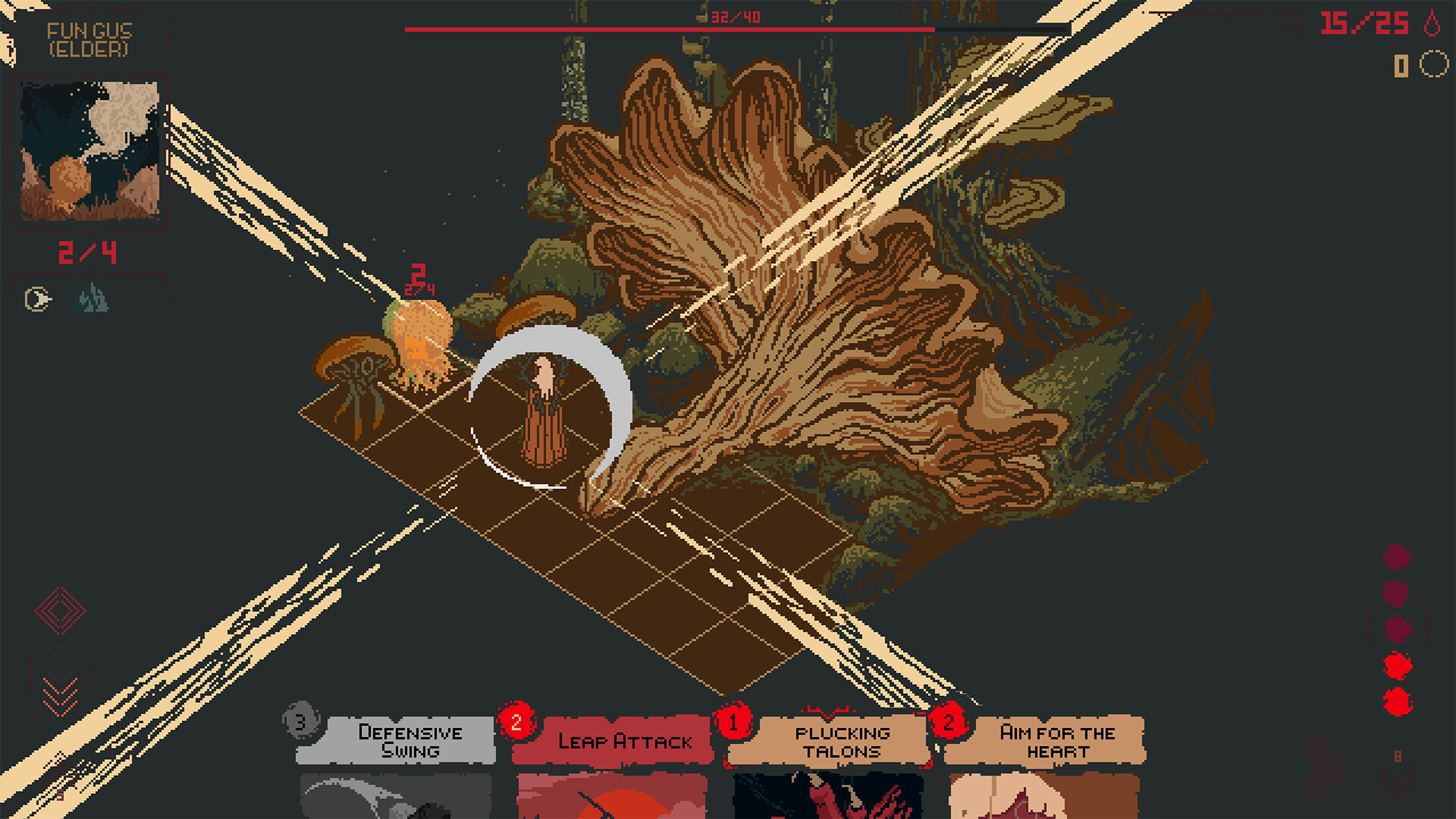
Since you’ll be visiting and exploring new areas all the time, you have to keep in mind that you can’t easily use the cards from an old area in a new one, because they will cost more to play. However, you do have special “realmless” cards that work everywhere. This also means each area has a different focus on deck builds, such as close-up fighting, long-range spells, poison, or defense and many, many more.
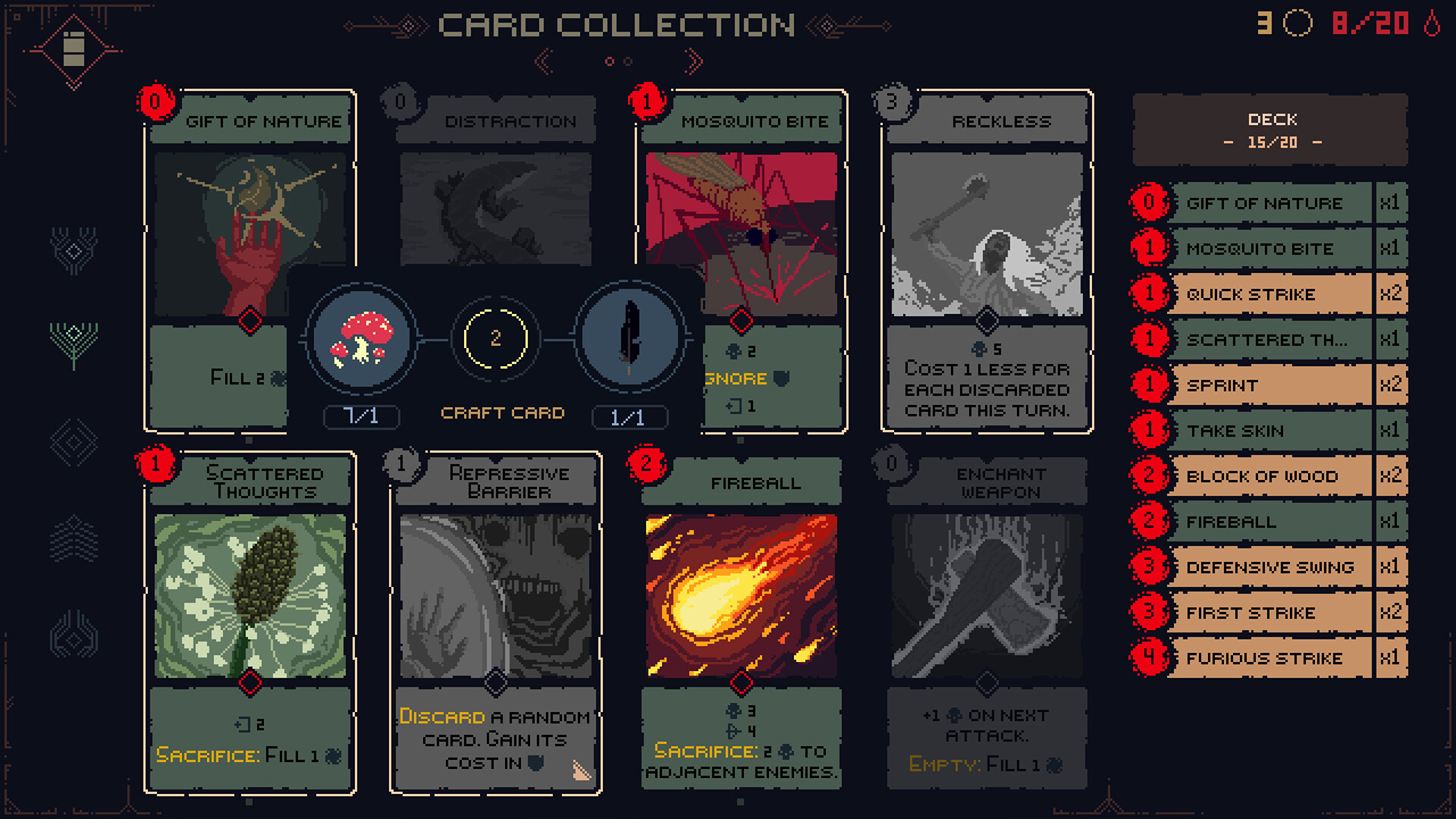
What really impressed me was the number of cards in the game. While it may not be as deep as a proper deck-builder, there is enough variety to let you create many different strategies. For example, I built a deck that used cards that discarded others to trigger powerful effects, like gaining a shield or extra damage. Later, in the snowy area, I created a new strategy focused on giving enemies weakness, making them take more damage from my attacks. You have many options for building your deck, and you’ll always find new ideas.
The game also features Totems, which grant special powers that significantly influence your overall strategy. These effects include, for example, gaining +1 damage at the start of the turn, receiving +2 shield at the beginning, or drawing a card from a selection of five options, among others. While Totems are designed to be combined with your deck build, I found the system quite underwhelming. They appear to be poorly balanced, as you rarely pick more than two or three, leaving the rest feeling ineffective. For instance, the Totem that allows you to select a card is highly useful, it’s arguably the best available, offering flexibility to acquire a card you might need immediately.
Battles in Death Howl occur on a grid, making positioning and energy management crucial tactical considerations. The enemies present a significant challenge, which is why I initially compared the experience to a Soulslike: you save your progress at checkpoints, but dying causes you to lose the Spirit Points earned from defeating enemies. These points are essential for crafting new cards and leveling up skills, and they must be spent alongside collected resources to create new cards.
Skills are unique to each region, offering diverse tactical options such as allowing you to temporarily use a defeated enemy’s card or granting special passive and active abilities. Enemy variety includes normal ones, elite enemies, and bosses. What I found quite annoying is the sheer volume of enemies faced simultaneously, which significantly extends the gameplay duration. This often leads to frequent deaths and extensive grinding to acquire better cards. While some players might enjoy the sense of reward from finally conquering a difficult challenge, the time investment required to clear a single, often huge region can be a lot.
Furthermore, the rewards for exploring hidden areas, secret doors, and completing side quests are quite underwhelming. Receiving only a single skill point, some resources, or an occasional new card feels disappointing given the effort involved. However, what I genuinely enjoyed was the game’s tactical format. It’s highly satisfying figuring out how to position yourself and execute a plan to defeat each enemy. Death Howl is not an easy game. Enemies hit hard, and resting or healing often resets them, so you must repeat fights if you make mistakes.
Also, bosses are quite strong, each having large health pools and unique attack patterns, meaning you will likely need to repeat the encounter until you succeed. A great quality-of-life feature is the quick respawn system: upon death, you reappear instantly near the area where you fell, removing tedious travel time. Another strong element of Death Howl is the atmosphere since each region has its own tone and history. Ro’s journey is not just about beating enemies, but about moving through grief, remembering what she lost, and trying to find something meaningful in a world that feels broken.
The story is quite memorable, centered on the deep grief and desperation of a mother searching for her lost child. While this specific experience may not be universally relatable, the narrative is told with such emotional intensity that it truly sticks with you. The pixel graphics perfectly complement the game’s atmosphere, and every character you encounter is meaningful, adding distinct layers to the overall narrative.
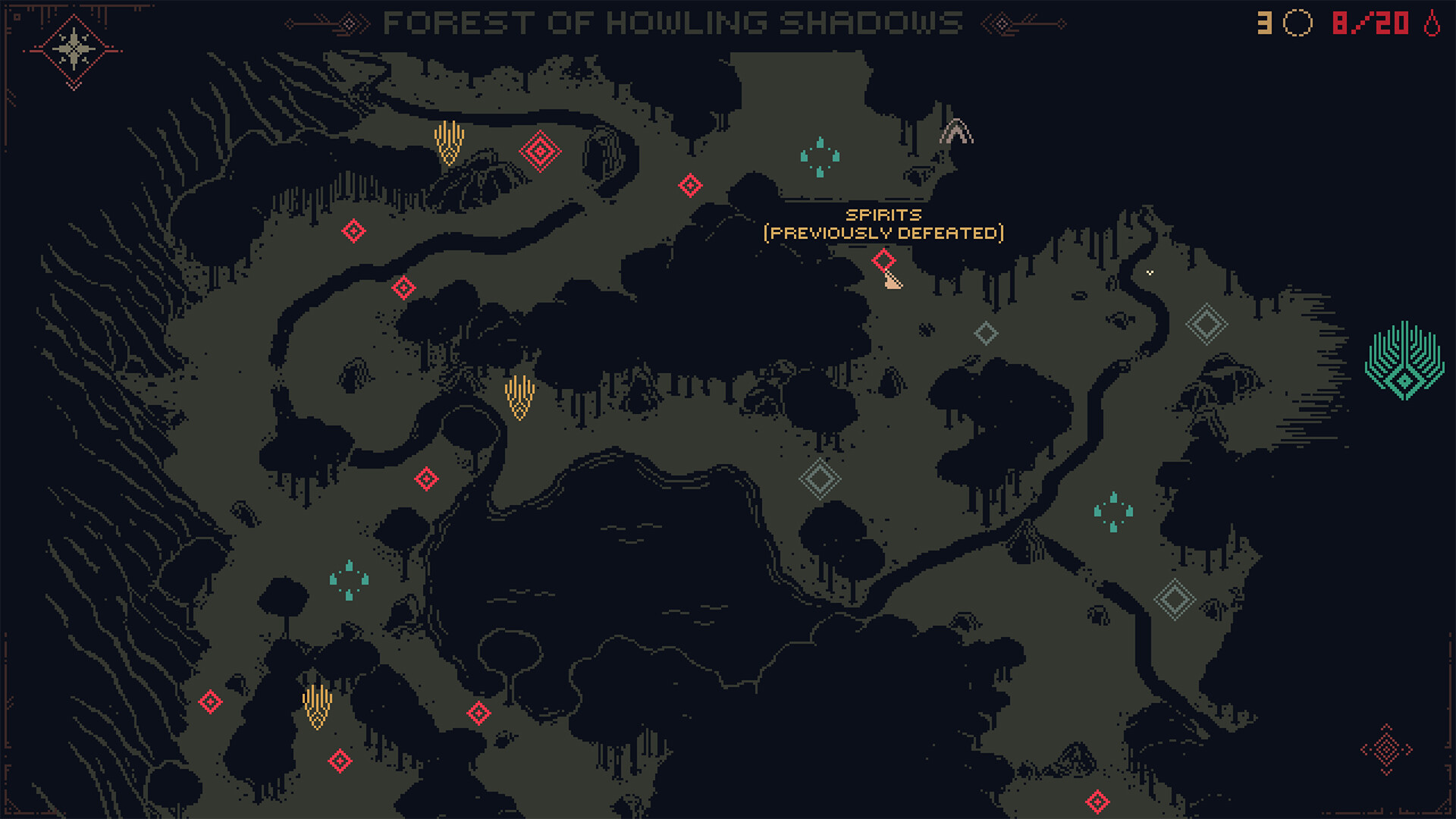
Death Howl is best suited for those who enjoy deep tactical battles, careful planning, and emotional stories. It is a good choice for players who like to experiment with different builds and who enjoy learning through challenge. It is not a good fit for you if you want simple gameplay and faster action. This is a game that rewards slow and tactical thinking.
In the end, this is not your typical deck-builder game as it does bring some soulslike elements, meaning it certainly won’t be easy to master. It may take time to learn and it may feel heavy, but if you’re ready for its challenges, it offers one of the most memorable and thoughtful experiences in recent years. It stands out because it dares to be quiet and demanding, and because it builds a world where every battle matters.
Review copy provided by the publisher
Duskfade is worth considering for players who miss colourful PS2-style action-platformers and can tolerate basic combat, floaty movement and backtracking.
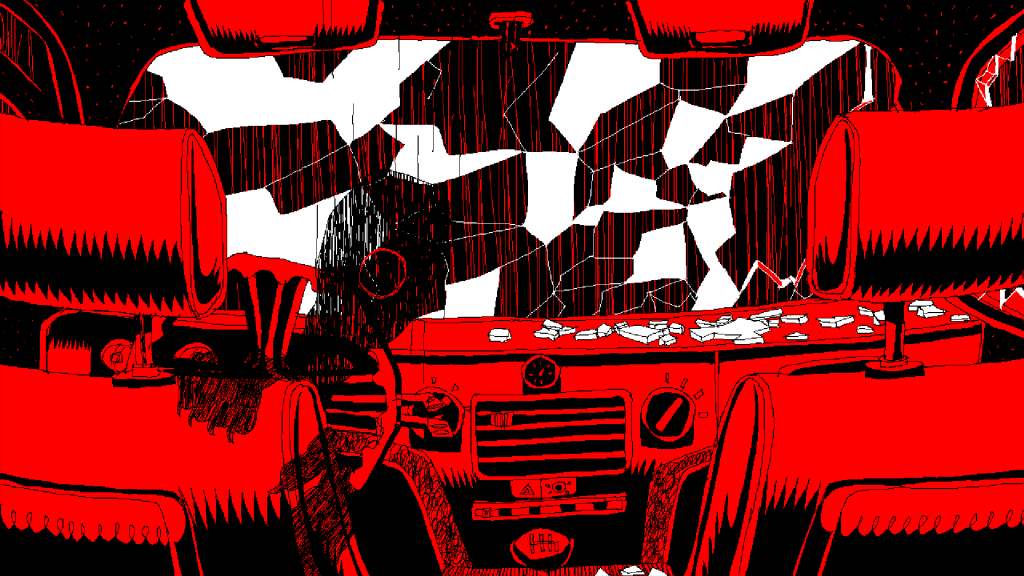
Man I Just Wanna Go Home is a noir crime story with visuals from MS Paint and life-or-death choices.
![[GAMESCOM 2026] Vikings Dynasty Preview – Expands the Dynasty Formula](https://www.indie-games.eu/wp-content/uploads/2026/09/Viking-Dynasty-09-21-26-2-1024x576.jpg)
After showing me Prospera at Gamescom 2026, Toplitz Productions' Mathias Oertel moved to a very different kind of settlement builder.…
![[GAMESCOM 2026] Prospera Preview – Production, Prosperity and Victorian Industry](https://www.indie-games.eu/wp-content/uploads/2026/09/Prospera-09-21-26-5-1024x576.jpg)
At Gamescom 2026, I met with Toplitz Productions' Mathias Oertel for a guided presentation of two upcoming games. One of…
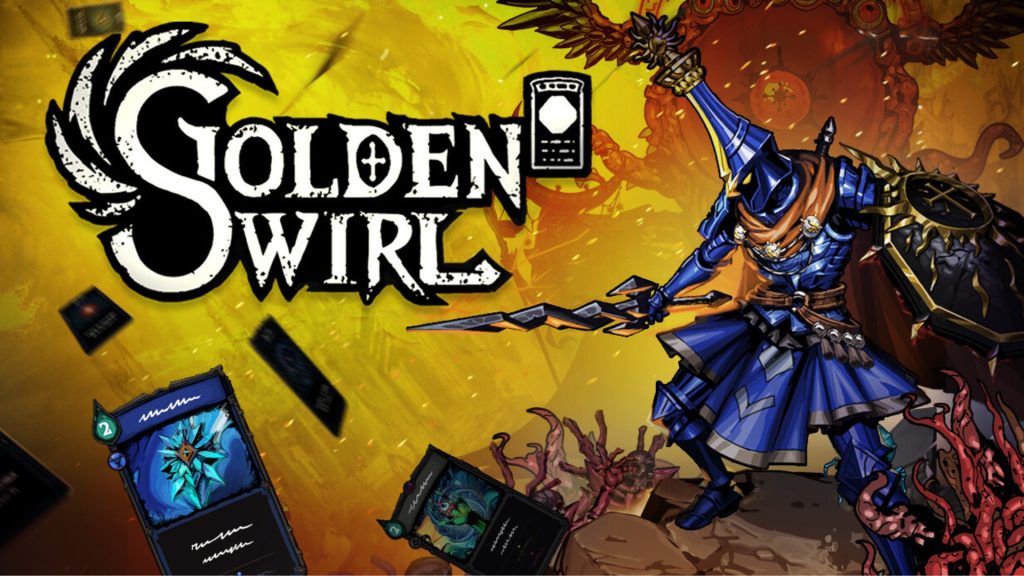
Golden Swirl inventive card combat carries the experience, but repetitive rooms, weak upgrades and excessive dialogue hold it back.
![[GAMESCOM 2026] Wilderdark Preview – Ambitious Dinosaur Horror Game That Still Has Plenty to Prove](https://www.indie-games.eu/wp-content/uploads/2026/09/Wilderdark-1024x576.jpg)
Dinosaur survival horror game Wilderdark has one of those premises that immediately makes you wonder why more games have not…
![[PREVIEW] Tiny Metal 2 – Strategy Game That Wants You to Learn From Every Mistake](https://www.indie-games.eu/wp-content/uploads/2026/09/Tiny-Metal-2-1024x576.jpg)
I rarely enjoy discovering that my opening strategy was completely wrong, but Tiny Metal 2 made that process one of…
![[PREVIEW] Remothered: Red Nun’s Legacy – Ambitious Survival Horror That Needs More Polish](https://www.indie-games.eu/wp-content/uploads/2026/09/Remothered-Red-Nuns-Legacy-4-1024x576.jpg)
Remothered: Red Nun’s Legacy has a gripping atmosphere and promising survival tools, but its repetitive hiding and rough visuals need…
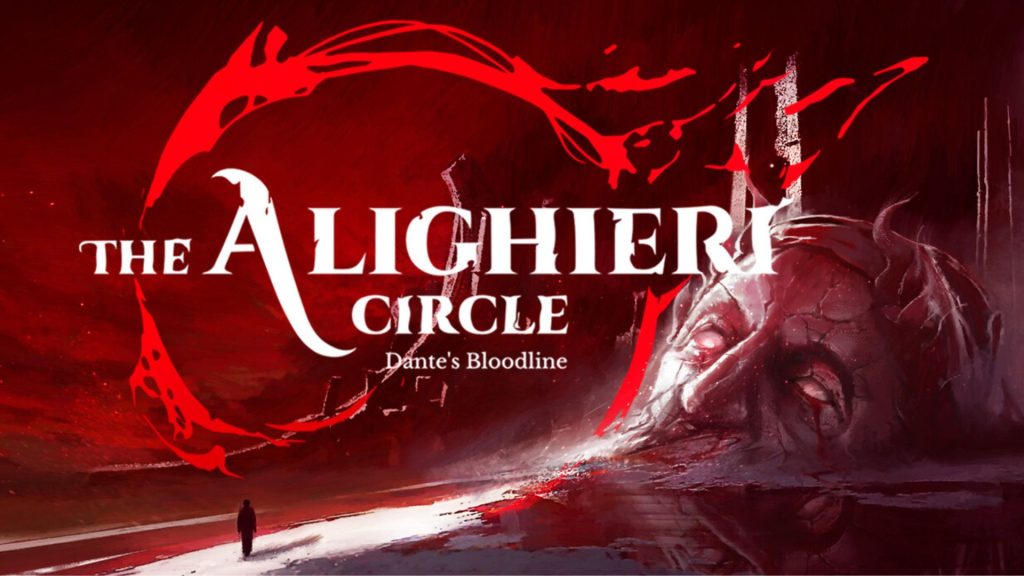
The Alighieri Circle: Dante’s Bloodline is difficult to recommend beyond players who are especially interested in Dante or enjoy solving…
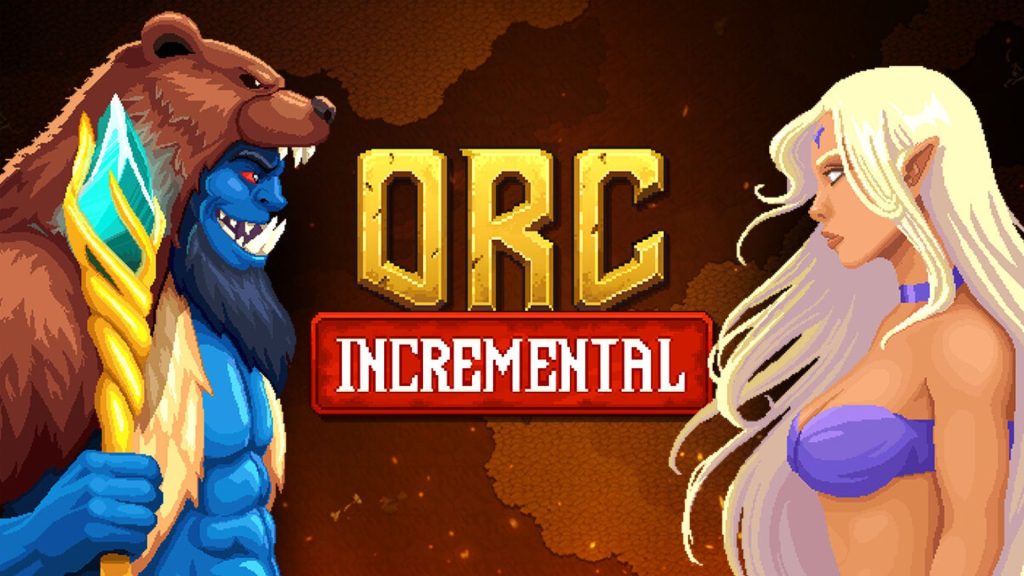
Orc Incremental offers satisfying progression, entertaining totem combinations and enough content to justify its affordable price.
![[GAMESCOM 2026] Chronoscript: The Endless End Preview – Beautiful Pages Hide Deliberate Combat](https://www.indie-games.eu/wp-content/uploads/2026/09/Chronoscript-The-Endless-End-1-1024x576.jpg)
Chronoscript: The Endless End stands out from other Metroidvanias by blending 2D manuscript worlds with exploration inside a 3D manor.
![[GAMESCOM 2026] MegaGum Preview – Combat Hits Hard in This Sticky Platforming Adventure](https://www.indie-games.eu/wp-content/uploads/2026/09/MegaGum-09-09-26-5-1024x576.jpg)
MegaGum combines hard-hitting combat, varied weapons and Gum-powered platforming in a promising Gamescom 2026 demo.
![[GAMESCOM 2026] Delphinium Preview – Cozy Routine Mixed With Enjoyable Minigames](https://www.indie-games.eu/wp-content/uploads/2026/03/Delphinium--1024x665.jpg)
Delphinium mixes cozy farming, exploration and relationships with enjoyable fishing, cooking and forging minigames in its Gamescom 2026 demo.
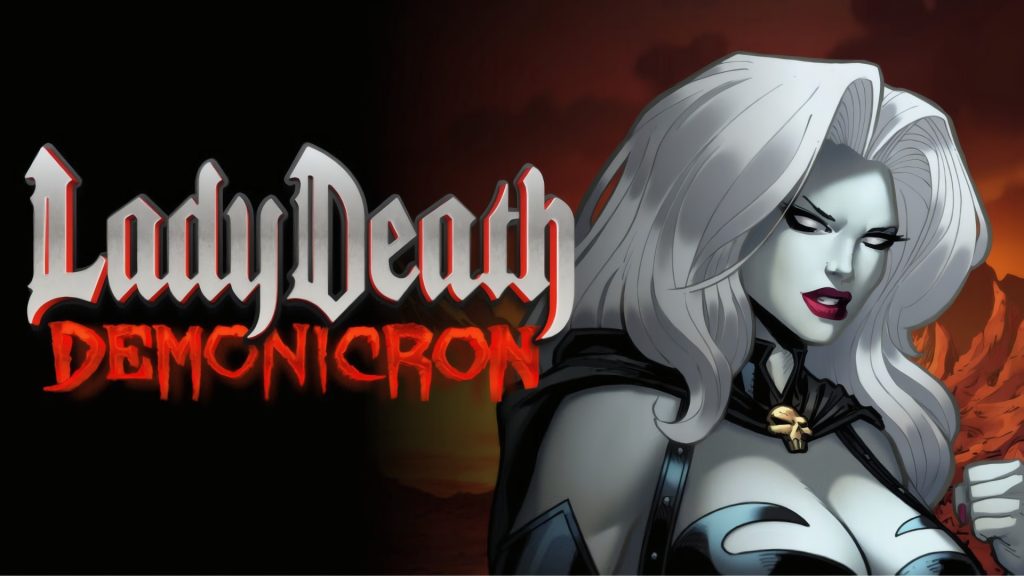
Lady Death: Demonicron looks the part, but underneath its excellent comic-book exterior is a clunky and painfully short brawler.
![[GAMESCOM 2026] Tomb Raider: Legacy of Atlantis Preview – Expands the Original Without Losing Its Identity](https://www.indie-games.eu/wp-content/uploads/2026/09/tomb-raider-legacy-of-atlantis-06-02-26-1-1024x576.jpg)
Tomb Raider: Legacy of Atlantis brings Lara back to her roots, but its Gamescom 2026 showing proved this is far…
![[GAMESCOM 2026] Clive Barker’s Hellraiser: Revival Preview – Ready to Open the Box](https://www.indie-games.eu/wp-content/uploads/2026/09/Clive-Barkers-Hellraiser-Revival-08-30-26-1-1024x576.jpg)
Hellraiser: Revival preserves the franchise’s sex, gore and psychological horror while delivering approachable survival-horror gameplay.

Swan Song creates a peaceful and forgiving puzzle space without removing the challenge that makes solving a difficult puzzle rewarding.
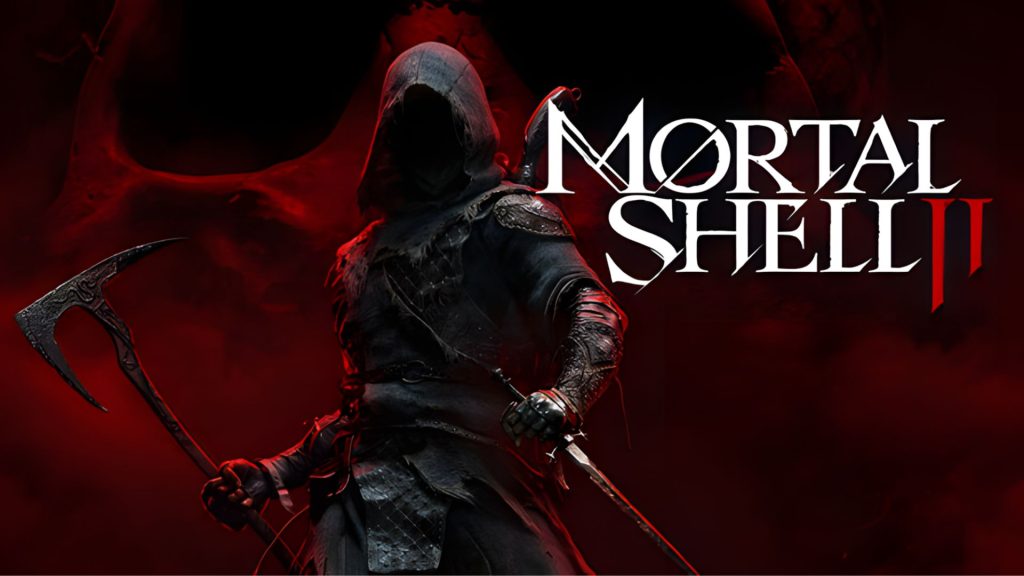
Mortal Shell II starts brilliantly but grows repetitive and exhausting, while remaining a rewarding and ambitious Soulslike sequel.
![[GAMESCOM 2026] Terranigma Preview – A Lost SNES Classic Returns in 2027](https://www.indie-games.eu/wp-content/uploads/2026/08/Terranigma-1-1024x576.jpg)
After more than three decades of limited availability, Terranigma is returning in 2027. We played its enhanced re-release at Gamescom…
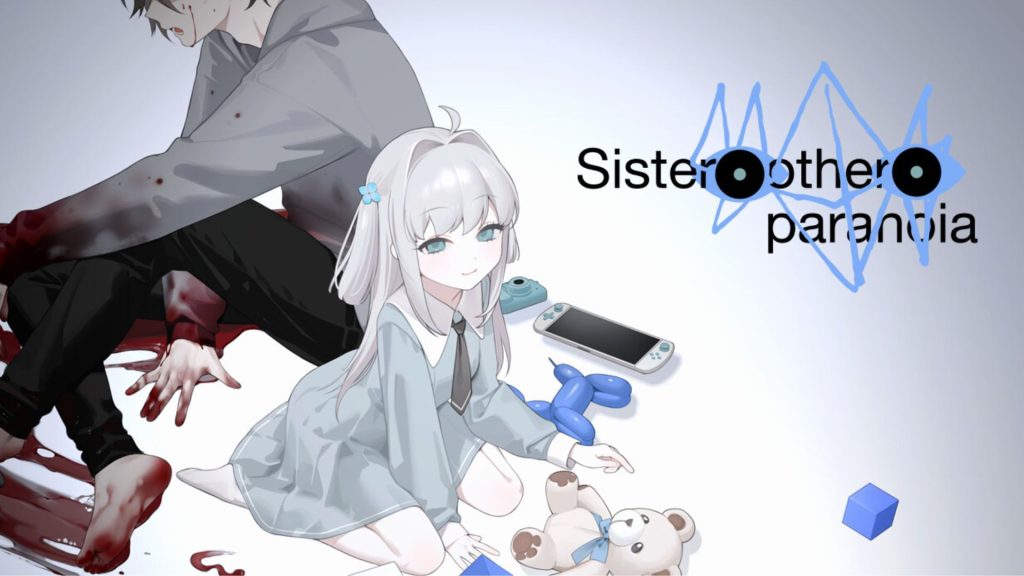
Reading another person’s mind is often presented as a desirable superpower, but Sister Other Paranoia immediately understands why it could…
