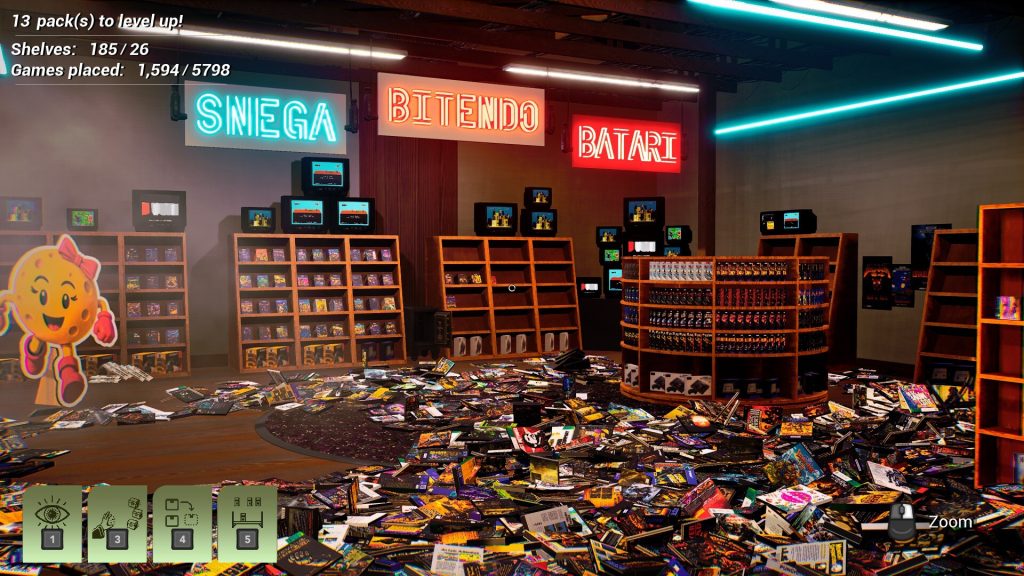
A Cat Scattered 5,798 Games Across This Cozy Supermarket Simulator
MY CAT SCATTERED GAMES asks players to organize 5,798 games and consoles before rescuing a cat trapped inside a claw…

![[OPINION] Honestly, Gaming Journalism Has a Problem](https://www.indie-games.eu/wp-content/uploads/2025/02/video-games-journalism1.jpg)
If you enjoy independent indie game coverage, consider supporting Indie-Games.eu on Patreon. It helps keep the site independent.
Gaming journalism has long been the cornerstone of the video game industry, serving as a bridge between developers and players. It was once a reliable source of information, holding developers accountable and helping players make informed decisions about their purchases. However, recent events have exposed a worrying shift in the industry, where personal politics and ideologies are increasingly influencing game reviews and reporting. This change has led to a loss of trust and relevance, leaving many to wonder — what happened to professionalism in gaming journalism?
Dear developers, please stop making games exclusively for critics and reviewers. Stop pushing your games into oblivion just to please certain audiences and start making them for gamers, the people who spend their hard-earned money on your games. The reason I started Indie-Games.eu was not to criticize or speak negatively about games, but to highlight the indie scene of the industry, which is full of beautiful, carefully crafted games that never get the recognition they deserve.
Recently, a gaming journalist (from IGN) made headlines after openly admitting on social media that she would be reducing the scores of future games if they did not align with her personal political views or ideology. This shocking admission confirmed what many players had suspected for years: that some reviews are no longer about the quality of the game, but about pushing a certain narrative or agenda.


This lack of professionalism isn’t just an isolated incident. It reflects a wider problem within the industry, where some journalists place their personal views ahead of their responsibility to provide fair and unbiased reviews. When journalists use their platform to propagate their own ideologies, they not only harm their own credibility, but they also cast a negative light on their employers and fellow writers.
The consequences of this trend are far-reaching. Players, who once depended on gaming journalism to make informed purchasing decisions, are increasingly turning to alternative sources like YouTubers, Twitch streamers, and independent reviewers. These creators often offer more authentic and accessible perspectives, free from the influence of corporate interests or ideological bias.
For developers, the pressure to cater to the preferences of journalists instead of players has led to a creative barrenness. Many AAA games feel generic and uninspired because studios place a greater emphasis on aligning with ideological standards than on innovation and creativity. This has resulted in a growing disconnect between developers and their audience, leaving players with the impression that their needs and desires are no longer understood or taken into account.
Because of all this, gaming journalism is suffering. One of the biggest problems with modern gaming journalism is the lack of diversity of opinion. Many leading gaming portals are owned by the same corporate entities, which leads to a uniform and self-confirming narrative. This echo chamber culture stifles critical thinking and discourages opposing viewpoints, creating an environment where only certain perspectives are acceptable.

We have reached a point where even Elon Musk, a billionaire who could likely purchase the entire gaming media industry, is publicly calling out gaming journalism as “trash.” And I can’t blame him. Gaming journalism has never had clear guidelines or a professional path: you can’t study it in college, and there is a striking lack of academic research or scholarly papers on the subject. It is an industry almost entirely built by enthusiasts, individuals who love games and enjoy writing about them.
The traditional Westley-MacLean model suggests that journalists act as “gatekeepers” in the mass communication process. Because of their privileged role, they are expected to report objectively and set aside personal prejudices when they step into the newsroom. However, this principle often seems absent in gaming journalism. That is why I believe the framing theory is particularly relevant to this industry.
In social sciences, framing encompasses the way individuals, groups, and societies organize, perceive, and communicate reality. In gaming media, framing shapes how games are presented to the audience, whether as artistic masterpieces, technical achievements, or controversial products. The way gaming journalists frame stories can significantly impact public perception, making it crucial for them to find a balance between enthusiasm and objectivity, even in an industry driven by passion and fandom.
The gaming industry is at a crossroads. Players are no longer willing to tolerate biased reviews or ideological preaching. They want honest, fair, and professional reporting that respects their intelligence and prioritizes their interests. If gaming journalism wants to reclaim its relevance, it must return to its roots: informing players, holding developers accountable, and celebrating the creativity and diversity of the medium.

There are still brilliant journalists and writers who uphold these values, but they are often overshadowed by the toxic individuals who place personal interests ahead of professional responsibilities. It’s time for the industry to look inward and demand higher standards of professionalism and integrity. It is also a problem that smaller media outlets like ours suffer because large platforms overshadow them and diminish the importance of the work we do.
Gaming journalism once meant something. It was a reliable source of information, the voice of the players, and a check-and-balance mechanism within the industry. But as personal politics and ideology have taken center stage, that trust has slowly eroded. A recent journalist’s admission that they would manipulate review scores based on their own beliefs is just the latest example of how far the industry has strayed from its original purpose. It is time for gaming journalism to return to its roots.
MY CAT SCATTERED GAMES asks players to organize 5,798 games and consoles before rescuing a cat trapped inside a claw…
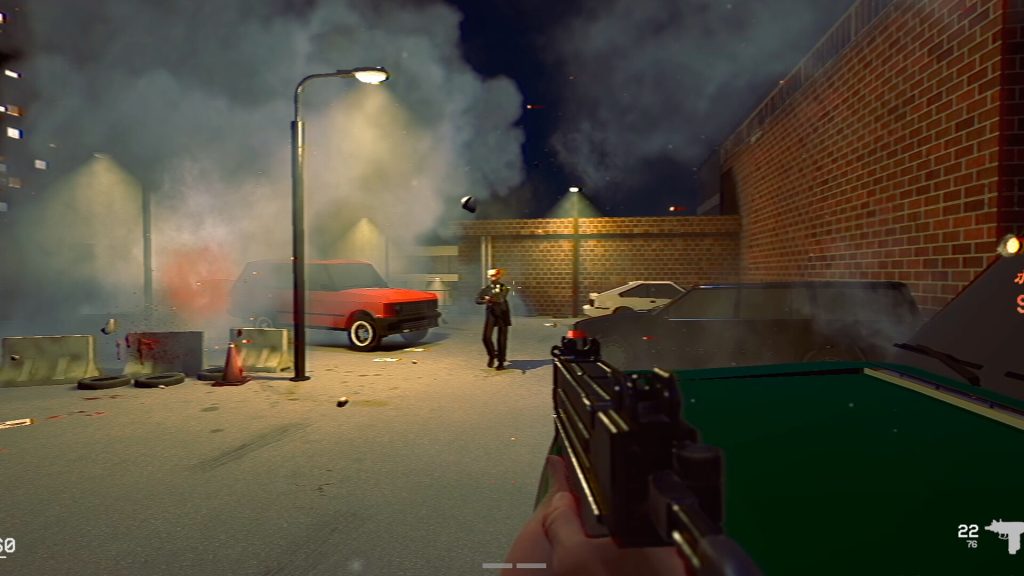
Retro corridor shooter Cop Bastard has partnered with Retrovibe for an October release, accompanied by a faster and more polished…
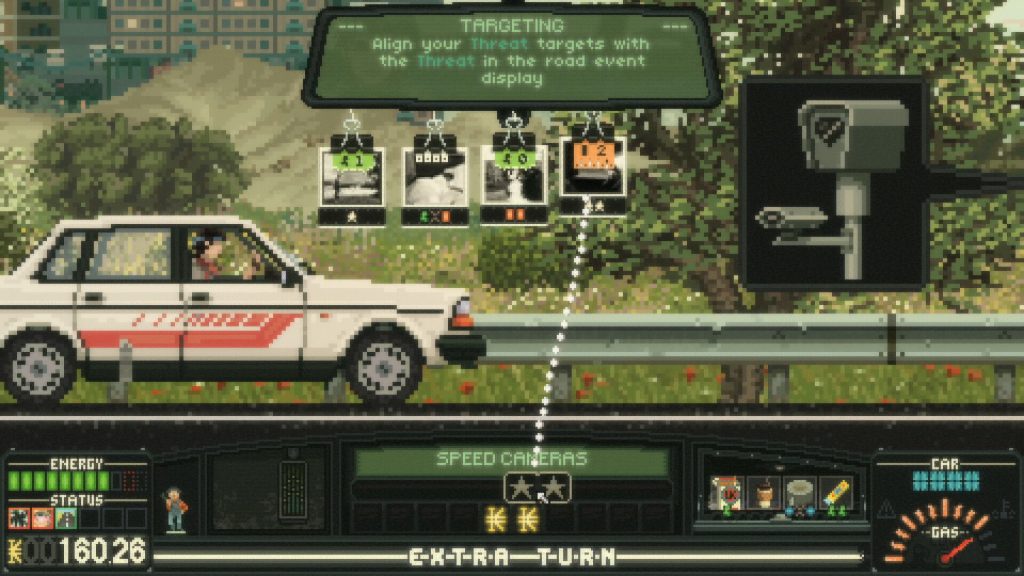
Keep Driving launches on Switch, PS5 and Xbox Series X|S on September 28 as its PC edition receives official Steam…
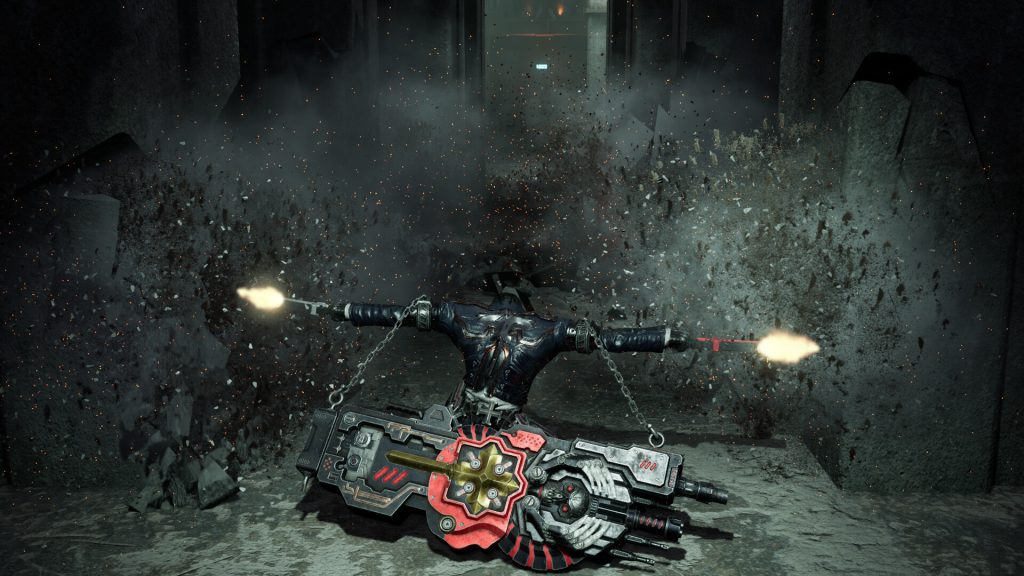
Gungrave G.O.R.E: Blood Heat shows its rebuilt combat, including parries, close-range attacks and faster 360-degree movement.

Sugar Lies follows a young man who hates dishonesty and a girl living behind a perfect persona when it launches…
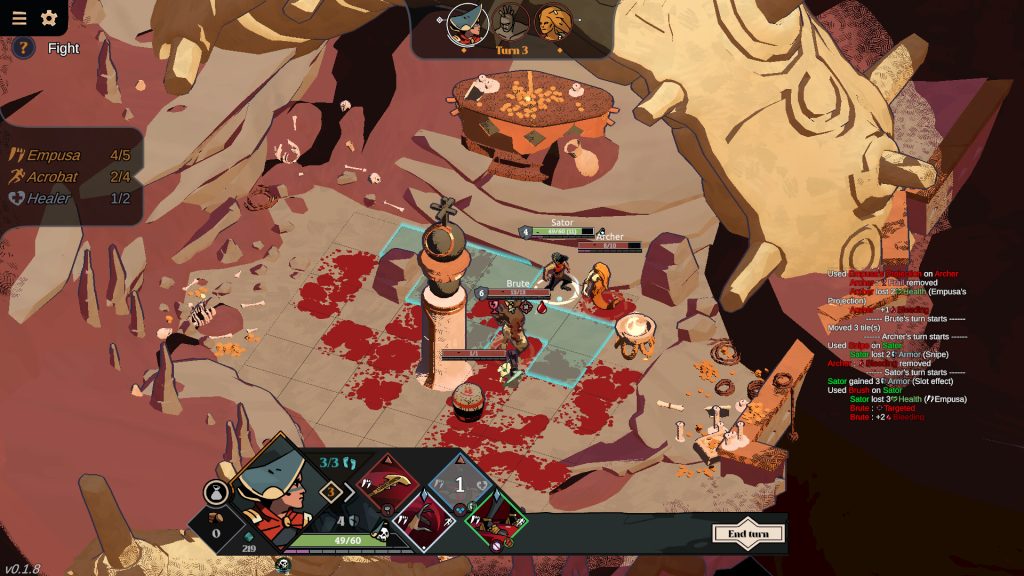
Deified leaves Steam Early Access on September 21 with its narrative ending, final boss floor, balance improvements and hidden content.
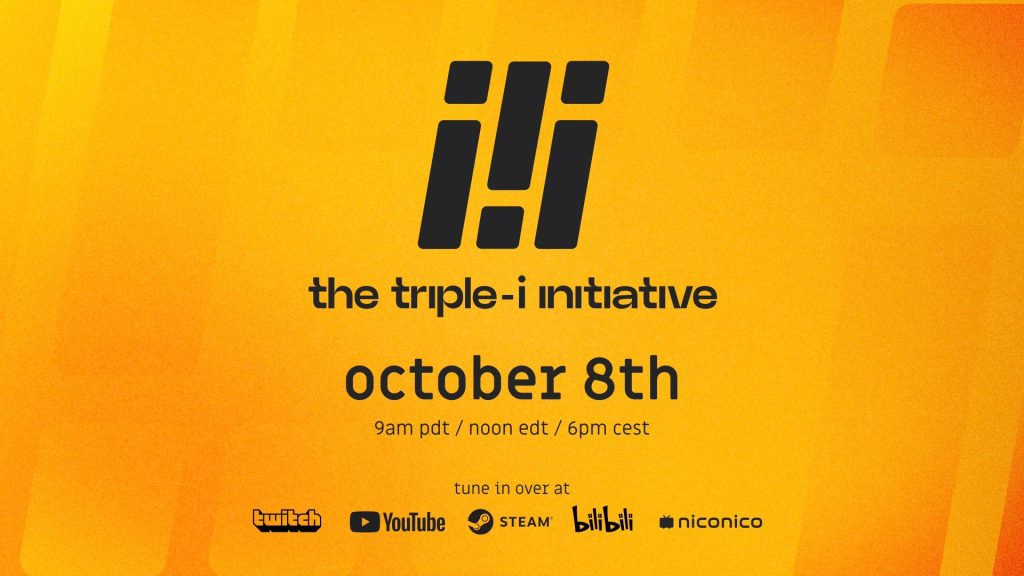
Triple-i Initiative returns October 8 with 40 games, eight world premieres and 45 minutes of trailers, release dates and reveals.
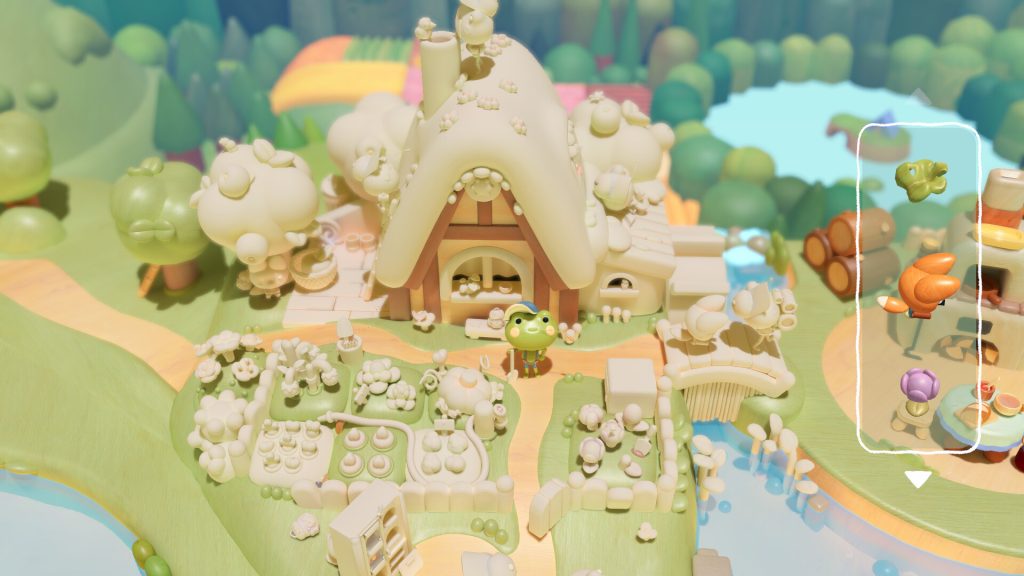
Woodo launches September 16, inviting players to rebuild childhood memories through cozy, handcrafted wooden dioramas.
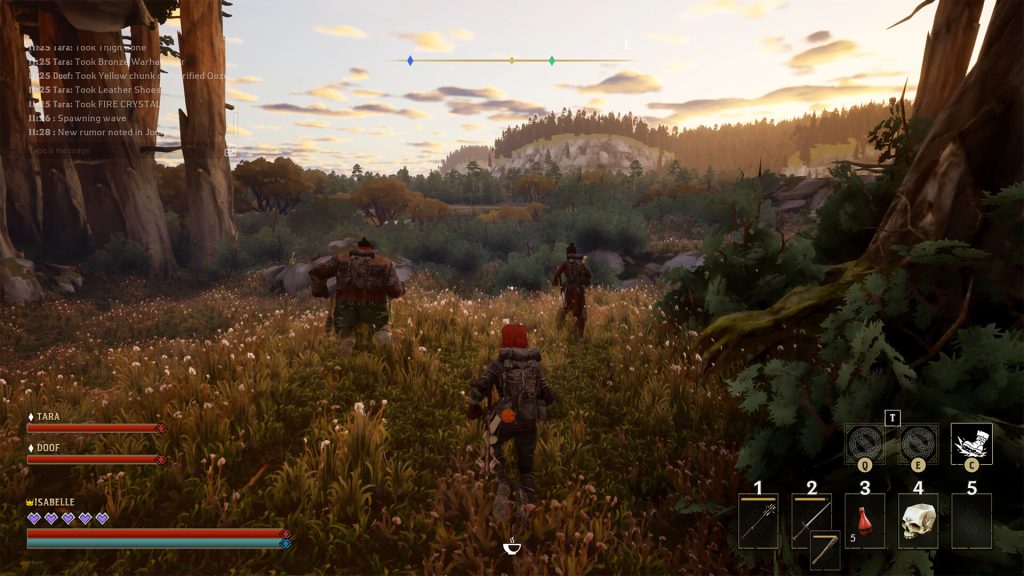
Curve Games signs Wyldheart in one of its biggest recent investments after the co-op RPG surpasses 375,000 Steam wishlists.
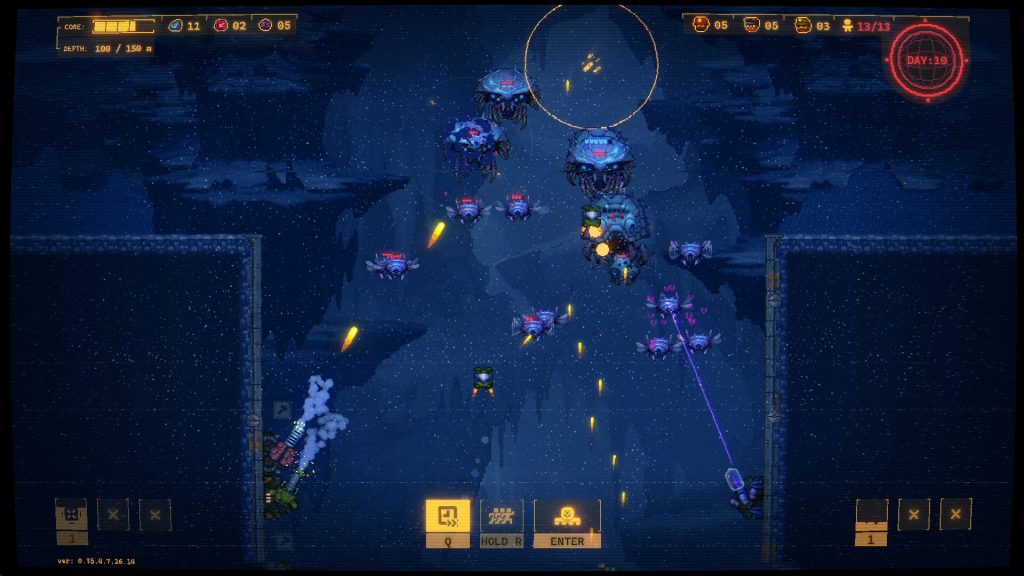
Drill Core’s free Anniversary Update adds Relaxed Mode, new bounties, specialists, platform skins and several quality-of-life improvements.
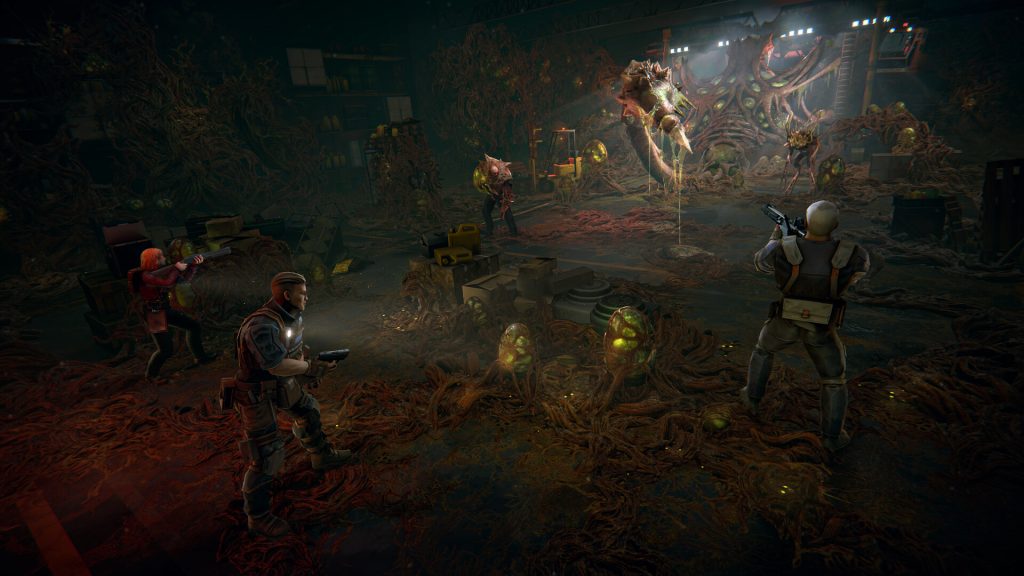
Critical Shift’s free two-hour demo combines real-time exploration with tactical combat inside a compromised Antarctic facility.
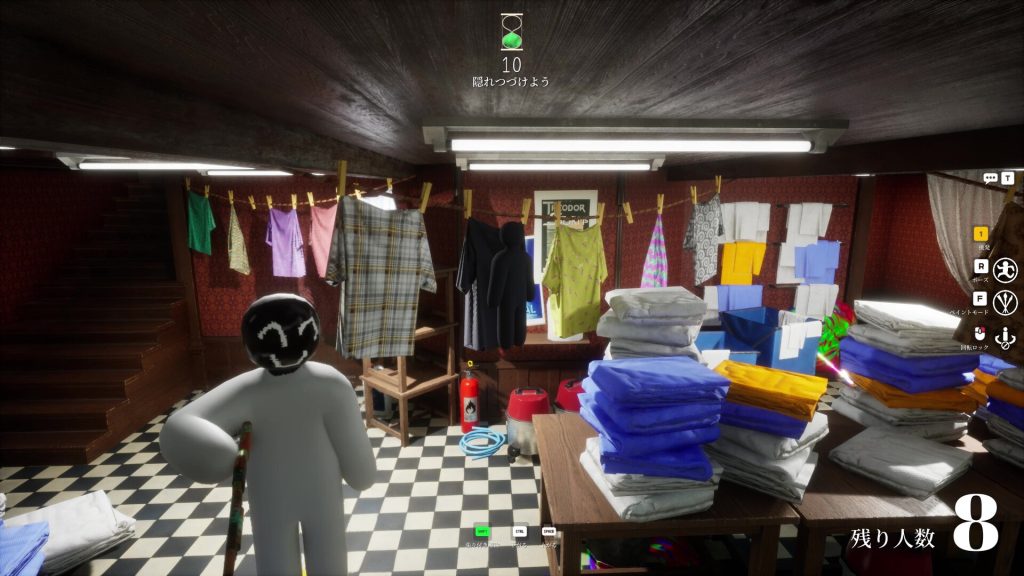
Meccha Chameleon brings its paint-based multiplayer hide-and-seek matches to Nintendo Switch 2 with a temporary $4.79 launch price.
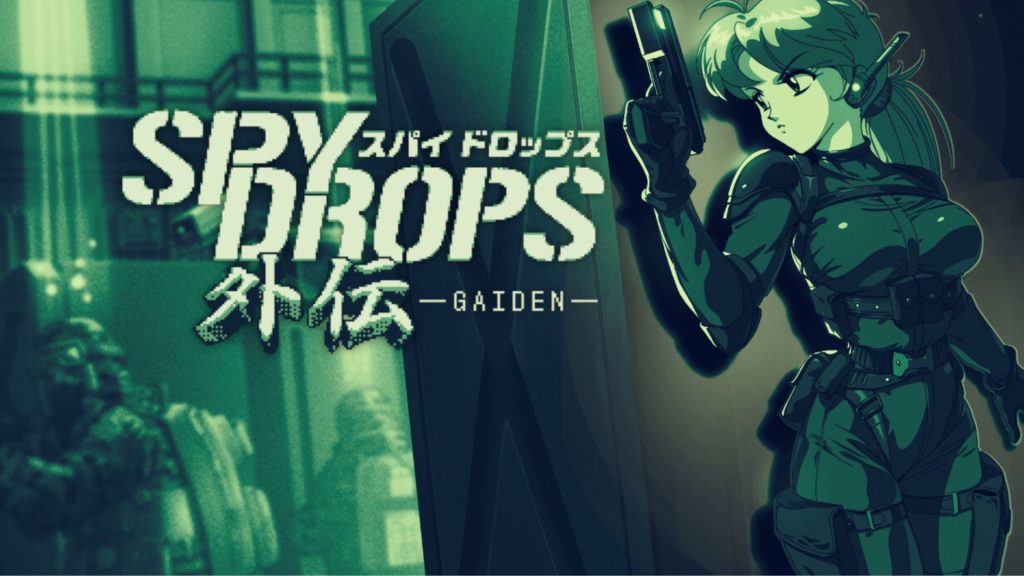
Spy Drops Gaiden brings Game Boy-style stealth, eight covert missions and intel extraction to Steam on October 12 for €4.99.
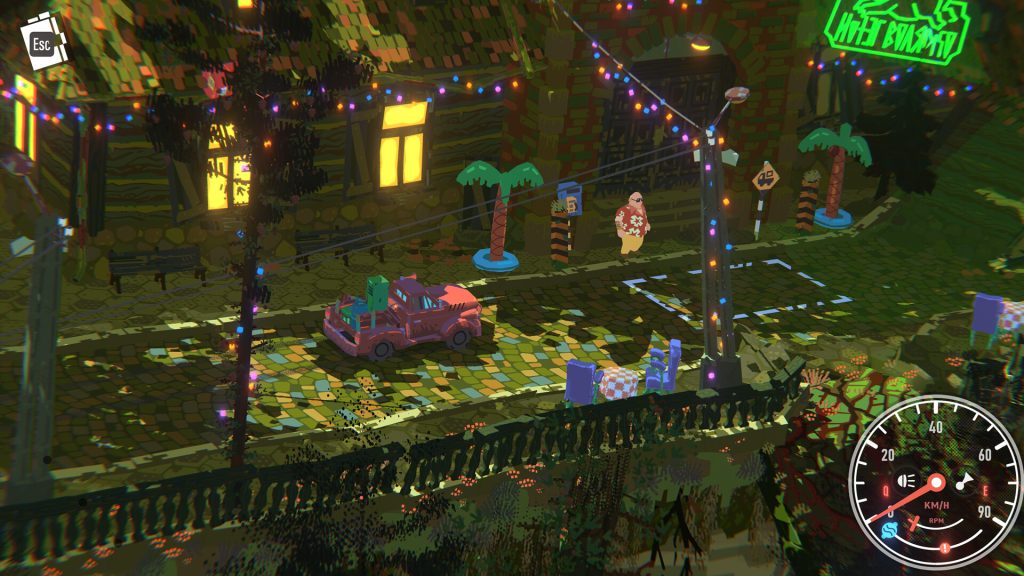
Truckful launches October 9 on Steam and Android, combining physics-based deliveries with vehicle upgrades and a mystery inside an ancient…
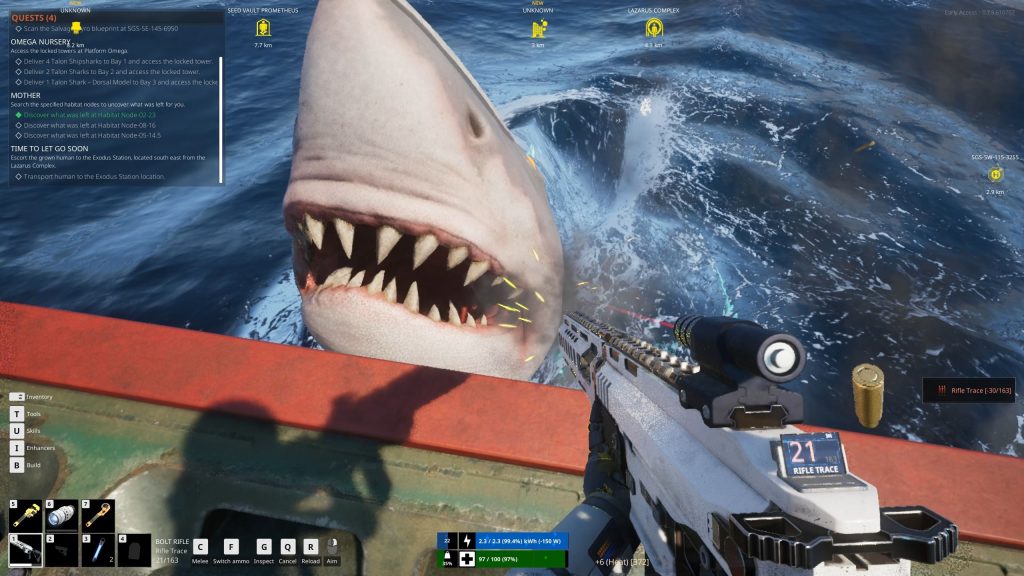
The Last Caretaker reaches version 1.0 in spring 2027 and joins Xbox Game Pass on day one after selling over…
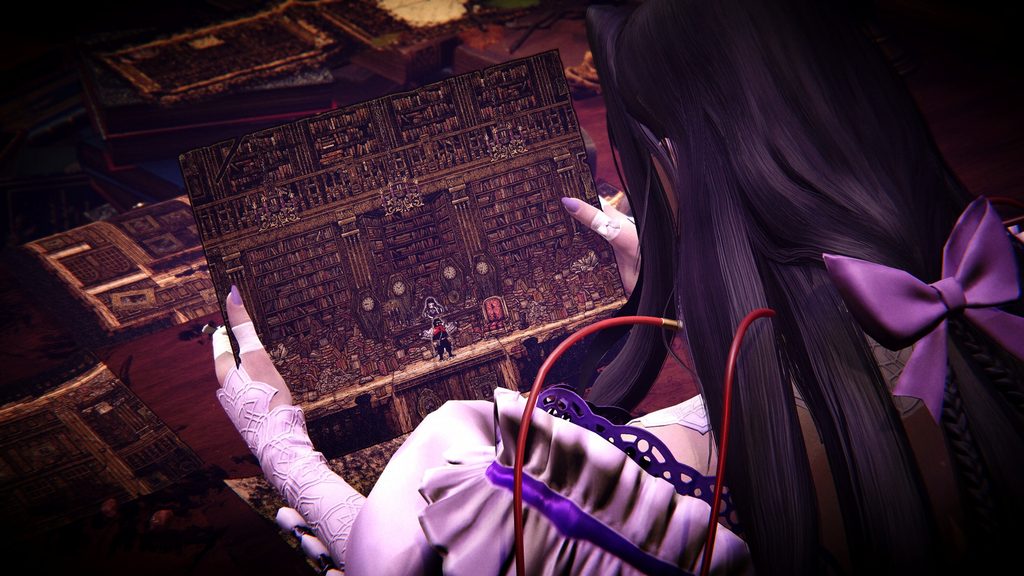
Chronoscript: The Endless End moves to early summer 2027 as DeskWorks! improves combat responsiveness, menus and visual readability.
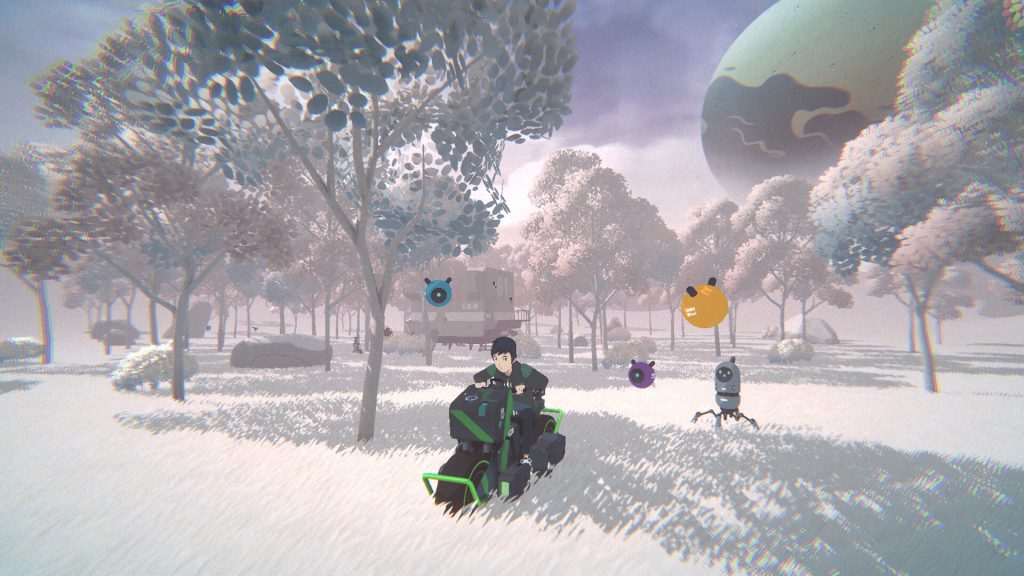
HEIMA is a parallel-world puzzle adventure from former Terra Battle developers, coming to PC in 2028 with SHIFT and HOLD…
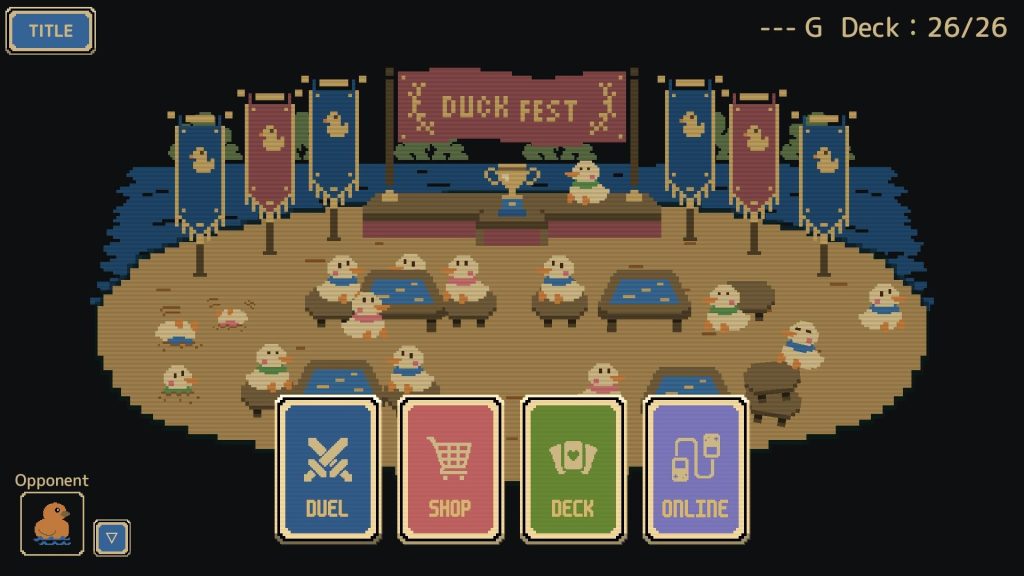
Duck Fest combines deck building and 1v1 battles with collectible cards that players can trade through the Steam Community Market.
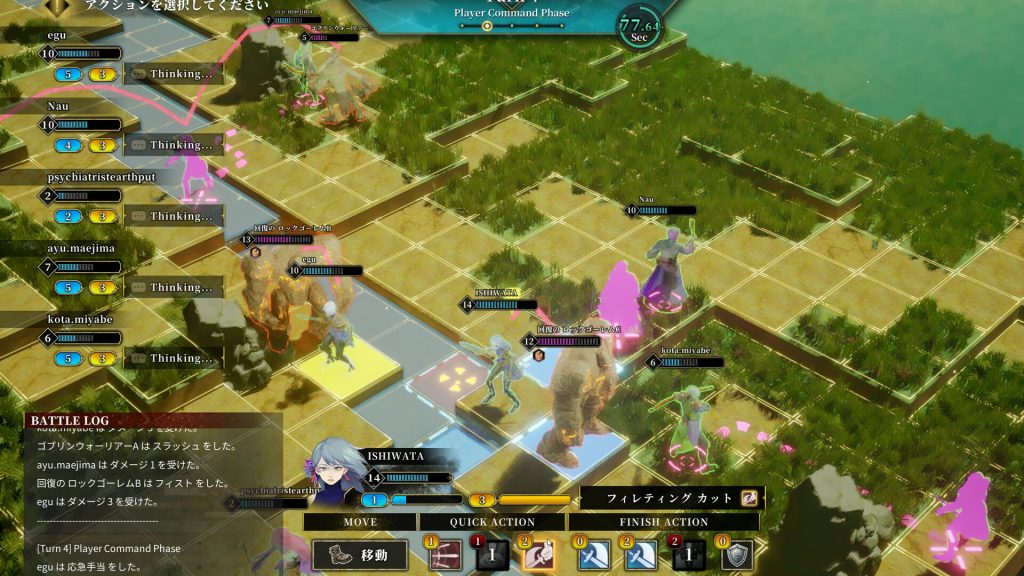
Tactful Tactics is a 1–6-player cooperative RPG where everyone plans and executes their actions simultaneously.
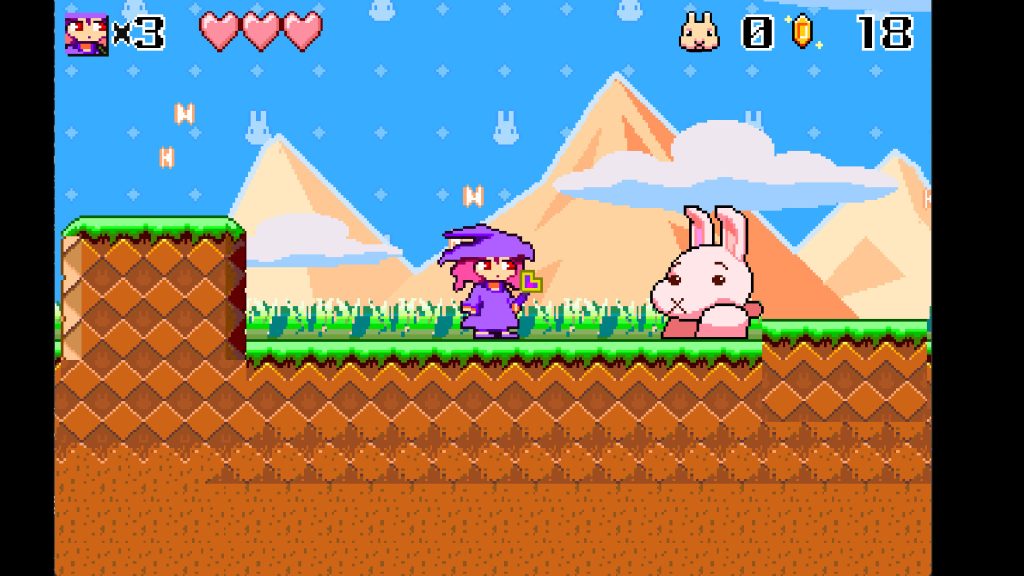
SakuSaku Witch is a retro-inspired 2D platformer about magic, bunny monsters and a suspicious toy company, coming to Steam in…
