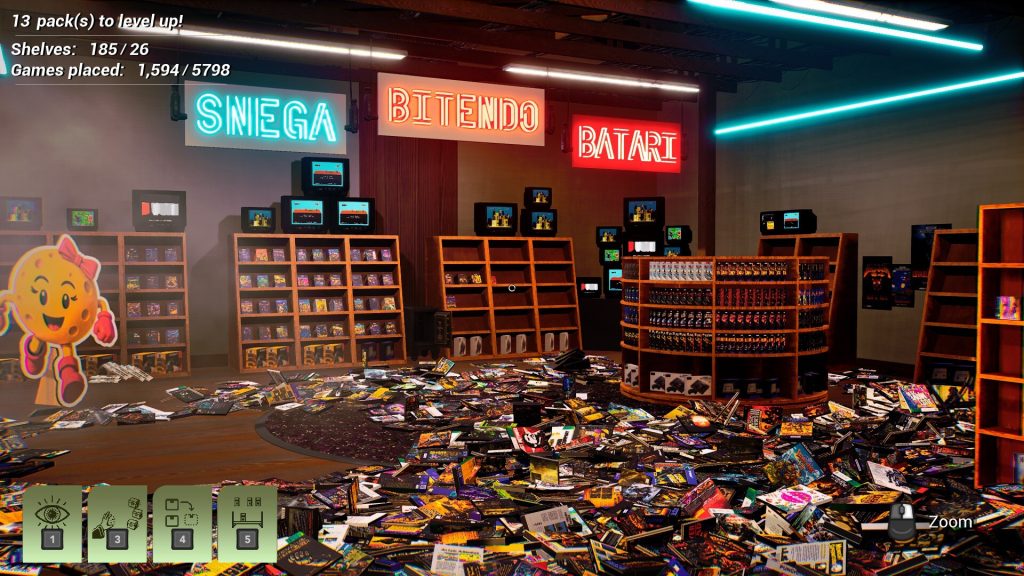
A Cat Scattered 5,798 Games Across This Cozy Supermarket Simulator
MY CAT SCATTERED GAMES asks players to organize 5,798 games and consoles before rescuing a cat trapped inside a claw…

![[OPINION] We NEED To Talk About Video Game Journalism](https://www.indie-games.eu/wp-content/uploads/2025/09/nick-morrison-FHnnjk1Yj7Y-unsplash-scaled.jpg)
If you enjoy independent indie game coverage, consider supporting Indie-Games.eu on Patreon. It helps keep the site independent.
In this opinion piece I dive into the complex and often controversial world of video game journalism. I explore how the profession has evolved from its traditional roots, looking at the shift from written articles to visual content and the rise of new, internet-driven business models. Down below you can read what was discussed in the video.
I’ve been planning this video/article for a while now, and it’s a topic I feel uniquely qualified to discuss. I recently completed my thesis on the specifics of video game journalism, which involved analyzing numerous Croatian gaming websites. After extensive research, reading countless books and articles, I believe it’s crucial to have an open discussion about this topic. Many “real” gaming journalists seem hesitant to step out and show the current state of the industry, and I want to provide a detailed look at how things are really going.
The biggest issue facing gaming journalism today is the lack of an organized body or association. Unlike traditional media, there’s no central forum for journalists to meet and discuss industry-wide topics. This absence creates a significant problem: it’s nearly impossible to define who a “gaming journalist” is, what qualifications are needed to become one, or how they should properly report on video games.
Today, social media and the internet often portray gaming journalists in a negative light. They are commonly seen as incapable of doing their job, unskilled at playing games, or overly focused on activism in their articles and videos. However, I believe this view is misleading, as it overlooks many talented journalists who are being sidelined by the very nature of online platforms.
We know social media thrives on drama and negativity, making it more profitable to trash-talk than to celebrate good work. My analysis of Croatian gaming websites reaffirmed this, as I found countless dedicated writers who are not only passionate about their craft but are also truly knowledgeable and skilled gamers.

The definition of a gamer has evolved significantly. A “gamer” once referred to someone deeply invested in the hobby, a person who actively sought knowledge by reading countless articles on gaming websites. Today, however, anyone can pick up a controller or a phone and play a video game, blurring the line on who truly qualifies as a gamer.
This shift also brings us to the history of gaming journalism. Early gaming journalists were rarely, if ever, formally trained as traditional journalists. It’s a fact that most lacked a journalism degree. Instead, the titles they adopted for themselves, which I found in my research, were critics or enthusiasts. These were simply people who possessed a passion for games and wanted to write about them.
A significant challenge for this field is its low pay and lack of widespread formal education. Although some universities in the United States offer courses in gaming journalism, it remains a very small sector of the industry. This reality underscores the importance of understanding the position of video games in today’s society.
Video games are discussed in both mainstream and specialized media. Gaming journalists fall into the latter, as specialized media caters to niche audiences and provides more in-depth analysis. This makes it a perfect fit for gaming journalism, which by definition is a specialized form of journalism that focuses on the video game industry through reviews, interviews, and news.
In contrast, mainstream media aims to reach a broad audience and shape public opinion. They often treat video games as a secondary topic, primarily for entertainment, and categorize them under headings like culture, technology, or esports. While not inherently negative, this approach often leaves the topic unnoticed by the general public.
However, I believe that mainstream outlets are increasingly recognizing the important role gaming plays in our culture and economy. The fact that a major publication like The New York Times places video games in its culture section, for instance, shows a growing understanding of their significance. This is a crucial development because video games now have the power to shape economic trends and influence society as a whole.

With a better understanding of modern gaming journalism and its issues, let’s briefly explore its history. To truly comprehend its current state, we need to examine its origins. Gaming journalism began as print media, with magazines serving as the primary source of information in the 1980s. For many, these publications were the only way to read about new games. Even in those early days, the writers were not traditional journalists; they were primarily enthusiasts who simply possessed a passion for games.
In the late 1990s, the internet provided a new, accessible way for people to consume information, fundamentally disrupting the print media landscape. Gaming magazines were forced to adapt, with most making the transition to online platforms. Initially, they attempted a hybrid model, offering exclusive content in print while housing other information online. This strategy, however, quickly proved unviable.
Ultimately, running an online gaming website was far more economical and easier than managing a print publication. This shift fueled the significant growth of gaming journalism between 2000 and 2010, a period defined by the rise of new technologies and digital media.
The concept of Web 2.0 perfectly illustrates this shift. This technology transformed the internet from a space of passive consumption into one where users could actively create and contribute. This dynamic is now a key characteristic of both gaming journalism and the broader gaming community. Unlike the past, where content creation was largely limited to magazine staff, now anyone with a passion for video games can produce their own content, from reviews to livestreams.

The year 2014 marks a significant turning point for the industry due to the Gamergate controversy, which ignited a widespread debate about ethics in gaming journalism. At that time, the industry was largely controlled by a symbiotic “triangle” of three key actors: publishers, developers, and journalists. This relationship meant that no single actor could truly thrive without the others. While a developer could potentially operate with less dependence on a publisher, gaming journalists were tied to both. Publishers supplied the games, and developers created them, and journalists reported on them.
Gamergate raised the central question of whether gaming journalists were compromised and paid by companies to write favorable reviews. While the controversy stemmed from a false allegation involving developer Zoe Quinn and a Kotaku journalist, a far greater problem emerged from the online toxicity it unleashed. This widespread negativity fundamentally changed gaming journalism, as the trust and integrity that journalists had cultivated with their audiences suddenly shattered. This development was fueled by the growing power of social media to manipulate perspectives and spread misinformation.
After Gamergate, the field of gaming journalism entered what some called a “new era.” While the controversy prompted a much-needed discussion on ethics and accountability, I would argue that it did little to change the fundamental identity of a video game journalist. Following the initial rise, the industry experienced a steady rise, with countless new websites emerging both locally and globally.
This period of growth and relative normalcy continued until the onset of the coronavirus pandemic. The coronavirus pandemic proved to be a catalyst for a major shift in the gaming industry. While citizen journalism was already on the rise, the pandemic accelerated a massive surge in content creators and influencers.
Following in the footsteps of pioneers like PewDiePie, these creators quickly became a crucial new force in the gaming industry. They were no longer sidelined; instead, their immense reach, views, and subscriber counts gave them significant power. As a result, many publishers and developers began prioritizing outreach to influencers alongside traditional gaming journalists, whose influence in the industry had waned significantly.
The current era of gaming journalism, which followed the coronavirus pandemic, is now defined by a significant amount of negativity. While this is a topic that could be explored in much greater detail, my goal was to provide a concise overview of the key moments that have shaped the evolution of the field over time. By understanding its origins and pivotal shifts, we can better comprehend the issues it faces today.

The question of “who is a gaming journalist?” is one of the most important and complex topics in the field. I like the typology from Nieborg and Foxman, who break down the roles into three distinct types:
Given this, it’s incredibly difficult to give a definitive answer to who a gaming journalist is, as there is no single path to becoming one.
In a study on how new media affects gaming journalism, one author interviewed various writers to explore their self-identification. They discovered a clear generational divide: seasoned veterans of the industry considered themselves “gaming journalists” based on their years of professional experience, while their younger counterparts preferred to be called “game critics” or “reviewers.”
Ultimately, you can’t truly define a gaming journalist by what they do or how long they’ve been doing it. Perhaps the only true distinction is a formal education in the field of journalism. This, as many of the interviewees concluded, might be the only way to genuinely qualify as a “gaming journalist.”
The high employee turnover is a significant issue, as journalists often jump from one outlet to another. This problem is compounded by the fact that most gaming media today is owned by a handful of large parent companies. For instance, major media groups often control multiple competing websites.
This corporate consolidation creates a major problem for the industry. When so many outlets are owned by the same company, they tend to share similar opinions and ideas, and the same content is often shared between them. This homogenization of content erodes the integrity of gaming media, as it stifles diverse viewpoints and limits critical discussion.

Another important analysis comes from Big Games Machines, which researched the state of gaming journalism last year. They draw a clear distinction between gaming journalists and game critics.
They argue that gaming journalism is primarily a reporting function, informing the audience about news and trends in the video game industry. On the other hand, they define game critics as people who combine journalism with art and culture to provide a deeper analysis of a game’s themes, mechanics, narrative, and aesthetics. In essence, they understand games on a profound level and strive to offer that same deep explanation to their audience.
This is where the idea of an alternative journalist comes into play. An alternative journalist can be a blogger or even a social media account with a large following. While they provide the same type of information as a traditional gaming journalist, they would likely not consider themselves a gaming journalist. With so many different factors at play in today’s media landscape, you can’t simply say that gaming journalism has lost its influence, it has merely evolved.
While social media is now the go-to source for breaking news and instant reactions, traditional game critics still play a vital role. In fact, reviews on these sites can often be more critical than user ratings on platforms like Steam. The key is to find a critic or reviewer whose opinion you trust, but as we’ve seen, the enduring question is whether any of these voices can be truly unbiased.
The core concern has always been whether a creator is being “bought” by a publisher or developer to provide a positive review. This issue has now extended to the new wave of video game content creators and influencers. With so many of them now receiving direct incentives, it’s often difficult to know if their praise for a game is genuine or a paid promotion.

To conclude, we can define a key difference: those who call themselves journalists typically adhere to the traditional values of journalism, while those who don’t often embrace a more independent, less structured approach. This leads to a crucial issue: subjectivity.
By its nature, all reviews are subjective because everyone’s experience with a game is unique. However, the stereotype that gaming journalists write subjectively is acceptable, and even necessary, as long as their reviews also contain objective, factual information. A review should serve two purposes: to provide an honest opinion and to give the reader enough objective data about the game to form their own conclusion.
At its core, a video game is a powerful medium that influences how people spend their free time. Games serve as a unique and effective tool for sharing values, ideas, and concepts with a diverse audience of players. This is where the concept of empathy comes into play. By immersing us in different scenarios and perspectives, games allow us to engage with our own ideas and emotions in a deeply personal way.
Gaming journalism, at its core, shares the same traditional values as print and broadcast media: truthfulness, fact-checking, and loyalty to the audience. In the current media landscape, successful gaming journalists can build a following as large as or even larger than that of mainstream outlets. The same holds true for influencers and content creators. This makes integrity and interactivity with the audience essential. A journalist who fails to engage with their community risks losing their relevance and their purpose.

This commitment to the audience highlights the main difference between a gaming journalist and a content creator. A journalist typically maintains a wider network of contacts and must dive into a broad range of topics. An influencer, on the other hand, can specialize in a specific niche, such as focusing exclusively on RPG games, while a journalist’s role demands a more expansive focus.
A lack of a unified identity also plagues the field, largely because gaming journalism is often viewed as a joke rather than a legitimate career. This perception stems from the fact that many who enter the industry do so for opportunistic reasons, such as obtaining free games, rather than with a long-term plan to build a career. This lack of professional commitment is a significant issue. When its practitioners treat it as a temporary pursuit, it becomes incredibly difficult to establish gaming journalism as a serious and credible profession.
Video game journalism can be considered the purest form of online journalism because it developed directly alongside the internet and its digital adaptations. In this sense, video game journalists view their work as a service to the player and the community. By sharing their opinions and insights on new releases before anyone else, they serve as a social good.
A well-written review provides crucial information that helps players decide whether or not to purchase a game. This is possible because journalists receive early review copies, granting them a privileged position they still hold today, despite having lost some influence to other media outlets.
As I mentioned at the start, a major issue is money. The primary way gaming journalists earn a living, through ads and sponsorships from publishers and developers, creates a clear conflict of interest. This financial model brings us back to the central question: are journalists being paid to provide favorable coverage?
This ethical dilemma highlights why the review is an integral part of gaming journalism; without it, the field as we know it likely wouldn’t exist. A review can either praise or criticize a game, but its core purpose is to serve the player. Reviews help consumers decide whether to buy a game, but they also provide deeper insights into a developer’s intentions and suggest potential improvements.

There’s another important topic we need to discuss: the decline of written content. As people read less and less, gaming journalists have been forced to shift their focus to other formats, primarily videos and podcasts. These visual and audio formats offer greater commercial potential and are often more appealing to a broader audience. It’s a faster and more direct way to capture attention and deliver information.
Despite this, written articles still hold a valuable place. You don’t always have the time or ability to watch a video or listen to a podcast. Sometimes, it’s simply more efficient to quickly scan an article to find the exact information you need. With the internet’s growth, three new types of content have emerged in gaming media:
This rise in new content types speaks to a larger issue: quantity over quality. Much like in traditional journalism today, the focus has shifted to posting as many articles as possible, even at the expense of creating fewer, higher-quality pieces.

Modern gaming journalism is characterized by community-driven interaction. Many websites feature their own forums, which allow for a dynamic, two-way conversation with the audience. This engagement is a crucial part of a site’s success. Similarly, exclusivity is a vital currency. Being the first to report on exclusive news, leaks, or rumors can generate a massive amount of traffic and links, making the pursuit of a “scoop” a key strategy for attracting an audience.
The pressure to be first and to gain views has created a significant shift in professional values. Traditional principles of journalism, such as truth, independence, and ethical reporting, are sometimes compromised. To combat this, journalists must disclose their sources and any potential conflicts of interest. While many outlets now adhere to this practice, the public’s skepticism about its influence highlights a deeper crisis of trust in the field.
The rise of personalized content is a defining characteristic of modern media. Thanks to powerful algorithms, audiences are now presented with a stream of content tailored to their specific interests and viewing habits. However, this personalization has also led to the widespread use of highly specific terminology that can alienate those outside the community. While this specialized language improves communication among gamers, it creates a significant barrier for outsiders who may not be familiar with the jargon.
PR agencies are a vital component of the modern gaming industry. They function as a professional intermediary between developers and the media, distributing press releases, enforcing embargos on content, and organizing exclusive events for journalists. This structure reflects the industry’s maturation and its need for professional communication.
Despite this professionalism, a significant issue plagues journalists: the threat of being blacklisted. PR agencies often wield this power, effectively cutting off a journalist’s access to vital information, such as early review copies, interview opportunities, and game assets. This risk, whether for writing a negative review, leaking information, or spreading misinformation, can force journalists into a position of self-censorship. The fear of being blacklisted is a powerful negative influence that can compromise journalistic integrity and stifle honest reporting.
A typical PR person, like anyone, must be skilled at communication and building connections, particularly with gaming journalists. The relationship between these two parties is symbiotic; it’s a mutual dependence where one cannot effectively function without the other. Without PR agencies, gaming journalists wouldn’t have access to the information, review copies, and events they need to do their jobs. Conversely, without gaming journalists, PR agencies would lack a crucial audience to market to and a platform to publicize their clients’ games.

We’ve now arrived at our final topic: activism in gaming journalism. This discussion is linked to complex and sensitive topics, including the broader debates around Diversity and Inclusion (DI) initiatives. Recent games like Dragon Age: The Veilguard and The Dustborn demonstrate a significant dissatisfaction within the audience regarding this content.
I believe many journalists, publishers, and developers are underestimating the power of social media to change public opinion. The monolithic concept of a passive “audience” no longer exists; it has splintered into highly vocal communities that demand to be heard.
While the gaming industry must address its issues, such as its male-dominated nature and challenges faced by the LGBTQ+ community, I also believe that a degree of objectivity is essential. Journalists and creators cannot allow their personal opinions and beliefs to dominate their work, especially when it alienates their audience. If a community is consistently dissatisfied with the direction of the content, creators have a responsibility to listen and adapt.
Activist games are designed with a clear purpose: to persuade or educate players on a specific topic or idea. Their primary goal is not to entertain but to convey a message and inspire thought or action.
A problem arises when this advocacy within a game begins to mix with traditional game journalism, which should provide critical analysis and commentary. When a journalist’s review or analysis prioritizes advocating for an activist idea over an objective critique of the game as a product, it can lead to major dissatisfaction within the gaming community.
The gaming community expects journalists to be objective, not promoters of social or political messages. When the line between journalism and activism blurs, readers may perceive it as bias or manipulation, which ultimately erodes trust in both the journalist and the media outlet.
As the gaming industry continues its rapid cultural and economic growth, the role of the video game journalist will undoubtedly change. Their primary challenge will be to find a balance between providing objective reporting and analysis, and acting as a promoter of positive change. If gaming journalism wants to reclaim its relevance, it must return to its roots:
MY CAT SCATTERED GAMES asks players to organize 5,798 games and consoles before rescuing a cat trapped inside a claw…
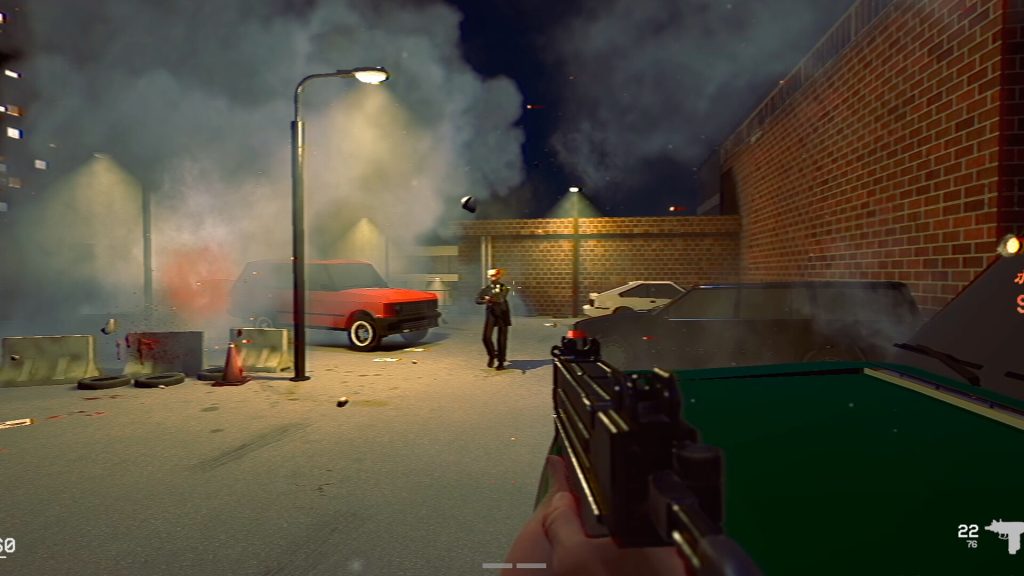
Retro corridor shooter Cop Bastard has partnered with Retrovibe for an October release, accompanied by a faster and more polished…
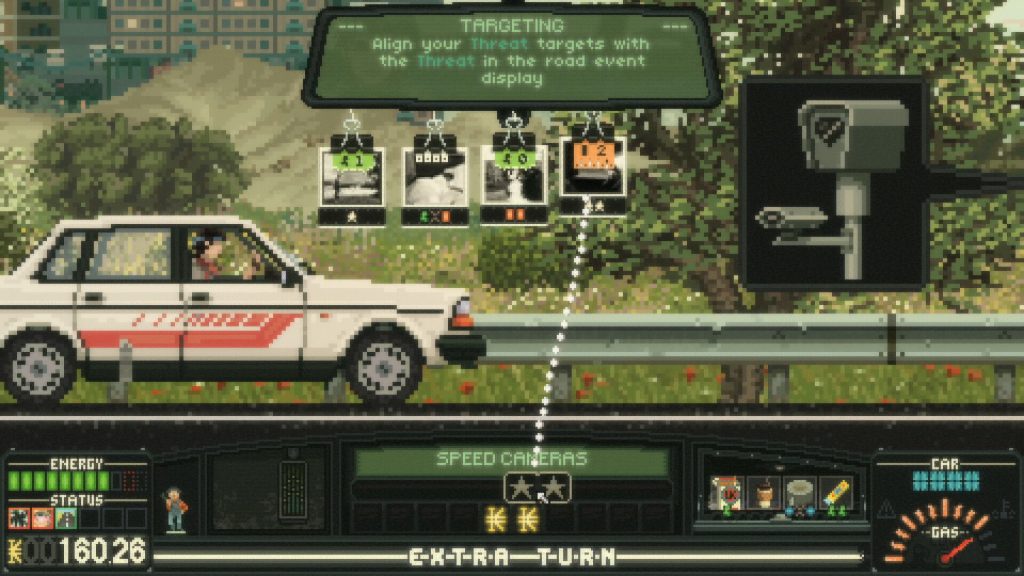
Keep Driving launches on Switch, PS5 and Xbox Series X|S on September 28 as its PC edition receives official Steam…
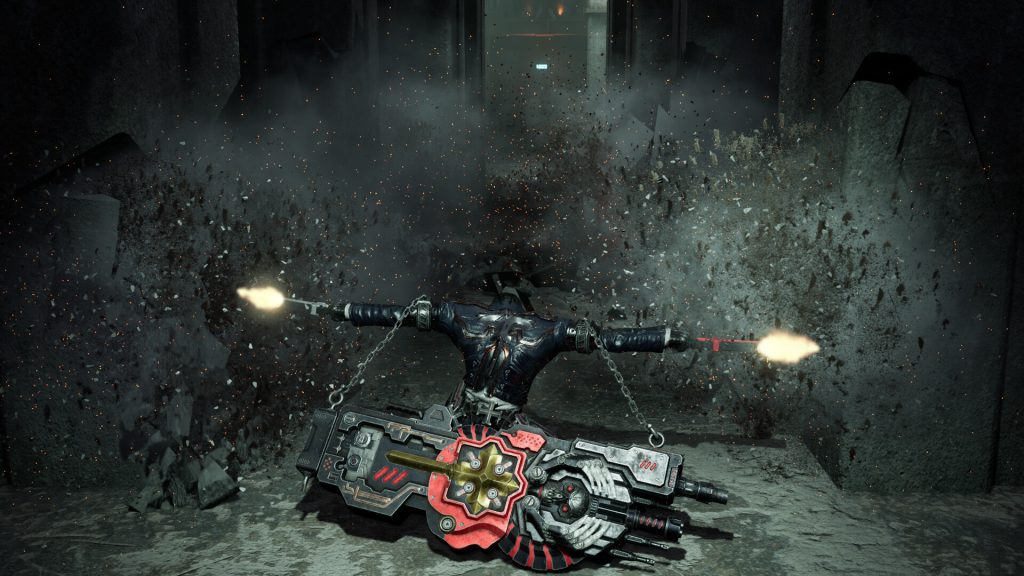
Gungrave G.O.R.E: Blood Heat shows its rebuilt combat, including parries, close-range attacks and faster 360-degree movement.
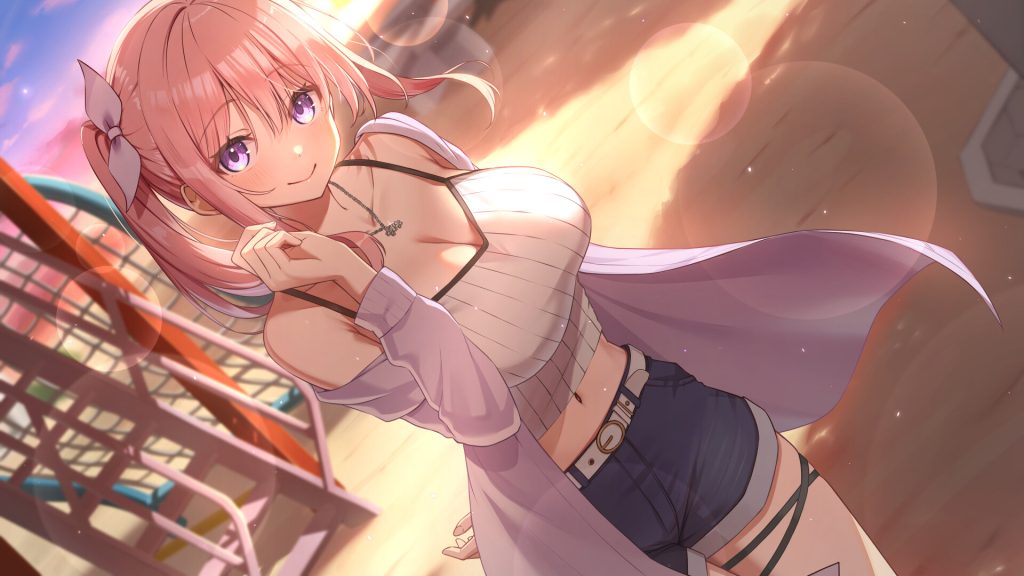
Sugar Lies follows a young man who hates dishonesty and a girl living behind a perfect persona when it launches…
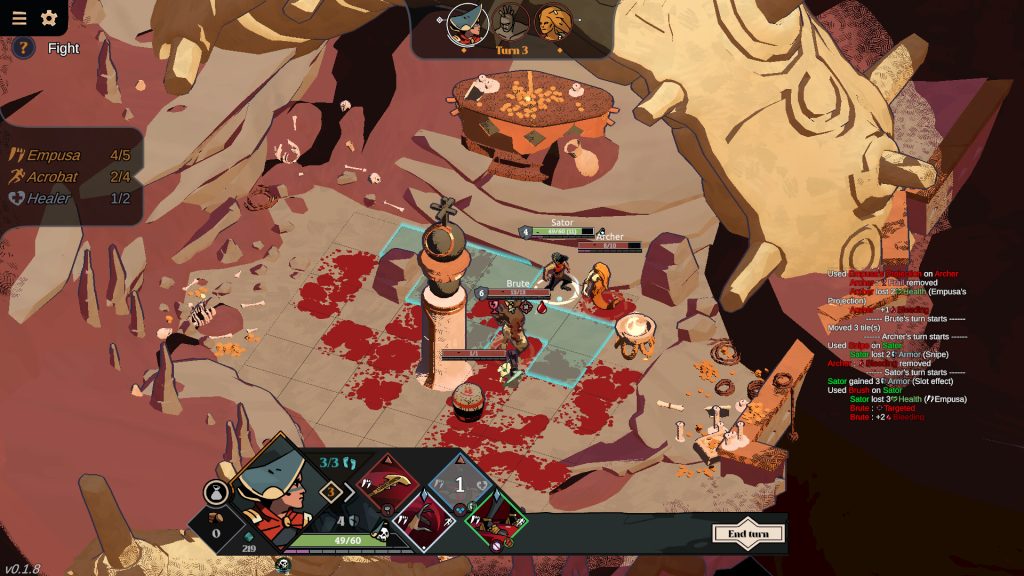
Deified leaves Steam Early Access on September 21 with its narrative ending, final boss floor, balance improvements and hidden content.
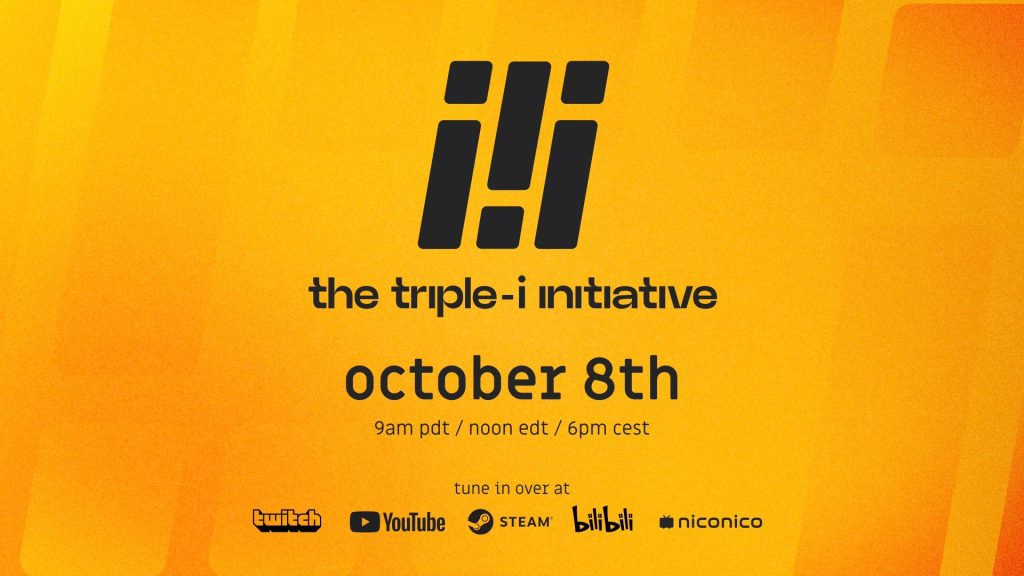
Triple-i Initiative returns October 8 with 40 games, eight world premieres and 45 minutes of trailers, release dates and reveals.
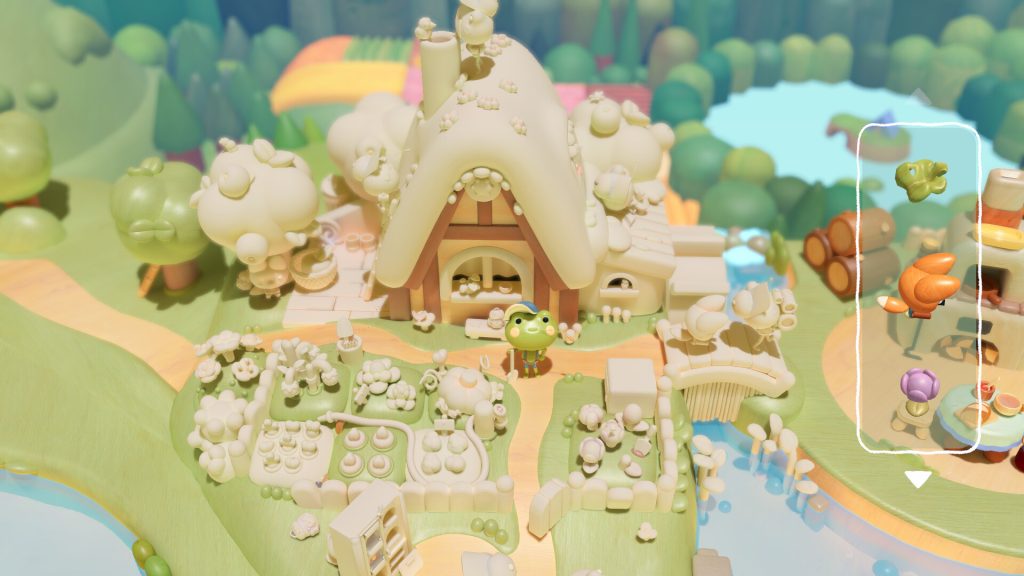
Woodo launches September 16, inviting players to rebuild childhood memories through cozy, handcrafted wooden dioramas.
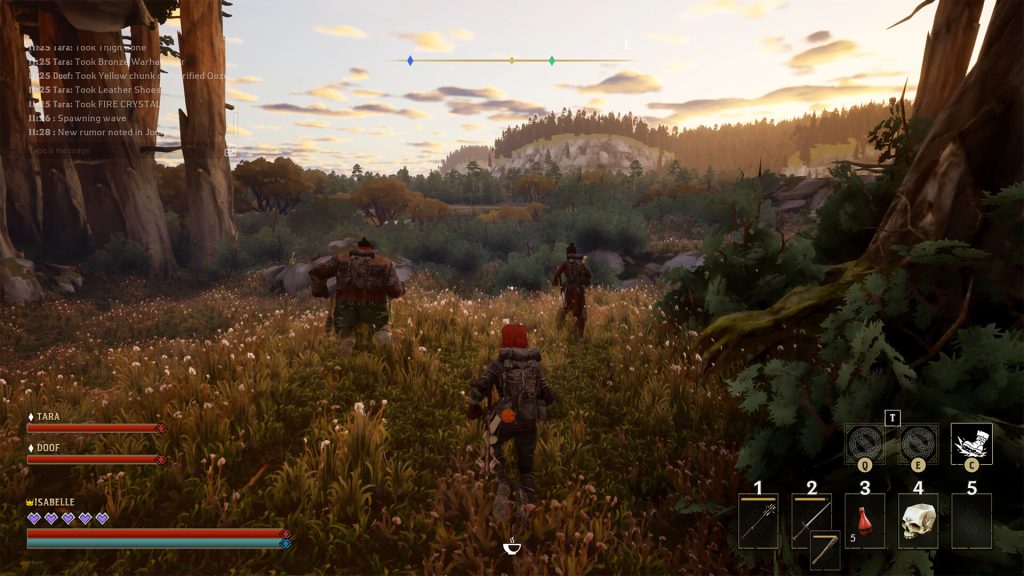
Curve Games signs Wyldheart in one of its biggest recent investments after the co-op RPG surpasses 375,000 Steam wishlists.
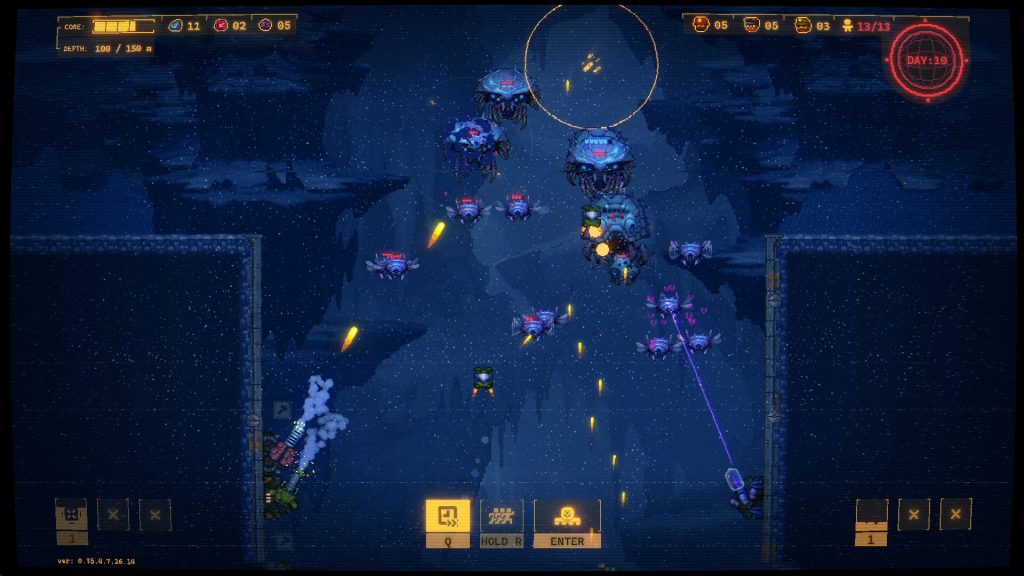
Drill Core’s free Anniversary Update adds Relaxed Mode, new bounties, specialists, platform skins and several quality-of-life improvements.
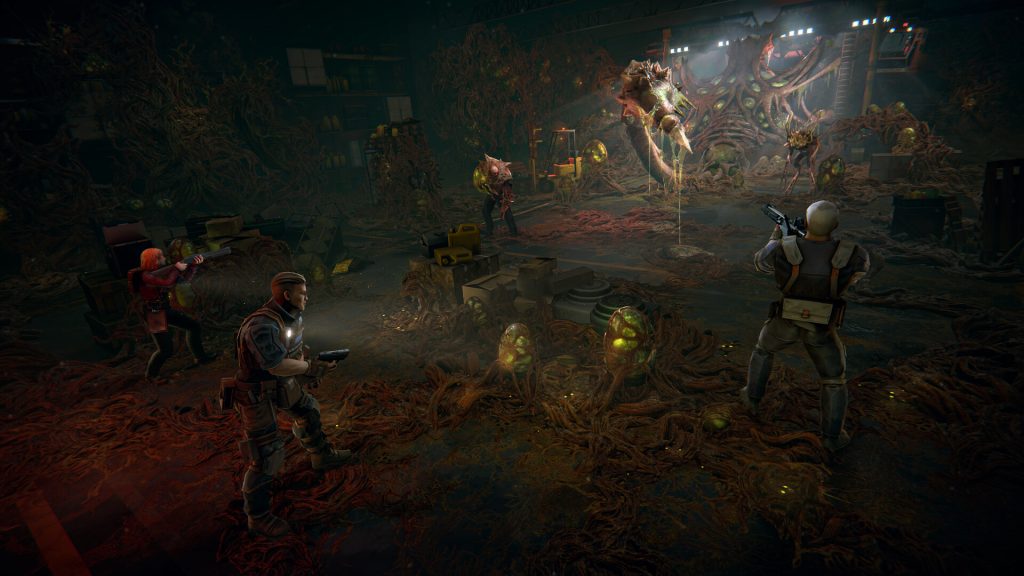
Critical Shift’s free two-hour demo combines real-time exploration with tactical combat inside a compromised Antarctic facility.
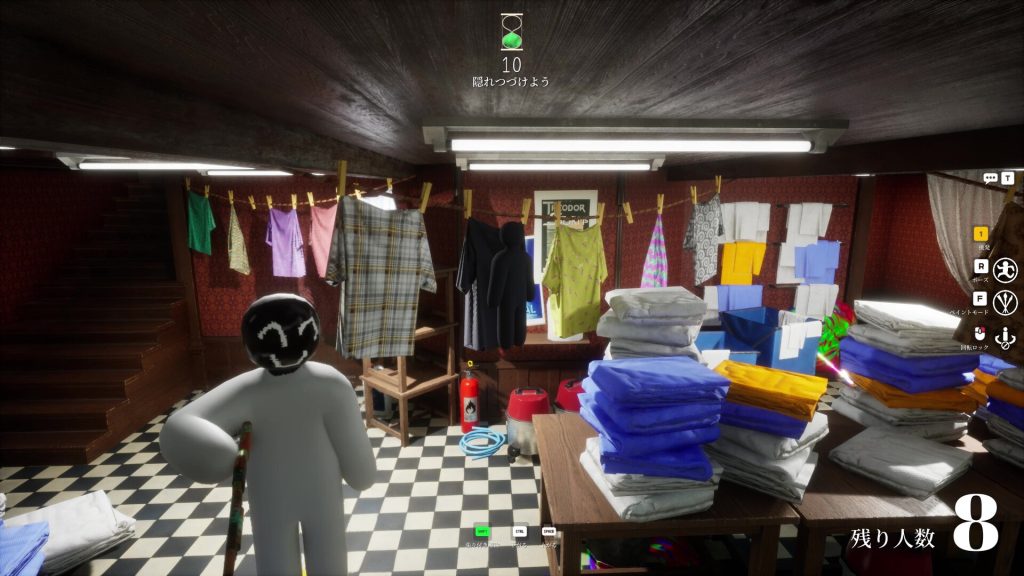
Meccha Chameleon brings its paint-based multiplayer hide-and-seek matches to Nintendo Switch 2 with a temporary $4.79 launch price.
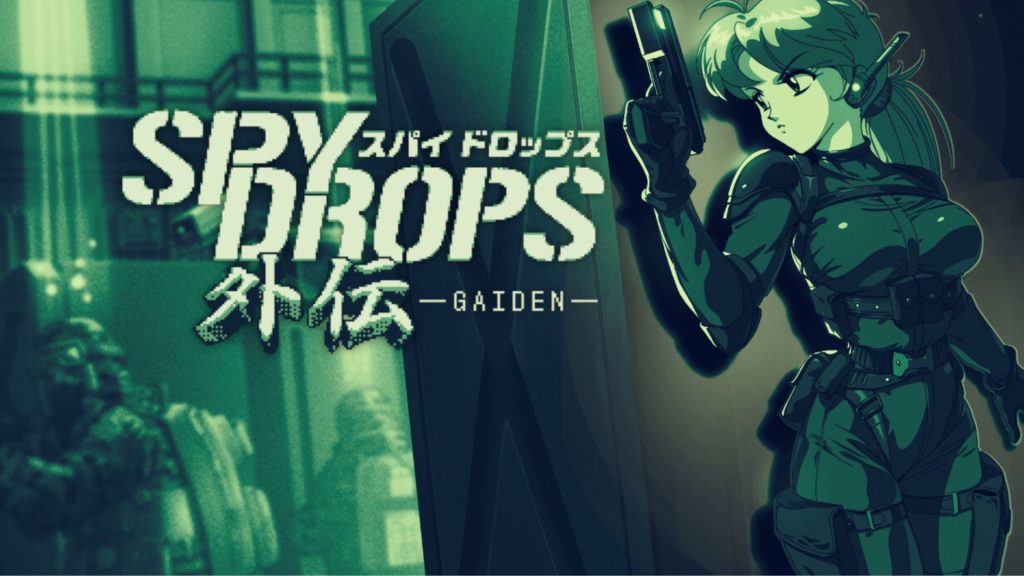
Spy Drops Gaiden brings Game Boy-style stealth, eight covert missions and intel extraction to Steam on October 12 for €4.99.
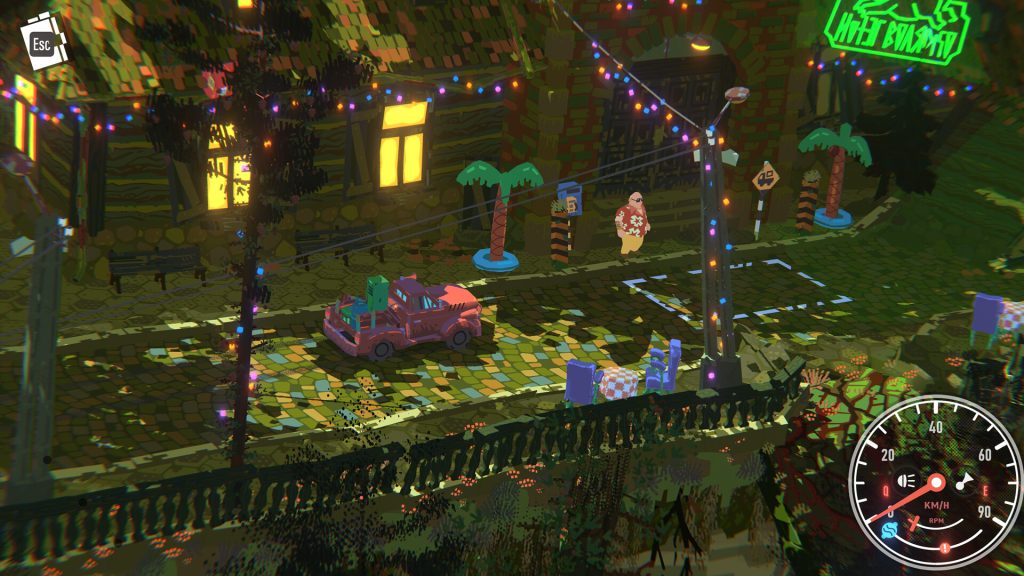
Truckful launches October 9 on Steam and Android, combining physics-based deliveries with vehicle upgrades and a mystery inside an ancient…
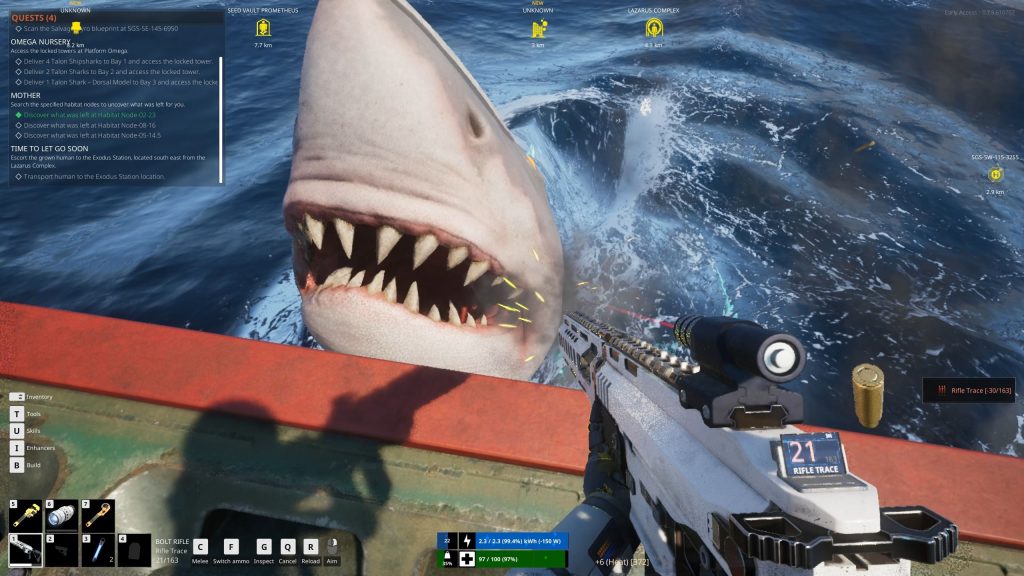
The Last Caretaker reaches version 1.0 in spring 2027 and joins Xbox Game Pass on day one after selling over…
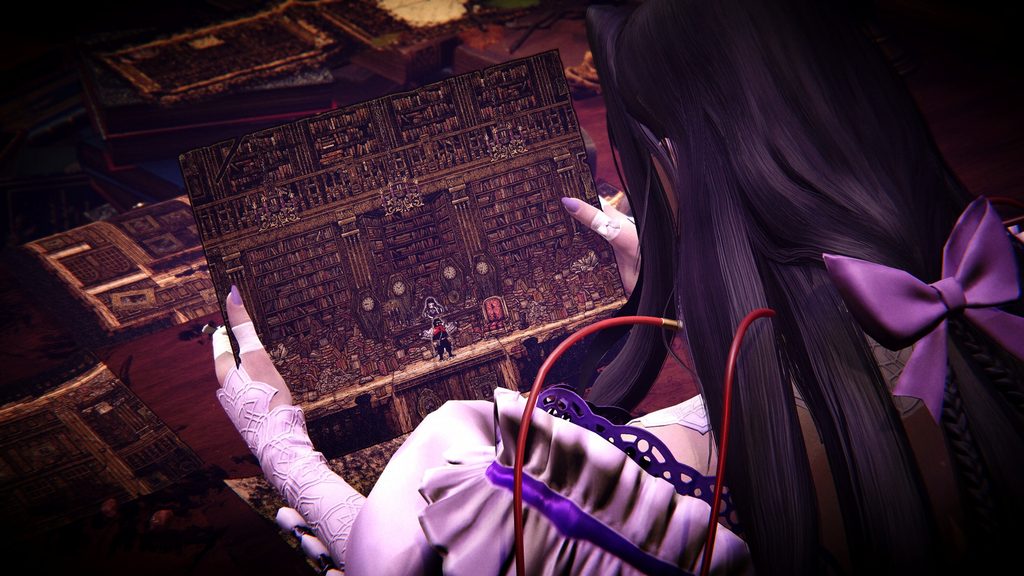
Chronoscript: The Endless End moves to early summer 2027 as DeskWorks! improves combat responsiveness, menus and visual readability.
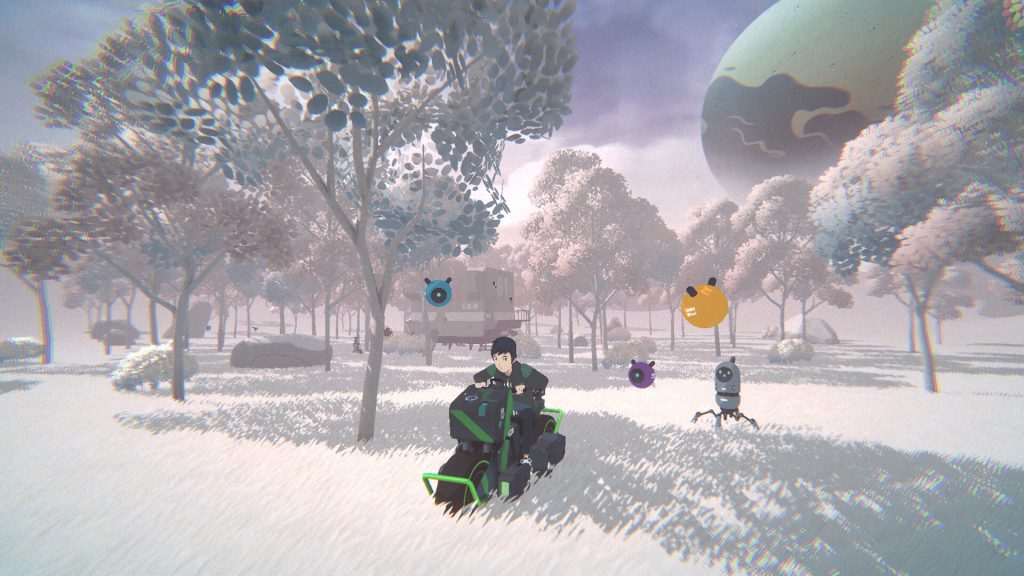
HEIMA is a parallel-world puzzle adventure from former Terra Battle developers, coming to PC in 2028 with SHIFT and HOLD…
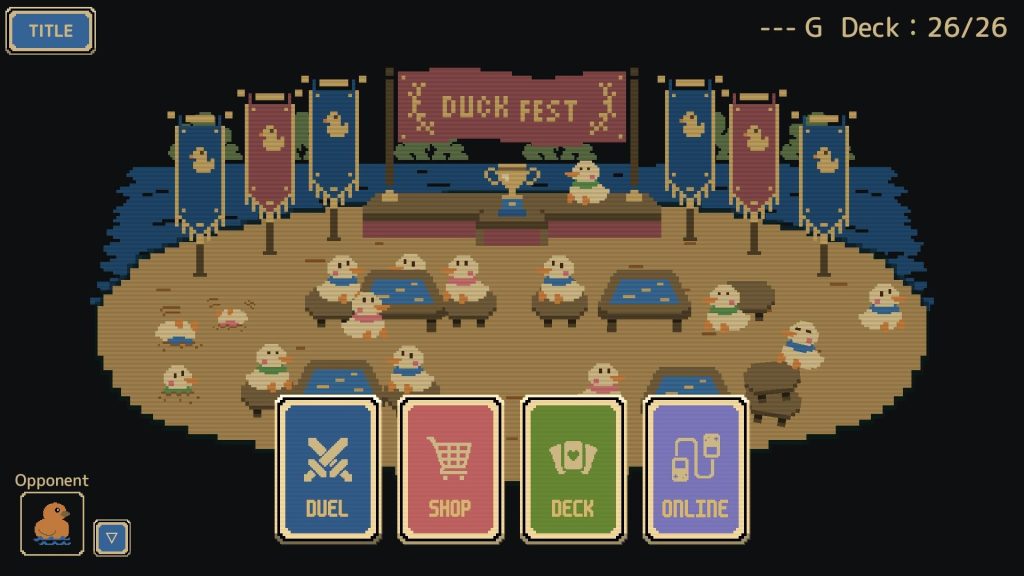
Duck Fest combines deck building and 1v1 battles with collectible cards that players can trade through the Steam Community Market.
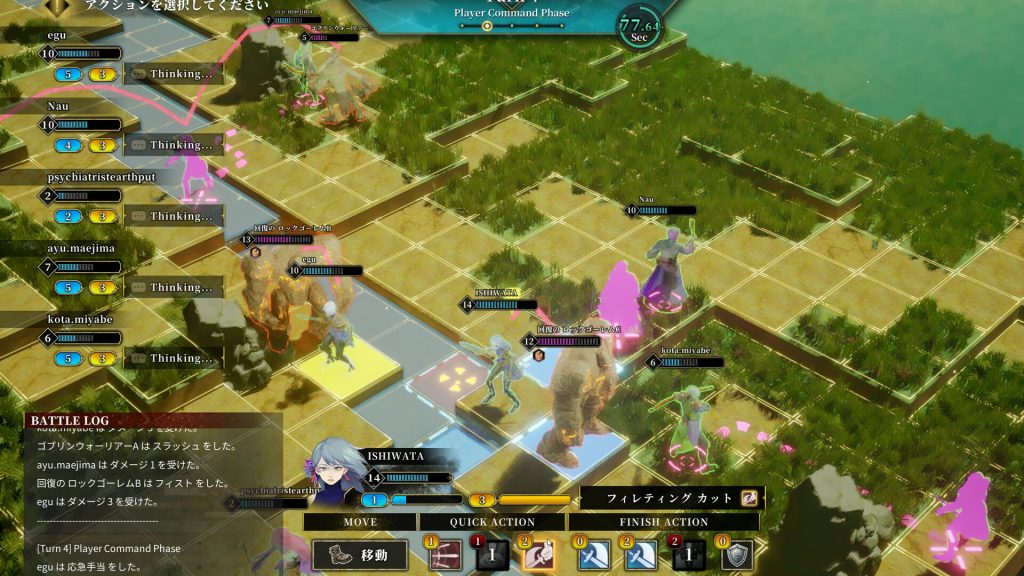
Tactful Tactics is a 1–6-player cooperative RPG where everyone plans and executes their actions simultaneously.

SakuSaku Witch is a retro-inspired 2D platformer about magic, bunny monsters and a suspicious toy company, coming to Steam in…
