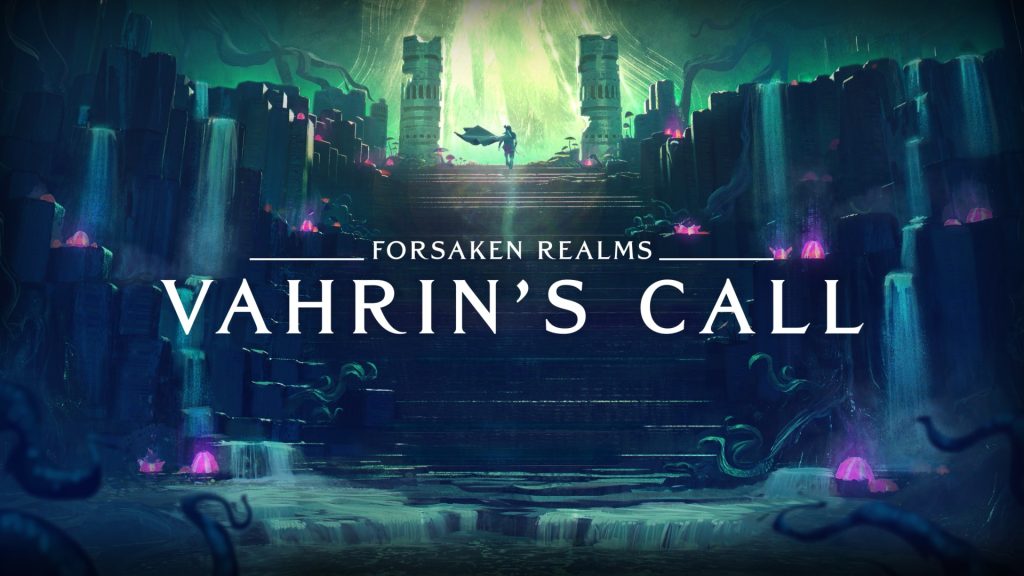
Forsaken Realms: Vahrin’s Call – Imperfect Journey Back to an Older RPG Era
Forsaken Realms: Vahrin’s Call is exactly the kind of ambitious, slightly clumsy fantasy RPG that used to be far more…


If you enjoy independent indie game coverage, consider supporting Indie-Games.eu on Patreon. It helps keep the site independent.
Kotama and Academy Citadel is a 2.5D side-scrolling Metroidvania and at first, it feels like one of the strongest games in the genre released this year. From the very start, the game feels confident. The sci-fi anime art style looks great, the controls feel smooth, and everything is well polished. There is also a lot to do and those first hours are genuinely fun to play.
You play as Kotama, an exchange student at the strange Carmel Academy Citadel. Your main goal is to collect votes from other students so you can win the Carmel Star election. I really liked this idea, because it connects story, exploration, and side content in a natural way. Almost every room feels like it matters, at least early on, because it helps you move closer to that goal.
The first five hours are easily the best part of the game. During this time, progress feels smooth, new abilities are exciting, bosses are tough but fair, and exploring never feels like too much. With every new area, Kotama feels stronger, and the game constantly rewards curiosity with upgrades, story bits, and new mechanics. In this early phase, everything works together very well: combat, movement, exploration, and atmosphere.
Sadly, after those early areas, the game starts to change, and not in a good way. Gradually, what used to feel challenging turns into frustration. Some design choices introduced later on feel like they are working against the player instead of testing their skills.
Even though the game is sold as a Metroidvania, it does not fully deliver on what makes the genre special. You unlock many abilities, such as double jumps, wall jumps, grapples, dashes, ground attacks, and a parachute-like glide. However, these abilities rarely give real freedom. Most of the time, they simply connect paths the game already wants you to follow.
The world itself is big, but it feels more like long hallways stitched together than a living map. As a result, progression is much more linear than expected. On its own, this would not be a huge problem, but it becomes one when you consider hidden content and collectibles.
To get the true ending, you need to find many hidden items across the map. The problem is that these are extremely hard to spot. There are almost no visual hints, no clear clues, and very little guidance. Because of this, it is very easy to miss side quests or important items without even realizing it. Unless you carefully check every single room, you will almost certainly miss something, and that ends up feeling unfair.

Combat is one of the game’s strongest points. The main system revolves around Chrono Fluid. When you land attacks and parries, enemies get covered in a purple fluid. Once they are fully covered, you can use a powerful special attack that deals huge damage and heals you. This creates a satisfying flow between attacking, defending, and timing your moves, especially during boss fights.
There are three weapons available, and each one feels distinct. The umbrella spear is strong up close, the whip gives you more reach, and the twin blades are very fast but short ranged. In addition, upgrades make a real difference, and getting new ones always feels meaningful. Each new upgrade for your weapon also unlocks more ways of exploring and traversing.
Unfortunately, the healing system itself is very weak. Even though Kotama has a large health bar, it breaks very quickly. Passive healing from defeated enemies barely helps, and active healing forces you to stand still for several seconds while spending currency. In late-game fights, this is almost impossible to use safely. Worse still, the more health you have, the longer healing takes.
Memocards are also of major importance to fighting. Equipping these accessories is done via a merchant, who initially offers limited space for them. This space can be increased to fit more Memocards, allowing you to benefit as much as possible from the advantages they provide. These bonuses become especially useful when dealing with some of the most challenging enemies in the game, namely the bosses.
Early bosses are excellent. They look great, have clear patterns, and reward good use of parries, dodges, and Chrono Fluid attacks. When you fail, it usually feels like your own mistake. Later in the game, however, the difficulty spikes hard. Bosses suddenly deal massive damage, while your ability to survive does not really improve. As a result, the margin for error becomes extremely small. Instead of feeling rewarding, these fights often feel tiring, as if the game demands perfection rather than smart play.

Platforming is where the game struggles the most. In the second half, platforming sections become very common, and many of them are poorly designed. The game frequently throws every movement ability at you at once, yet control often feels imprecise.
Falling speed cannot be adjusted, landings feel inconsistent, and success often comes from trial and error rather than skill. Some sections include instant-death traps and very tight timing that does not account for controller delay. Since failing costs health, healing costs currency, and repeated attempts drain your resources, frustration builds quickly. Instead of encouraging you to try again, the game ends up wasting your time.
The time system is another mechanic that sounds interesting on paper but does not work well in practice. Moving between rooms advances time, and some side quests are only available during specific time windows. In theory, this should encourage planning. In reality, it limits exploration and punishes curiosity.
Many of these time-based quests are difficult and offer weak rewards. If you fail them, you may be locked out of content forever. Given how few weapons and upgrades the game offers, this system feels unnecessary. Honestly, the game would be better without it.

Visually, Kotama and Academy Citadel is undeniably beautiful. The anime-inspired art style, character designs, and environmental variety give the academy a distinct identity. Character portraits are particularly well illustrated, and the soundtrack complements both exploration and combat beautifully.
Fan service is present but restrained. Jiggle physics and suggestive imagery appear occasionally, usually after boss fights or during story moments. While these elements can feel slightly out of place given the game’s overall tone, they are not intrusive enough to significantly detract from the experience and will likely be inoffensive to most players.
The story itself is ambitious but unfocused. The academy’s lore is extensive, filled with NPC dialogue, journals, and worldbuilding details. However, the game rarely ties these elements together in a way that feels cohesive or emotionally engaging. The English translation is serviceable but awkward, occasionally hindering clarity.
That said, the sheer uniqueness of the setting and character designs carries much of the narrative appeal. Even if the story is difficult to follow at times, it remains intriguing enough to maintain interest, especially for players drawn to unconventional sci-fi anime aesthetics. However, I do wish there was some sort of voice acting as it would have improved the game significantly.

All things considered, I had a blast with Kotama and Academy Citadel. Once the mechanics click, it becomes a genuinely fun experience. The combat is great, while it might not reach the heights of Hollow Knight: Silksong, it’s definitely in that league. Some might call it a “skill issue,” but in reality the combat actually feels fair; most enemies and bosses can be defeated without feeling frustrated. Despite a few difficulty spikes, the boss design was surprisingly innovative and kept me engaged.
However, the platforming sections really weigh the experience down. This isn’t a skill issue, the platforming is genuinely frustrating. It relies heavily on precise timing and inputs that don’t always feel responsive. Fortunately, the mandatory platforming is manageable, but the optional sequences for side-quests and card collecting are extremely tedious.
Despite its flaws, it remains a well-crafted game overall, and for fans of the genre who value art style, combat depth and exploration, it is worth its asking price. With more thoughtful puzzle design, clearer guidance and better balance in its late-game systems, Kotama and Academy Citadel could have been a genre standout from start to finish.
Review copy provided by the publisher
Forsaken Realms: Vahrin’s Call is exactly the kind of ambitious, slightly clumsy fantasy RPG that used to be far more…
![[Early Access] 2nd EVE – Sci-Fi Action RPG That Lacks a Sense of Stakes](https://www.indie-games.eu/wp-content/uploads/2026/08/2ND-EVE-1024x576.jpg)
2nd Eve is a space-set action RPG in which we strive to save humanity.
![[PREVIEW] Dreamcards – Strategic Exploration of Consciousness](https://www.indie-games.eu/wp-content/uploads/2026/08/Dreamcards_20260810_233631_0000-1024x576.jpg)
Dreamcards is a roguelike deckbuilder centered around dreams and nightmares.
![[Early Access] OFFBEAT – Incredibly Fun Way to Start a Music Career](https://www.indie-games.eu/wp-content/uploads/2026/08/Offbeat_20260808_201446_0000-1024x576.jpg)
In OFFBEAT, we play the role of a jobbing composer who is launching their music career.

HellSlave II retains the original’s oppressive atmosphere, morally grey world and striking art while adding a larger world, randomized loot…
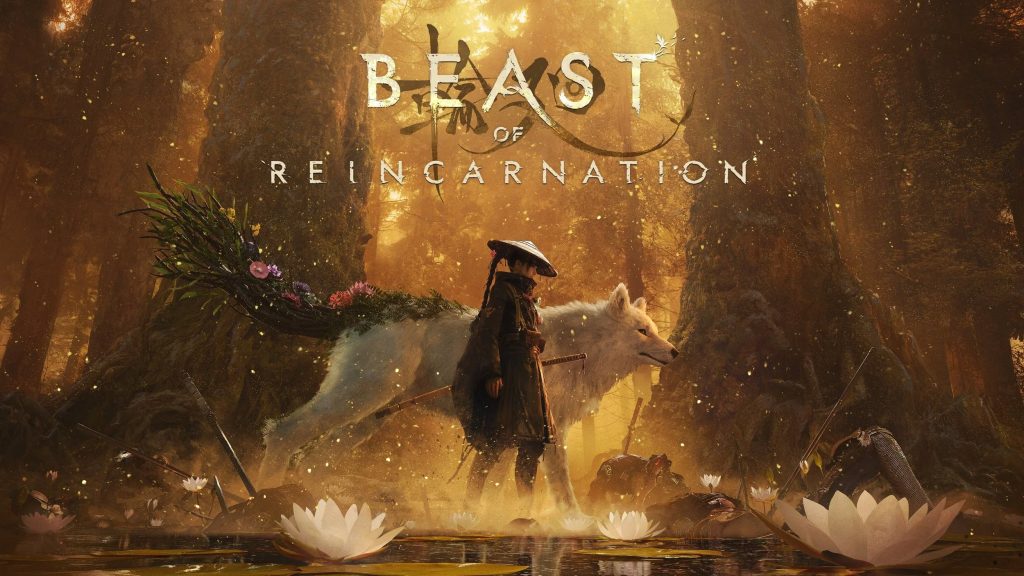
Beast of Reincarnation is an ambitious but uneven action RPG elevated by satisfying parry combat, beautiful art direction and the…

K-pop Idol Stories: Road to Debut captures the pressure of building idol group, but its management systems never explore that…
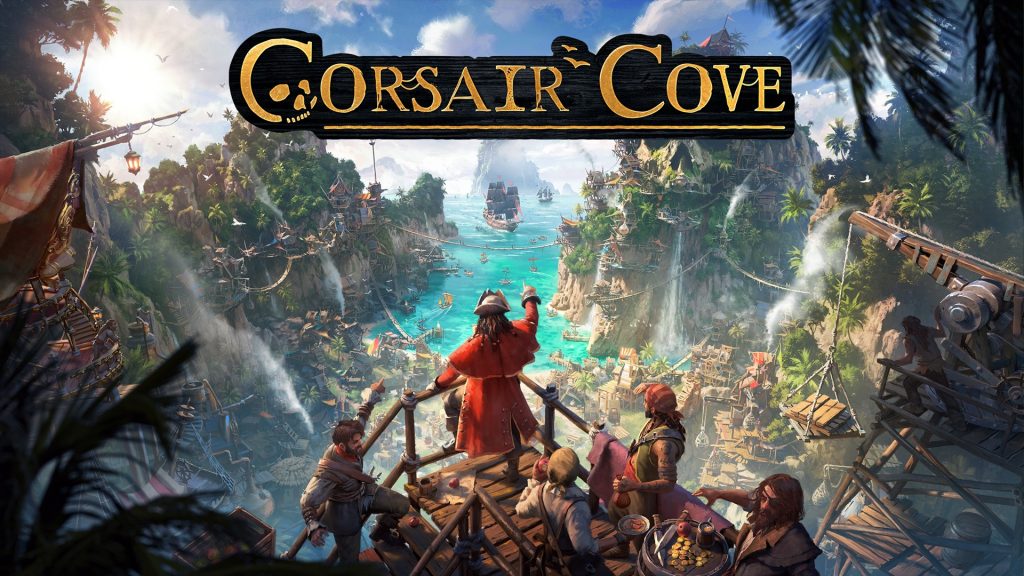
Hooded Horse keeps finding strategy games that know their audience, and Corsair Cove extends its impressive run of excellent city-builders.
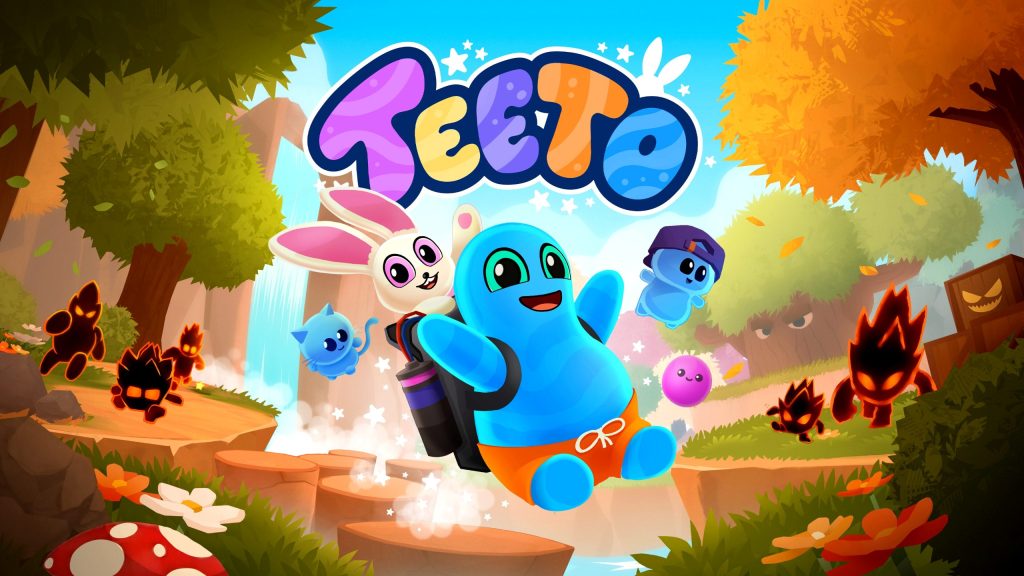
Teeto is a warm, cozy, creative and highly enjoyable 3D platformer that understands why classic collectathons remain so appealing.
Turnip Mountain stands out for its combination of a unique control system and a minimalist approach.
Dystopicon is an imaginative and memorable narrative experiment with sharp social commentary, engaging world-building and several wonderfully absurd scenarios.

Maneki Mania is an incremental game centered around petting a lucky cat.
XeGrader Plus delivers colorful retro shooting, but basic mechanics, a short campaign and paid retro modes make its €20 price…
It has been roughly two and a half years since Palworld first entered Early Access, and quite a lot has…
![[EARLY ACCESS] The Last Caretaker – Survival Game I Cannot Stop Playing](https://www.indie-games.eu/wp-content/uploads/2026/07/The-last-Caretaker-Key-Art-1024x587.jpg)
The Last Caretaker is a compelling survival crafter with a flooded world and mobile base, but weak combat and performance…

Advent: Dawn is an intriguing science-fiction visual novel elevated by a likable cast and one of the most convenient flowchart…
![[EARLY ACCESS] Hell Maiden – Beautiful but Uneven Journey Through Hell](https://www.indie-games.eu/wp-content/uploads/2025/06/HMD_screenshot_019-1024x576.jpg)
Bullet heaven and rougelite game Hell Maiden lands between a polished Early Access release and a promising game that still…
![[PREVIEW] Dark Queen of Samobor – Promising Croatian Adventure Still in Need of Polish](https://www.indie-games.eu/wp-content/uploads/2026/07/Dark-Queen-of-Samobor-1024x587.jpg)
Dark Queen of Samobor is a promising 2.5D side-scrolling action-adventure that combines Croatian folklore with combat, puzzles and cinematic platforming.
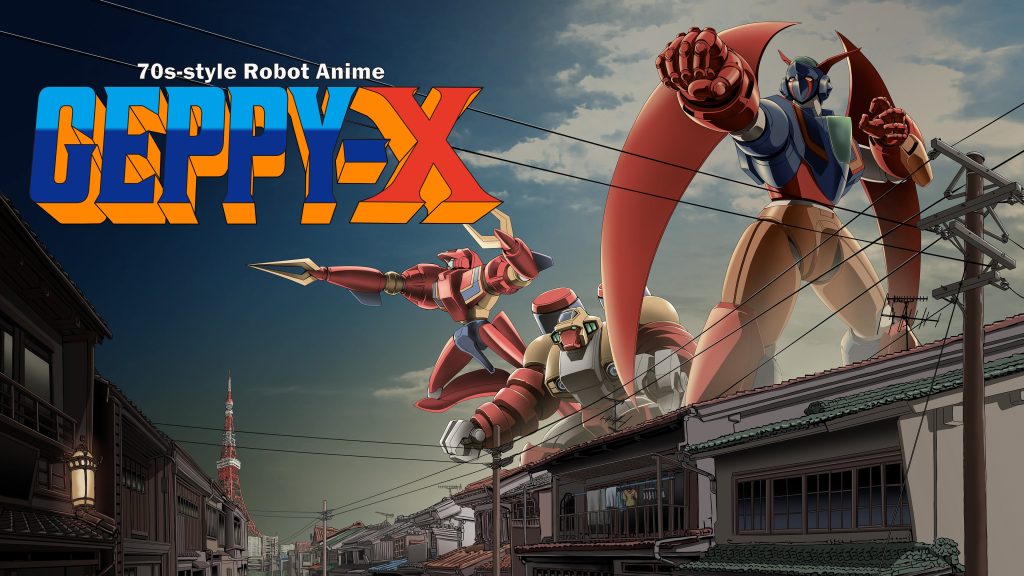
70s-style Robot Anime Geppy-X offers incredible animation, music and mecha nostalgia, but its average shooting make the €39 price difficult…

Denshattack! blends Tony Hawk, Jet Set Radio, and Japanese train culture into one of the year's most creative and unforgettable…
