
Duskfade – The PS2 Era Returns With All Its Strengths and Weaknesses
Duskfade is worth considering for players who miss colourful PS2-style action-platformers and can tolerate basic combat, floaty movement and backtracking.


If you enjoy independent indie game coverage, consider supporting Indie-Games.eu on Patreon. It helps keep the site independent.
Moving Simulator is a first-person simulation game focused on the often-overlooked reality of running a moving company. However, the moment I accepted my first job and arrived at my first house and customer, it became clear that the game wasn’t quite what I expected. The first two jobs are completely normal, with nothing unusual going on, but then the game suddenly takes a very different approach, where you are helping people move out of haunted houses or dealing with an old lady who can’t stand the alien living in her living room.
The game leans into a comedic, unexpected direction that doesn’t fully sit well here. While it aims for a grounded, physics-driven experience built around logistics, spatial awareness and problem-solving, it never truly explores its mechanics in depth. You do pack up, transport, and deliver household items while gradually expanding your business, moving from a simple open truck to a closed one, and each day brings something new, but the gameplay never really evolves beyond that.

It’s important to keep in mind that Moving Simulator is a fairly cheap game, which also means it delivers a very linear experience that can be finished in around four hours or less. In the end, it’s still a solid title with some interesting ideas, such as its hands-on approach to moving items. You genuinely have to carry objects by hand or use carts, and carrying heavier items drains your stamina.
However, the game never really provides much of a challenge. Most items can be squeezed through walls or doorways without any issue thanks to their temporary “immunity” while being carried, which removes the need for technique or skill. For example, you don’t have to rotate a sofa to fit it through a doorway, you simply pick it up and walk through.
Beyond that, you can’t interact with anything that isn’t highlighted. Most houses are essentially indestructible, and bumping into a vase or furniture has no consequences. The only way items can break is by overloading your bags with too much weight, but even then the penalties are minimal and you don’t lose much money.
One aspect I genuinely liked is the variety of storage options. There are smaller and larger boxes, garbage bags for trash, and heavier items can be placed directly onto the truck. The core gameplay loop revolves around collecting highlighted items, packing them, moving heavier objects outside, and then loading everything into the truck. Loading itself is very simple and largely challenge-free, you just pick up items and place them, though it does require some basic spatial awareness to make sure everything fits before securing the load.

What really surprising was the size of the world. It’s surprisingly large, with plenty of houses, roads, and different neighborhoods. That said, most jobs take place in the same or very similar locations, which limits variety and makes the experience feel repetitive over time. While repetition may be part of the intended design, the game would have benefited from a more open-ended structure rather than such a linear progression, allowing progression and unlocks to feel more rewarding.
You can furnish and stylize your house, but there’s little meaning to do so. Finally, driving the truck is easily the weakest part of the experience. It feels wonky and clunky and crashing into other cars feels almost unavoidable, and, unfortunately, completely normal. While there is a light progression system that allows you to reinvest earned money into better equipment and vehicles, the progression remains fairly shallow and does little to significantly change how the game is played over time.
There is an experience system in place that, as far as I can tell, serves no real purpose. No purchases are locked behind experience gain, and there are no gameplay mechanics tied to leveling up, Visually, Moving Simulator adopts a minimalist art style that actually works in its favor. The game looks clean and has a bit of personality, but interiors feel generic and repetitive, with few locations that leave a lasting impression.
Audio can also be an issue at times. Some sound effects used in specific levels become irritating very quickly, such as a constantly blabbering alien, and the sound effect for closing the truck’s door or its engine play roughly five times the volume of everything else. It’s like there was no real care put into audio design.

In the end, Moving Simulator is a niche title that will primarily appeal to those who enjoy methodical, physics-based simulations and logistical challenges. It has a very solid foundation without a doubt and there are moments where the gameplay feels genuinely engaging, but technical issues and limited depth prevent it from reaching its full potential. For fans of simulators who are willing to tolerate some rough edges, it offers a modestly entertaining experience, though it falls short of being a standout entry in the genre.
Review copy provided by the publisher
Duskfade is worth considering for players who miss colourful PS2-style action-platformers and can tolerate basic combat, floaty movement and backtracking.

Man I Just Wanna Go Home is a noir crime story with visuals from MS Paint and life-or-death choices.
![[GAMESCOM 2026] Vikings Dynasty Preview – Expands the Dynasty Formula](https://www.indie-games.eu/wp-content/uploads/2026/09/Viking-Dynasty-09-21-26-2-1024x576.jpg)
After showing me Prospera at Gamescom 2026, Toplitz Productions' Mathias Oertel moved to a very different kind of settlement builder.…
![[GAMESCOM 2026] Prospera Preview – Production, Prosperity and Victorian Industry](https://www.indie-games.eu/wp-content/uploads/2026/09/Prospera-09-21-26-5-1024x576.jpg)
At Gamescom 2026, I met with Toplitz Productions' Mathias Oertel for a guided presentation of two upcoming games. One of…
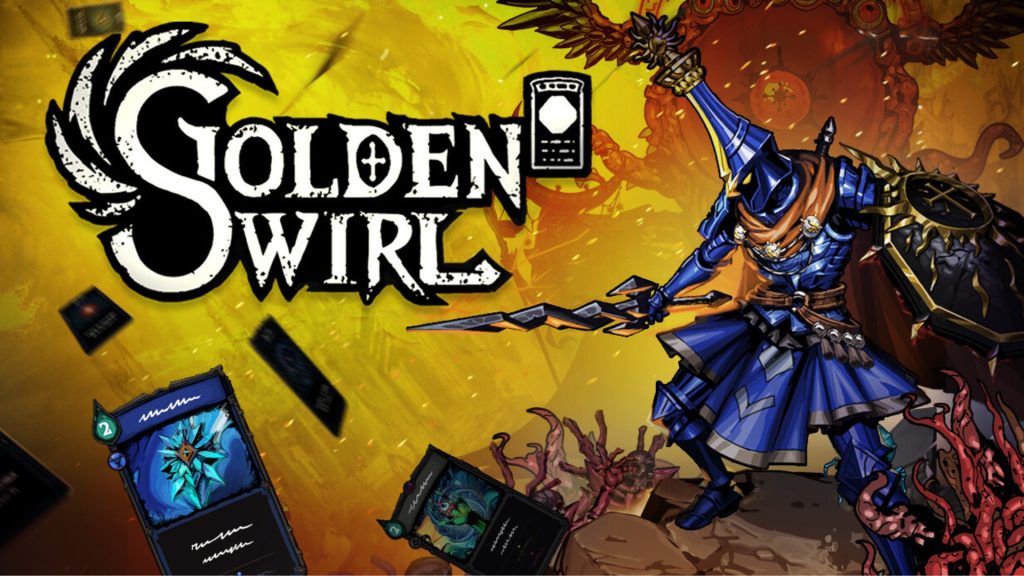
Golden Swirl inventive card combat carries the experience, but repetitive rooms, weak upgrades and excessive dialogue hold it back.
![[GAMESCOM 2026] Wilderdark Preview – Ambitious Dinosaur Horror Game That Still Has Plenty to Prove](https://www.indie-games.eu/wp-content/uploads/2026/09/Wilderdark-1024x576.jpg)
Dinosaur survival horror game Wilderdark has one of those premises that immediately makes you wonder why more games have not…
![[PREVIEW] Tiny Metal 2 – Strategy Game That Wants You to Learn From Every Mistake](https://www.indie-games.eu/wp-content/uploads/2026/09/Tiny-Metal-2-1024x576.jpg)
I rarely enjoy discovering that my opening strategy was completely wrong, but Tiny Metal 2 made that process one of…
![[PREVIEW] Remothered: Red Nun’s Legacy – Ambitious Survival Horror That Needs More Polish](https://www.indie-games.eu/wp-content/uploads/2026/09/Remothered-Red-Nuns-Legacy-4-1024x576.jpg)
Remothered: Red Nun’s Legacy has a gripping atmosphere and promising survival tools, but its repetitive hiding and rough visuals need…
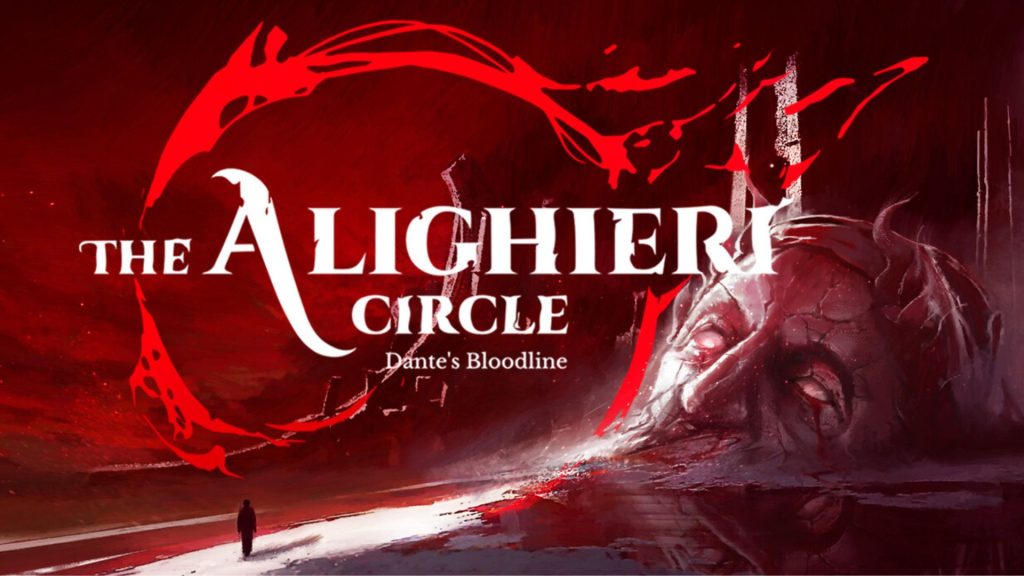
The Alighieri Circle: Dante’s Bloodline is difficult to recommend beyond players who are especially interested in Dante or enjoy solving…
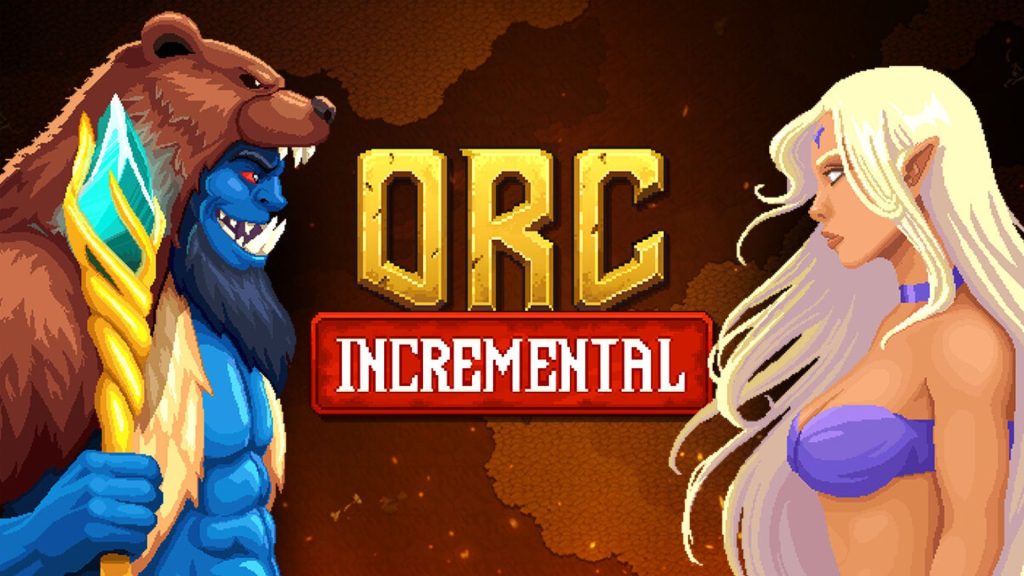
Orc Incremental offers satisfying progression, entertaining totem combinations and enough content to justify its affordable price.
![[GAMESCOM 2026] Chronoscript: The Endless End Preview – Beautiful Pages Hide Deliberate Combat](https://www.indie-games.eu/wp-content/uploads/2026/09/Chronoscript-The-Endless-End-1-1024x576.jpg)
Chronoscript: The Endless End stands out from other Metroidvanias by blending 2D manuscript worlds with exploration inside a 3D manor.
![[GAMESCOM 2026] MegaGum Preview – Combat Hits Hard in This Sticky Platforming Adventure](https://www.indie-games.eu/wp-content/uploads/2026/09/MegaGum-09-09-26-5-1024x576.jpg)
MegaGum combines hard-hitting combat, varied weapons and Gum-powered platforming in a promising Gamescom 2026 demo.
![[GAMESCOM 2026] Delphinium Preview – Cozy Routine Mixed With Enjoyable Minigames](https://www.indie-games.eu/wp-content/uploads/2026/03/Delphinium--1024x665.jpg)
Delphinium mixes cozy farming, exploration and relationships with enjoyable fishing, cooking and forging minigames in its Gamescom 2026 demo.
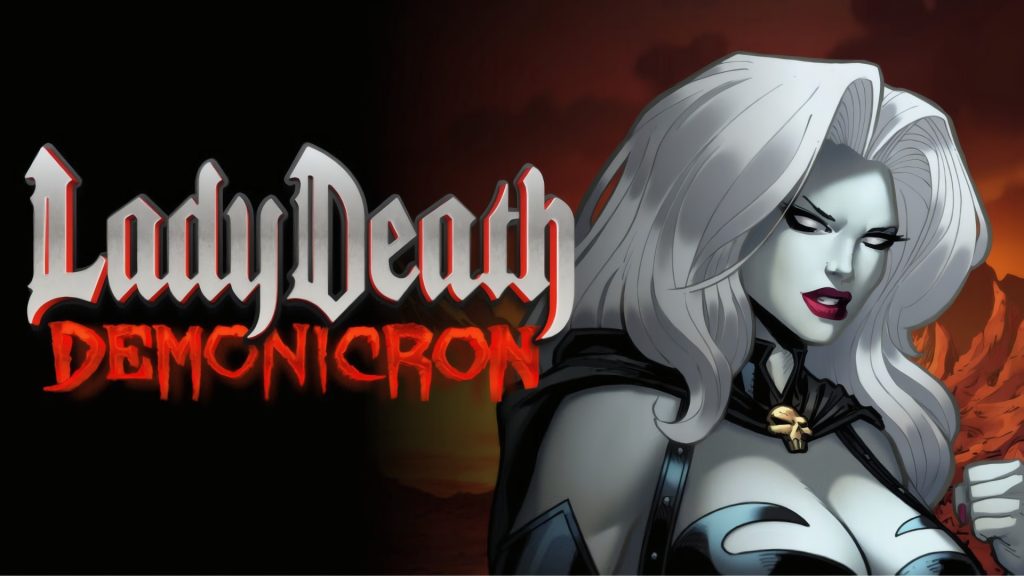
Lady Death: Demonicron looks the part, but underneath its excellent comic-book exterior is a clunky and painfully short brawler.
![[GAMESCOM 2026] Tomb Raider: Legacy of Atlantis Preview – Expands the Original Without Losing Its Identity](https://www.indie-games.eu/wp-content/uploads/2026/09/tomb-raider-legacy-of-atlantis-06-02-26-1-1024x576.jpg)
Tomb Raider: Legacy of Atlantis brings Lara back to her roots, but its Gamescom 2026 showing proved this is far…
![[GAMESCOM 2026] Clive Barker’s Hellraiser: Revival Preview – Ready to Open the Box](https://www.indie-games.eu/wp-content/uploads/2026/09/Clive-Barkers-Hellraiser-Revival-08-30-26-1-1024x576.jpg)
Hellraiser: Revival preserves the franchise’s sex, gore and psychological horror while delivering approachable survival-horror gameplay.

Swan Song creates a peaceful and forgiving puzzle space without removing the challenge that makes solving a difficult puzzle rewarding.

Mortal Shell II starts brilliantly but grows repetitive and exhausting, while remaining a rewarding and ambitious Soulslike sequel.
![[GAMESCOM 2026] Terranigma Preview – A Lost SNES Classic Returns in 2027](https://www.indie-games.eu/wp-content/uploads/2026/08/Terranigma-1-1024x576.jpg)
After more than three decades of limited availability, Terranigma is returning in 2027. We played its enhanced re-release at Gamescom…

Reading another person’s mind is often presented as a desirable superpower, but Sister Other Paranoia immediately understands why it could…
