![[GAMESCOM 2026] Terranigma Preview – A Lost SNES Classic Returns in 2027](https://www.indie-games.eu/wp-content/uploads/2026/08/Terranigma-1-1024x576.jpg)
[GAMESCOM 2026] Terranigma Preview – A Lost SNES Classic Returns in 2027
After more than three decades of limited availability, Terranigma is returning in 2027. We played its enhanced re-release at Gamescom…

![[PREVIEW] Pompeii: The Legacy – Rebuilding the Roman City](https://www.indie-games.eu/wp-content/uploads/2024/09/PompeiiKeyArtWithLogo.jpg)
If you enjoy independent indie game coverage, consider supporting Indie-Games.eu on Patreon. It helps keep the site independent.
Pompeii: The Legacy is an ambitious historical city-building game being developed by Siscia Games, primarily as a solo project by Željko Kos, with support from a small team of collaborators. It is currently in development, and while there is no firm release date, it is expected to be released in 2025. A Steam Playtest was recently launched, providing us with an early look at the game’s mechanics and vision.
The Steam Playtest runs until March 31st, and access is available immediately via the game’s Steam page. It is not a mere teaser, but a very polished experience encompassing the introductory chapter, tutorials, early city development, and the construction of the port. My biggest disappointment is the lack of a sandbox mode or free exploration. The Playtest offers about one to two hours of gameplay, with solid voice acting and detailed explanations of the mechanics. Still, what is visible in the playtest seems very promising. I encountered a few minor bugs, such as a quarry disappearing or frozen animations in buildings, but nothing that significantly hampered the gameplay.

When I visited Željko in his studio earlier this year, I received an exclusive insight into the playtest content, and it is exciting to see the gameplay finally available to everyone now. Honestly, in recent years we have witnessed a rise in city-builders set in Rome, but Pompeii seeks to find a balance between realism and a touch of fantasy. Unlike classic historical interpretations that focus on the eruption of Vesuvius in 79 AD, this game begins 20 years after the catastrophe, placing you in the role of a Roman family leader who must rebuild the city from the ashes.
In the game, you will build infrastructure like roads, water supply systems, and residential buildings, while simultaneously managing resources such as food, stone, and wood. Also, you will have to ensure your citizens thrive by providing them with jobs, hygiene maintenance, and entertainment. What I particularly like is the simplicity of construction, although building takes some time, the game’s tempo feels very well-balanced. Plebeians and slaves have different roles, and building different types of houses proved crucial for progress.
My biggest issue is the way money is earned. The Playtest only featured the market, which does not generate much income, while the tax office was unavailable. This left me stuck at times, as I couldn’t continue building, which eventually forced me to just build the port and conclude the testing. The user interface is solid, the visuals are present but not polished enough, pixels are visible, and some animations feel unfinished and stiff.

One thing I would point out is that I hope for a larger selection of decorative options. I am the type of builder who loves to beautify cities with statues and plants, but it was difficult to do so as the game currently offers only a few options. Also, I was hoping to experience the political side of the game, but the playtest focuses on simple gameplay with mission-driven objectives. Željko emphasized this point during our conversation earlier this year, and while the concept is good, it can feel repetitive if you are just following tasks, without the opportunity for exploration or experimentation.
The technological aspect of the game is exceptionally well done. You don’t spend too much time on research, and the progression feels gradual and rewarding. This proved to be an extremely interesting feature, as I often planned ahead, leaving space for structures like the forum in the center of the city. The buildings look authentic, creating the impression that we are in the time of the Romans, while the animations of each building add a special visual flair.
In addition, it is possible to upgrade buildings to a higher level, unlocking additional benefits, such as more workers or a larger area of influence, as with the architect’s building. However, I would like there to be a menu that allows for an overview of all buildings on the main screen, so they can be upgraded with a single click, instead of doing everything manually.
The game brings some really great ideas, such as placing quarries inside hills and clay production near water, which makes logical sense. Also, the inclusion of barber shops and perhaps even doctors adds an intriguing layer, touching on historical details that many might not have known. There is also the ability to search ruins for resources, which further deepens the gameplay. Finally, for fans of city-builders and history, this is a title you definitely have to try, especially since the playtest is free. For now, the game is like excavating a Roman ruin, with the potential to uncover a city that will flourish once again.
After more than three decades of limited availability, Terranigma is returning in 2027. We played its enhanced re-release at Gamescom…

Reading another person’s mind is often presented as a desirable superpower, but Sister Other Paranoia immediately understands why it could…
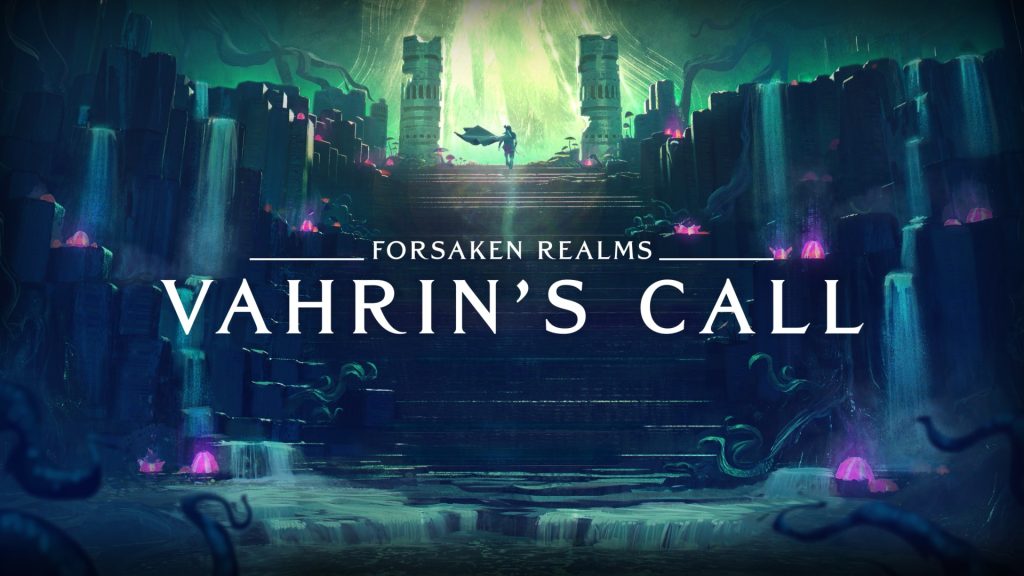
Forsaken Realms: Vahrin’s Call is exactly the kind of ambitious, slightly clumsy fantasy RPG that used to be far more…
![[Early Access] 2nd EVE – Sci-Fi Action RPG That Lacks a Sense of Stakes](https://www.indie-games.eu/wp-content/uploads/2026/08/2ND-EVE-1024x576.jpg)
2nd Eve is a space-set action RPG in which we strive to save humanity.
![[PREVIEW] Dreamcards – Strategic Exploration of Consciousness](https://www.indie-games.eu/wp-content/uploads/2026/08/Dreamcards_20260810_233631_0000-1024x576.jpg)
Dreamcards is a roguelike deckbuilder centered around dreams and nightmares.
![[Early Access] OFFBEAT – Incredibly Fun Way to Start a Music Career](https://www.indie-games.eu/wp-content/uploads/2026/08/Offbeat_20260808_201446_0000-1024x576.jpg)
In OFFBEAT, we play the role of a jobbing composer who is launching their music career.
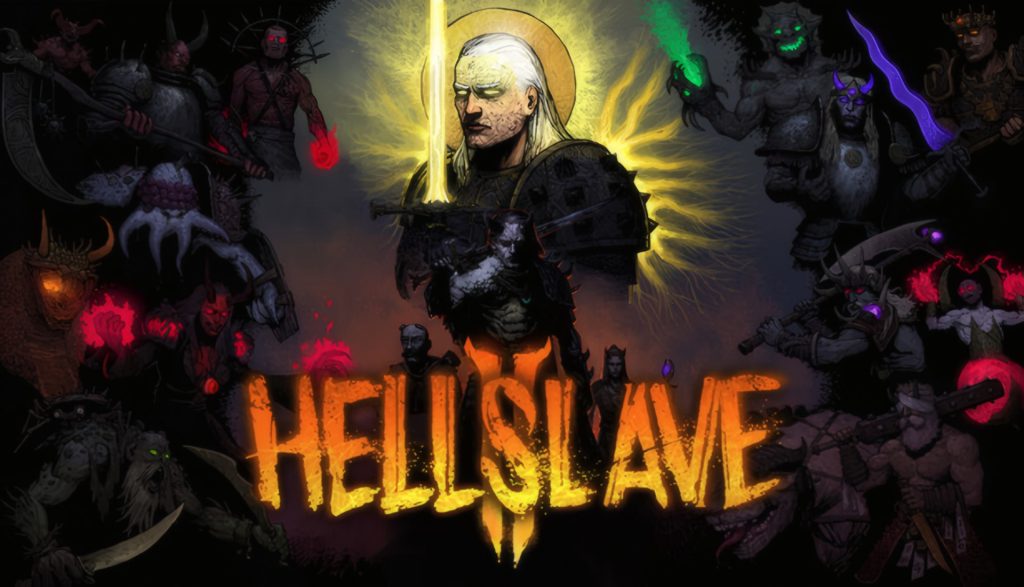
HellSlave II retains the original’s oppressive atmosphere, morally grey world and striking art while adding a larger world, randomized loot…
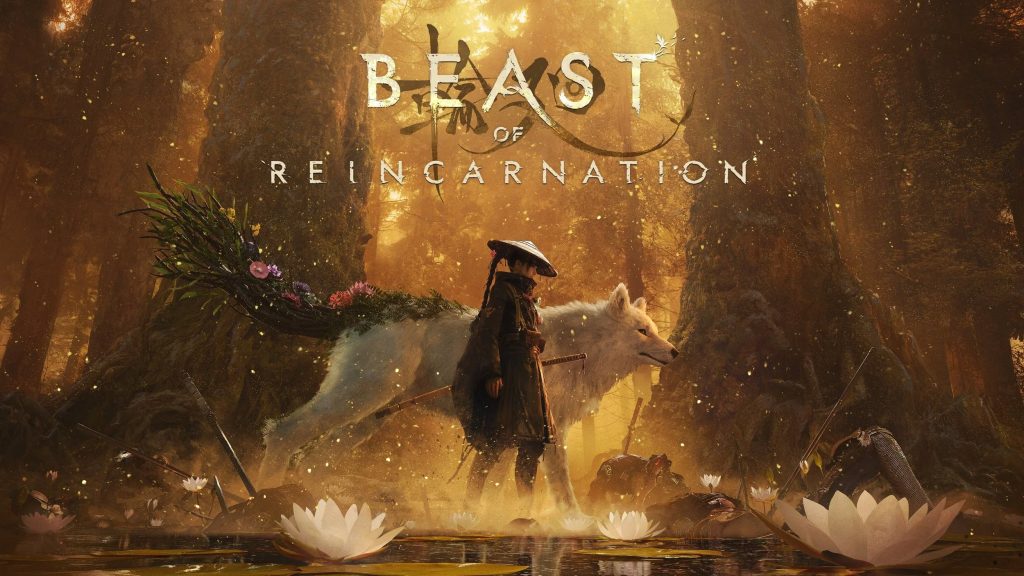
Beast of Reincarnation is an ambitious but uneven action RPG elevated by satisfying parry combat, beautiful art direction and the…

K-pop Idol Stories: Road to Debut captures the pressure of building idol group, but its management systems never explore that…
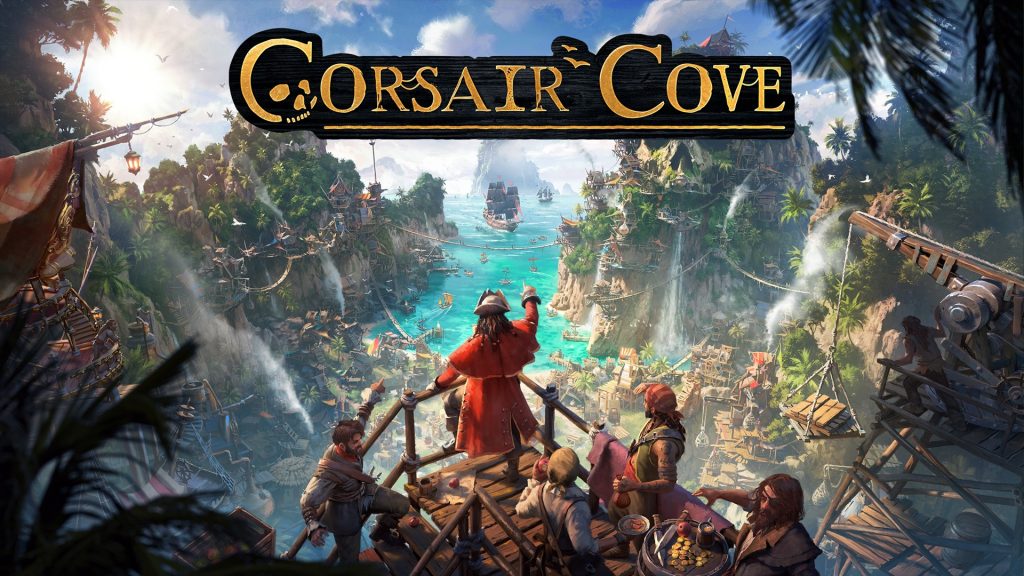
Hooded Horse keeps finding strategy games that know their audience, and Corsair Cove extends its impressive run of excellent city-builders.
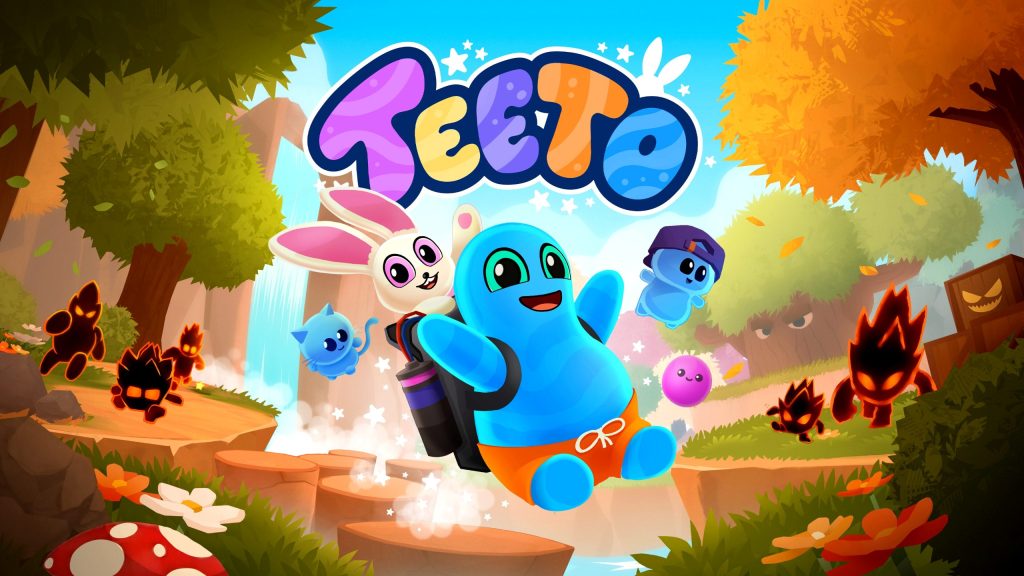
Teeto is a warm, cozy, creative and highly enjoyable 3D platformer that understands why classic collectathons remain so appealing.

Turnip Mountain stands out for its combination of a unique control system and a minimalist approach.
Dystopicon is an imaginative and memorable narrative experiment with sharp social commentary, engaging world-building and several wonderfully absurd scenarios.

Maneki Mania is an incremental game centered around petting a lucky cat.
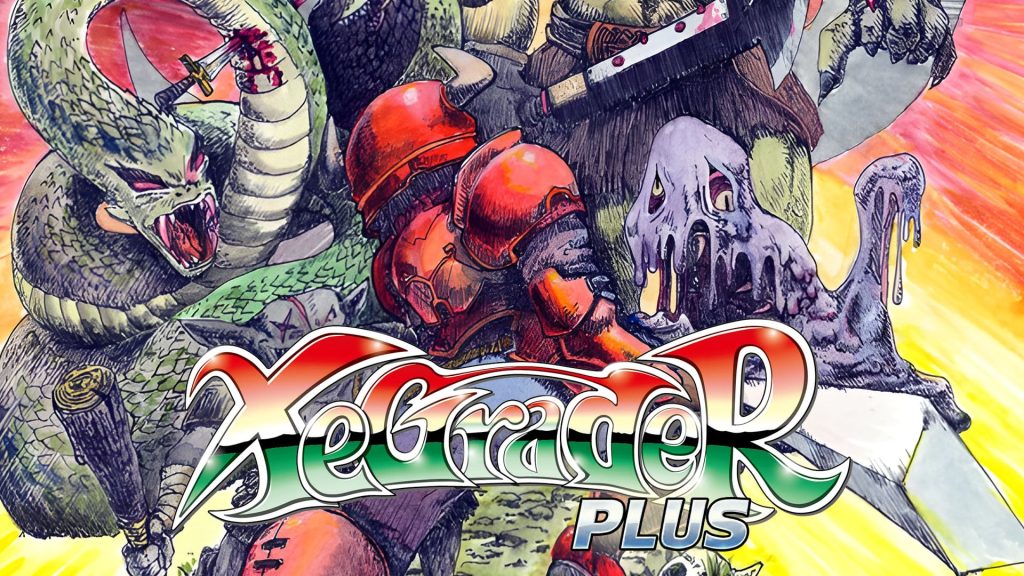
XeGrader Plus delivers colorful retro shooting, but basic mechanics, a short campaign and paid retro modes make its €20 price…
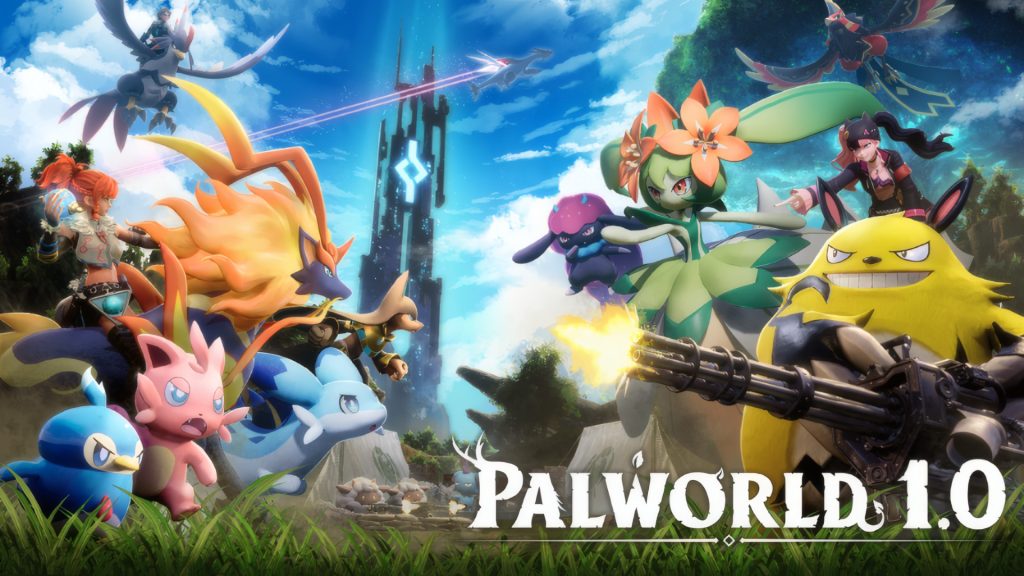
It has been roughly two and a half years since Palworld first entered Early Access, and quite a lot has…
![[EARLY ACCESS] The Last Caretaker – Survival Game I Cannot Stop Playing](https://www.indie-games.eu/wp-content/uploads/2026/07/The-last-Caretaker-Key-Art-1024x587.jpg)
The Last Caretaker is a compelling survival crafter with a flooded world and mobile base, but weak combat and performance…

Advent: Dawn is an intriguing science-fiction visual novel elevated by a likable cast and one of the most convenient flowchart…
![[EARLY ACCESS] Hell Maiden – Beautiful but Uneven Journey Through Hell](https://www.indie-games.eu/wp-content/uploads/2025/06/HMD_screenshot_019-1024x576.jpg)
Bullet heaven and rougelite game Hell Maiden lands between a polished Early Access release and a promising game that still…
![[PREVIEW] Dark Queen of Samobor – Promising Croatian Adventure Still in Need of Polish](https://www.indie-games.eu/wp-content/uploads/2026/07/Dark-Queen-of-Samobor-1024x587.jpg)
Dark Queen of Samobor is a promising 2.5D side-scrolling action-adventure that combines Croatian folklore with combat, puzzles and cinematic platforming.
