Duskfade – The PS2 Era Returns With All Its Strengths and Weaknesses
Duskfade is worth considering for players who miss colourful PS2-style action-platformers and can tolerate basic combat, floaty movement and backtracking.

![[PREVIEW] The Last Caretaker brings refreshingly unique take on the survival genre](https://www.indie-games.eu/wp-content/uploads/2025/09/The-Last-Caretaker-naslovna-scaled.jpg)
If you enjoy independent indie game coverage, consider supporting Indie-Games.eu on Patreon. It helps keep the site independent.
At this year’s Gamescom, we got an exclusive look at The Last Caretaker, a first-person survival-crafting game from the Finnish developer Channel37. While the genre is often saturated, this title stands out by placing a heavy emphasis on its narrative and the world. We spoke with Channel37 co-founder Antti Ilvessuo, who walked us through the game’s core concept, a quick overview of its mechanics, and a guided demo of an early section.
The Last Caretaker is set in a desolate, post-apocalyptic world where melting polar ice caps have submerged Earth’s surface into a vast, endless ocean. Humanity has long since fled to the stars, but with one critical problem: they can’t reproduce in space. This is where you, the player, come in. You are a robot, the titular “Last Caretaker”, who has been reactivated for one final, crucial mission: to nurture and launch human “seeds” (embryos) from a massive, abandoned structure called the Lazarus Complex back into space to rejoin the rest of humanity.
This isn’t a game about surviving the initial disaster; it’s about navigating what comes after and piecing together the mystery of what happened to Earth and why you were reactivated. The narrative is a central part of the experience, creating a profound sense of loneliness and isolation that is beautifully contrasted by the hopeful, wholesome goal of your mission.
Ilvessuo elaborated on the game’s core mechanics, describing the systems as “really simple”, even though they appear complex. “You operate on electricity from your battery. If you find gas, you can put it in the regulator to generate more electricity.” He also emphasized the game’s open-ended nature. “It’s not a puzzle game. You can’t do these kinds of things over and over”, he said. “You have to survive against any kind of enemies.”
In other words, The Last Caretaker reimagines traditional survival mechanics to fit its unique premise. As a robot, you don’t manage hunger or thirst. Instead, your survival depends on your power and energy levels, which are crucial for everything you do, from operating facilities and your ship to even serving as ammunition for your energy weapon.
“The game is designed so that everything you see is a real, purposeful location, not just decoration. Every platform is real, and you can climb on anything. There’s 480 small stories that happen in the world.”
Antti Ilvessu, Channel37 co-founder
As you explore rusted megastructures, sea platforms, and abandoned labs, you can dismantle almost anything you find with a “Grinder” to turn it into raw materials. These materials are then used to craft new tools, repair critical systems, and upgrade your ship. In fact, the world is not procedurally generated; every location is handcrafted and filled with points of interest and lore to discover.
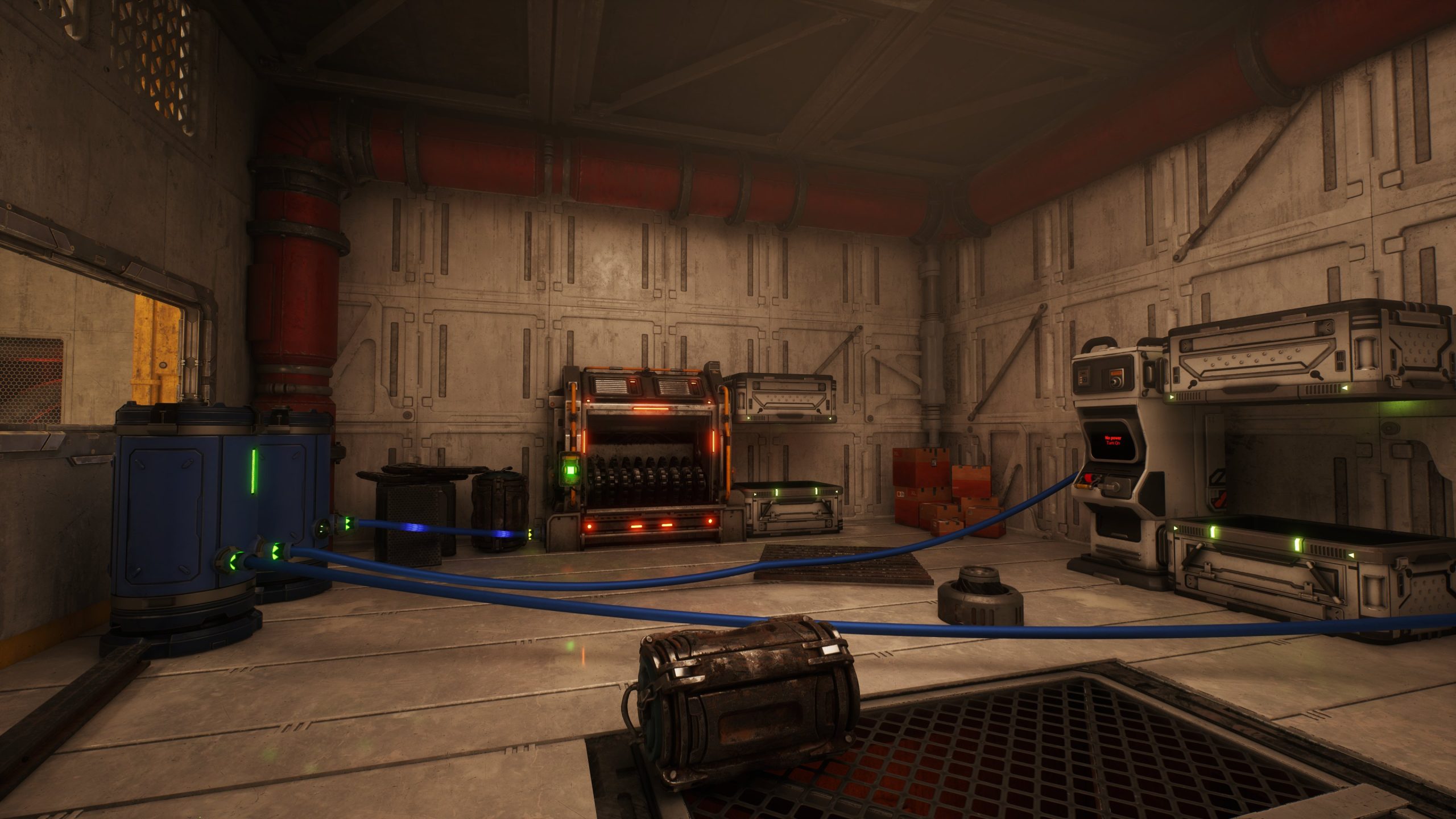
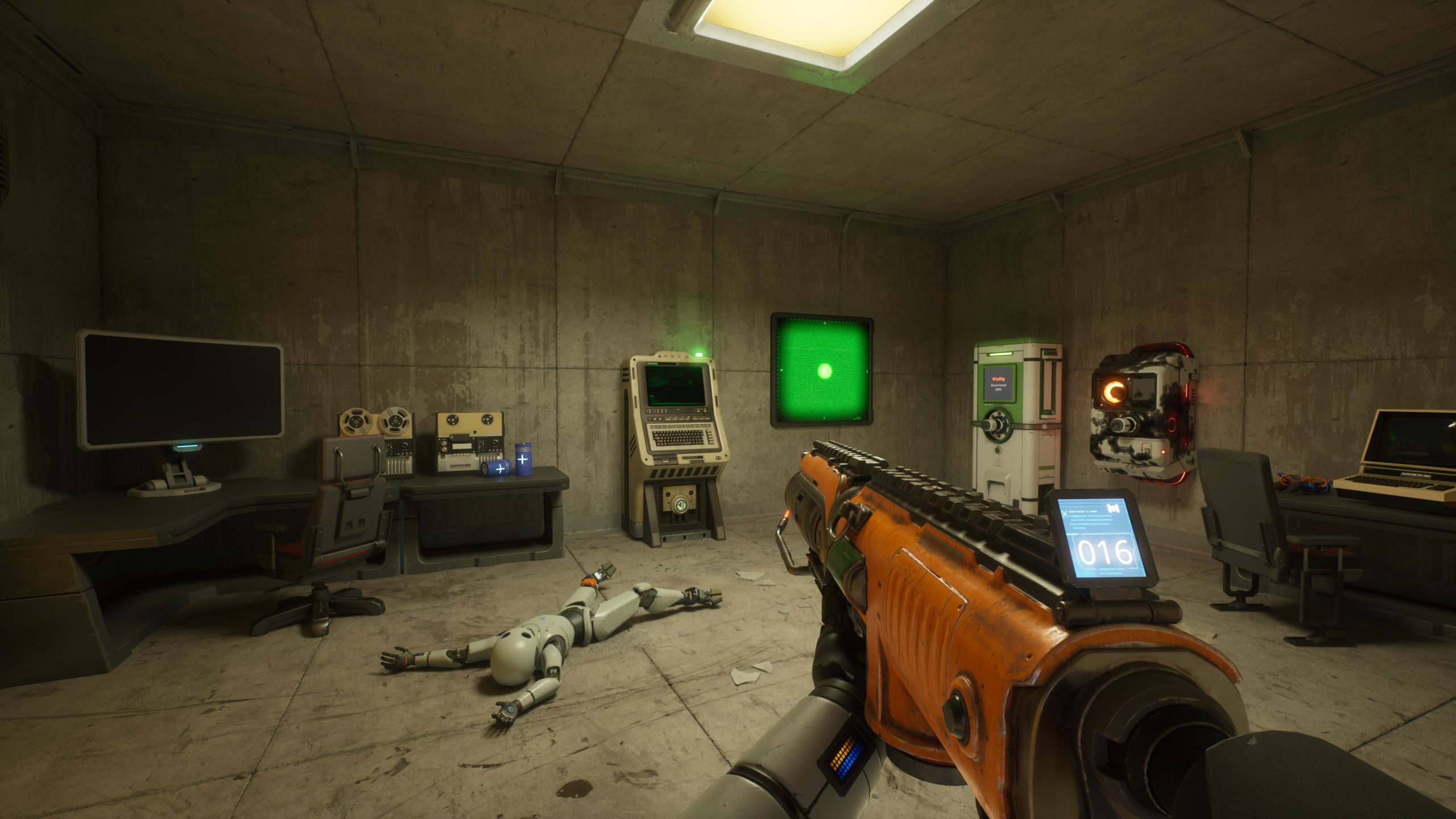
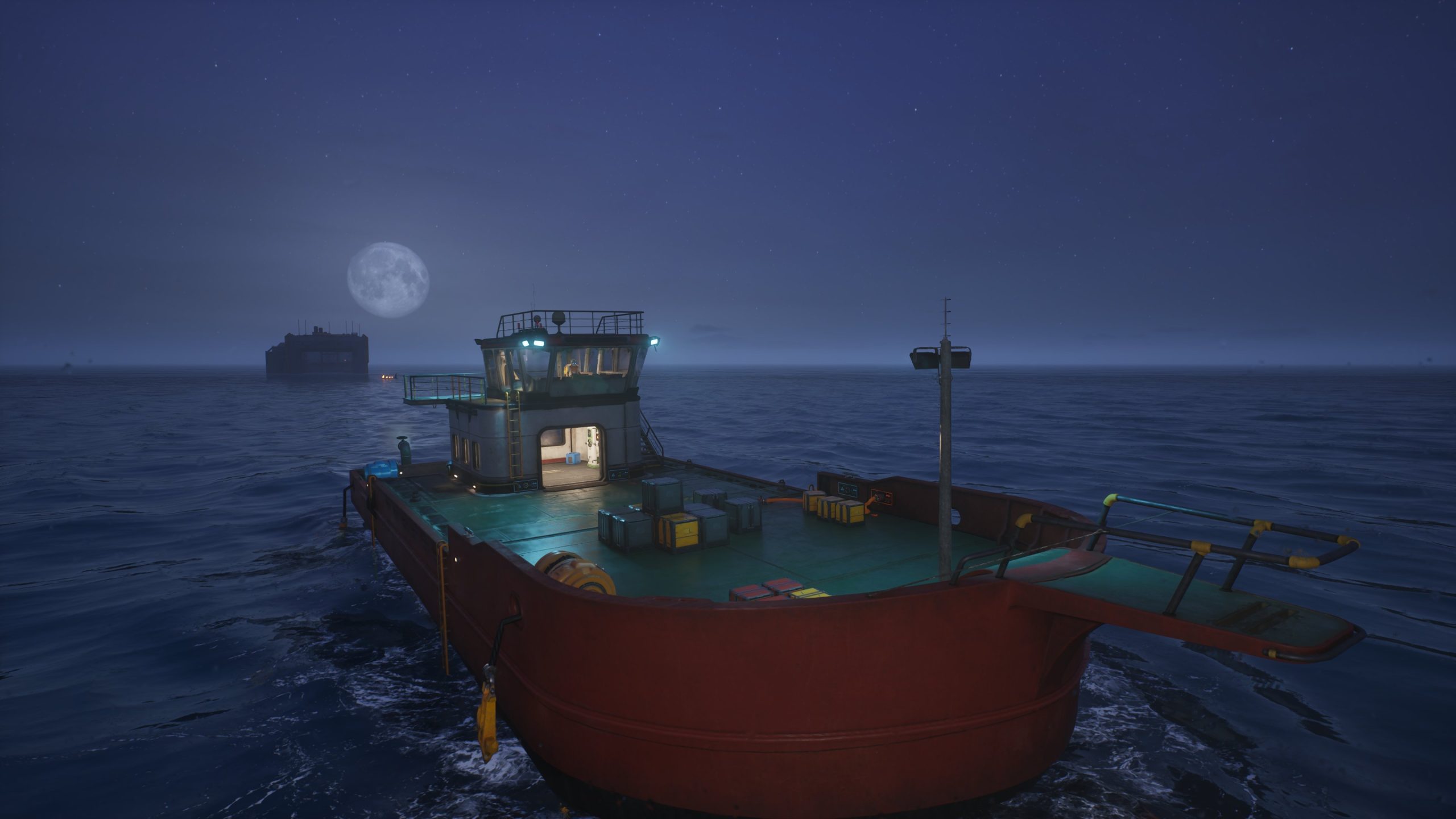
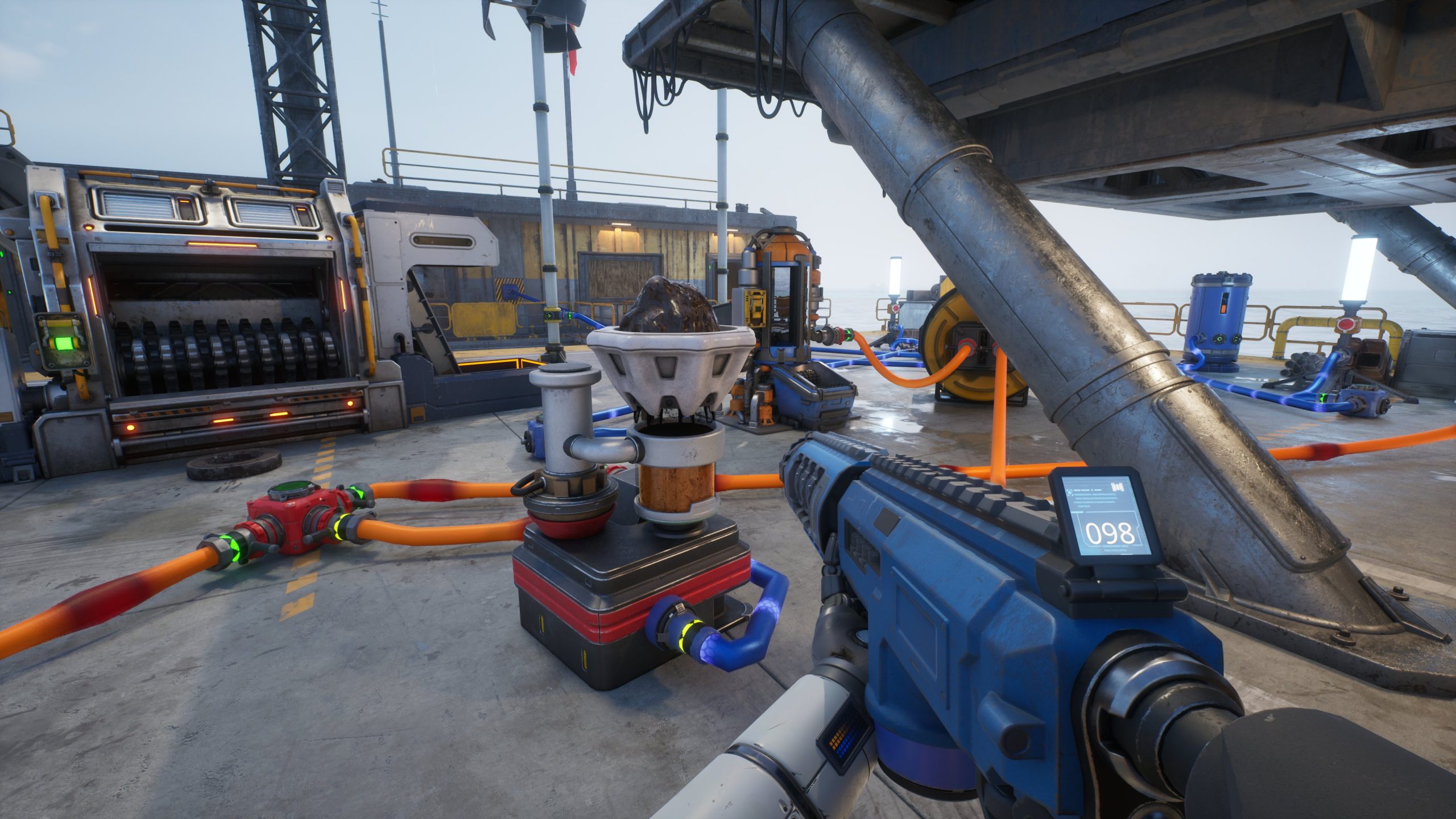
You’ll also encounter machines, biomechanical threats, and other unknown forces that seek to disrupt your mission. Combat is a tactical choice: you can use crafted weapons that use your internal energy as ammunition, forcing you to decide whether to expend your limited energy on fighting or save it to power a crucial system. Combat is present, but Ilvessuo stressed that the game doesn’t force you to fight enemies. There’s also weapon customization, which allows you to change parts of your weapon on the fly.
The Last Caretaker isn’t a true shooter, but its shooting mechanics are designed to add challenge and variety. With normal recoil and solid controls, the gunplay serves to make the experience more interesting. The game also provides a variety of guns and a way to power them yourself, so you don’t have to worry about running out of ammo or being defenseless.
Combat is present, but the game doesn’t force you to fight enemies. It’s about how you adapt to the situation.
Antti Ilvessu, Channel37 co-founder
In our demo, Ilvessu guided us through the seaside base. The tutorial efficiently introduces the game’s core mechanics, allowing you to freely manipulate and arrange objects to create space. The game encourages creativity by not limiting how you connect things, whether to your suit or other batteries, as long as you can figure out how to chain the connections.
A core part of your mission, as mentioned, is to care for the human seeds within the Lazarus Complex. This involves managing systems like incubation temperatures, nutrient flow, and data integration. You’ll also need to build automated defenses to protect the complex from sieges. The endgame revolves around launching these nurtured human seeds into space, a multi-step process that requires scavenging for launch codes, refining fuel, and rebuilding navigation systems.
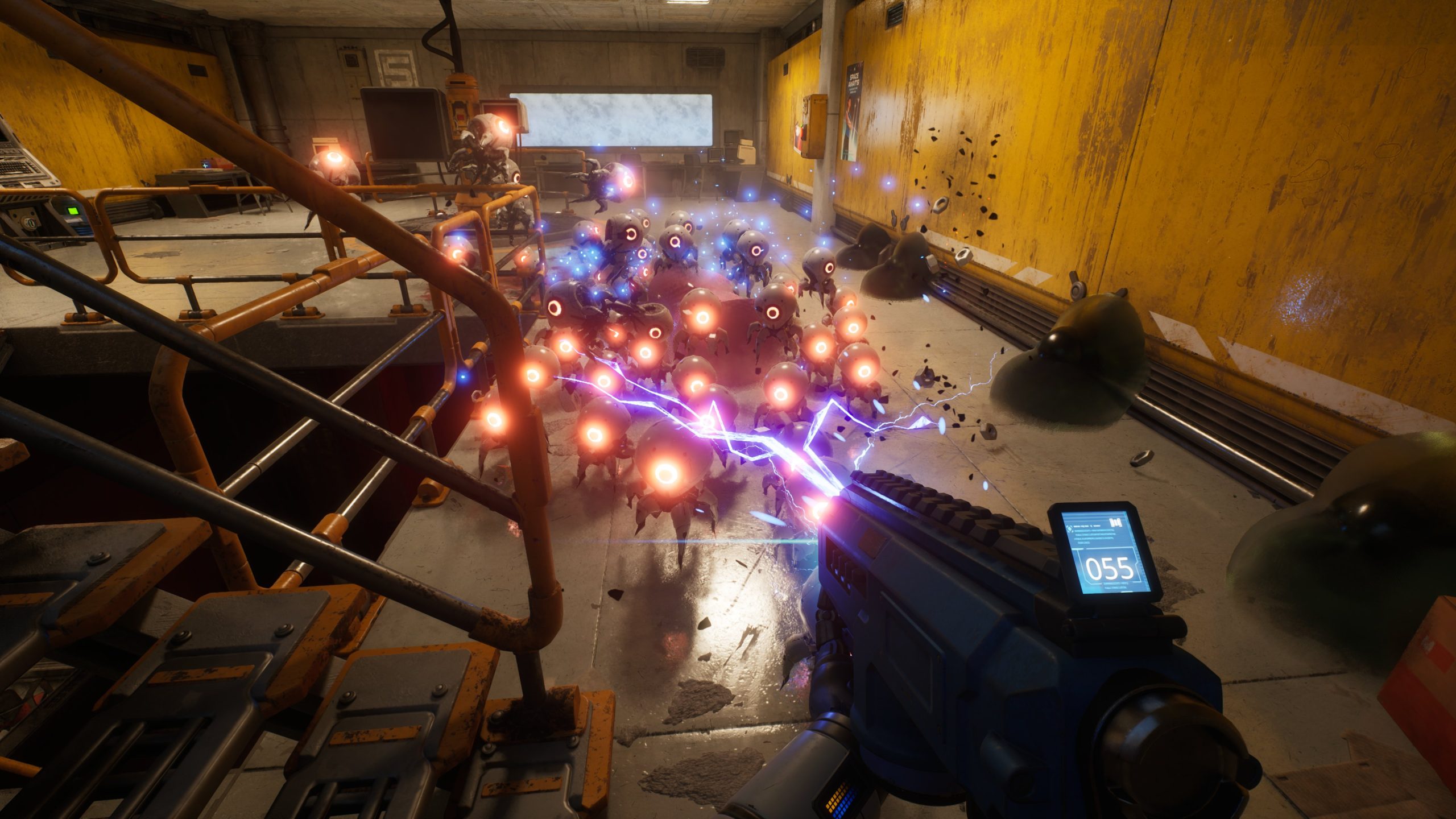
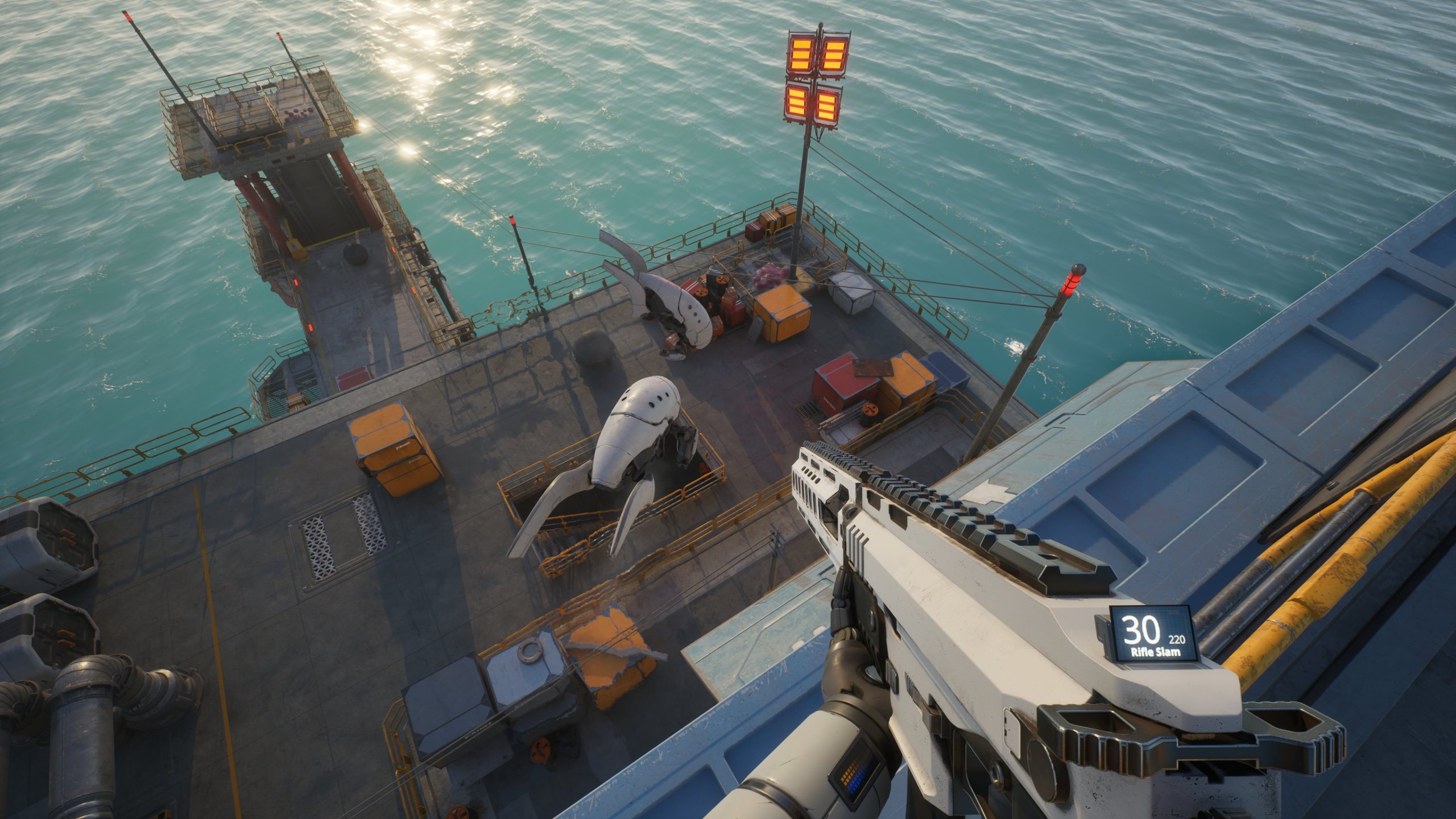
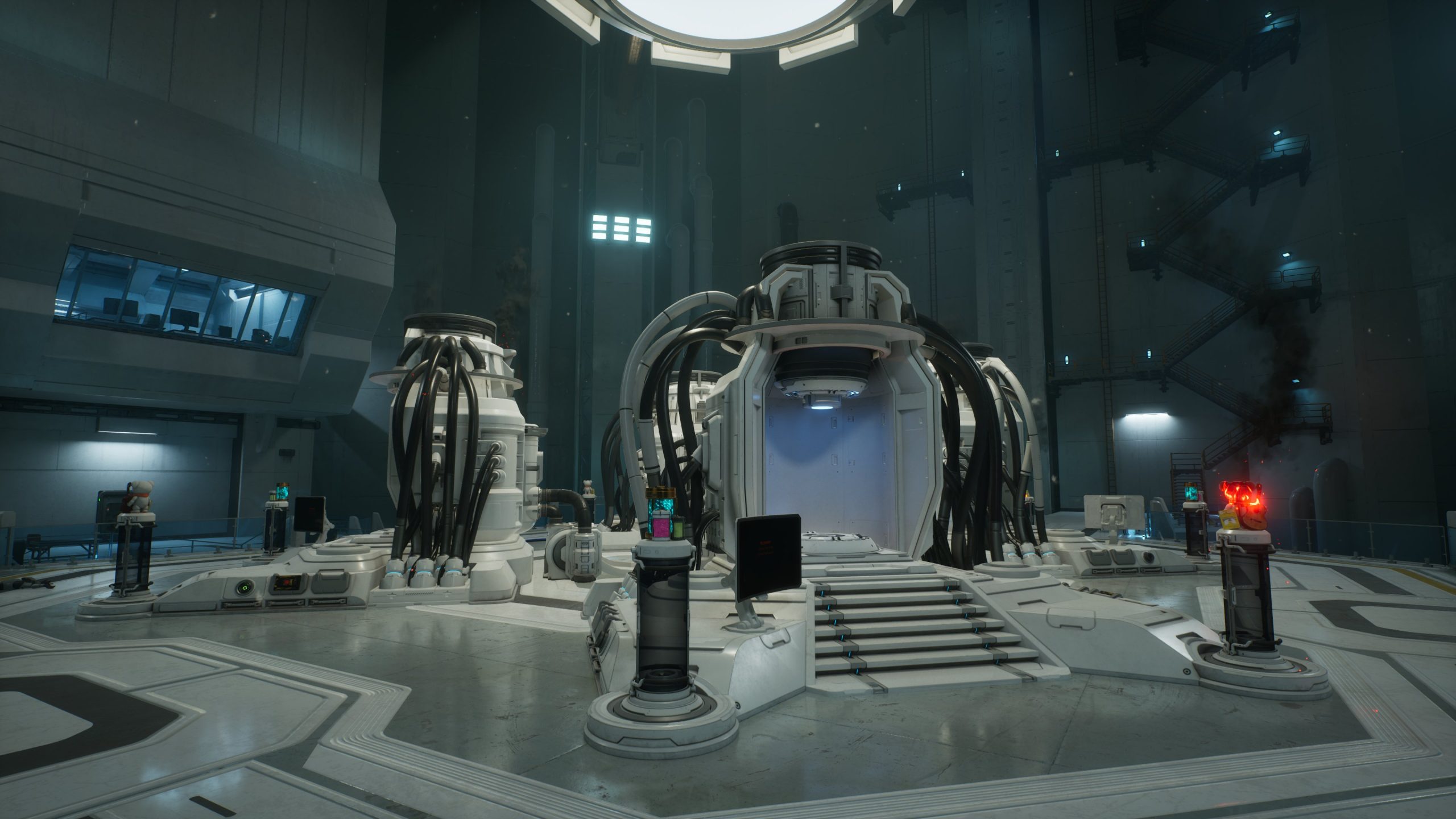
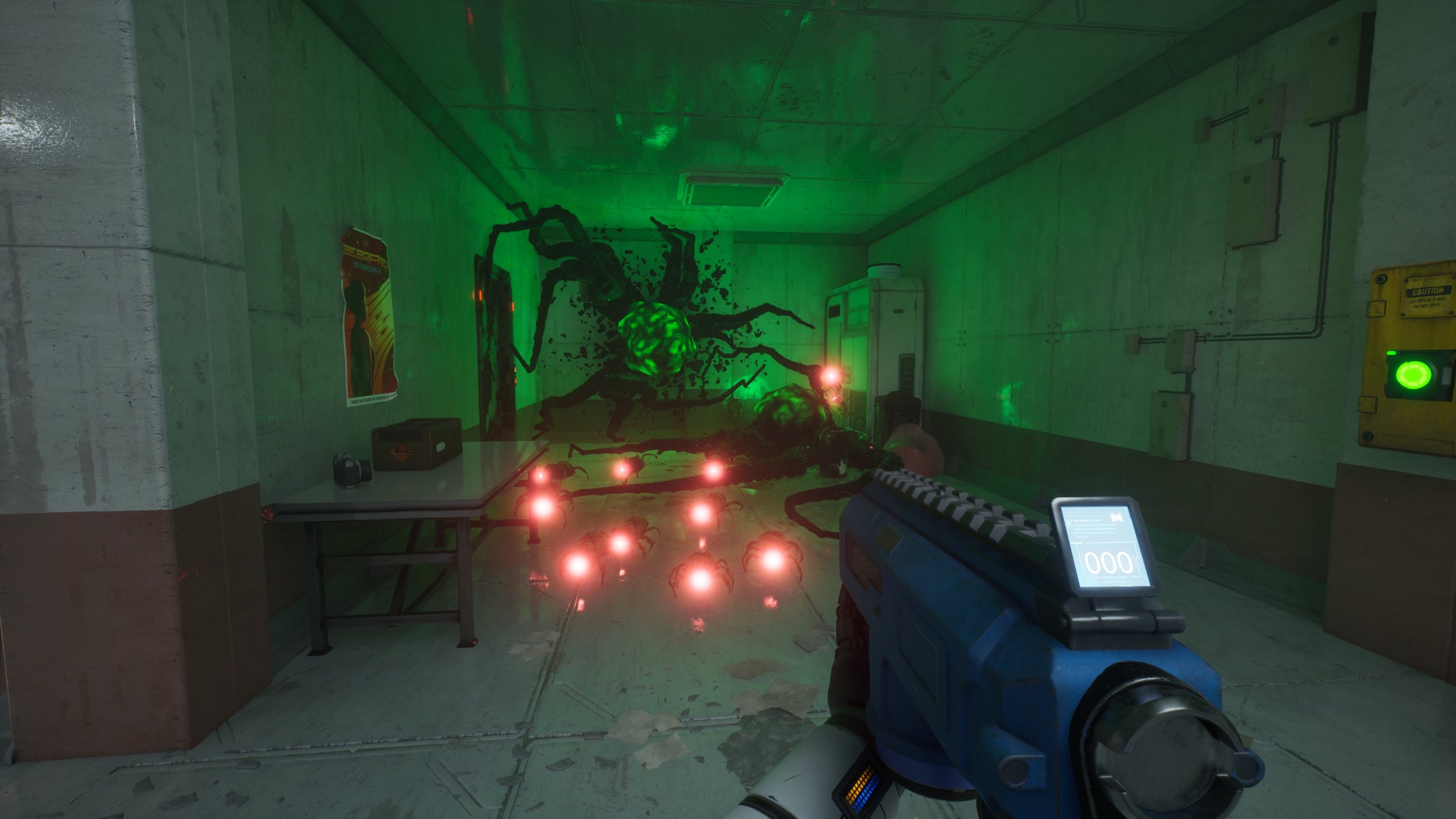
What stood out most were the game’s graphics, unique art style, and haunting soundtrack. The visual design, which Ilvessuo describes as “desolate yet beautiful,” creates a powerful sense of mystery. The audio further immerses you in this solitary world, adding to the feeling that you never know what’s lurking just out of sight.
“Every one of us has been working in games for 20 years”, said Ilvessuo. “We pitched the idea to Supercell, a Finnish company, and then they founded us, and we founded the studio.” The core team is comprised of nine people, with external partners handling marketing, audio, and testing. Having ten external testers playing the game every day, according to Ilvessuo, is a huge help.
The Last Caretaker is set to launch in early access before the end of the year on Steam. A full version is also planned for PlayStation 5. The full game will not be on PlayStation 4, as the team wants to have a fully functional game on launch.
Duskfade is worth considering for players who miss colourful PS2-style action-platformers and can tolerate basic combat, floaty movement and backtracking.

Man I Just Wanna Go Home is a noir crime story with visuals from MS Paint and life-or-death choices.
![[GAMESCOM 2026] Vikings Dynasty Preview – Expands the Dynasty Formula](https://www.indie-games.eu/wp-content/uploads/2026/09/Viking-Dynasty-09-21-26-2-1024x576.jpg)
After showing me Prospera at Gamescom 2026, Toplitz Productions' Mathias Oertel moved to a very different kind of settlement builder.…
![[GAMESCOM 2026] Prospera Preview – Production, Prosperity and Victorian Industry](https://www.indie-games.eu/wp-content/uploads/2026/09/Prospera-09-21-26-5-1024x576.jpg)
At Gamescom 2026, I met with Toplitz Productions' Mathias Oertel for a guided presentation of two upcoming games. One of…
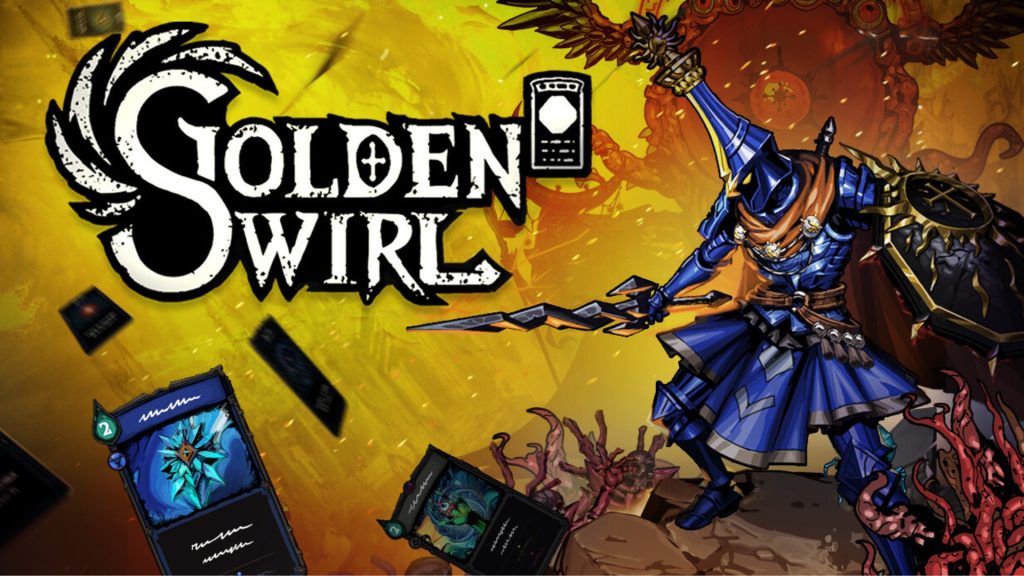
Golden Swirl inventive card combat carries the experience, but repetitive rooms, weak upgrades and excessive dialogue hold it back.
![[GAMESCOM 2026] Wilderdark Preview – Ambitious Dinosaur Horror Game That Still Has Plenty to Prove](https://www.indie-games.eu/wp-content/uploads/2026/09/Wilderdark-1024x576.jpg)
Dinosaur survival horror game Wilderdark has one of those premises that immediately makes you wonder why more games have not…
![[PREVIEW] Tiny Metal 2 – Strategy Game That Wants You to Learn From Every Mistake](https://www.indie-games.eu/wp-content/uploads/2026/09/Tiny-Metal-2-1024x576.jpg)
I rarely enjoy discovering that my opening strategy was completely wrong, but Tiny Metal 2 made that process one of…
![[PREVIEW] Remothered: Red Nun’s Legacy – Ambitious Survival Horror That Needs More Polish](https://www.indie-games.eu/wp-content/uploads/2026/09/Remothered-Red-Nuns-Legacy-4-1024x576.jpg)
Remothered: Red Nun’s Legacy has a gripping atmosphere and promising survival tools, but its repetitive hiding and rough visuals need…
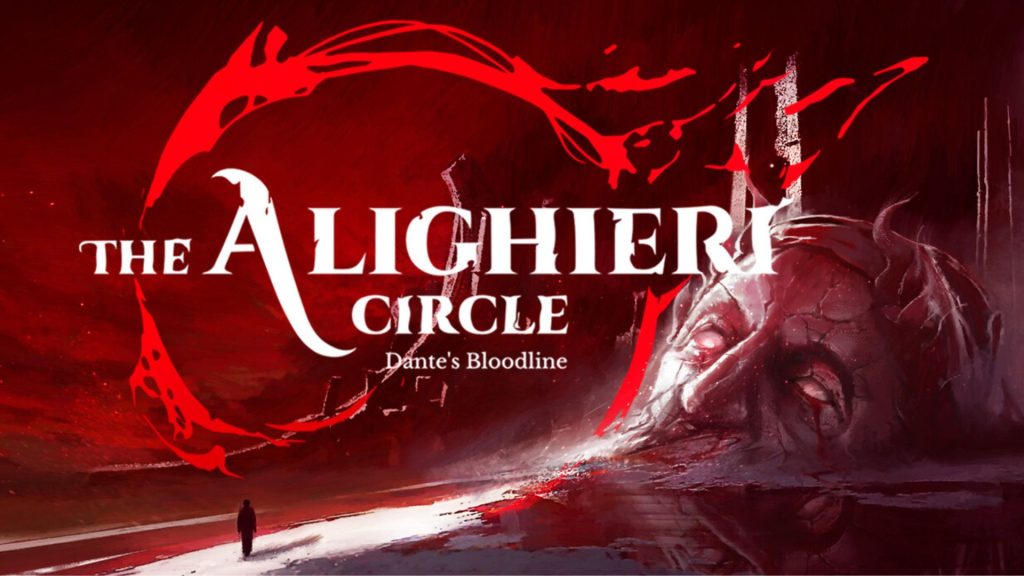
The Alighieri Circle: Dante’s Bloodline is difficult to recommend beyond players who are especially interested in Dante or enjoy solving…

Orc Incremental offers satisfying progression, entertaining totem combinations and enough content to justify its affordable price.
![[GAMESCOM 2026] Chronoscript: The Endless End Preview – Beautiful Pages Hide Deliberate Combat](https://www.indie-games.eu/wp-content/uploads/2026/09/Chronoscript-The-Endless-End-1-1024x576.jpg)
Chronoscript: The Endless End stands out from other Metroidvanias by blending 2D manuscript worlds with exploration inside a 3D manor.
![[GAMESCOM 2026] MegaGum Preview – Combat Hits Hard in This Sticky Platforming Adventure](https://www.indie-games.eu/wp-content/uploads/2026/09/MegaGum-09-09-26-5-1024x576.jpg)
MegaGum combines hard-hitting combat, varied weapons and Gum-powered platforming in a promising Gamescom 2026 demo.
![[GAMESCOM 2026] Delphinium Preview – Cozy Routine Mixed With Enjoyable Minigames](https://www.indie-games.eu/wp-content/uploads/2026/03/Delphinium--1024x665.jpg)
Delphinium mixes cozy farming, exploration and relationships with enjoyable fishing, cooking and forging minigames in its Gamescom 2026 demo.

Lady Death: Demonicron looks the part, but underneath its excellent comic-book exterior is a clunky and painfully short brawler.
![[GAMESCOM 2026] Tomb Raider: Legacy of Atlantis Preview – Expands the Original Without Losing Its Identity](https://www.indie-games.eu/wp-content/uploads/2026/09/tomb-raider-legacy-of-atlantis-06-02-26-1-1024x576.jpg)
Tomb Raider: Legacy of Atlantis brings Lara back to her roots, but its Gamescom 2026 showing proved this is far…
![[GAMESCOM 2026] Clive Barker’s Hellraiser: Revival Preview – Ready to Open the Box](https://www.indie-games.eu/wp-content/uploads/2026/09/Clive-Barkers-Hellraiser-Revival-08-30-26-1-1024x576.jpg)
Hellraiser: Revival preserves the franchise’s sex, gore and psychological horror while delivering approachable survival-horror gameplay.

Swan Song creates a peaceful and forgiving puzzle space without removing the challenge that makes solving a difficult puzzle rewarding.

Mortal Shell II starts brilliantly but grows repetitive and exhausting, while remaining a rewarding and ambitious Soulslike sequel.
![[GAMESCOM 2026] Terranigma Preview – A Lost SNES Classic Returns in 2027](https://www.indie-games.eu/wp-content/uploads/2026/08/Terranigma-1-1024x576.jpg)
After more than three decades of limited availability, Terranigma is returning in 2027. We played its enhanced re-release at Gamescom…
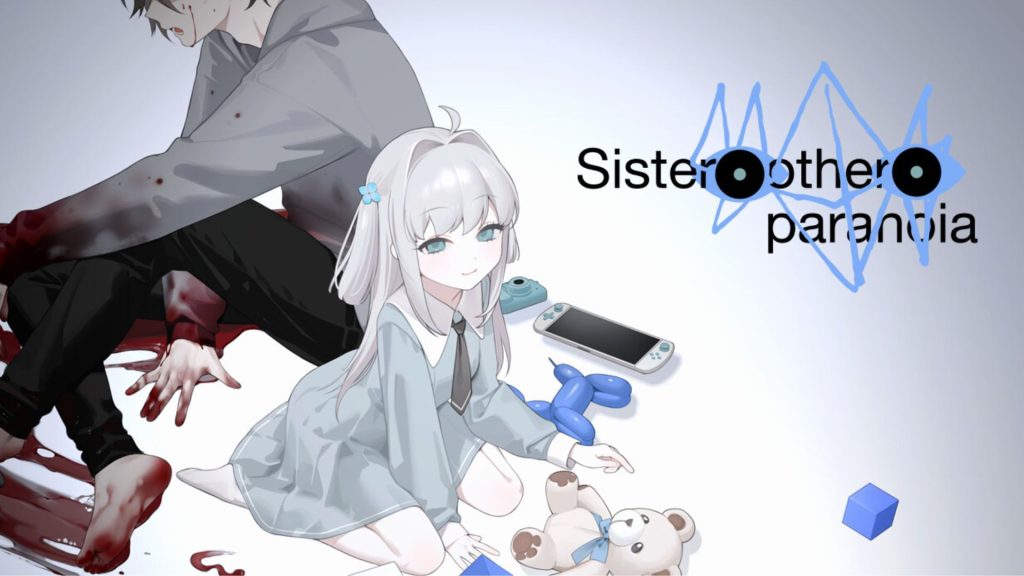
Reading another person’s mind is often presented as a desirable superpower, but Sister Other Paranoia immediately understands why it could…
