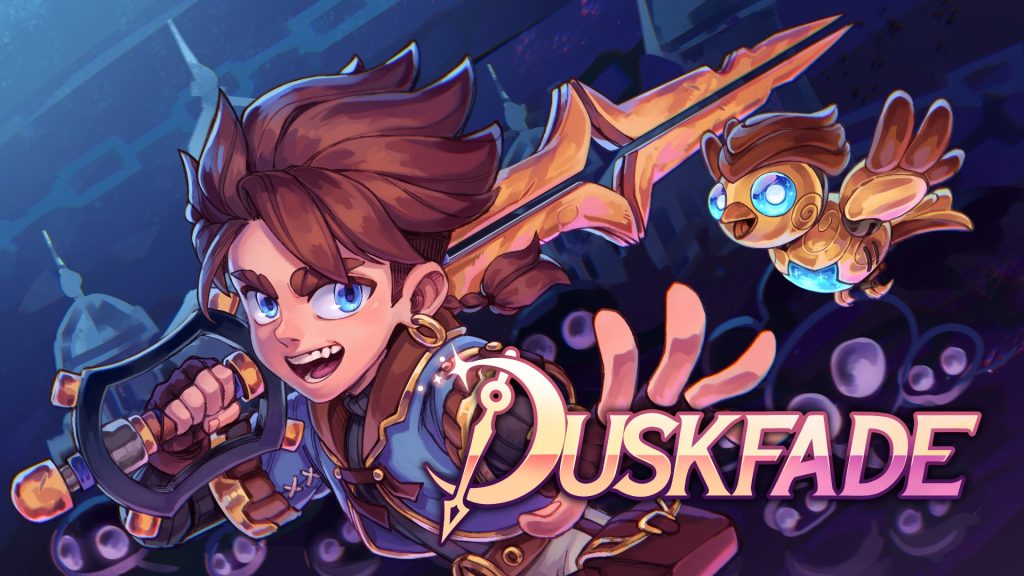
Duskfade – The PS2 Era Returns With All Its Strengths and Weaknesses
Duskfade is worth considering for players who miss colourful PS2-style action-platformers and can tolerate basic combat, floaty movement and backtracking.

If you enjoy independent indie game coverage, consider supporting Indie-Games.eu on Patreon. It helps keep the site independent.
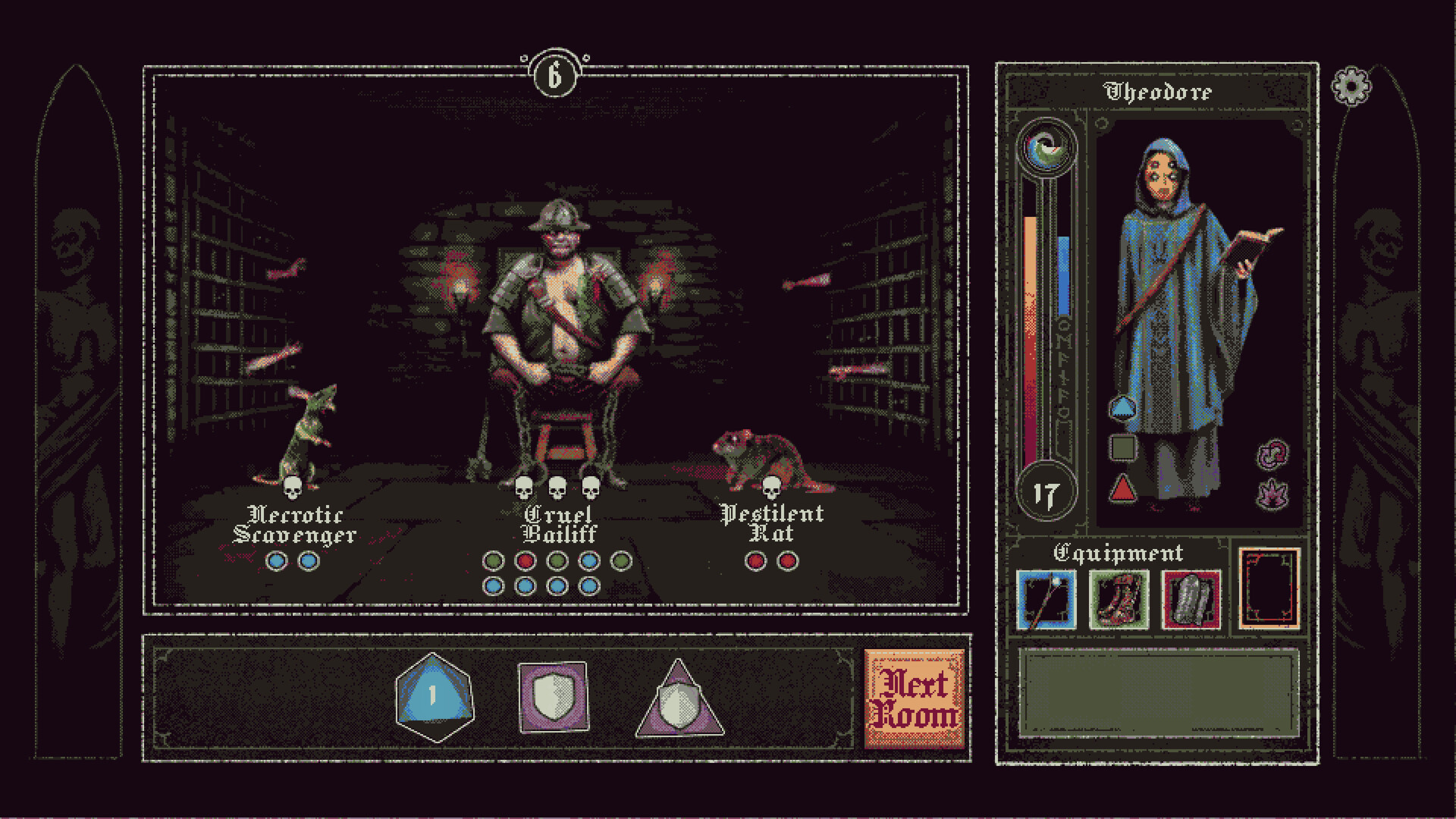
They don’t make games like this anymore. No filter, brutal, unforgiving, and deeply frustrating. The Fortress is a dungeon-crawling game that will test your luck, strategic thinking, and even your sense of disgust. If you’re into retro pixel art where everything looks grimy and smudged, this one has it. Combat is turn-based and dice-based, changing depending on your class and gear, and there’s plenty of room for experimentation. While The Fortress is immersive and undeniably unique, it also suffers from a frustrating and repetitive gameplay loop that definitely won’t be everyone’s cup of tea.
So, what exactly are you doing inside this fortress? You’re a prisoner of a hideous Lich who captured you during his expansion wars and locked you away for eternity alongside other outcasts. Your goal is simple: survive and escape, though accomplishing that is anything but easy. Along the way, you’ll face a wide range of enemies, from mice and zombies to trained soldiers and monstrous creatures. Each zone ends with a boss fight, and enemies grow progressively stronger the further you get. Thankfully, you’re not entirely alone. You might encounter allies such as a priest who lets you choose relics, vampire merchants who trade items for your blood, or a campfire where you can heal.
Each run feels different thanks to the game’s roguelike structure and procedurally generated levels, meaning you never quite know what awaits you. That said, the scenarios, enemy types, and story moments remain largely the same every time you replay. While I appreciate the animated cutscenes and voiceovers that explain what’s happening, they quickly become irritating. Once you’ve seen them a few times, being forced to sit through the same unskippable scenes over and over again feels like a very strange design choice. I really don’t want to watch the same cutscene six times in a row.
You begin with only four unlocked classes, with many more becoming available as you progress. Unlocking them isn’t particularly difficult either. You simply need to carry a special item until the next boss fight, which you’ll almost always reach, and that class becomes unlocked. Classes include the fighter, sorcerer, assassin, beastskin, ranger, and many others, each bringing something unique to the table. What matters most is mastery and what each class excels at. The assassin, for example, shines with critical hits and dodging, and when combined with certain relics, you can significantly boost critical chance and dodge percentage. Beastskin, on the other hand, focuses heavily on raw attack power, gaining bonuses to attack dice.
While all of this sounds straightforward, it really isn’t. The dice system makes everything feel chaotic. The biggest issue is that the game never properly explains how the dice work. From what I understand, it’s somewhat similar to Dungeons & Dragons, with different dice like d20s, d6s, and d3s, though I could be wrong, because again, the game never clarifies this. What it does explain is that dice are color-coded based on agility, mana, and strength. If your character has a d20 in strength, for example, they’re proficient in that stat; if not, they’ll roll weaker dice and deal less damage. But do keep in mind that enemies deal certain amount of damage that you always know about thanks to the skull icon.
Enemies also have agility, mana, and strength icons. When you roll a die and get a number, you must attack them using the matching color, which leads to a lot of problems. Dice are surprisingly complex, with sides that include shields to block attacks, multiple attack modifiers for specific colors, or sometimes absolutely nothing. This is where RNG, or pure luck, comes into play.

I vividly remember spending five minutes trying to defeat a normal mouse enemy simply because I couldn’t roll the green die it was weak against. It’s both amusing and infuriating. Thankfully, the mouse only deals one damage and misses often, but it perfectly illustrates the game’s extremes. One moment, the game blesses you with perfect rolls and you destroy a boss in a single turn; the next, you can’t roll anything useful at all. It’s brutal and unforgiving, just as I mentioned earlier.
That said, you can strategize around this chaos. Relics play a big role here, offering bonuses like revives upon death or passive stat boosts. You unlock them as you travel, but you must keep them in your inventory to have access to them at the start of a run. Equipment also helps a great deal. You begin with weak gear, but gradually find better items that offer bonuses such as healing after battles or additional attack modifiers on dice. Special white dice, which can attack enemies of any color, are extremely useful and can make a massive difference in difficult encounters.
Still, the game never properly explains these systems, leaving you to figure everything out on your own in a very old-school fashion. While this approach isn’t ideal, I can’t deny that I enjoyed the game’s harsh reality. The Fortress never makes things easy for you, and given that you’re trapped inside a Lich’s fortress, that feels entirely appropriate.
Additionally, there is a special skill ability that you charge using leftover dice values. Once the bar is full, it unleashes 10 damage randomly scattered across all enemies. This mechanic also highlights a bigger issue: the game isn’t particularly content-rich. While there is a decent selection of relics, equipment, and enemies, the experience quickly becomes repetitive. The game doesn’t allow you to change this special ability either, which makes things feel even more samey over time. Classes do add some variety, but the differences between them aren’t substantial enough to keep the gameplay feeling truly fresh.

I really wish The Fortress offered more options to reduce frustration, such as limited dice rerolls, or ways to improve critical hit and dodge stats without relying solely on equipment. Small systems like these could have added more depth and player agency without compromising the game’s difficulty. Nevertheless, there’s definitely a decent amount of strategy here and synergies to play with.
That said, I have to admit that the game looks fantastic. Its gothic aesthetic and horror elements are paired with atmospheric pixel art and a unique soundtrack that constantly reinforces a sense of dread. It’s genuinely surprising how immersive the game manages to be, both visually and tonally.
In the end, if you can push past the frustrating moments and accept that the game doesn’t offer an endless amount of content, it largely runs out of steam once you defeat the final boss, there’s a good chance you’ll still enjoy your time with The Fortress. It’s not perfect, it’s brutal, and it will test your patience, but overall, it delivers a very solid experience.
Review copy provided by the publisher
Duskfade is worth considering for players who miss colourful PS2-style action-platformers and can tolerate basic combat, floaty movement and backtracking.

Man I Just Wanna Go Home is a noir crime story with visuals from MS Paint and life-or-death choices.
![[GAMESCOM 2026] Vikings Dynasty Preview – Expands the Dynasty Formula](https://www.indie-games.eu/wp-content/uploads/2026/09/Viking-Dynasty-09-21-26-2-1024x576.jpg)
After showing me Prospera at Gamescom 2026, Toplitz Productions' Mathias Oertel moved to a very different kind of settlement builder.…
![[GAMESCOM 2026] Prospera Preview – Production, Prosperity and Victorian Industry](https://www.indie-games.eu/wp-content/uploads/2026/09/Prospera-09-21-26-5-1024x576.jpg)
At Gamescom 2026, I met with Toplitz Productions' Mathias Oertel for a guided presentation of two upcoming games. One of…
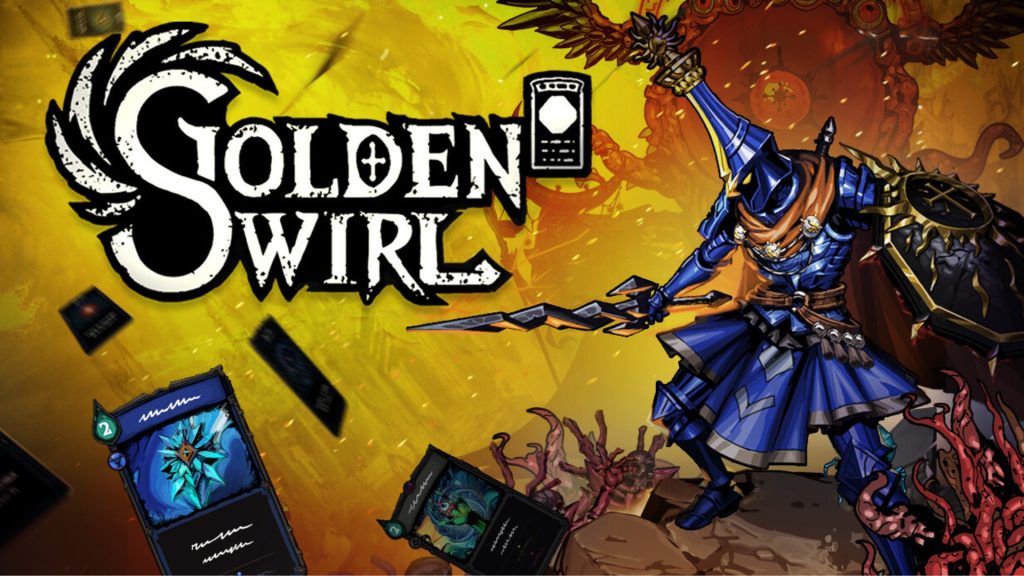
Golden Swirl inventive card combat carries the experience, but repetitive rooms, weak upgrades and excessive dialogue hold it back.
![[GAMESCOM 2026] Wilderdark Preview – Ambitious Dinosaur Horror Game That Still Has Plenty to Prove](https://www.indie-games.eu/wp-content/uploads/2026/09/Wilderdark-1024x576.jpg)
Dinosaur survival horror game Wilderdark has one of those premises that immediately makes you wonder why more games have not…
![[PREVIEW] Tiny Metal 2 – Strategy Game That Wants You to Learn From Every Mistake](https://www.indie-games.eu/wp-content/uploads/2026/09/Tiny-Metal-2-1024x576.jpg)
I rarely enjoy discovering that my opening strategy was completely wrong, but Tiny Metal 2 made that process one of…
![[PREVIEW] Remothered: Red Nun’s Legacy – Ambitious Survival Horror That Needs More Polish](https://www.indie-games.eu/wp-content/uploads/2026/09/Remothered-Red-Nuns-Legacy-4-1024x576.jpg)
Remothered: Red Nun’s Legacy has a gripping atmosphere and promising survival tools, but its repetitive hiding and rough visuals need…
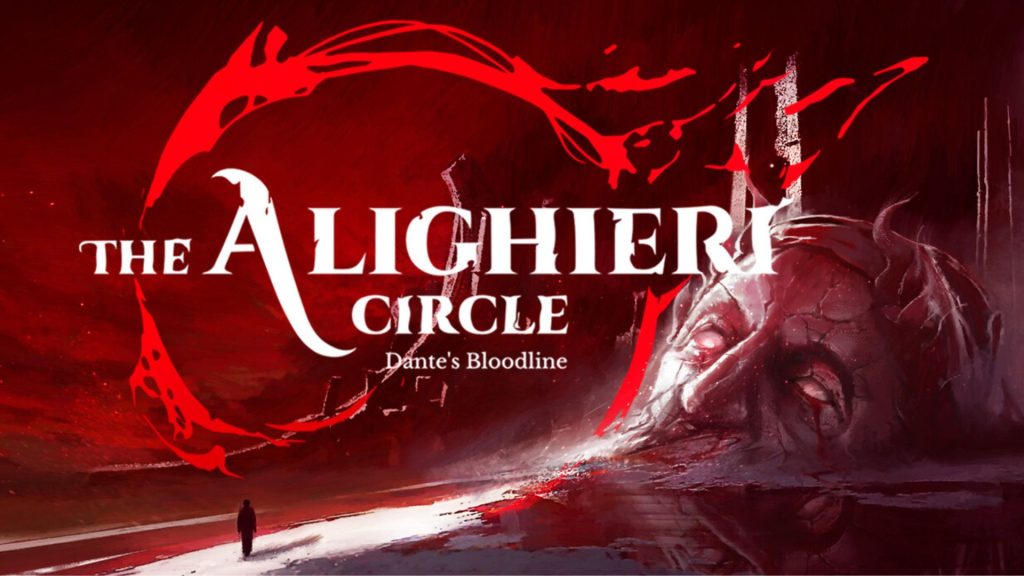
The Alighieri Circle: Dante’s Bloodline is difficult to recommend beyond players who are especially interested in Dante or enjoy solving…
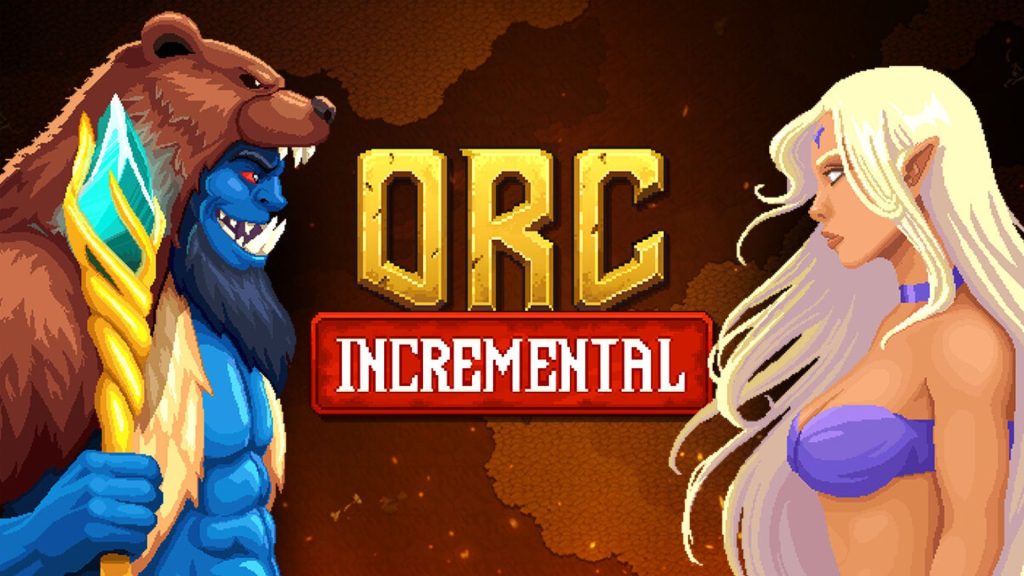
Orc Incremental offers satisfying progression, entertaining totem combinations and enough content to justify its affordable price.
![[GAMESCOM 2026] Chronoscript: The Endless End Preview – Beautiful Pages Hide Deliberate Combat](https://www.indie-games.eu/wp-content/uploads/2026/09/Chronoscript-The-Endless-End-1-1024x576.jpg)
Chronoscript: The Endless End stands out from other Metroidvanias by blending 2D manuscript worlds with exploration inside a 3D manor.
![[GAMESCOM 2026] MegaGum Preview – Combat Hits Hard in This Sticky Platforming Adventure](https://www.indie-games.eu/wp-content/uploads/2026/09/MegaGum-09-09-26-5-1024x576.jpg)
MegaGum combines hard-hitting combat, varied weapons and Gum-powered platforming in a promising Gamescom 2026 demo.
![[GAMESCOM 2026] Delphinium Preview – Cozy Routine Mixed With Enjoyable Minigames](https://www.indie-games.eu/wp-content/uploads/2026/03/Delphinium--1024x665.jpg)
Delphinium mixes cozy farming, exploration and relationships with enjoyable fishing, cooking and forging minigames in its Gamescom 2026 demo.
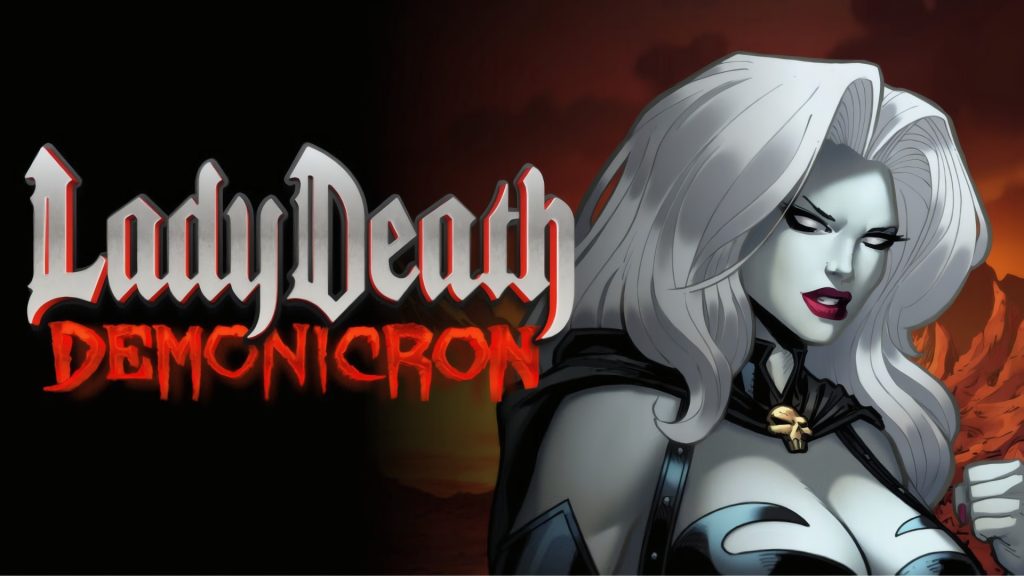
Lady Death: Demonicron looks the part, but underneath its excellent comic-book exterior is a clunky and painfully short brawler.
![[GAMESCOM 2026] Tomb Raider: Legacy of Atlantis Preview – Expands the Original Without Losing Its Identity](https://www.indie-games.eu/wp-content/uploads/2026/09/tomb-raider-legacy-of-atlantis-06-02-26-1-1024x576.jpg)
Tomb Raider: Legacy of Atlantis brings Lara back to her roots, but its Gamescom 2026 showing proved this is far…
![[GAMESCOM 2026] Clive Barker’s Hellraiser: Revival Preview – Ready to Open the Box](https://www.indie-games.eu/wp-content/uploads/2026/09/Clive-Barkers-Hellraiser-Revival-08-30-26-1-1024x576.jpg)
Hellraiser: Revival preserves the franchise’s sex, gore and psychological horror while delivering approachable survival-horror gameplay.

Swan Song creates a peaceful and forgiving puzzle space without removing the challenge that makes solving a difficult puzzle rewarding.
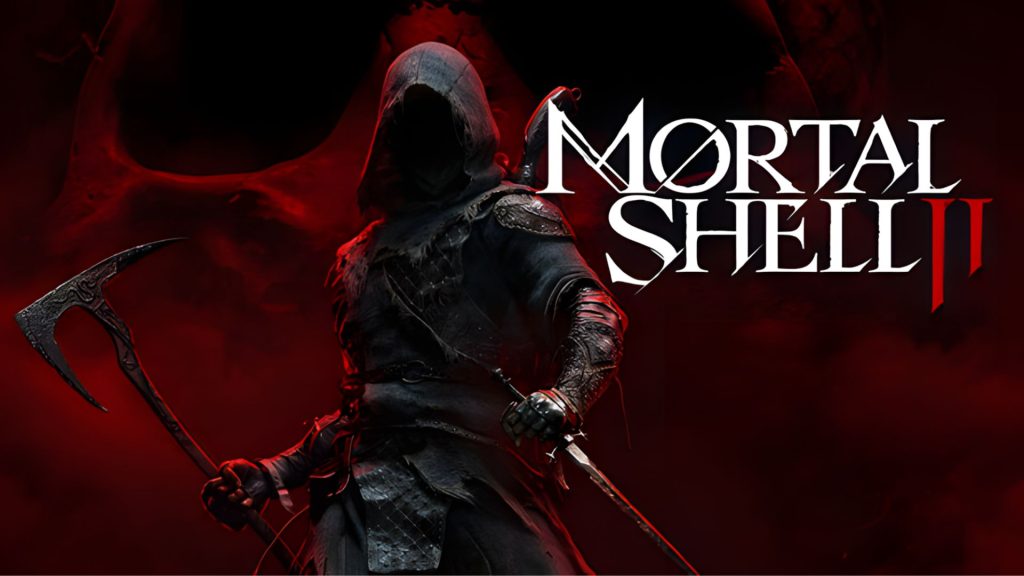
Mortal Shell II starts brilliantly but grows repetitive and exhausting, while remaining a rewarding and ambitious Soulslike sequel.
![[GAMESCOM 2026] Terranigma Preview – A Lost SNES Classic Returns in 2027](https://www.indie-games.eu/wp-content/uploads/2026/08/Terranigma-1-1024x576.jpg)
After more than three decades of limited availability, Terranigma is returning in 2027. We played its enhanced re-release at Gamescom…
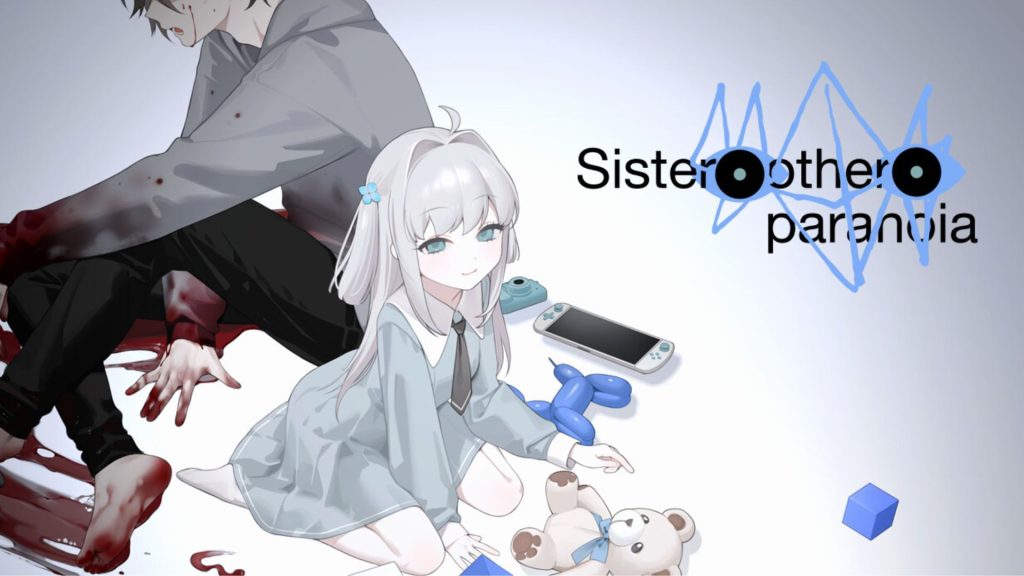
Reading another person’s mind is often presented as a desirable superpower, but Sister Other Paranoia immediately understands why it could…
