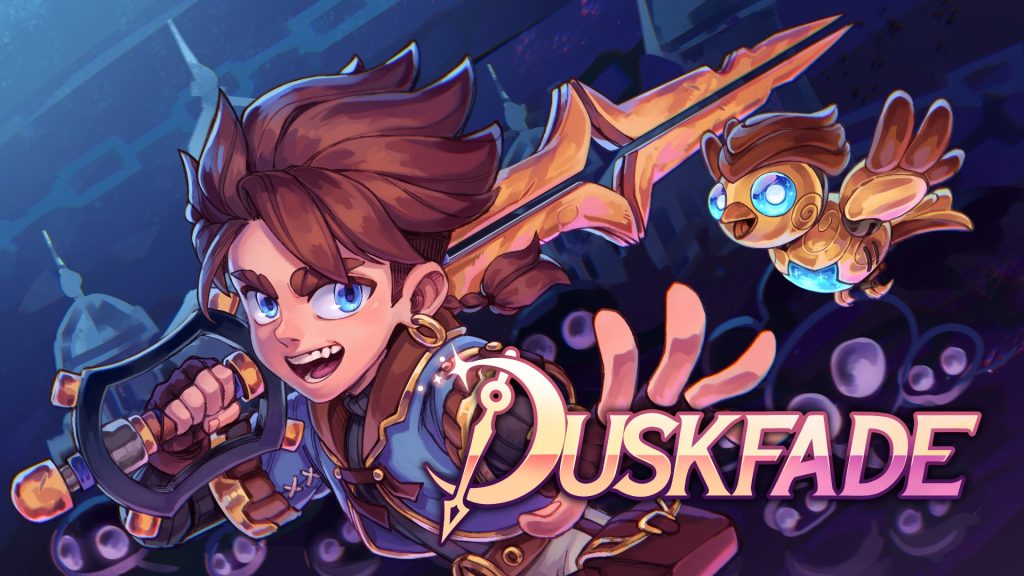
Duskfade – The PS2 Era Returns With All Its Strengths and Weaknesses
Duskfade is worth considering for players who miss colourful PS2-style action-platformers and can tolerate basic combat, floaty movement and backtracking.


If you enjoy independent indie game coverage, consider supporting Indie-Games.eu on Patreon. It helps keep the site independent.
Ever since I finished Baldur’s Gate 3 again earlier this year, I’ve been hunting for a good CRPG. Nothing quite hit the mark until The Necromancer’s Tale showed up. I was actually supposed to finish this review last week, but I just had to explore every corner of its world to truly understand why it’s such a great indie game.
While combat has its ups and downs and there are some significant flaws within the game, the narrative truly stands out. Set in an alternative-history 1733 near Venice and the Adriatic Sea, The Necromancer’s Tale as some really interesting and detailed systems that capture the essence of being a necromancer and the antihero you always wanted to be. If you’re drawn to this thematic depth, you’ll find the story and atmosphere quite fun.
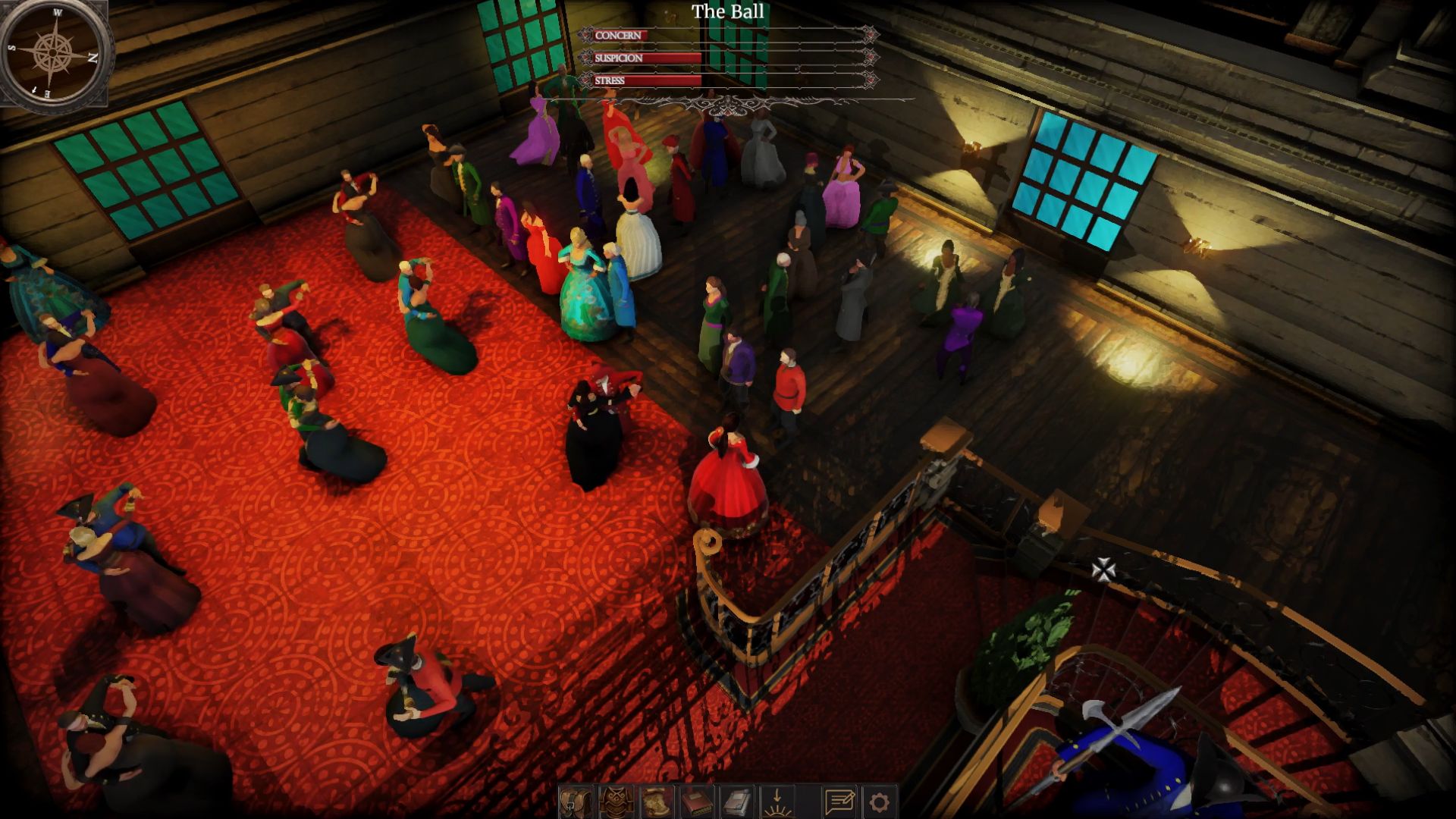
The narrative takes place in the city of Marnes, in a country called Rolstein. Years ago, this region fought a brutal war against a powerful lich, which made necromancy a really feared practice. Our protagonist gets called back home because their father, a war hero from that Lich War, recently passed away. While dealing with family stuff and taking care of their mom, who’s clearly struggling mentally, some mysterious details about their father’s death start to pop up.
Things get interesting when an arcane book is found in the father’s office. This discovery actually sets our protagonist on the path of necromancy. At first, it’s pretty innocent, like brewing a potion for their mother using the father’s notes. But through these intertwined events, our hero slowly gets pulled deeper and deeper into the world of necromancy.
“The story is a primary reason to play this game.”
Throughout the story, you’ll need to translate pages from this arcane book. They’re written in different languages from various time periods, and unlocking them reveals the rituals you need to progress. These rituals are a huge no-no in the city, so you have to constantly hide your activities from everyone. For example, the Cathedral, which is initially friendly, becomes actively hostile if you delve too deep into the Dark Arts. Honestly, the story is a primary reason to play this game; it’s highly enjoyable and keeps you hooked.
The city’s “concern level” goes up if people find dead bodies, ritual remains, or even your undead minions. This can lead to serious consequences, like it becoming much harder to hide your actions, or even getting arrested and put on trial. This need for physical concealment, mixed with your narrative choices, leads to all sorts of subtle changes and even multiple endings.
However, there’s a huge amount of text that feels pretty unnecessary, and the open world is fairly lifeless. There’s also very little in terms of a progression or inventory management system. But for some reason, you just can’t hate this game. There’s just something about it that hooks you instantly, pulling you right into the world it offers.
The Necromancer’s Tale offers three difficulty settings: Easy, Normal, and Strategy mode. What’s really good is how “Easy” mode completely transforms the game into a purely narrative experience. It skips all the combat, auto-resolving conflicts based on your character’s abilities and undead minions. There are some fascinating mysteries, spells, and just a ton of stuff to discover. The game is clearly focused on roleplaying your character and letting you play however you find most fun.
It’s fantastic how well the game portrays a slow descent into evil, with good intentions paving the road to hell as you gradually lose your moral compass. Even acts that seem good are eventually framed as ways to just keep you in the city’s good graces. The flooding of the miller’s farm is a perfect example. You definitely don’t start off as a psychotic necromancer here, not by a longshot.
“The combat, while simple, is still decently thought out.”
You also need to be very careful about what you say and do in the social parts of the game. This isn’t an RPG where you can just spam dialogue options to hear everything. You’ll quickly lose the trust of groups and individuals if you do. The Necromancer’s Tale also features partial voice acting for main story elements and the opening. It might not be for everyone’s liking, but honestly, I found the voice acting fairly decent.
The combat, while simple, is still decently thought out, and the speed-up option is great. It’s a basic turn-based system involving you, occasional allies, your minions, and other summoned creatures. Most enemies and your own minions rely on melee or ranged attacks, with you being the main spellcaster. Often, combat just turns into overwhelming your enemies with sheer numbers.

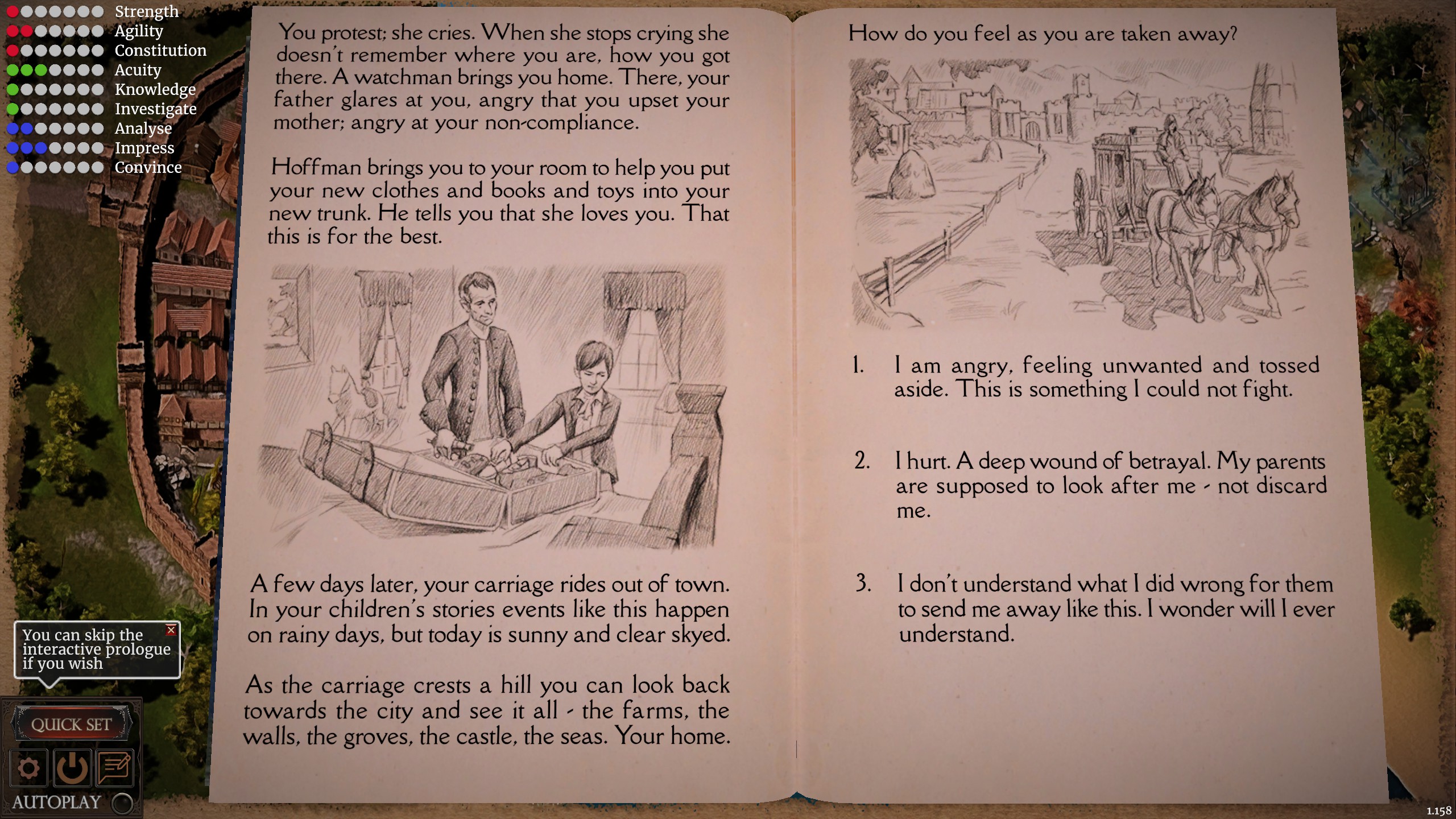
Character creation in this game is pretty unique. You can define your character through an interactive novel, where your choices during their upbringing shape their stats, or you can use a “quick set” for manual allocation. What you pick, like being a diplomat or a military officer, really impacts what your character knows and how NPCs talk to you. Even your gender can affect certain dialogues.
Skills are split into physical, social, and mental. These initial skill points are super important because opportunities to gain more later are rare, and some interactions can even cause you to lose them. The game uses a distinctive skill check system in dialogues. If your skill is high enough, you pass without spending anything. But if you fail, you have to spend points from a limited, chapter-specific pool.
“The game uses a distinctive skill check system in dialogues.”
Early on, you pick one of three jobs: teacher, dock worker, or tavern server. Each job matches a skill type. You don’t have to pick a job that matches your skills, but it definitely makes things easier by giving you checks you’re more likely to pass without wasting those precious skill points.
Progression in The Necromancer’s Tale is fairly straightforward. It’s less about traditional leveling and more about unlocking rituals from that arcane book. You also progress by finding and equipping gear for both yourself and your minions, and discovering new spells. As you gain power, you can cast more traditional magic or even summon powerful entities like demons or wraiths.
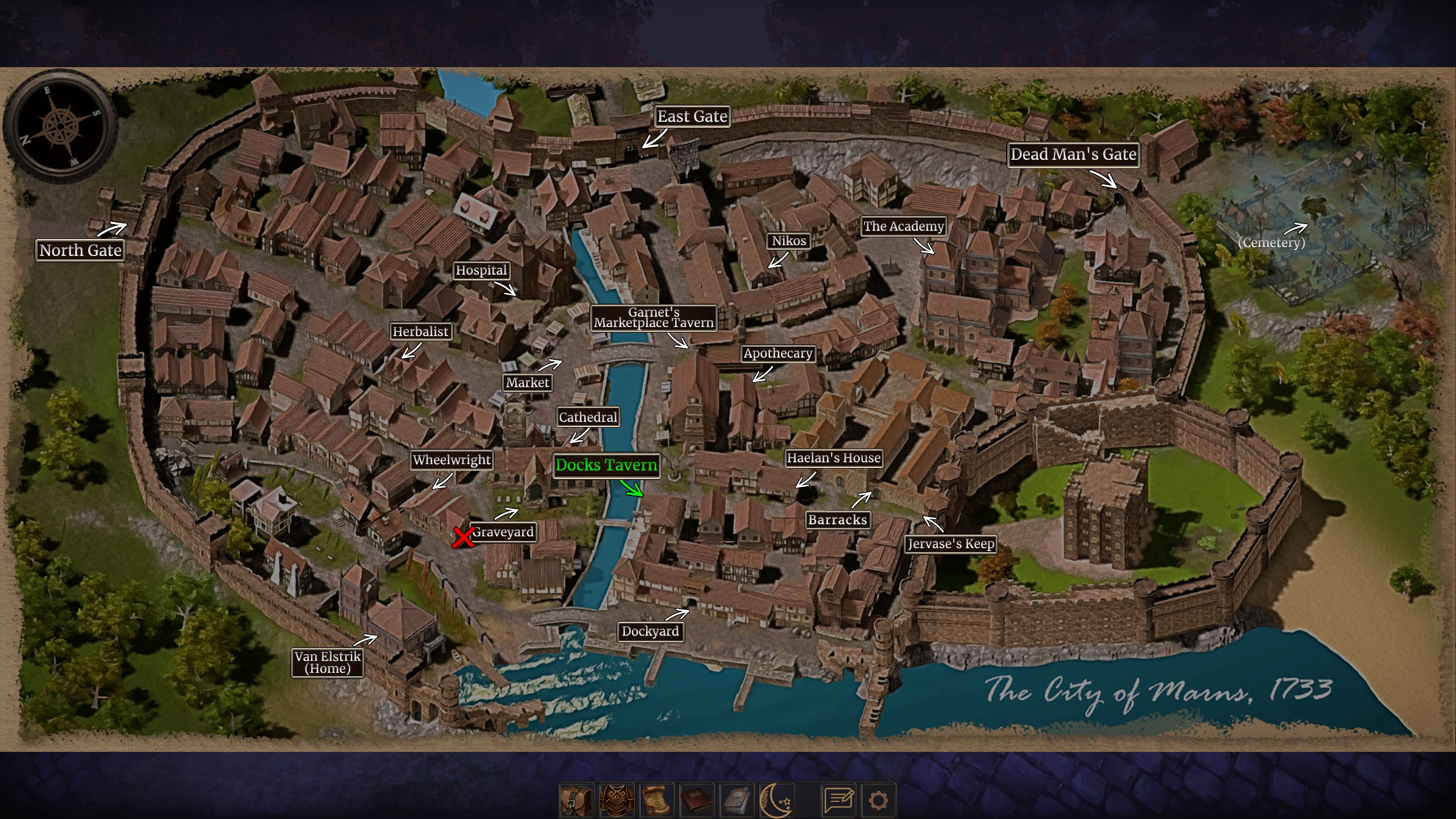
The world interaction in this game is pretty solid, but it’s not quite perfect. It’s unique because there are no generic NPCs; every single character has a name, a schedule, and moves according to a day-night cycle, which you can even advance yourself. You can interact with tons of characters, find multiple romance options, track down specific people, and discover hidden side quests.
Honestly, you’ll easily connect with the characters that click with you, but in most cases, a lot of them are pretty forgettable. You also have to engage with your chosen job once per chapter, and these jobs give you unique tasks and can even lead to job-specific side quests. The city itself is pretty interesting; you can explore it door-by-door, uncovering more quests and opportunities.
“Deliberate, slower-paced journey into the dark arts.”
However, the game can be blunt at times, especially when it comes to combining items. There are moments where the game just doesn’t give you clear instructions, which can lead to frustration and a lot of aimless wandering. Beyond the city, you can explore optional areas like caves, offering rewards like sellable items to fund your activities or even new spells.
The Necromancer’s Tale is a very deliberate, slower-paced journey into the dark arts, and it does that exceptionally well. However, this approach isn’t going to be for everyone. I often found myself thinking: “When is this chapter going to end?” Even though the game doesn’t waste your time, a 15 to 20-hour playthrough can definitely leave you feeling a bit exhausted at times.
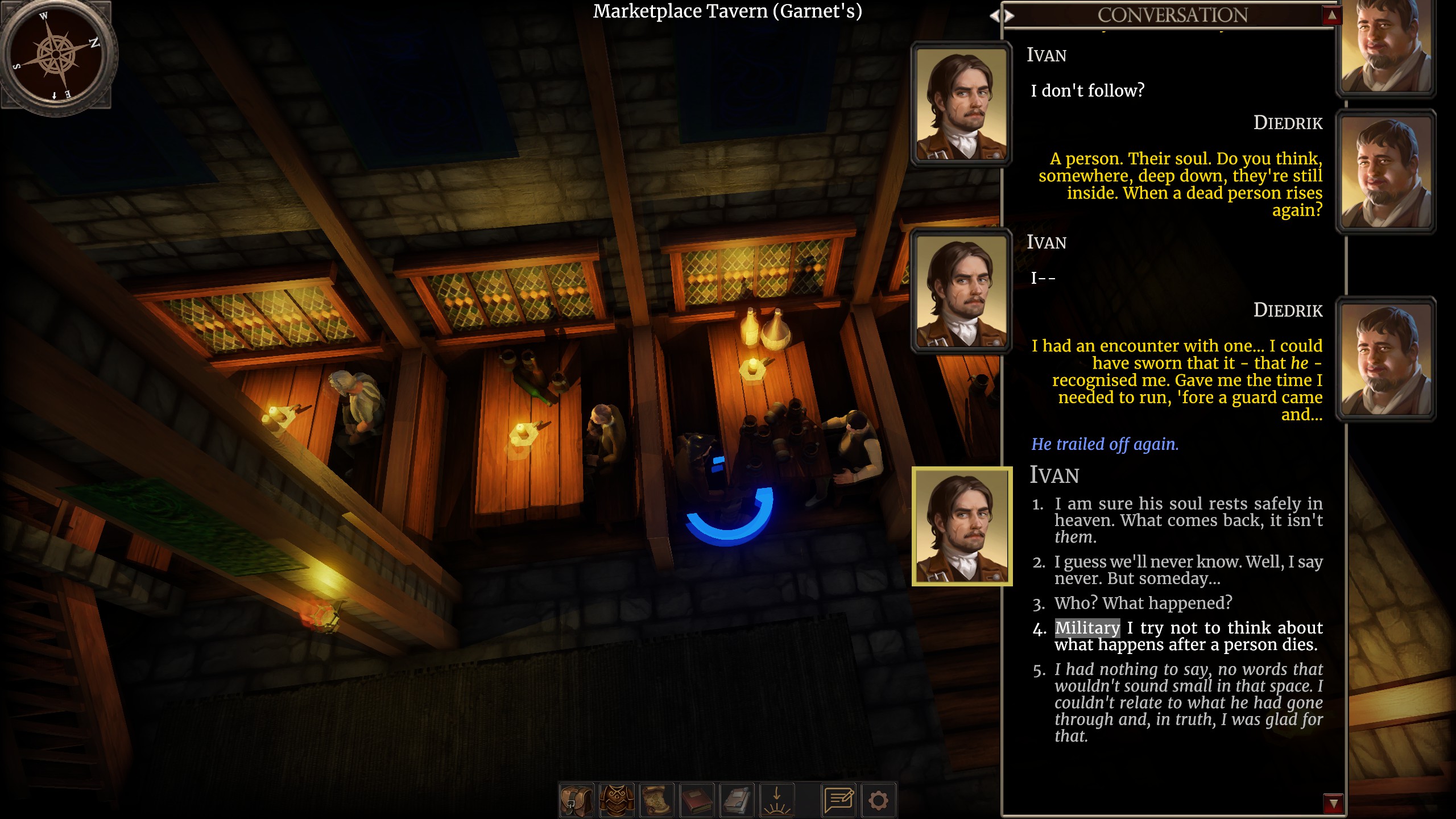
There are definitely some issues with the camera and clicking to walk through areas. Some of the hints the game gives you are super vague, sometimes referring to future events or abilities you don’t even know about yet. Navigating the city can be a pain too, and not every point of interest on the map actually shows up.
But, to its credit, this game has a ton of fast travel points, and the main storyline is genuinely interesting. The world-building is solid, the characters are well-defined and feel unique and alive, and the central mystery is interesting. Crucially, the opportunities to be evil are frequent and creative.
Then there’s inventory management, which is clunky. Selling items feels unclear, and the economic system is pretty confusing – is 50 gold a lot or not? The game also doesn’t properly explain its leveling system; are the stats I got at character creation permanent, or will I eventually level up and improve them? It leaves you guessing.
For its base price of €24, this game offers significant value, making it easy to recommend. It caters to a very specific niche: if the idea of a narrative-driven CRPG focused on the intricate and morally ambiguous path of a necromancer appeals to you, this game is an excellent choice. If you care about the writing in your games, then The Necromancer’s Tale is amazing in that regard.
💬 What did you think of this game? Leave your thoughts below!
| Pros | Cons |
|---|---|
| Highly engaging story. | There’s not much progression. |
| Lots of choices and consequences. | Average turn-based combat. |
| Rich interactive elements and systems. | Unclear instructions. |
| Unique character creation tool. | Camera issues. |
Review copy provided by the publisher
Duskfade is worth considering for players who miss colourful PS2-style action-platformers and can tolerate basic combat, floaty movement and backtracking.
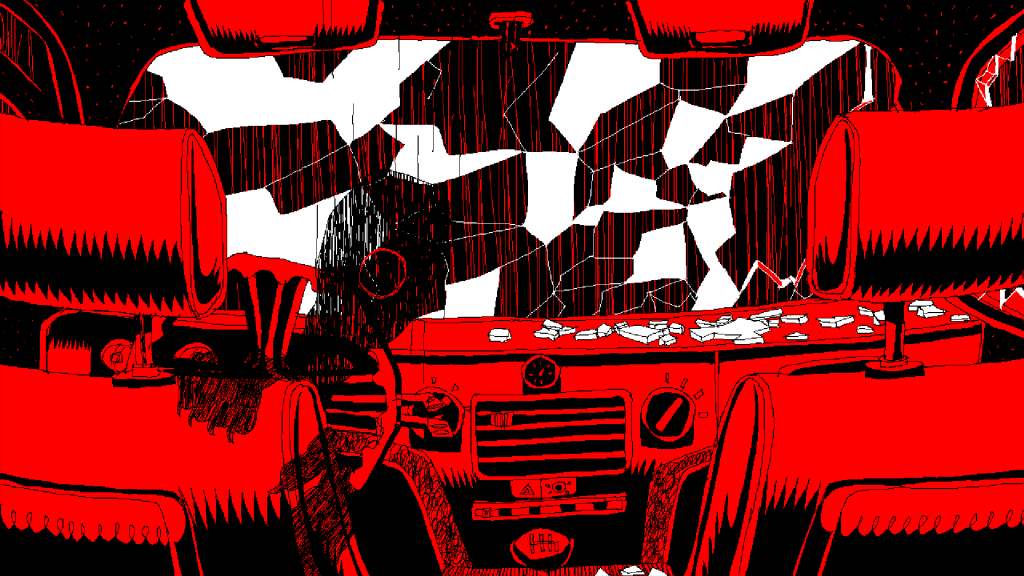
Man I Just Wanna Go Home is a noir crime story with visuals from MS Paint and life-or-death choices.
![[GAMESCOM 2026] Vikings Dynasty Preview – Expands the Dynasty Formula](https://www.indie-games.eu/wp-content/uploads/2026/09/Viking-Dynasty-09-21-26-2-1024x576.jpg)
After showing me Prospera at Gamescom 2026, Toplitz Productions' Mathias Oertel moved to a very different kind of settlement builder.…
![[GAMESCOM 2026] Prospera Preview – Production, Prosperity and Victorian Industry](https://www.indie-games.eu/wp-content/uploads/2026/09/Prospera-09-21-26-5-1024x576.jpg)
At Gamescom 2026, I met with Toplitz Productions' Mathias Oertel for a guided presentation of two upcoming games. One of…
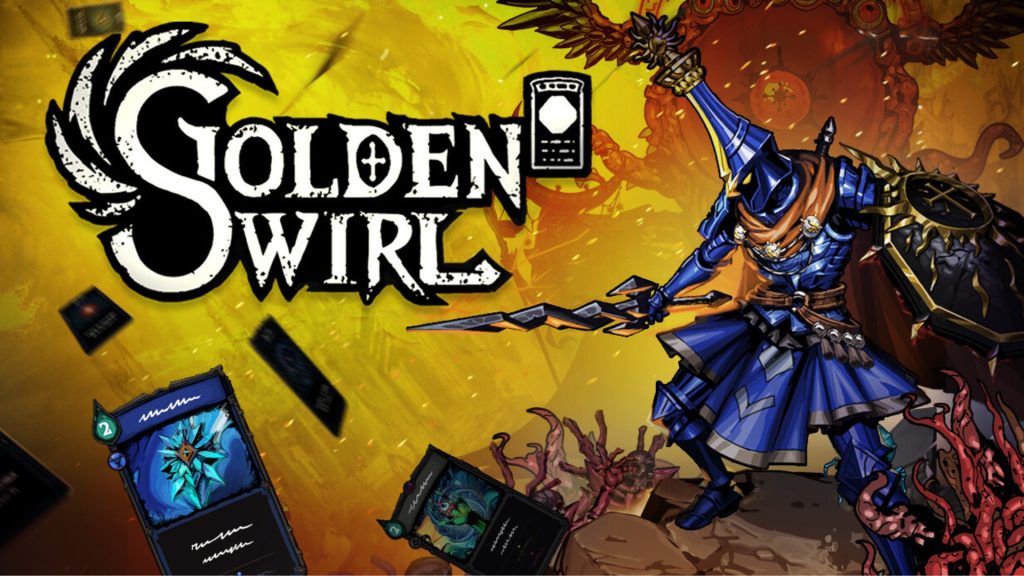
Golden Swirl inventive card combat carries the experience, but repetitive rooms, weak upgrades and excessive dialogue hold it back.
![[GAMESCOM 2026] Wilderdark Preview – Ambitious Dinosaur Horror Game That Still Has Plenty to Prove](https://www.indie-games.eu/wp-content/uploads/2026/09/Wilderdark-1024x576.jpg)
Dinosaur survival horror game Wilderdark has one of those premises that immediately makes you wonder why more games have not…
![[PREVIEW] Tiny Metal 2 – Strategy Game That Wants You to Learn From Every Mistake](https://www.indie-games.eu/wp-content/uploads/2026/09/Tiny-Metal-2-1024x576.jpg)
I rarely enjoy discovering that my opening strategy was completely wrong, but Tiny Metal 2 made that process one of…
![[PREVIEW] Remothered: Red Nun’s Legacy – Ambitious Survival Horror That Needs More Polish](https://www.indie-games.eu/wp-content/uploads/2026/09/Remothered-Red-Nuns-Legacy-4-1024x576.jpg)
Remothered: Red Nun’s Legacy has a gripping atmosphere and promising survival tools, but its repetitive hiding and rough visuals need…
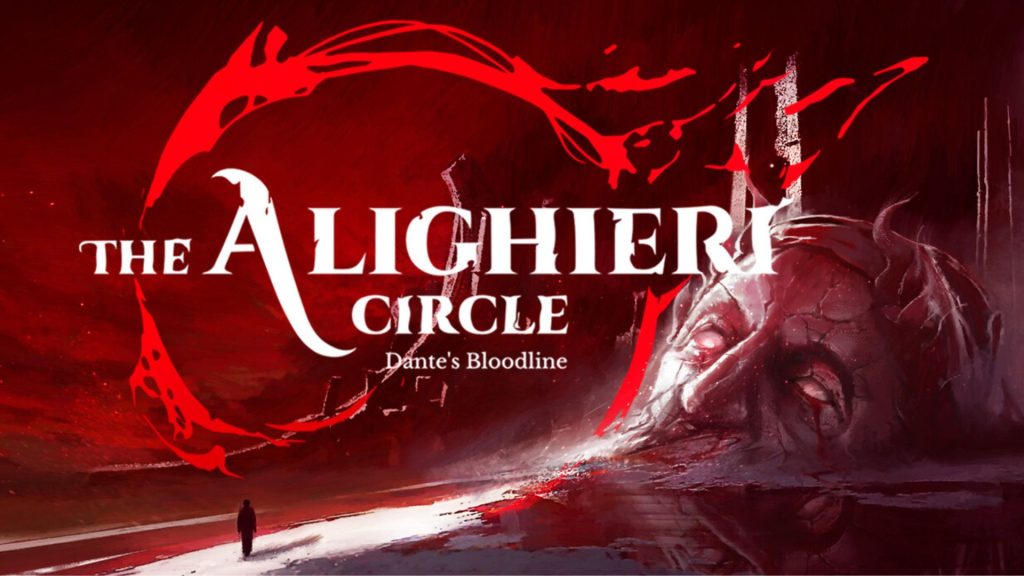
The Alighieri Circle: Dante’s Bloodline is difficult to recommend beyond players who are especially interested in Dante or enjoy solving…
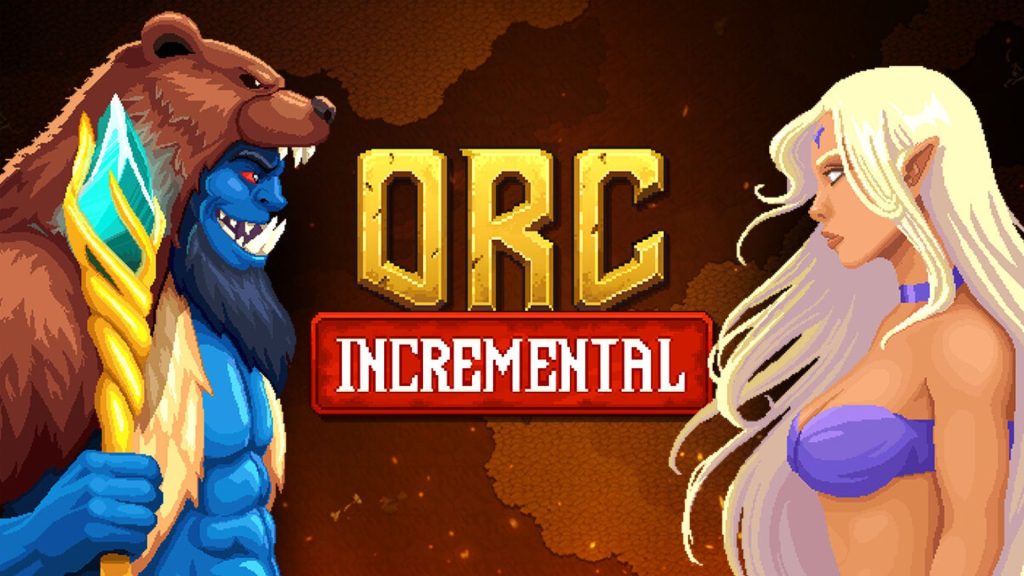
Orc Incremental offers satisfying progression, entertaining totem combinations and enough content to justify its affordable price.
![[GAMESCOM 2026] Chronoscript: The Endless End Preview – Beautiful Pages Hide Deliberate Combat](https://www.indie-games.eu/wp-content/uploads/2026/09/Chronoscript-The-Endless-End-1-1024x576.jpg)
Chronoscript: The Endless End stands out from other Metroidvanias by blending 2D manuscript worlds with exploration inside a 3D manor.
![[GAMESCOM 2026] MegaGum Preview – Combat Hits Hard in This Sticky Platforming Adventure](https://www.indie-games.eu/wp-content/uploads/2026/09/MegaGum-09-09-26-5-1024x576.jpg)
MegaGum combines hard-hitting combat, varied weapons and Gum-powered platforming in a promising Gamescom 2026 demo.
![[GAMESCOM 2026] Delphinium Preview – Cozy Routine Mixed With Enjoyable Minigames](https://www.indie-games.eu/wp-content/uploads/2026/03/Delphinium--1024x665.jpg)
Delphinium mixes cozy farming, exploration and relationships with enjoyable fishing, cooking and forging minigames in its Gamescom 2026 demo.
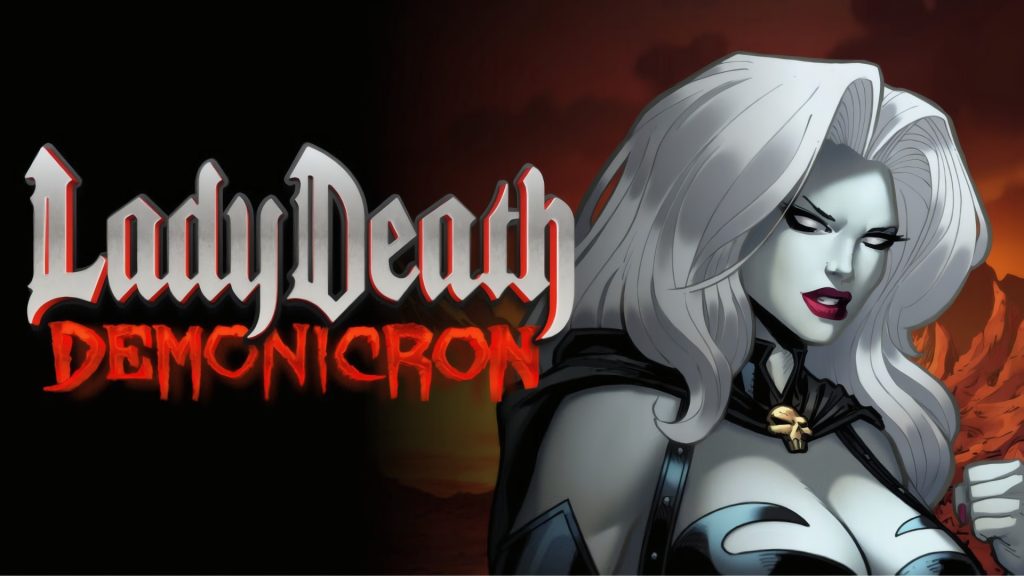
Lady Death: Demonicron looks the part, but underneath its excellent comic-book exterior is a clunky and painfully short brawler.
![[GAMESCOM 2026] Tomb Raider: Legacy of Atlantis Preview – Expands the Original Without Losing Its Identity](https://www.indie-games.eu/wp-content/uploads/2026/09/tomb-raider-legacy-of-atlantis-06-02-26-1-1024x576.jpg)
Tomb Raider: Legacy of Atlantis brings Lara back to her roots, but its Gamescom 2026 showing proved this is far…
![[GAMESCOM 2026] Clive Barker’s Hellraiser: Revival Preview – Ready to Open the Box](https://www.indie-games.eu/wp-content/uploads/2026/09/Clive-Barkers-Hellraiser-Revival-08-30-26-1-1024x576.jpg)
Hellraiser: Revival preserves the franchise’s sex, gore and psychological horror while delivering approachable survival-horror gameplay.

Swan Song creates a peaceful and forgiving puzzle space without removing the challenge that makes solving a difficult puzzle rewarding.
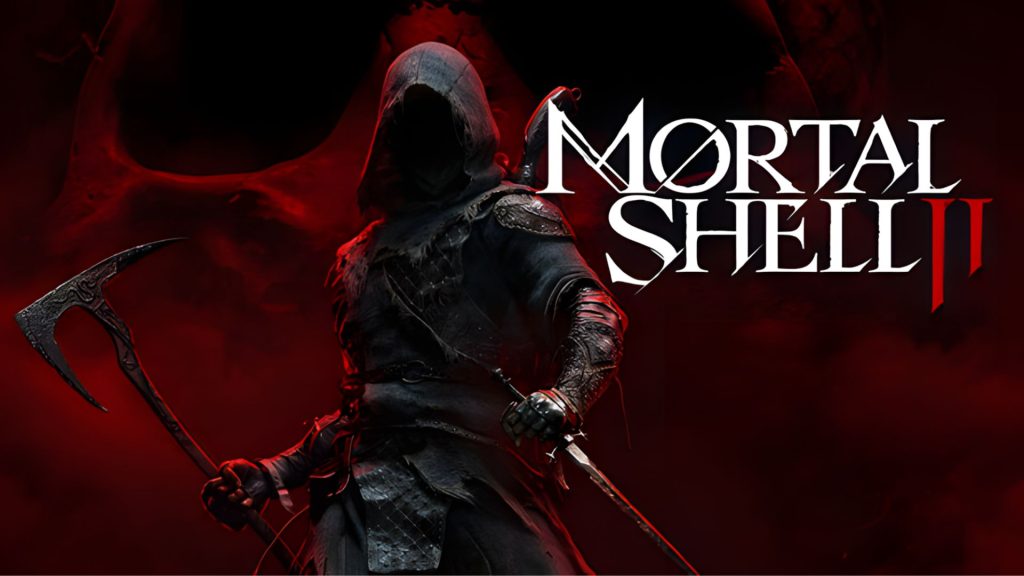
Mortal Shell II starts brilliantly but grows repetitive and exhausting, while remaining a rewarding and ambitious Soulslike sequel.
![[GAMESCOM 2026] Terranigma Preview – A Lost SNES Classic Returns in 2027](https://www.indie-games.eu/wp-content/uploads/2026/08/Terranigma-1-1024x576.jpg)
After more than three decades of limited availability, Terranigma is returning in 2027. We played its enhanced re-release at Gamescom…
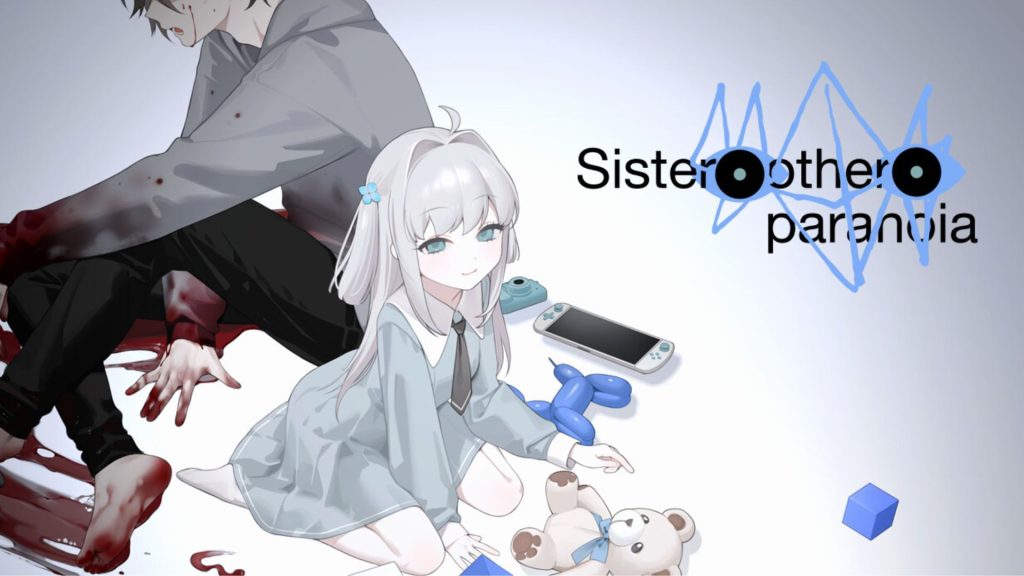
Reading another person’s mind is often presented as a desirable superpower, but Sister Other Paranoia immediately understands why it could…
