Golden Swirl – Brilliant Deckbuilding Buried Under Endless Dialogue
Golden Swirl inventive card combat carries the experience, but repetitive rooms, weak upgrades and excessive dialogue hold it back.

![[PREVIEW] LumenTale: Memories of Trey – Monster-collector ready to change the genre](https://www.indie-games.eu/wp-content/uploads/2025/08/Lumentale-naslovna.jpg)
If you enjoy independent indie game coverage, consider supporting Indie-Games.eu on Patreon. It helps keep the site independent.
LumenTale: Memories of Trey sets itself apart in the monster-collecting genre by focusing on emotional depth and a strong narrative. While it’s hard to compete with giants like Pokémon and Palworld, LumenTale feels like the evolution the genre needed. It breaks away from repetitive gameplay by blending different types of interactions, offering more engaging experience.
You play as Trey, who wakes up with no memory and embarks on a journey to recover his past. This quest leads him to uncover a greater enigma about the world of Talea, which is deeply affected by historical conflict and a division between factions (North and South) holding opposing ideals (progress vs. tradition). The demo does a great way showing how big the story is, although some early-game pacing can be slow due to not so important dialogues.
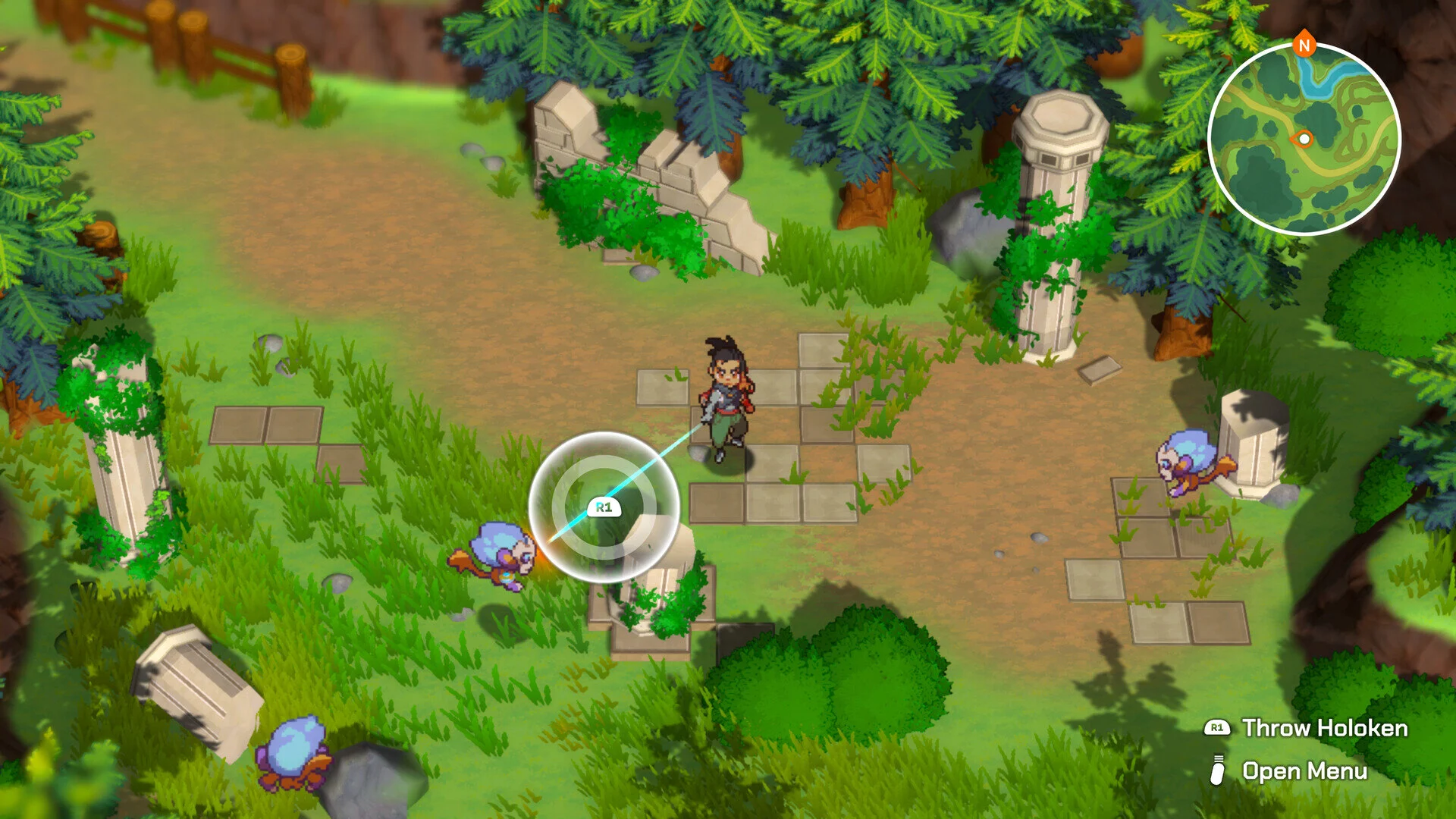
Instead of immediate combat, you can attempt to catch Animons directly in the overworld using a device called the Holoken. This involves a mini-game that requires precise button presses or quick reflexes to increase your success rate. However, the catch rate can be frustratingly low, even with “perfect” presses, something the developers will hopefully fix. If successful, you bypass combat and recruit the Animon directly to your party. The Holoken is also used to solve puzzles in the game world by channeling elemental power.
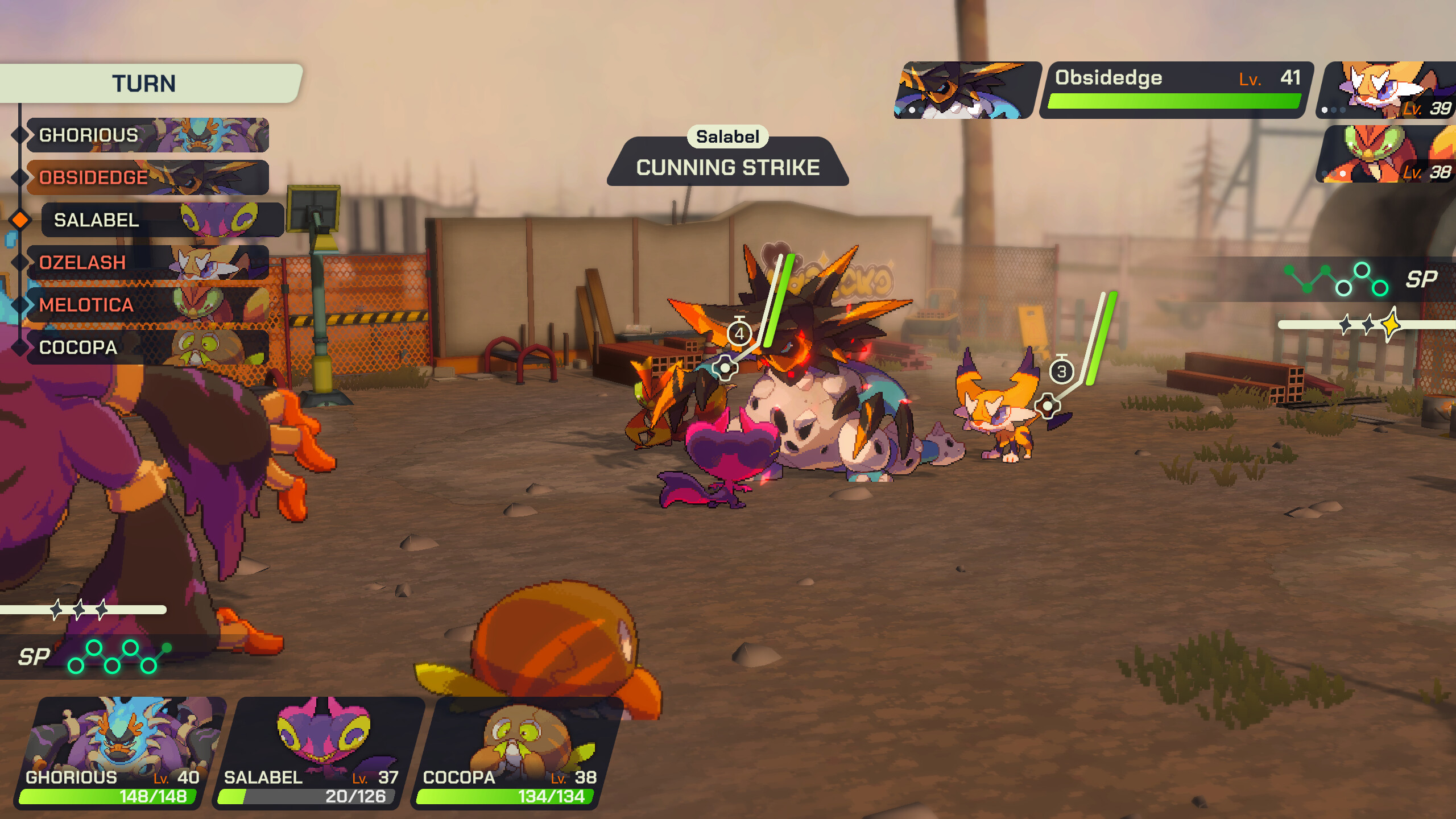
For those who prefer direct confrontation or when overworld attempts fail, Animons can be engaged in turn-based battles. These battles are designed to be strategic, featuring 1v1 duels up to complex 4v4 showdowns, a significant step up from the common 3v3 or 2v2 limits in similar titles. Each Animon possesses unique abilities, skills, strengths, and weaknesses tied to one of 13 elemental types.
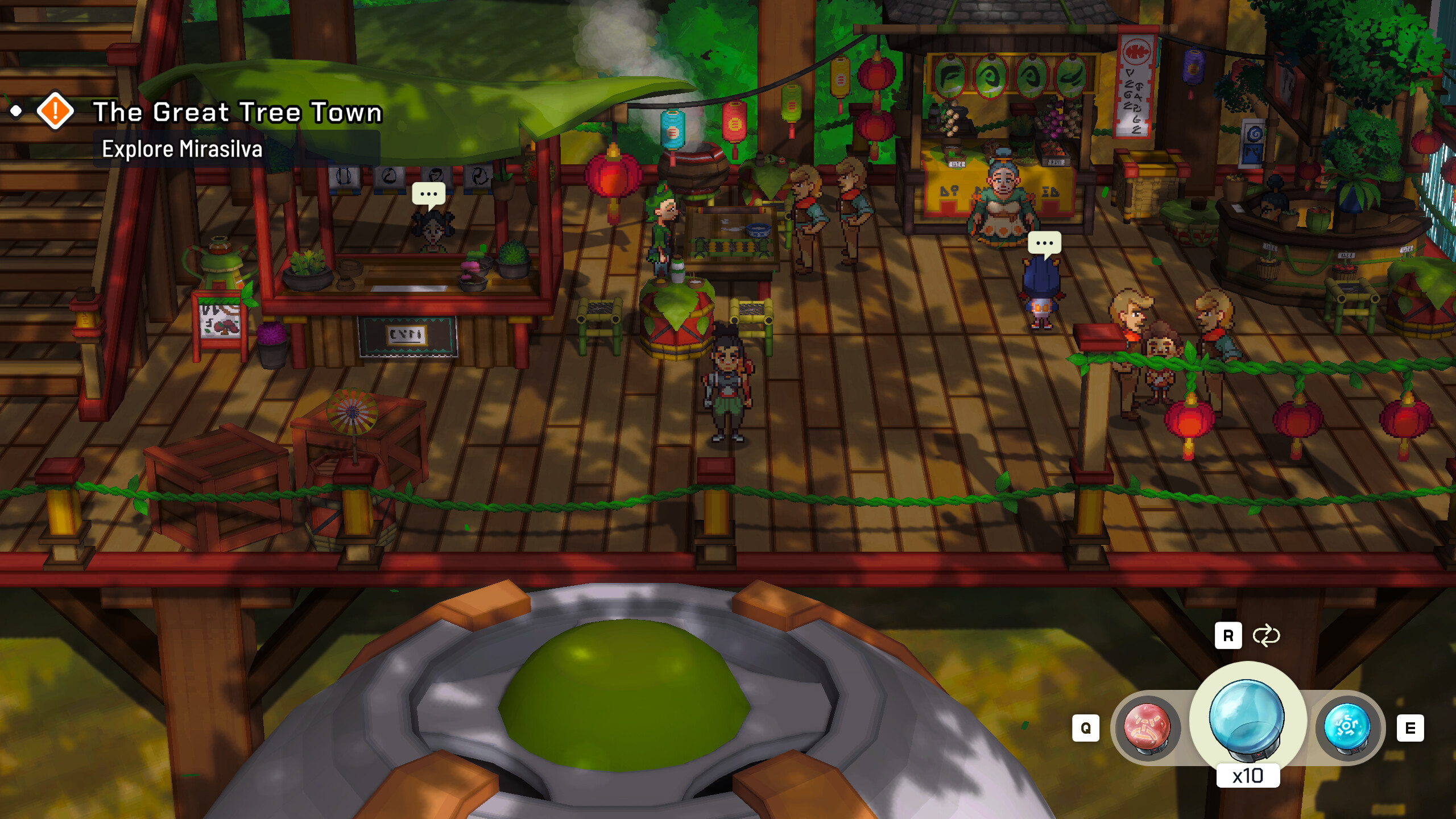
The battle system emphasizes choosing the right order of actions and synergizing your team’s abilities. An “Action Speed Points” system determines turn order, where faster Animons move quicker, but actions consume these points. The game also encourages exploration across the vast land of Talea, a world with a distinct 2D-3D blended art style that is rich in color and detail.
You’ll discover secret treasures and dungeons to challenge. The narrative is intertwined with this exploration, as the protagonist Trey slowly regains his lost memories by uncovering fragments of his past throughout the world. A very surpising feature is that LumenTale incorporates crafting and cooking mechanics, allowing you to create useful items and delicious food. However, the demo’s crafting system really lacks clarity, forcing you to guess combinations.
Captured Animons are sent to the “Anispace”, a mysterious detached realm where they reside when not in your active battle party. This space serves as a training ground for your Animons and can be customized, fostering stronger bonds between Trey and his creatures. Additionally, LumenTale features multiple ways to trade Animons, including a dedicated “Animon Trade Station” and direct trading with friends or the community.
Your Animons progress by leveling up through battles, which increases their power and offers more strategic options for your team. The demo allowed for very fast leveling, which made it easy to quickly rotate your team. Personally, I think LumenTale offers many interesting and well-thought-out ideas. While the concepts have a solid foundation, they just need a bit more refinement to become truly enjoyable.
Beyond just catching monsters, the game offers a lot of other interesting mini-games. I really like the direction it’s taking, and since it’s being published by Team17, we can likely expect something unique at launch.
Golden Swirl inventive card combat carries the experience, but repetitive rooms, weak upgrades and excessive dialogue hold it back.
![[GAMESCOM 2026] Wilderdark Preview – Ambitious Dinosaur Horror Game That Still Has Plenty to Prove](https://www.indie-games.eu/wp-content/uploads/2026/09/Wilderdark-1024x576.jpg)
Dinosaur survival horror game Wilderdark has one of those premises that immediately makes you wonder why more games have not…
![[PREVIEW] Tiny Metal 2 – Strategy Game That Wants You to Learn From Every Mistake](https://www.indie-games.eu/wp-content/uploads/2026/09/Tiny-Metal-2-1024x576.jpg)
I rarely enjoy discovering that my opening strategy was completely wrong, but Tiny Metal 2 made that process one of…
![[PREVIEW] Remothered: Red Nun’s Legacy – Ambitious Survival Horror That Needs More Polish](https://www.indie-games.eu/wp-content/uploads/2026/09/Remothered-Red-Nuns-Legacy-4-1024x576.jpg)
Remothered: Red Nun’s Legacy has a gripping atmosphere and promising survival tools, but its repetitive hiding and rough visuals need…
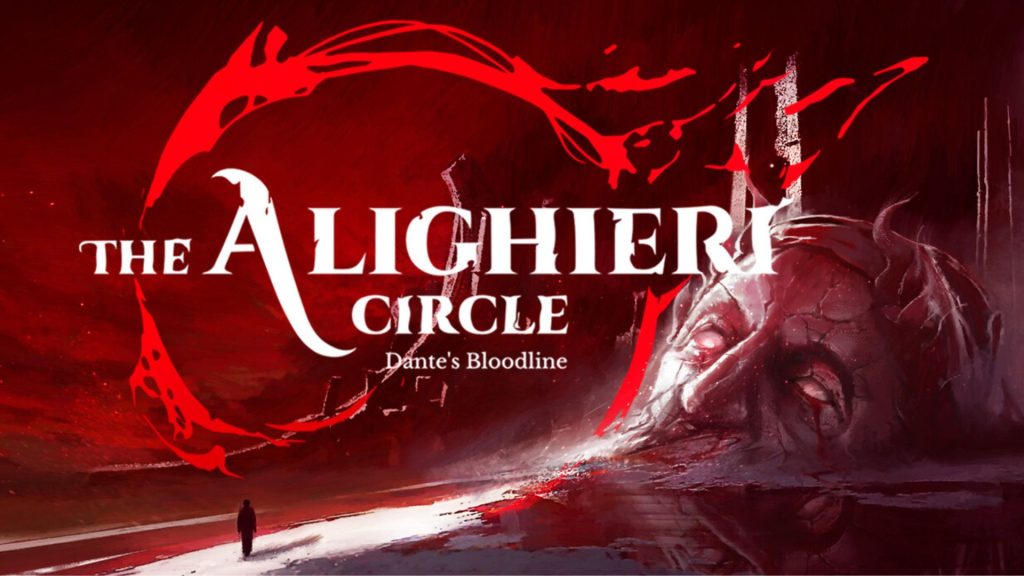
The Alighieri Circle: Dante’s Bloodline is difficult to recommend beyond players who are especially interested in Dante or enjoy solving…
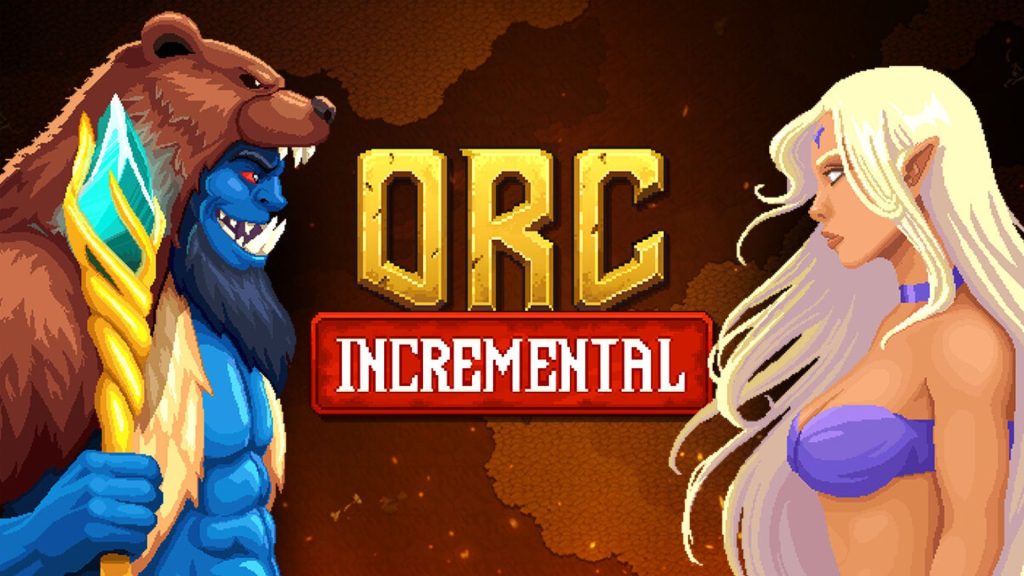
Orc Incremental offers satisfying progression, entertaining totem combinations and enough content to justify its affordable price.
![[GAMESCOM 2026] Chronoscript: The Endless End Preview – Beautiful Pages Hide Deliberate Combat](https://www.indie-games.eu/wp-content/uploads/2026/09/Chronoscript-The-Endless-End-1-1024x576.jpg)
Chronoscript: The Endless End stands out from other Metroidvanias by blending 2D manuscript worlds with exploration inside a 3D manor.
![[GAMESCOM 2026] MegaGum Preview – Combat Hits Hard in This Sticky Platforming Adventure](https://www.indie-games.eu/wp-content/uploads/2026/09/MegaGum-09-09-26-5-1024x576.jpg)
MegaGum combines hard-hitting combat, varied weapons and Gum-powered platforming in a promising Gamescom 2026 demo.
![[GAMESCOM 2026] Delphinium Preview – Cozy Routine Mixed With Enjoyable Minigames](https://www.indie-games.eu/wp-content/uploads/2026/03/Delphinium--1024x665.jpg)
Delphinium mixes cozy farming, exploration and relationships with enjoyable fishing, cooking and forging minigames in its Gamescom 2026 demo.
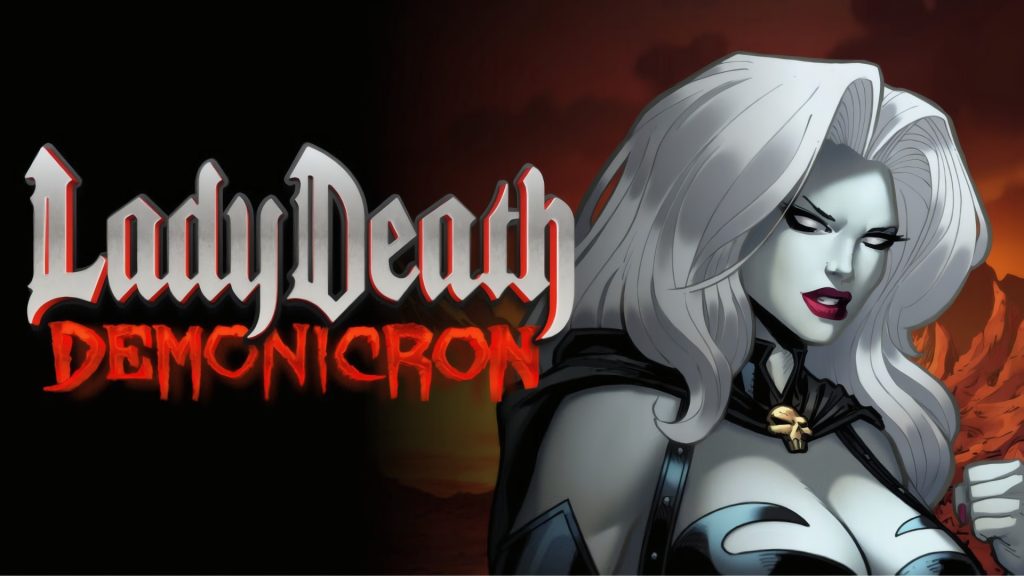
Lady Death: Demonicron looks the part, but underneath its excellent comic-book exterior is a clunky and painfully short brawler.
![[GAMESCOM 2026] Tomb Raider: Legacy of Atlantis Preview – Expands the Original Without Losing Its Identity](https://www.indie-games.eu/wp-content/uploads/2026/09/tomb-raider-legacy-of-atlantis-06-02-26-1-1024x576.jpg)
Tomb Raider: Legacy of Atlantis brings Lara back to her roots, but its Gamescom 2026 showing proved this is far…
![[GAMESCOM 2026] Clive Barker’s Hellraiser: Revival Preview – Ready to Open the Box](https://www.indie-games.eu/wp-content/uploads/2026/09/Clive-Barkers-Hellraiser-Revival-08-30-26-1-1024x576.jpg)
Hellraiser: Revival preserves the franchise’s sex, gore and psychological horror while delivering approachable survival-horror gameplay.

Swan Song creates a peaceful and forgiving puzzle space without removing the challenge that makes solving a difficult puzzle rewarding.
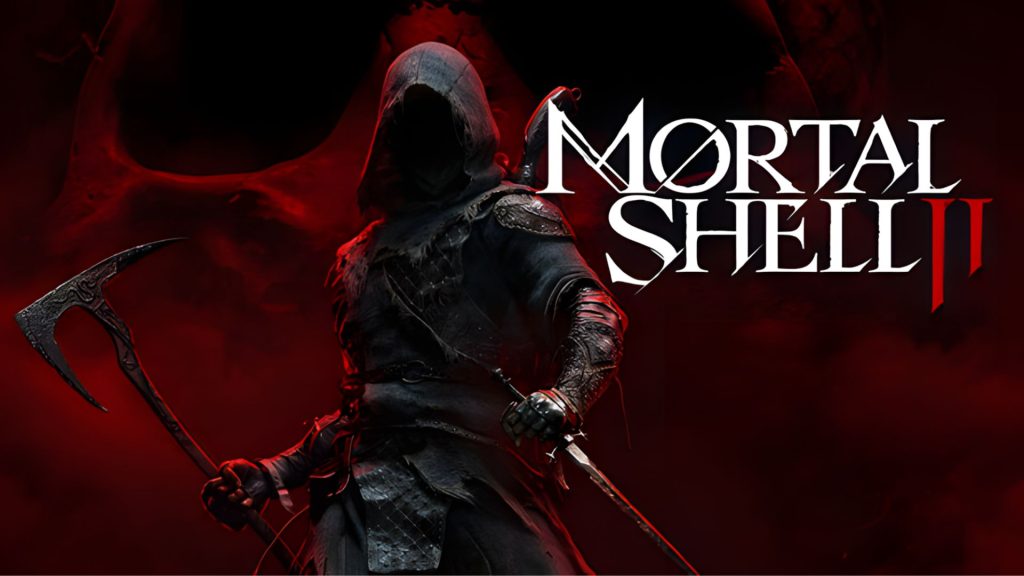
Mortal Shell II starts brilliantly but grows repetitive and exhausting, while remaining a rewarding and ambitious Soulslike sequel.
![[GAMESCOM 2026] Terranigma Preview – A Lost SNES Classic Returns in 2027](https://www.indie-games.eu/wp-content/uploads/2026/08/Terranigma-1-1024x576.jpg)
After more than three decades of limited availability, Terranigma is returning in 2027. We played its enhanced re-release at Gamescom…

Reading another person’s mind is often presented as a desirable superpower, but Sister Other Paranoia immediately understands why it could…
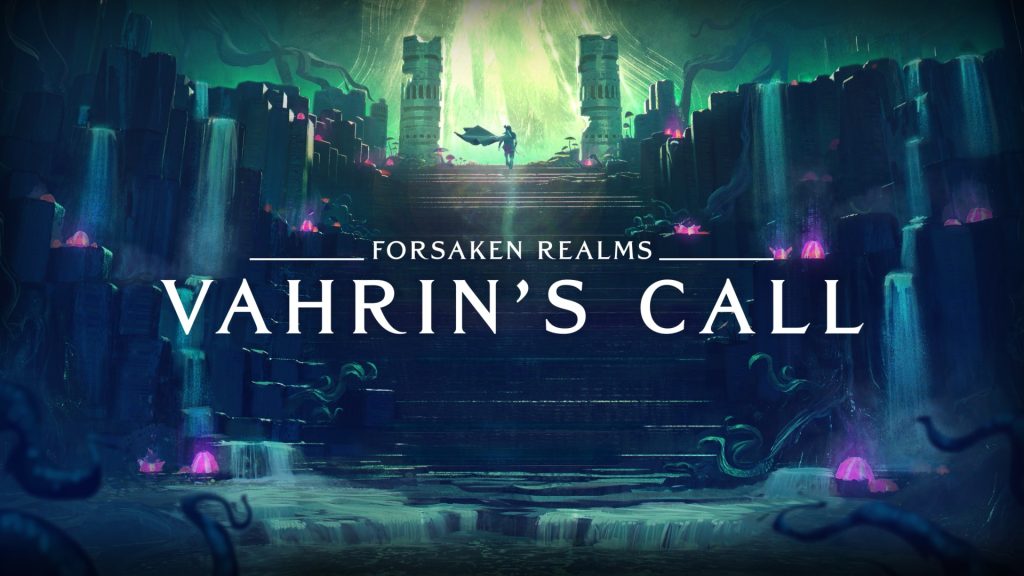
Forsaken Realms: Vahrin’s Call is exactly the kind of ambitious, slightly clumsy fantasy RPG that used to be far more…
![[Early Access] 2nd EVE – Sci-Fi Action RPG That Lacks a Sense of Stakes](https://www.indie-games.eu/wp-content/uploads/2026/08/2ND-EVE-1024x576.jpg)
2nd Eve is a space-set action RPG in which we strive to save humanity.
![[PREVIEW] Dreamcards – Strategic Exploration of Consciousness](https://www.indie-games.eu/wp-content/uploads/2026/08/Dreamcards_20260810_233631_0000-1024x576.jpg)
Dreamcards is a roguelike deckbuilder centered around dreams and nightmares.
![[Early Access] OFFBEAT – Incredibly Fun Way to Start a Music Career](https://www.indie-games.eu/wp-content/uploads/2026/08/Offbeat_20260808_201446_0000-1024x576.jpg)
In OFFBEAT, we play the role of a jobbing composer who is launching their music career.
