
Duskfade – The PS2 Era Returns With All Its Strengths and Weaknesses
Duskfade is worth considering for players who miss colourful PS2-style action-platformers and can tolerate basic combat, floaty movement and backtracking.


If you enjoy independent indie game coverage, consider supporting Indie-Games.eu on Patreon. It helps keep the site independent.
Valve is making a return to the living room with the all-new Steam Machine, a compact gaming PC designed specifically for big-screen gaming. Following the widespread success of the Steam Deck, this new cube-shaped device (measuring roughly 156mm wide by 162.4mm deep) aims to provide a dedicated, console-like experience with the power of a modern PC. But, is the new Steam Machine worth the investment, and who is it truly for?
The new Steam Machine is a significant technical upgrade over its portable sibling, the Steam Deck. Valve has packed serious processing power into the small chassis:
This hardware is designed to deliver 4K gaming at 60 FPS, with FSR and ray tracing supported. If these performance targets hold true, the Steam Machine could immediately position itself as a powerhouse living room console.
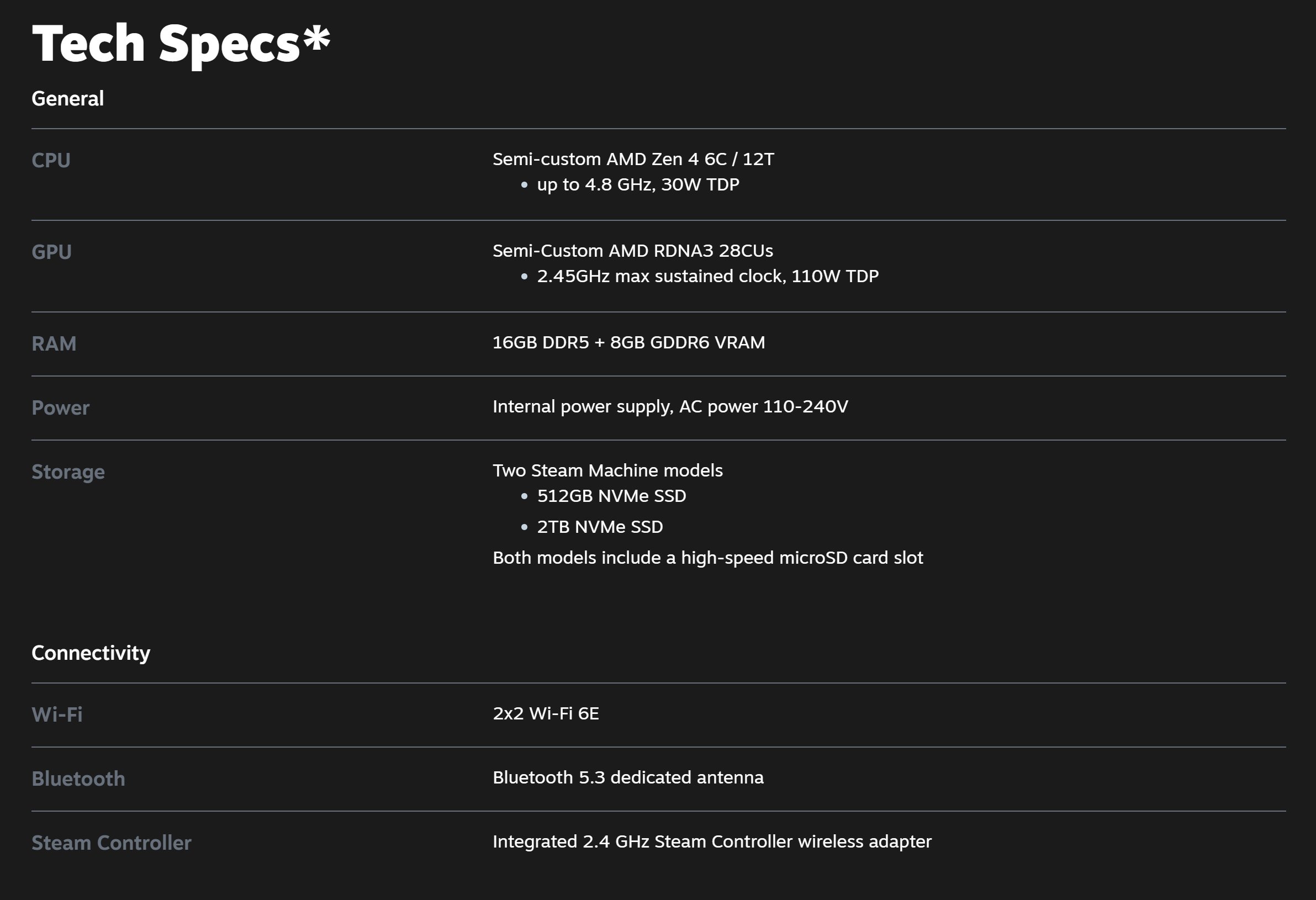
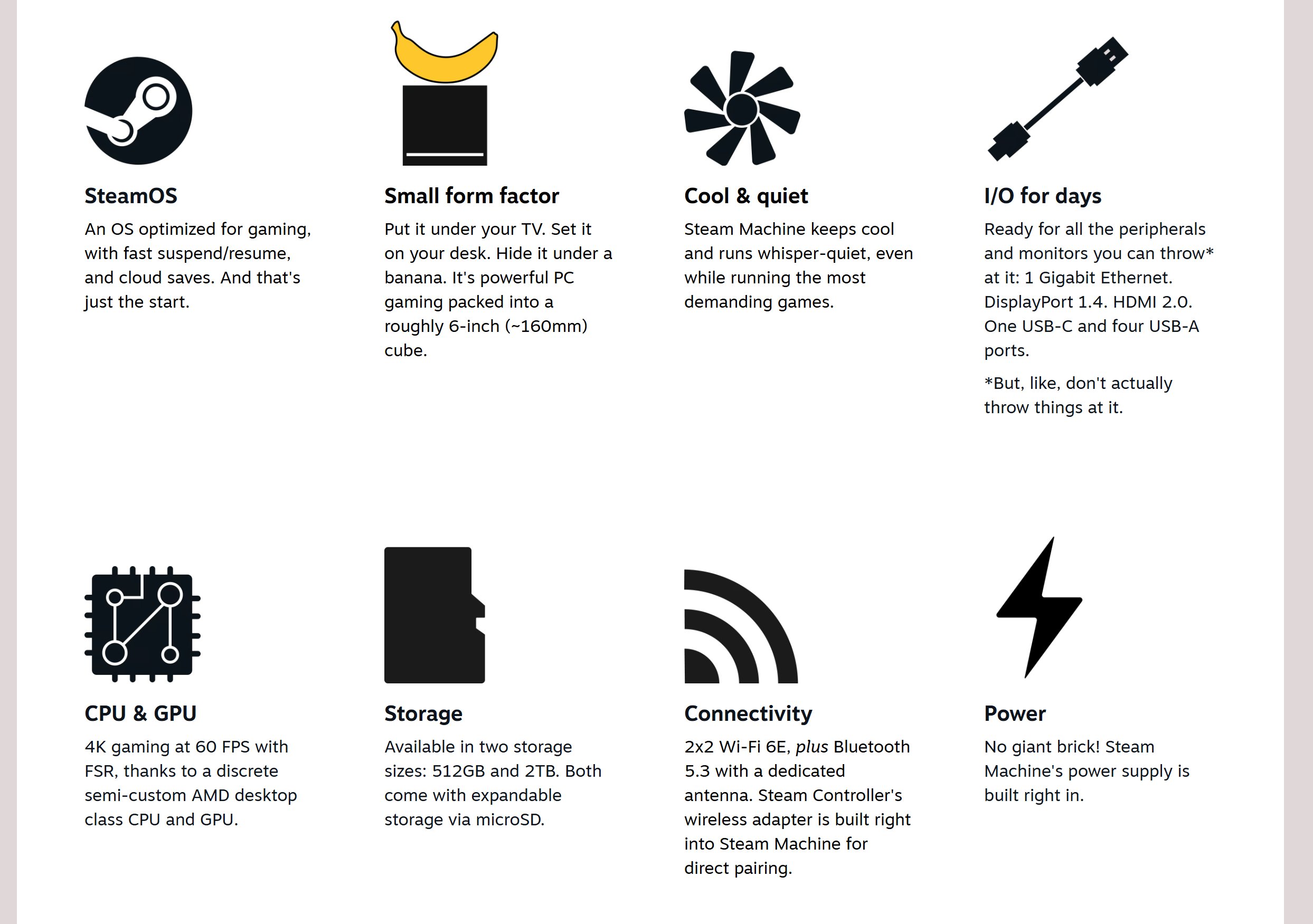
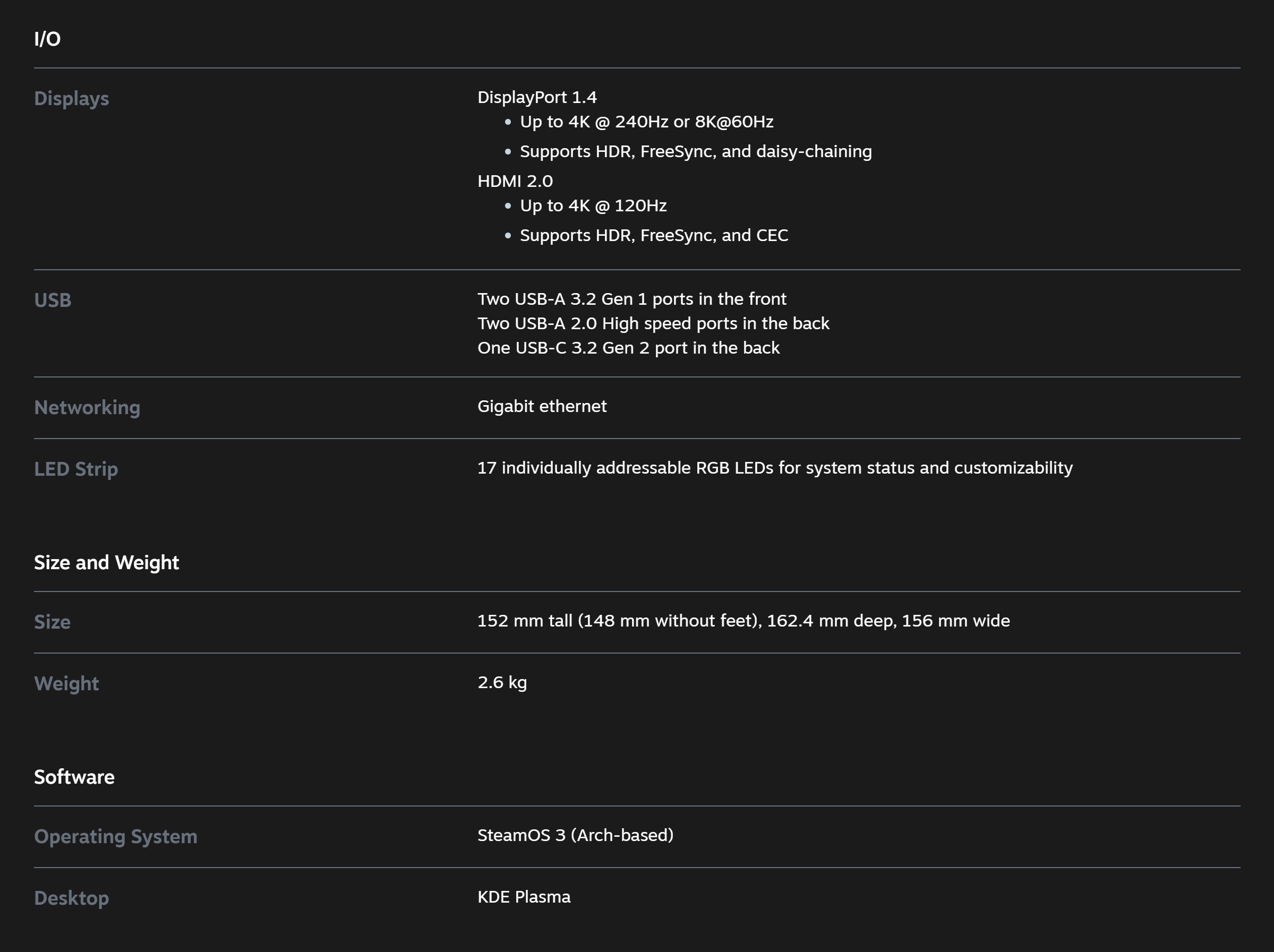
The appeal of the Steam Machine boils down to its unique position as a console-like PC dedicated to the couch experience. Primary audience for the Steam Machine is likely the satisfied Steam Deck owners. The new machine runs SteamOS 3 (Arch-based), offering the exact same familiar, gaming-first user experience.
Any game that is Steam Deck Verified will automatically be verified on the Steam Machine. For those who love the seamless interface and instant resume capabilities of the Deck but want to play their library on their main TV at 4K resolution with maximum settings, this is the ideal upgrade.
This machine is also perfect for the PC gamer who wants a dedicated, small-form-factor box next to their television without the hassle of building a Mini-ITX rig, tweaking Windows drivers, or dealing with the complexities of a desktop OS for the couch.
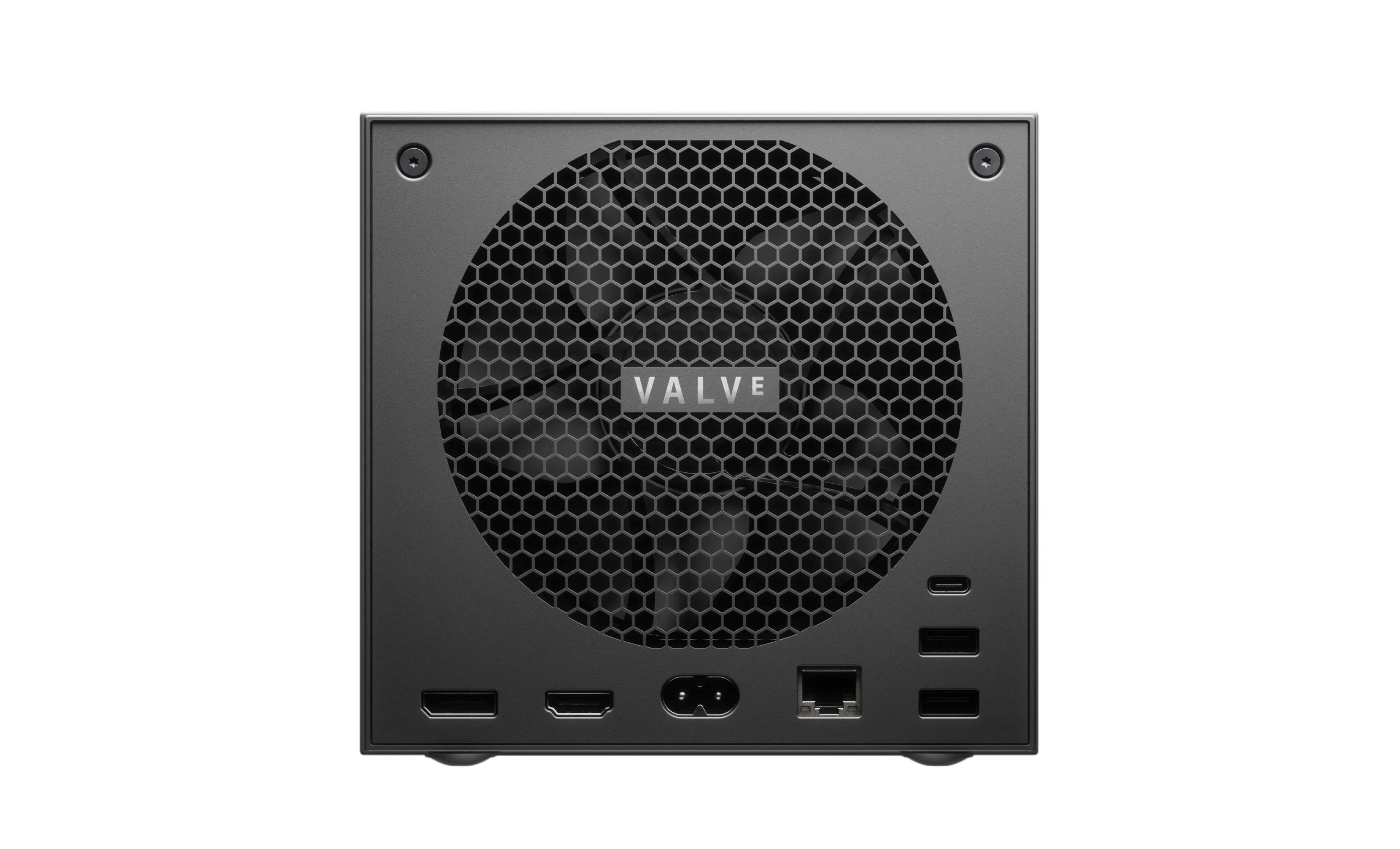
The Steam Machine simplifies the entire process down to plugging in and playing. The extensive I/O options, including Gigabit Ethernet, multiple USB-A 3.2 Gen 1 and 2.0 ports, as well as a USB-C 3.2 Gen 2 port, provide all the necessary connectivity for external drives, mice, and other accessories.
For console gamers who have been curious about accessing the vast and affordable library on Steam but intimidated by the traditional complexity of PC gaming, the Steam Machine offers a decent entry point. Its SteamOS interface and integrated Steam Controller wireless adapter make the jump less daunting than moving to a traditional gaming PC.
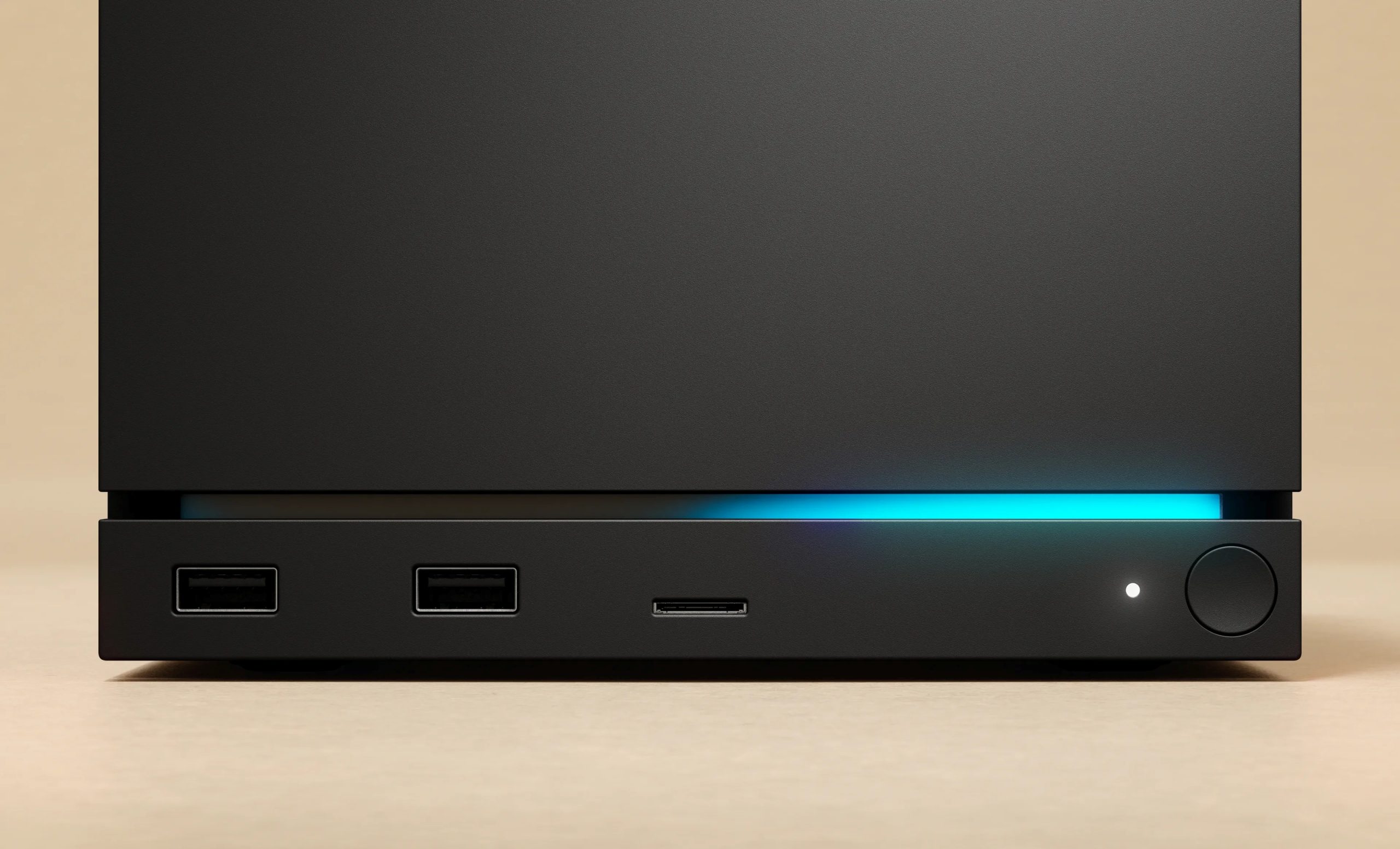

Despite the impressive specs, the Steam Machine is not without its question marks. The ultimate verdict will rest on the price, which is still undisclosed. If the Steam Machine is priced significantly higher than the consoles from Sony and Microsoft (whose next-gen offerings are also near), its value proposition shrinks. It directly competes with the efficiency and streamlined nature of a PlayStation 5 or Xbox Series X, which already offer decent experiences.
While SteamOS and the Proton compatibility layer have made huge strides, it is still based on Linux. Some niche games, specific anti-cheat mechanisms, and non-gaming applications may still require extra tinkering or may not work at all, contrasting with the near-universal compatibility of a Windows-based small form factor PC.
The new Steam Machine is likely the best example of what Valve wants for playing PC games on a big TV. It is a strong, small, and simple machine for playing a huge number of games without losing speed or quality. It successfully connects the ease of a console with the power of a PC. This makes it an important piece of hardware to watch closely in early 2026.
Duskfade is worth considering for players who miss colourful PS2-style action-platformers and can tolerate basic combat, floaty movement and backtracking.

Man I Just Wanna Go Home is a noir crime story with visuals from MS Paint and life-or-death choices.
![[GAMESCOM 2026] Vikings Dynasty Preview – Expands the Dynasty Formula](https://www.indie-games.eu/wp-content/uploads/2026/09/Viking-Dynasty-09-21-26-2-1024x576.jpg)
After showing me Prospera at Gamescom 2026, Toplitz Productions' Mathias Oertel moved to a very different kind of settlement builder.…
![[GAMESCOM 2026] Prospera Preview – Production, Prosperity and Victorian Industry](https://www.indie-games.eu/wp-content/uploads/2026/09/Prospera-09-21-26-5-1024x576.jpg)
At Gamescom 2026, I met with Toplitz Productions' Mathias Oertel for a guided presentation of two upcoming games. One of…
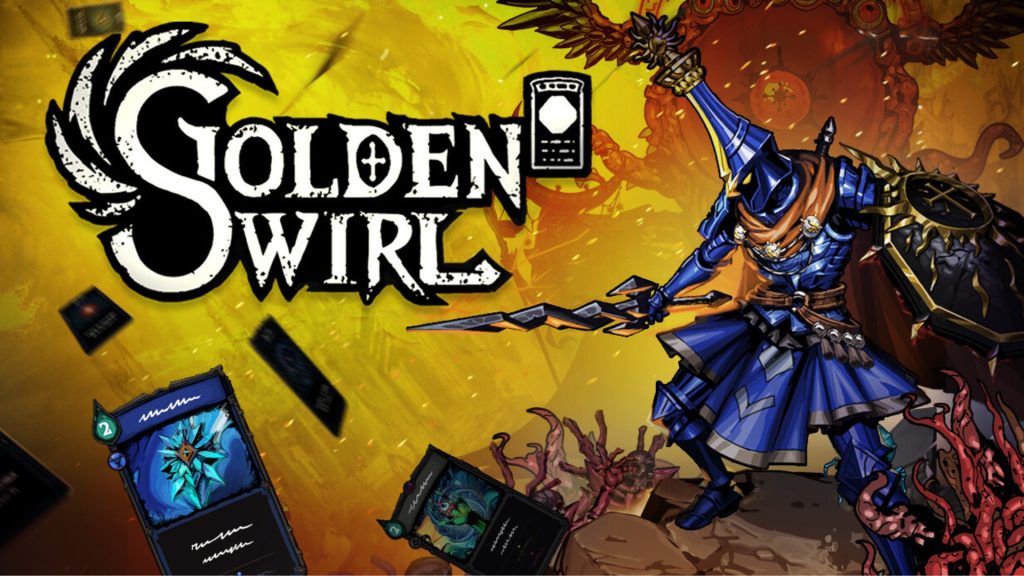
Golden Swirl inventive card combat carries the experience, but repetitive rooms, weak upgrades and excessive dialogue hold it back.
![[GAMESCOM 2026] Wilderdark Preview – Ambitious Dinosaur Horror Game That Still Has Plenty to Prove](https://www.indie-games.eu/wp-content/uploads/2026/09/Wilderdark-1024x576.jpg)
Dinosaur survival horror game Wilderdark has one of those premises that immediately makes you wonder why more games have not…
![[PREVIEW] Tiny Metal 2 – Strategy Game That Wants You to Learn From Every Mistake](https://www.indie-games.eu/wp-content/uploads/2026/09/Tiny-Metal-2-1024x576.jpg)
I rarely enjoy discovering that my opening strategy was completely wrong, but Tiny Metal 2 made that process one of…
![[PREVIEW] Remothered: Red Nun’s Legacy – Ambitious Survival Horror That Needs More Polish](https://www.indie-games.eu/wp-content/uploads/2026/09/Remothered-Red-Nuns-Legacy-4-1024x576.jpg)
Remothered: Red Nun’s Legacy has a gripping atmosphere and promising survival tools, but its repetitive hiding and rough visuals need…

The Alighieri Circle: Dante’s Bloodline is difficult to recommend beyond players who are especially interested in Dante or enjoy solving…

Orc Incremental offers satisfying progression, entertaining totem combinations and enough content to justify its affordable price.
![[GAMESCOM 2026] Chronoscript: The Endless End Preview – Beautiful Pages Hide Deliberate Combat](https://www.indie-games.eu/wp-content/uploads/2026/09/Chronoscript-The-Endless-End-1-1024x576.jpg)
Chronoscript: The Endless End stands out from other Metroidvanias by blending 2D manuscript worlds with exploration inside a 3D manor.
![[GAMESCOM 2026] MegaGum Preview – Combat Hits Hard in This Sticky Platforming Adventure](https://www.indie-games.eu/wp-content/uploads/2026/09/MegaGum-09-09-26-5-1024x576.jpg)
MegaGum combines hard-hitting combat, varied weapons and Gum-powered platforming in a promising Gamescom 2026 demo.
![[GAMESCOM 2026] Delphinium Preview – Cozy Routine Mixed With Enjoyable Minigames](https://www.indie-games.eu/wp-content/uploads/2026/03/Delphinium--1024x665.jpg)
Delphinium mixes cozy farming, exploration and relationships with enjoyable fishing, cooking and forging minigames in its Gamescom 2026 demo.

Lady Death: Demonicron looks the part, but underneath its excellent comic-book exterior is a clunky and painfully short brawler.
![[GAMESCOM 2026] Tomb Raider: Legacy of Atlantis Preview – Expands the Original Without Losing Its Identity](https://www.indie-games.eu/wp-content/uploads/2026/09/tomb-raider-legacy-of-atlantis-06-02-26-1-1024x576.jpg)
Tomb Raider: Legacy of Atlantis brings Lara back to her roots, but its Gamescom 2026 showing proved this is far…
![[GAMESCOM 2026] Clive Barker’s Hellraiser: Revival Preview – Ready to Open the Box](https://www.indie-games.eu/wp-content/uploads/2026/09/Clive-Barkers-Hellraiser-Revival-08-30-26-1-1024x576.jpg)
Hellraiser: Revival preserves the franchise’s sex, gore and psychological horror while delivering approachable survival-horror gameplay.

Swan Song creates a peaceful and forgiving puzzle space without removing the challenge that makes solving a difficult puzzle rewarding.

Mortal Shell II starts brilliantly but grows repetitive and exhausting, while remaining a rewarding and ambitious Soulslike sequel.
![[GAMESCOM 2026] Terranigma Preview – A Lost SNES Classic Returns in 2027](https://www.indie-games.eu/wp-content/uploads/2026/08/Terranigma-1-1024x576.jpg)
After more than three decades of limited availability, Terranigma is returning in 2027. We played its enhanced re-release at Gamescom…

Reading another person’s mind is often presented as a desirable superpower, but Sister Other Paranoia immediately understands why it could…
