
Don’t Nod Could Face More Layoffs as Studio Struggles With Its Finances
Don’t Nod is considering another restructuring, raising concerns that further job cuts could follow as the Life is Strange studio…

If you enjoy independent indie game coverage, consider supporting Indie-Games.eu on Patreon. It helps keep the site independent.
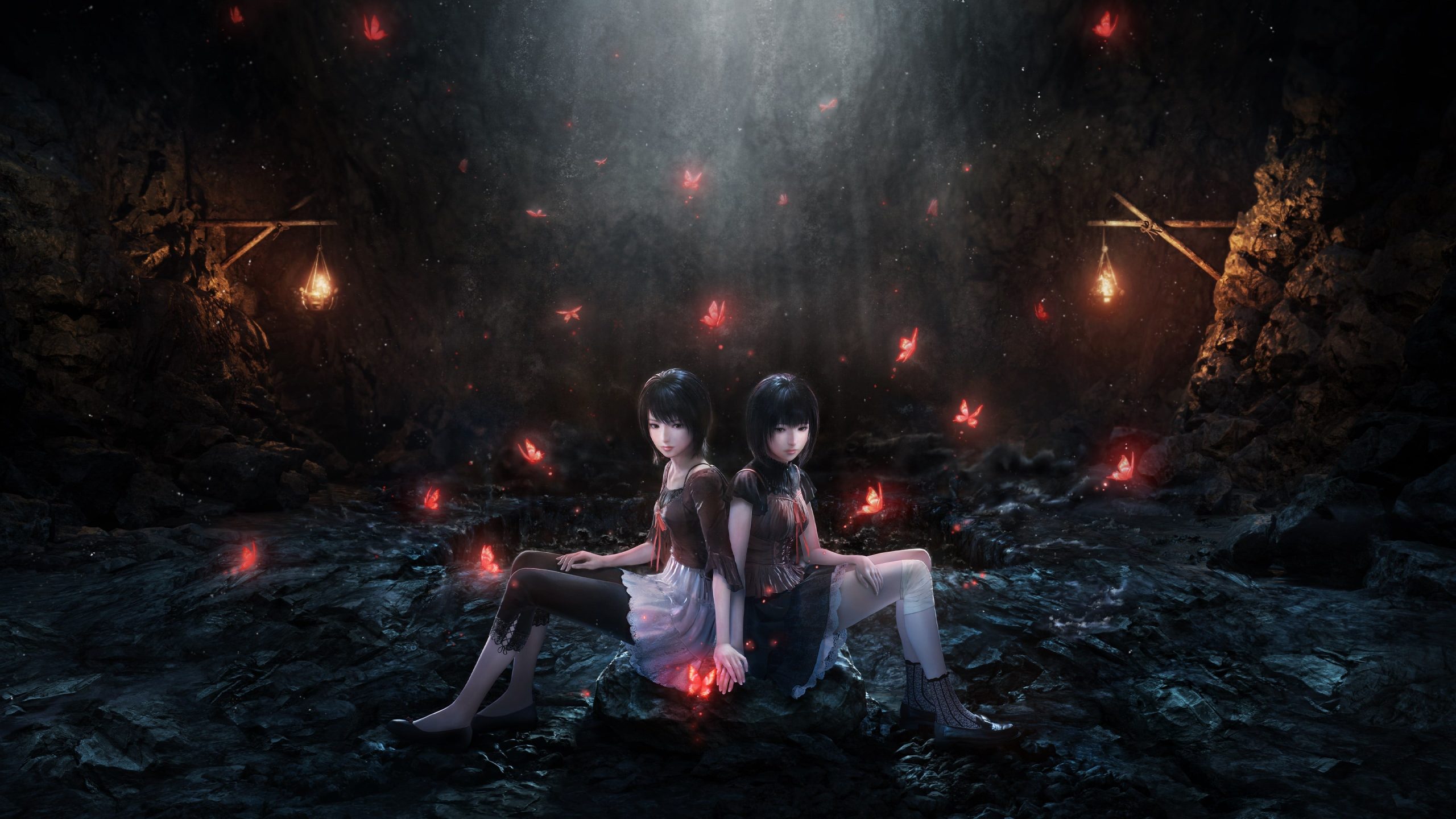
As I was scrolling through social media today, especially among Japanese gamers and fans outside Japan, one thing became clear, FATAL FRAME II: Crimson Butterfly is stirring up a lot of discussion ahead of its remake release next week. The demo dropped today across PlayStation 5, Xbox Series X/S, Switch 2, and PC, and almost immediately, fans noticed something off.
Here’s the thing: in the original PS2 and Xbox versions, we saw deliberate fanservice elements, those infamous shots where the school uniforms of sisters Mio and Mayu Amakura lifted, revealing white panties. It was a product of its time, early 2000s Japanese horror games often leaned on this kind of risqué visual shorthand, much like Tecmo’s Dead or Alive series. But in today’s demo, all of that has been toned down. Instead, black shorts cover the girls entirely, reducing visible skin and eliminating those risqué camera angles.
Now, the big question on everyone’s mind is: is this censorship? It’s worth remembering that Mio and Mayu are teenage girls, under 18, and that does add a layer of complexity. Some fans are rightfully upset, arguing that this is an overcorrection, sanitizing a harmless fictional moment for a modern audience. But Koei Tecmo and Team Ninja have responded by saying this isn’t a removal – it’s a refinement.
They claim the character models “have been enhanced with new textures and better lighting”, aligned with the graphical leap, meaning no removal, just evolution. And to their credit, the original outfits, like the crimson butterfly costumes, are still there, just as a bonus, separate DLC. So, is it censorship, or is it simply a necessary adjustment for today’s standards?
I can’t help but think it’s a mix. Sure, Koei Tecmo has a long history of leaning into fanservice, but the reality is, we live in a different time where they’re probably being pressured to do this. And as much as some fans resist, this is a “high-definition evolution”, not a complete erasure. In the end, this debate is far from over, censorship in games always ignites a firestorm, especially when we’re talking about a title that’s more than 20 years old.
Let’s put it this way: they’re clearly toning down harmless 2D fiction to better fit Western tastes. Even if the developers deny it, the situation gives a strong impression of censorship. At the same time, it could also be a form of proactive self-censorship that slowly erodes the work’s original authenticity. If these changes had been optional, the backlash might not have started in the first place. Likewise, they could have simply kept the game pixel-perfect without making any changes. If you’re curious, you can jump in yourself since the demo is out now.
Don’t Nod is considering another restructuring, raising concerns that further job cuts could follow as the Life is Strange studio…
One brutal week in August saw 720 games launch on Steam, showing just how difficult it is for indie developers…
PlayStation fans are no longer impressed by quantity alone, with many waiting for major first-party announcements to make State of…

Embracer Games Archive celebrates five years after cataloguing over 90,000 games, consoles, accessories and hardware for preservation.

Xbox Cloud Gaming is about to become a lot less unlimited, as Microsoft has announced monthly streaming caps for Game…
Nightmere I blends detective mystery, psychological horror and RPG exploration as investigator Amelia searches for a missing student in 1991.
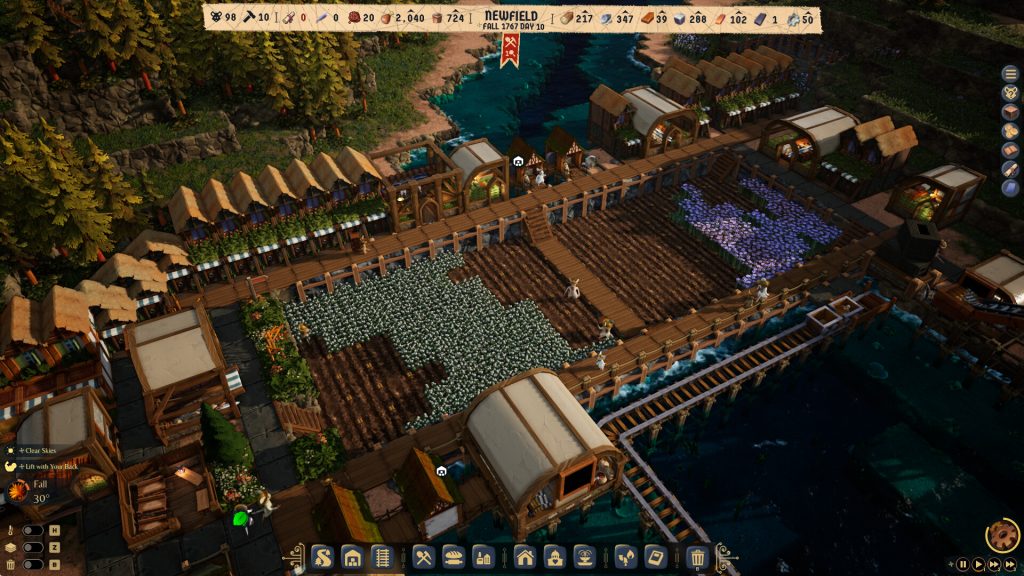
Whiskerwood is expanding its mouse colony with an entire ocean to worry about, bringing new challenges to the colony-building survival…
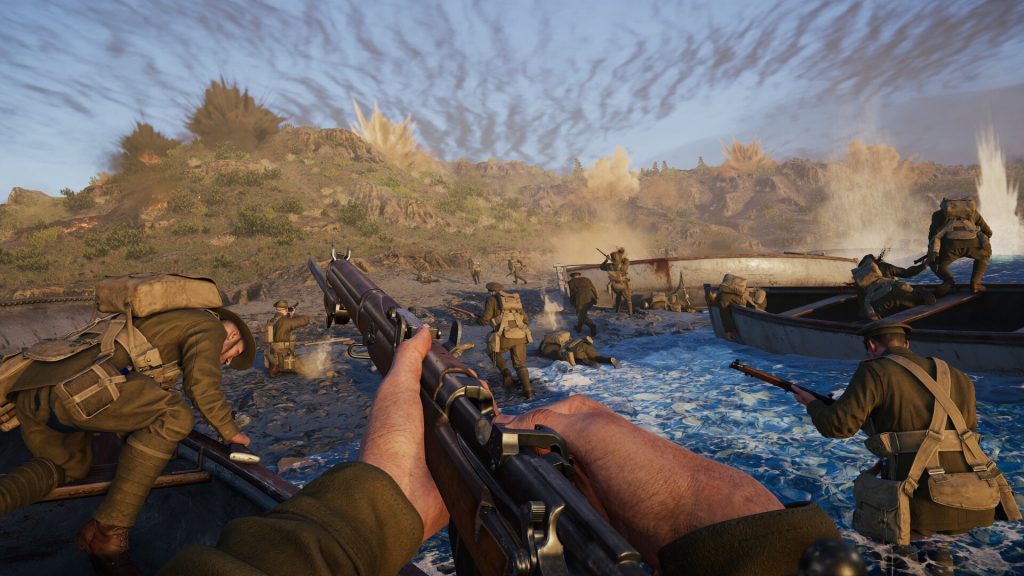
Gallipoli launched last month, but BlackMill Games is already preparing its first free expansion, adding something never before seen in…
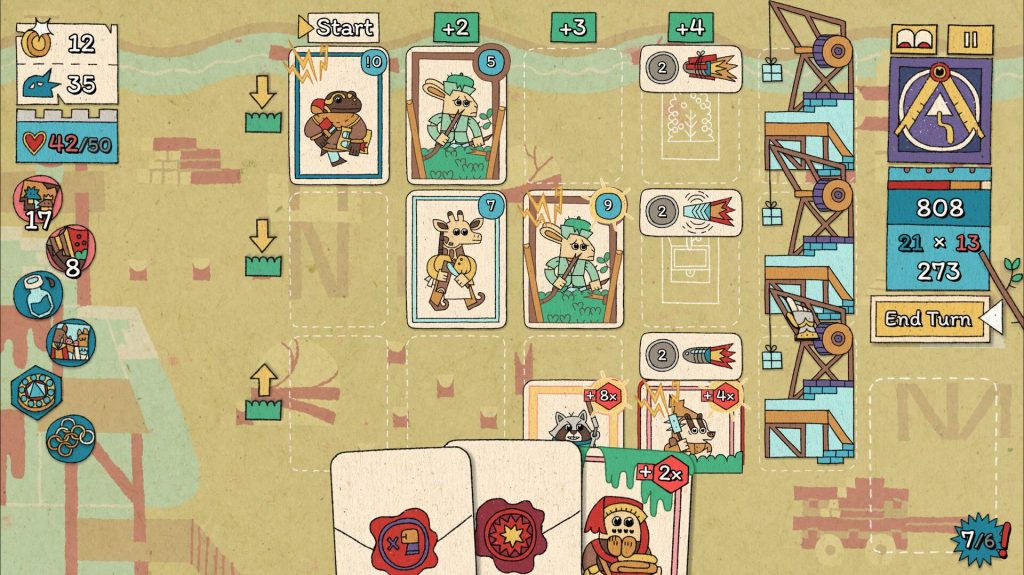
The Royal Writ will launch for PlayStation 5, Xbox Series X|S and Nintendo Switch on September 10th, alongside Xbox Game…
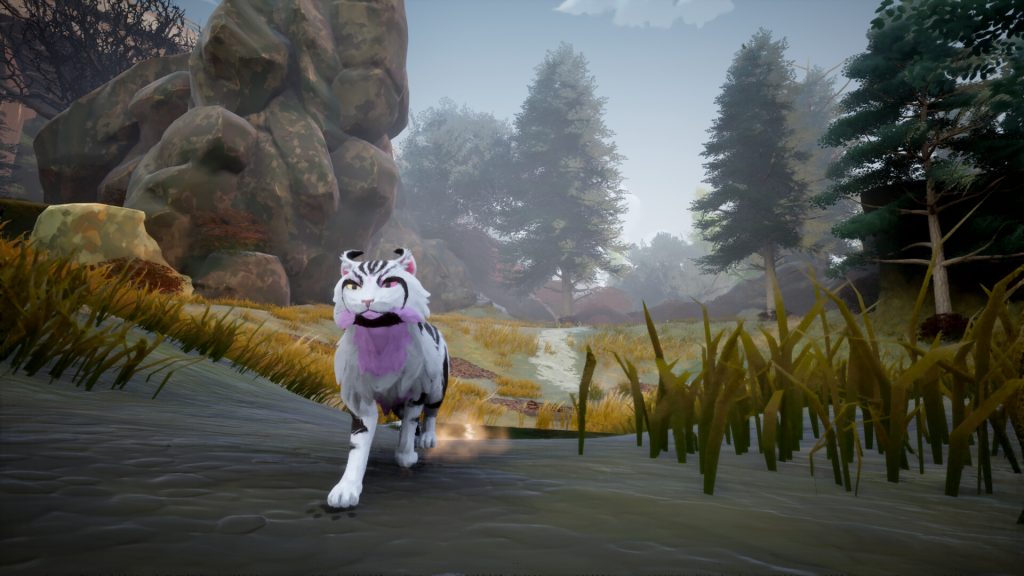
Warrior Cats: Clans of the Forest launches on October 23rd, 2026 for PC, PlayStation 5, Xbox Series X|S and both…
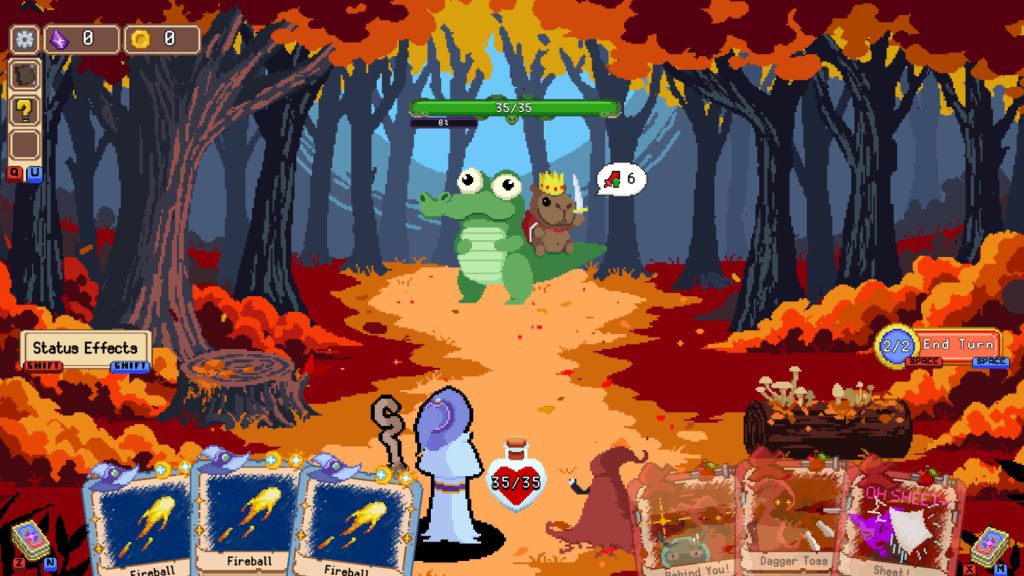
Duo Quest’s free Steam demo now supports online co-op ahead of the relationship-driven roguelite deckbuilder’s September 16th launch.
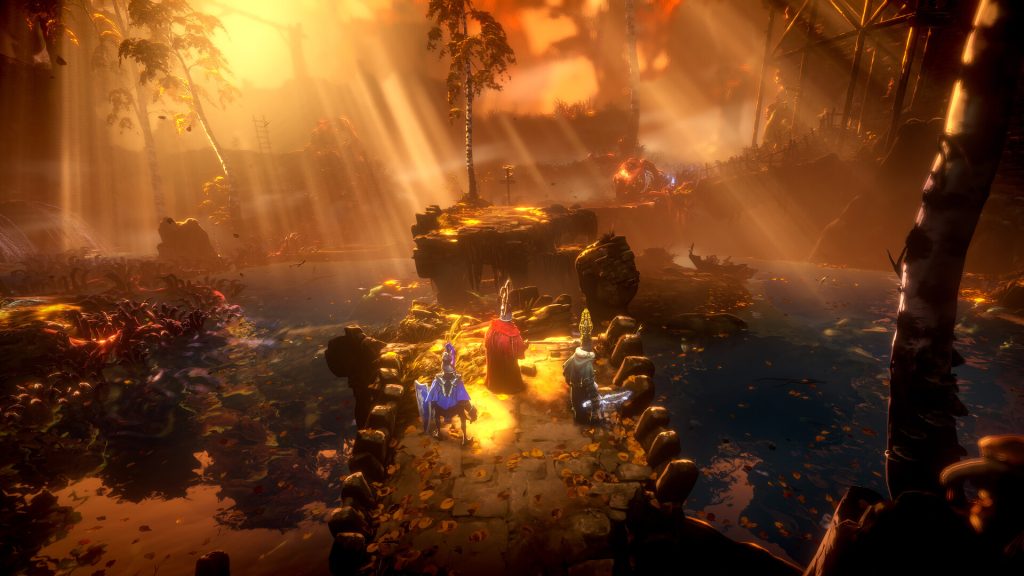
No Rest for the Wicked’s 1.0 release has been delayed to March 2027 on PC and PlayStation 5, with an…
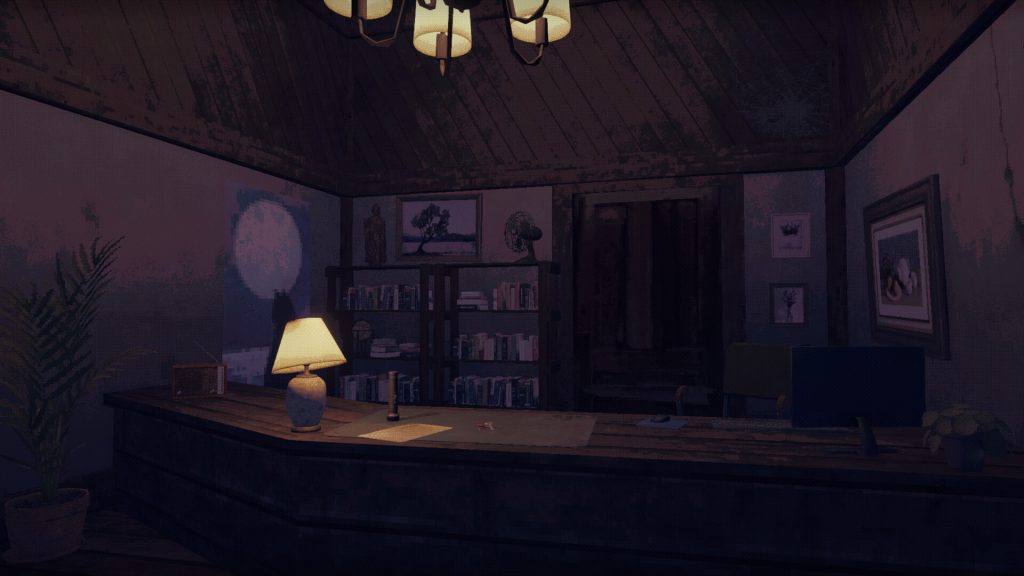
Springs, Eternal, the lo-fi narrative adventure from Fullbright and Serenity Forge, will launch for PC through Steam in November 2026.
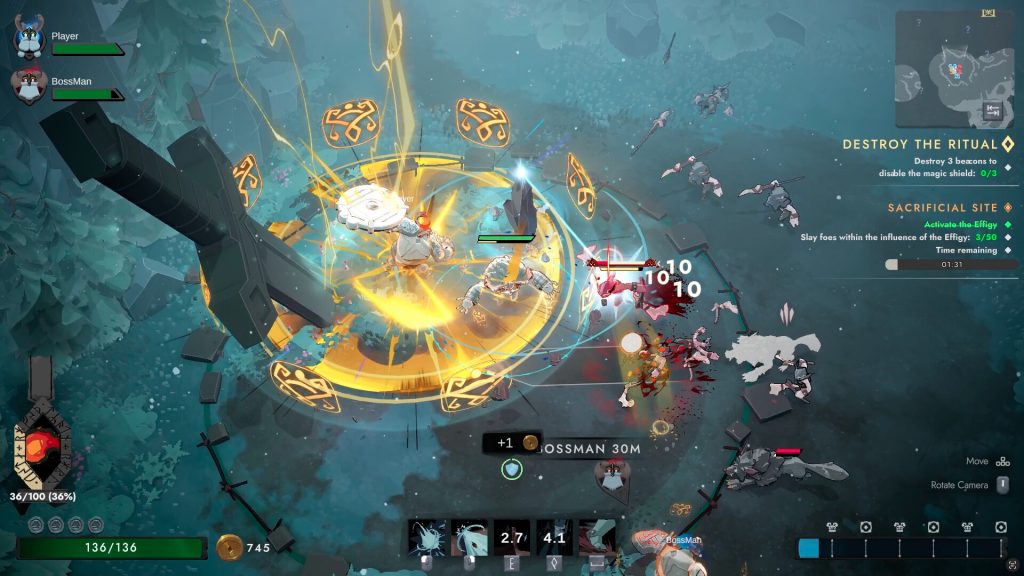
Chosen by Odin combines one-to-three-player co-op action, Norse mythology and shared dice-powered builds across dangerous roguelite expeditions.
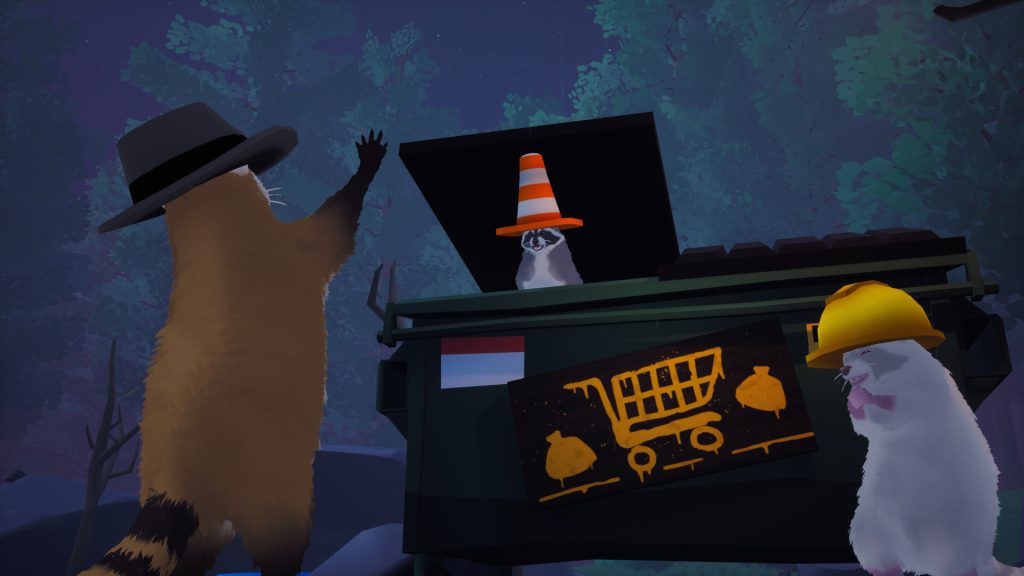
Dumpster Gang brings one-to-four-player raccoon chaos to PC in December 2026, with co-op missions, a customisable hideout and day-one PC…
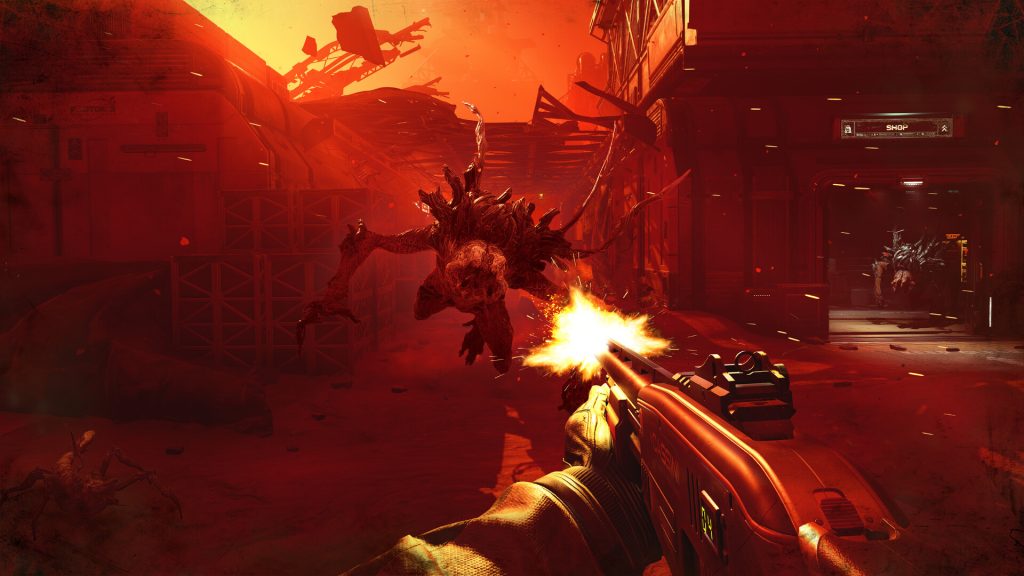
Alien Deathstorm launches in spring 2027 for PC, PlayStation 5 and Xbox Series X|S, with day-one Game Pass access and…

BUZZ or DIE turns prisoners’ darkest secrets into viral videos in a deadly game show visual novel coming to Steam…
![[GAMESCOM 2026] Chronicles: Medieval Looks Far More Ambitious Than a Simple Mount & Blade Rival](https://www.indie-games.eu/wp-content/uploads/2026/09/Chronicles-Medieval-10-1024x640.jpg)
Chronicles: Medieval was one of the most ambitious games I saw at Gamescom 2026. Raw Power Games is not merely…
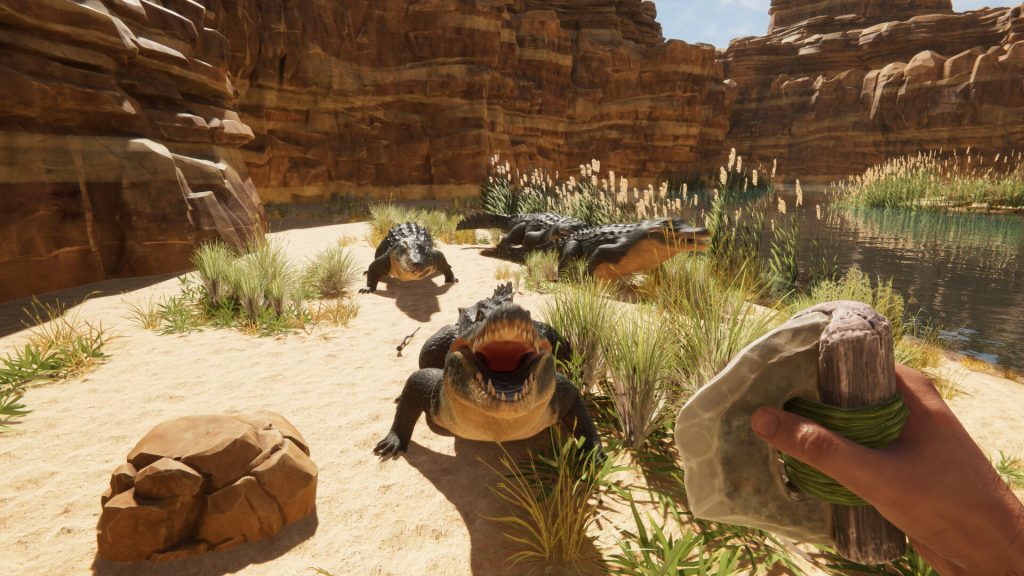
Stranded Deep 2 leaves the Pacific for an endless desert river world with mobile bases, dynamic terrain and co-op in…
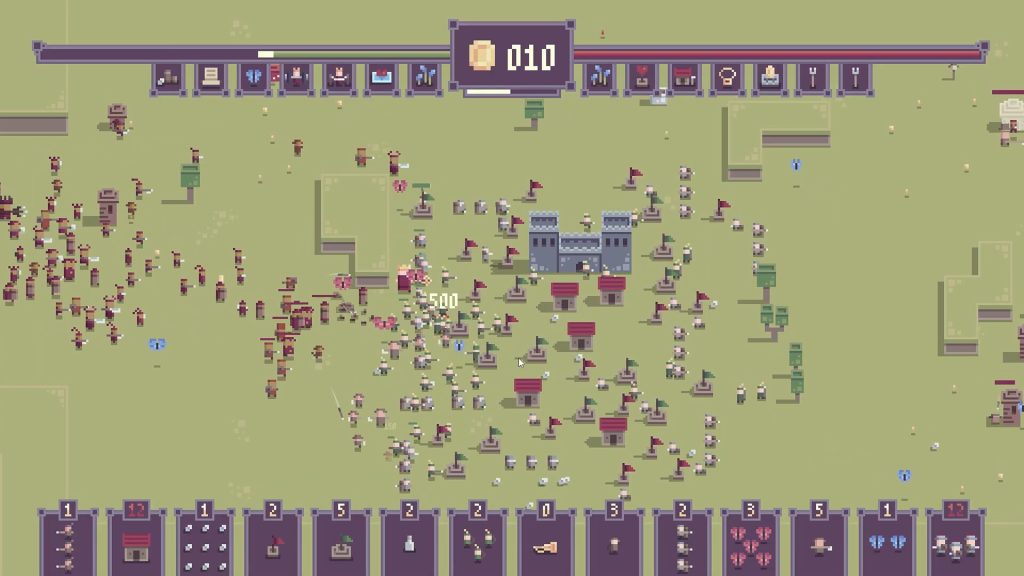
Kinghold’s Steam demo introduces its 20-second wave cycle, directly controlled king, autonomous armies and card-based battlefield strategy.
