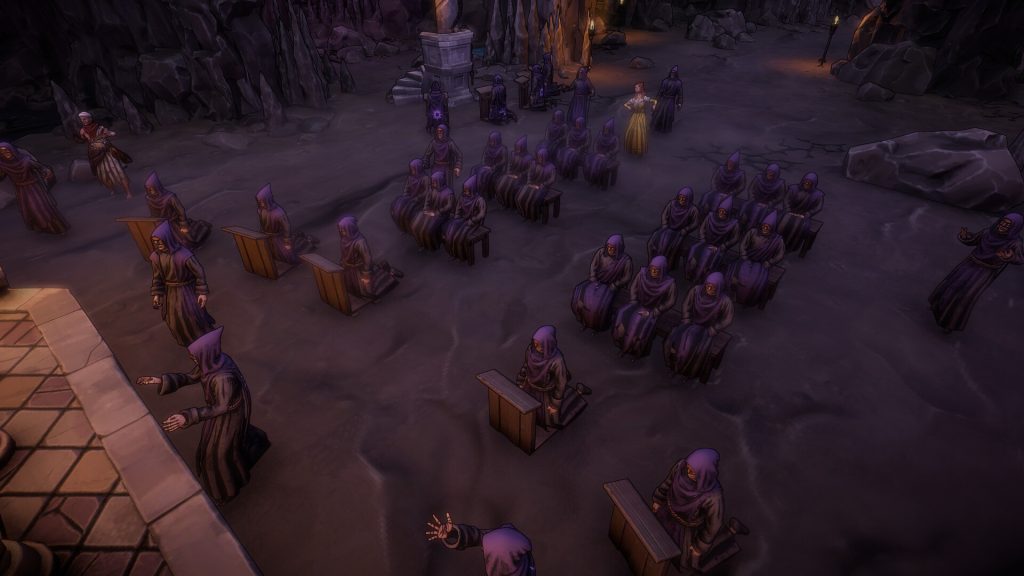
The Lunacy Lets You Build a Secret Cult Beneath Inquisition-Era Spain
Above the Desk, the studio behind Above the Snow, has announced The Lunacy: That Game About a Cult, a dark-comedy…


If you enjoy independent indie game coverage, consider supporting Indie-Games.eu on Patreon. It helps keep the site independent.
More than eight years after its original release on Steam, Hello Neighbor is experiencing a surprising resurgence, breaking its all-time concurrent player record and selling over 100,000 units in just one week. While such a late-stage revival may seem unusual in a fast-moving industry, the success is far from accidental. Instead, it reflects a long-term strategy focused on building a sustainable franchise rather than chasing short-term gains.
According to tinyBuild’s CEO Alex Nichiporchik, who shared the analysis on X, the renewed momentum has been building for months. December 2025 marked the game’s most successful December on Steam since launch, with more than 60,000 units sold.
This growth was driven by several factors, most notably a surge in community activity. The game’s modding scene has expanded rapidly, with over 2,200 user-created mods now available and several going viral on YouTube. This influx of creative content has reintroduced the game to new audiences while re-engaging longtime fans.
At the same time, the broader Hello Neighbor franchise has remained highly active. The announcement of a redesigned Neighbor character for Hello Neighbor 3, continued success on mobile platforms with millions of monthly downloads, and strong engagement across consoles have all contributed to sustained interest. The animated series, which is heading into its third season, has also attracted tens of millions of viewers, further strengthening the brand’s visibility.
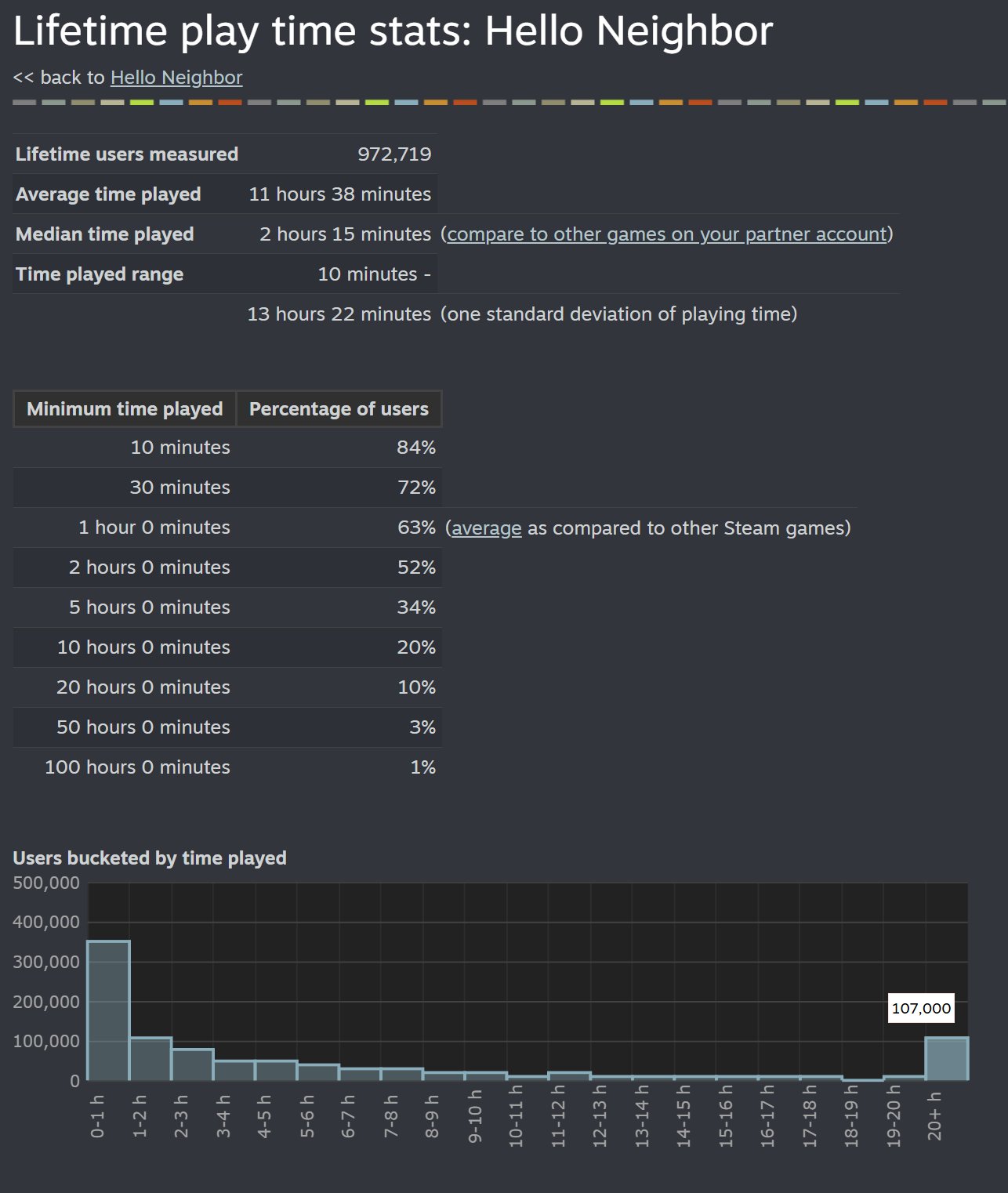
All of this translated into a significant rise in Steam wishlists, with more than 60,000 new additions recorded in the final quarter of 2025 alone. When the game recently entered the Spring Sale with a deep discount, that accumulated interest converted into record-breaking player numbers. Importantly, the spike cannot be attributed to pricing alone. Discounts on older titles are common, but rarely produce this level of traction without strong underlying demand.
Another key factor is the shifting behavior of the game’s original audience. When Hello Neighbor first launched, much of its younger player base was concentrated on consoles and mobile devices. Over time, as platforms like Steam have grown, those same players have transitioned to PC gaming, effectively rediscovering the title years later.
This case highlights a broader industry trend: successful games are increasingly treated as long-term platforms rather than one-off releases. The traditional indie publishing model, which often prioritizes new intellectual properties and immediate returns, is being challenged by a more sustainable approach focused on expanding and maintaining existing hits. This suggests that long-term investment in a successful IP can be more reliable than constantly pursuing new projects.
The Hello Neighbor franchise exemplifies this philosophy. What began as a single indie title has grown into a multi-platform ecosystem that includes nine games, a book series with over five million copies sold, a board game that reached half a million units, and mobile versions with hundreds of millions of downloads. Each element feeds into the others, creating a cycle of sustained engagement.
Maintaining this momentum requires more than just content, it also depends on structure. One of the challenges in game development is that creators often want to move on after completing a successful project. To address this, the franchise has been supported by a broader production framework that allows development to continue even when original creators step away, while still enabling their return for future entries such as Hello Neighbor 3.
Above the Desk, the studio behind Above the Snow, has announced The Lunacy: That Game About a Cult, a dark-comedy…
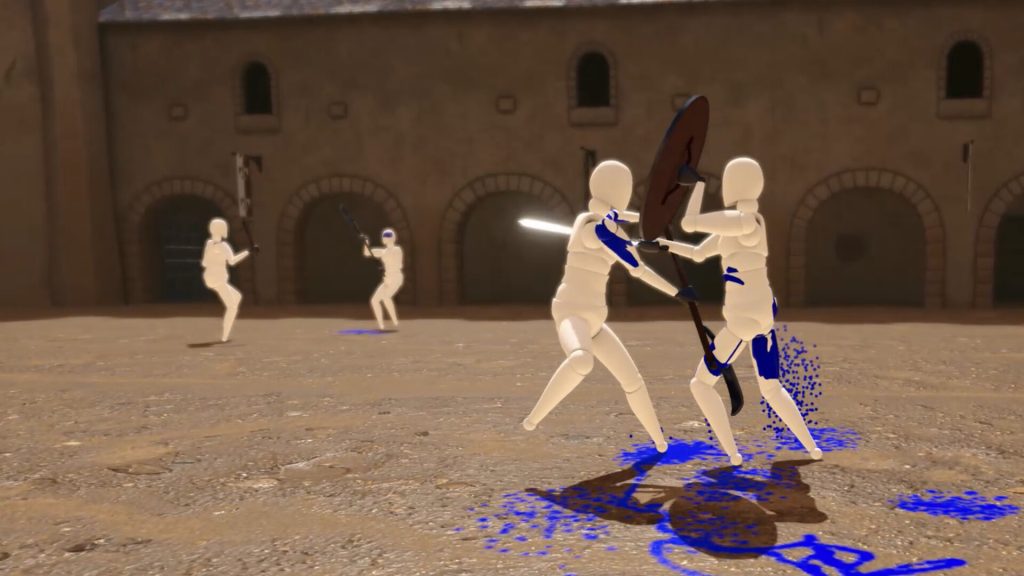
Gladio Mori leaves Steam Early Access and launches for PC, PlayStation 5 and Xbox Series X|S in September 2026, with…
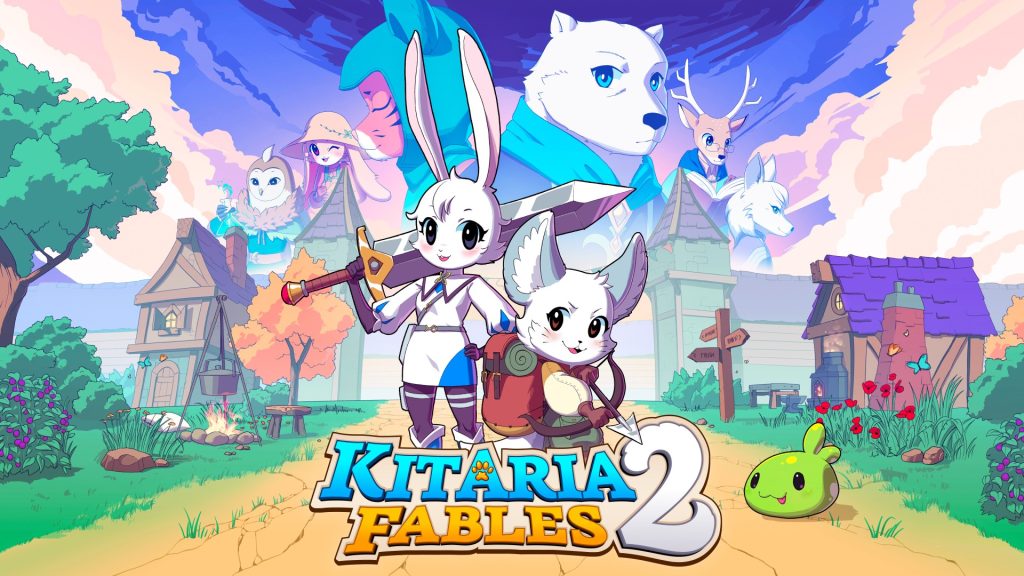
Kitaria Fables 2 will hold a closed Steam beta from September 7th to 21st, 2026, offering selected players roughly 60…
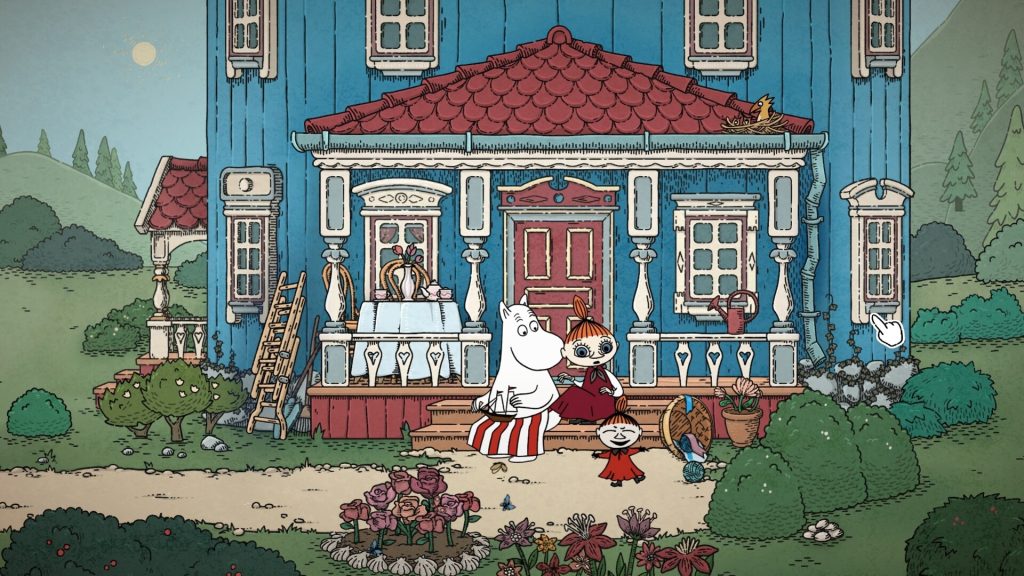
Midsummer Madness launches for PC, Nintendo Switch and Switch 2 in November 2026, following an exclusive one-day gamescom demo in…
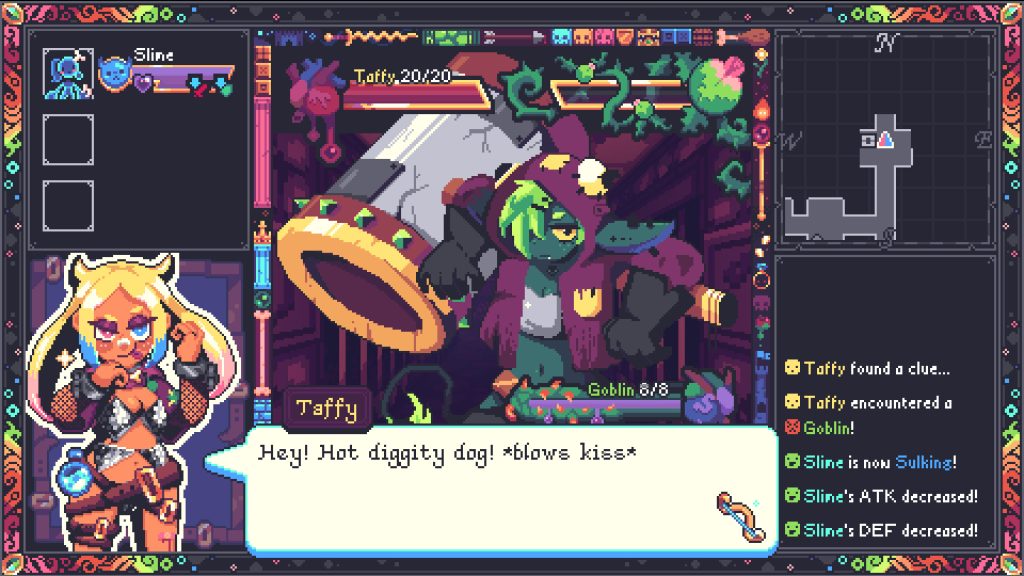
Rizz Dungeon: Skeleton Key to My Heart has been delayed to 2027, giving Snoozy Kazoo time to add more Monster…
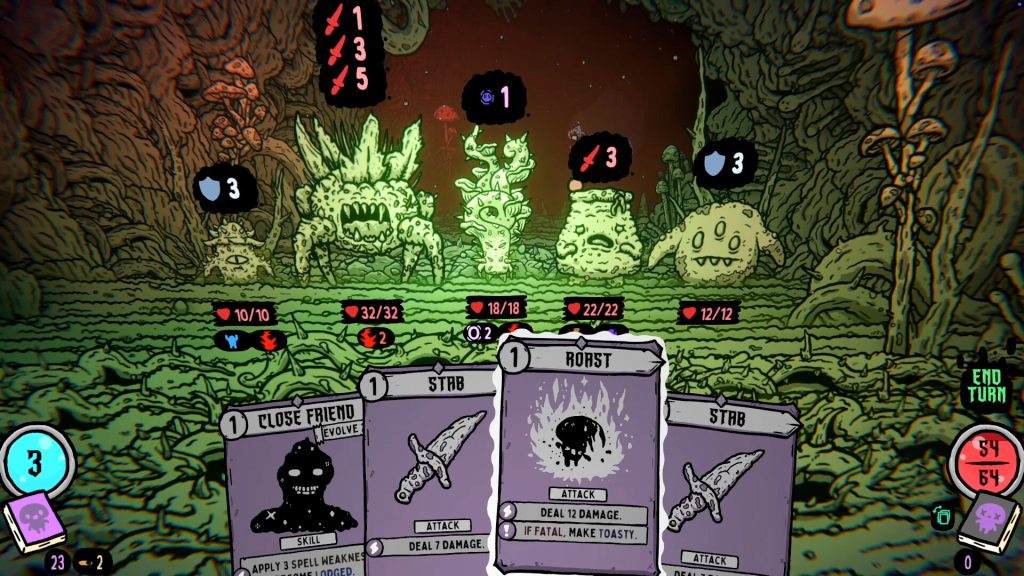
Shroom and Gloom enters Steam Early Access in September 2026, combining first-person dungeon crawling with separate exploration and combat decks.
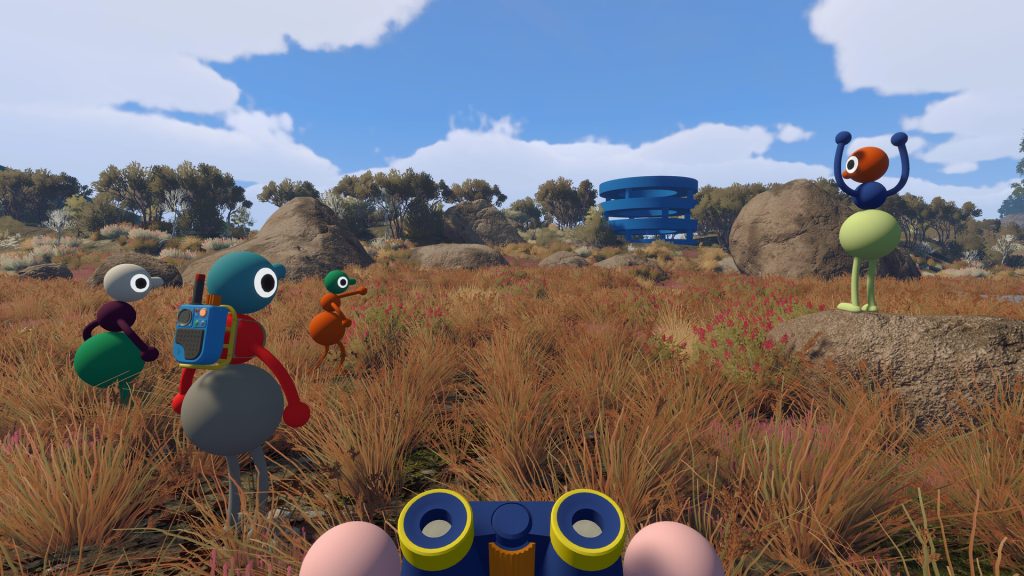
Big Walk sold more than one million copies in six days, strengthening the case for complete co-op-only games built around…

If you regularly visit Indie-Games.eu or follow the YouTube channel, you have probably noticed that things have become unusually quiet.
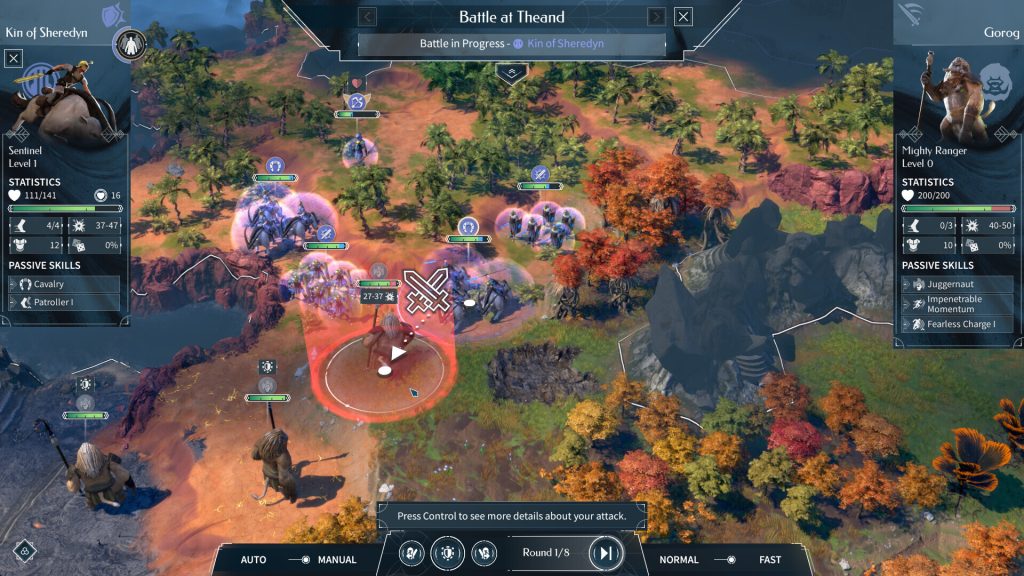
Endless Legend 2 leaves Early Access in September as version 1.0 rolls out, bringing console versions to PlayStation 5 and…
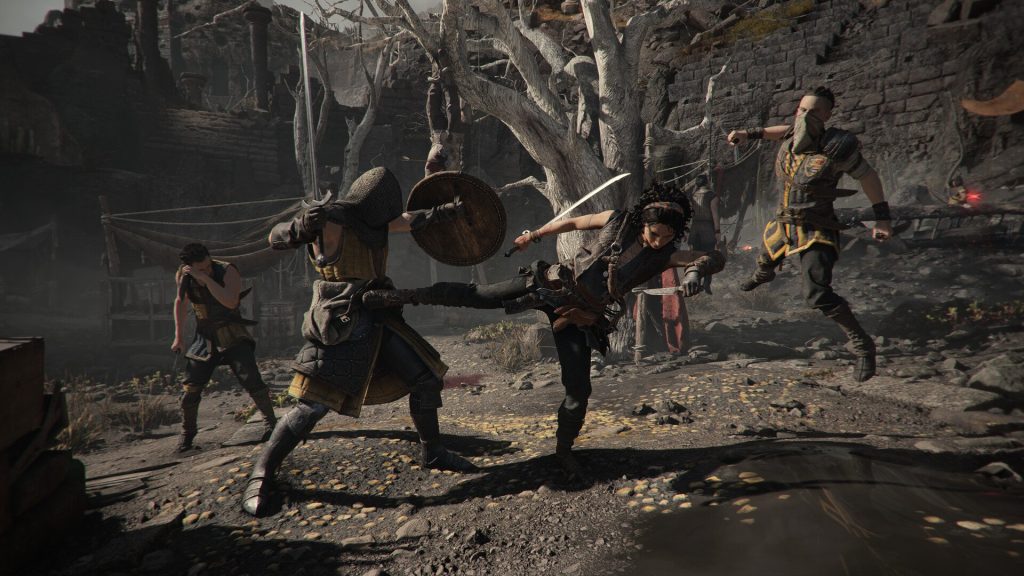
A new Resonance: A Plague Tale Legacy featurette shows how Sophia can use light to navigate dangerous environments and overcome…
The nonlinear world contains six biomes, each representing a different part of the protagonist’s psyche and history.
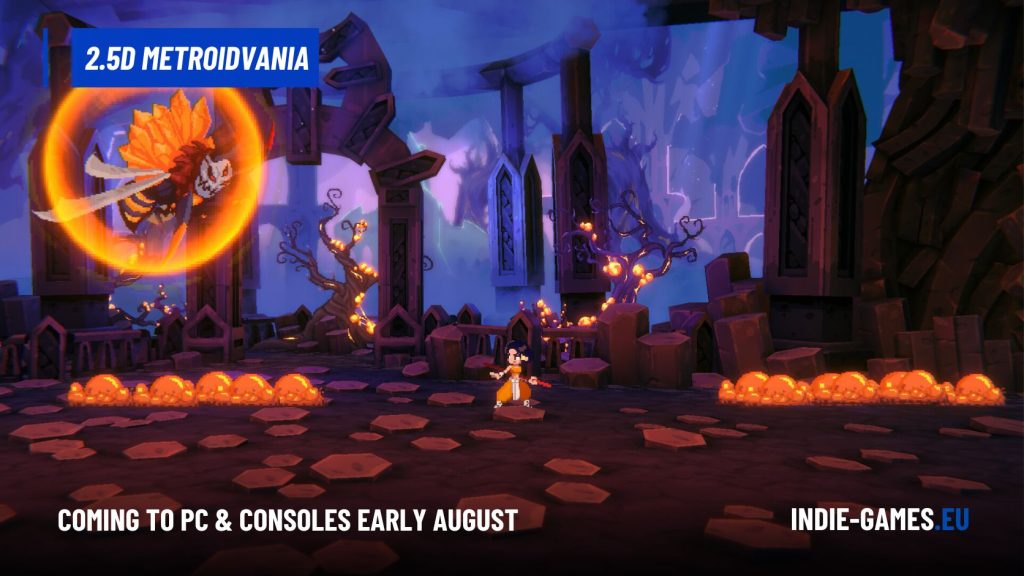
Akatori launches early August on PC and PlayStation and Xbox, featuring 2.5D Metroidvania action, parkour and staff-based combat.
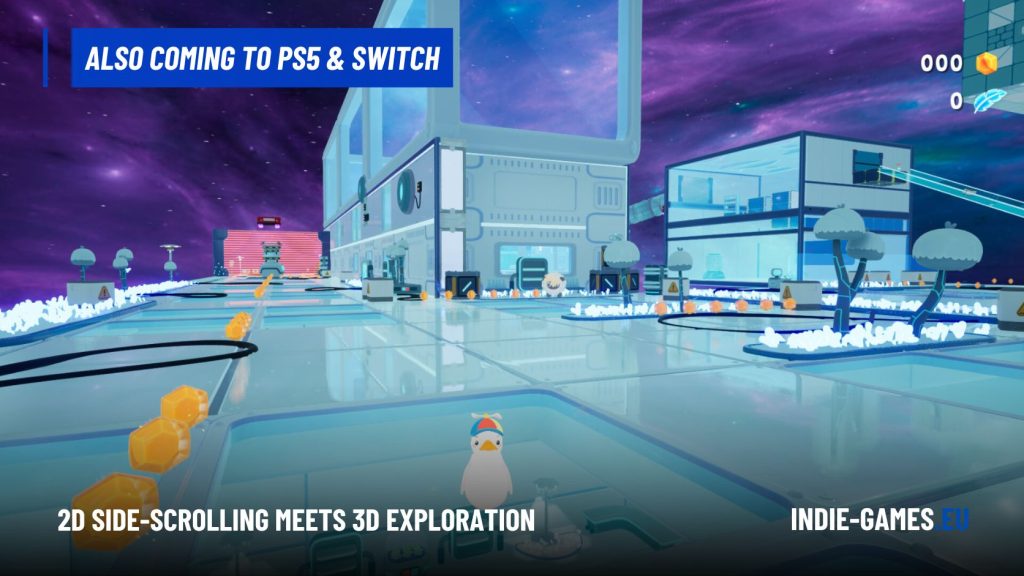
Dodo Duckie! launches on PC and Xbox today, with PS5 and Switch versions arriving later in 2026, featuring unique 2D…
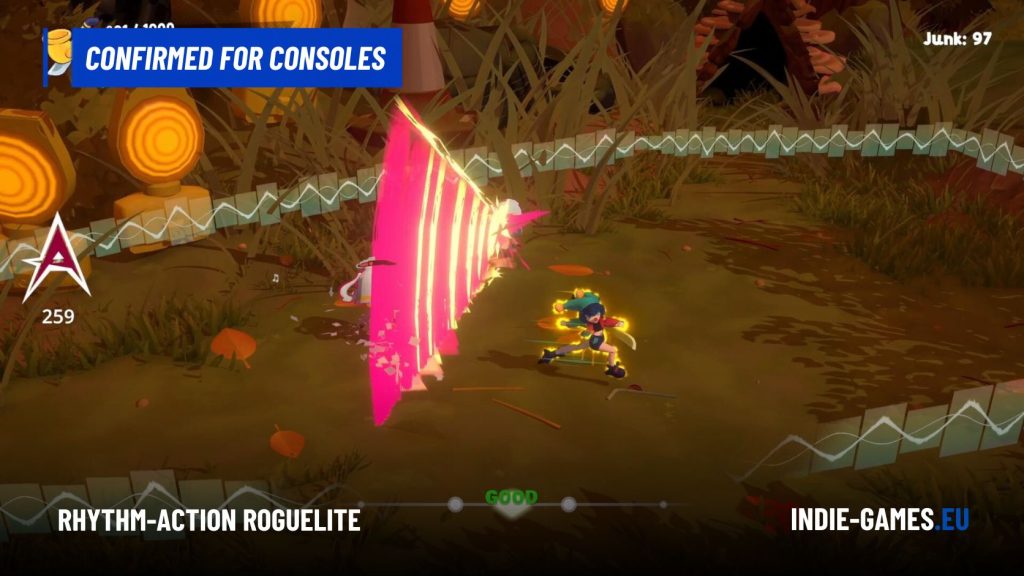
Alpha Nomos launches on PlayStation 5, Xbox Series and PC in 2026, featuring rhythm-based roguelite combat, live-recorded weapons and a…
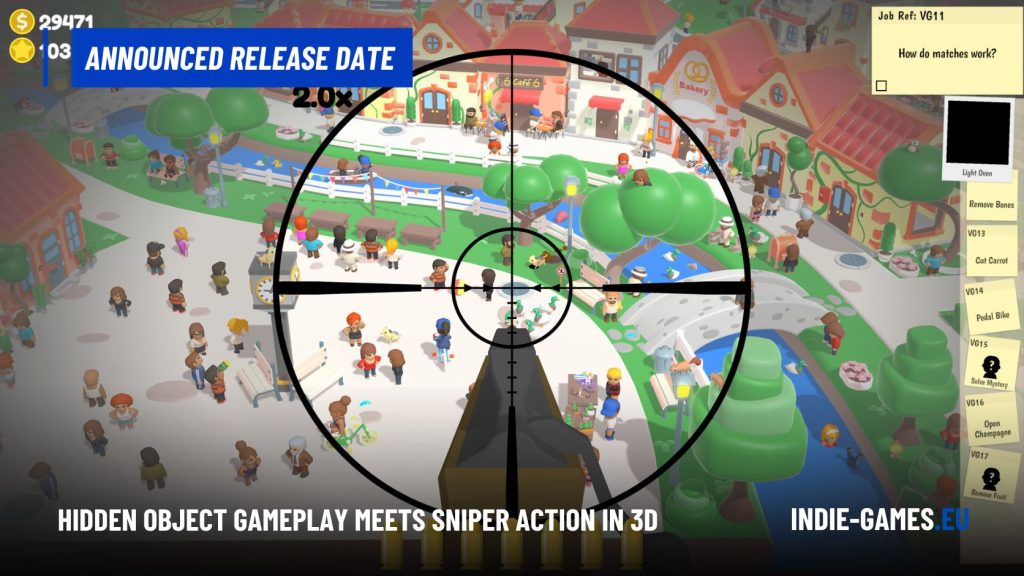
Sniper Dan launches in September for PlayStation 5, Xbox, Switch and PC, blending hidden object gameplay, puzzles and family-friendly sniper…
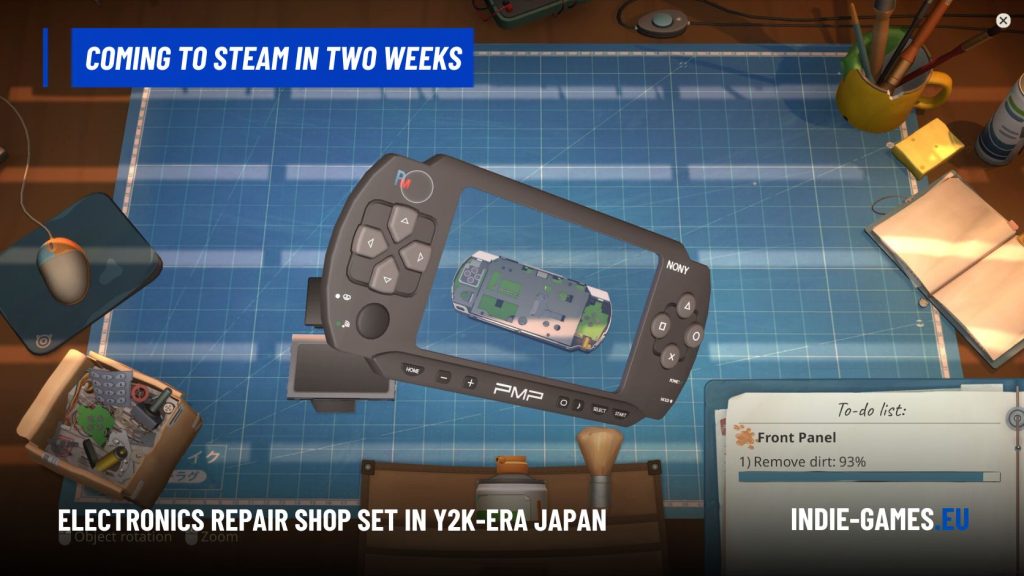
In ReStory, you will repair a wide range of early-2000s technology, including mobile phones, handheld gaming systems, digital pets, music…
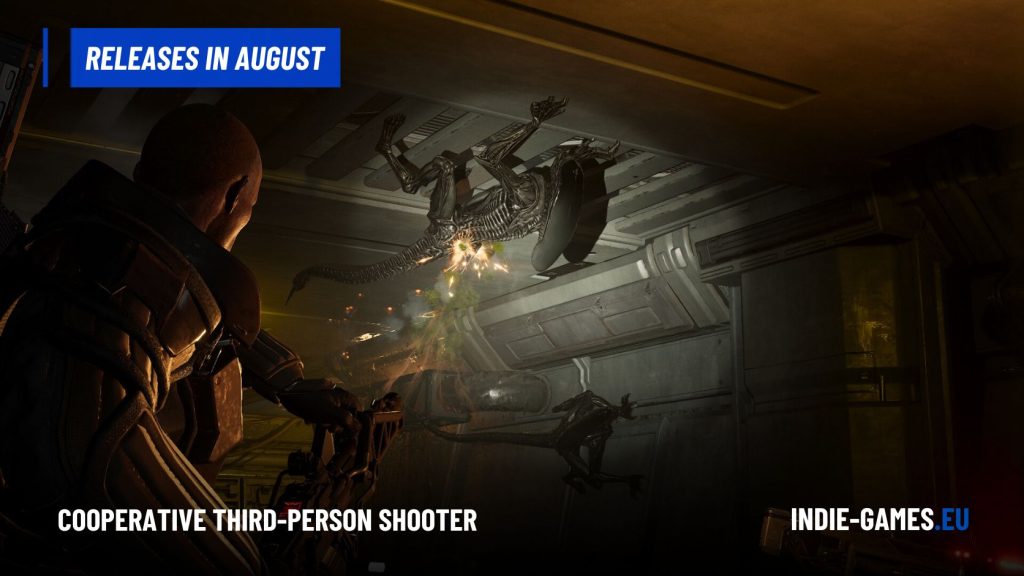
Aliens: Fireteam Elite 2 expands its fireteams to four players, who take control of Colonial Marines deployed across hostile locations…
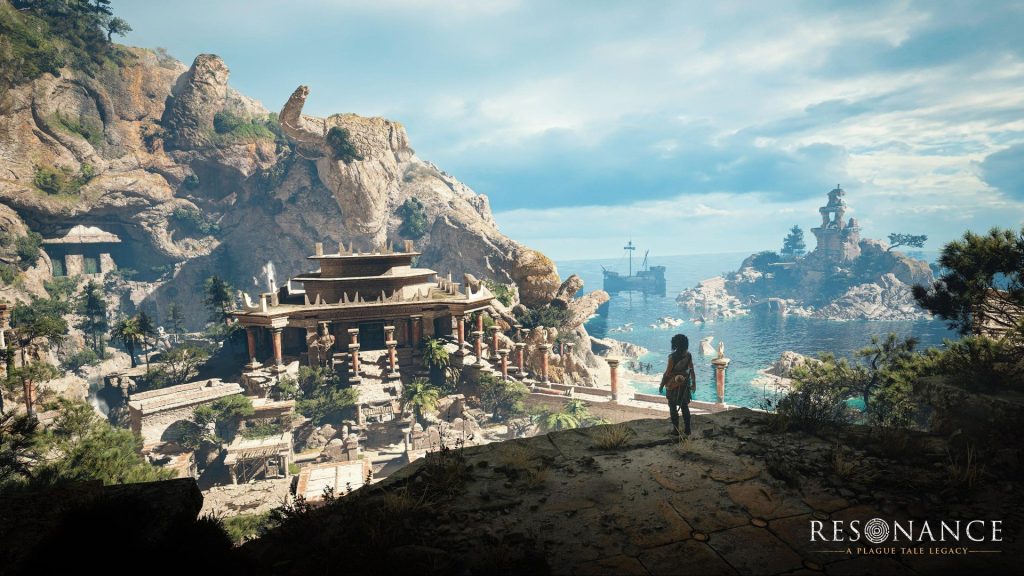
Asobo Studio has released a short scenic clip for Resonance: A Plague Tale Legacy, showcasing its Mediterranean-inspired locations.
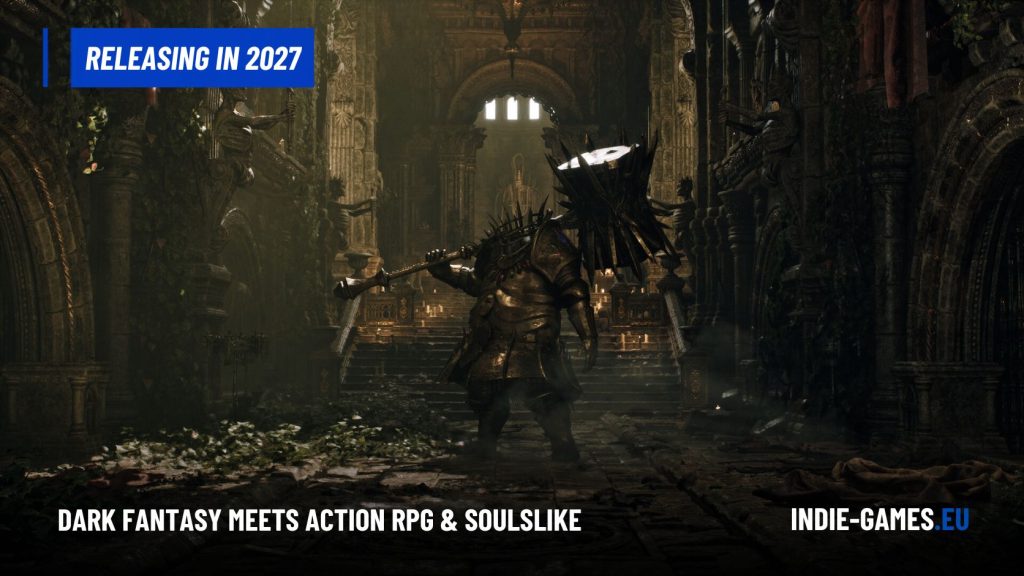
Turkish solo developer Celal Sahin has announced Godless Dawn, a dark fantasy action RPG targeting a Q1 2027 release on…
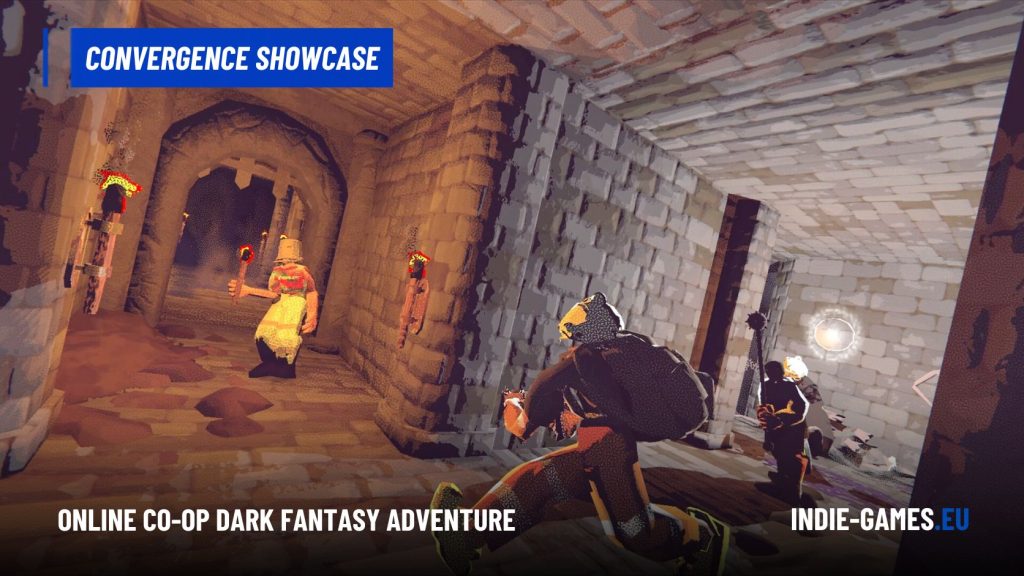
Vision Quench, an online co-op dark fantasy adventure from developer WizMUD Games and Pocketpair Publishing, is targeting an early 2027…
