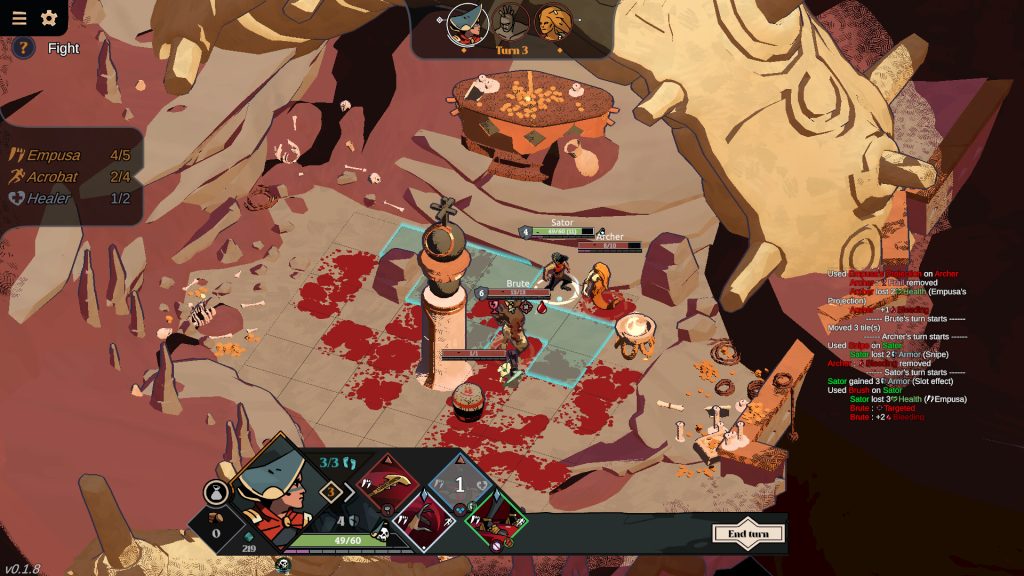
Tactical Roguelite Deified Leaves Early Access Next Week
Deified leaves Steam Early Access on September 21 with its narrative ending, final boss floor, balance improvements and hidden content.

![[OPINION] Brutal Honesty vs. Toxic Positivity in Game Development](https://www.indie-games.eu/wp-content/uploads/2026/02/Highguard.jpg)
If you enjoy independent indie game coverage, consider supporting Indie-Games.eu on Patreon. It helps keep the site independent.
High-profile game launches are often measured in years of anticipation and marketing buildup. But in rare cases, a project’s post-launch trajectory unfolds so quickly that it forces an industry-wide conversation. That is what happened with Highguard, a free-to-play PvP shooter that went from awards-stage excitement to large-scale layoffs in just over two weeks. Its commercial struggles have not only raised questions about live-service sustainability, but also ignited a broader debate about studio culture in Western game development.
Highguard was developed by Wildlight Entertainment, a newly formed studio staffed with veterans who previously worked on major titles such as Apex Legends, Titanfall and Call of Duty. The studio positioned the game as a competitive hero shooter set in a mythical continent, where players assume the role of Wardens, arcane gunslingers who ride mounts and compete in team-based raids.
When the game launched on January 26, 2026, across Steam, PlayStation 5 and Xbox Series X/S, it initially appeared to validate the mentioned excitement. Highguard reached a peak of 97,249 concurrent players on Steam on day one. However, the strong debut quickly gave way to a dramatic decline.
Within 24 hours of launch, Highguard’s concurrent player count fell by more than 80 percent. The downward trend continued over the following days. By February 11, just 16 days after release, concurrent PC players had dropped to between 3,600 and 4,500. By mid-February, the figure hovered closer to 2,000.
On February 11, Wildlight Entertainment confirmed that it had laid off most of its staff, retaining only a small core team to continue supporting the game. In a public statement, the studio described the move as an “incredibly difficult decision” while expressing pride in the product and gratitude toward its community. Several former developers later confirmed on LinkedIn that the majority of the team had been let go.
Early player feedback focused on limited content and gameplay depth. At launch, Highguard featured one map and one core mode. The original 3v3 format was quickly adjusted to 5v5 in response to feedback, but concerns persisted about bland gunplay, long match times and fears around monetization.
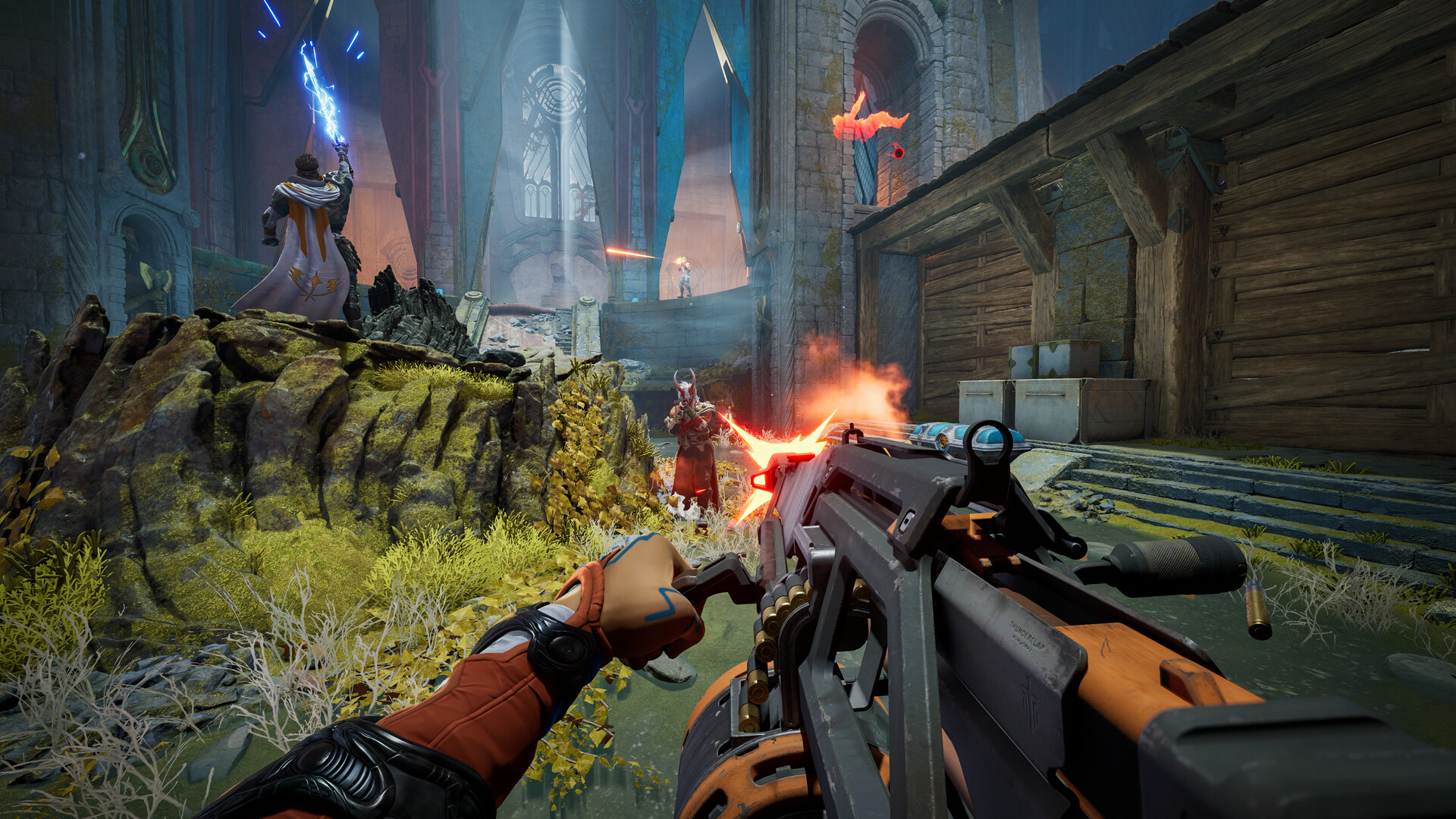
Although the studio published a roadmap promising seven episodes of content, with new characters, maps and modes delivered monthly, questions emerged about whether that plan was financially viable. Industry estimates suggest that a studio of Wildlight’s size could face operating costs near $800,000 per month. Without sustained player retention or significant revenue from high-spending users, maintaining that burn rate would be difficult.
Amid the fallout, a senior character artist Georgian Avasilcutei had a sharp critique of Western game development culture on social media. The conversation, which spread widely, argued that many Western studios suffer from what he described as “toxic positivity.” According to this view, teams avoid direct criticism to protect feelings, downplay serious flaws and create internal echo chambers that prevent honest evaluation.
Drawing from his experience in Eastern Europe, he contrasted this with a development culture that assumes early work is flawed and improves it through blunt, continuous feedback. In his argument, harsh internal critique is not personal, but necessary for quality.
He also criticized hiring practices based on quotas rather than skill, the tendency to prioritize praise from journalists or consultants over core players, and what he described as a reluctance to confront hard truths during development. Some supporters agreed to these claims, saying that overly protective studio environments can prevent meaningful course correction.
Others pushed back, arguing that many strategic decisions are made at the executive level and are outside the control of individual developers. Some also pointed to online backlash following the Game Awards trailer, which turned Highguard into a meme before release and may have shaped public perception from the outset.
Highguard’s rapid fall has become more than just a case study in live-service risk. It has evolved into a symbol of a deeper debate about creative culture, leadership decisions and the balance between morale and honest criticism inside game studios. Whether the title can recover remains unclear. What is certain is that its launch has left a lasting mark on the ongoing conversation about how modern games are made and why some fail so quickly after release.
Deified leaves Steam Early Access on September 21 with its narrative ending, final boss floor, balance improvements and hidden content.
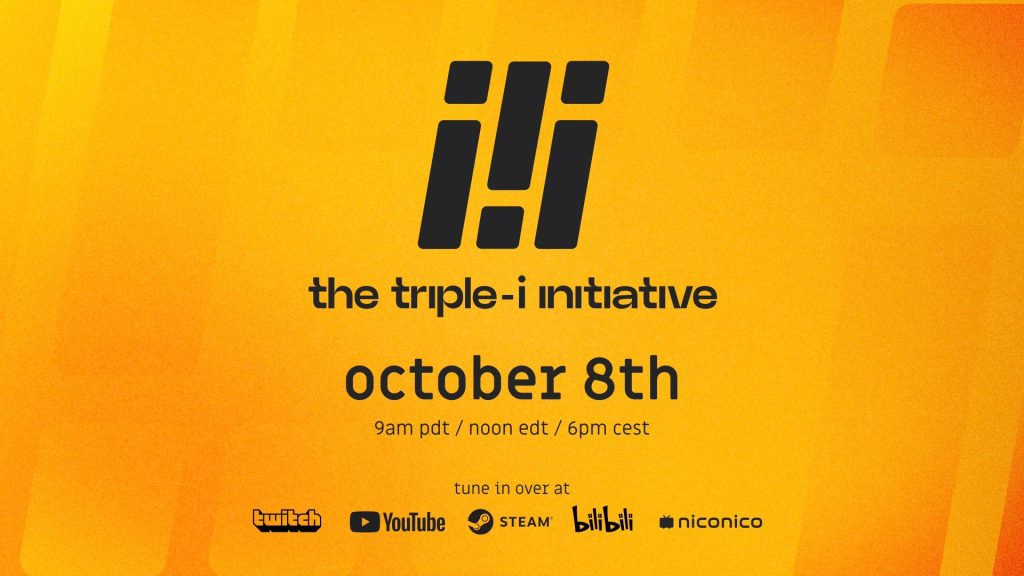
Triple-i Initiative returns October 8 with 40 games, eight world premieres and 45 minutes of trailers, release dates and reveals.
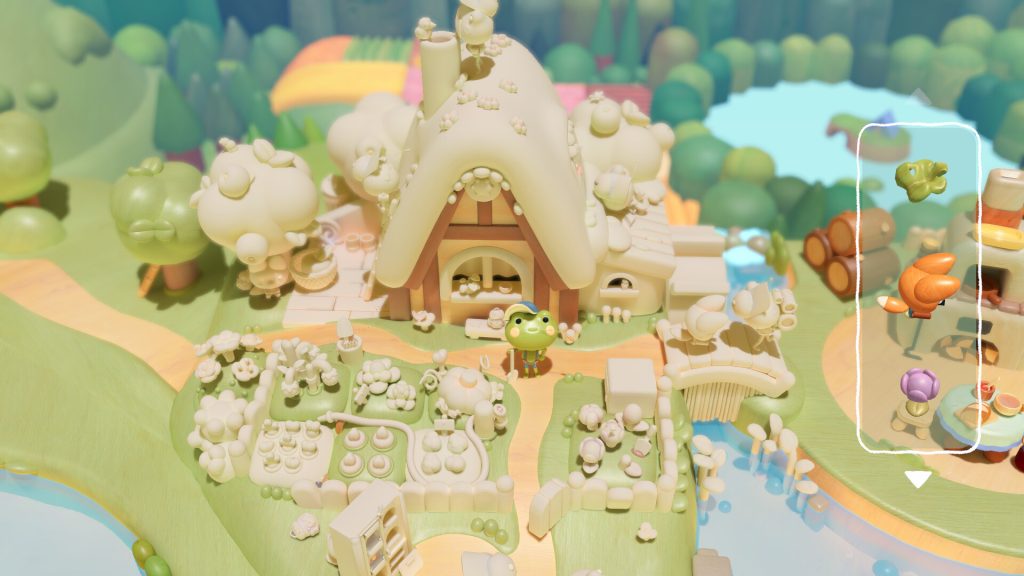
Woodo launches September 16, inviting players to rebuild childhood memories through cozy, handcrafted wooden dioramas.
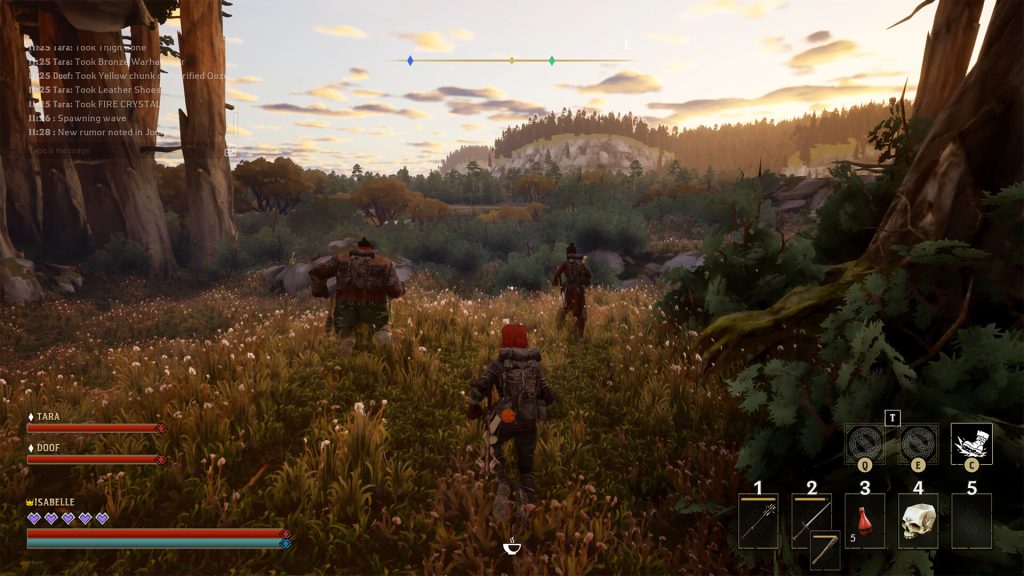
Curve Games signs Wyldheart in one of its biggest recent investments after the co-op RPG surpasses 375,000 Steam wishlists.
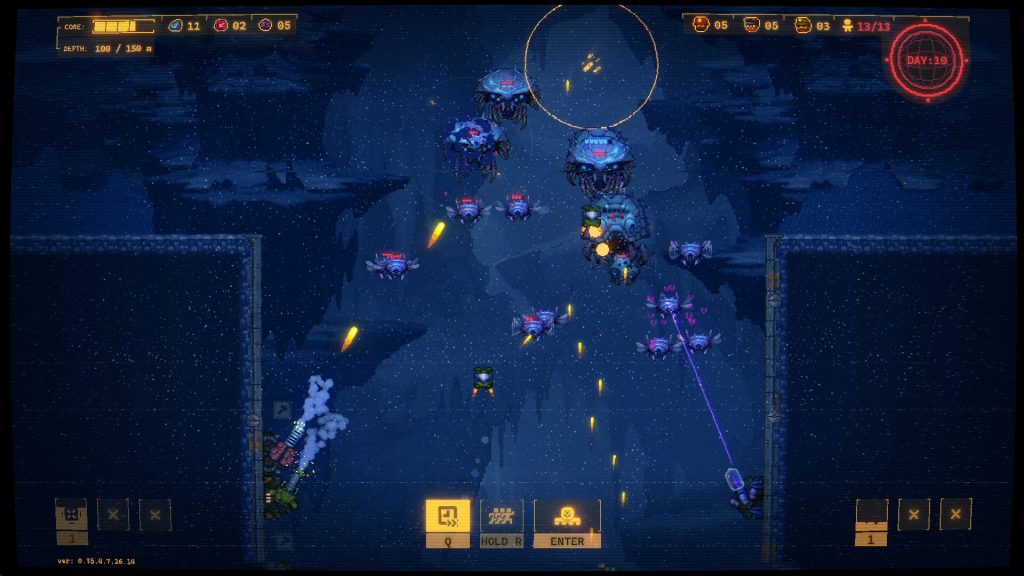
Drill Core’s free Anniversary Update adds Relaxed Mode, new bounties, specialists, platform skins and several quality-of-life improvements.
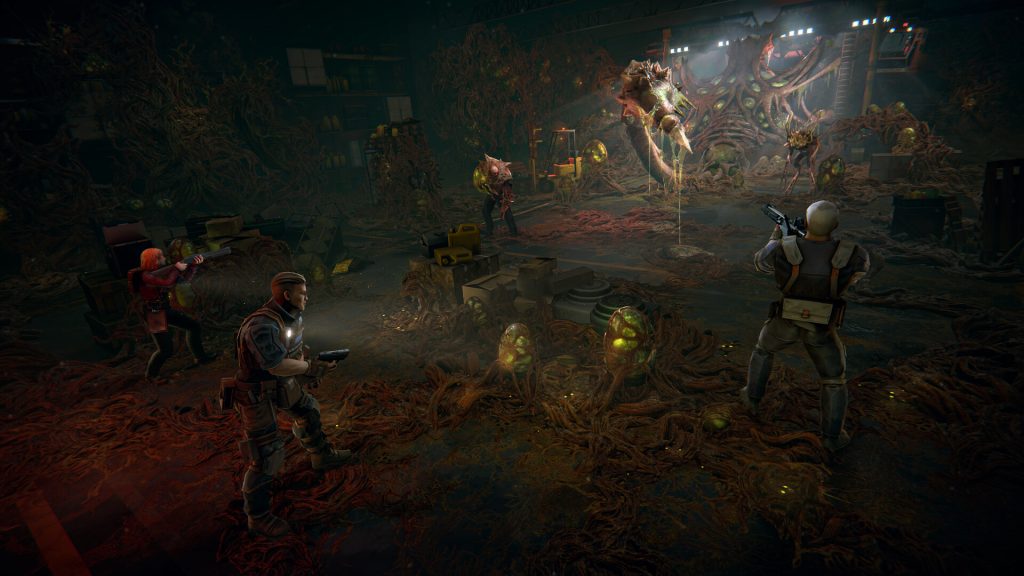
Critical Shift’s free two-hour demo combines real-time exploration with tactical combat inside a compromised Antarctic facility.
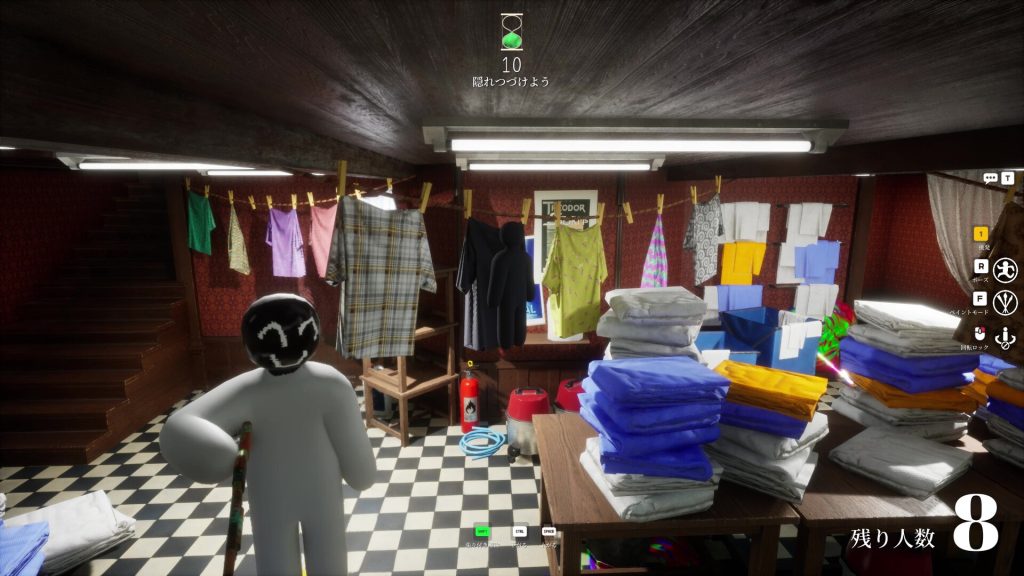
Meccha Chameleon brings its paint-based multiplayer hide-and-seek matches to Nintendo Switch 2 with a temporary $4.79 launch price.
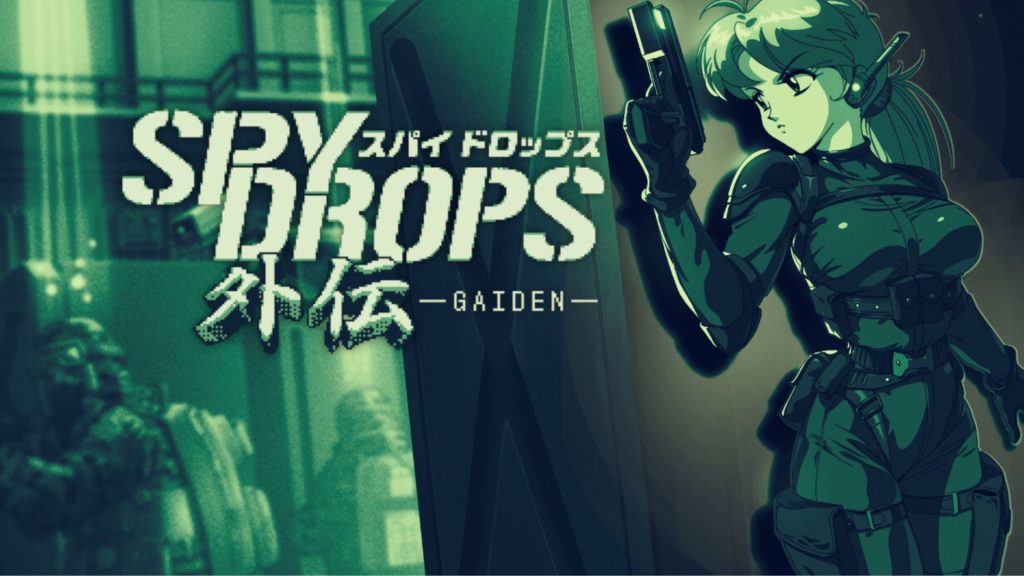
Spy Drops Gaiden brings Game Boy-style stealth, eight covert missions and intel extraction to Steam on October 12 for €4.99.
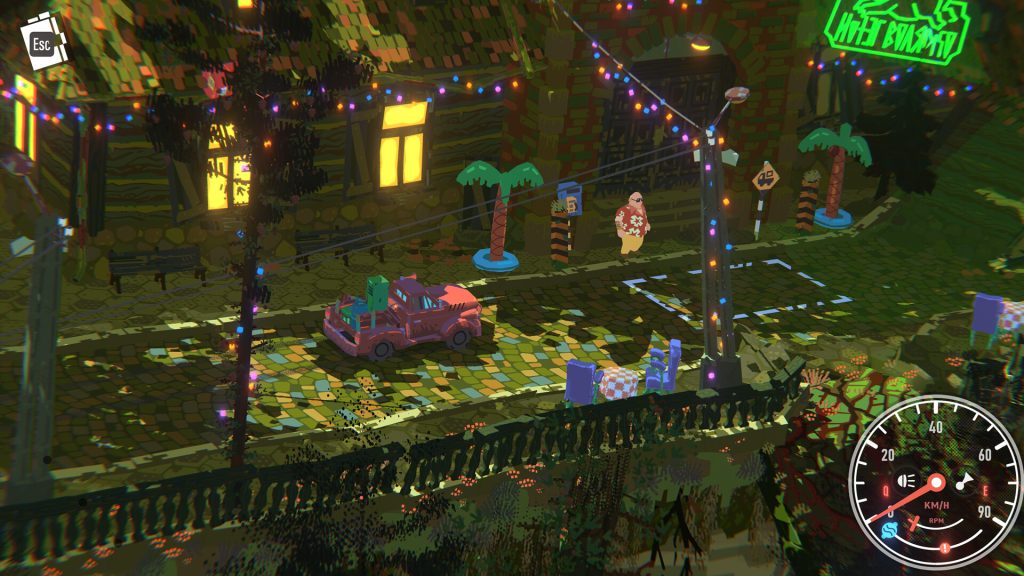
Truckful launches October 9 on Steam and Android, combining physics-based deliveries with vehicle upgrades and a mystery inside an ancient…
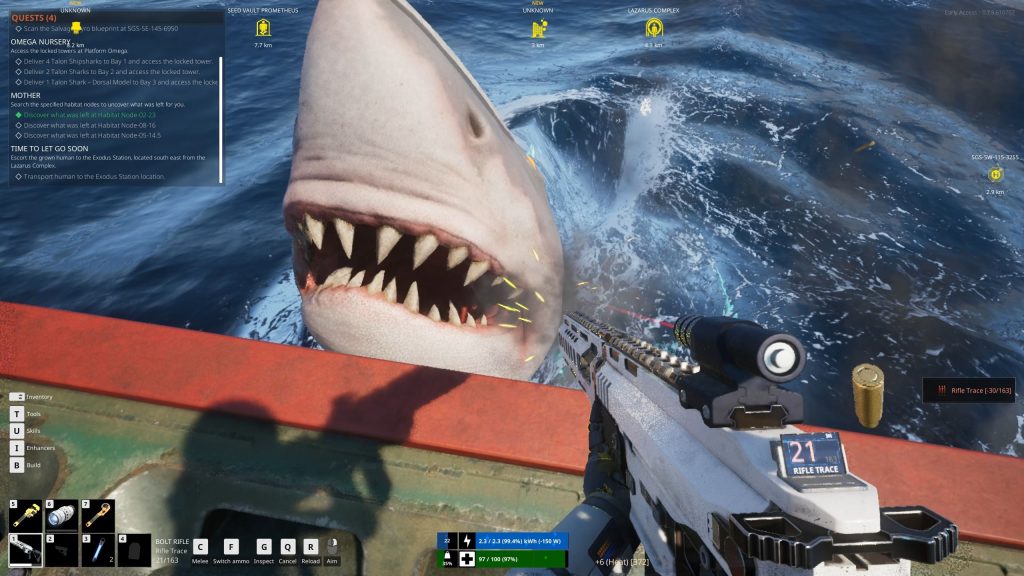
The Last Caretaker reaches version 1.0 in spring 2027 and joins Xbox Game Pass on day one after selling over…
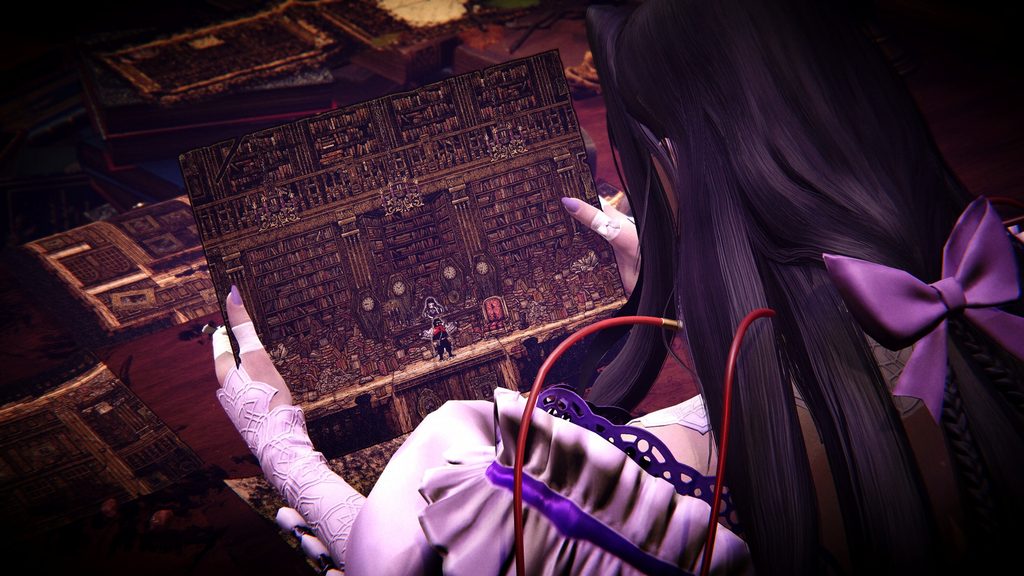
Chronoscript: The Endless End moves to early summer 2027 as DeskWorks! improves combat responsiveness, menus and visual readability.
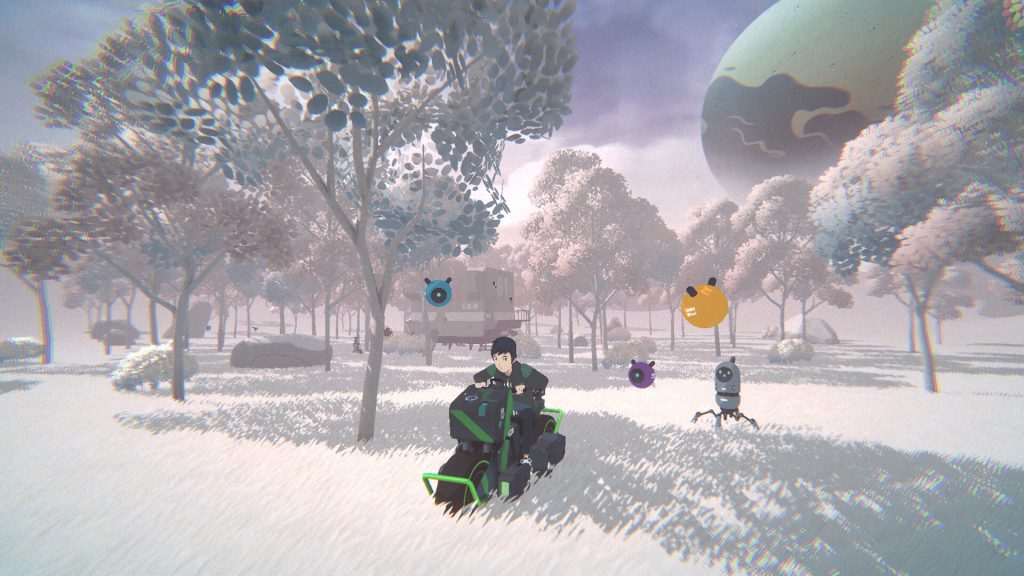
HEIMA is a parallel-world puzzle adventure from former Terra Battle developers, coming to PC in 2028 with SHIFT and HOLD…
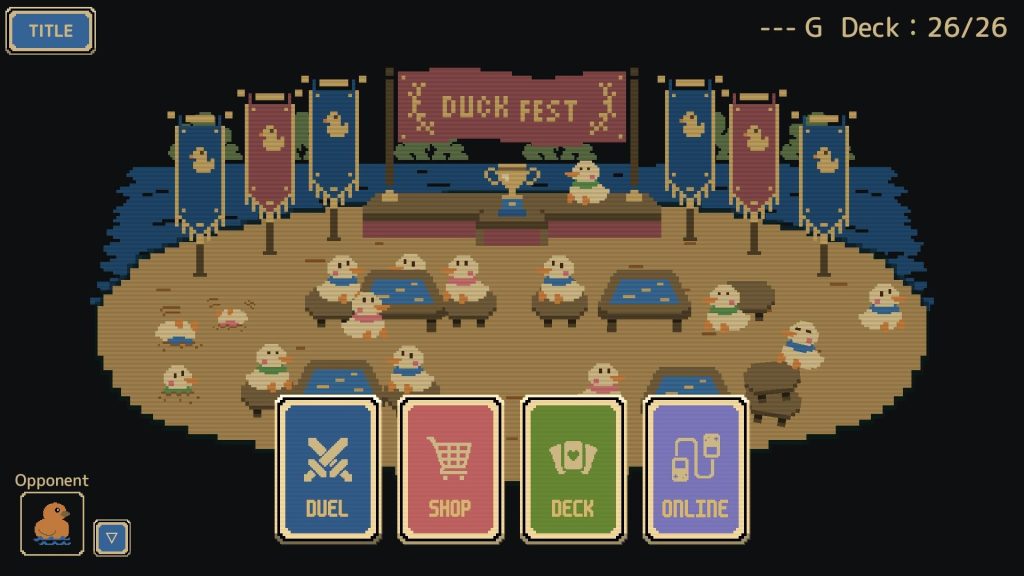
Duck Fest combines deck building and 1v1 battles with collectible cards that players can trade through the Steam Community Market.
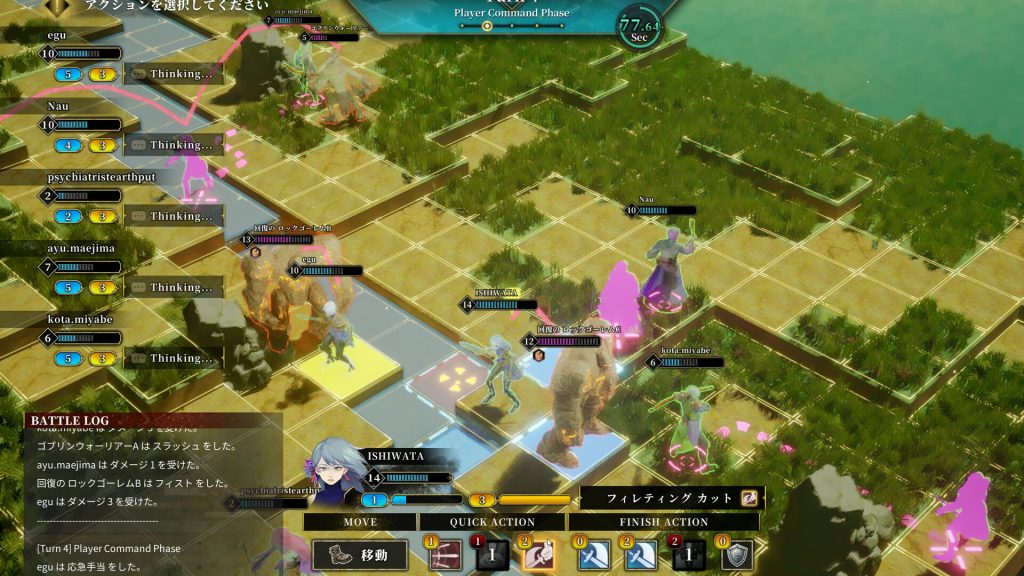
Tactful Tactics is a 1–6-player cooperative RPG where everyone plans and executes their actions simultaneously.
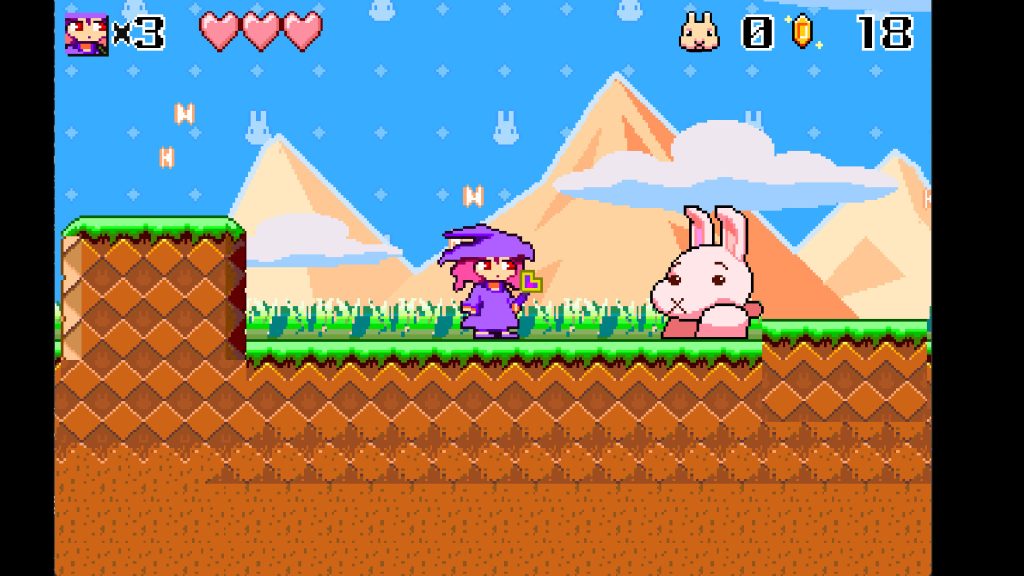
SakuSaku Witch is a retro-inspired 2D platformer about magic, bunny monsters and a suspicious toy company, coming to Steam in…
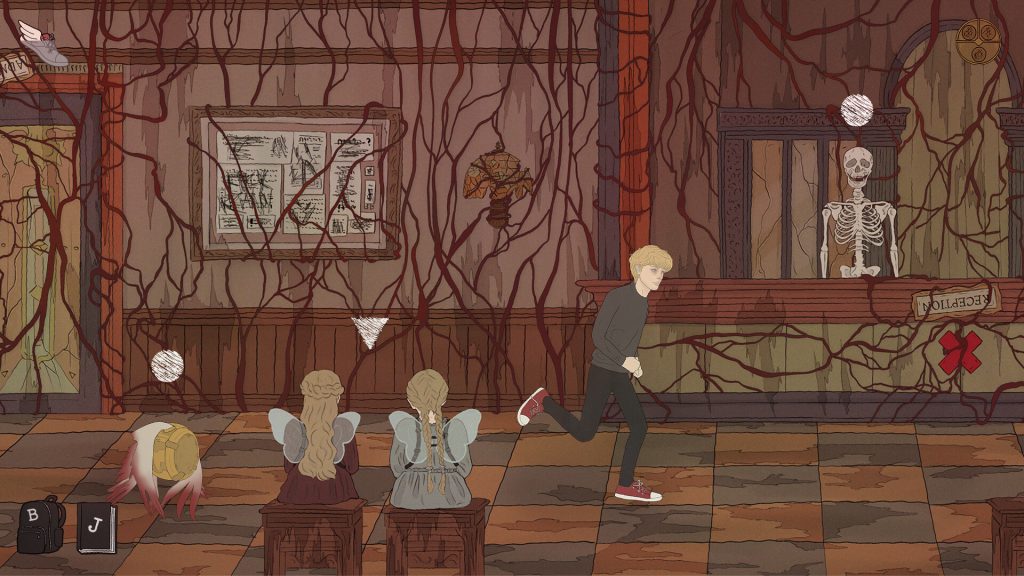
Hand-drawn psychological horror game DEPERSON earns Gamescom and BIC recognition ahead of its planned Q4 2026 Steam release.
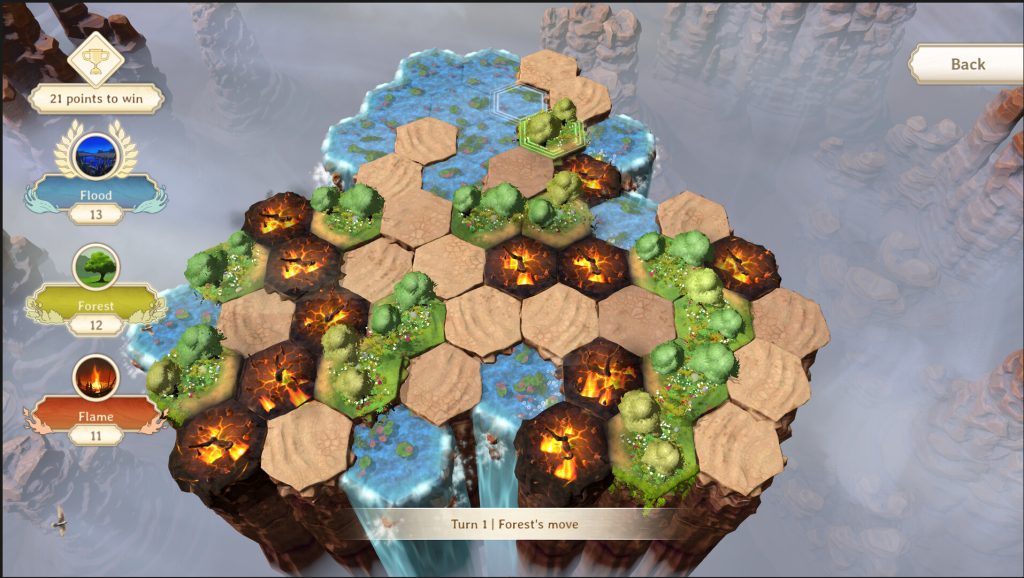
Cozy strategy game Flame, Forest & Flood will challenge GTA VI by deliberately launching on November 19, 2026.
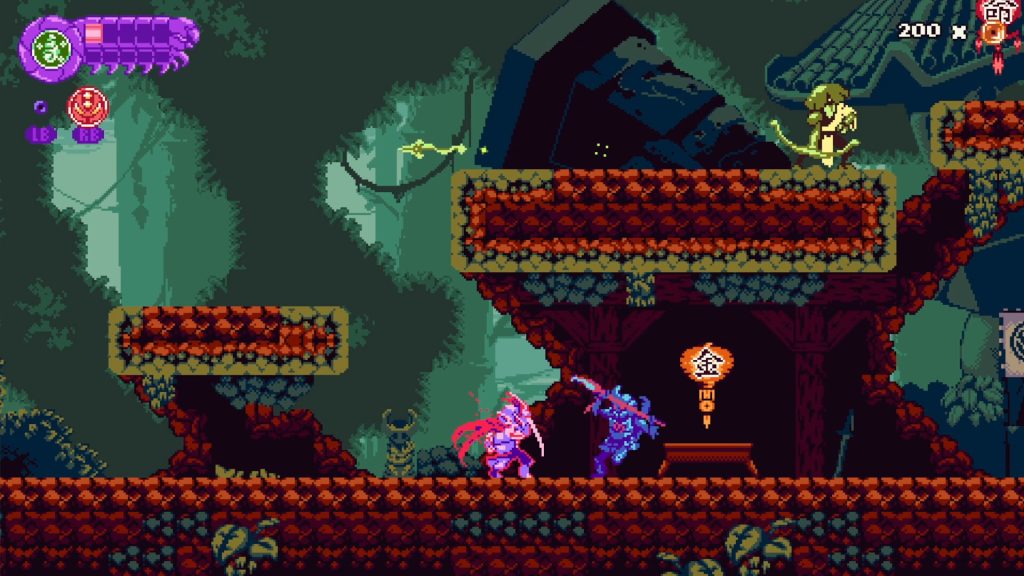
Akupara launches Kallisti Games, a service-first indie label for retro and experimental PC titles, with AOKAKI as its first project.
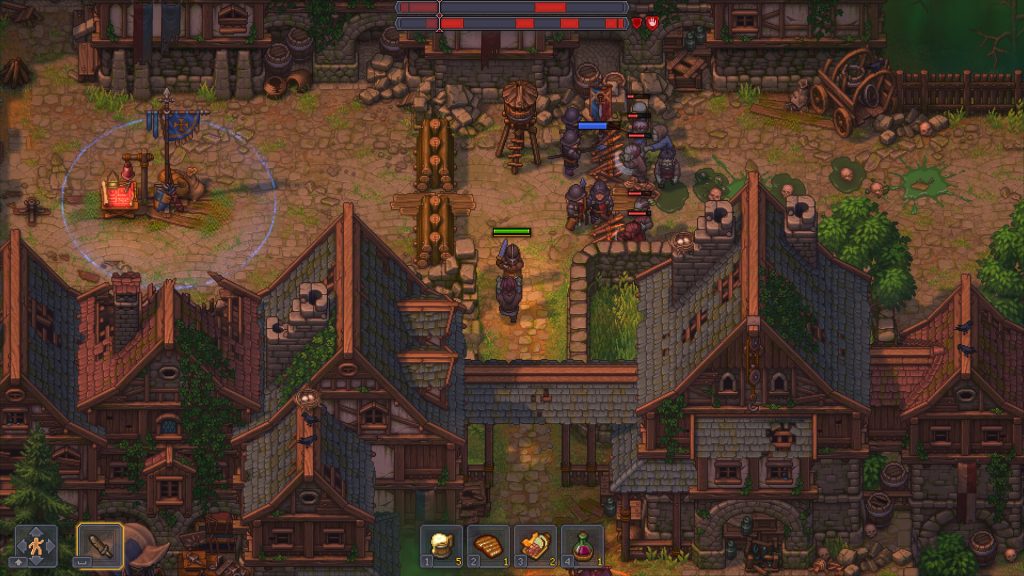
Graveyard Keeper 2 has earned $1.53 million from Steam pre-orders, with 87,500 copies sold and more than 814,000 active wishlists.
Guardians of the Wall shows chaotic co-op combat, roguelite progression and evolving world events ahead of its planned Q1 2027…
