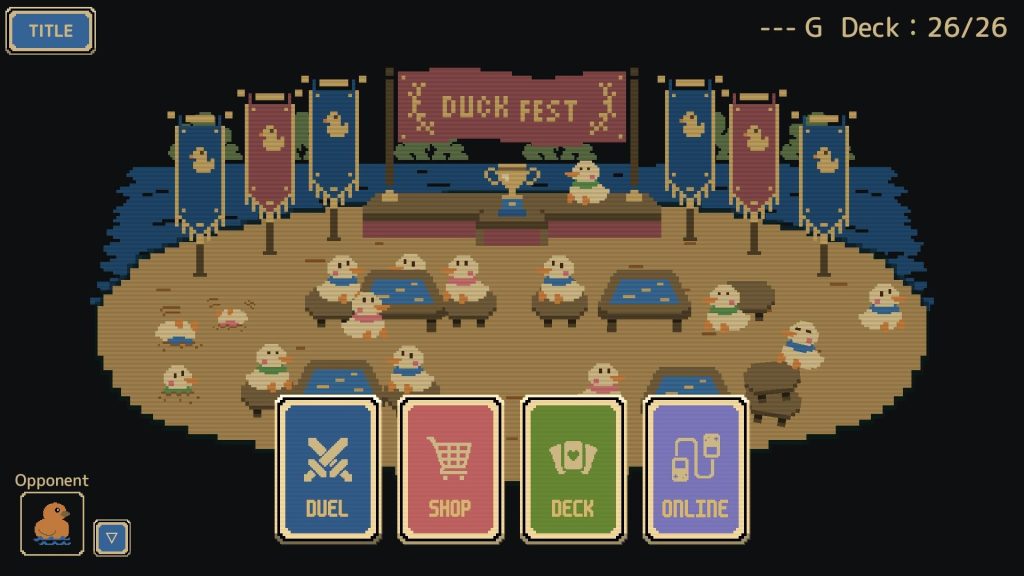
Duck Fest Puts Its Collectible Cards on the Steam Community Market
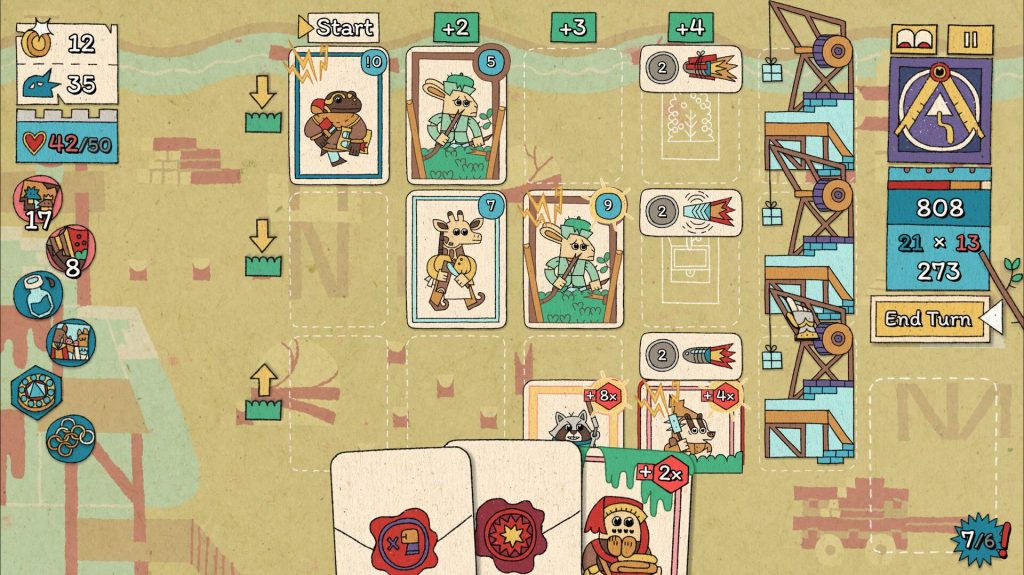
Duck Fest combines deck building and 1v1 battles with collectible cards that players can trade through the Steam Community Market.

![[OPINION] When Did Western Gaming Industry Become So Afraid of Masculine Heroes?](https://www.indie-games.eu/wp-content/uploads/2026/06/Female-Characters-in-Gaming-Opinion.jpg)
If you enjoy independent indie game coverage, consider supporting Indie-Games.eu on Patreon. It helps keep the site independent.
Every time a new gaming showcase rolls around, I find myself asking the same question: where have all the new male protagonists gone? No, this isn’t an argument that female protagonists shouldn’t exist. Some of gaming’s best characters are women. Lara Croft, Aloy, Ellie, Samus Aran, Bayonetta, and many others have earned their place because they were well-written, memorable, and, most importantly, their games were built around them from the ground up.
What has started to feel different over the past few years isn’t simply the number of female-led games. It’s the growing sense that Western publishers are actively prioritizing them, often at the expense of the kinds of masculine heroes that used to define blockbuster single-player adventures.
Whether intentional or not, seeing dozens of female-led titles presented together creates the impression that this is where the industry’s attention is focused. The games themselves aren’t the problem. The messaging around them is. The biggest frustration comes when established franchises begin replacing the protagonists that made people fall in love with them.
We’ve watched Ghost of Tsushima transition to Ghost of Yōtei with a female lead. God of War appears to be shifting attention toward Faye rather than continuing Kratos’ story. Assassin’s Creed has repeatedly experimented with changing legacy protagonists or making female leads the primary marketing focus.
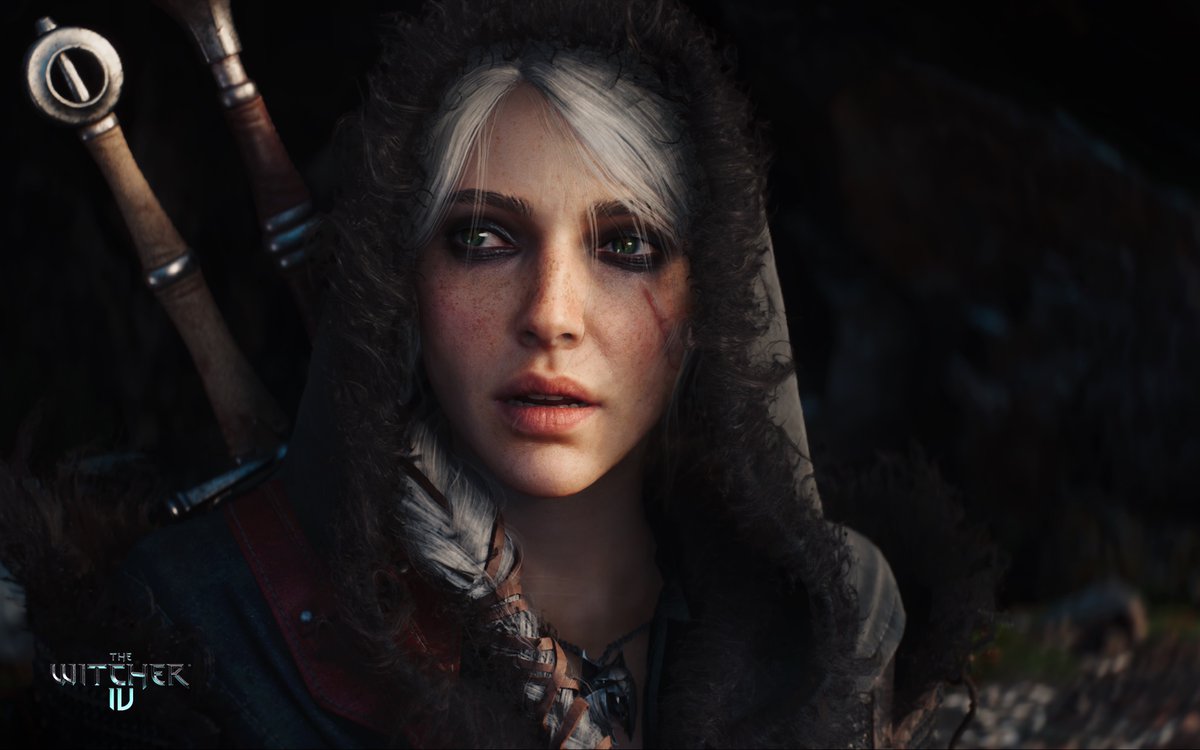
On paper, there’s nothing wrong with introducing new characters. Franchises should evolve. The issue is that these changes often don’t feel like natural expansions of the universe. Instead, they can come across as deliberate attempts to move away from the masculine archetypes that built these series in the first place.
Players didn’t spend years with Kratos because he was a man. They spent years with him because he represented raw power, rage, redemption, and one of gaming’s most iconic warrior fantasies. Jin Sakai wasn’t memorable because of his gender either, but because he embodied honor, sacrifice, and the fantasy of becoming the Ghost.
When those identities disappear, it isn’t surprising that longtime fans start asking why. The conversation also becomes more interesting when you step back and compare Western and Eastern development. Despite the online discourse, male protagonists haven’t disappeared from gaming altogether. In fact, many of the biggest recent successes have come from Asia.
Black Myth: Wukong proved that audiences still love powerful male heroes, selling millions of copies while delivering exactly the kind of larger-than-life mythological adventure many players have been craving. Upcoming games like Phantom Blade Zero, Onimusha: Way of the Sword, or even The First Berserker: Khazan continue embracing strong, capable male protagonists without apologizing for it.
There’s a noticeable difference in philosophy. Western studios often appear focused on balancing representation and broadening their audience, which isn’t inherently a bad goal. But sometimes that emphasis becomes visible enough that players begin wondering whether character choices are being made for storytelling reasons or for marketing and messaging.
Eastern developers, meanwhile, generally seem more interested in delivering compelling fantasies first and letting the characters fit naturally into that vision. Whether those characters are men or women feels secondary to making them look cool, fun to play, and memorable.
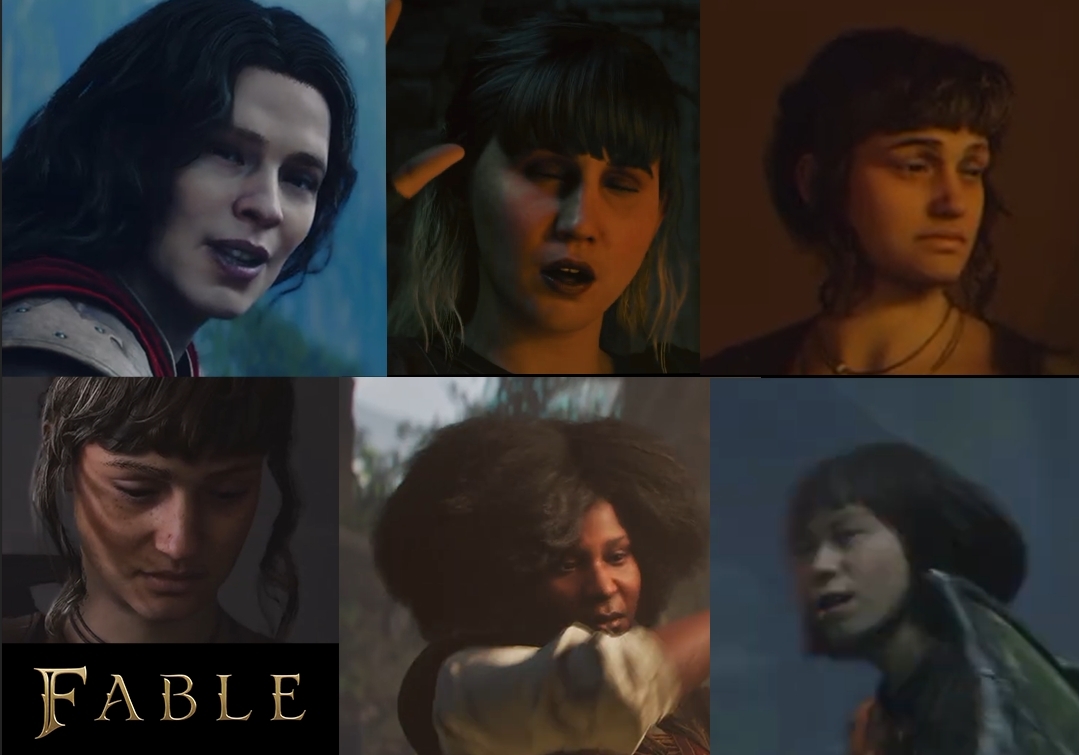
That contrast extends beyond writing into character design itself. One of the most common debates online revolves around how female protagonists are designed. Many Western studios have embraced a more grounded aesthetic. Their heroines often feature realistic facial structures, practical clothing, and less idealized appearances, all in pursuit of authenticity.
Meanwhile, Japanese and Korean developers frequently lean into stylization. Their characters are expressive, visually striking, and intentionally attractive, even when they’re battle-hardened warriors. Neither approach is objectively right or wrong. The problem begins when players feel like visual appeal is being intentionally avoided for ideological reasons rather than creative ones.
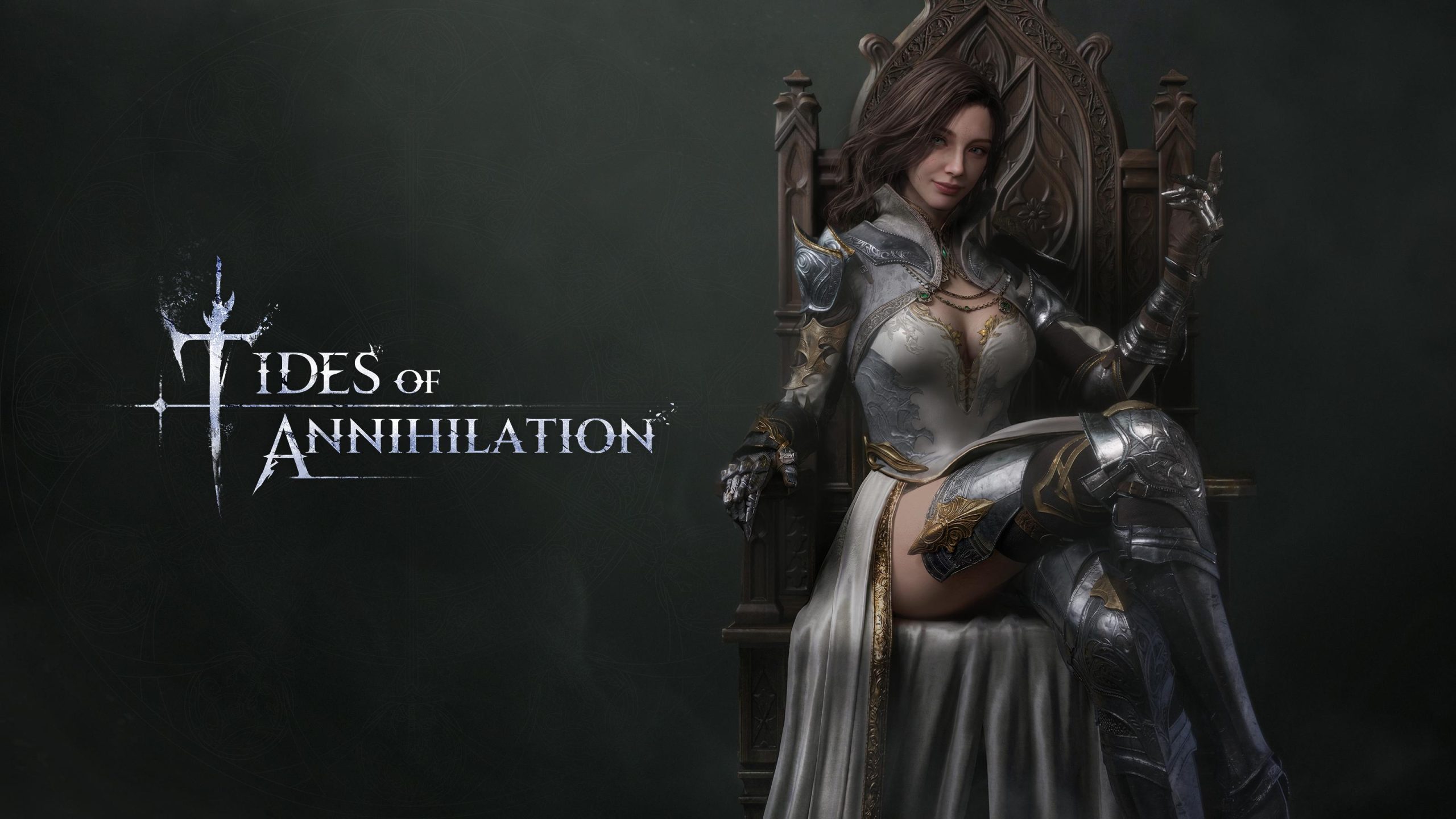
Many players describe the mentioned problem as “uglification,” arguing that some Western studios deliberately reject traditionally attractive character designs because they’re associated with the so-called male gaze. Others argue it’s simply realism and better representation. Whatever side someone falls on, the discussion clearly exists because players notice the difference.
I don’t think gaming is being “taken over” by female protagonists. That’s an exaggeration. There are still countless games starring men. There are RPGs where players create their own characters. And Eastern developers continue producing blockbuster action games centered around masculine heroes.
The real issue is perception. When Western showcases repeatedly spotlight female-led projects, when established franchises replace iconic male protagonists instead of creating entirely new stories, and when many of those decisions appear to align with broader cultural trends, it’s understandable why some players feel fatigued.
That doesn’t mean every female-led game deserves criticism. Far from it. Great characters are great characters, regardless of gender. First Horizon game worked because Aloy fit its world. Tomb Raider’s reboot succeeded because Lara Croft remained the heart of her own franchise. Nobody complained because those games existed. They complained because those characters felt earned.
Quality has always mattered more than quotas. If developers create compelling heroes with engaging gameplay and believable stories, players will show up. If they make changes that feel driven more by messaging than creativity, audiences will notice just as quickly. Fortunately, the market has a way of sorting these things out. Black Myth: Wukong didn’t become a global phenomenon because people wanted to make a political statement. They bought it because it looked incredible and delivered on its promise.
At the end of the day, that’s still the strongest message players can send. Not through social media. Not through arguments. But through where they spend their time and money. The industry pays attention to both.
Duck Fest combines deck building and 1v1 battles with collectible cards that players can trade through the Steam Community Market.
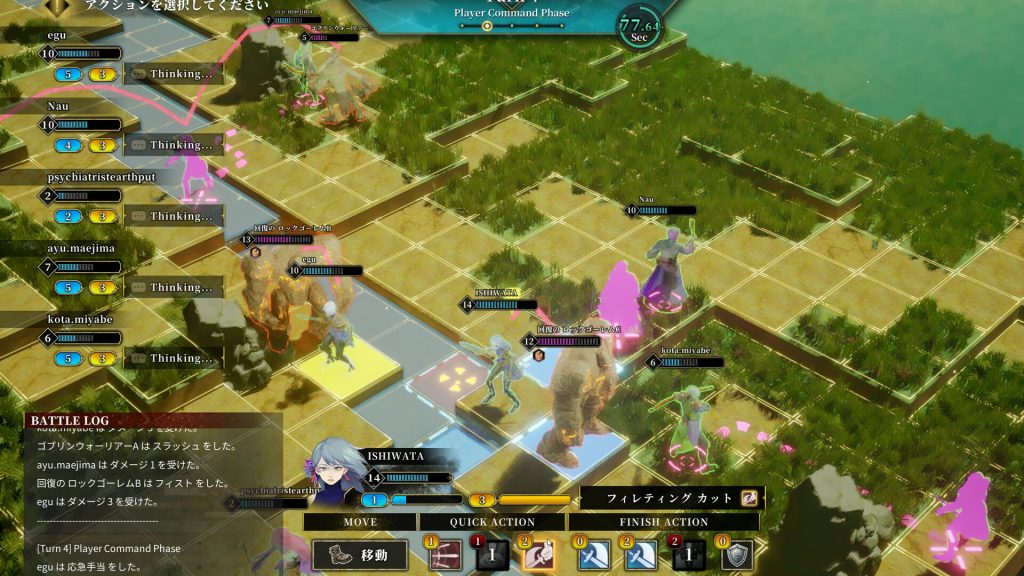
Tactful Tactics is a 1–6-player cooperative RPG where everyone plans and executes their actions simultaneously.
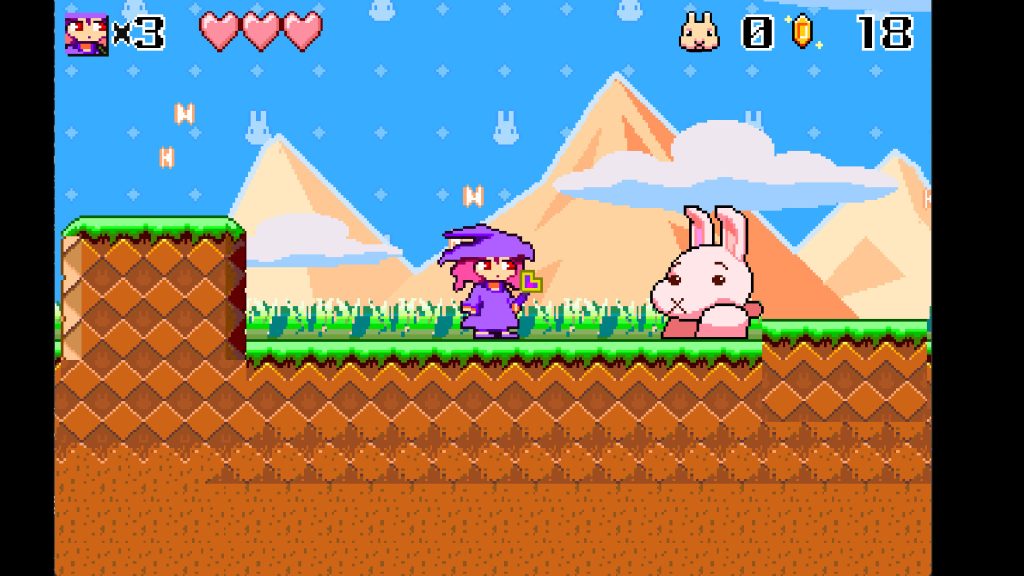
SakuSaku Witch is a retro-inspired 2D platformer about magic, bunny monsters and a suspicious toy company, coming to Steam in…
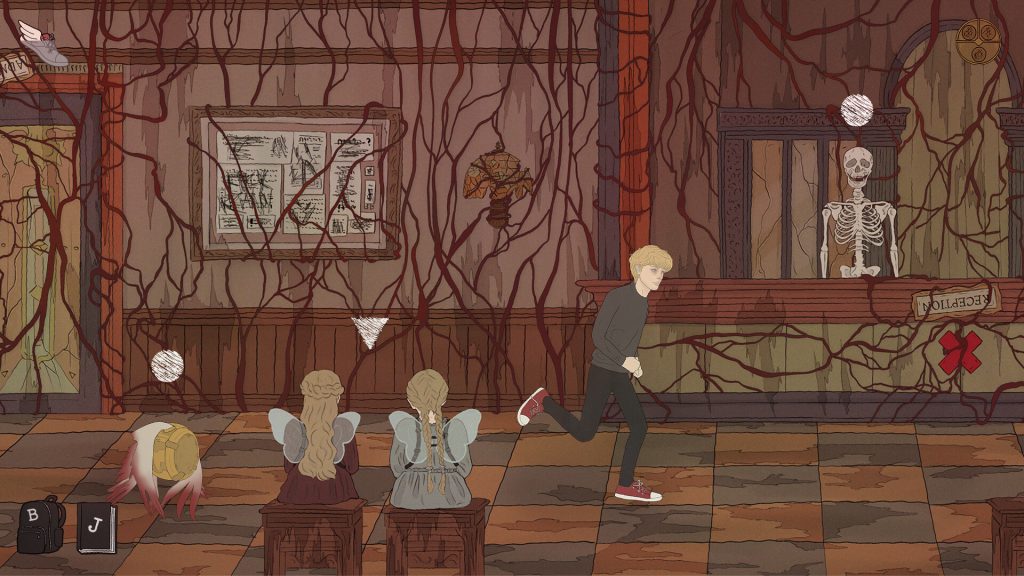
Hand-drawn psychological horror game DEPERSON earns Gamescom and BIC recognition ahead of its planned Q4 2026 Steam release.
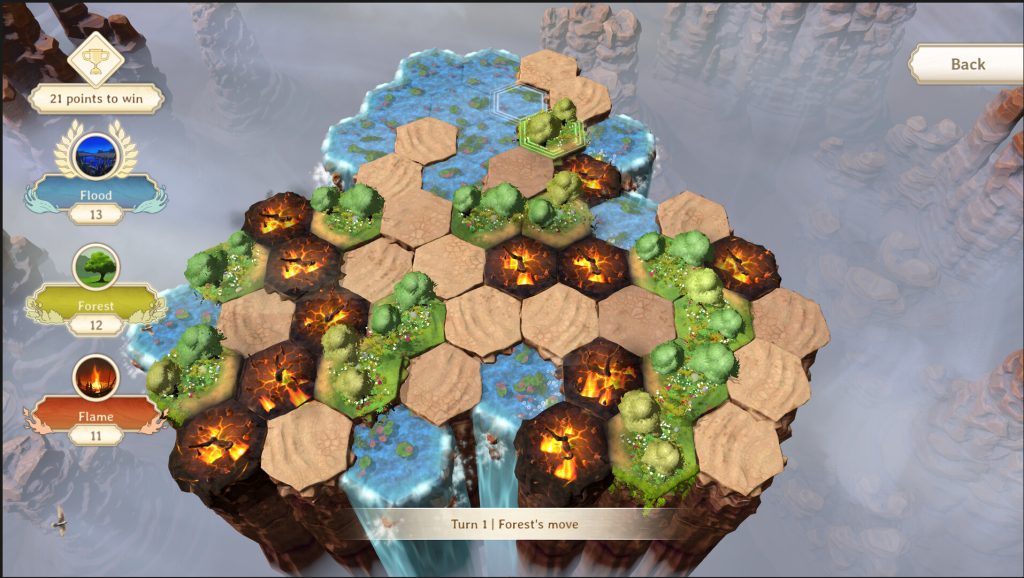
Cozy strategy game Flame, Forest & Flood will challenge GTA VI by deliberately launching on November 19, 2026.
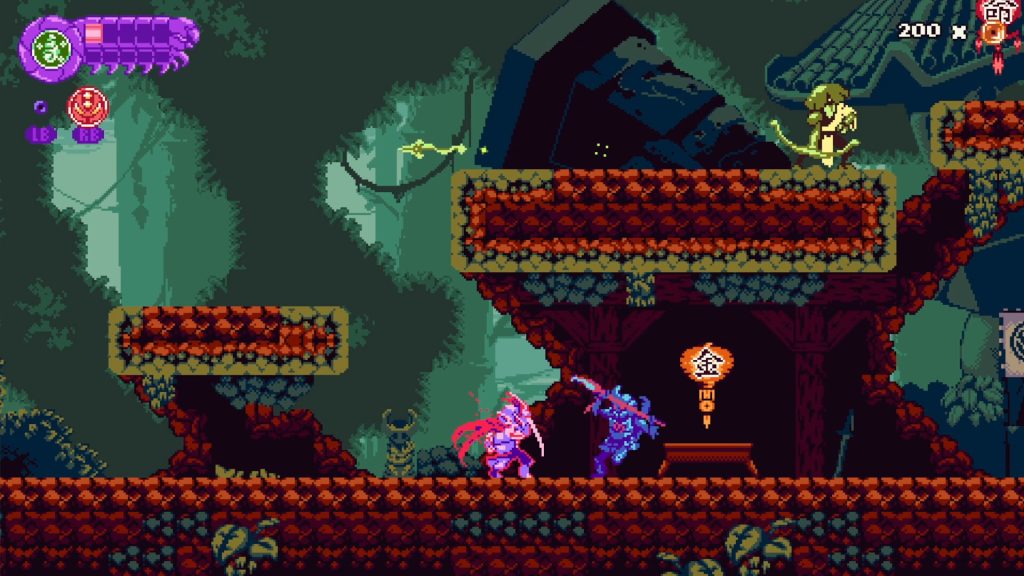
Akupara launches Kallisti Games, a service-first indie label for retro and experimental PC titles, with AOKAKI as its first project.
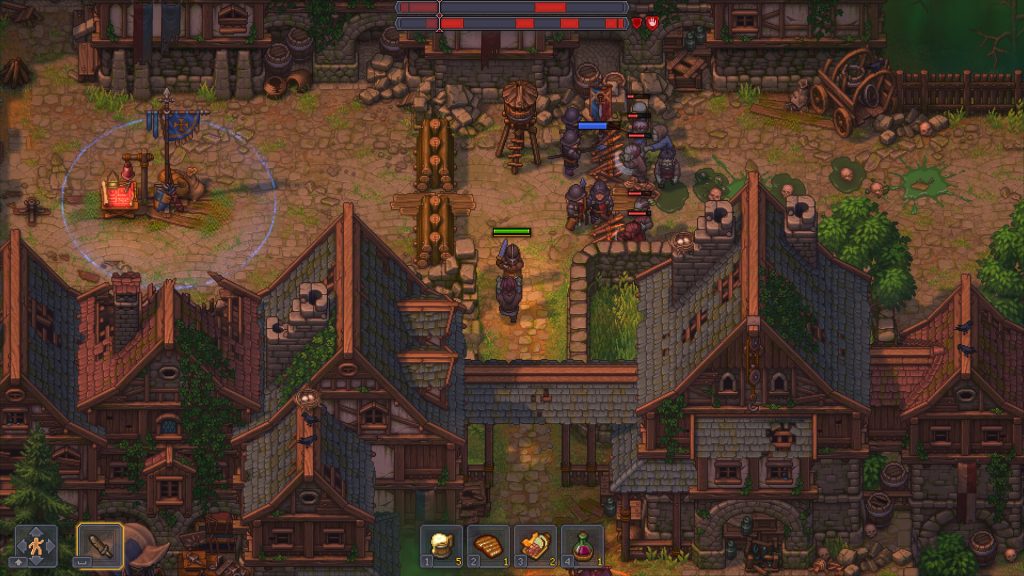
Graveyard Keeper 2 has earned $1.53 million from Steam pre-orders, with 87,500 copies sold and more than 814,000 active wishlists.
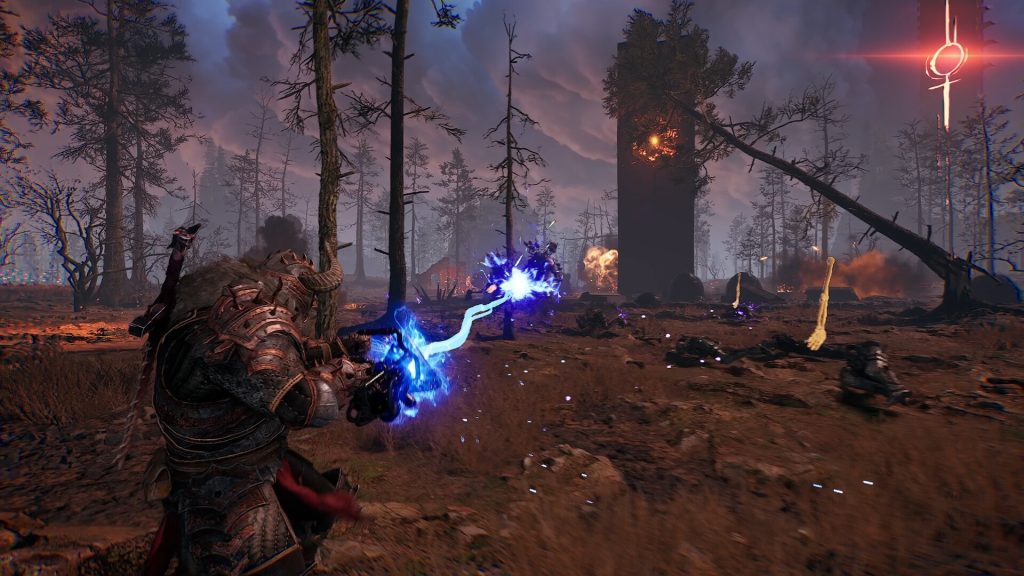
Guardians of the Wall shows chaotic co-op combat, roguelite progression and evolving world events ahead of its planned Q1 2027…
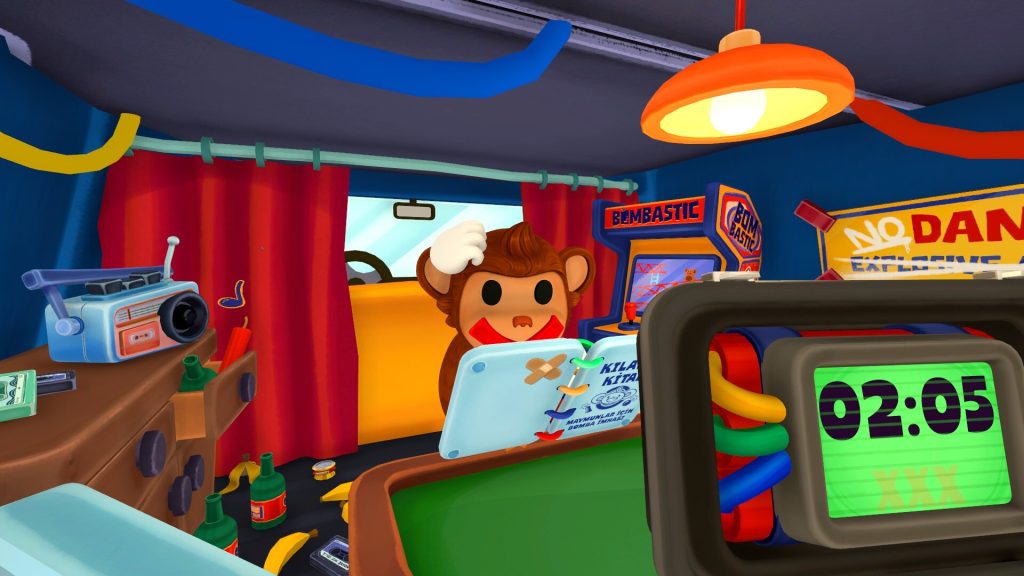
BOMBANANA! reaches 500,000 monkeys five days after launching its chaotic three-player bomb-defusal game on Steam.
Don’t Nod is considering another restructuring, raising concerns that further job cuts could follow as the Life is Strange studio…
One brutal week in August saw 720 games launch on Steam, showing just how difficult it is for indie developers…
PlayStation fans are no longer impressed by quantity alone, with many waiting for major first-party announcements to make State of…
Embracer Games Archive celebrates five years after cataloguing over 90,000 games, consoles, accessories and hardware for preservation.
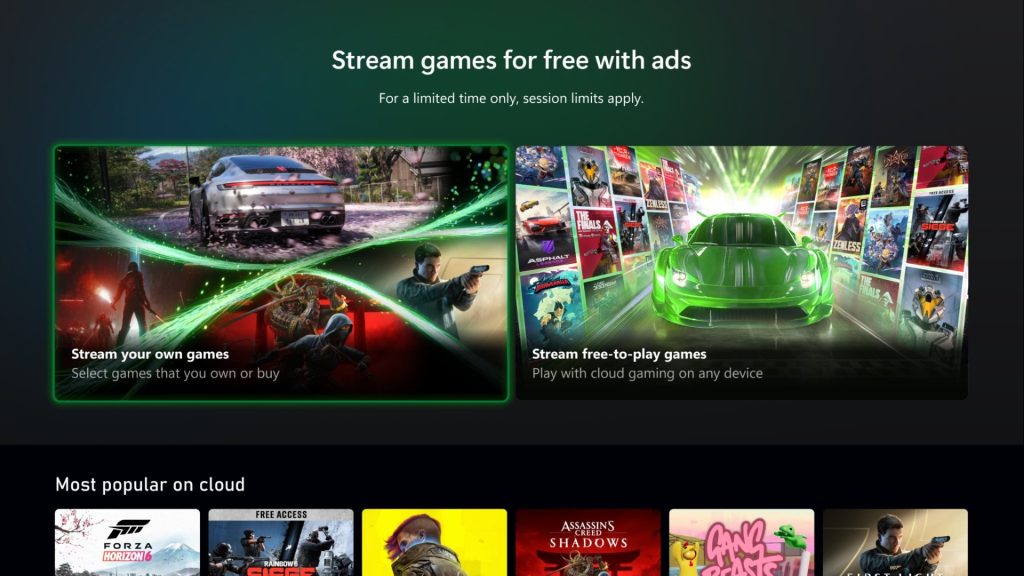
Xbox Cloud Gaming is about to become a lot less unlimited, as Microsoft has announced monthly streaming caps for Game…
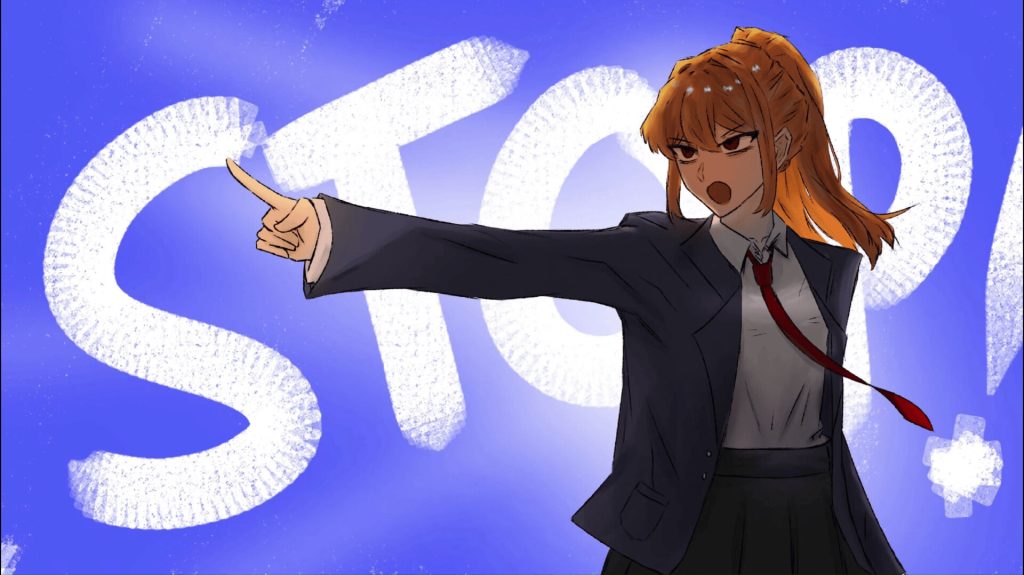
Nightmere I blends detective mystery, psychological horror and RPG exploration as investigator Amelia searches for a missing student in 1991.
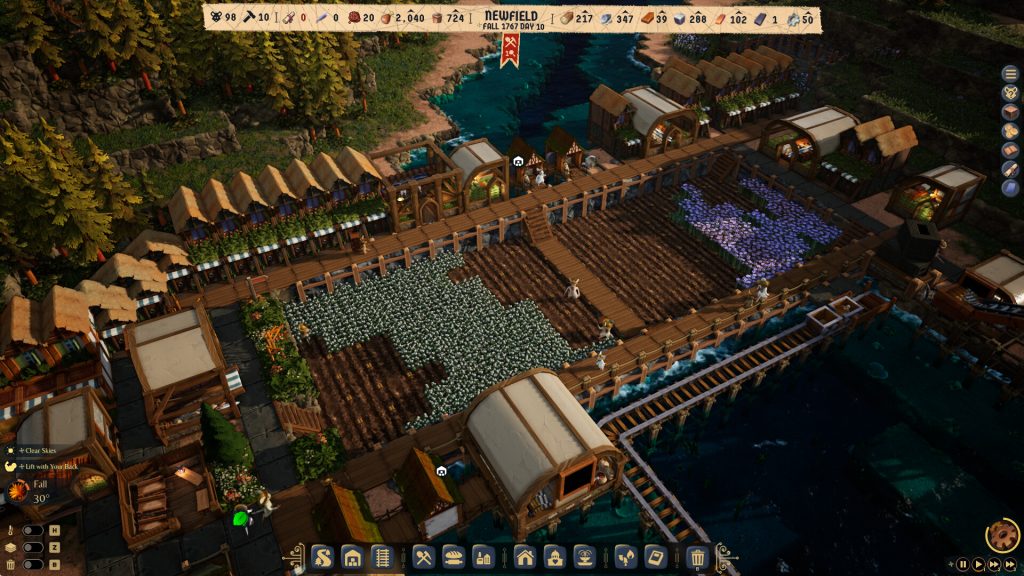
Whiskerwood is expanding its mouse colony with an entire ocean to worry about, bringing new challenges to the colony-building survival…
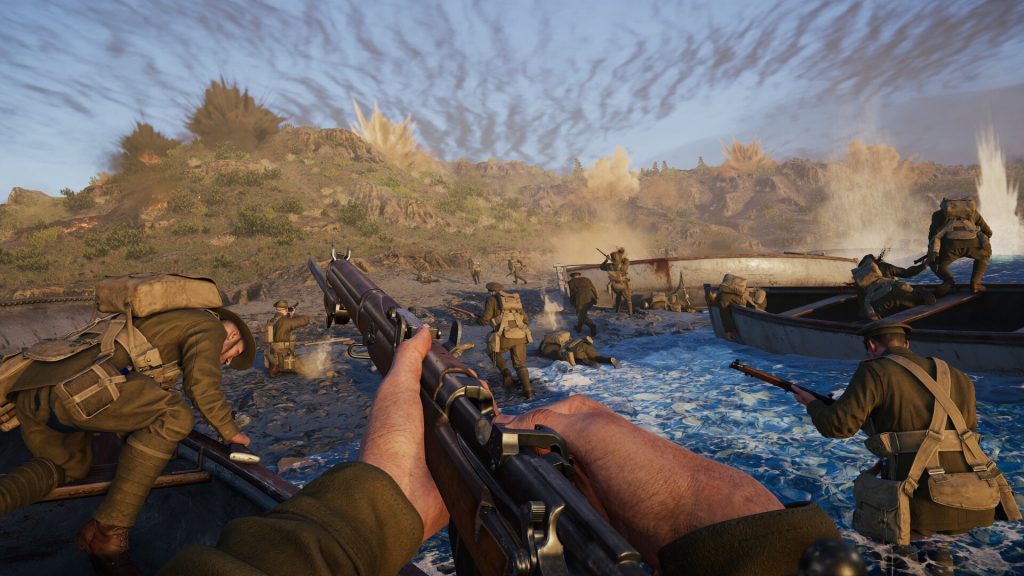
Gallipoli launched last month, but BlackMill Games is already preparing its first free expansion, adding something never before seen in…
The Royal Writ will launch for PlayStation 5, Xbox Series X|S and Nintendo Switch on September 10th, alongside Xbox Game…
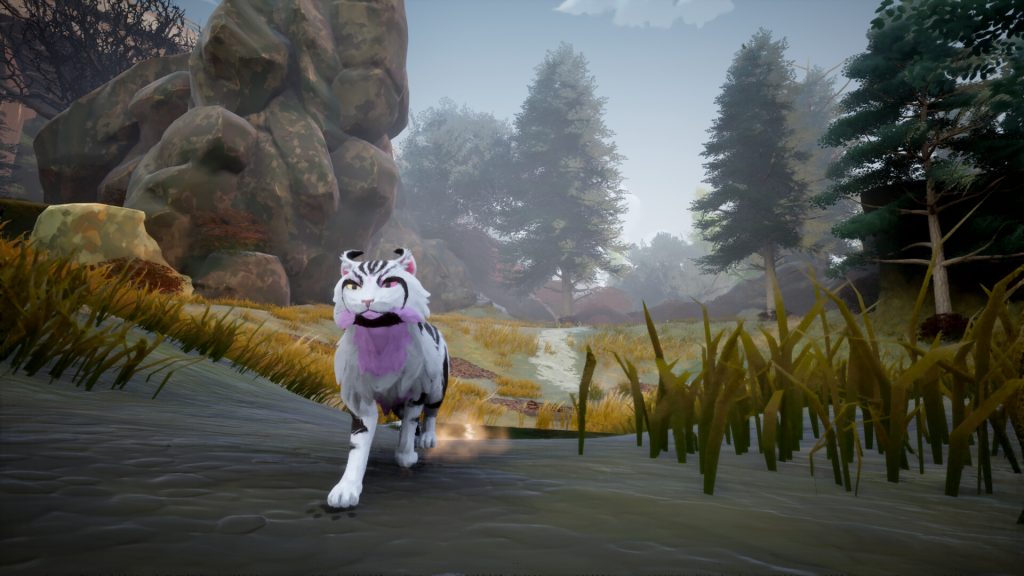
Warrior Cats: Clans of the Forest launches on October 23rd, 2026 for PC, PlayStation 5, Xbox Series X|S and both…
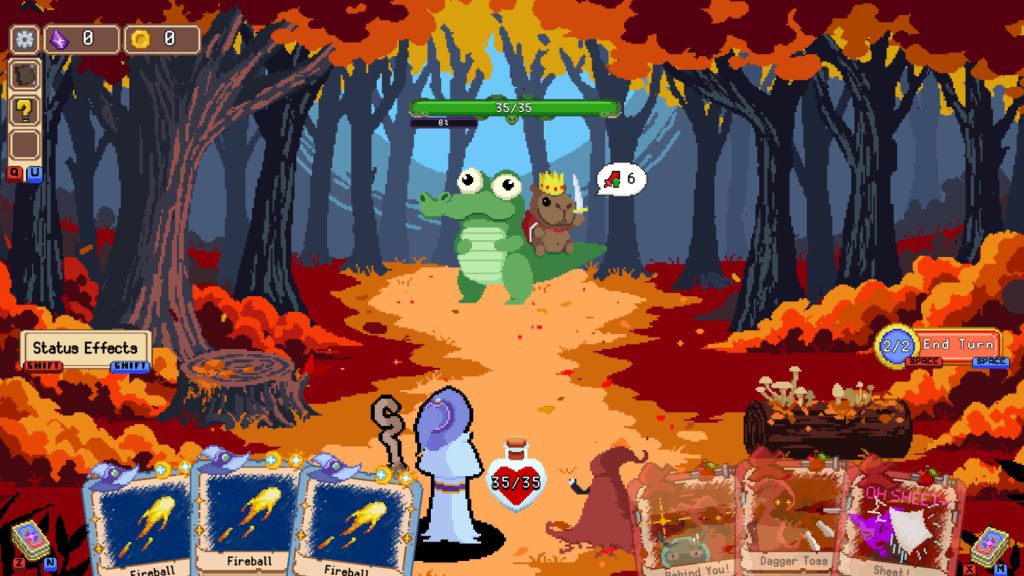
Duo Quest’s free Steam demo now supports online co-op ahead of the relationship-driven roguelite deckbuilder’s September 16th launch.
