![[PREVIEW] Dreamcards – Strategic Exploration of Consciousness](https://www.indie-games.eu/wp-content/uploads/2026/08/Dreamcards_20260810_233631_0000-1024x576.jpg)
[PREVIEW] Dreamcards – Strategic Exploration of Consciousness
Dreamcards is a roguelike deckbuilder centered around dreams and nightmares.


If you enjoy independent indie game coverage, consider supporting Indie-Games.eu on Patreon. It helps keep the site independent.
During Gamescom, we had the opportunity to get a hands-on preview of Outbound, a cooperative open-world exploration and survival game that blends a cozy, relaxing atmosphere with a deep crafting and building system. It puts you in the driver’s seat of an electric camper van, which serves as your mobile base, as you journey across a colorful, post-utopian world. The game’s primary focus is on a mix of exploration, resource management, and creative expression through vehicle and base customization. You can find this game on Steam.

The first thing that stands out when you start playing is how simple the game looks. You can choose to drive in first or third person; I recommend the latter so you can look around and pick up resources when you spot them. You begin with a basic, empty van and are tasked with turning it into a comfortable and sustainable home. The demo starts with a simple introduction: you drive to a blocked area and collect items, find chests, light a firepit, and find a computer. This computer allows you to unlock new things, like tools (an axe or pickaxe), machines (a sawmill or recycler), and even farming equipment.
Your task is to find landmarks and watchtowers that contain computers, which unlock new items as you progress. Since the world is open, you’ll come across obstacles and resources to collect, such as logs, rocks, and berries for food and healing. You can store all of these items inside your camper van, which is also used to place the machines you unlock. Although the demo only gave a small taste of the full game, I assume you will be able to expand the van everywhere.
In other words, Outbound features a modular building system that lets you customize your van inside and out. You can add walls, furniture, workstations, and even multiple floors on top of your vehicle. A key aspect of the game is managing energy for your electric van, which can be sourced from sustainable methods like solar panels, wind turbines, and water generators. The demo doesn’t show this perfectly, but it does show that it’s possible.

Everything about this game is designed to be cozy and wholesome. You can feed berries to bunnies (and you can’t kill them), explore the world at your own pace, and find new areas and hidden items like gnomes. Even the driving is easy to get the hang of, and the animations for opening the side of the van to store things or the back for crafting have a really nice touch.
As you explore and gather resources, you can craft advanced workstations and research new technologies. This allows you to refine materials and create more complex items, which expands your building and crafting options. The demo only gave a hint of this system. For example, to start farming, you must first unlock the plot and then the watering can. I’m not convinced this is the best approach, because it sounds like it could require a lot of grinding. With each computer only unlocking one new technology (for now, at least), progress might feel very slow.
This is where some questions arise. The world seems empty, with most things being more for aesthetics than useful. I’m also unsure how progression will work. Will we just be fixing bridges and other things to get from one area to another? That would limit the open-world feeling. It’s also unclear how repetitive the watchtowers and landmarks will be. Since the co-op wasn’t supported in the demo, I’m not sure how well it will function too.
Still, this is a very promising title. The only things that bother me are the questions the demo didn’t properly answer, particularly concerning repetition. The game seems to focus almost entirely on its systems and environment, with little to no overarching story to guide your journey. You’ll mostly be doing objectives. Other than that, I firmly believe all the different biomes and areas will be worth exploring. If you’re looking forward to this game, you likely won’t be disappointed.

Dreamcards is a roguelike deckbuilder centered around dreams and nightmares.
![[Early Access] OFFBEAT – Incredibly Fun Way to Start a Music Career](https://www.indie-games.eu/wp-content/uploads/2026/08/Offbeat_20260808_201446_0000-1024x576.jpg)
In OFFBEAT, we play the role of a jobbing composer who is launching their music career.
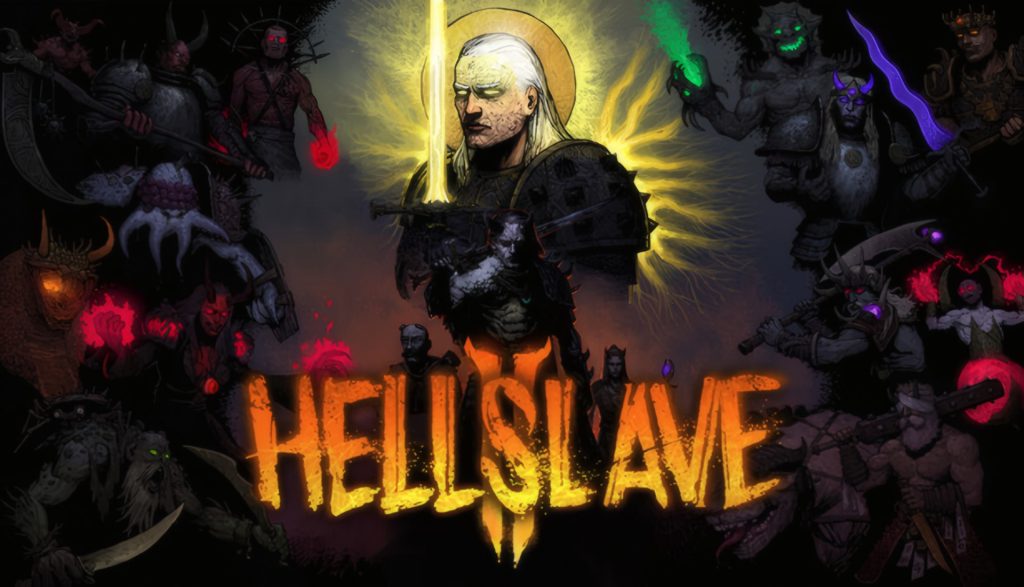
HellSlave II retains the original’s oppressive atmosphere, morally grey world and striking art while adding a larger world, randomized loot…
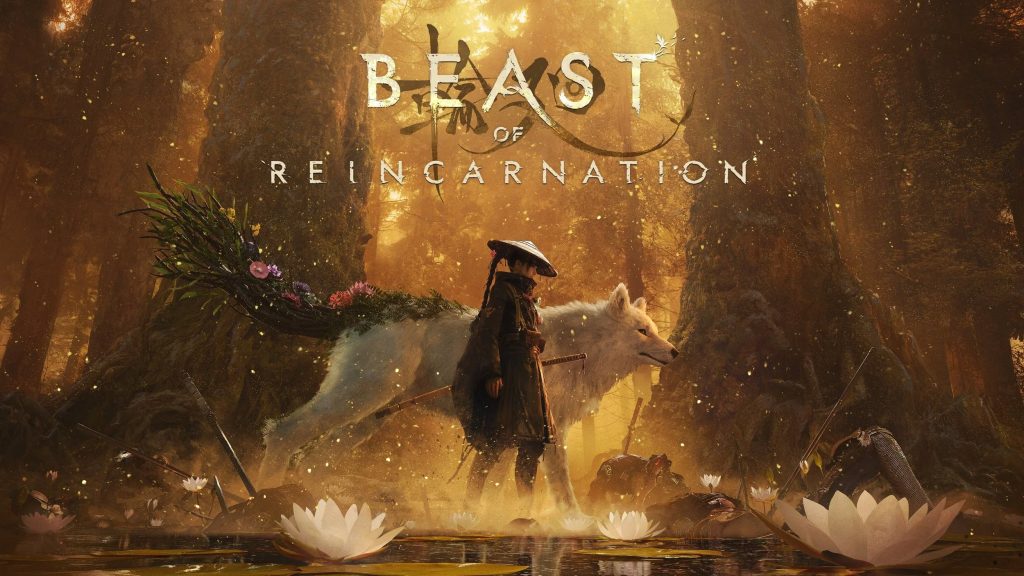
Beast of Reincarnation is an ambitious but uneven action RPG elevated by satisfying parry combat, beautiful art direction and the…

K-pop Idol Stories: Road to Debut captures the pressure of building idol group, but its management systems never explore that…
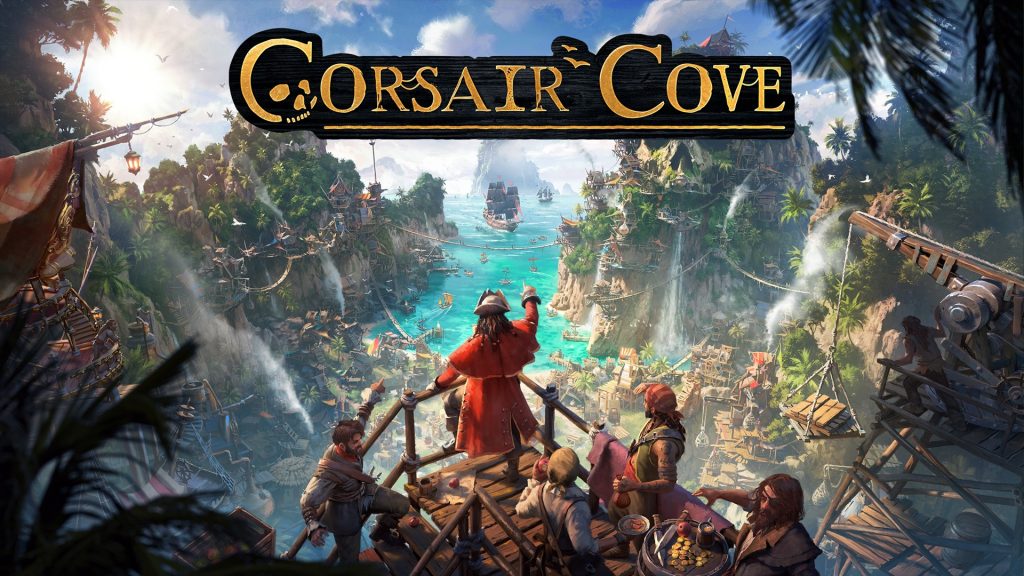
Hooded Horse keeps finding strategy games that know their audience, and Corsair Cove extends its impressive run of excellent city-builders.
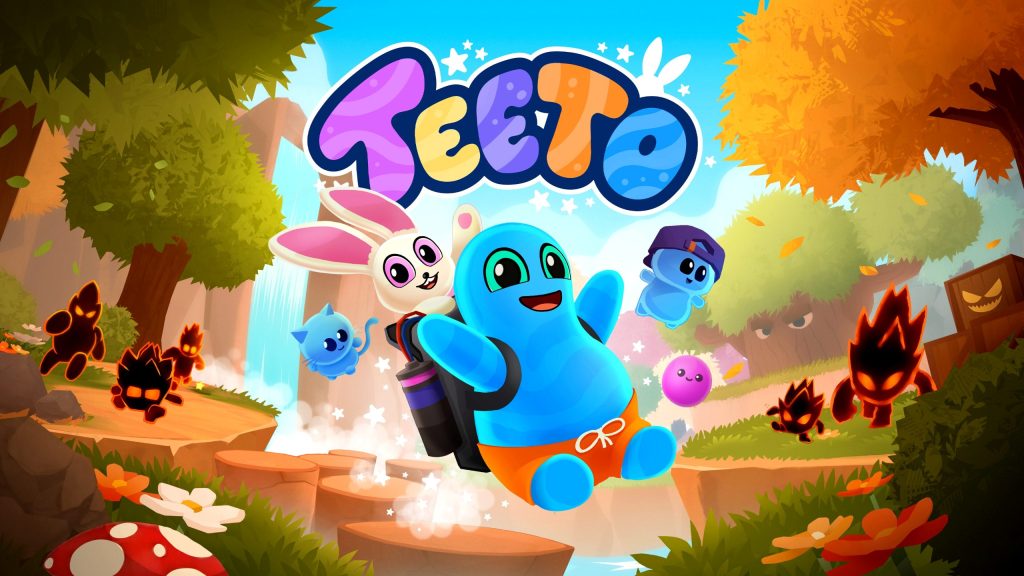
Teeto is a warm, cozy, creative and highly enjoyable 3D platformer that understands why classic collectathons remain so appealing.

Turnip Mountain stands out for its combination of a unique control system and a minimalist approach.
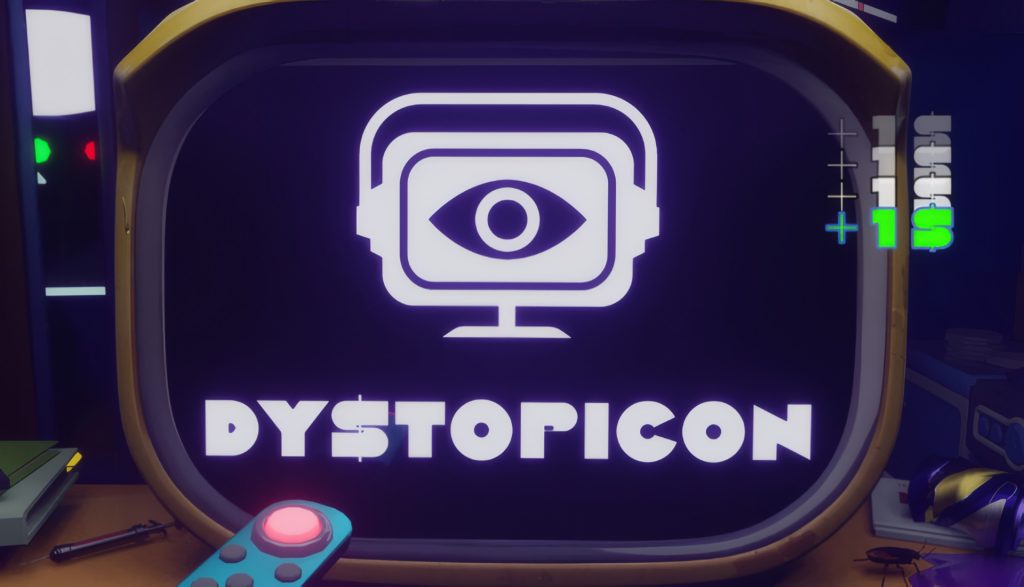
Dystopicon is an imaginative and memorable narrative experiment with sharp social commentary, engaging world-building and several wonderfully absurd scenarios.

Maneki Mania is an incremental game centered around petting a lucky cat.
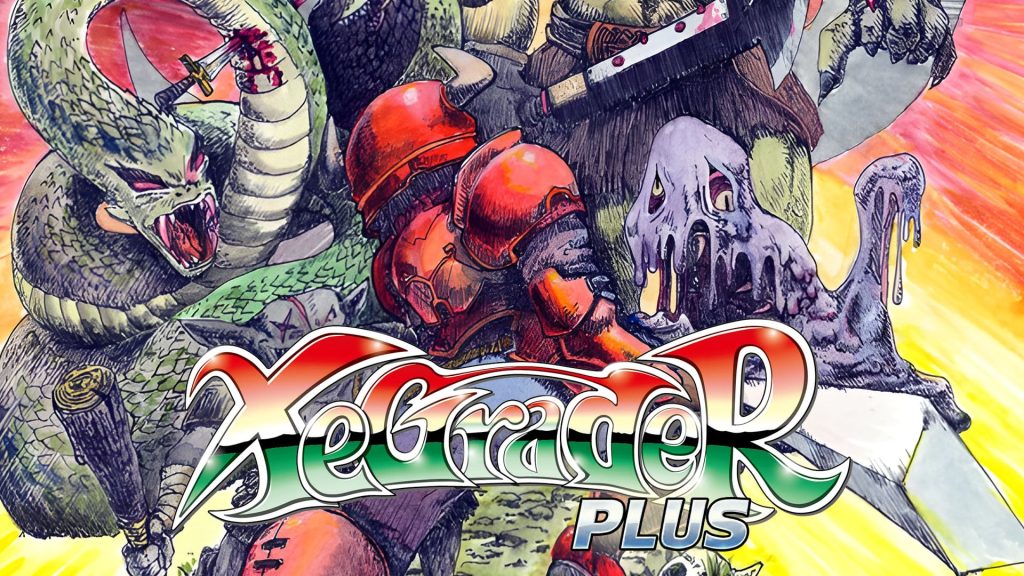
XeGrader Plus delivers colorful retro shooting, but basic mechanics, a short campaign and paid retro modes make its €20 price…
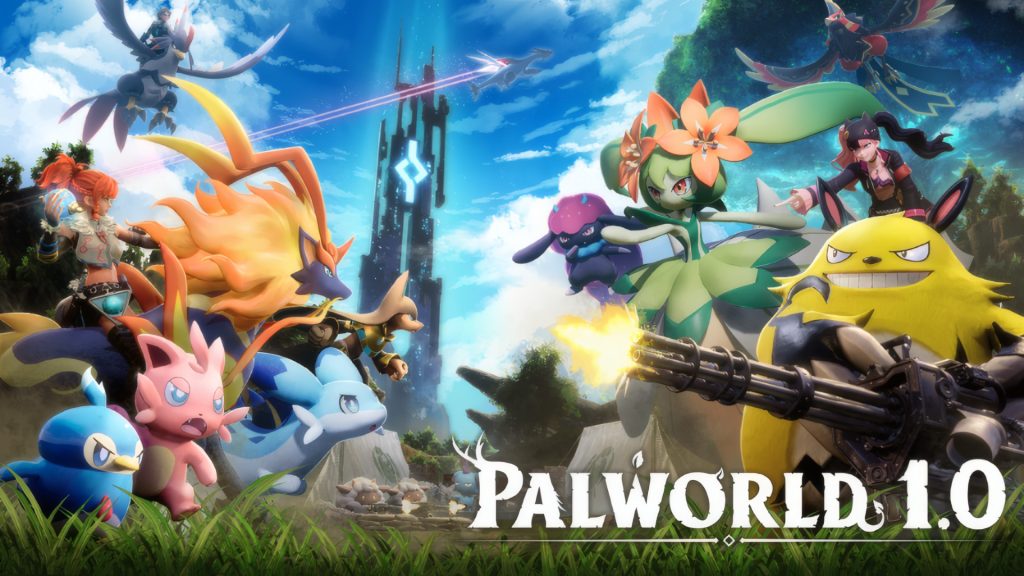
It has been roughly two and a half years since Palworld first entered Early Access, and quite a lot has…
![[EARLY ACCESS] The Last Caretaker – Survival Game I Cannot Stop Playing](https://www.indie-games.eu/wp-content/uploads/2026/07/The-last-Caretaker-Key-Art-1024x587.jpg)
The Last Caretaker is a compelling survival crafter with a flooded world and mobile base, but weak combat and performance…

Advent: Dawn is an intriguing science-fiction visual novel elevated by a likable cast and one of the most convenient flowchart…
![[EARLY ACCESS] Hell Maiden – Beautiful but Uneven Journey Through Hell](https://www.indie-games.eu/wp-content/uploads/2025/06/HMD_screenshot_019-1024x576.jpg)
Bullet heaven and rougelite game Hell Maiden lands between a polished Early Access release and a promising game that still…
![[PREVIEW] Dark Queen of Samobor – Promising Croatian Adventure Still in Need of Polish](https://www.indie-games.eu/wp-content/uploads/2026/07/Dark-Queen-of-Samobor-1024x587.jpg)
Dark Queen of Samobor is a promising 2.5D side-scrolling action-adventure that combines Croatian folklore with combat, puzzles and cinematic platforming.
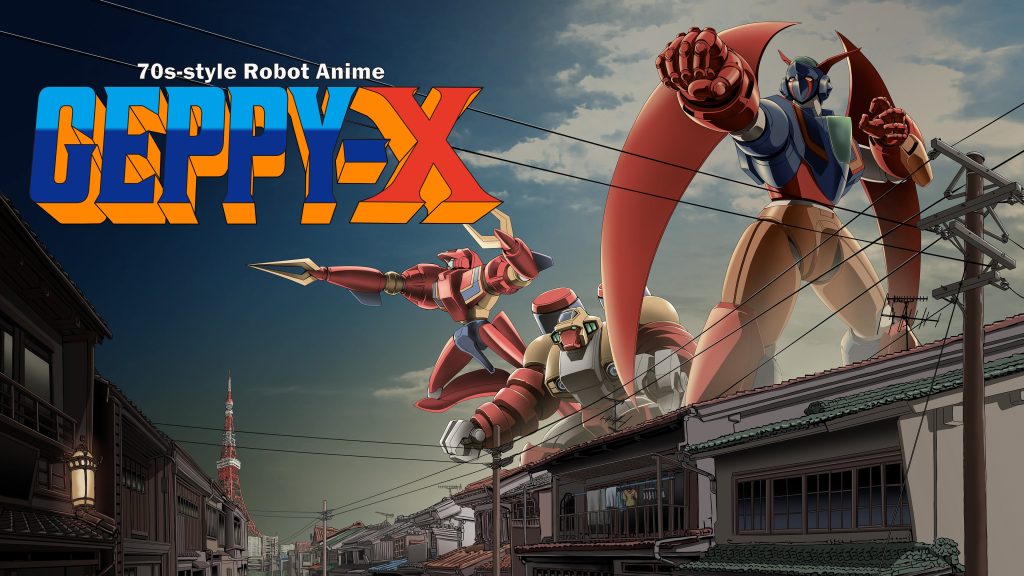
70s-style Robot Anime Geppy-X offers incredible animation, music and mecha nostalgia, but its average shooting make the €39 price difficult…
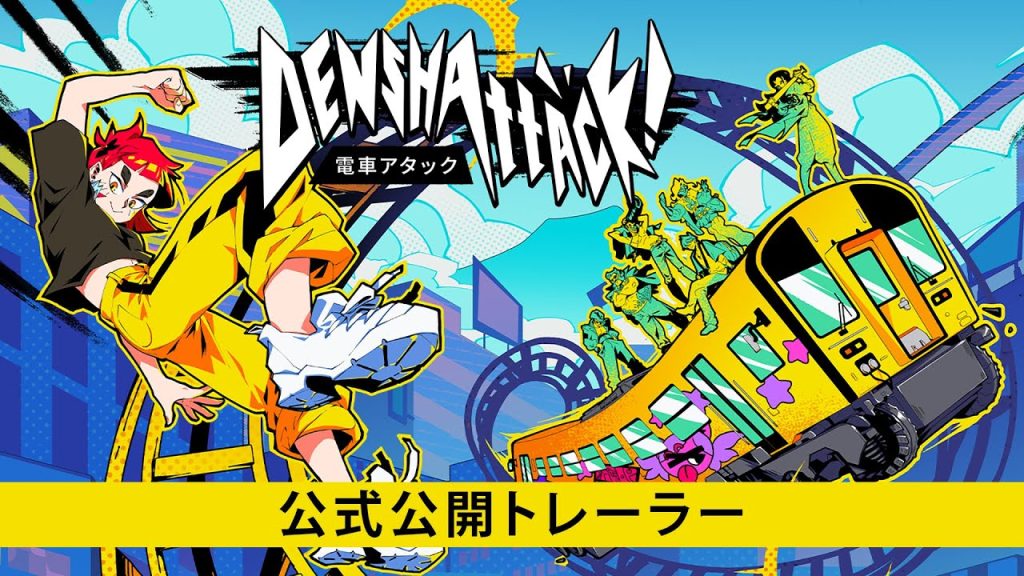
Denshattack! blends Tony Hawk, Jet Set Radio, and Japanese train culture into one of the year's most creative and unforgettable…
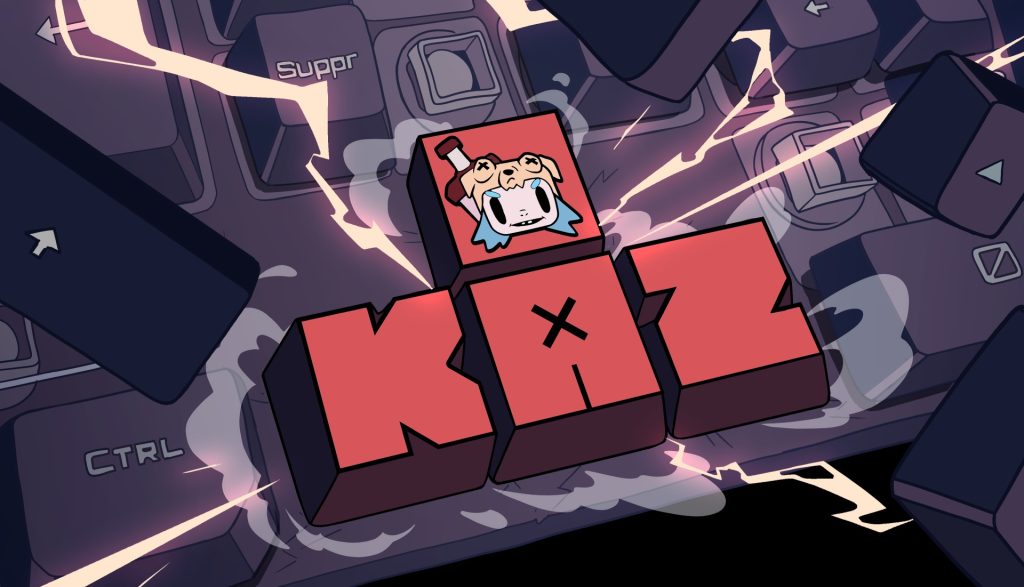
If you're looking for a game that takes an incredibly simple idea and somehow turns it into something addictive, KAZ…
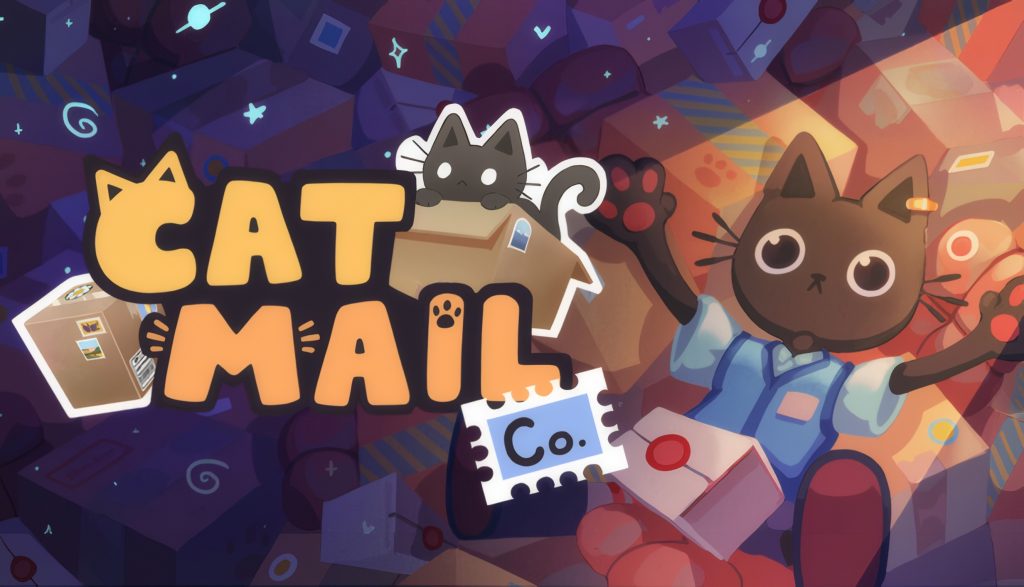
Cat Mail Co. charms with cozy visuals and satisfying mail sorting, but its full release doesn't quite live up to…
