Fire Emblem Awakening Retro Review – Unfulfilled Potential
Awakening is worth playing if you enjoy developing characters, experimenting with tactical partnerships, and shaping an army over a massive…


If you enjoy independent indie game coverage, consider supporting Indie-Games.eu on Patreon. It helps keep the site independent.
Released in 1996 by Impressions Games and published by Sierra On-Line, Lords of the Realm II remains one of the most respected and remembered strategy titles of the PC era. Set in the politically unstable landscape of 13th-century England and Wales, the game places players in the role of ambitious nobles competing for the vacant throne after the king’s death.
At a time when many strategy games were leaning toward fantasy themes or complex technology trees, Lords of the Realm II took a different path. It focused on the realities of medieval rule: food production, population happiness, military logistics, and political expansion. Players begin with control over one or more counties and must gradually build their influence through careful planning and conquest. Success depends not on flashy mechanics, but on maintaining a delicate balance between ambition and stability.
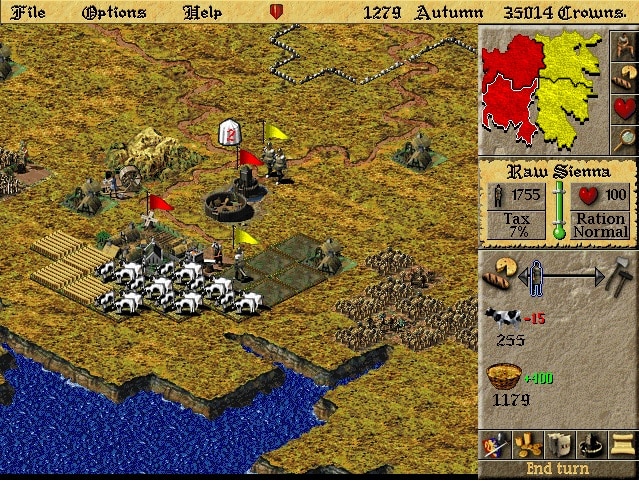
The game’s strategic layer unfolds in turn-based fashion across a detailed map of medieval Britain. Each turn, players manage the economic core of their territories by assigning peasants to essential tasks. Grain farming, dairy production, and mining for iron and stone all feed into different aspects of the kingdom’s growth. Taxes must be set thoughtfully, as excessive taxation leads to unrest, while insufficient revenue limits military and infrastructure development.
Population management is central to long-term survival. A well-fed and content population grows, providing more workers and soldiers. Poor planning, however, can lead to shortages, falling morale, and even collapse. Overexpansion without adequate food production often results in starvation, making conquest a risky endeavor if not backed by strong logistics. This constant pressure forces you to think several turns ahead, reinforcing the game’s emphasis on responsible leadership.
Weapon and equipment production adds another strategic dimension. You decide whether to focus on swords, pikes, bows, or armor, shaping the composition and effectiveness of their armies. These choices have lasting consequences, influencing how well troops perform in different combat situations. Rather than abstract unit upgrades, military strength is tied directly to the economy, linking battlefield success to domestic management.
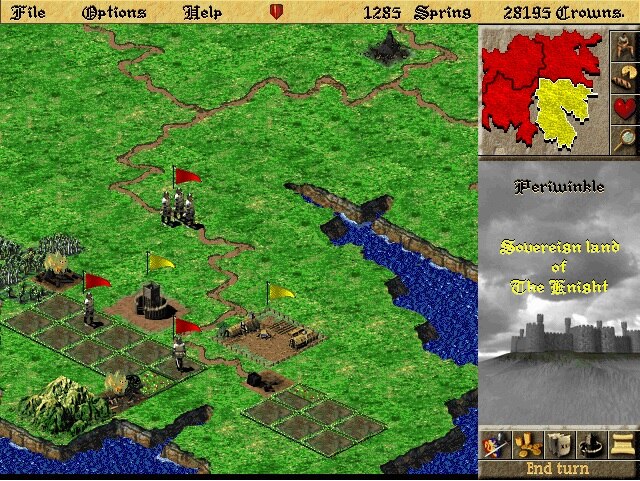
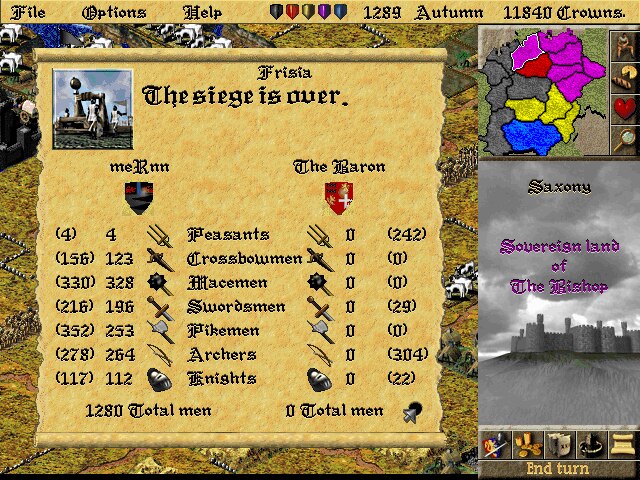
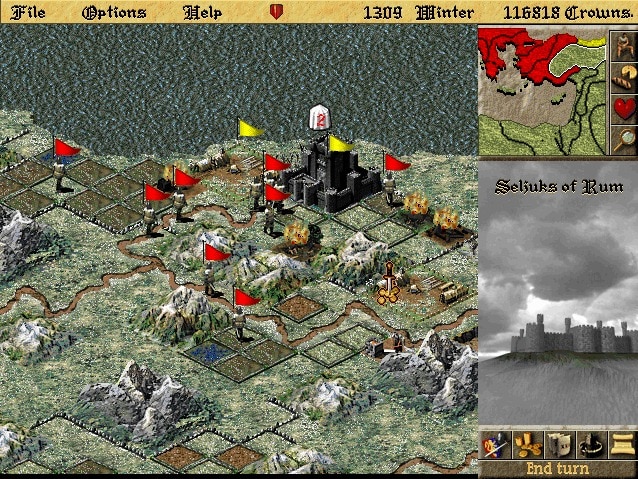
When diplomacy fails and armies clash, Lords of the Realm II shifts into real-time combat. Battles take place on open fields or around fortified castles, where players command units such as knights, archers, pikemen, and macemen. Positioning, timing, and terrain all play important roles, rewarding thoughtful tactics over brute force.
Sieges are particularly memorable. Attacking a fortified stronghold is rarely quick or simple. You can dig tunnels, construct siege towers, deploy catapults, and batter walls, while defenders attempt to repel assaults with arrows, counterattacks, and strategic sallies. Turns move slow, especially in multiplayer sessions where players must wait for opponents to complete their actions. While this could test patience during long LAN matches, many fans appreciated the almost chess-like rhythm. Every move mattered, and reckless decisions were rarely forgiven.
Upon release, Lords of the Realm II achieved significant commercial success, selling millions of copies worldwide. Critics praised its refined visuals, atmospheric digitized soundtrack, and addictive gameplay loop that blended grand strategy with intense combat.
Its popularity led to the release of the Siege Pack expansion in 1997. This add-on introduced new scenarios, additional maps, improved artificial intelligence, a dedicated skirmish mode, and a map editor. These features greatly expanded replay value and helped cement the game’s long-term appeal within the strategy community.
Today, Lords of the Realm II remains available on platforms such as Steam and GOG, making it easy for modern players to experience this classic. For veterans, it offers a powerful dose of nostalgia. For newcomers, it provides a window into a period when strategy games prioritized systems-driven design and meaningful trade-offs over constant content updates.
Awakening is worth playing if you enjoy developing characters, experimenting with tactical partnerships, and shaping an army over a massive…

Code Geass: Lost Colors now has a complete fan-made English patch for PS2, including the platform-exclusive Blue Moon route.
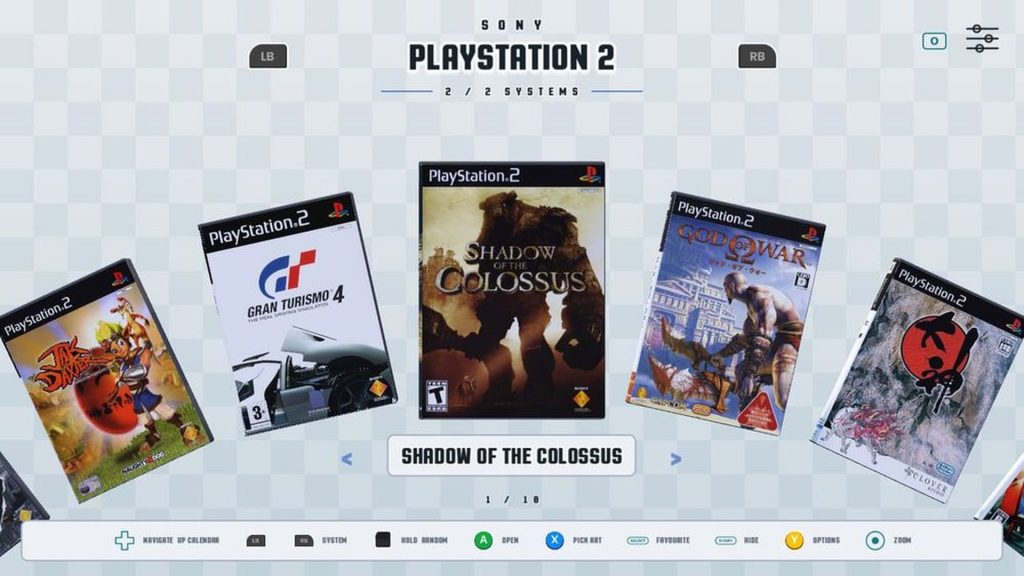
DigiBitPlay presents digital game libraries through interactive 3D boxes, discs, cartridges, consoles and scanned manuals.
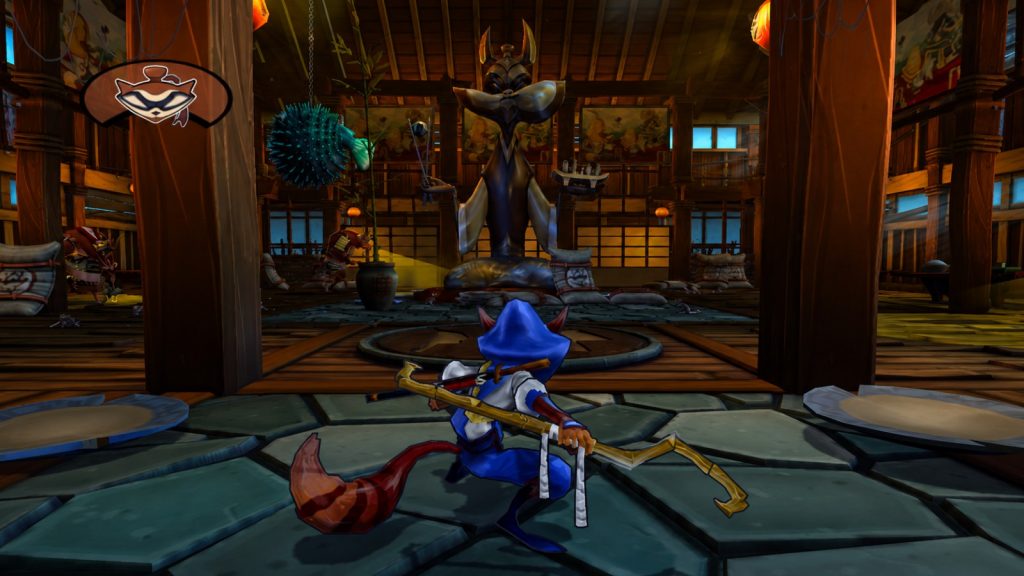
Project Cane shows new Sly Cooper PC footage, but the unofficial native port still needs menus, audio, saving, controls and…
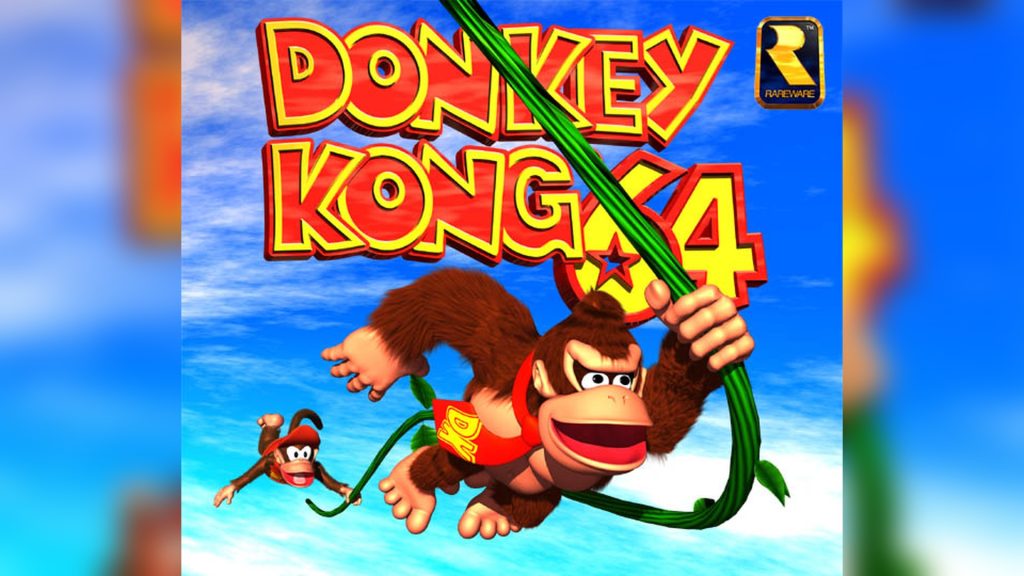
Donkey Kong 64 now runs natively on Windows, Linux and macOS with widescreen, uncapped frame rates, modern controls and optional…
PCSX2 2.8.0 delivers major performance and graphics improvements alongside EyeToy support, interface upgrades and bundled FFmpeg.
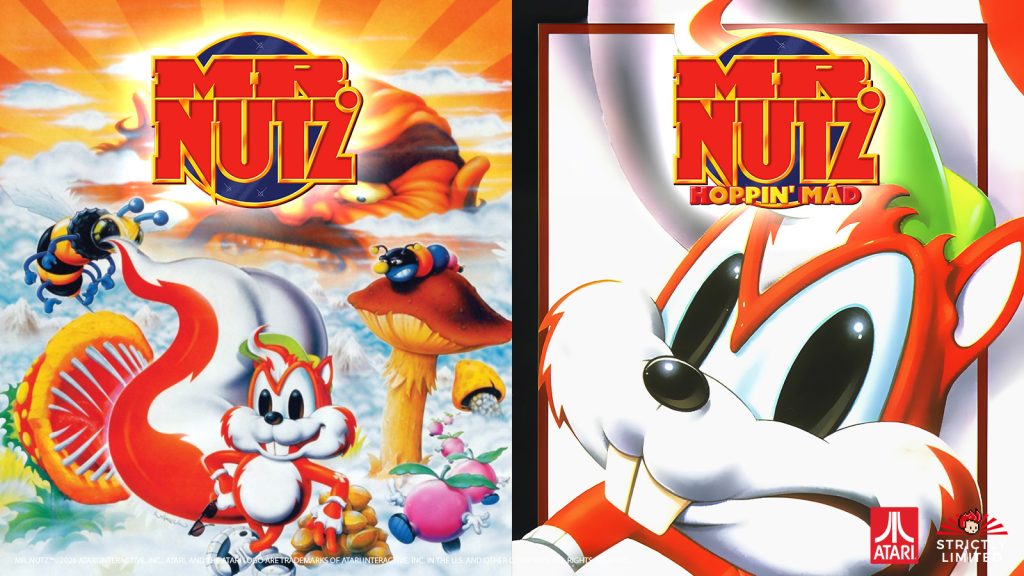
Mr. Nutz and the previously unreleased Mega Drive sequel Hoppin' Mad are receiving new physical cartridges from Strictly Limited Games…
Sony will close the PlayStation 3 Store in July 2027, while RPCS3 fully supports 75% of the console's library, highlighting…

The Forever Project aims to make physical game releases more affordable for indie developers through a partnership between 33 Games…
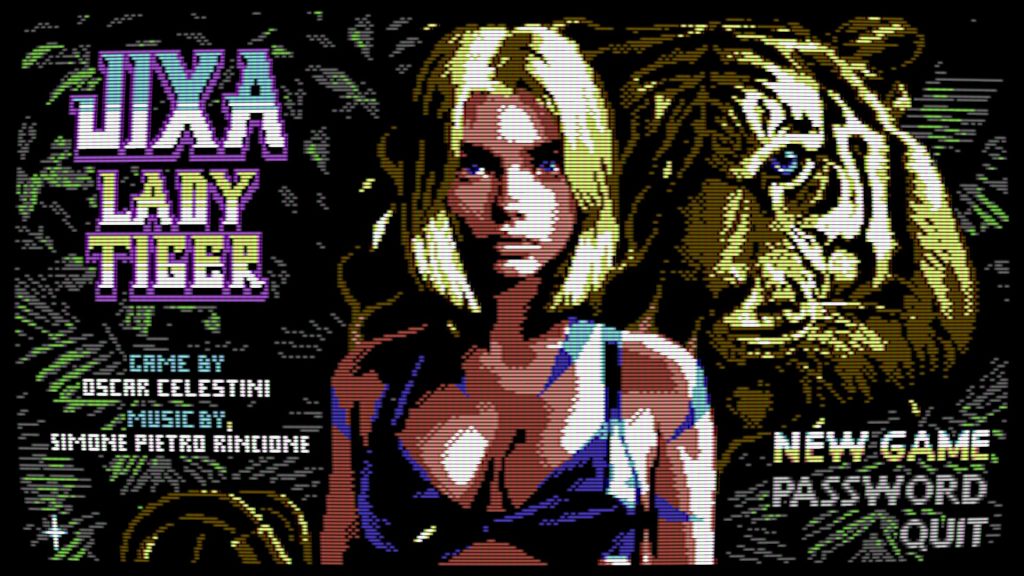
Indie developer Oscar Celestini is expanding his retro-inspired platformer with Jixa Lady Tiger Plus, an enhanced edition that significantly builds…
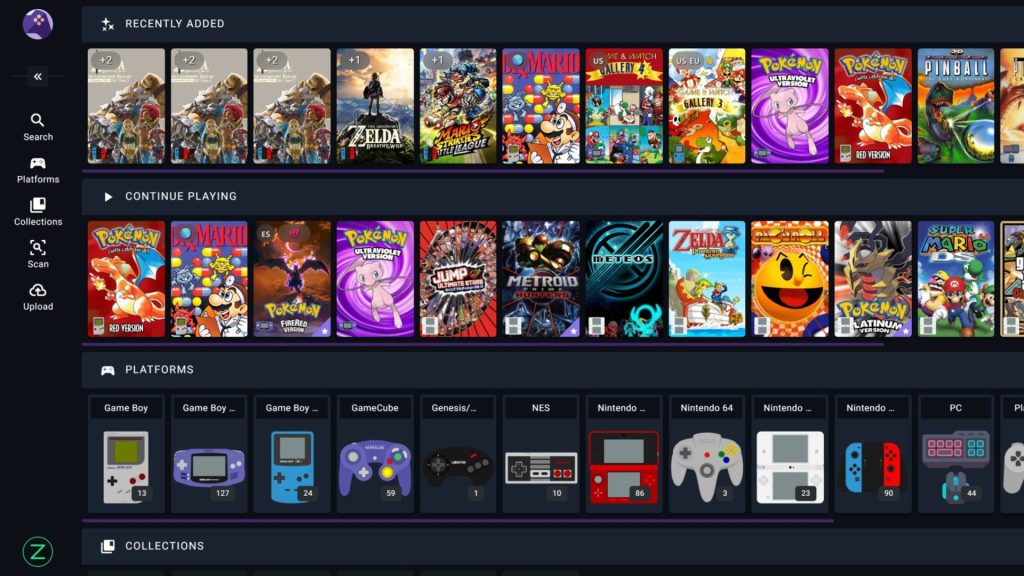
RomM is a free, open-source, self-hosted platform that organizes ROM libraries, fetches metadata, and supports browser-based emulation.
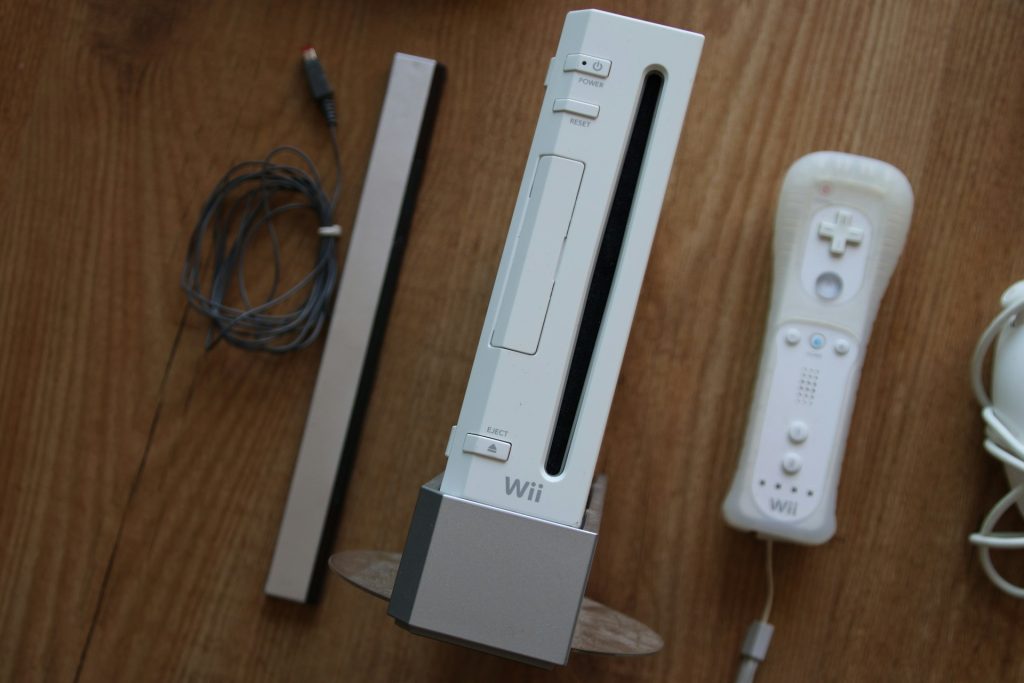
The developers behind Wii64 have released Beta 1.4, marking the Nintendo 64 emulator's first major update in more than five…
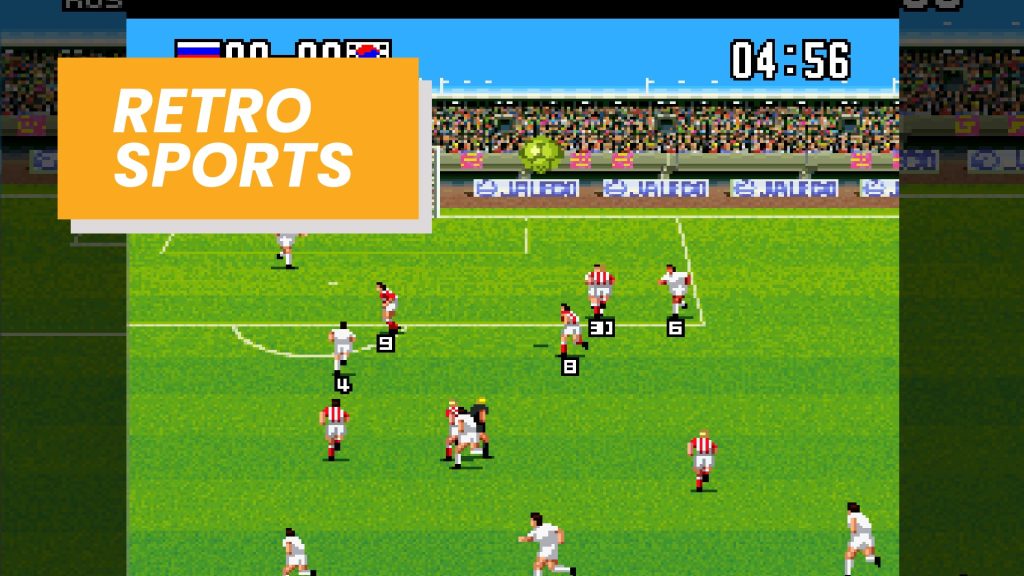
Rock It Games has brought Jaleco Sports: Bases Loaded II and Goal! Two to PC after successful Nintendo Switch and…
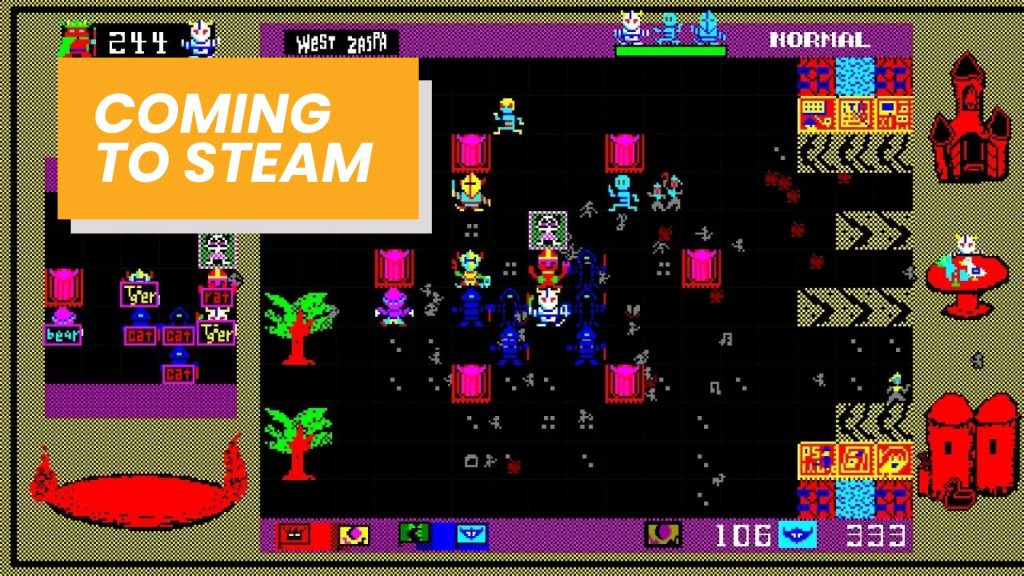
Developer Pygmy Studio has announced that Bokosuka Wars II will launch on PC via Steam in 2026, bringing the tactical…
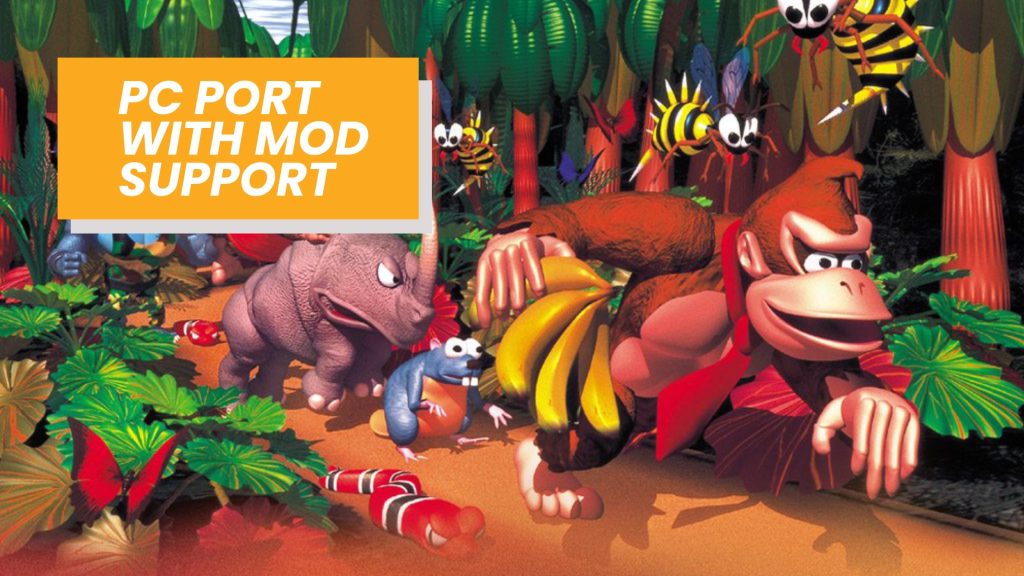
An unofficial native PC port of Donkey Kong 64 is in development, bringing rare's Nintendo 64 classic to modern hardware…
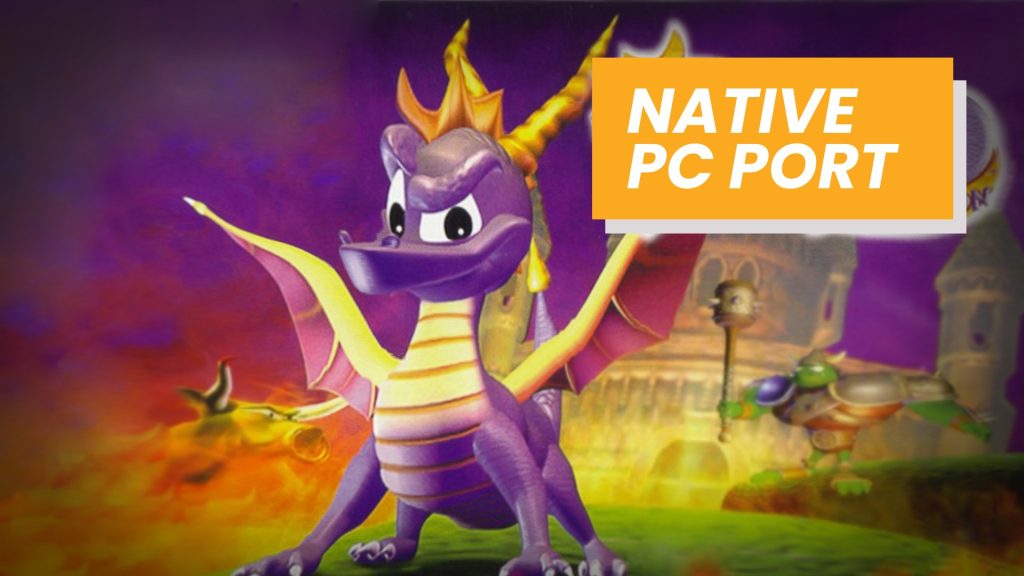
A fan-made native PC port of the original Spyro the Dragon is officially in development, bringing the 1998 PlayStation classic…
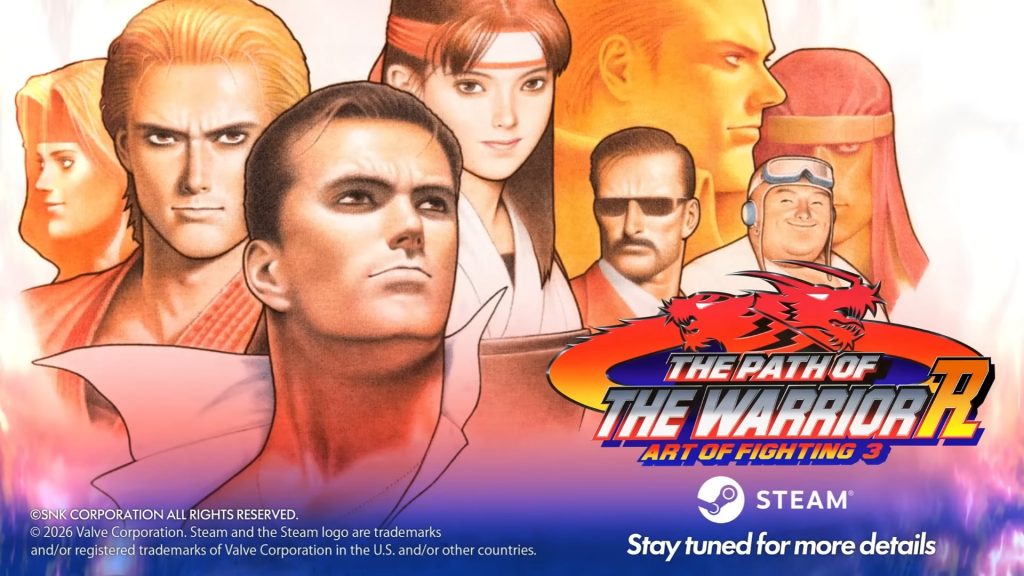
SNK has officially announced The Path of the Warrior: Art of Fighting 3 R, a modernized version of the 1996…
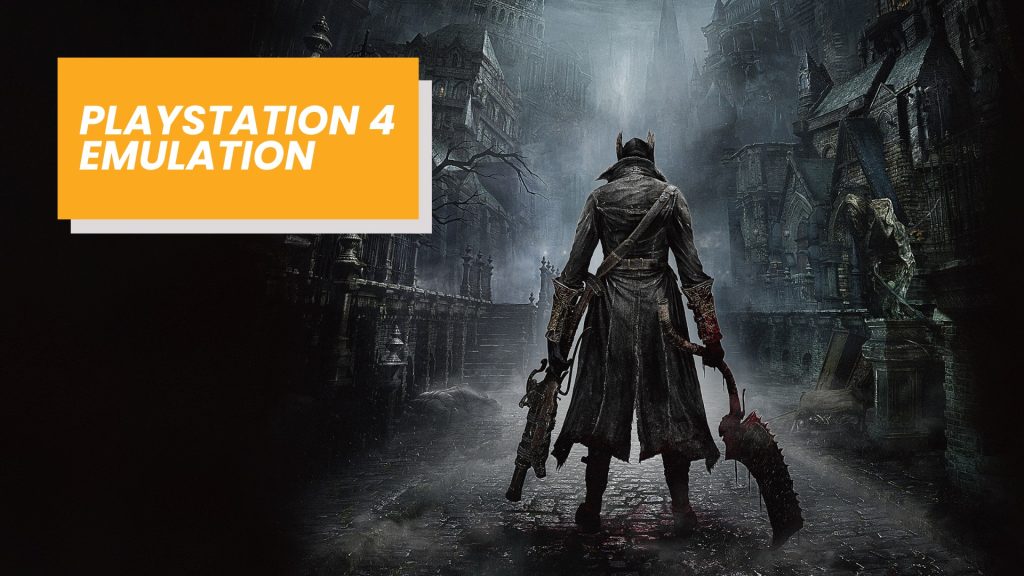
The developers behind ShadPS4 have introduced a major new feature that moves PlayStation 4 emulation closer to a complete experience.

DS & DSi Launcher brings the classic Nintendo DS and DSi interface to Android, giving retro fans a nostalgic way…
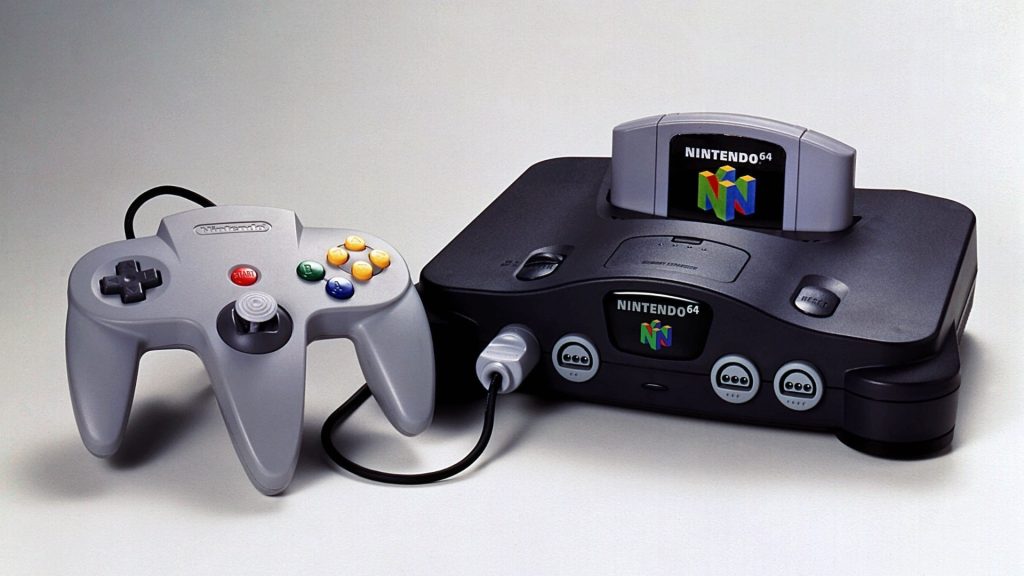
Today marks 30 years since the launch of the Nintendo 64 in Japan, and for many, that's enough to trigger…
