
RPCS3 Can Now Play 75% of the PlayStation 3 Library Without Game-Breaking Issues
Sony will close the PlayStation 3 Store in July 2027, while RPCS3 fully supports 75% of the console's library, highlighting…


If you enjoy independent indie game coverage, consider supporting Indie-Games.eu on Patreon. It helps keep the site independent.
Today, to save a game feels automatic. Progress is stored every few minutes, checkpoints are frequent and mistakes usually cost very little time. In earlier decades, this was not the case. Saving was not a background feature, but a core part of the challenge. It shaped how games were played and how tension was felt.
During the early console era, the way progress was handled often defined the entire experience. Many games limited saving or removed it altogether, forcing you to do long play sessions. Progress had value because it could be lost at any moment and protecting it became part of the game itself.
Password systems were one of the most common solutions. Games like Mega Man and Metroid replaced save files with long strings of symbols that had to be written down by hand. A single mistake could erase hours of effort. These systems were awkward, but they taught respect for progress and memory. They also pushed designers toward shorter levels and more repeatable sections, since long sessions were risky.
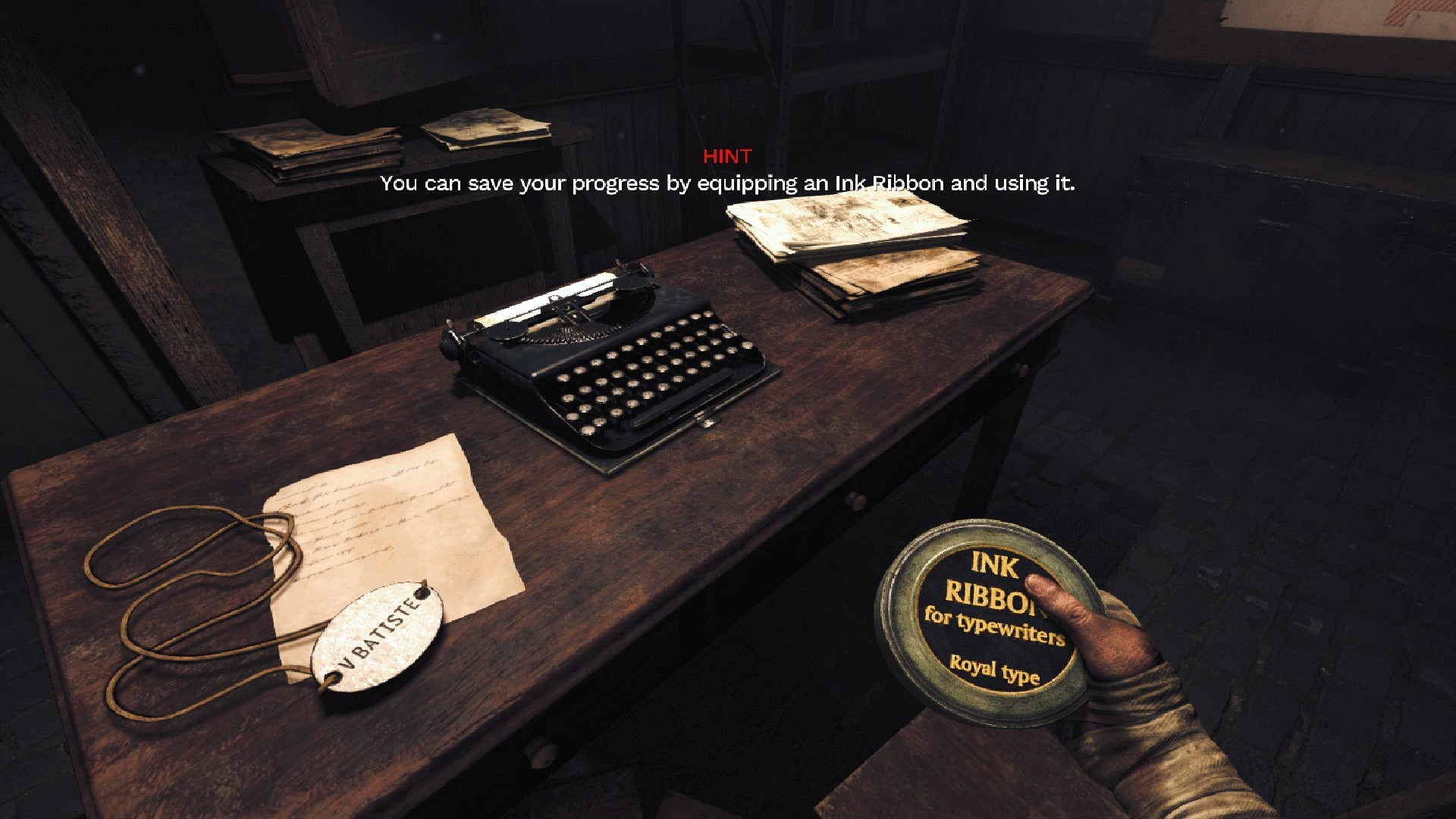
Other games allowed saving, but only under strict rules. In Resident Evil, saving required rare ink ribbons, turning each save into a hard choice. Saving too often meant running out of supplies, while waiting too long could lead to total loss. This system fit the horror tone perfectly. Titles like Diablo and Prince of Persia also limited when progress could be stored.
Some games offered no saving at all. Many were built with arcade rules in mind, expecting full runs in a single sitting. Leaving a console on overnight was common, not unusual. Progress depended on stable power, working hardware and a lot of patience. When success finally came, it felt huge, because failure carried real consequences.
All of these systems shared one idea: risk gives progress meaning. When saving was limited, every win felt earned. Levels were learned through repetition, mistakes became lessons, and loss was accepted as part of the journey. Frustration was common, but so was pride.
Over time, game design changed. Autosaves and frequent checkpoints made games easier to approach and better suited to busy schedules. Replaying long sections after one mistake no longer felt reasonable. Accessibility improved, but something else faded with it. When progress is always safe, failure loses its weight.
That old tension has not disappeared completely. Many modern indie games bring back strict save rules on purpose. Roguelikes, roguelites, survival games, and hard modes limit saving to bring risk and meaning back into the experience. These games show that early save systems were not just technical limits, but strong design choices.
Looking back, retro save systems were often harsh and sometimes unfair. Still, they shaped how games felt in a way that modern systems rarely do. Saving was not just a pause button. It was a choice that could shape an entire run.
In an age where progress is almost guaranteed, it’s worth remembering a time when pressing “Save” truly mattered.
I recommend this video for further insight into the topic.
Sony will close the PlayStation 3 Store in July 2027, while RPCS3 fully supports 75% of the console's library, highlighting…

The Forever Project aims to make physical game releases more affordable for indie developers through a partnership between 33 Games…
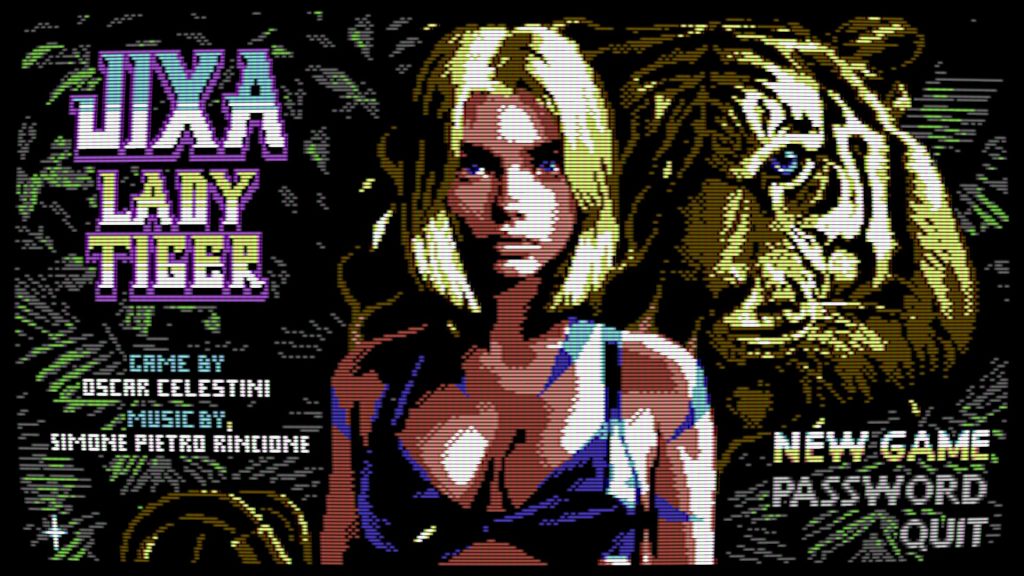
Indie developer Oscar Celestini is expanding his retro-inspired platformer with Jixa Lady Tiger Plus, an enhanced edition that significantly builds…
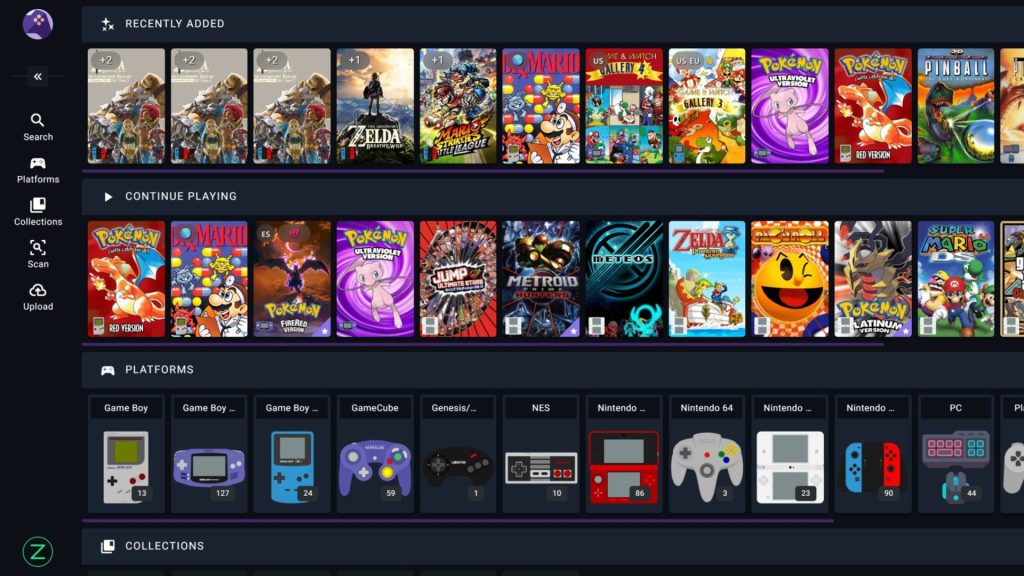
RomM is a free, open-source, self-hosted platform that organizes ROM libraries, fetches metadata, and supports browser-based emulation.
The developers behind Wii64 have released Beta 1.4, marking the Nintendo 64 emulator's first major update in more than five…
Rock It Games has brought Jaleco Sports: Bases Loaded II and Goal! Two to PC after successful Nintendo Switch and…
Developer Pygmy Studio has announced that Bokosuka Wars II will launch on PC via Steam in 2026, bringing the tactical…
An unofficial native PC port of Donkey Kong 64 is in development, bringing rare's Nintendo 64 classic to modern hardware…
A fan-made native PC port of the original Spyro the Dragon is officially in development, bringing the 1998 PlayStation classic…
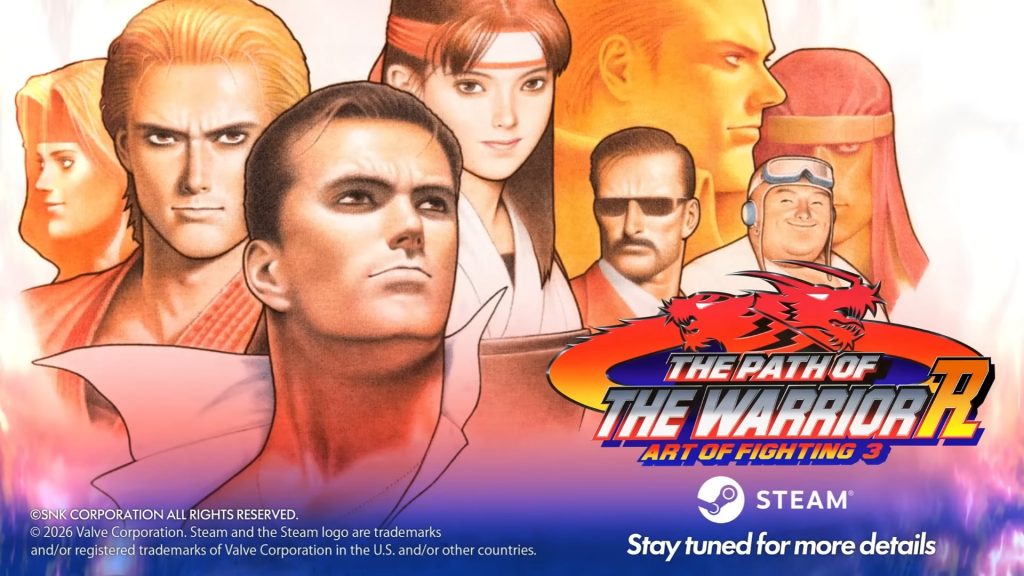
SNK has officially announced The Path of the Warrior: Art of Fighting 3 R, a modernized version of the 1996…
The developers behind ShadPS4 have introduced a major new feature that moves PlayStation 4 emulation closer to a complete experience.

DS & DSi Launcher brings the classic Nintendo DS and DSi interface to Android, giving retro fans a nostalgic way…
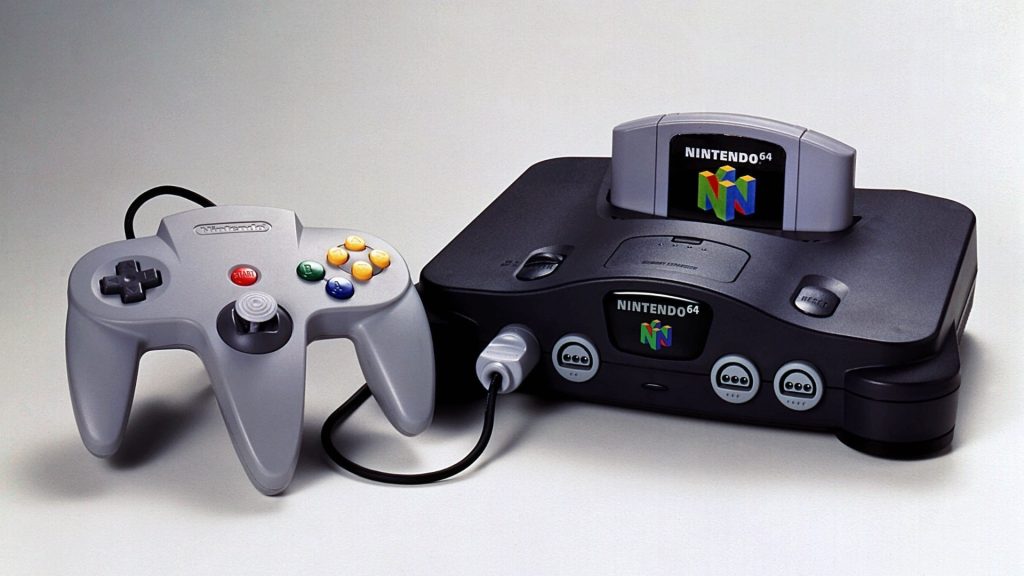
Today marks 30 years since the launch of the Nintendo 64 in Japan, and for many, that's enough to trigger…
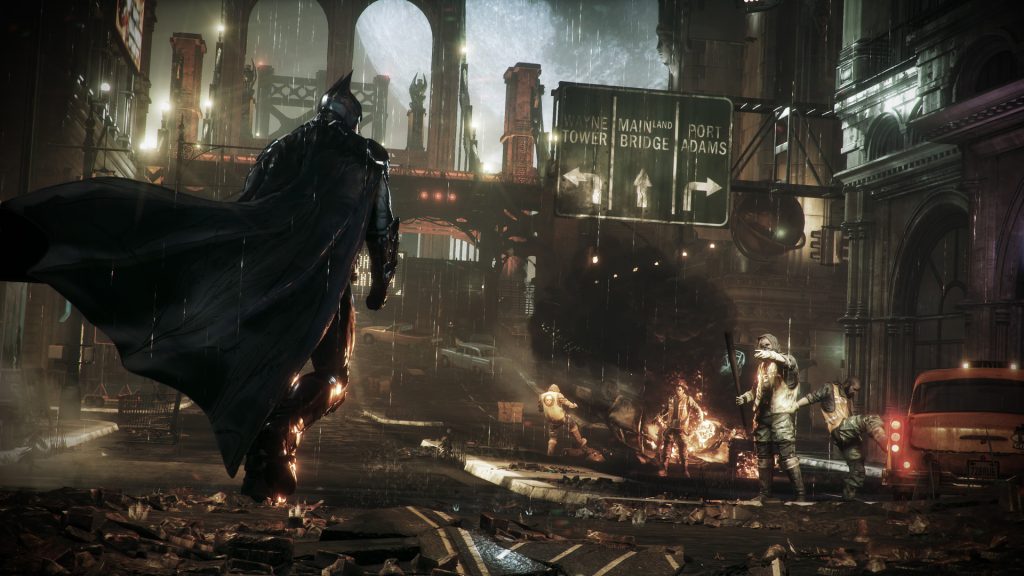
It's hard to believe, but Batman: Arkham Knight is officially 11 years old today. This title was Rocksteady's final chapter…
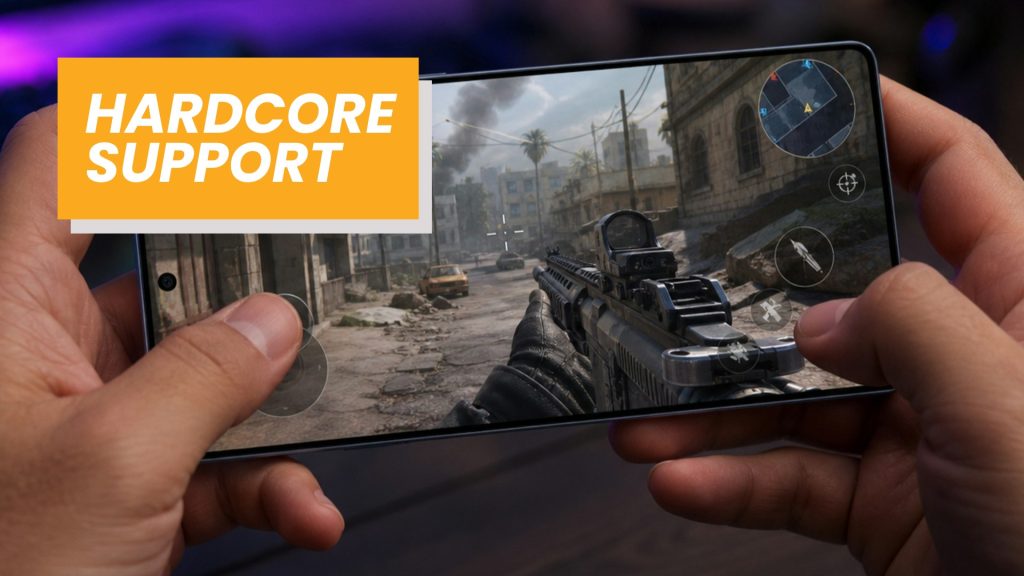
RetroAchievements has officially verified ARMSX2 as a hardcore-compatible emulator, allowing players to earn PlayStation 2 achievements on mobile devices.

Thanks to a newly released fan translation, players can finally explore the original PC-88 version of Ancient Ys Vanished: Omen…
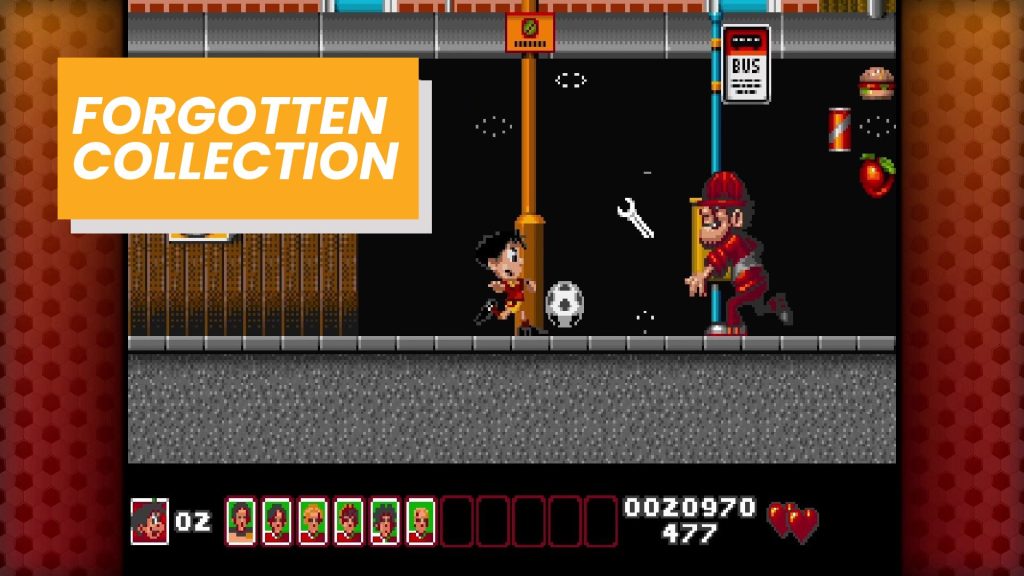
Soccer Kid Collection is officially out. QUByte Interactive has brought Krisalis Software’s classic platformer back to modern systems.
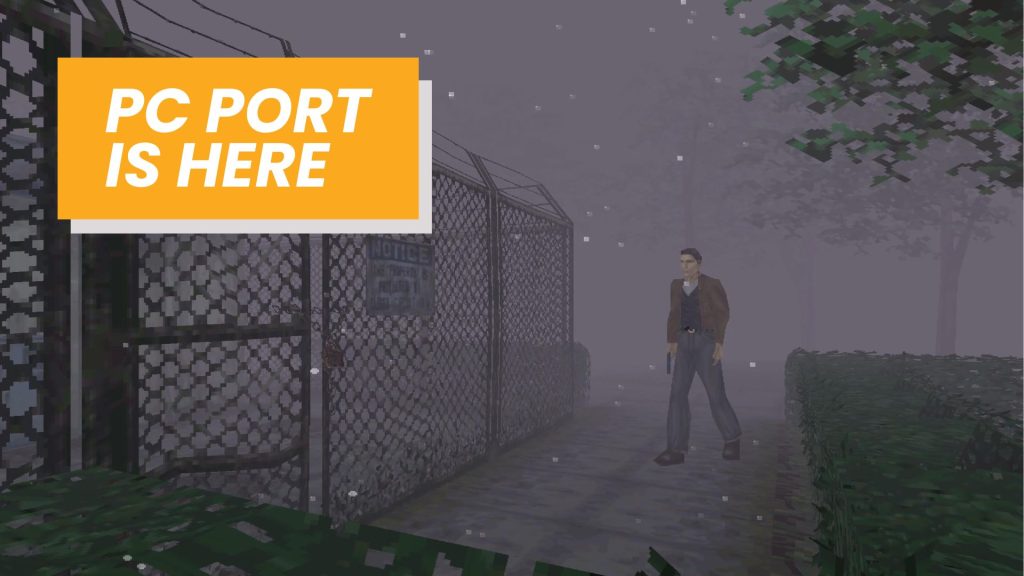
First public version of a native PC port for the original Silent Hill has been released, allowing players to experience…
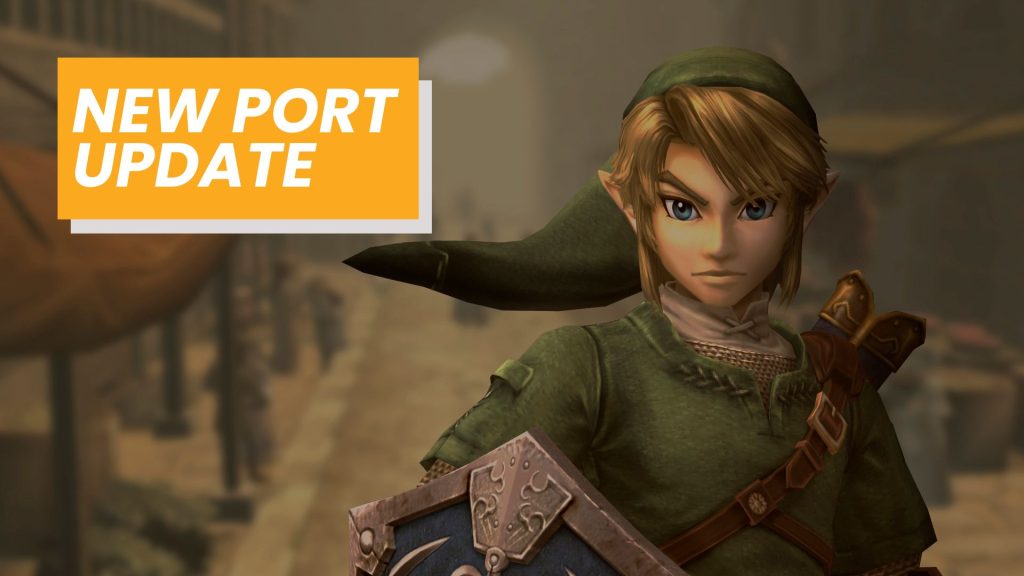
The team behind Dusklight has released version 1.4.0, introducing proper mouse support alongside a long list of performance improvements.
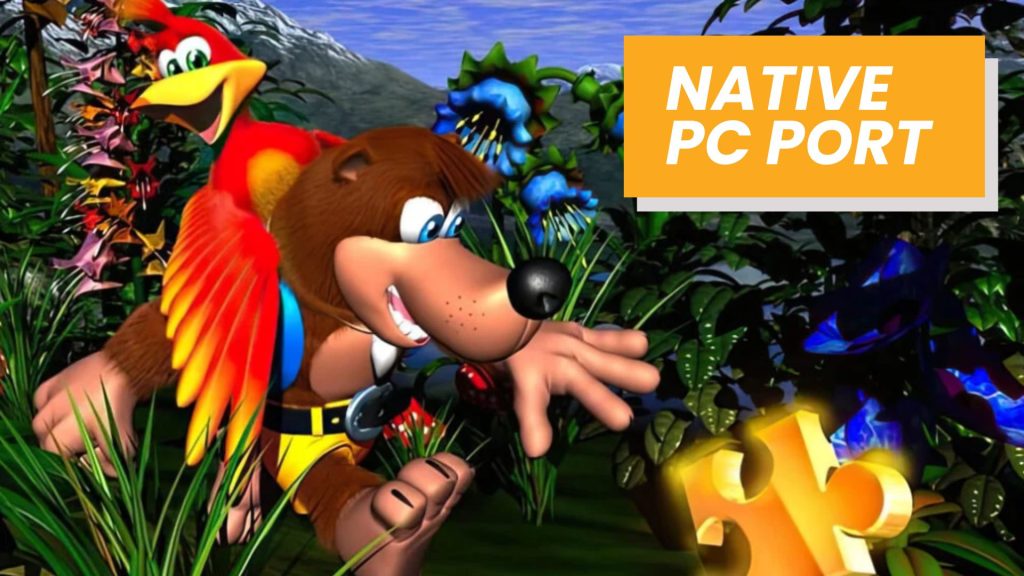
Harbour Masters has officially announced Lighthouse, a new Banjo-Kazooie decompilation project (native PC port) scheduled to launch in July.
