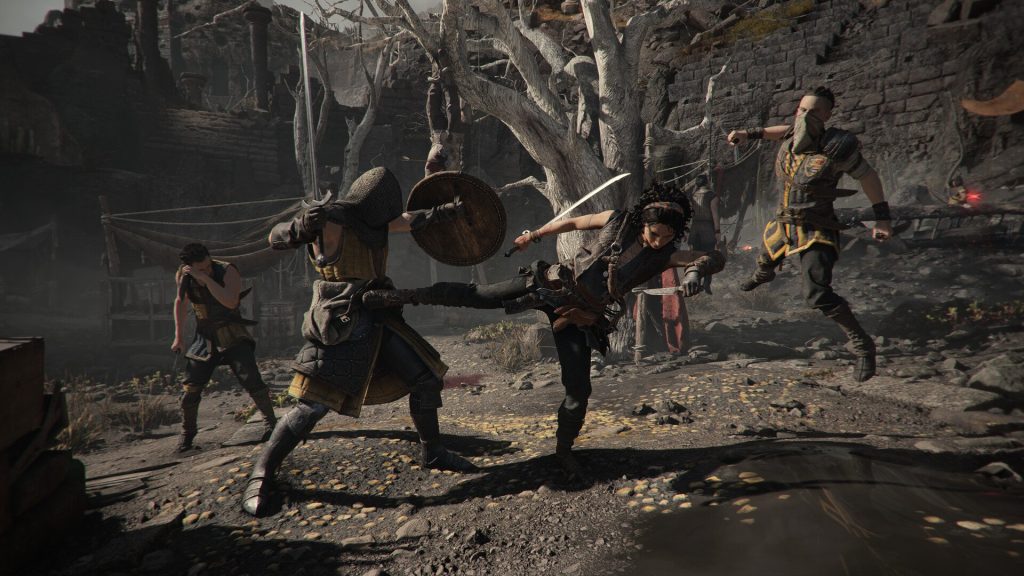
Resonance: A Plague Tale Legacy Featurette Highlights Light-Based Gameplay
A new Resonance: A Plague Tale Legacy featurette shows how Sophia can use light to navigate dangerous environments and overcome…


If you enjoy independent indie game coverage, consider supporting Indie-Games.eu on Patreon. It helps keep the site independent.
GameDiscoverCo brings us some fascinating insights into how PEAK took the gaming world by storm. This co-op climbing adventure, developed by Aggro Crab and Landfall, has sold 4.5 million copies since its release on June 16, 2025, on Steam. Priced at just 7.50 €, PEAK exceeded all expectations, reaching 100,000 daily concurrent players and surpassing the success of the studios’ previous titles, such as Another Crab’s Treasure.
Development of PEAK began as an experiment meant to help Aggro Crab recover from burnout after three years of working on Another Crab’s Treasure, a soulslike game that sold between 600,000 and 700,000 copies. Nick Kaman, head of Aggro Crab, revealed that the idea came from a sense of “jealousy” toward Landfall’s Content Warning, which found huge success after just a month of development.
In February 2025, three members of Aggro Crab and four from Landfall gathered in Seoul, where they spent a month working intensively in an Airbnb in the Hongdae district. Although the concept was initially sketched a year earlier in a Swedish jacuzzi, it evolved into a precise vision for a co-op climbing game with survival and comedic elements.
Unlike typical game jams, PEAK had a clear goal: create a commercially successful game in a short time frame. The teams leveraged Landfall’s technical expertise in online co-op multiplayer and ragdoll physics, enabling rapid development. The game revolves around a simple but brilliant mechanic — managing the stamina bar. This bar depletes while climbing and replenishes during rest, shaping every aspect of gameplay, from navigating dangerous terrain to handling injuries and resources. Additional factors like backpack weight or poisoning also affect stamina.
PEAK stands out for its cooperative nature, allowing up to four players to climb a mountain that changes every 24 hours. You must work together, help each other across cliffs, and share ropes and equipment such as pitons. Moreover, its procedurally generated map and comedic slapstick moments make it highly watchable on platforms like YouTube, Twitch, and TikTok.
Kaman revealed that, following Valve’s advice, they avoided a free-to-play model because many games that attempted to replicate Content Warning’s success failed. Promotion was minimal: the first trailer dropped only four days before launch, and the Steam page accumulated 29,384 wishlists before release. Instead of a planned marketing campaign, success arrived organically through viral social-media moments.
The numbers speak for themselves: PEAK sold one million copies in its first six days, two million in nine days, and 4.5 million by early July, with 93% positive reviews out of 37,081 on Steam. The game hit a peak of 102,799 concurrent players and currently maintains around 100,000 daily players, placing it among Steam’s top sellers.
A new Resonance: A Plague Tale Legacy featurette shows how Sophia can use light to navigate dangerous environments and overcome…
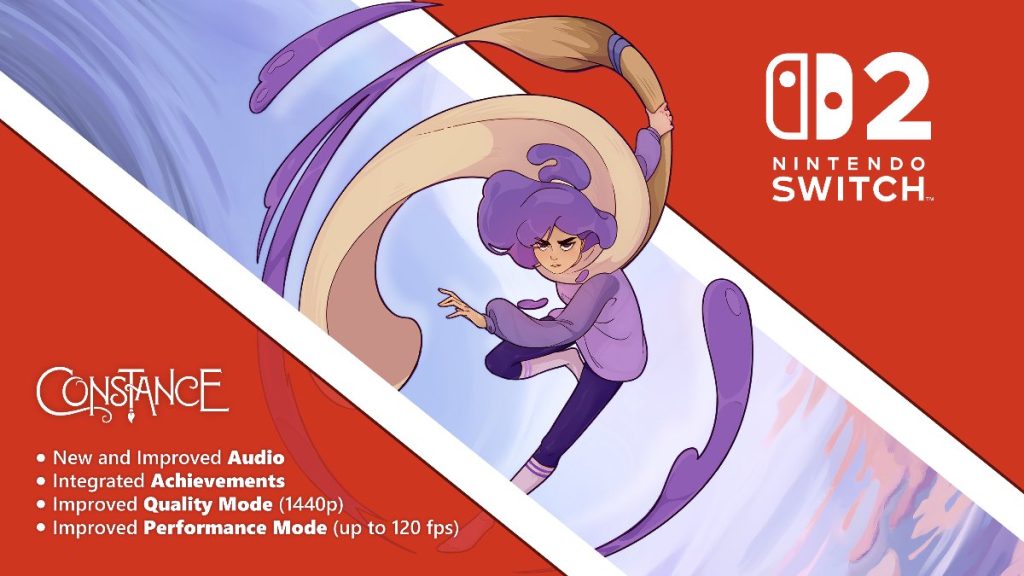
The nonlinear world contains six biomes, each representing a different part of the protagonist’s psyche and history.
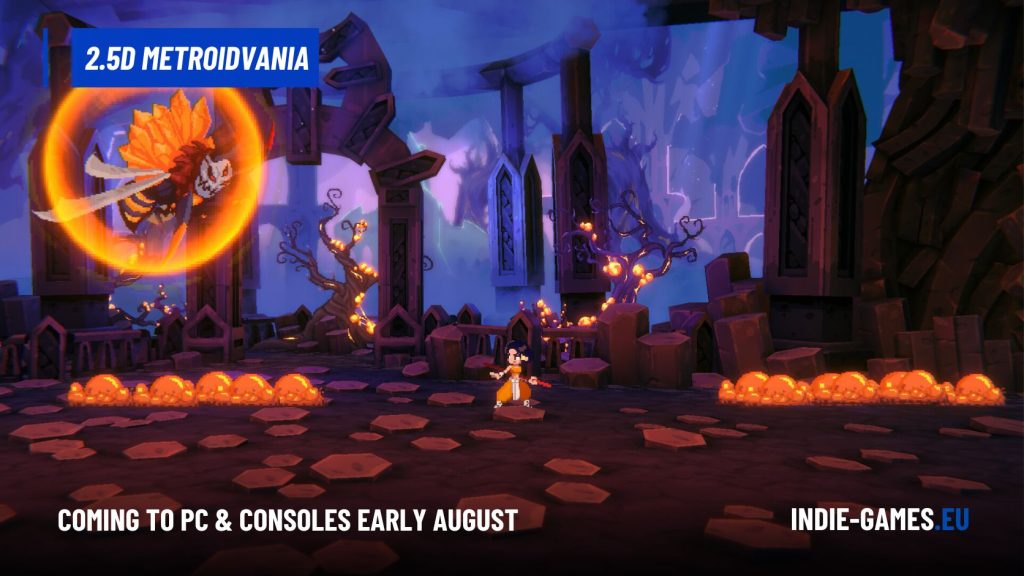
Akatori launches early August on PC and PlayStation and Xbox, featuring 2.5D Metroidvania action, parkour and staff-based combat.
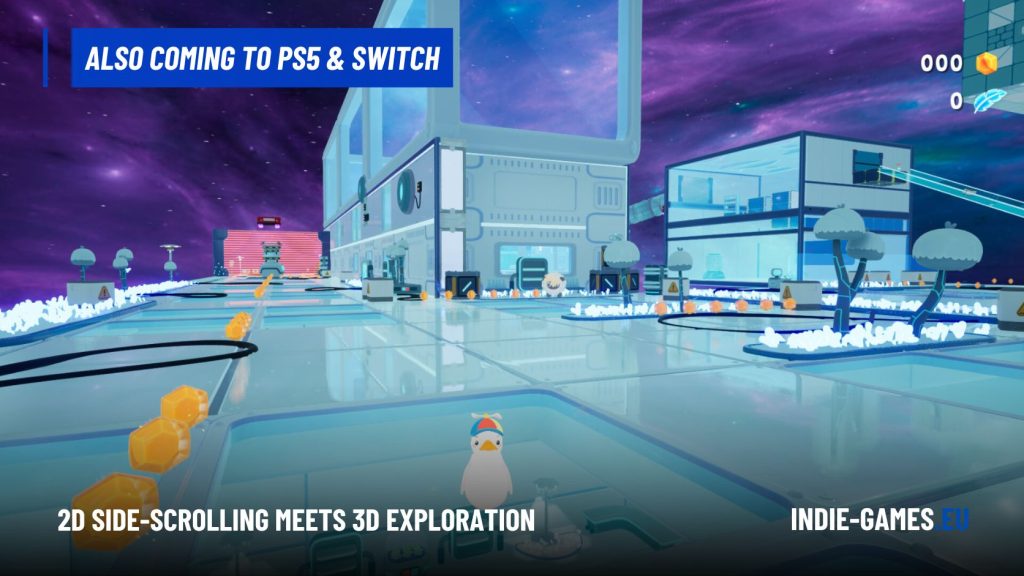
Dodo Duckie! launches on PC and Xbox today, with PS5 and Switch versions arriving later in 2026, featuring unique 2D…
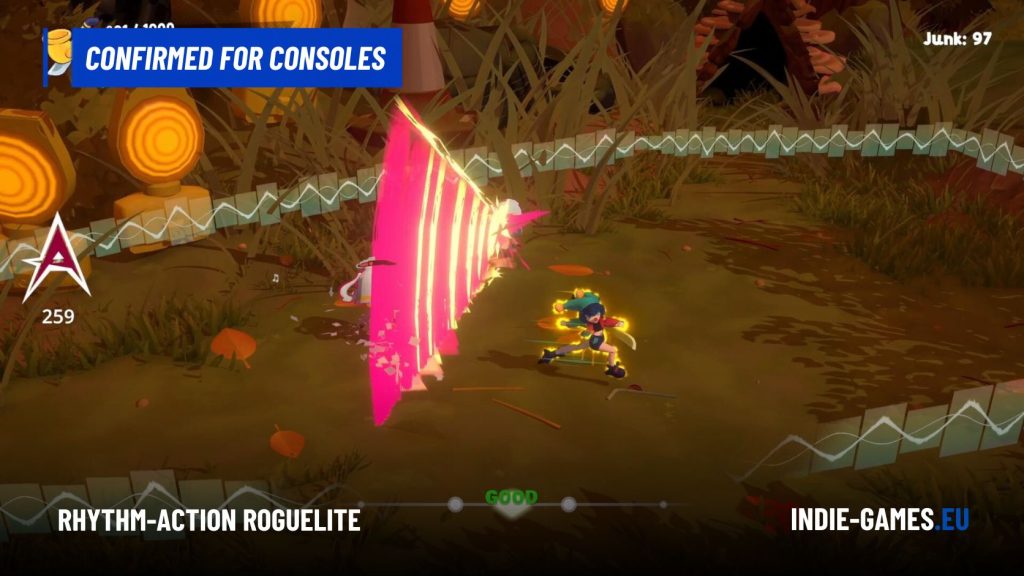
Alpha Nomos launches on PlayStation 5, Xbox Series and PC in 2026, featuring rhythm-based roguelite combat, live-recorded weapons and a…
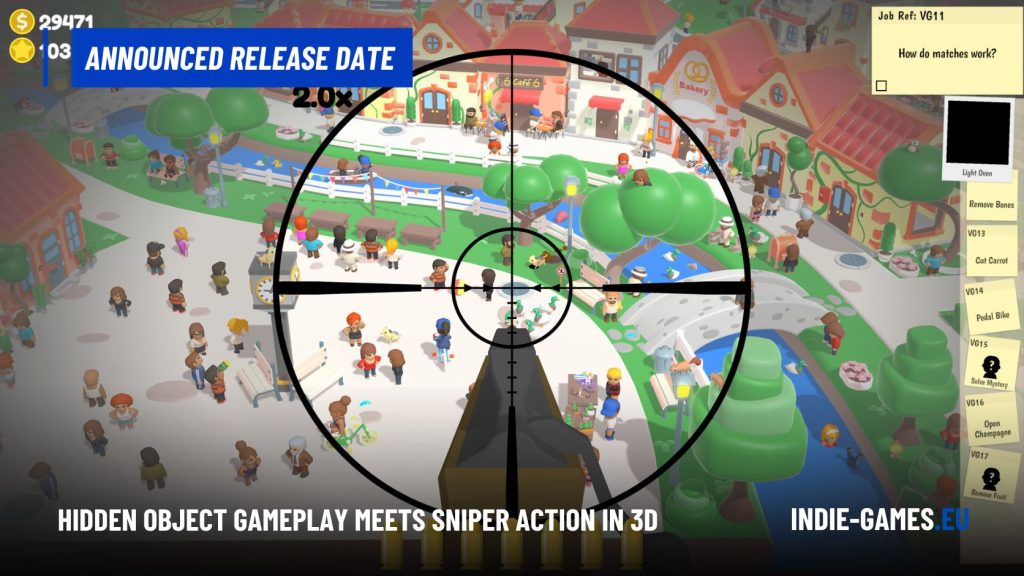
Sniper Dan launches in September for PlayStation 5, Xbox, Switch and PC, blending hidden object gameplay, puzzles and family-friendly sniper…

In ReStory, you will repair a wide range of early-2000s technology, including mobile phones, handheld gaming systems, digital pets, music…
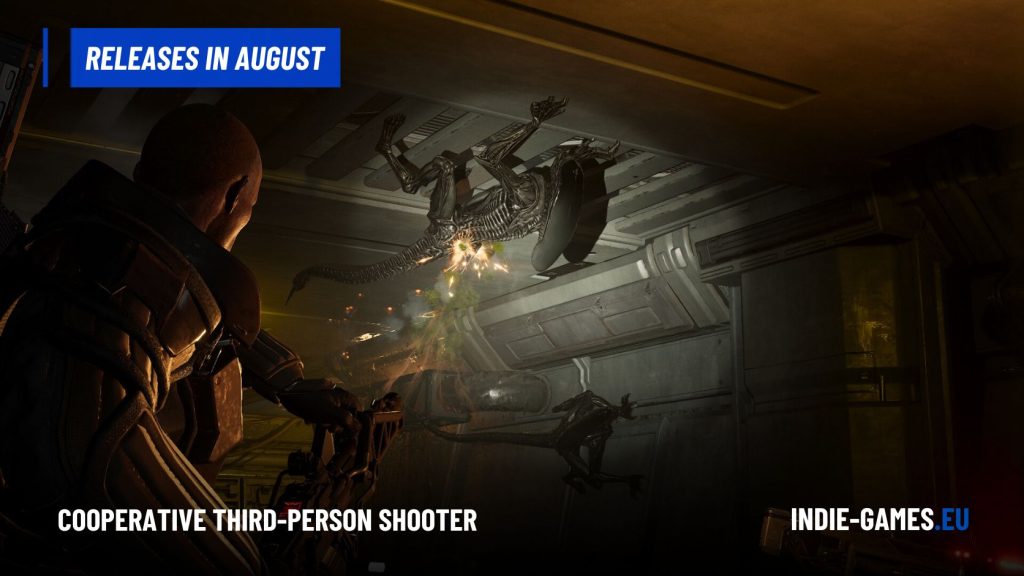
Aliens: Fireteam Elite 2 expands its fireteams to four players, who take control of Colonial Marines deployed across hostile locations…
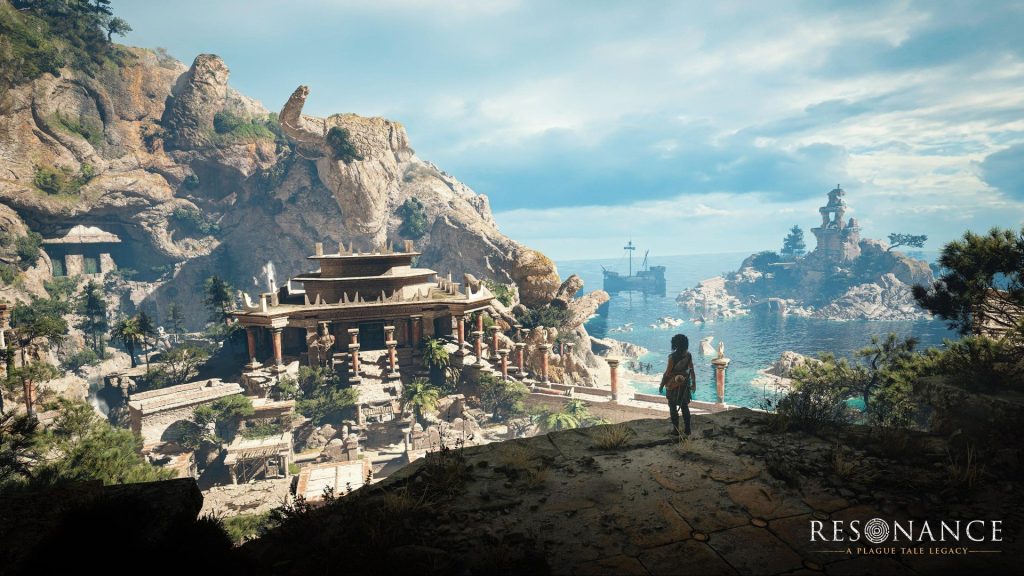
Asobo Studio has released a short scenic clip for Resonance: A Plague Tale Legacy, showcasing its Mediterranean-inspired locations.
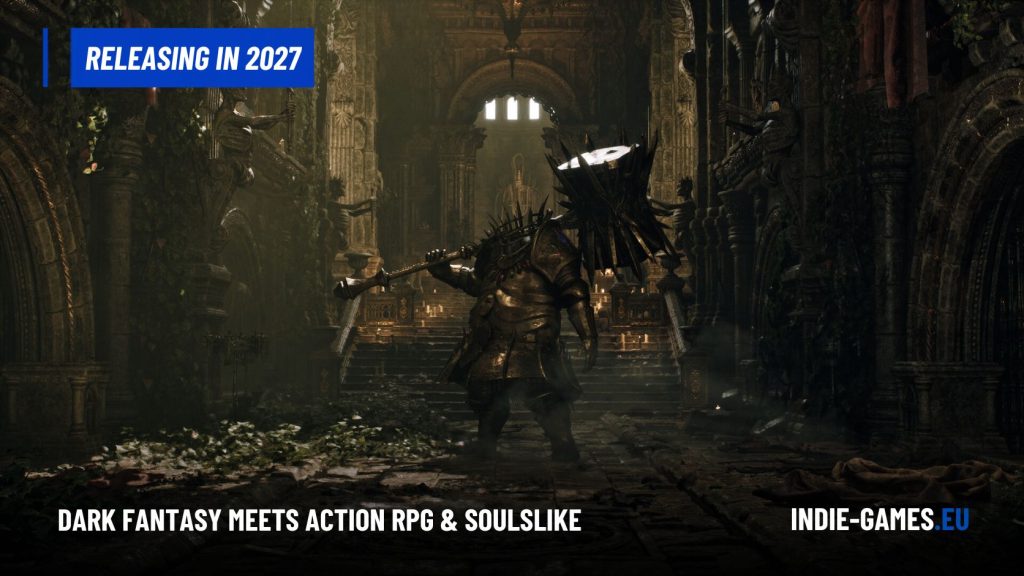
Turkish solo developer Celal Sahin has announced Godless Dawn, a dark fantasy action RPG targeting a Q1 2027 release on…
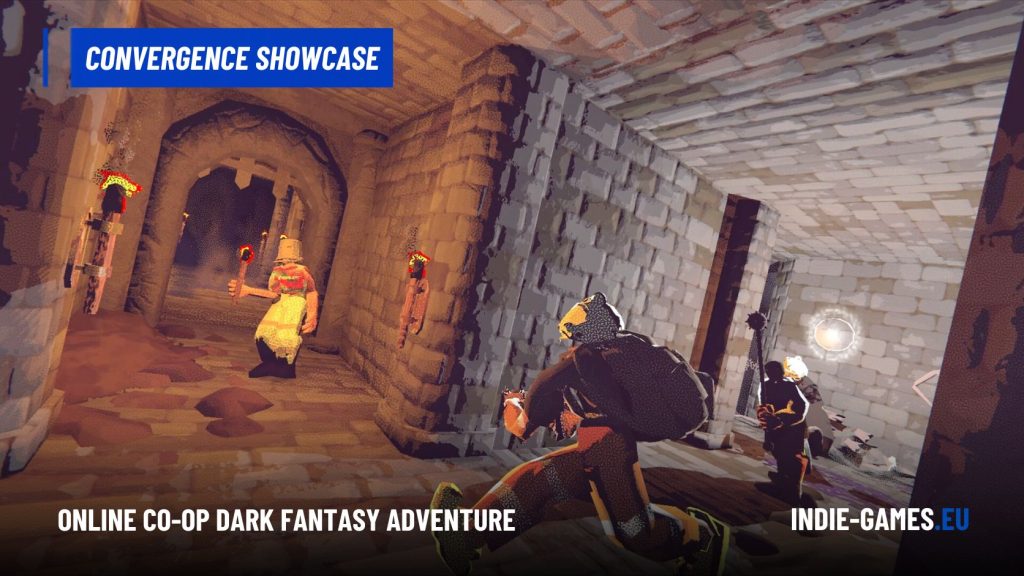
Vision Quench, an online co-op dark fantasy adventure from developer WizMUD Games and Pocketpair Publishing, is targeting an early 2027…
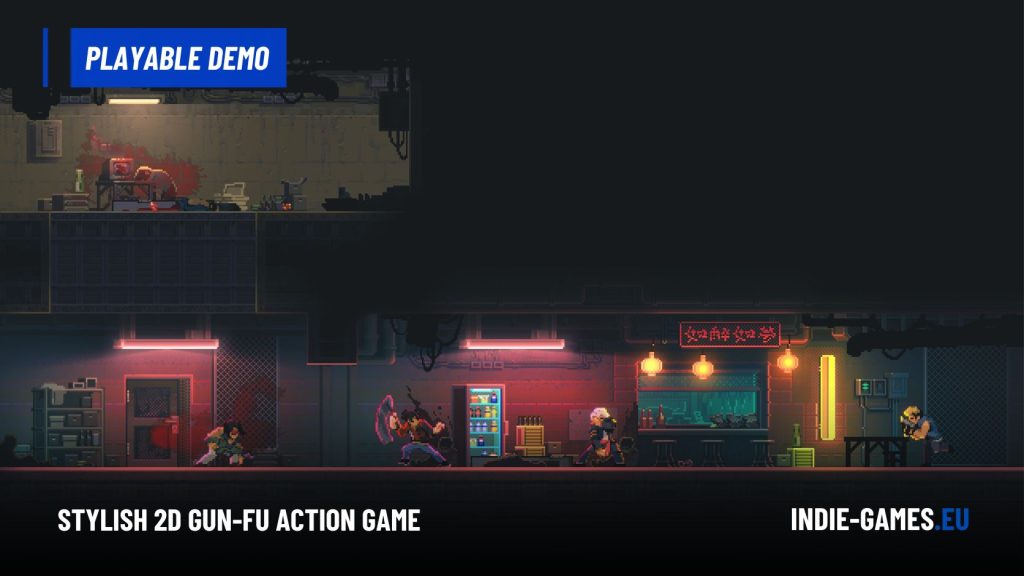
Named “The Bud Trial,” the playable preview offers an early look at the game ahead of its planned PC release…

Serbian independent studio Retromagine has revealed False Echo, a narrative cryptography thriller inspired by Papers, Please and classic submarine dramas.

Surreal adventure Roman Sands RE:Build launches in September of this year on PC and consoles alongside the expanded Paratopic: Overdub.
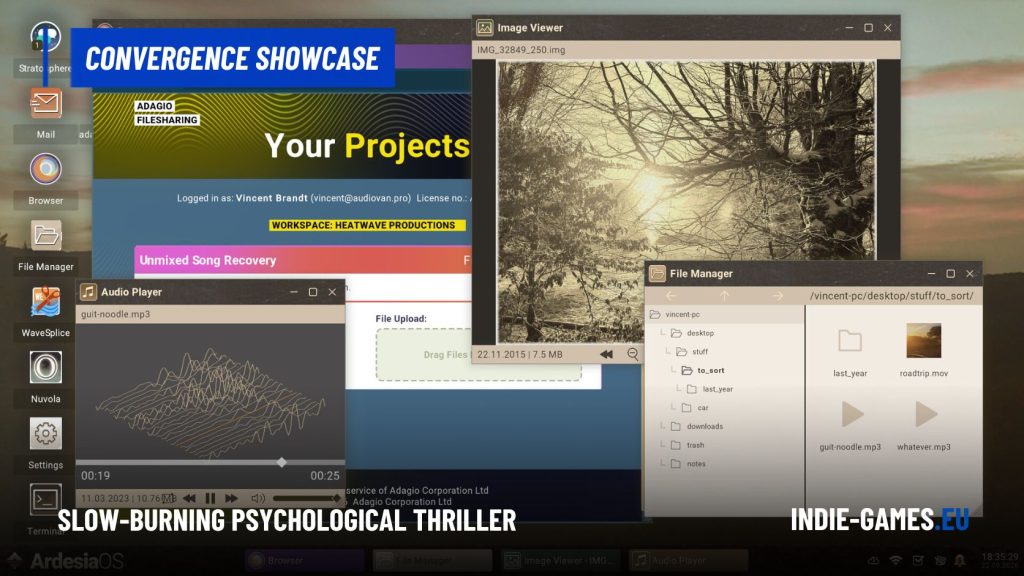
German indie studio Cobalt Lane has released a new trailer and Steam demo for Imprinted, a slow-burning psychological thriller.
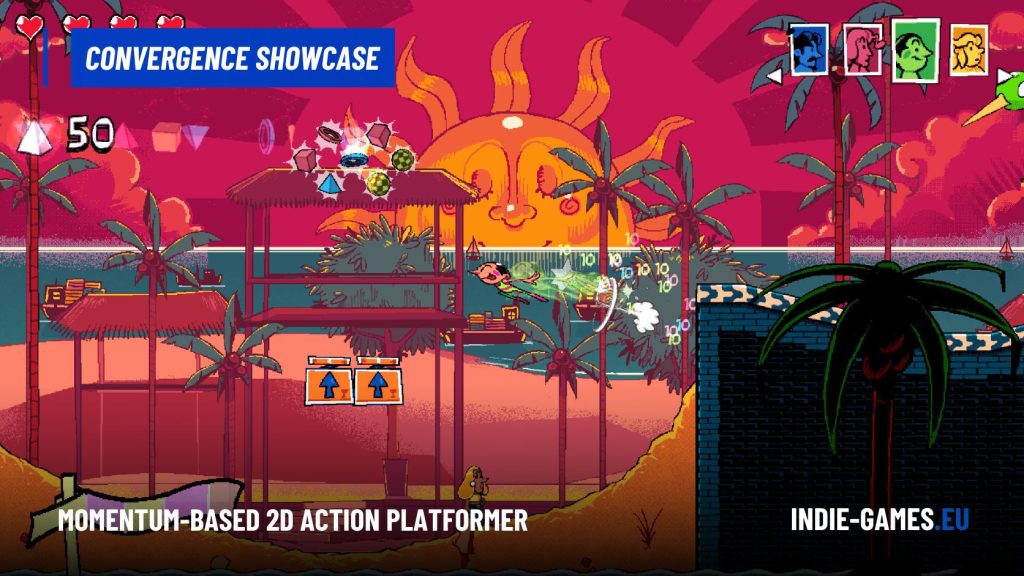
IndieArk and developer PVic Games have announced that momentum-based 2D action platformer ARTIUS: Pure Imagination will launch for PC via…
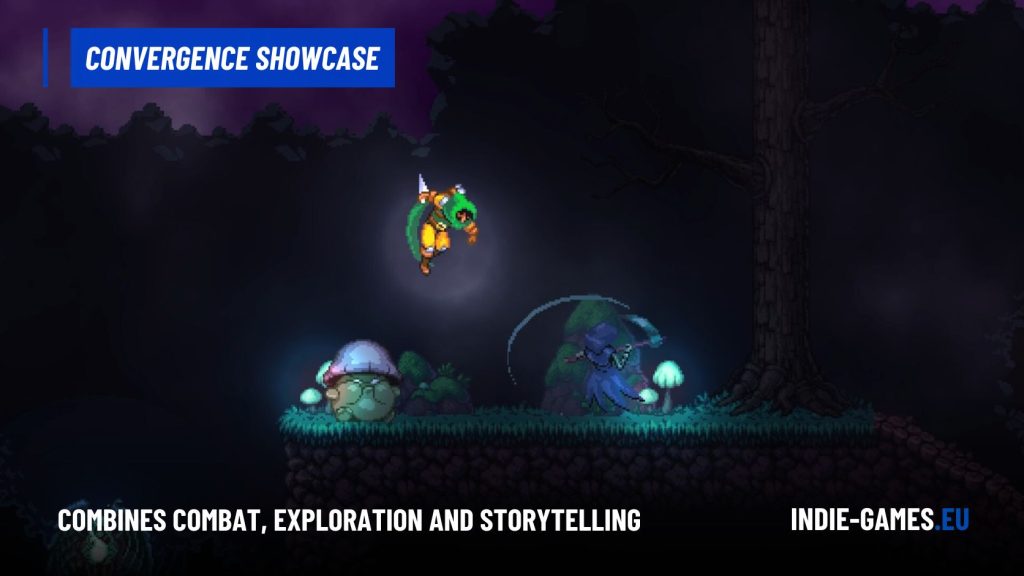
Decemberborn Interactive has released a new gameplay trailer for Cathedral: Crow’s Curse, an action-adventure prequel set in the world of…
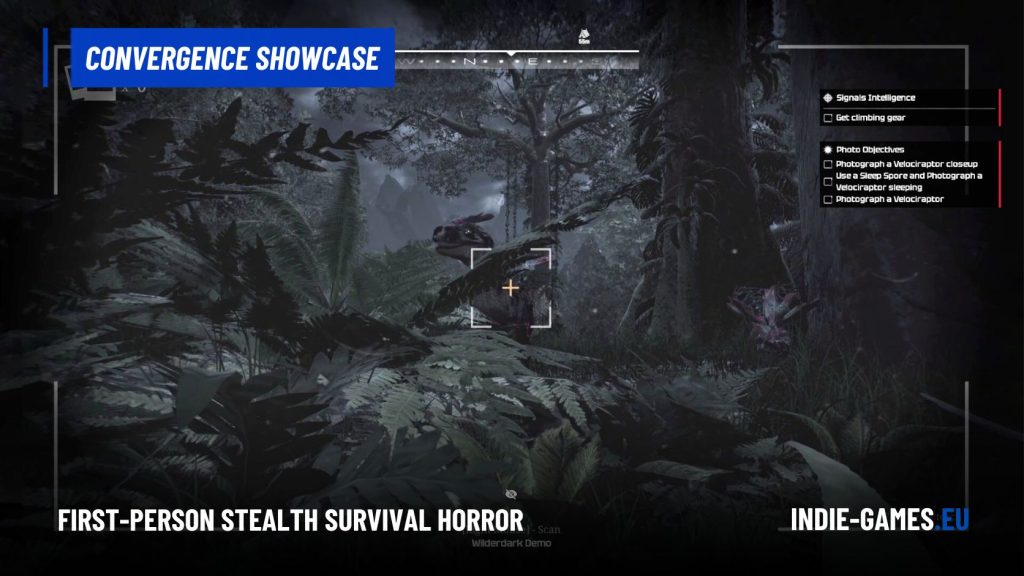
Wilderdark begins with the player crash-landing on an unnatural island overrun by hostile wildlife.
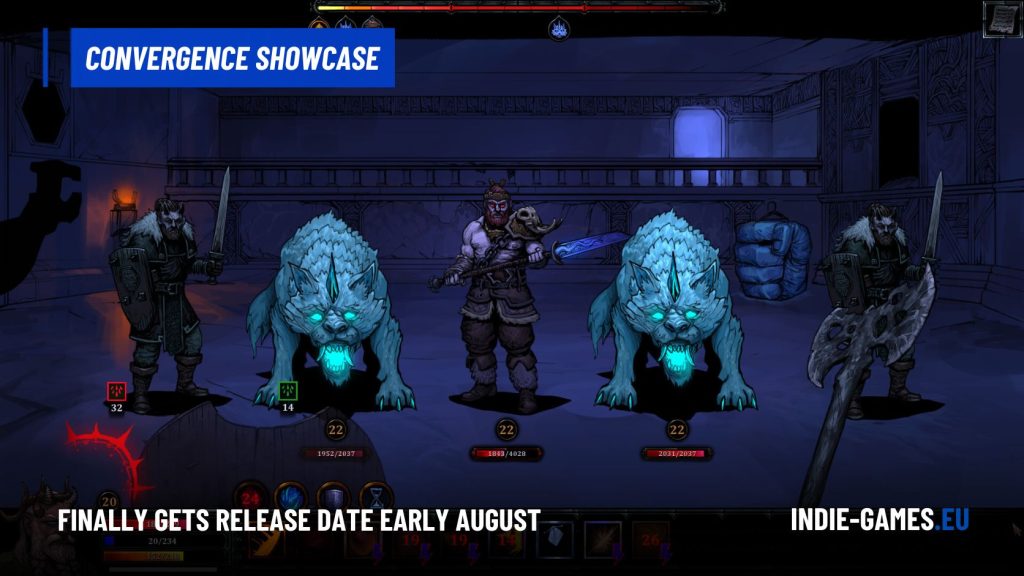
Independent French developer Ars Goetia and publisher Dear Villagers have announced that HellSlave II: Judgment of the Archon will launch…
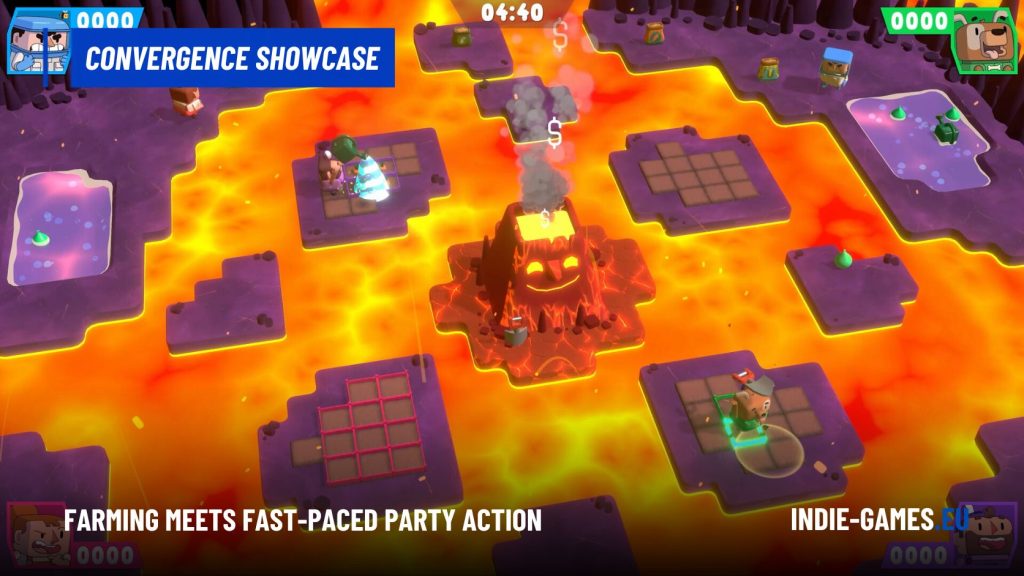
We got a new look at Planted! during the Convergence Showcase, where a brand-new Volcano level was revealed for the…
