Endless Legend 2 Leaves Early Access in September, Adds Console Versions
Endless Legend 2 leaves Early Access in September as version 1.0 rolls out, bringing console versions to PlayStation 5 and…

![[OPINION] Gaming Has Officially Become a $200 Billion Industry](https://www.indie-games.eu/wp-content/uploads/2026/06/Gamign-Industry-Newzoo-Report-1.jpg)
If you enjoy independent indie game coverage, consider supporting Indie-Games.eu on Patreon. It helps keep the site independent.
For years, the video game industry has been described as one of the fastest-growing entertainment sectors in the world. Yet despite record revenues, blockbuster launches, and an ever-expanding player base, recent headlines have often painted a much darker picture. Layoffs, studio closures, project cancellations, and rising development costs have led many to question whether the industry is entering a difficult period. New data from Newzoo tells a more different story about gaming.
According to the market research firm’s final figures for 2025, the global games market generated $201.6 billion in revenue, marking the first time the industry has surpassed the $200 billion milestone. More importantly, that figure represents a healthy 9.1% year-over-year increase, outperforming many earlier forecasts and demonstrating that demand for games continues to grow across virtually every major region and platform.
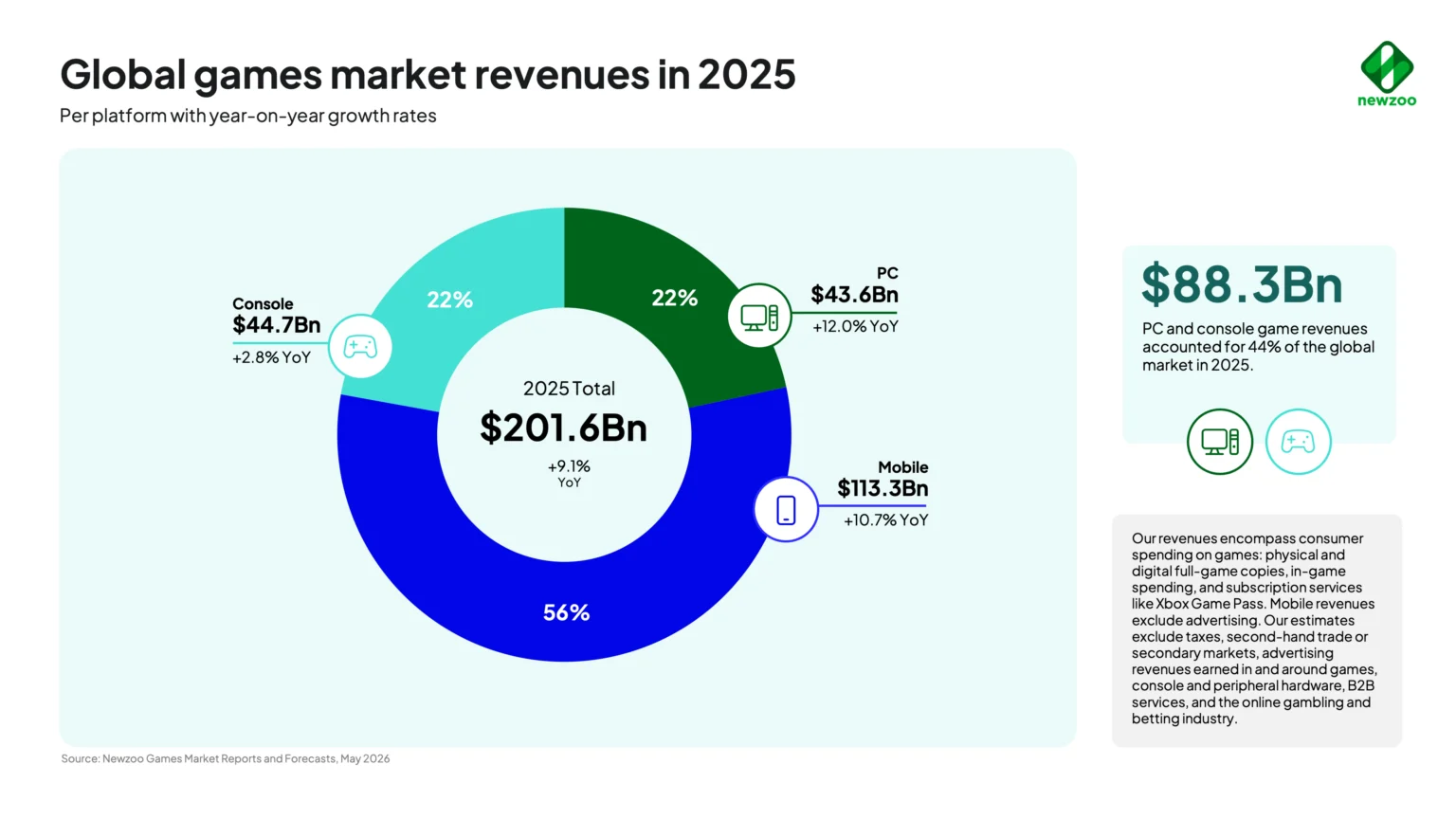
Mobile gaming continues to dominate the industry, accounting for roughly $113.3 billion of total revenue in 2025. That means more than half of all gaming revenue worldwide still comes from smartphones and tablets. However, the story behind mobile’s success is different from what it was several years ago.
The explosive era of endless user growth appears to be slowing. Downloads have plateaued or even declined in some markets, while user acquisition costs continue to rise. According to Newzoo, the average cost per install increased significantly during 2025, making it more expensive for publishers to attract new players.
Rather than relying purely on expansion, mobile publishers are focusing on extracting greater value from existing audiences. Direct-to-consumer purchasing options, live-service events, mini-games, and improved monetization systems have become increasingly important. Major publishers such as Tencent have continued refining these strategies, helping drive double-digit revenue growth despite a more competitive environment.
In other words, mobile gaming is no longer winning because it keeps finding millions of new players. It’s winning because companies have become much better at monetizing the players they already have.
While mobile remains the largest segment, the biggest surprise of 2025 may have been PC gaming. According to Newzoo, PC revenue reached approximately $43.6 billion, representing an impressive 12% year-over-year increase. That makes it the fastest-growing major platform segment and one of the strongest years Newzoo has recorded for PC gaming. What’s particularly interesting is that this growth wasn’t driven by a single blockbuster release. It reflected a broad and diverse lineup of successful games across multiple genres and price points.
The 2026 PC release slate is thinner than 2025’s, and a higher comparison base compresses the year-over-year growth rate despite continued underlying momentum. Newzoo forecasts PC growth of 5.3% in 2026.
Newzoo
- China is a meaningful growth contributor: Blizzard titles enter their first full year of operation following their H2 2025 return, and Honor of Kings: World launched on PC in April 2026. Newzoo forecasts that China will outperform global PC growth and Western developed markets over the forecast period.
- A PC release of Grand Theft Auto VI, currently expected in 2027 though component cost pressures introduce risk of a slip into 2028, remains the forecast period’s significant upside catalyst.
Titles such as Battlefield 6 and Monster Hunter Wilds certainly contributed, but so did a wide range of AA productions, indie successes, and mid-priced releases. Full-game spending on PC reportedly increased by around 25%, suggesting players were willing to spend more on premium experiences rather than relying exclusively on free-to-play offerings.
At the same time, microtransaction revenue continued to grow through platforms and games such as Counter-Strike 2 and Roblox. This combination of premium sales and ongoing service revenue created a particularly strong year for the platform. The growth also reinforces a trend that has become increasingly difficult to ignore. PC gaming is no longer viewed as a niche enthusiast market. It has become one of the industry’s primary growth engines, attracting players through everything from indie games and strategy titles to massive AAA releases.
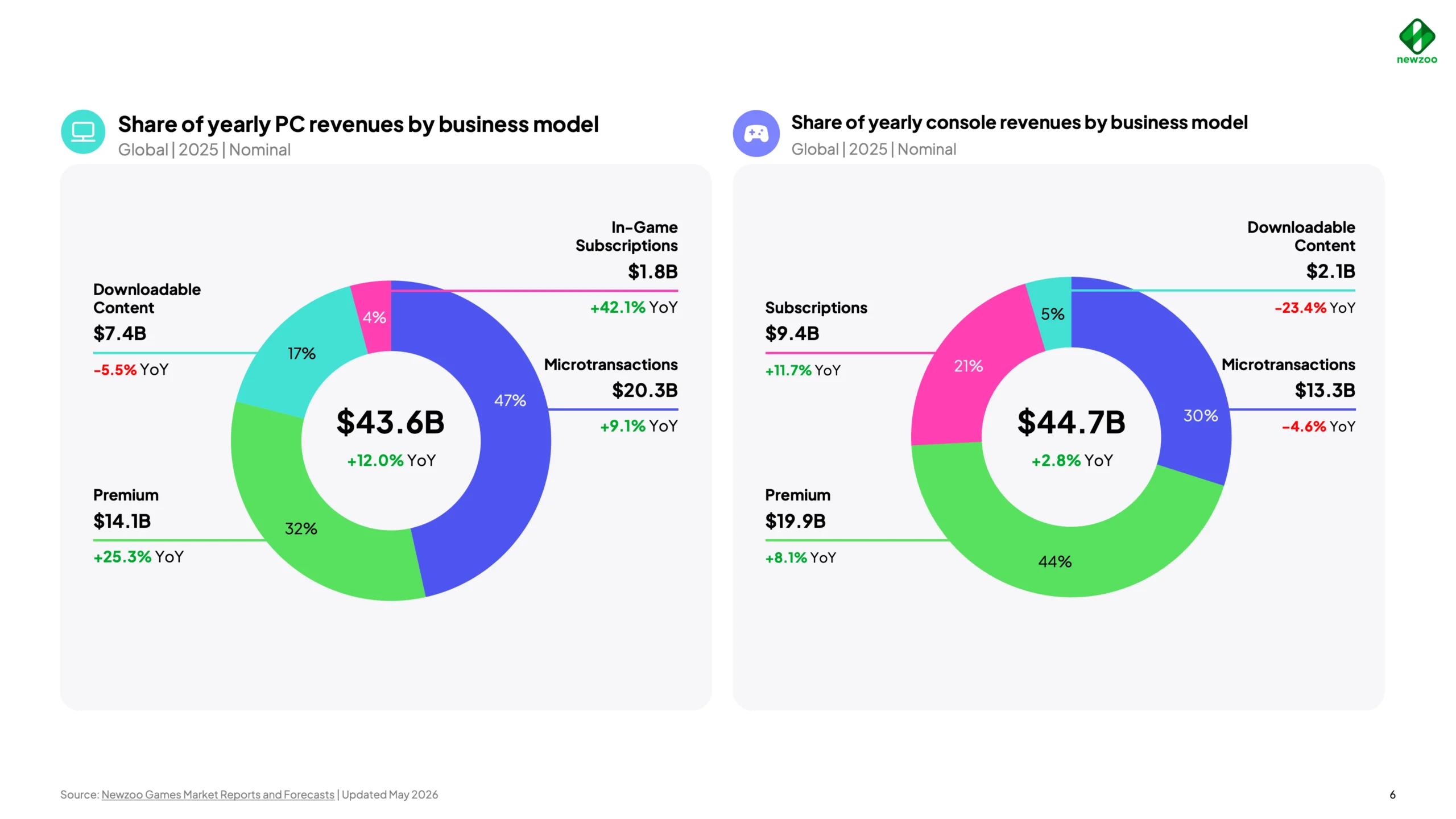
Console gaming generated approximately $44.7 billion in revenue during 2025, representing a more modest increase of 2.8%. While that growth may seem disappointing compared to mobile or PC, the context is important. The console market is far more mature than many other segments and has already experienced several years of exceptionally strong performance. In addition, 2025 was characterized by shifting player spending habits.
Nintendo’s Switch 2 launch provided a major boost to hardware sales, reportedly moving more than 15 million units during its first several months on the market. Subscription services such as PlayStation Plus and Xbox Game Pass also continued generating significant revenue, with spending on subscription offerings increasing throughout the year.
However, some of the industry’s biggest live-service titles experienced slower growth than expected. Spending on microtransactions declined across certain console ecosystems, particularly in games that had previously driven enormous engagement. This doesn’t suggest console gaming is weakening. Rather, it indicates that growth is becoming more dependent on premium software, subscriptions, and hardware innovation than on endless spending within a handful of live-service titles.

One of the most interesting aspects of Newzoo’s report is how differently various regions performed. Asia-Pacific remained the largest gaming market in the world, accounting for nearly half of global gaming revenue. Countries such as China, Japan, and South Korea continue to exert enormous influence over both player behavior and market trends.
Europe emerged as one of the strongest-performing major regions, growing faster than the global average. Both PC and mobile gaming saw particularly impressive gains across the continent, reflecting continued demand for premium releases as well as strong mobile engagement. North America, meanwhile, experienced slower growth. The region remains one of the industry’s most valuable markets, but its heavier reliance on console gaming likely contributed to a more modest year-over-year increase compared to Europe and Asia.
Grand Theft Auto VI is the year’s defining commercial catalyst, with structural implications well beyond its launch window.
Newzoo
- Newzoo forecasts console revenues to reach $46.9 billion in 2026 (+5.1% YoY), with Grand Theft Auto VI’s November launch as the critical assumption; without it, or if the release slips, the platform would likely underperform year over year, a reading reinforced by Q1 2026, when console revenues fell as free-to-play and annualized title segments underperformed.
- Confirmed for PlayStation 5 and Xbox Series X|S only, the title should also drive current-generation console adoption, while multi-year GTA Online engagement sustains microtransaction and in-game subscription revenues through 2027–28
The fastest growth came from emerging markets, particularly the Middle East, Africa, and Latin America. While these regions still represent smaller portions of overall revenue, their rapid expansion suggests they will become increasingly important to publishers in the coming years. Together, China and the United States accounted for roughly half of all consumer spending worldwide, underscoring just how influential those two markets remain.
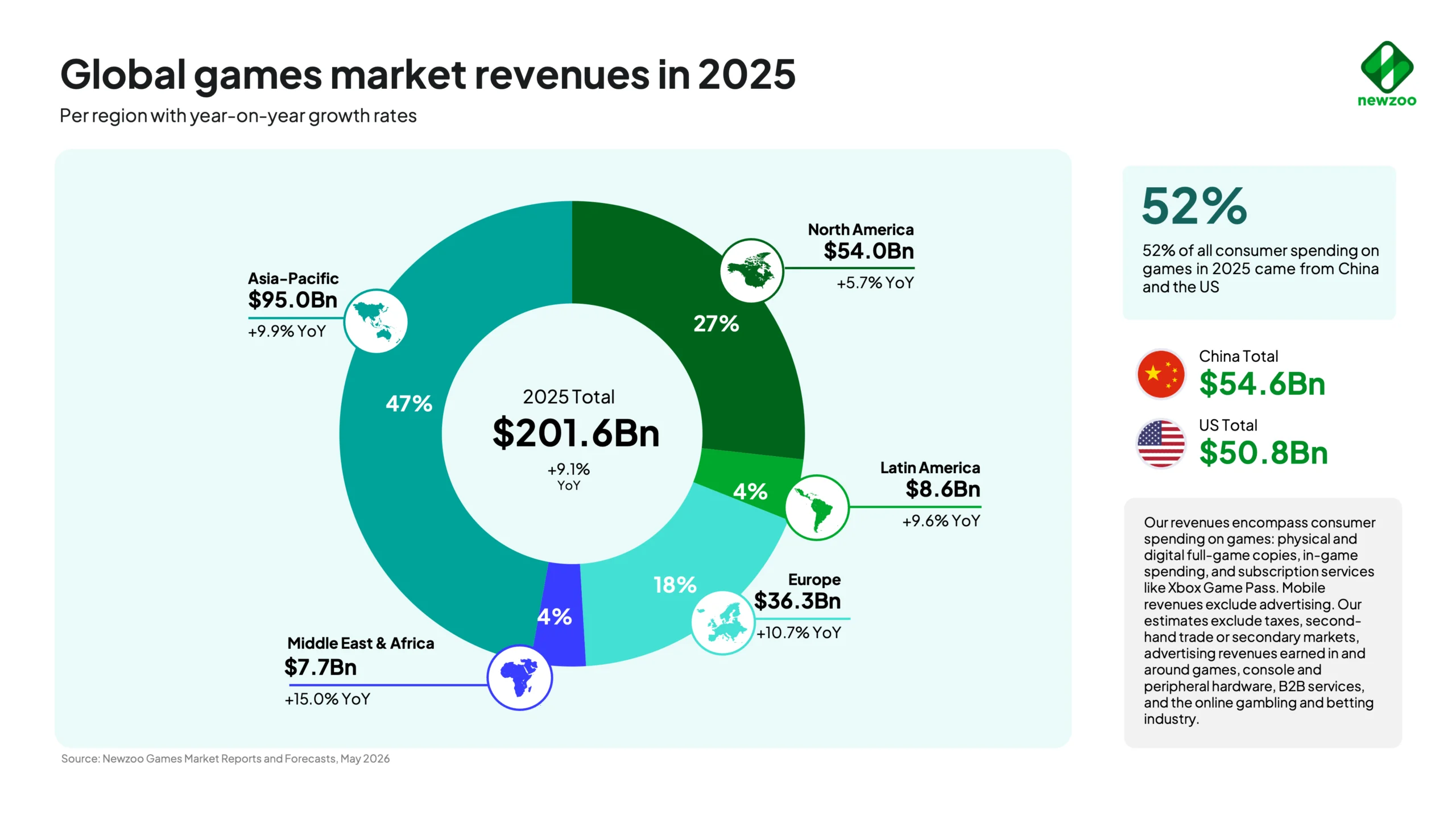
Perhaps the most important takeaway from Newzoo’s report is that the industry’s growth is no longer being driven primarily by attracting new players. The global gaming audience now sits at roughly 3.6 billion people. Of those, approximately 1.6 billion actively spend money on games. At this scale, there are simply fewer untapped audiences left to discover. As a result, publishers are increasingly focused on retention, engagement, subscriptions, and long-term monetization rather than pure player acquisition.
This shift helps explain why live-service mechanics, seasonal content, subscriptions, and direct-to-consumer storefronts have become such major priorities. The battle is no longer about convincing people to start gaming. It’s about keeping existing players engaged for longer periods and encouraging them to spend more over time.
That strategy comes with risks, however. Players are becoming more selective about where they invest their time and money, forcing publishers to compete more aggressively for attention.

Looking ahead, Newzoo expects the market to continue growing, reaching approximately $234.4 billion by 2028. Several major factors could accelerate that growth. The most obvious is Grand Theft Auto VI, which is widely expected to become one of the biggest entertainment launches in history when it arrives. Historically, major Rockstar releases have generated billions of dollars in spending while driving hardware sales and player engagement across the broader ecosystem.
Mobile monetization is also expected to continue evolving, while PC gaming appears positioned to maintain its momentum thanks to a healthy release calendar and growing global accessibility. At the same time, the industry faces genuine challenges. Rising hardware costs, increasing memory prices, larger development budgets, and ongoing competition for player attention could all limit growth if left unchecked.
Looking solely at industry headlines, it would be easy to assume gaming is struggling. Every week seems to bring news of layoffs, restructuring, studio closures, or canceled projects. The reality is more complicated. The industry is not shrinking. In fact, it is larger than it has ever been. What is changing is the way growth is achieved. The era of explosive player expansion appears to be giving way to a more mature market where quality releases, effective monetization, subscriptions, and long-term engagement matter more than simply attracting new users.
Newzoo’s 2025 figures demonstrate that gaming remains one of the world’s most powerful entertainment industries. Crossing the $200 billion threshold is an important milestone, but perhaps the more important message is that growth is still happening even as the market evolves. The challenge for publishers moving forward won’t be finding players. It will be giving those players enough reasons to stay.
Endless Legend 2 leaves Early Access in September as version 1.0 rolls out, bringing console versions to PlayStation 5 and…
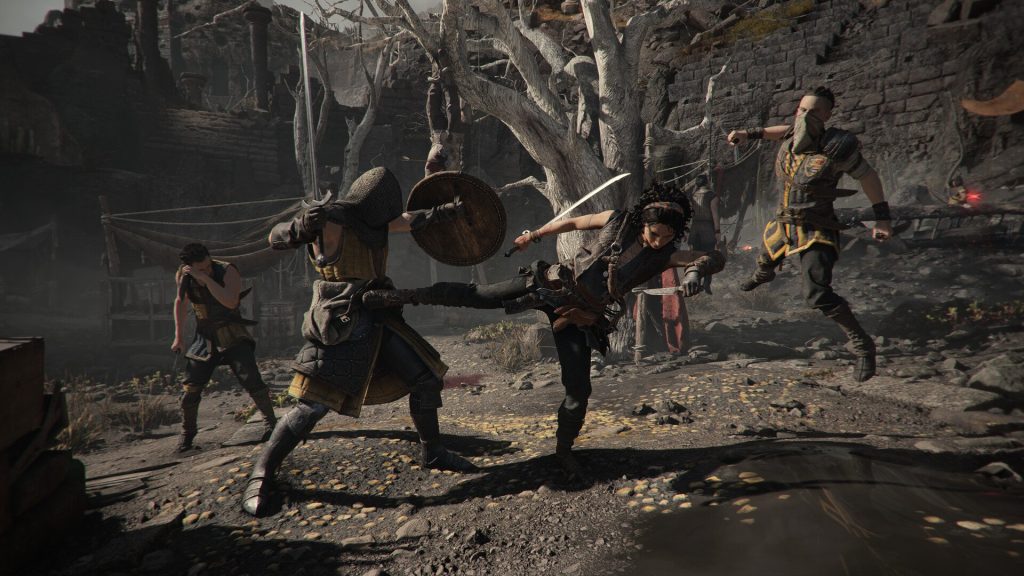
A new Resonance: A Plague Tale Legacy featurette shows how Sophia can use light to navigate dangerous environments and overcome…
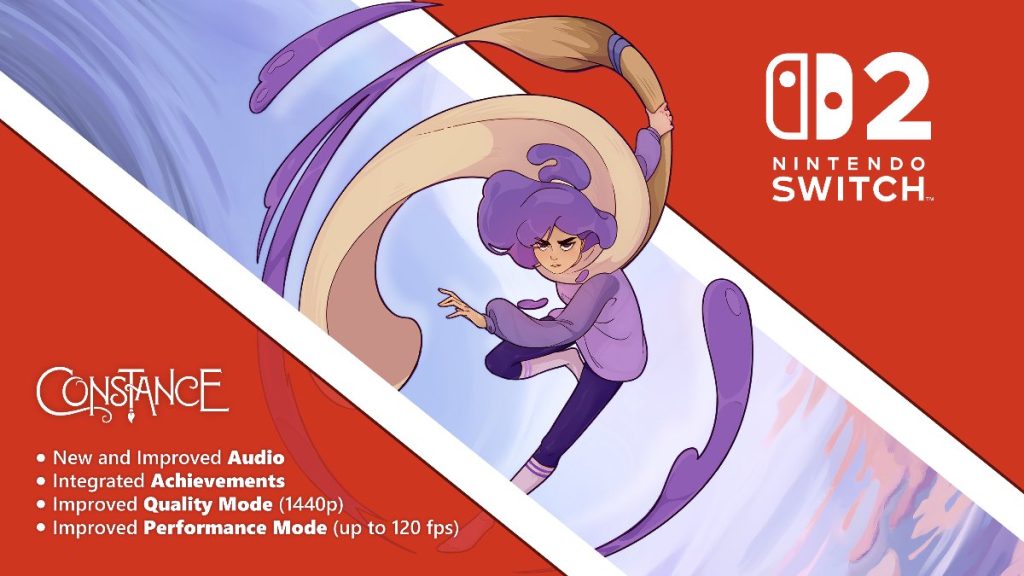
The nonlinear world contains six biomes, each representing a different part of the protagonist’s psyche and history.
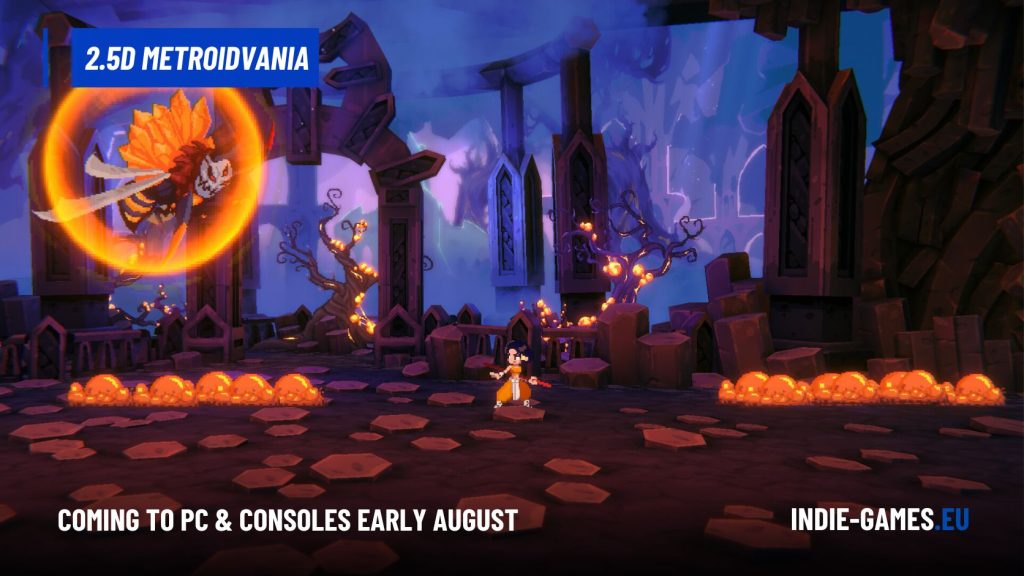
Akatori launches early August on PC and PlayStation and Xbox, featuring 2.5D Metroidvania action, parkour and staff-based combat.
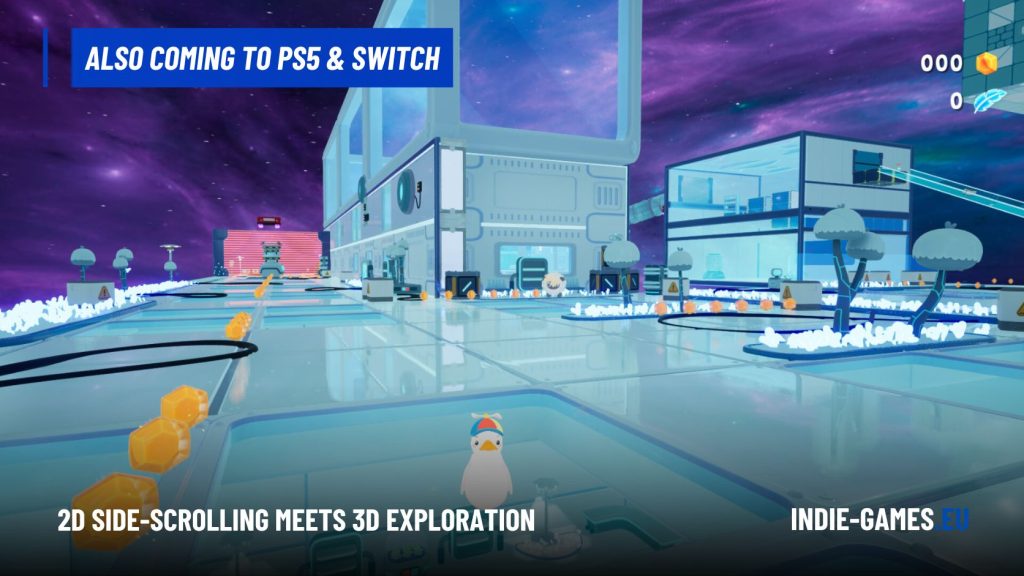
Dodo Duckie! launches on PC and Xbox today, with PS5 and Switch versions arriving later in 2026, featuring unique 2D…
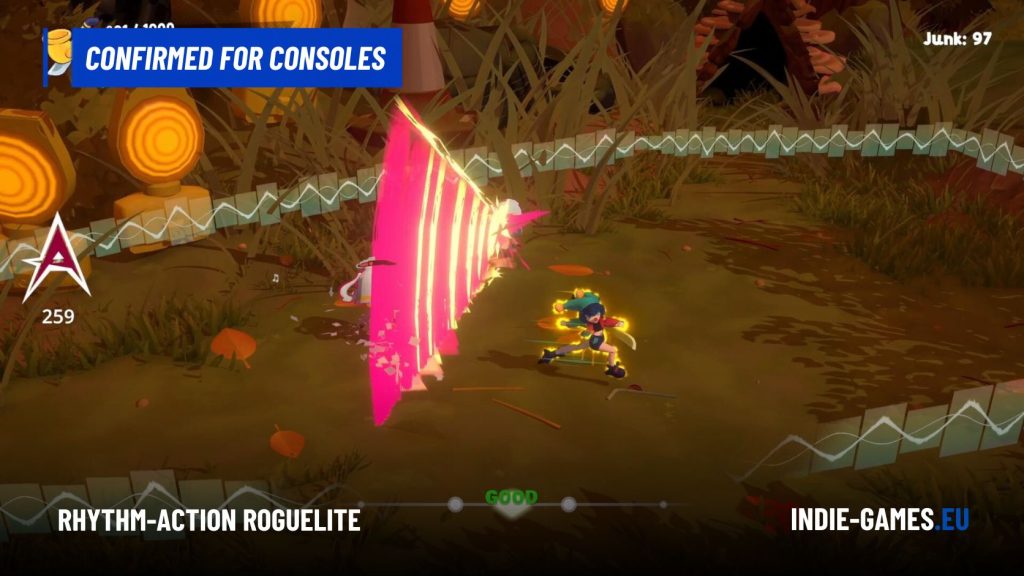
Alpha Nomos launches on PlayStation 5, Xbox Series and PC in 2026, featuring rhythm-based roguelite combat, live-recorded weapons and a…
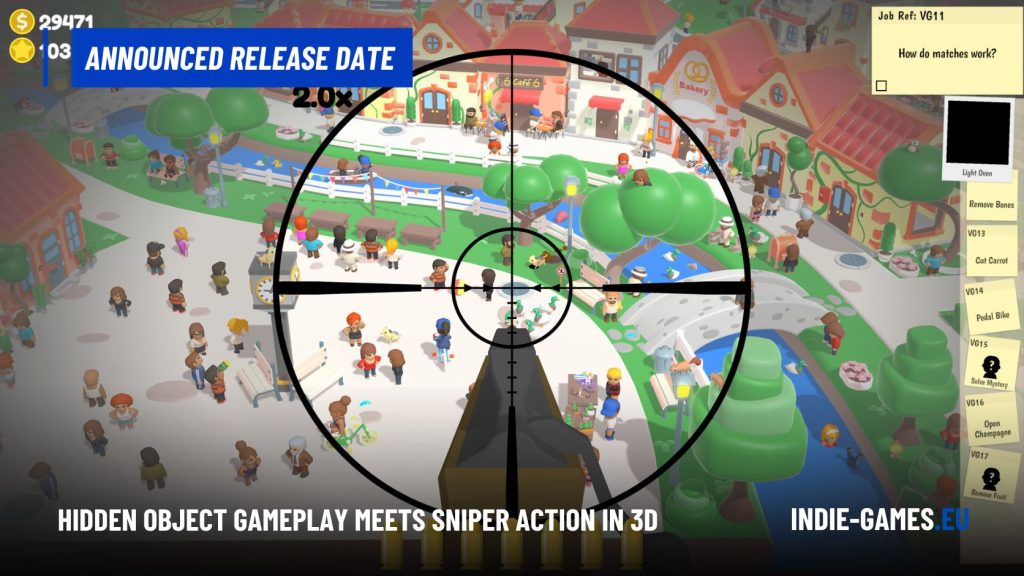
Sniper Dan launches in September for PlayStation 5, Xbox, Switch and PC, blending hidden object gameplay, puzzles and family-friendly sniper…
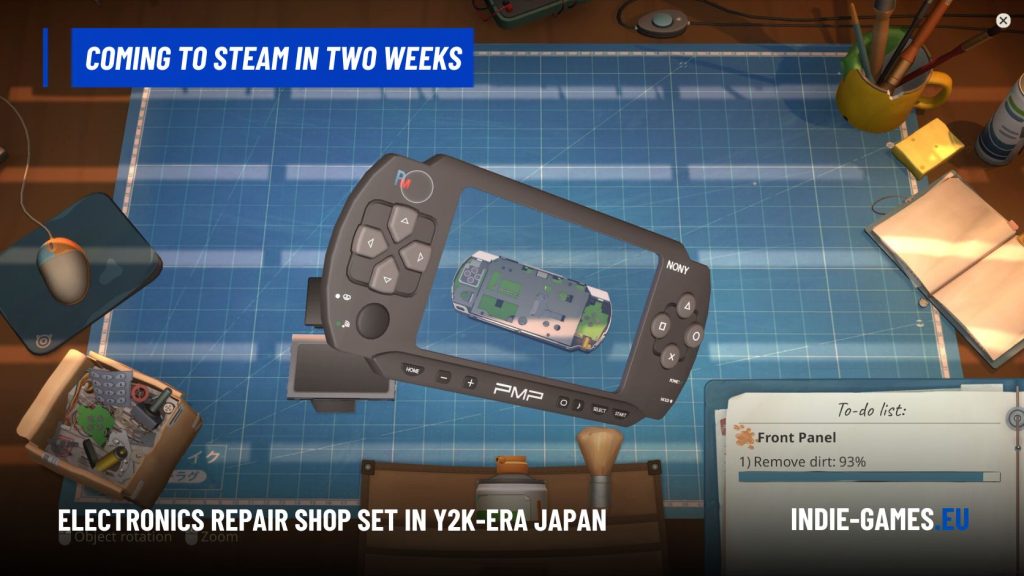
In ReStory, you will repair a wide range of early-2000s technology, including mobile phones, handheld gaming systems, digital pets, music…
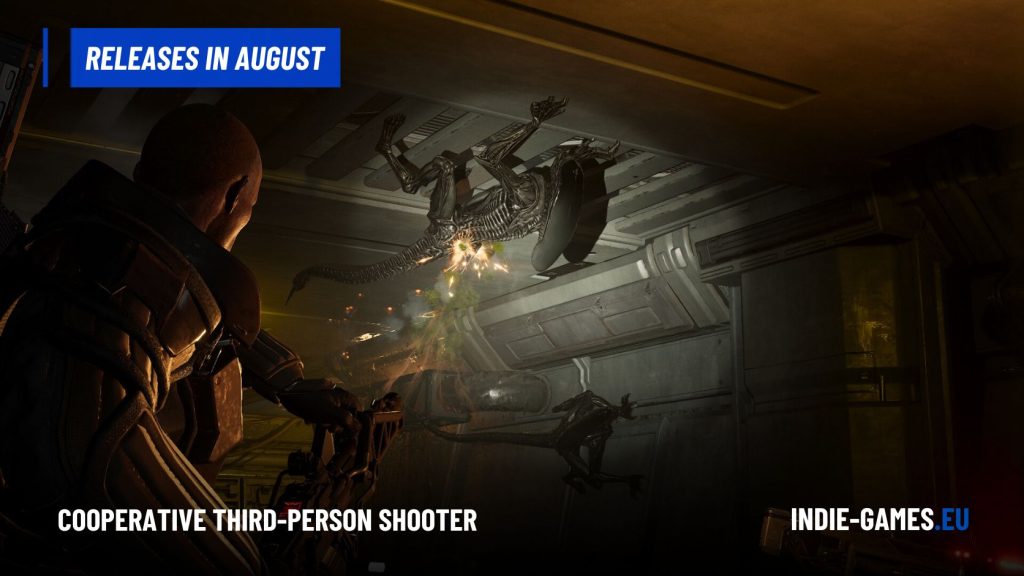
Aliens: Fireteam Elite 2 expands its fireteams to four players, who take control of Colonial Marines deployed across hostile locations…
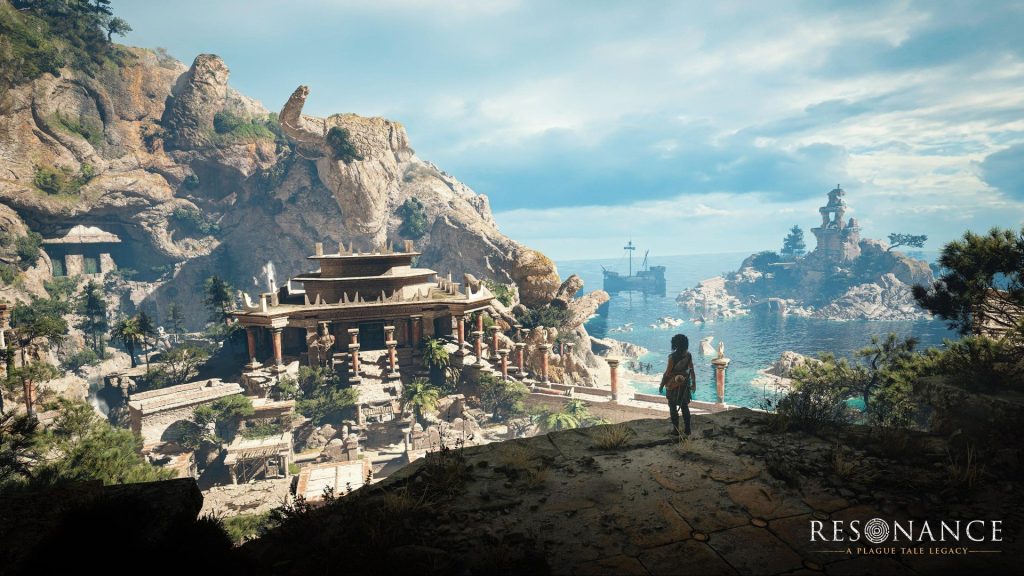
Asobo Studio has released a short scenic clip for Resonance: A Plague Tale Legacy, showcasing its Mediterranean-inspired locations.
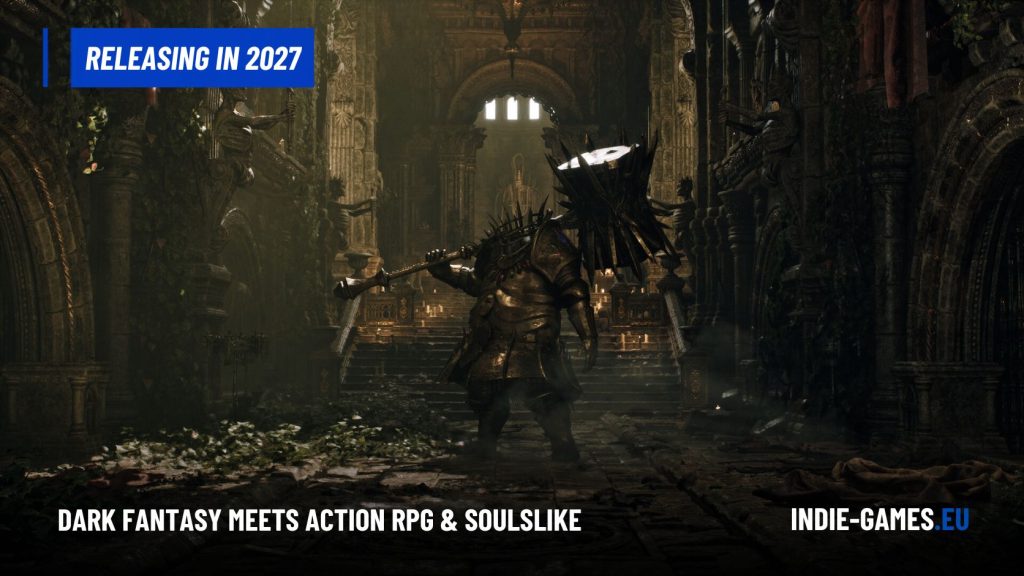
Turkish solo developer Celal Sahin has announced Godless Dawn, a dark fantasy action RPG targeting a Q1 2027 release on…
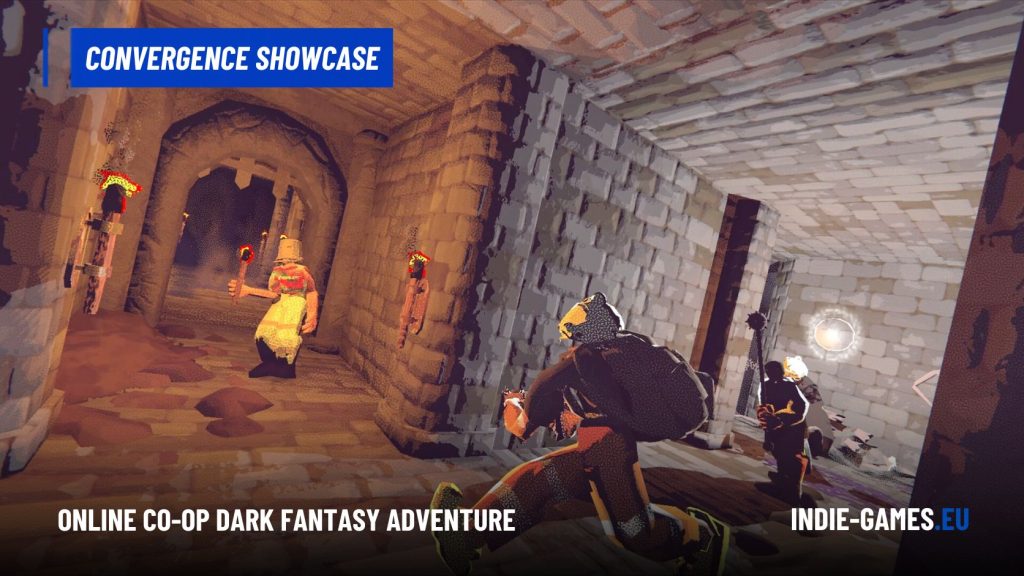
Vision Quench, an online co-op dark fantasy adventure from developer WizMUD Games and Pocketpair Publishing, is targeting an early 2027…

Named “The Bud Trial,” the playable preview offers an early look at the game ahead of its planned PC release…
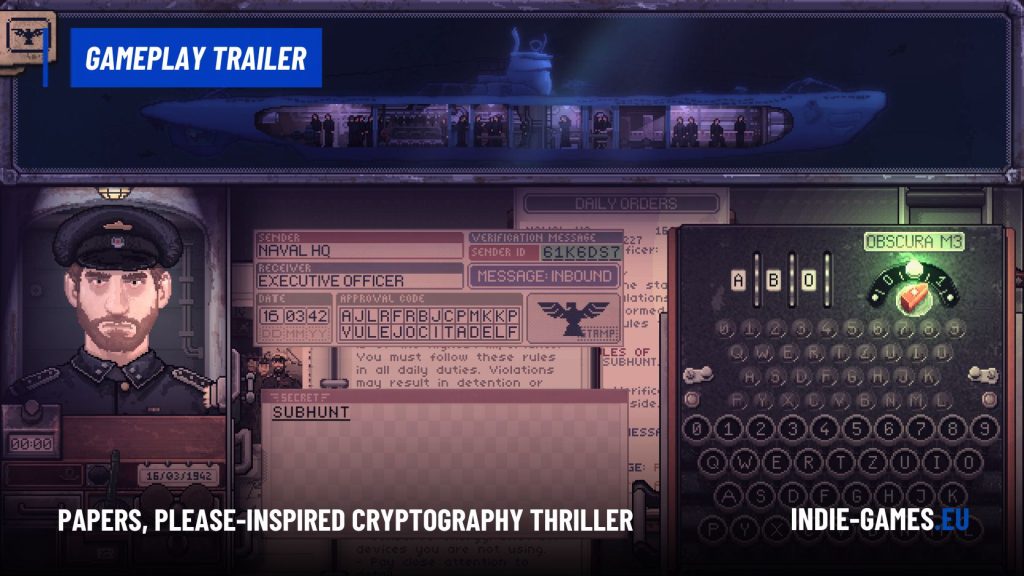
Serbian independent studio Retromagine has revealed False Echo, a narrative cryptography thriller inspired by Papers, Please and classic submarine dramas.

Surreal adventure Roman Sands RE:Build launches in September of this year on PC and consoles alongside the expanded Paratopic: Overdub.
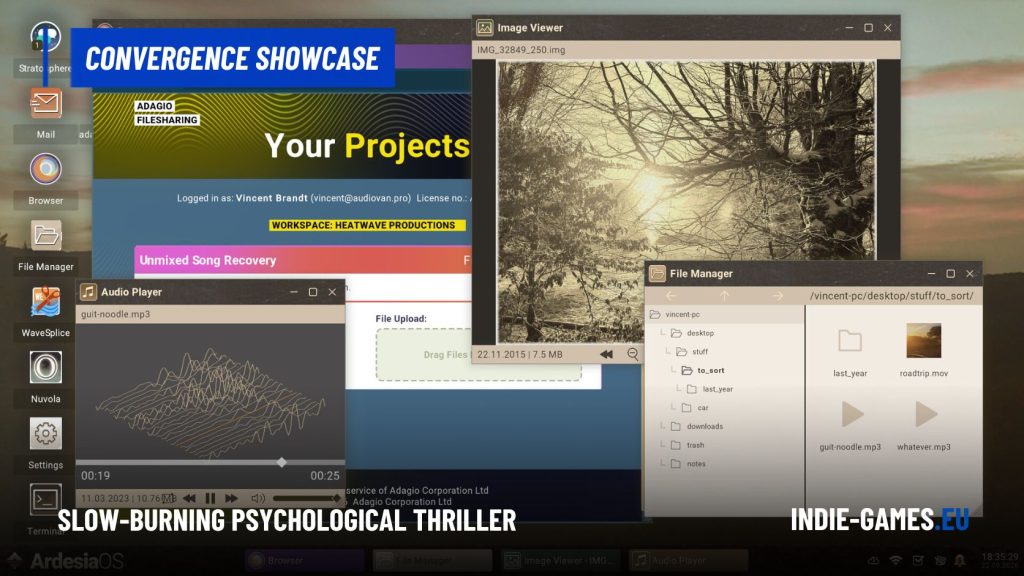
German indie studio Cobalt Lane has released a new trailer and Steam demo for Imprinted, a slow-burning psychological thriller.
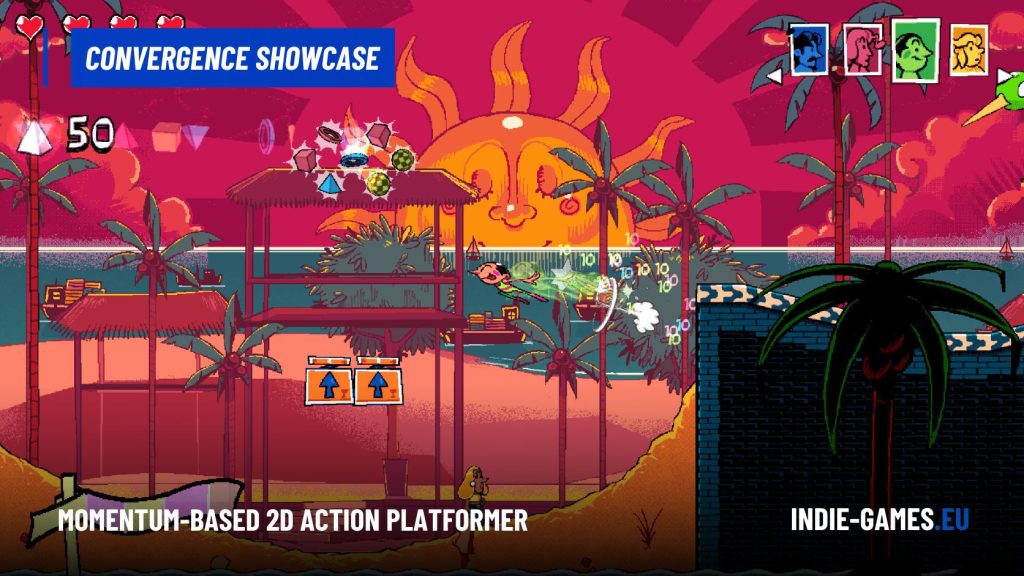
IndieArk and developer PVic Games have announced that momentum-based 2D action platformer ARTIUS: Pure Imagination will launch for PC via…
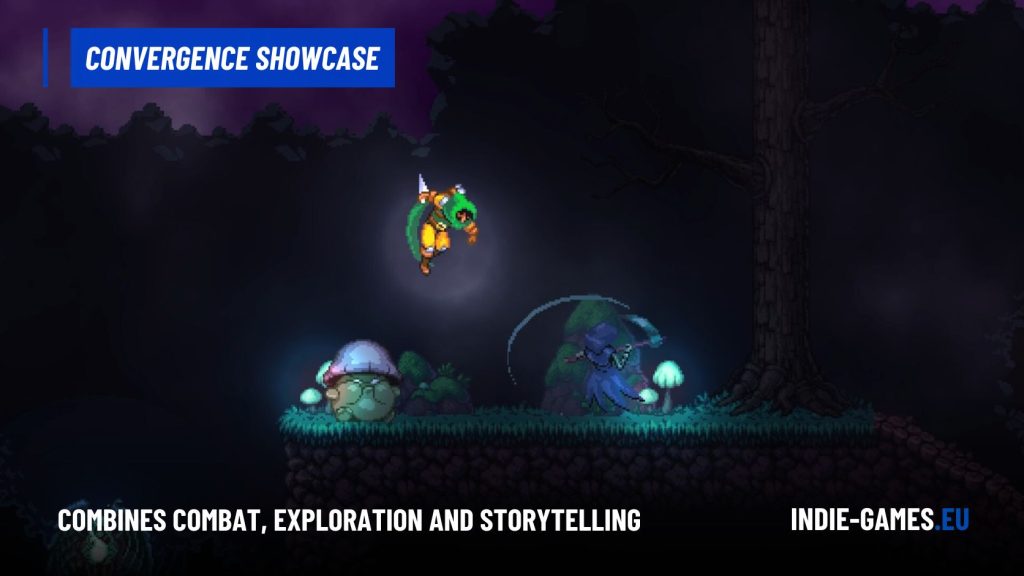
Decemberborn Interactive has released a new gameplay trailer for Cathedral: Crow’s Curse, an action-adventure prequel set in the world of…
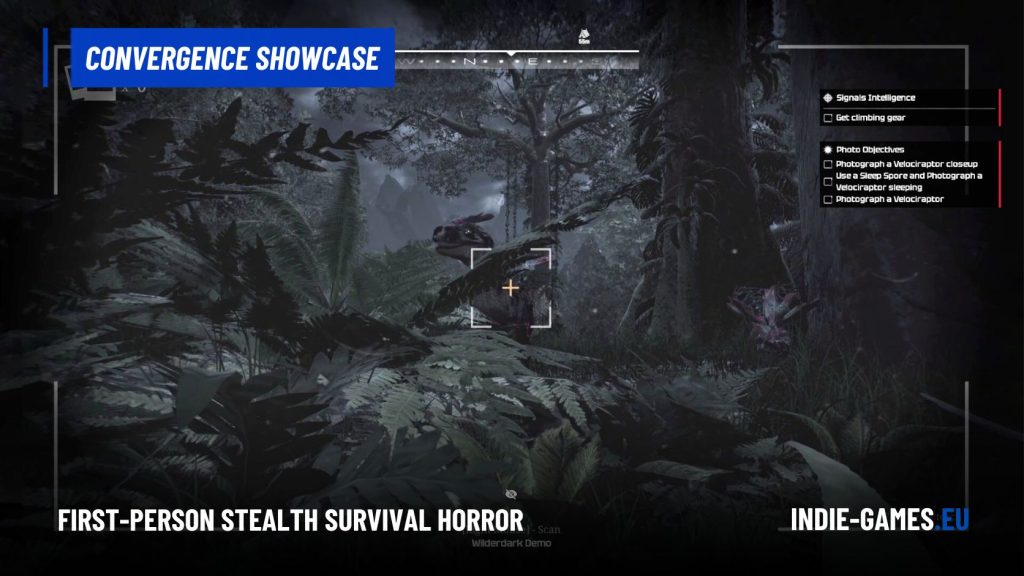
Wilderdark begins with the player crash-landing on an unnatural island overrun by hostile wildlife.
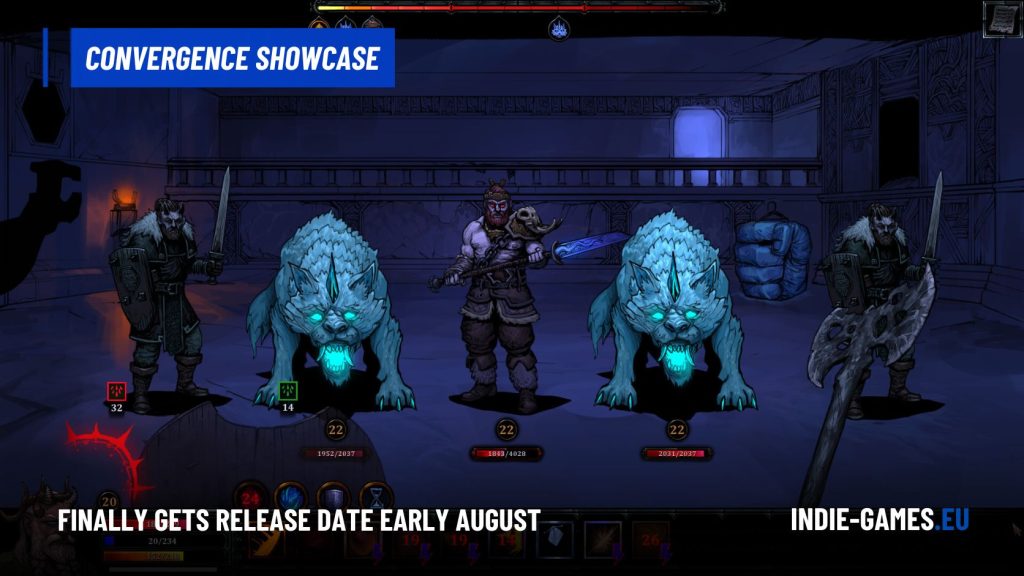
Independent French developer Ars Goetia and publisher Dear Villagers have announced that HellSlave II: Judgment of the Archon will launch…
