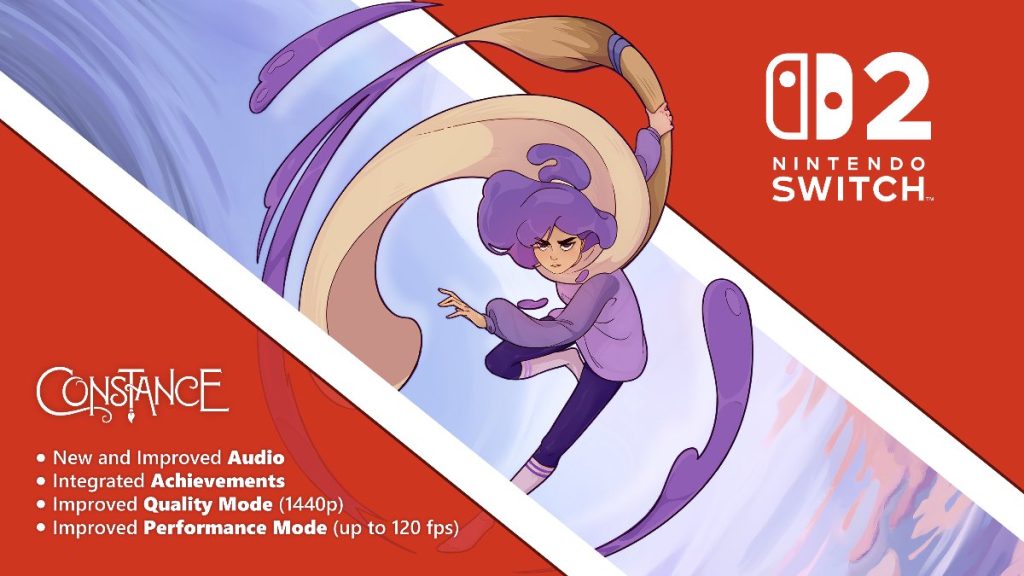
Constance Comes to Switch 2 With 120 FPS Support
The nonlinear world contains six biomes, each representing a different part of the protagonist’s psyche and history.

If you enjoy independent indie game coverage, consider supporting Indie-Games.eu on Patreon. It helps keep the site independent.
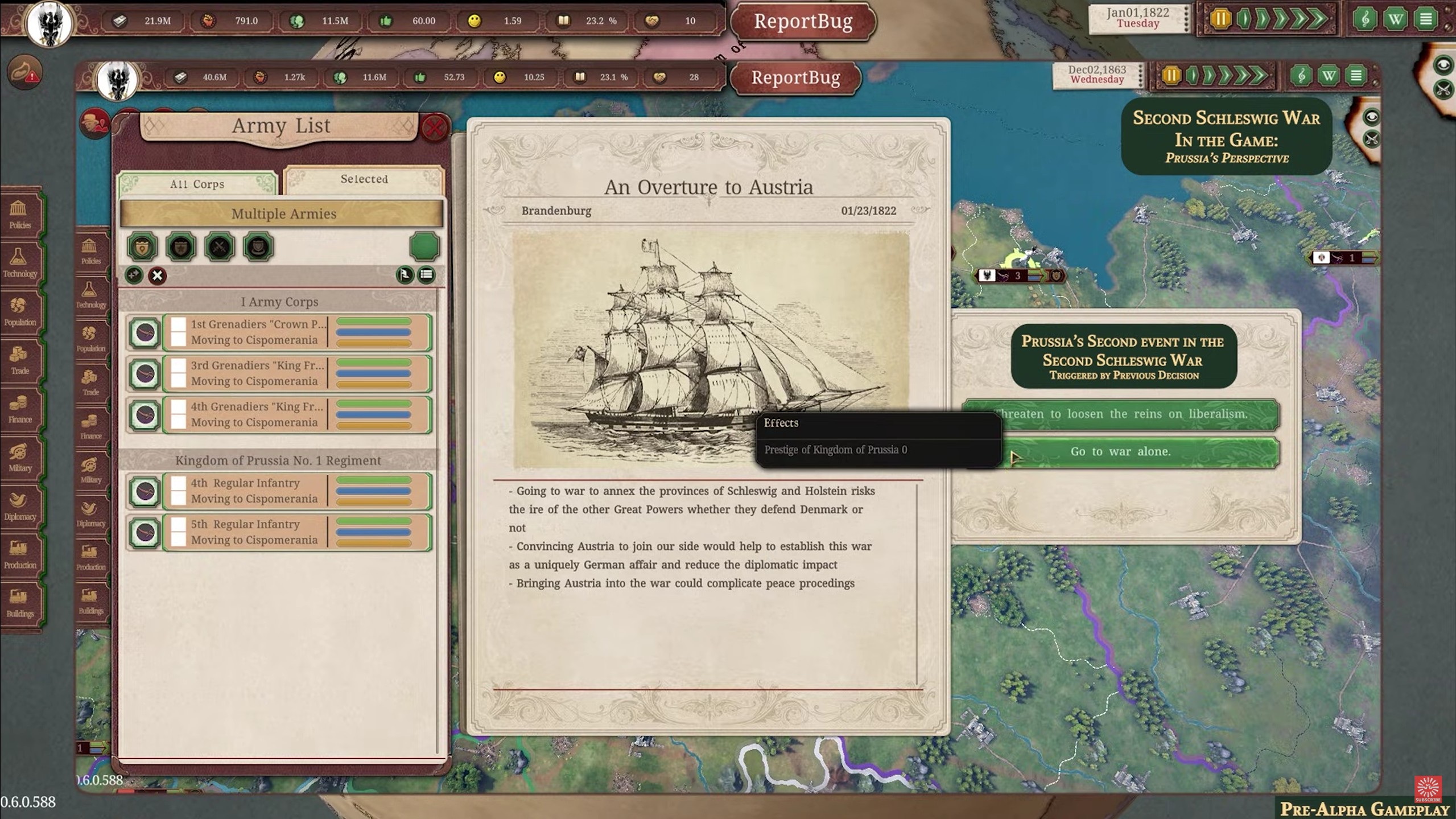
The grand strategy game Gilded Destiny recently released a new dev diary on its YouTube channel, with producer Mark delving deeper into the game’s approach to historical events. He explained the design philosophy and how historical events are modeled using the game’s system, and also provided insight into event configuration within the game editor. This title can be found on Steam.
“Our core approach to historical events is to allow players to experience them as they actually happened—if they choose to. However, faithfully replicating every historical detail, from the micro to the macro level, would make the game incredibly complex or unplayable. Because of this, we sometimes rely on abstractions or creative solutions to achieve the desired outcome,” Mark said and added:
“At the same time, we want players to have the freedom to deviate from history. After all, part of the fun in a historical game is the ability to rewrite it. This can happen through direct decisions during events or through broader geopolitical changes resulting from gameplay. For example, there is no guarantee that a specific state will exist, have the same territories, or maintain certain alliances by a certain date.”
To achieve this balance, events are designed to be adaptable to alternative historical scenarios. Mark here cited the example of 19th-century Prussian history, focusing on the Second Schleswig War and its consequences. The question of Schleswig-Holstein became relevant as the end of Danish rule over the region approached. The First Schleswig War did not resolve the issue, as Prussia withdrew under pressure from the United Kingdom and Russia, resulting in an agreement that prevented Denmark from fully integrating Schleswig-Holstein.
“In Gilded Destiny, we modeled this sequence of events to simultaneously preserve historical accuracy and player freedom. For example, we check if Denmark still owns Schleswig-Holstein and remains a monarchy. If so, Denmark faces a choice: sign a constitution integrating Schleswig or face political unrest. If Denmark chooses integration, Prussia can respond diplomatically or prepare for war,” Mark noted.
Prussian decisions echo throughout the game. It can ally with Austria, offer it Holstein, or risk strengthening liberalism in the German states. The United Kingdom and Russia also play a major role, deciding whether to support Denmark or remain neutral. The decisions are structured so that the AI usually follows historical paths, but players are given the freedom to carve their own course of events.
The event system also models the consequences of these decisions. Political opinions shift, the population reacts, and international prestige adjusts to the player’s actions. Even if Prussia loses the war or avoids the conflict entirely, the game adapts. For example, if Prussia and Austria do not go to war over Schleswig-Holstein, tensions over other territories, such as Silesia, might trigger a conflict.
The nonlinear world contains six biomes, each representing a different part of the protagonist’s psyche and history.
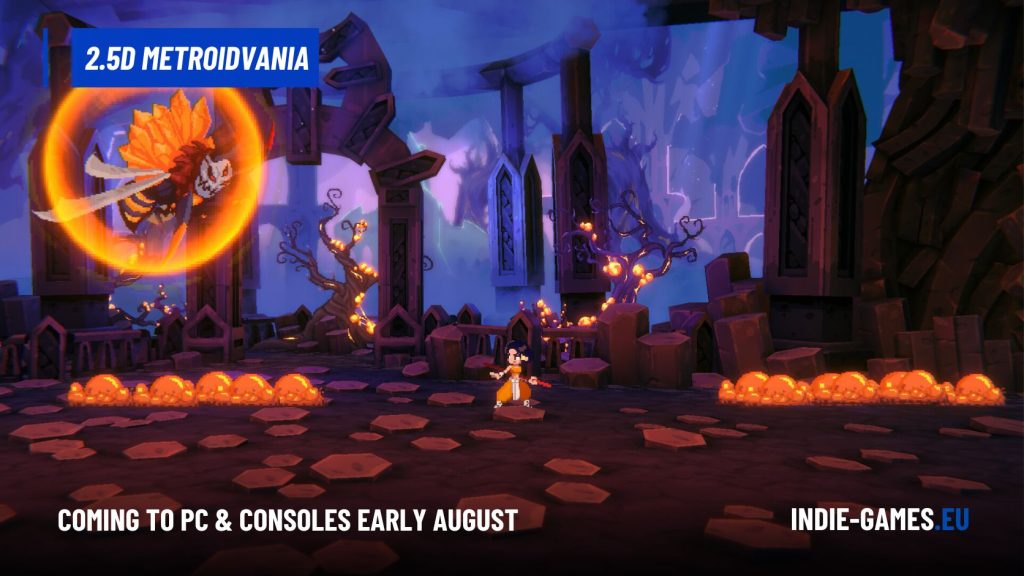
Akatori launches early August on PC and PlayStation and Xbox, featuring 2.5D Metroidvania action, parkour and staff-based combat.
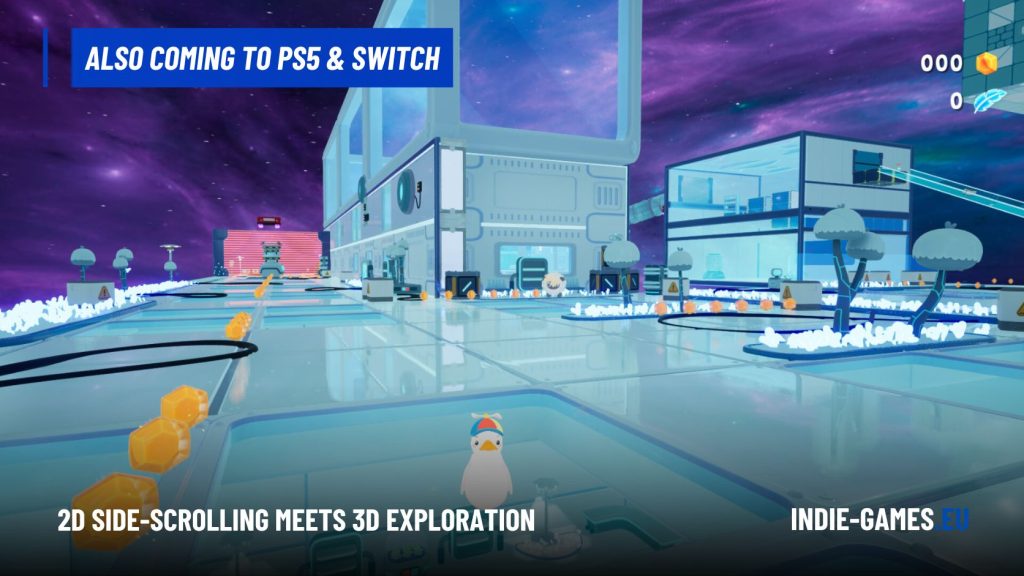
Dodo Duckie! launches on PC and Xbox today, with PS5 and Switch versions arriving later in 2026, featuring unique 2D…
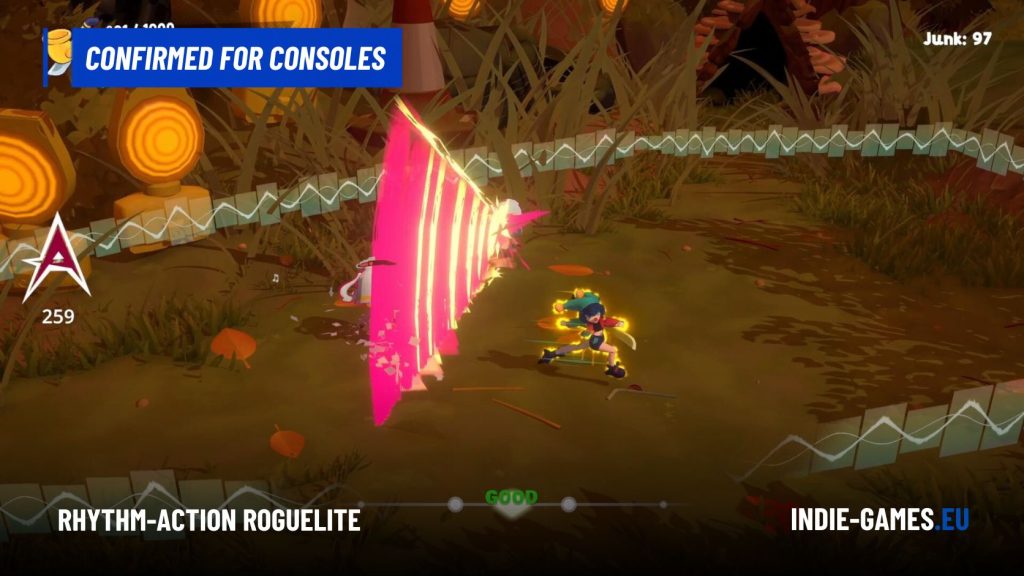
Alpha Nomos launches on PlayStation 5, Xbox Series and PC in 2026, featuring rhythm-based roguelite combat, live-recorded weapons and a…
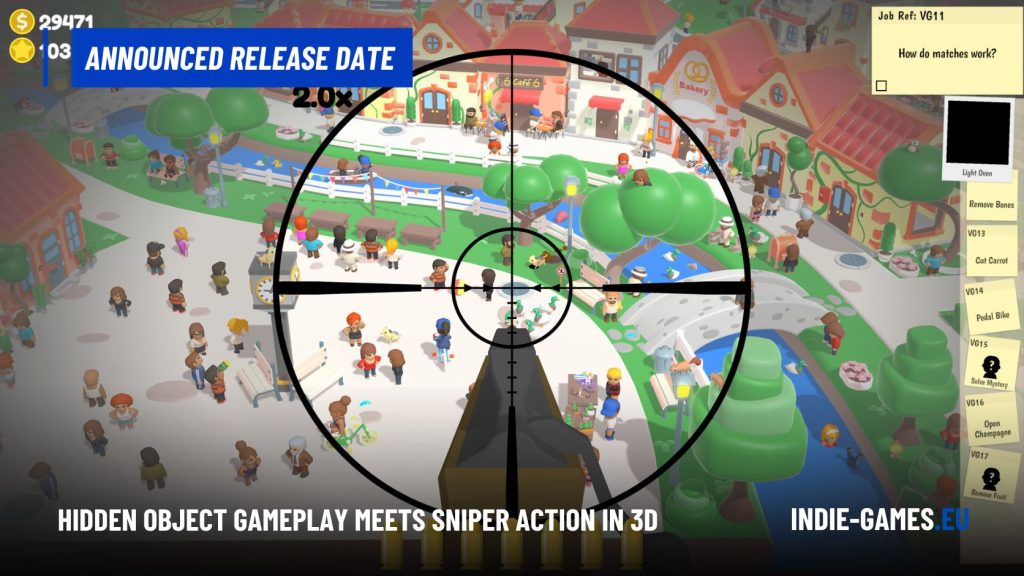
Sniper Dan launches in September for PlayStation 5, Xbox, Switch and PC, blending hidden object gameplay, puzzles and family-friendly sniper…
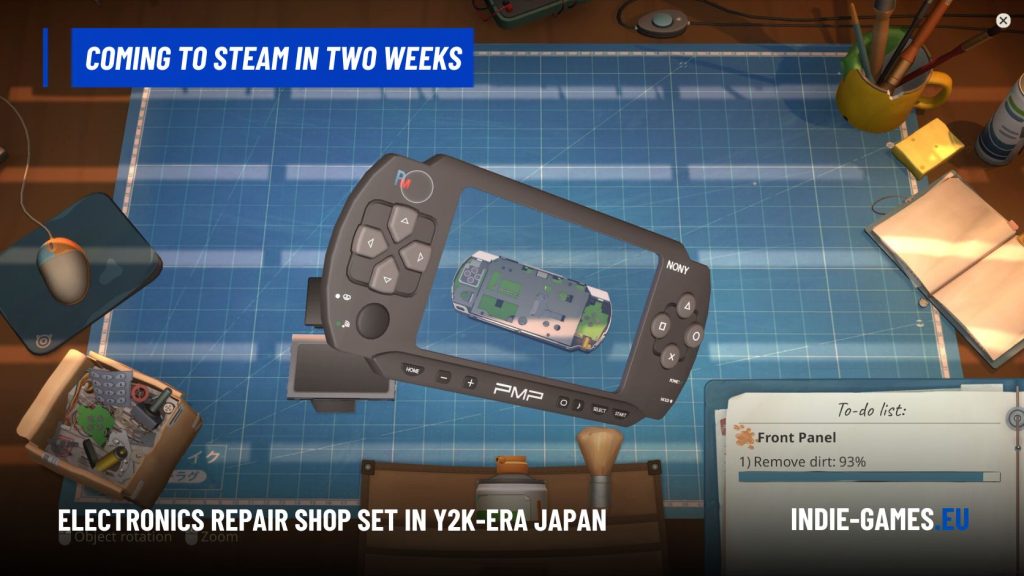
In ReStory, you will repair a wide range of early-2000s technology, including mobile phones, handheld gaming systems, digital pets, music…
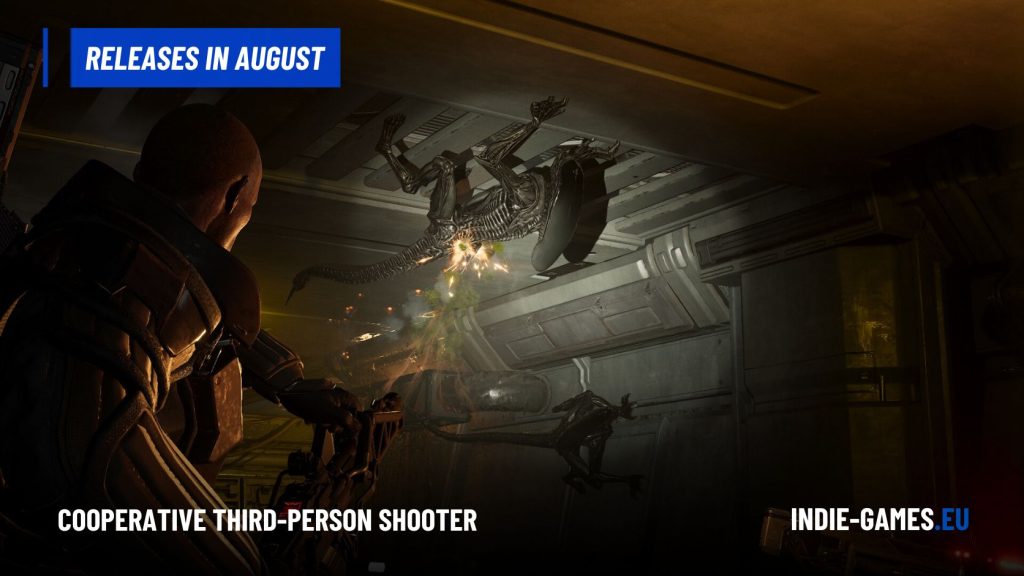
Aliens: Fireteam Elite 2 expands its fireteams to four players, who take control of Colonial Marines deployed across hostile locations…
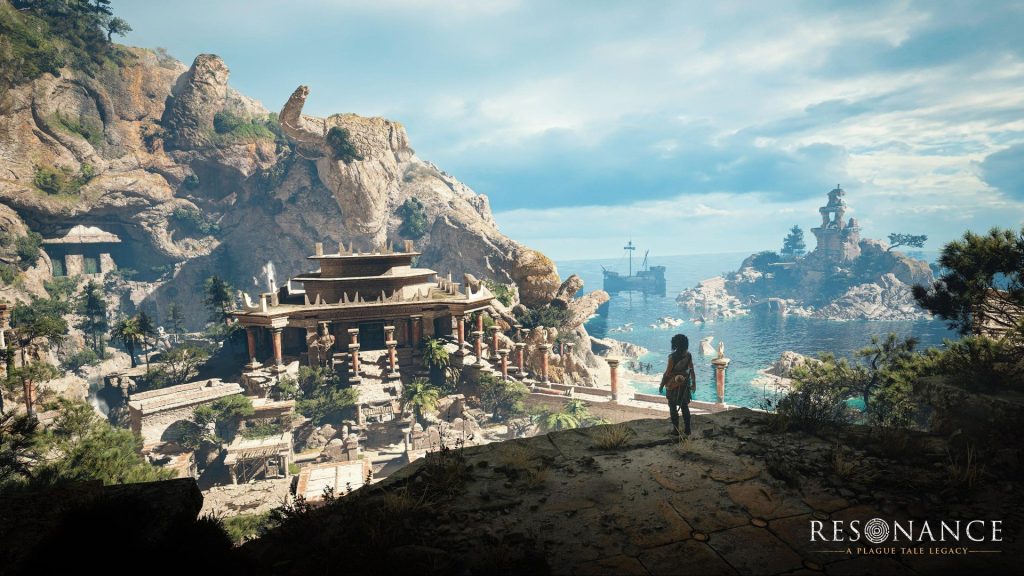
Asobo Studio has released a short scenic clip for Resonance: A Plague Tale Legacy, showcasing its Mediterranean-inspired locations.
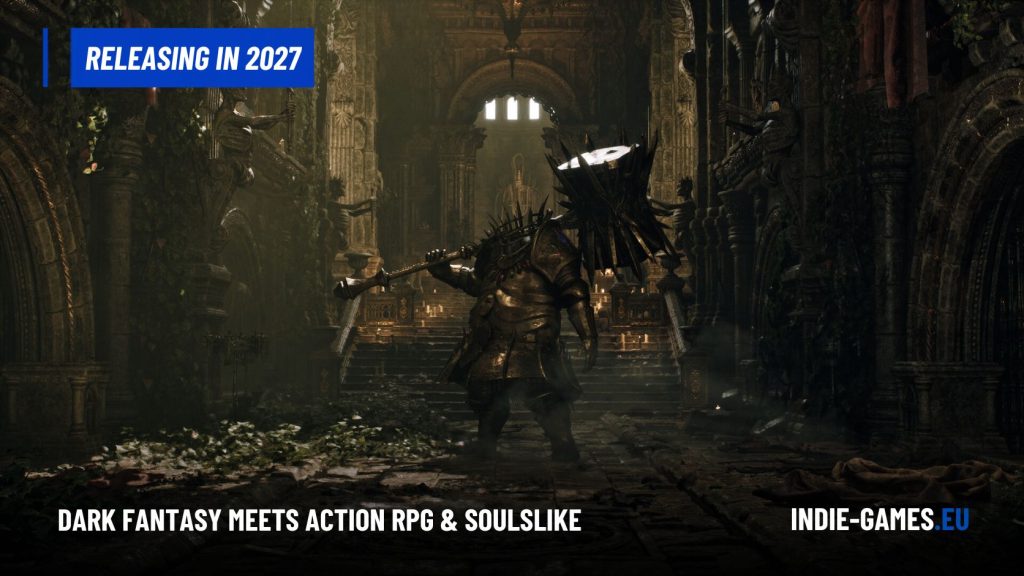
Turkish solo developer Celal Sahin has announced Godless Dawn, a dark fantasy action RPG targeting a Q1 2027 release on…
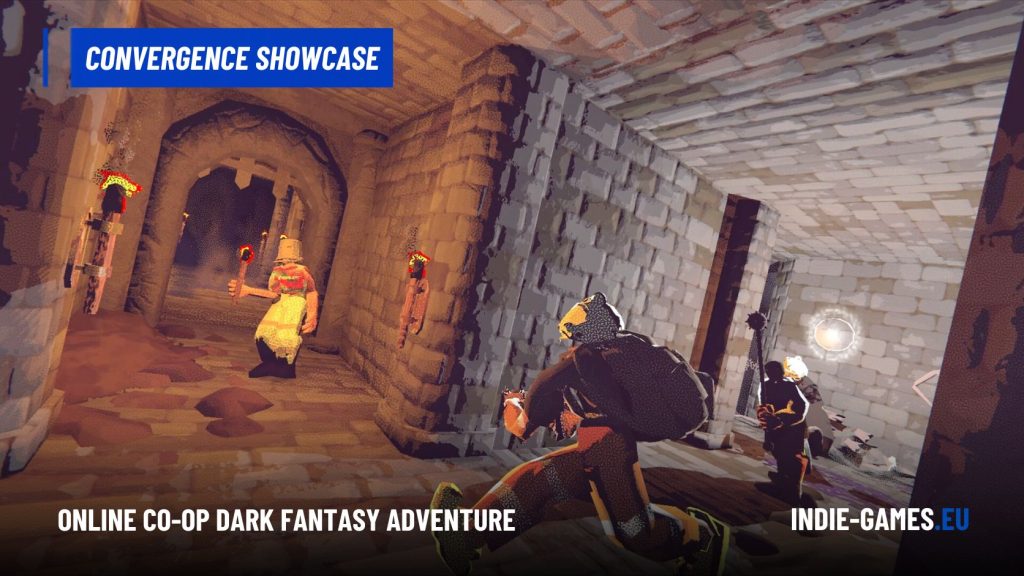
Vision Quench, an online co-op dark fantasy adventure from developer WizMUD Games and Pocketpair Publishing, is targeting an early 2027…
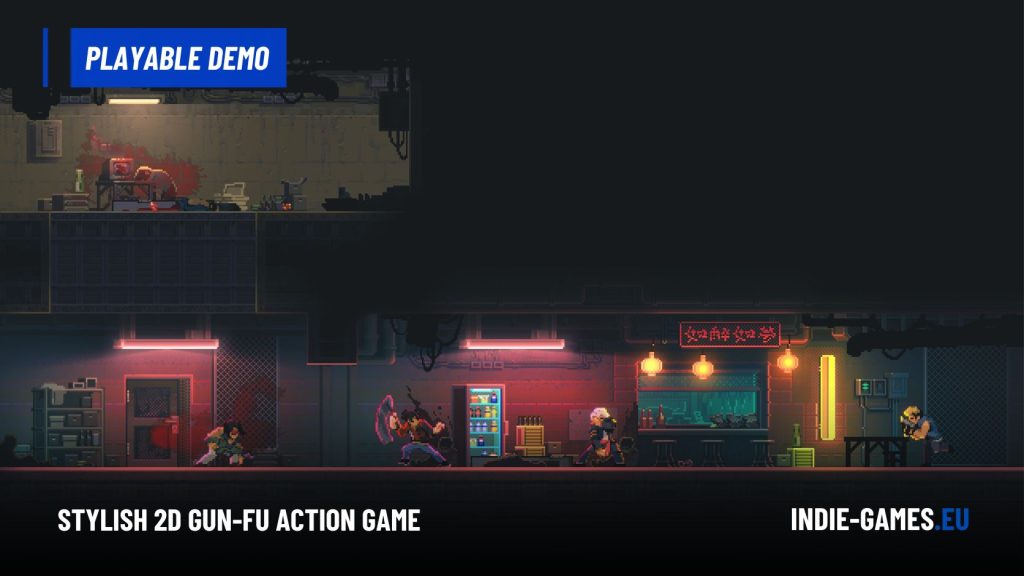
Named “The Bud Trial,” the playable preview offers an early look at the game ahead of its planned PC release…
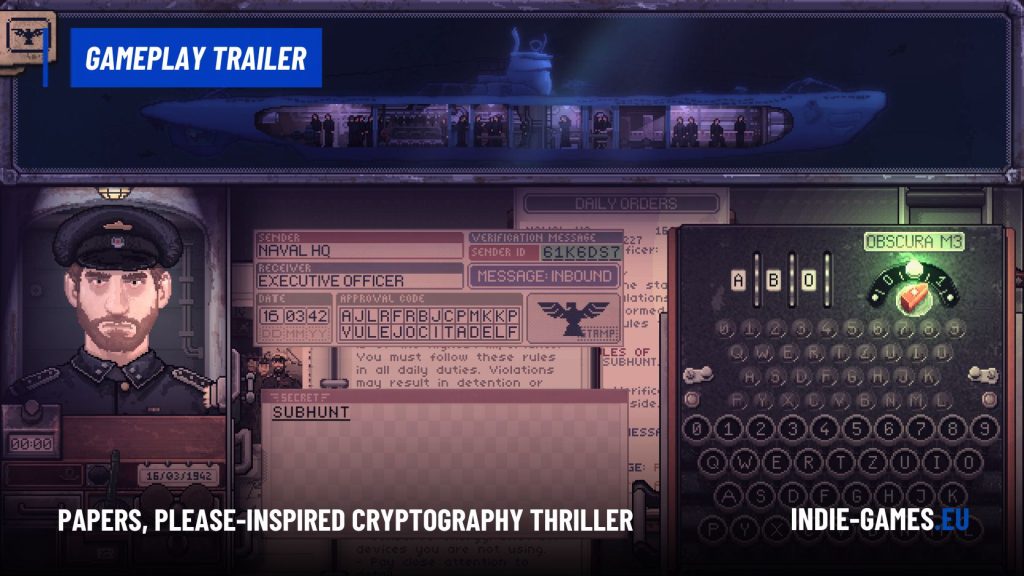
Serbian independent studio Retromagine has revealed False Echo, a narrative cryptography thriller inspired by Papers, Please and classic submarine dramas.
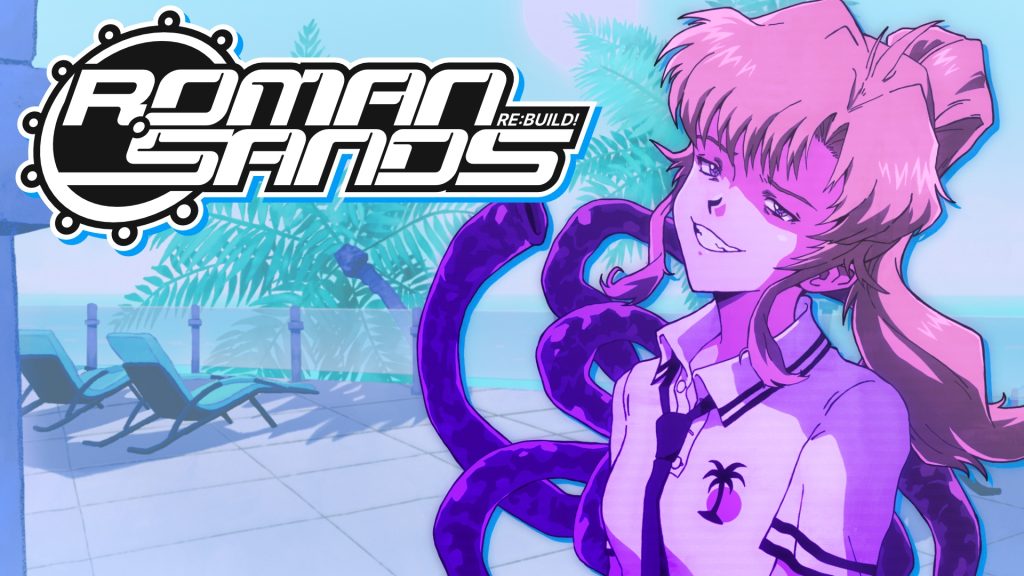
Surreal adventure Roman Sands RE:Build launches in September of this year on PC and consoles alongside the expanded Paratopic: Overdub.
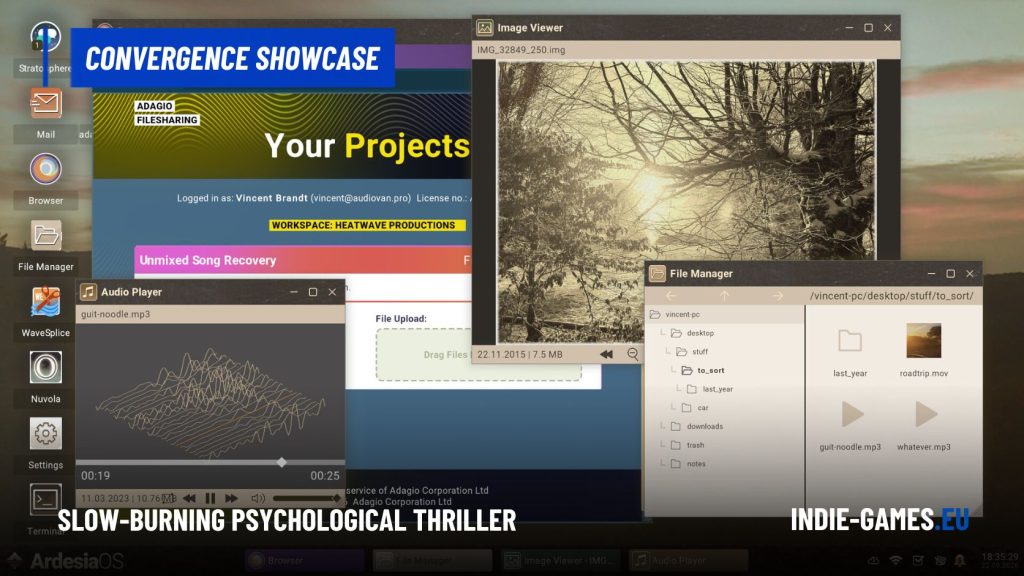
German indie studio Cobalt Lane has released a new trailer and Steam demo for Imprinted, a slow-burning psychological thriller.
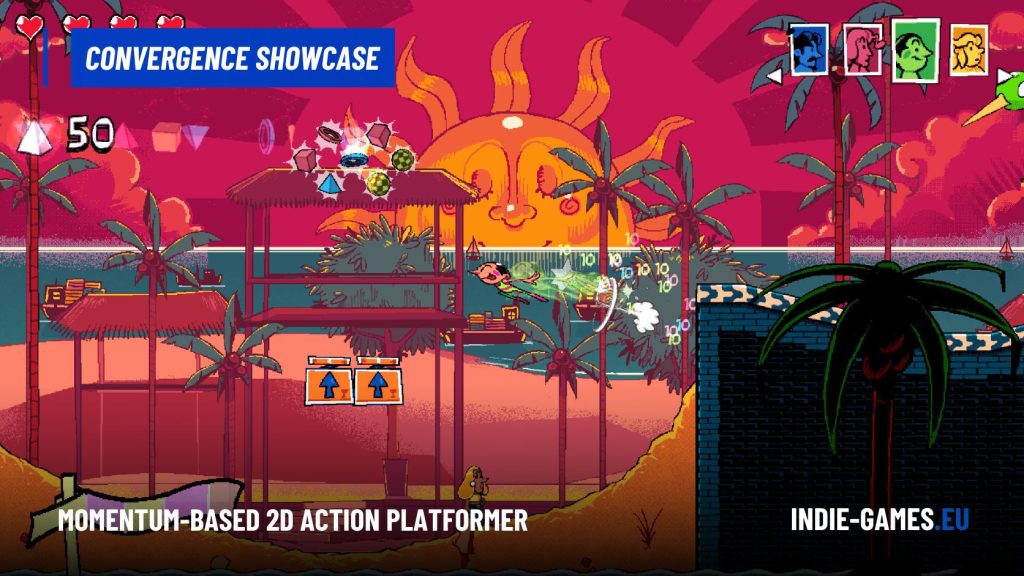
IndieArk and developer PVic Games have announced that momentum-based 2D action platformer ARTIUS: Pure Imagination will launch for PC via…
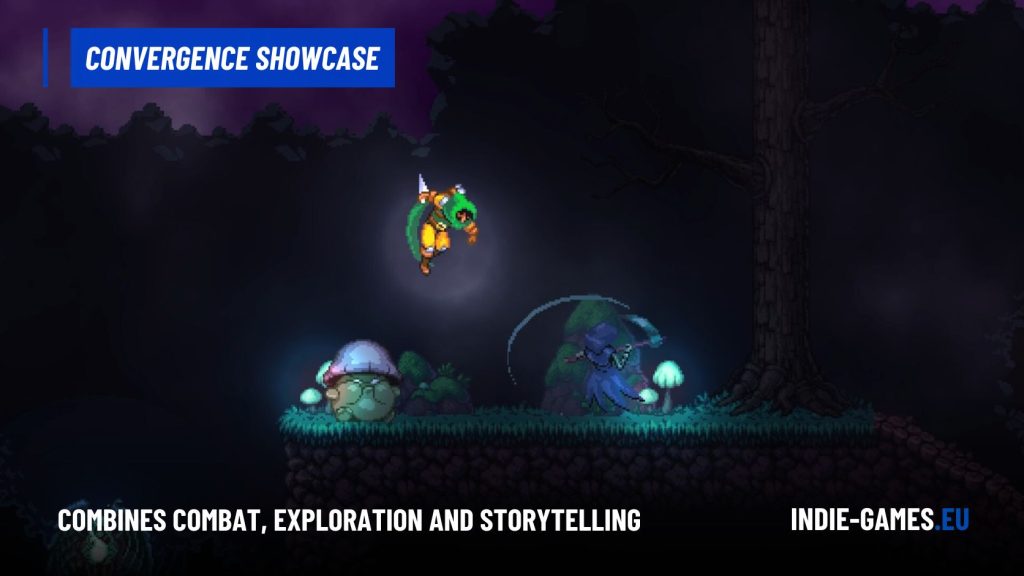
Decemberborn Interactive has released a new gameplay trailer for Cathedral: Crow’s Curse, an action-adventure prequel set in the world of…
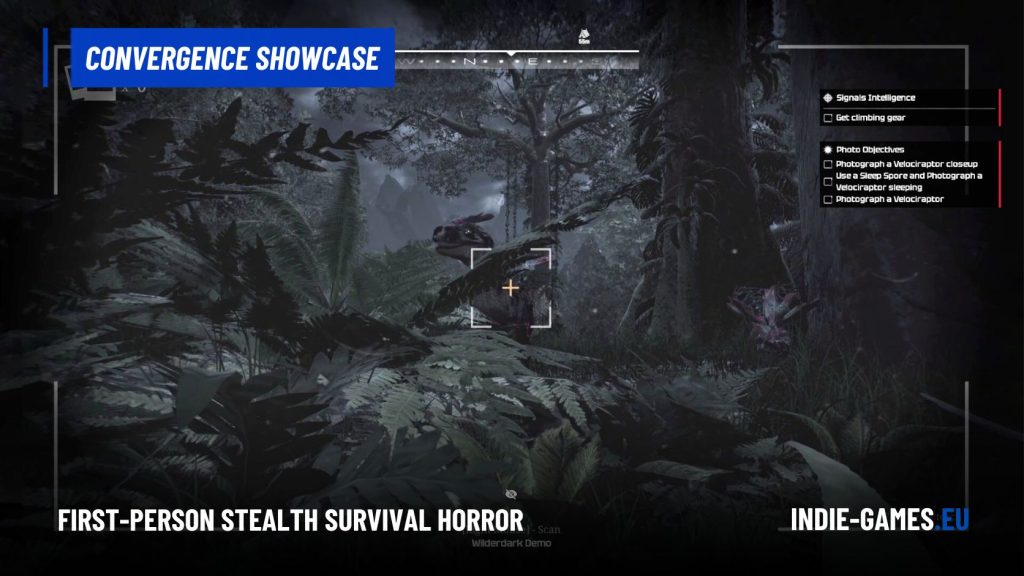
Wilderdark begins with the player crash-landing on an unnatural island overrun by hostile wildlife.
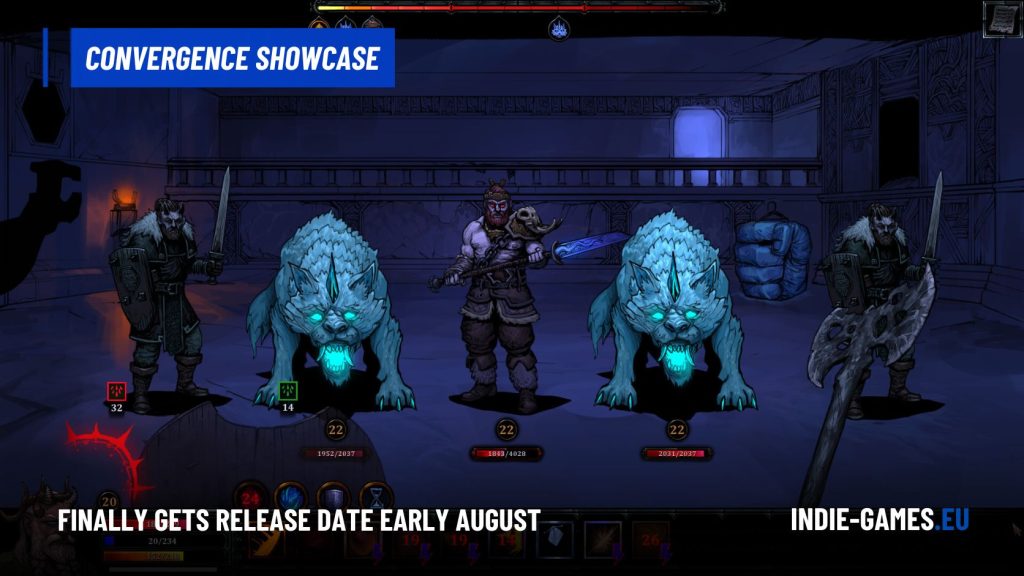
Independent French developer Ars Goetia and publisher Dear Villagers have announced that HellSlave II: Judgment of the Archon will launch…
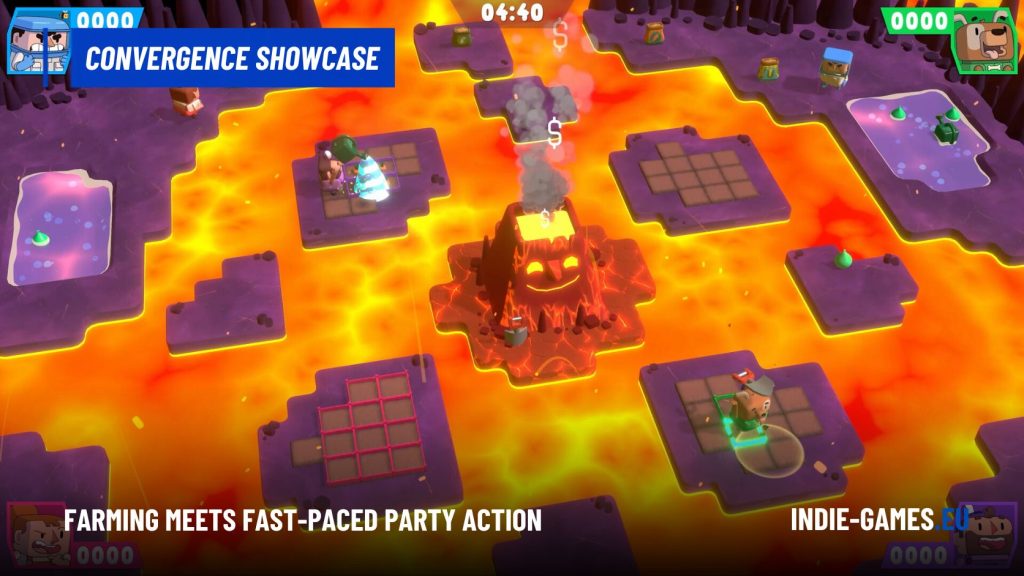
We got a new look at Planted! during the Convergence Showcase, where a brand-new Volcano level was revealed for the…
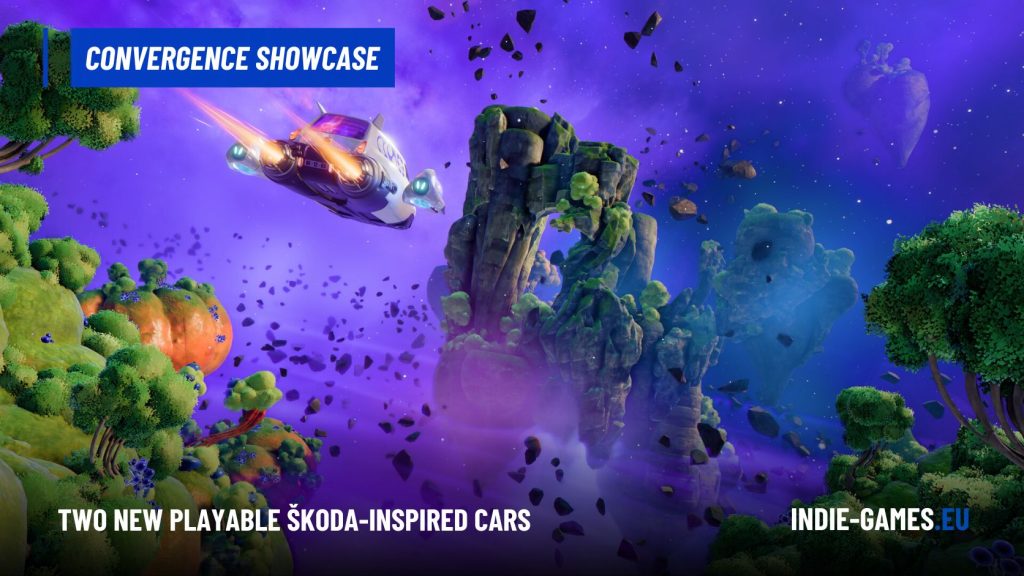
Bohemia Interactive has shared a brand-new look at Cosmo Tales during the Convergence Showcase, revealing two additional playable vehicles.
