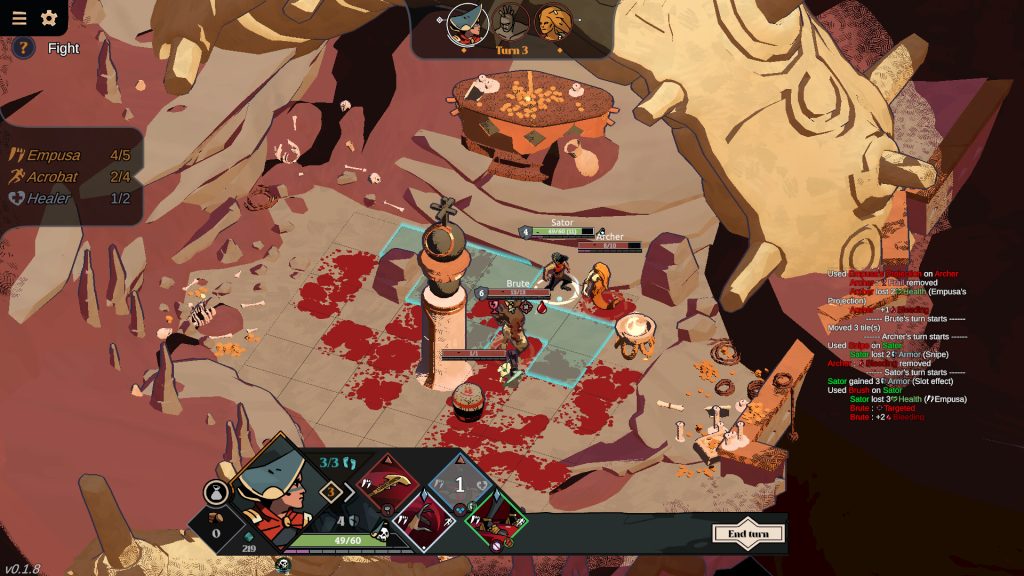
Tactical Roguelite Deified Leaves Early Access Next Week
Deified leaves Steam Early Access on September 21 with its narrative ending, final boss floor, balance improvements and hidden content.

If you enjoy independent indie game coverage, consider supporting Indie-Games.eu on Patreon. It helps keep the site independent.
When a single sponsored post can reach nearly a million viewers in hours, it’s no surprise publishers are betting big on influencers. But a recent exchange on X has reignited a long-simmering debate about fairness, credibility, and double standards in gaming media. At the center of it is Bungie’s upcoming extraction shooter Marathon, a high-profile Server Slam event, and a viral critique from gaming creator Danno.
The controversy began when popular Twitch streamer Shroud announced he had cleared his schedule and rearranged his priorities to participate in Bungie’s Marathon Server Slam on February 26, 2026. Tagged with #marathonpartner, the post quoted Bungie’s official announcement of an open preview weekend running from February 26 to March 2, a large-scale stress test ahead of Marathon’s full launch on March 5 across Steam, PlayStation 5, and Xbox Series X/S.
For many, it was standard influencer marketing. For Danno, owner of Gamer Social Club, it symbolized something bigger. In his post, he highlighted a disparity: while streamers openly benefit from paid promotions, traditional gaming journalists are subjected to intense scrutiny for merely accepting review codes.
Review copies, long considered routine industry practice to allow timely coverage, are often cited by critics as evidence of bias. Meanwhile, influencers regularly receive substantial payments to stream games, sometimes tens of thousands of dollars per event, yet face comparatively little backlash from their audiences.
Danno’s broader point touches on a shift in marketing economics. Influencer marketing has exploded in recent years, surpassing $30 billion in global spending in 2025 and continuing to grow rapidly into 2026. In gaming, it has become one of the most effective promotional channels available. Publishers like Bungie increasingly rely on Twitch and YouTube creators to generate hype because of their targeted reach and high engagement rates. A single high-profile stream can drive wishlists and social media discussion at a scale traditional previews struggle to match.
Top-tier creators command substantial fees, particularly for AAA launches tied to recurring events or long-term partnerships. While mid-tier influencers may charge modest sums, elite streamers can earn tens of thousands per sponsored broadcast, with some annual partnerships reportedly reaching seven figures. For publishers, the investment is justified by measurable return on investment and viral potential.
By contrast, gaming journalism operates under established ethics frameworks shaped by past controversies, including the Gamergate era of 2014. Review codes must be disclosed, payments for positive coverage are prohibited, and editorial independence is emphasized. Yet distrust persists. Accusations of bias reviews, selective embargoes, and ideological influence continue to surface, often resulting in review bombing or coordinated backlash campaigns.
Supporters of influencers argue that transparency through #ad disclosures makes the transactional nature of sponsorship clear. Streamers are entertainers first, not self-described objective critics. Their role is to engage audiences, not deliver definitive purchasing guidance. Critics counter that enthusiastic sponsored streams can function as de facto endorsements, particularly when contracts may require positive framing or limit criticism.
Deified leaves Steam Early Access on September 21 with its narrative ending, final boss floor, balance improvements and hidden content.
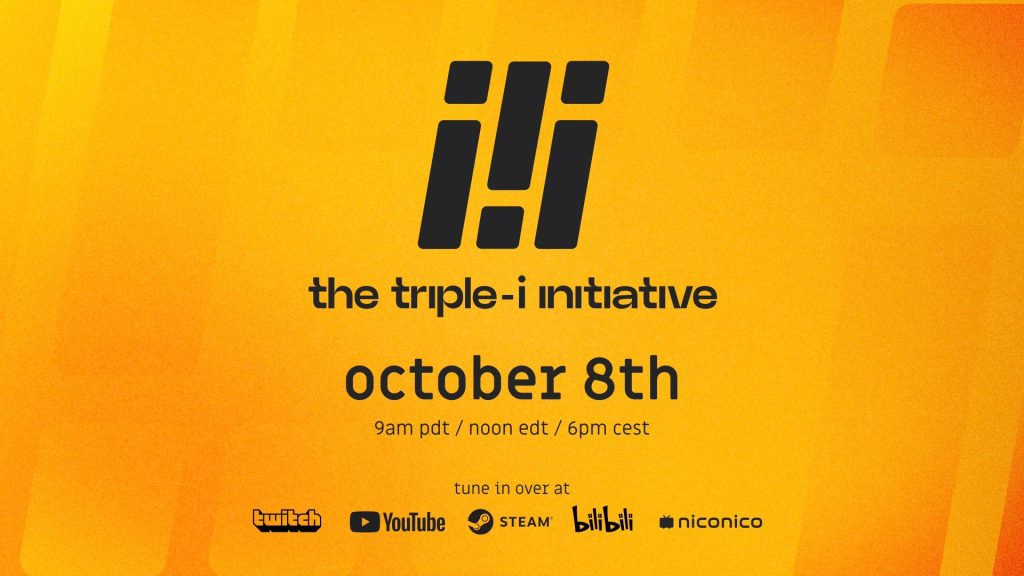
Triple-i Initiative returns October 8 with 40 games, eight world premieres and 45 minutes of trailers, release dates and reveals.
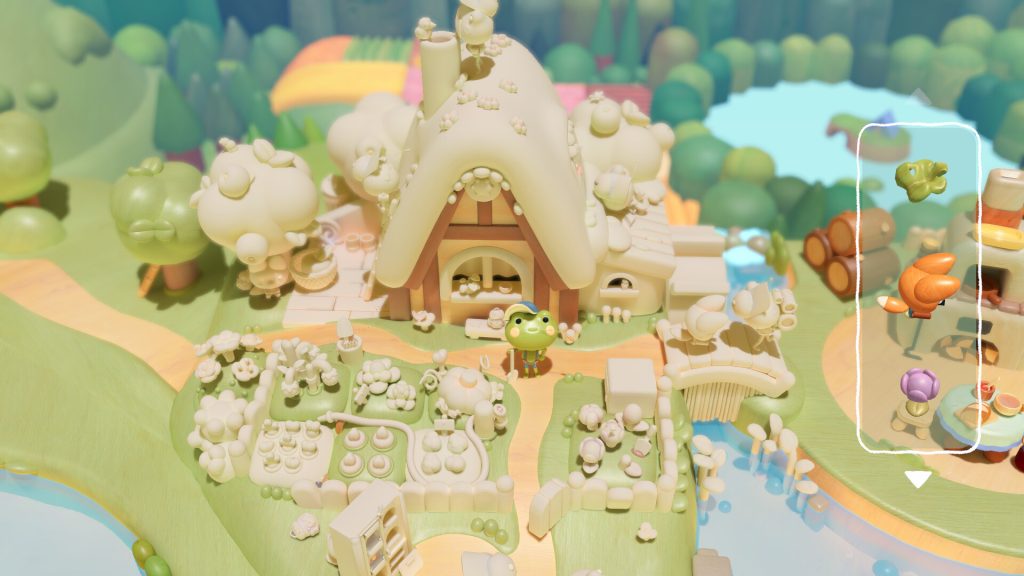
Woodo launches September 16, inviting players to rebuild childhood memories through cozy, handcrafted wooden dioramas.
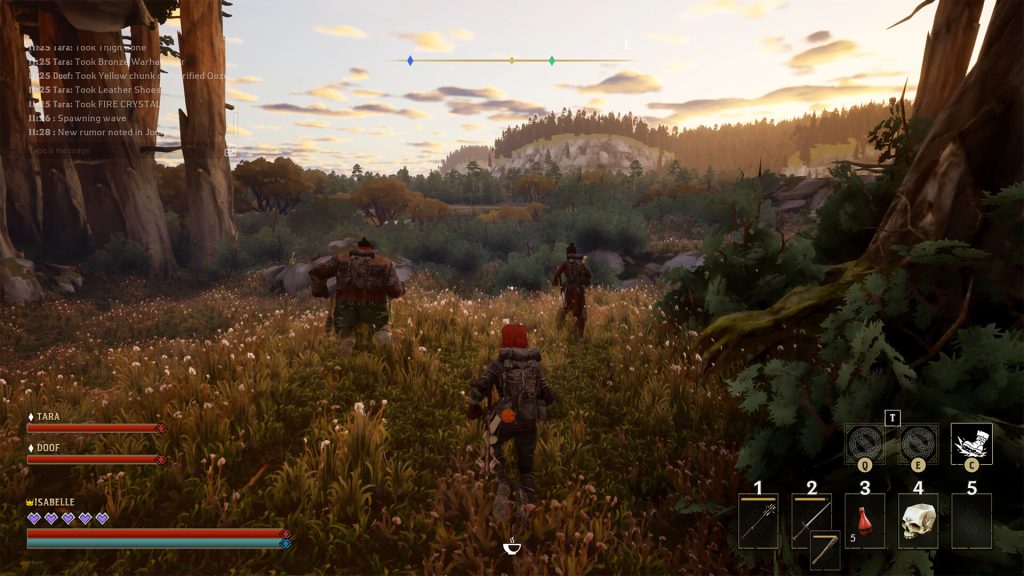
Curve Games signs Wyldheart in one of its biggest recent investments after the co-op RPG surpasses 375,000 Steam wishlists.
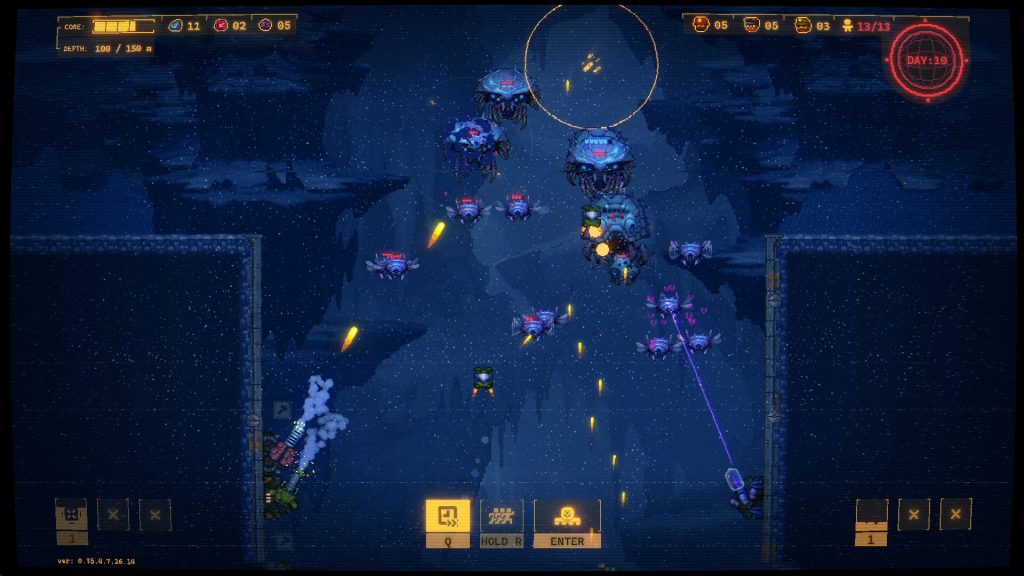
Drill Core’s free Anniversary Update adds Relaxed Mode, new bounties, specialists, platform skins and several quality-of-life improvements.
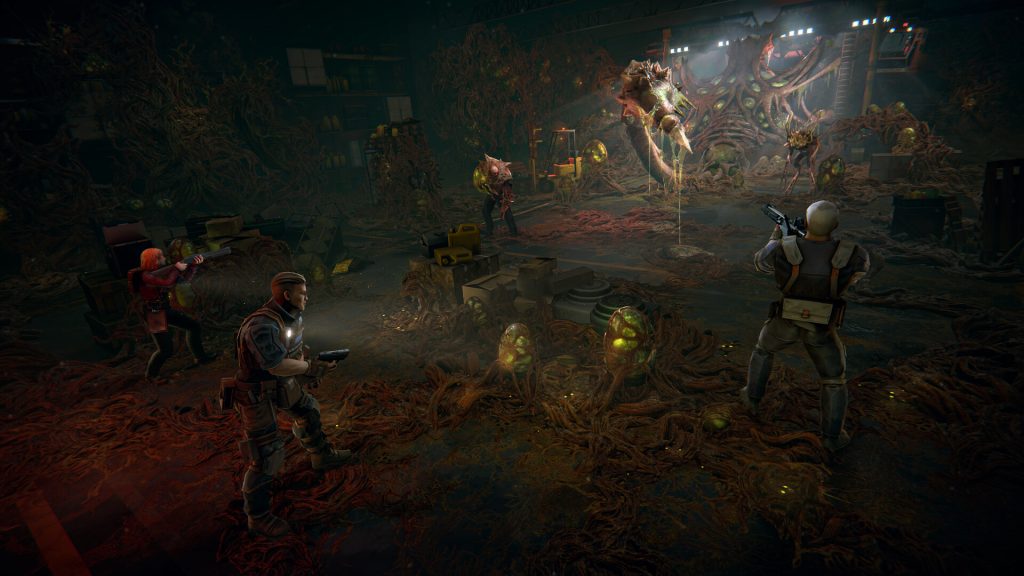
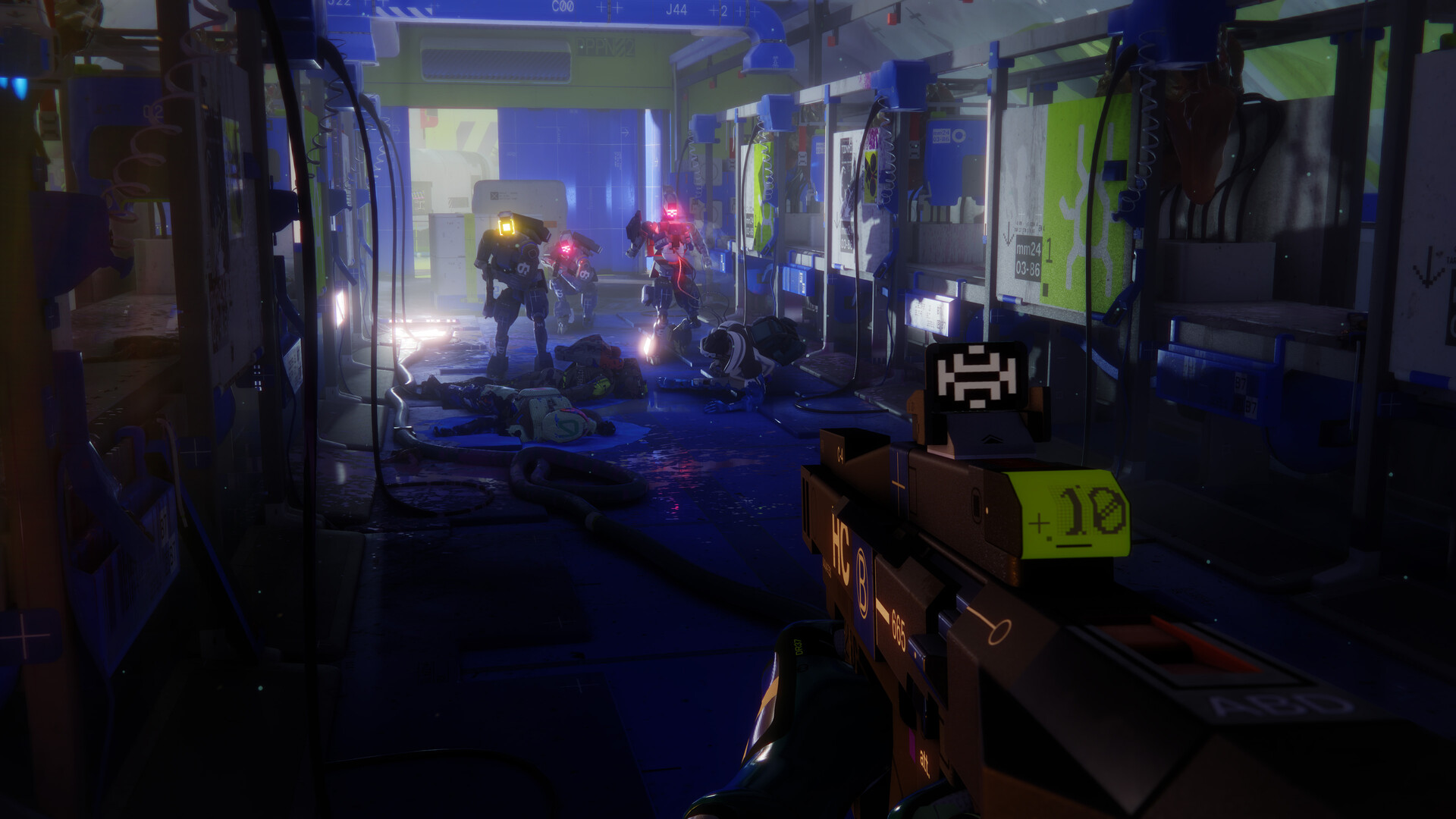
Critical Shift’s free two-hour demo combines real-time exploration with tactical combat inside a compromised Antarctic facility.
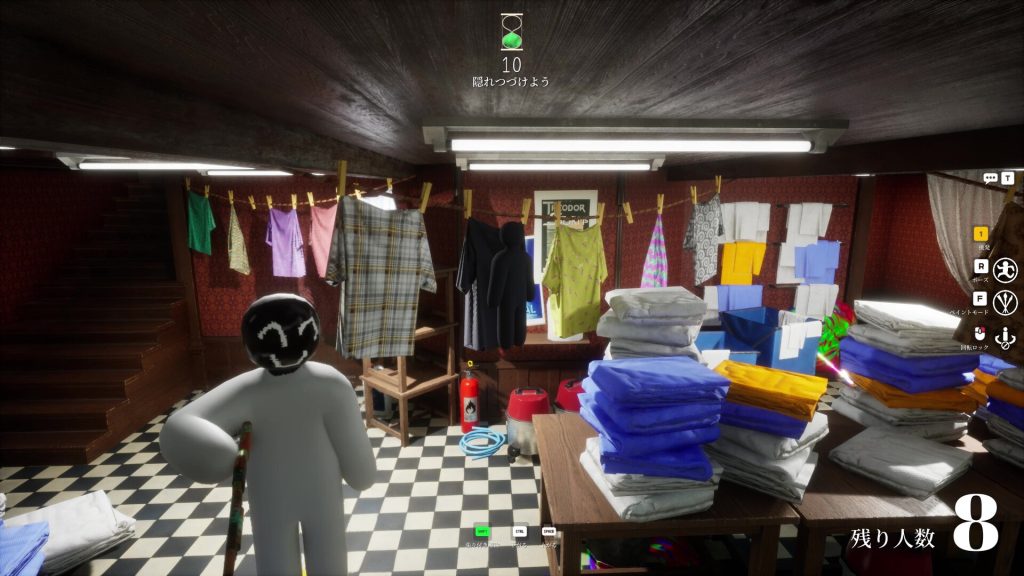
Meccha Chameleon brings its paint-based multiplayer hide-and-seek matches to Nintendo Switch 2 with a temporary $4.79 launch price.
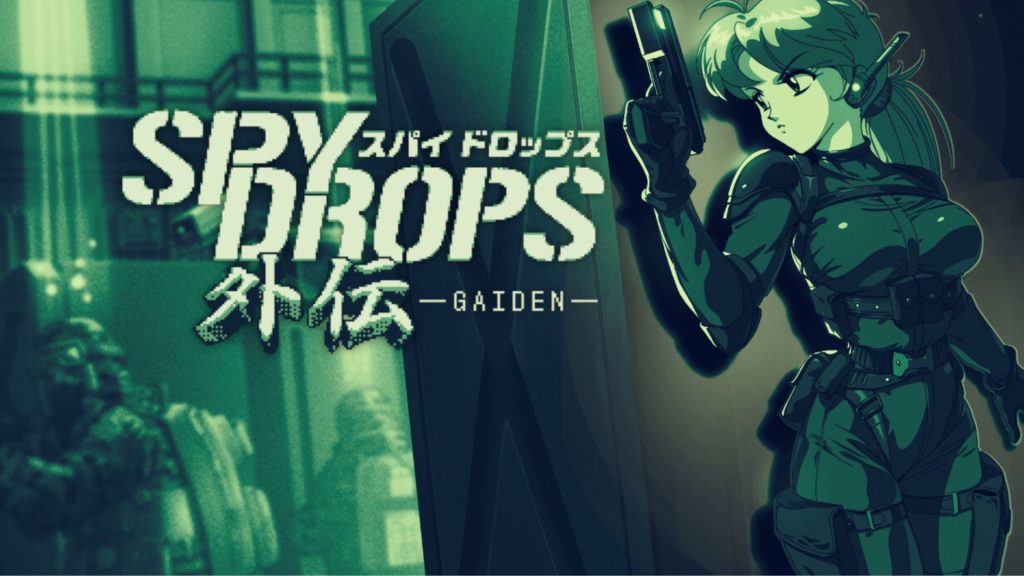
Spy Drops Gaiden brings Game Boy-style stealth, eight covert missions and intel extraction to Steam on October 12 for €4.99.
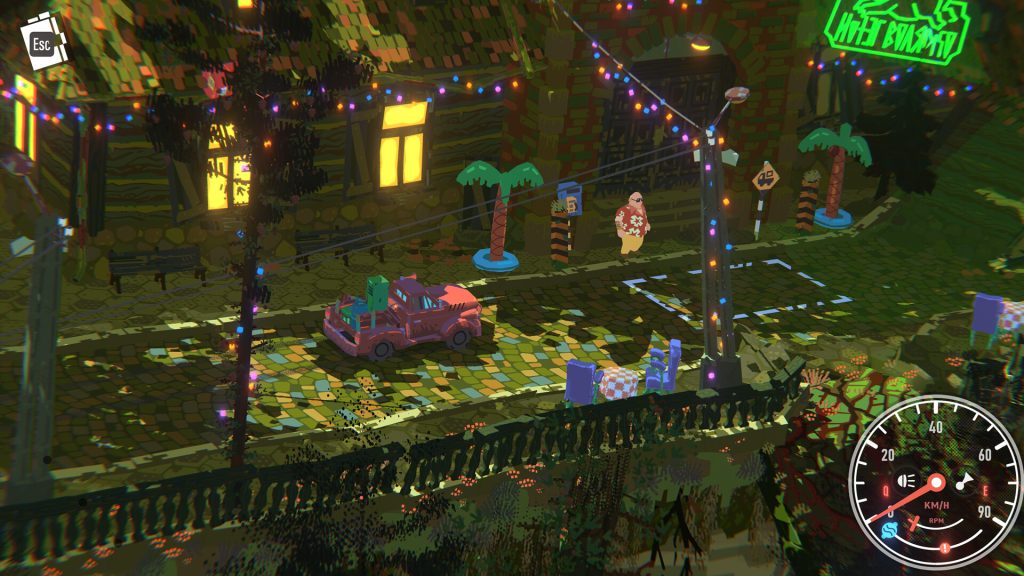
Truckful launches October 9 on Steam and Android, combining physics-based deliveries with vehicle upgrades and a mystery inside an ancient…
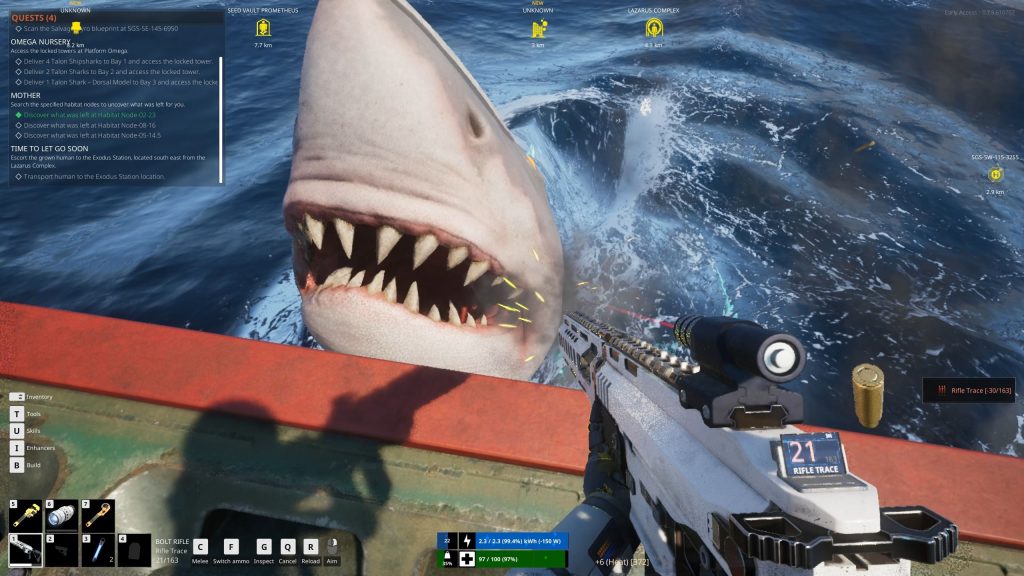
The Last Caretaker reaches version 1.0 in spring 2027 and joins Xbox Game Pass on day one after selling over…
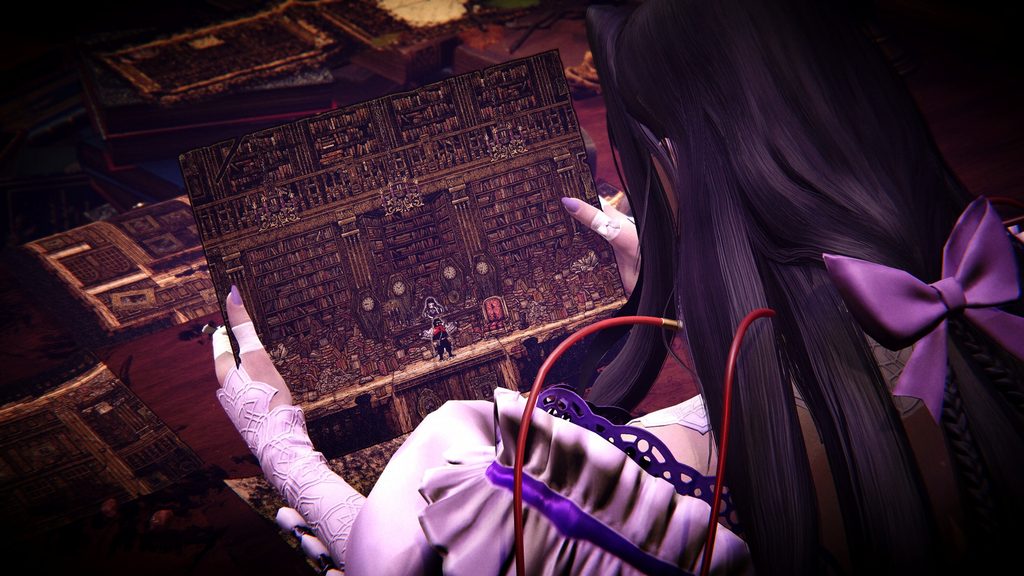
Chronoscript: The Endless End moves to early summer 2027 as DeskWorks! improves combat responsiveness, menus and visual readability.
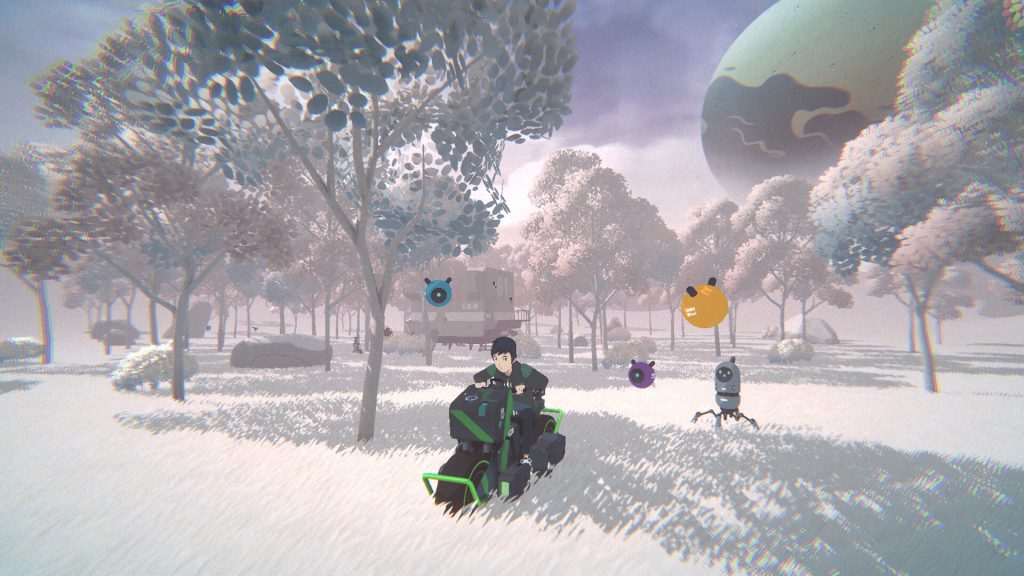
HEIMA is a parallel-world puzzle adventure from former Terra Battle developers, coming to PC in 2028 with SHIFT and HOLD…
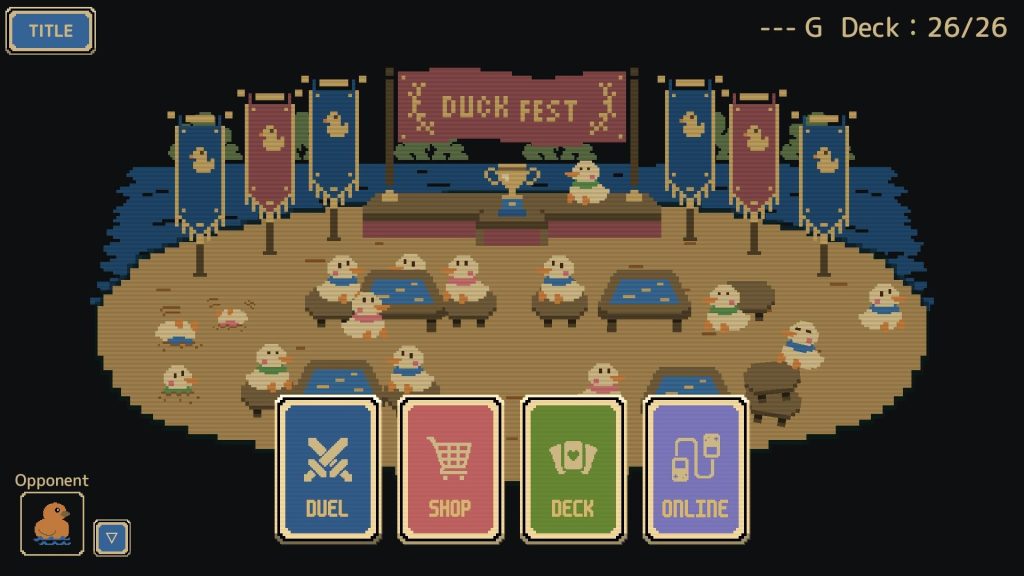
Duck Fest combines deck building and 1v1 battles with collectible cards that players can trade through the Steam Community Market.
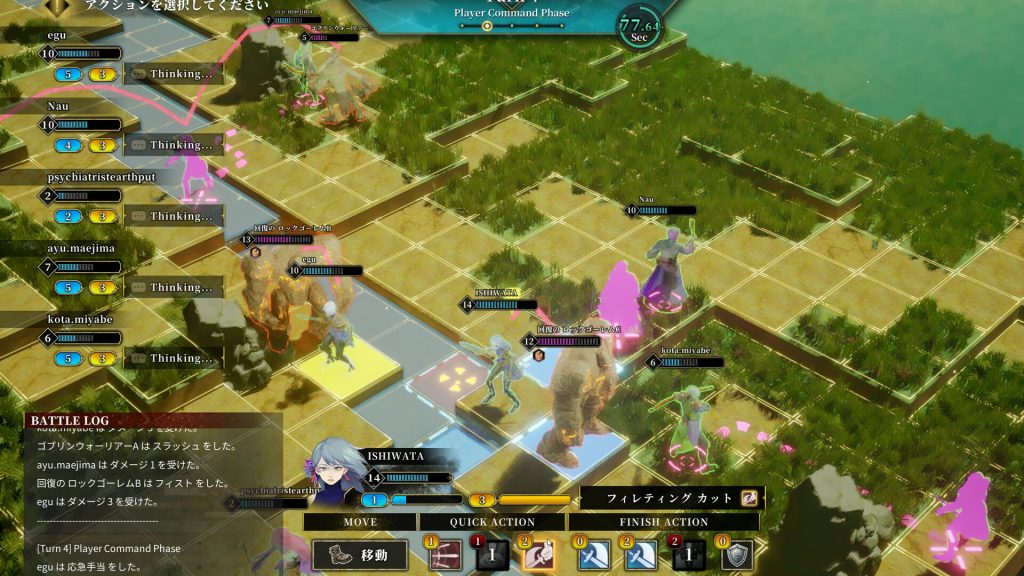
Tactful Tactics is a 1–6-player cooperative RPG where everyone plans and executes their actions simultaneously.
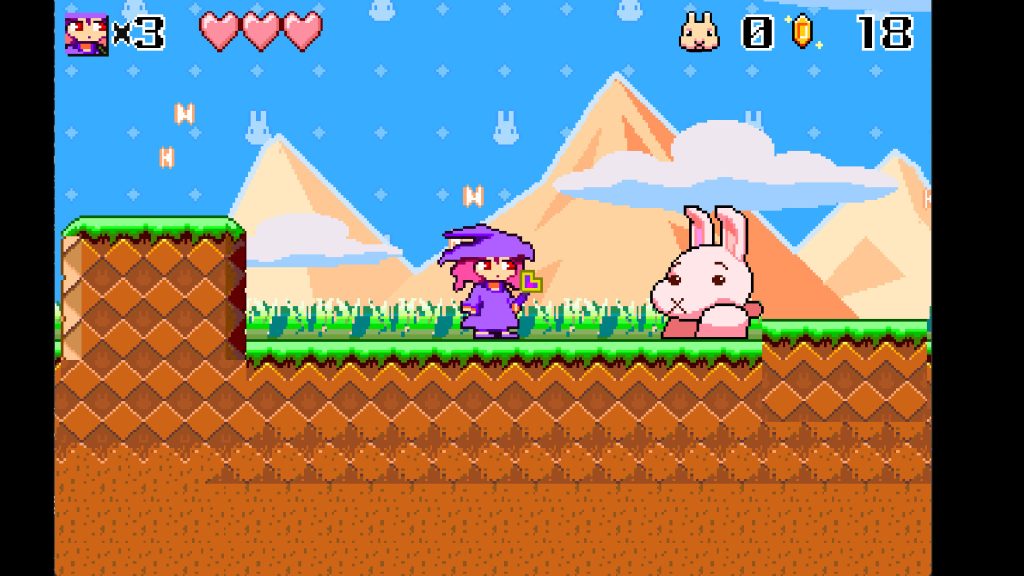
SakuSaku Witch is a retro-inspired 2D platformer about magic, bunny monsters and a suspicious toy company, coming to Steam in…
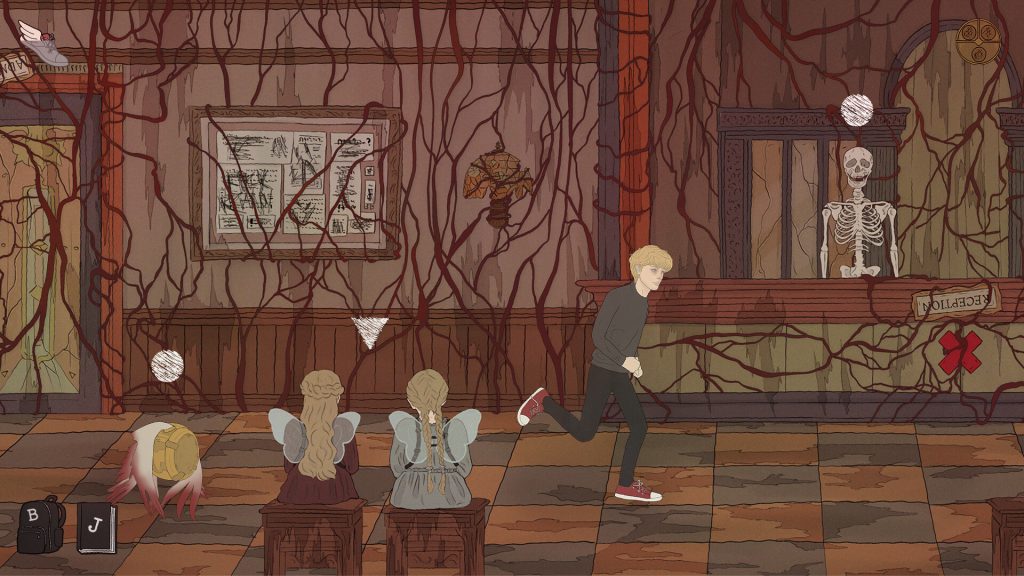
Hand-drawn psychological horror game DEPERSON earns Gamescom and BIC recognition ahead of its planned Q4 2026 Steam release.
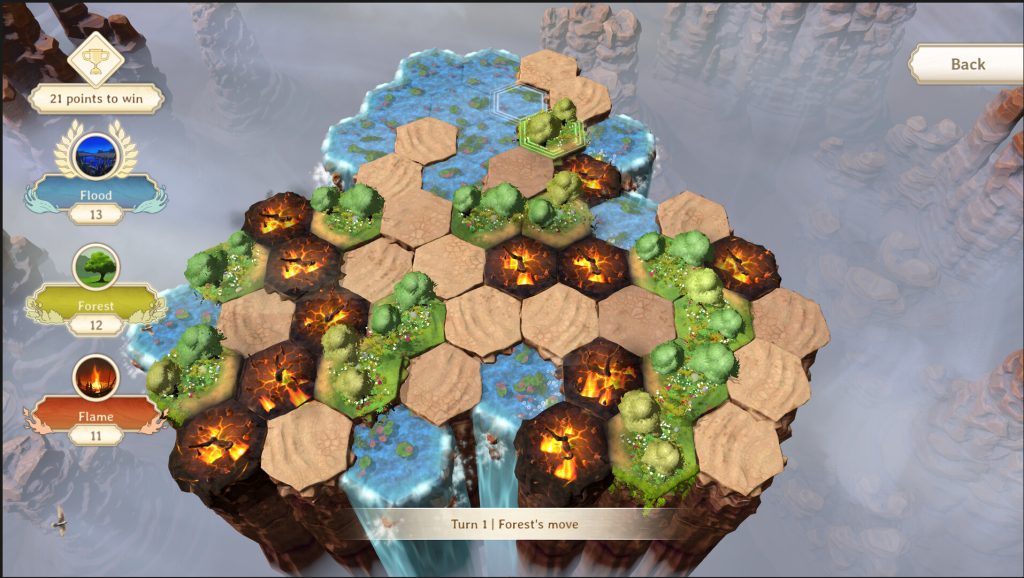
Cozy strategy game Flame, Forest & Flood will challenge GTA VI by deliberately launching on November 19, 2026.
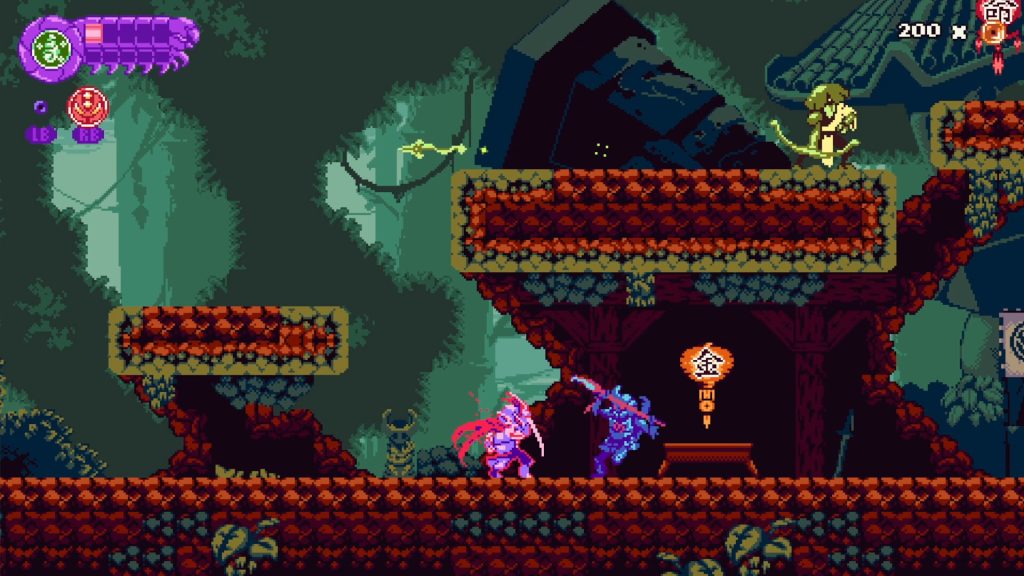
Akupara launches Kallisti Games, a service-first indie label for retro and experimental PC titles, with AOKAKI as its first project.
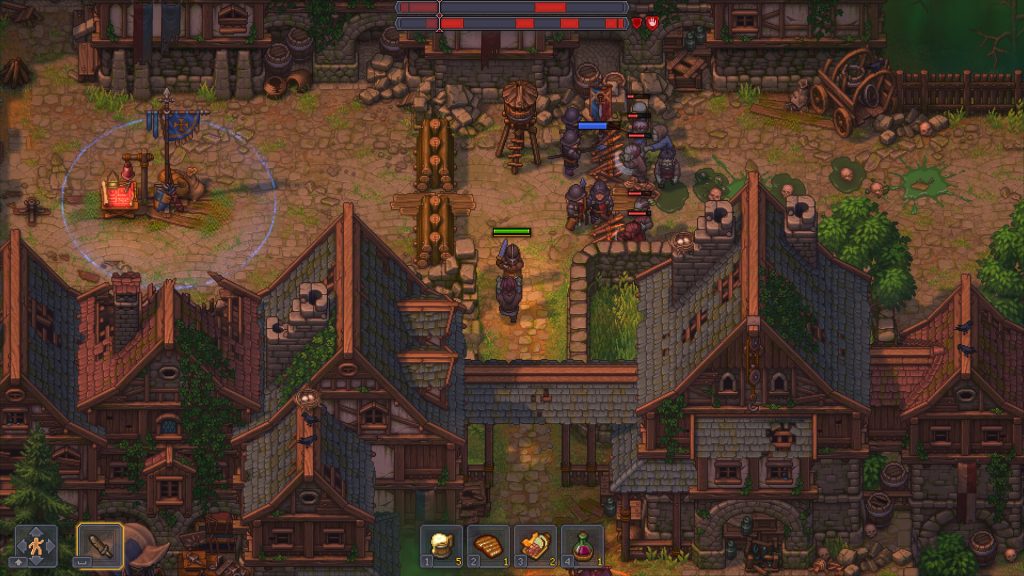
Graveyard Keeper 2 has earned $1.53 million from Steam pre-orders, with 87,500 copies sold and more than 814,000 active wishlists.
Guardians of the Wall shows chaotic co-op combat, roguelite progression and evolving world events ahead of its planned Q1 2027…
