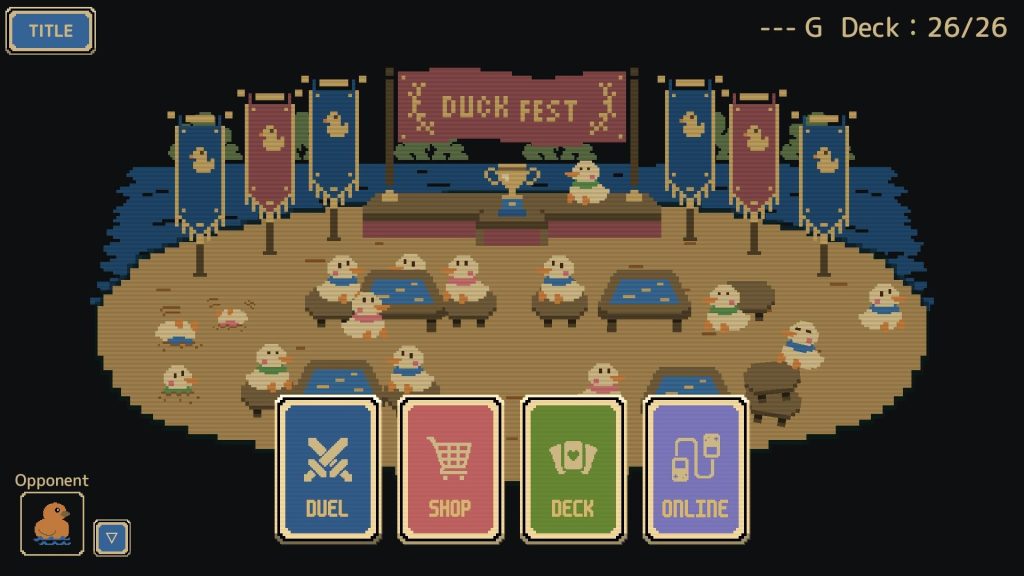
Duck Fest Puts Its Collectible Cards on the Steam Community Market
Duck Fest combines deck building and 1v1 battles with collectible cards that players can trade through the Steam Community Market.


If you enjoy independent indie game coverage, consider supporting Indie-Games.eu on Patreon. It helps keep the site independent.
In 2025, the gaming industry is hitting a rough patch, with visible cracks that are hard to ignore. Corporate greed, creative stagnation, and other challenges are impacting players, developers, and the art of gaming itself. After analyzing trends and industry reports, here are my thoughts on the 10 biggest problems in gaming this year and why they raise concerns about the future of my favorite hobby.
The gaming industry is being hit hard by layoffs and studio closures. In 2024, over 14,600 jobs were lost, a 40% increase from 2023, and 2025 shows no signs of slowing, with outlets like Polygon and Giant Bomb taking major hits. Studios such as Firewalk (Concord) and Arkane Austin have closed, while Tango Gameworks narrowly escaped shutdown, saved by Krafton. These aren’t just statistics; developers who pour their hearts into games are losing their livelihoods, draining the human creativity that fuels our favorite titles.

Next, rising game prices are pushing fans out of gaming. New titles now cost $70-$80, with Switch 2 games like Mario Kart World being first to reach $80. Consoles are also pricier, the Switch 2 is $449.99, and the five-year-old Xbox has jumped $100 in price. On top of that, subscriptions like Xbox Game Pass are getting more expensive, and U.S. tariffs are inflating accessory costs, making gaming feel like a luxury.
The gaming industry’s heavy reliance on remakes and remasters and sequels is stifling creativity. While Final Fantasy VII’s remake sold 7 million copies and Until Dawn got a questionable remake, bold new IPs are scarce. Publishers prioritize safe bets, sidelining fresh ideas. Indies like Balatro and Hades II show innovation is possible, but AAA studios keep recycling old franchises. For example, Baldur’s Gate 3 was a rare original hit, but I’m frustrated by the dominance of familiar series.
Poor game optimization is another sore spot. Games like Assassin’s Creed Shadows and Star Wars Jedi: Survivor launched with bugs and performance issues, forcing players to wait for patches. Paying $70 for a game that stutters on my PS5 or crashes my PC feels like a slap in the face. Devs lean on post-launch fixes instead of shipping polished products, and it’s exhausting. Come on guys, is it really Unreal Engine’s 5 fault?
Always-online requirements are driving me up the wall. Games like La Quimera and The Crew Motorsport demand constant internet, even for solo play. If my Wi-Fi drops, I’m locked out of my game? That’s nonsense. I just want to play in peace, not stress about my router. This trend feels like control, not progress.
The idea of owning games is becoming a myth. Ubisoft’s statement about The Crew clarified that buying the game doesn’t grant ownership rights, only access. This trend is growing, Steam recently updated its policies to confirm you’re only licensing IP, not owning the game itself. These changes are frustrating gamers, who feel they’re losing control over what they’ve paid for.

Crunch culture and poor working conditions are breaking devs. Concordia University found human-derived issues, like crunch, dominate industry woes. Stories of 80-hour weeks and burnout, like those before Cyberpunk 2077’s messy launch, aren’t going away. Knowing the folks behind Elden Ring, or even better, devs from indie studios are grinding themselves to dust makes my victories feel bittersweet. We need healthier studios to make better games.
Legal overreach, like Nintendo’s Palworld lawsuit, is choking indie creativity. Their patents on mechanics like creature-catching threaten small studios. Palworld’s 25 million players showed indies can innovate, but Nintendo’s lawsuit forced Pocketpair to tweak core mechanics. I cheered Palworld’s bold vibe, but now I worry other devs will play it safe to avoid a courtroom.
Fragmented launchers are a headache: needing Steam, Epic, Ubisoft Connect, and more just to play my games is infuriating. Each launcher is buggy, eats PC resources, and adds a layer of annoyance before I can even start Rainbow Six Siege. I miss the days when one platform was enough, now it’s a digital obstacle course.
Finally, cybersecurity risks are scarier than ever. There are breaches like Rockstar’s GTA VI leak in 2022 and Capcom’s 2020 ransomware attack, exposing player data. With games collecting audio and video, like Nintendo’s Switch 2 chat policy, everyone is paranoid about their privacy. Getting hacked while playing Apex Legends shouldn’t be a risk. So much data being collected and we have no idea where they are going.
I want to trust studios to put players first, but in 2025, it feels like profit rules the day. My hope? Devs and fans push back, demand better, and keep gaming the creative escape it’s meant to be.
Duck Fest combines deck building and 1v1 battles with collectible cards that players can trade through the Steam Community Market.
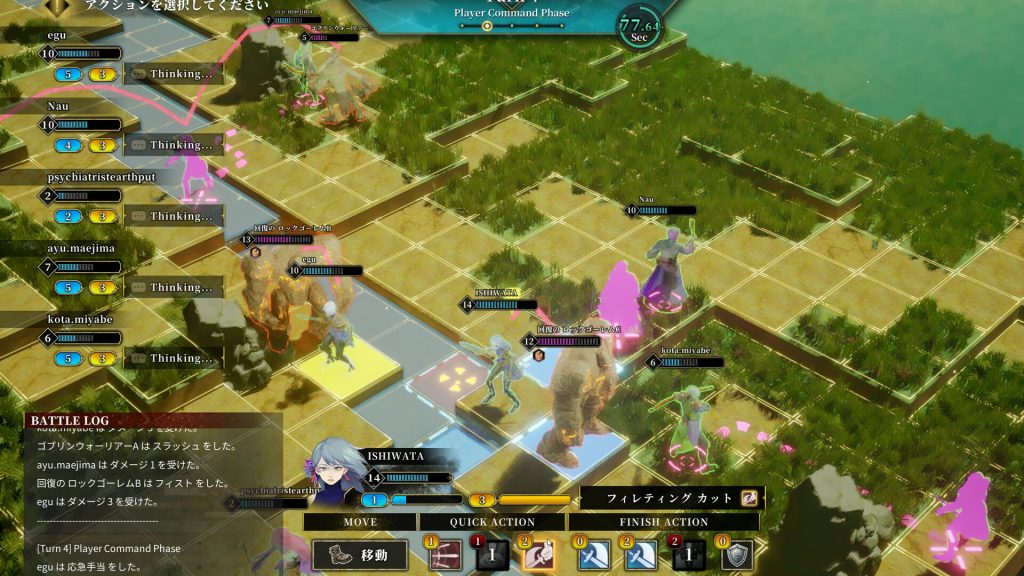
Tactful Tactics is a 1–6-player cooperative RPG where everyone plans and executes their actions simultaneously.
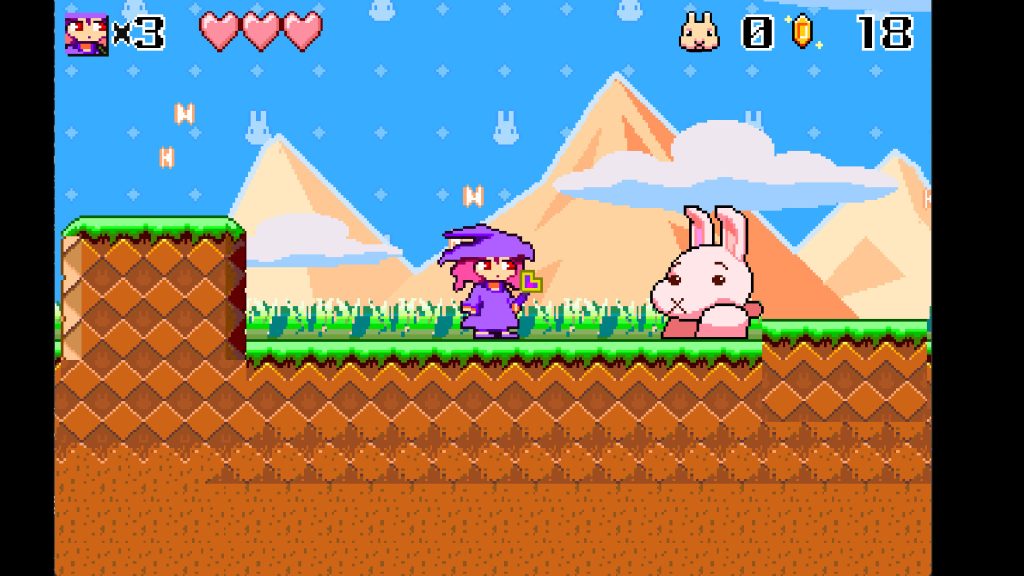
SakuSaku Witch is a retro-inspired 2D platformer about magic, bunny monsters and a suspicious toy company, coming to Steam in…
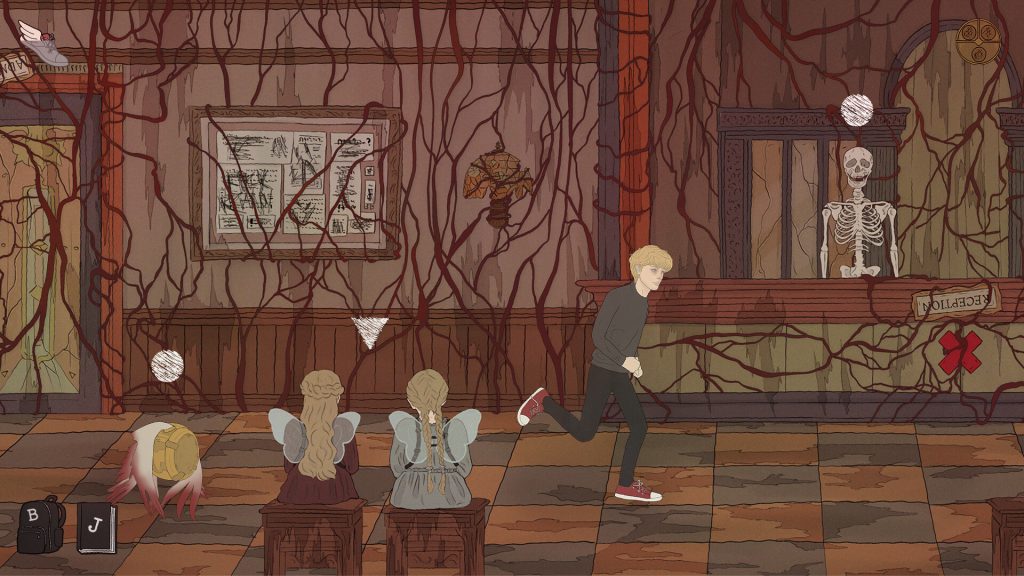
Hand-drawn psychological horror game DEPERSON earns Gamescom and BIC recognition ahead of its planned Q4 2026 Steam release.
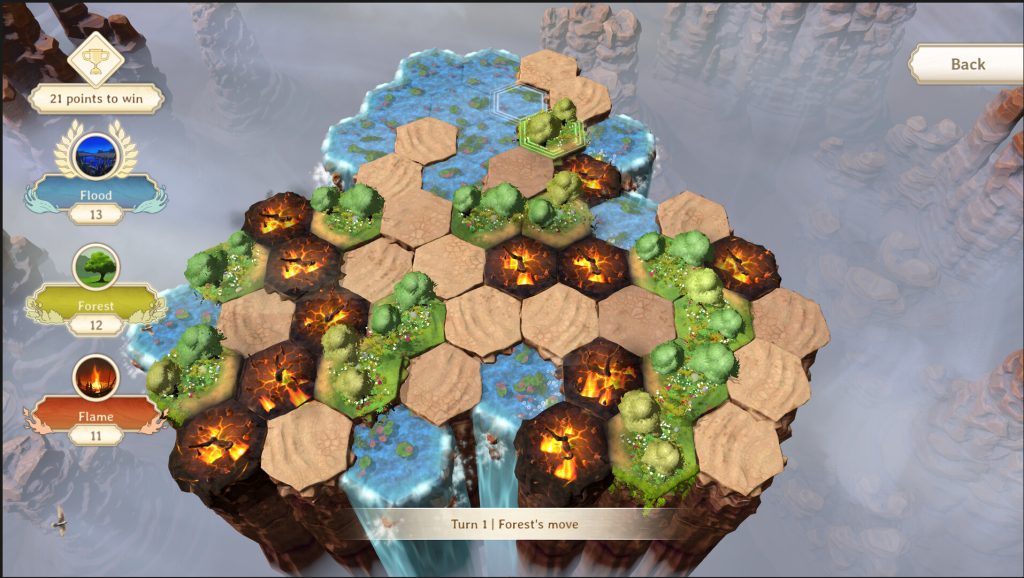
Cozy strategy game Flame, Forest & Flood will challenge GTA VI by deliberately launching on November 19, 2026.
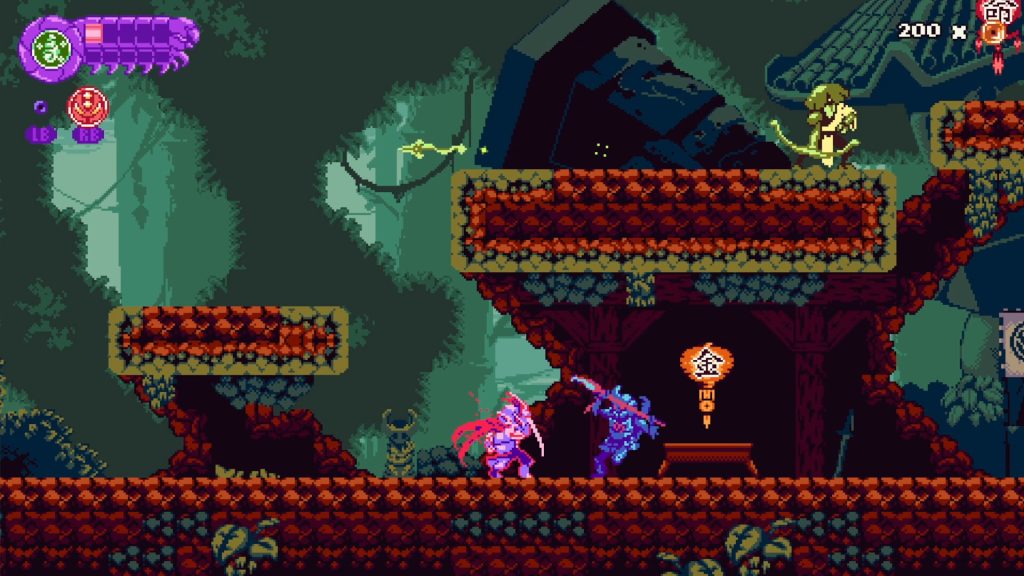
Akupara launches Kallisti Games, a service-first indie label for retro and experimental PC titles, with AOKAKI as its first project.
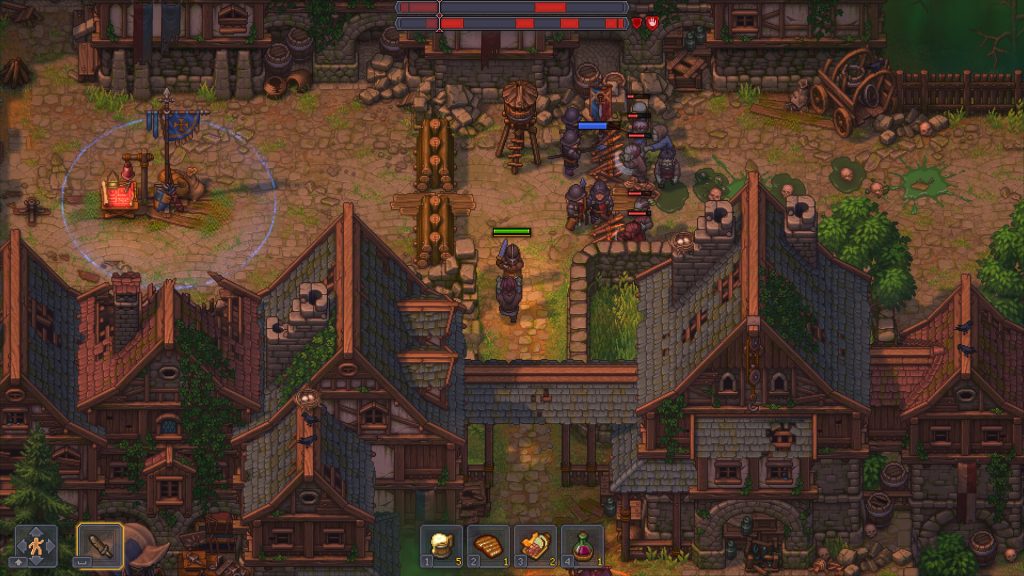
Graveyard Keeper 2 has earned $1.53 million from Steam pre-orders, with 87,500 copies sold and more than 814,000 active wishlists.
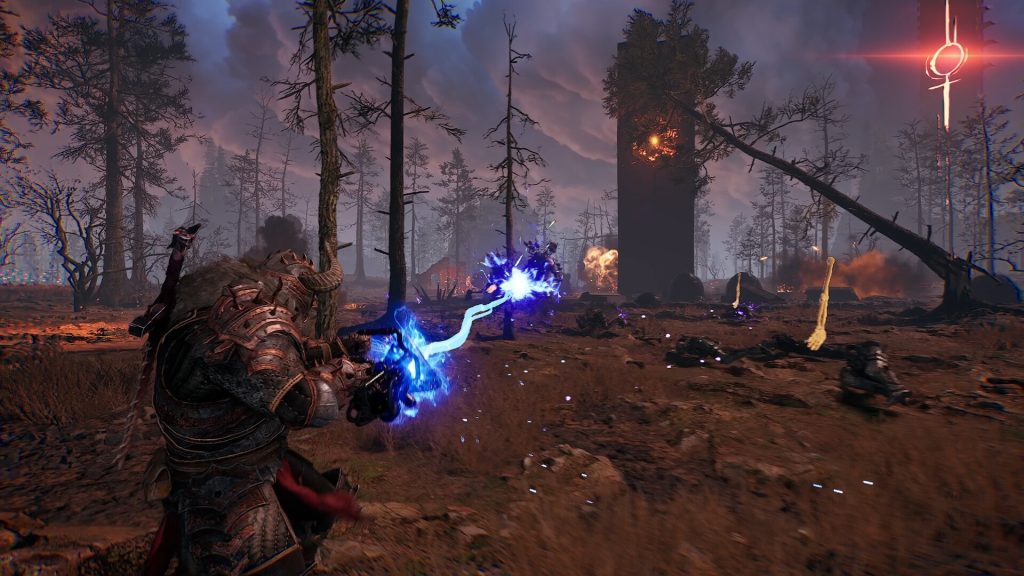
Guardians of the Wall shows chaotic co-op combat, roguelite progression and evolving world events ahead of its planned Q1 2027…
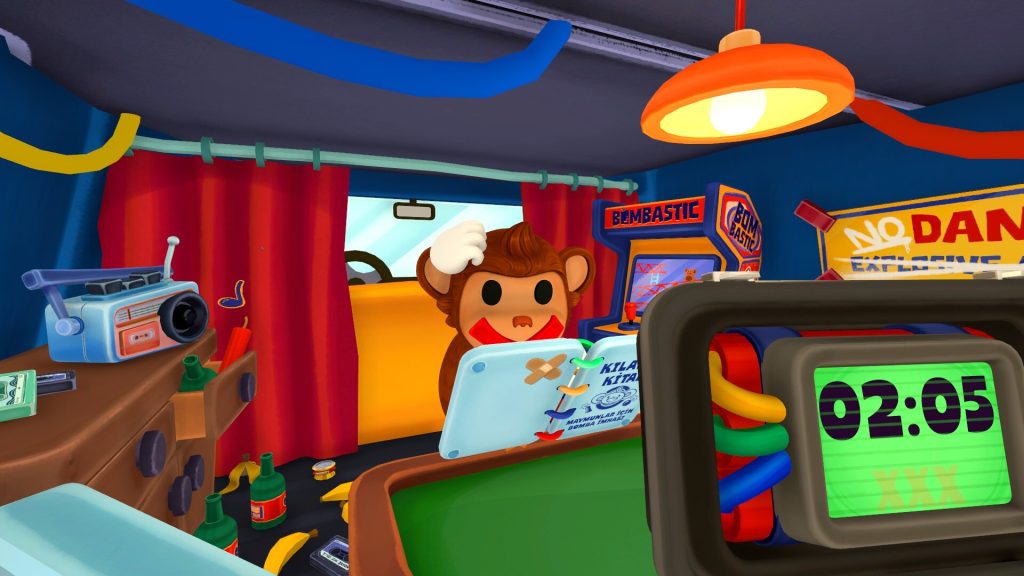
BOMBANANA! reaches 500,000 monkeys five days after launching its chaotic three-player bomb-defusal game on Steam.
Don’t Nod is considering another restructuring, raising concerns that further job cuts could follow as the Life is Strange studio…
One brutal week in August saw 720 games launch on Steam, showing just how difficult it is for indie developers…
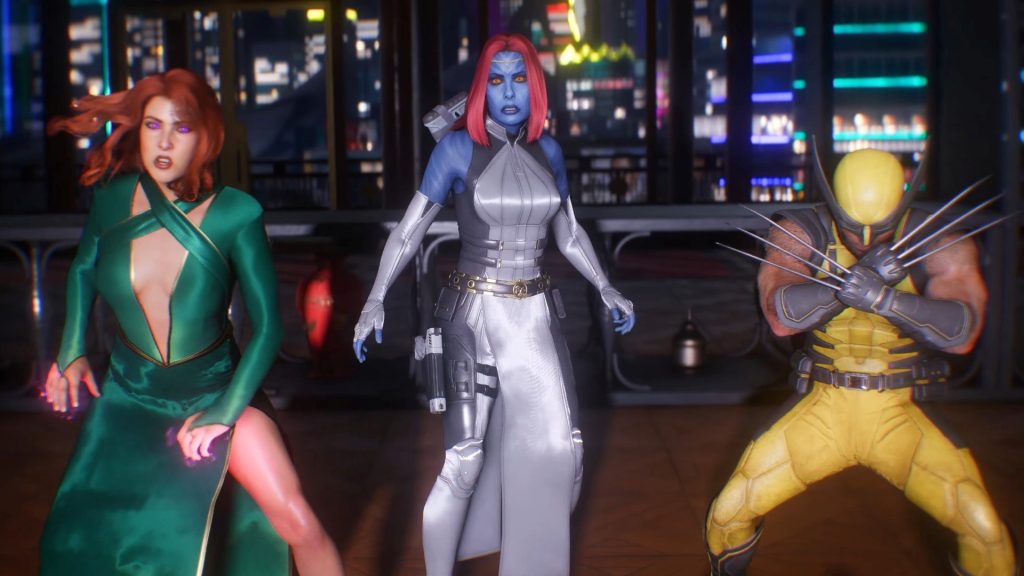
PlayStation fans are no longer impressed by quantity alone, with many waiting for major first-party announcements to make State of…
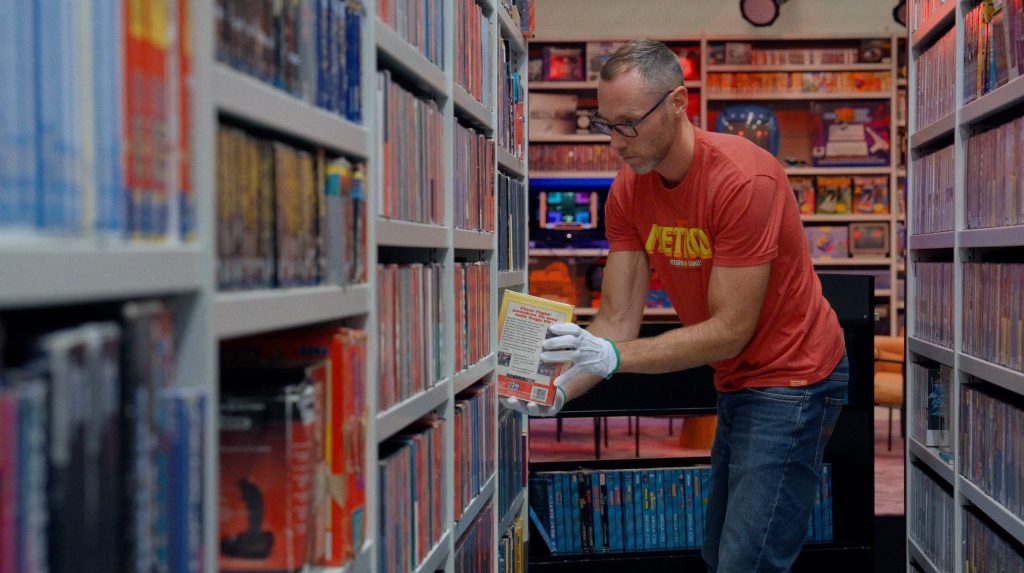
Embracer Games Archive celebrates five years after cataloguing over 90,000 games, consoles, accessories and hardware for preservation.
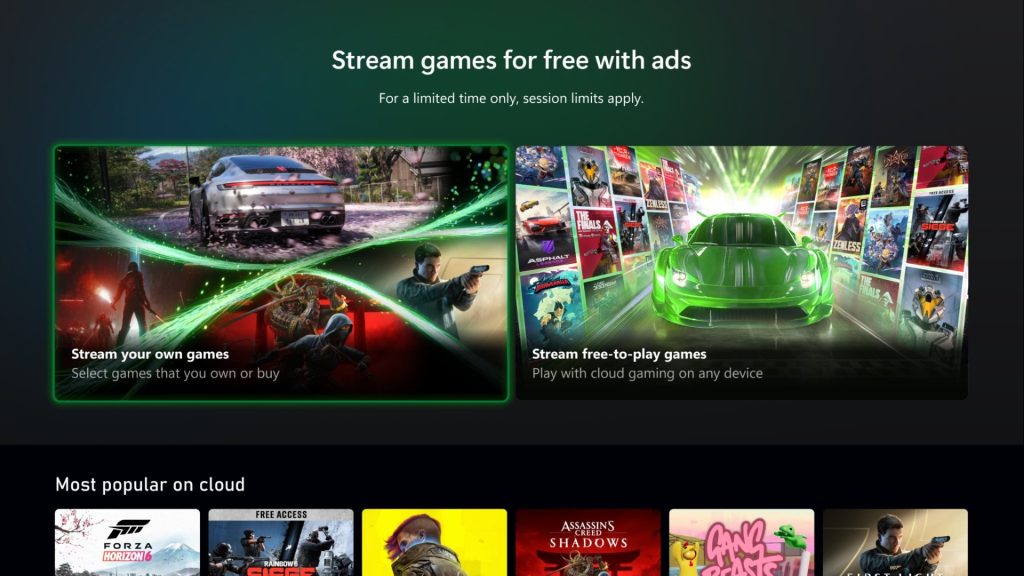
Xbox Cloud Gaming is about to become a lot less unlimited, as Microsoft has announced monthly streaming caps for Game…
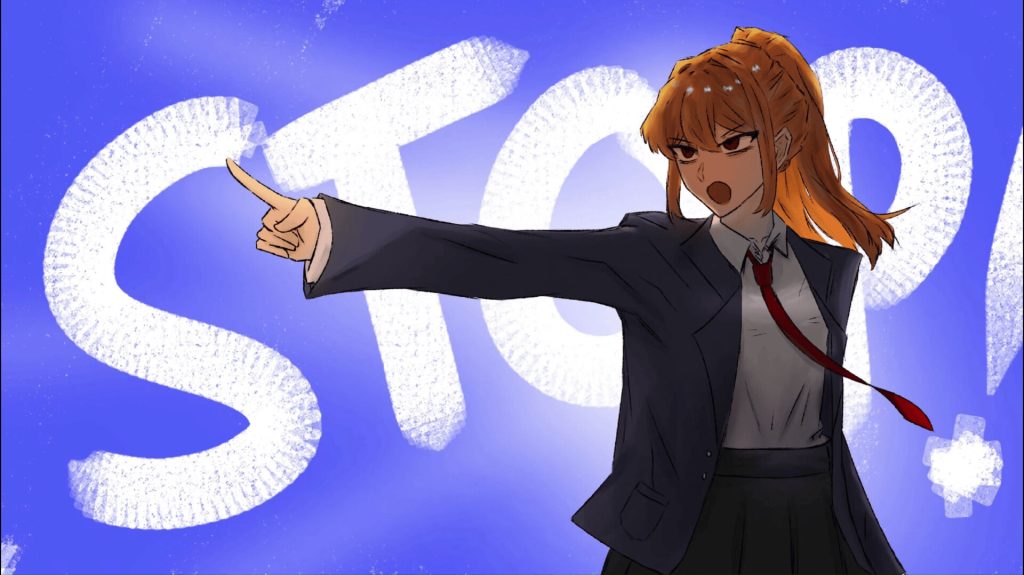
Nightmere I blends detective mystery, psychological horror and RPG exploration as investigator Amelia searches for a missing student in 1991.
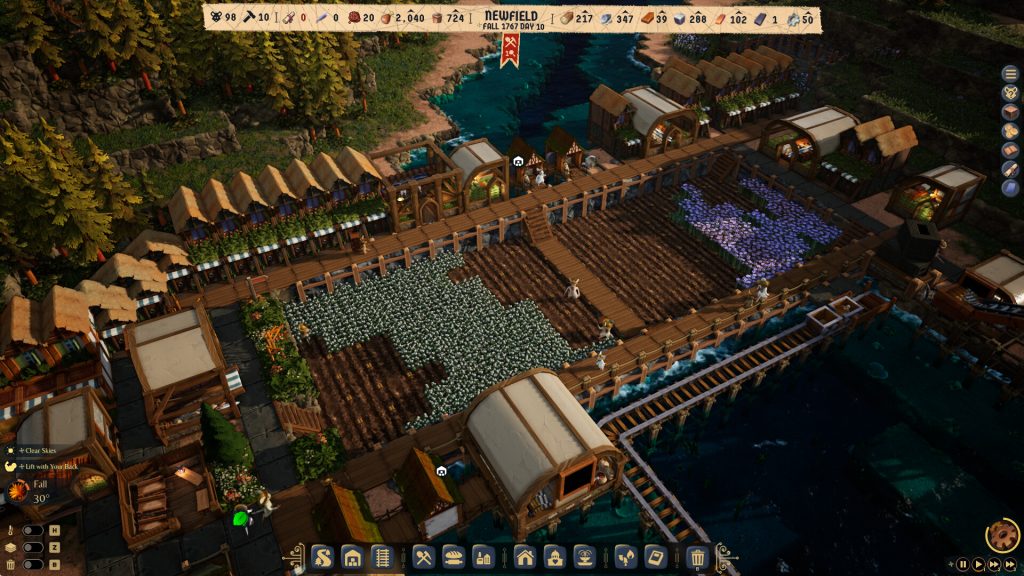
Whiskerwood is expanding its mouse colony with an entire ocean to worry about, bringing new challenges to the colony-building survival…
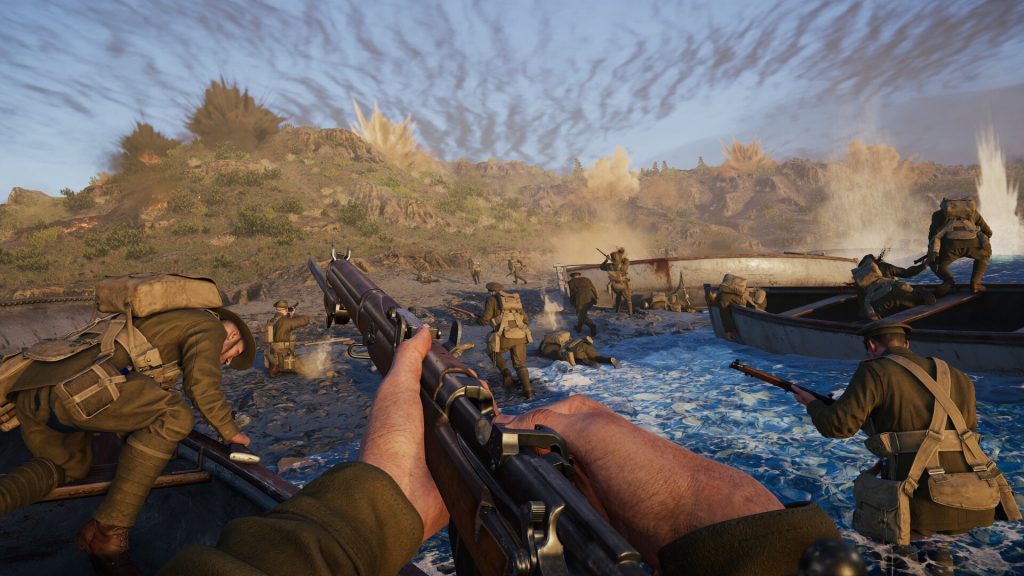
Gallipoli launched last month, but BlackMill Games is already preparing its first free expansion, adding something never before seen in…
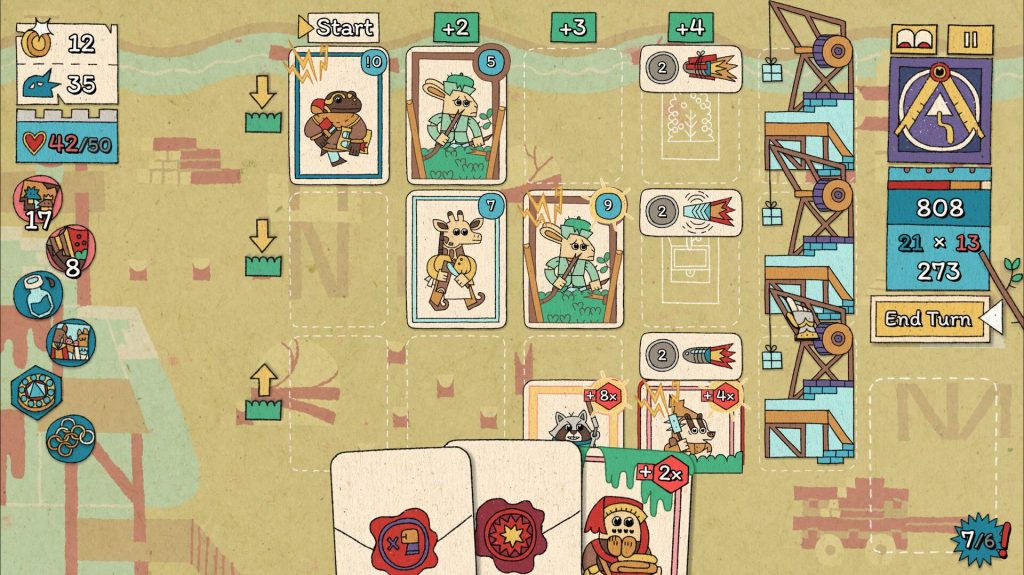
The Royal Writ will launch for PlayStation 5, Xbox Series X|S and Nintendo Switch on September 10th, alongside Xbox Game…
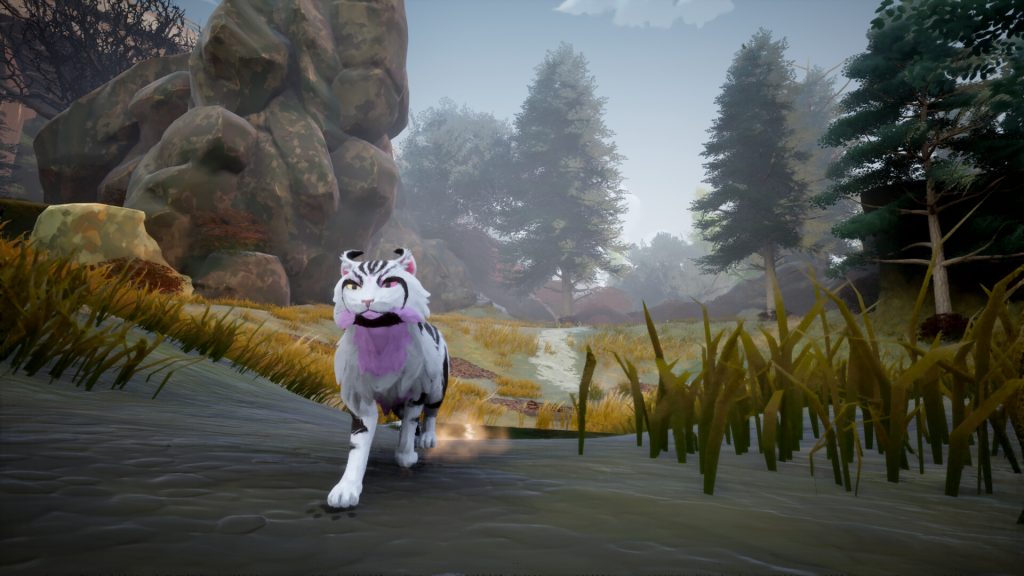
Warrior Cats: Clans of the Forest launches on October 23rd, 2026 for PC, PlayStation 5, Xbox Series X|S and both…
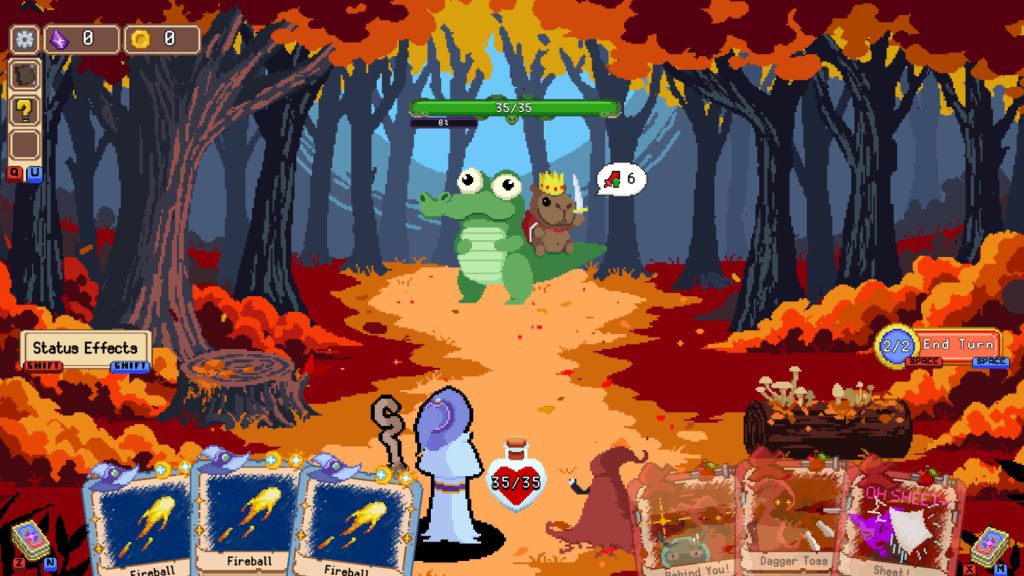
Duo Quest’s free Steam demo now supports online co-op ahead of the relationship-driven roguelite deckbuilder’s September 16th launch.
